Daily Laser Cutting Machine Maintenance Tips for Fabrication Shops: The Ultimate Guide


The Critical Role of Maintenance in Modern Metal Fabrication
In the high-stakes world of metal fabrication, the laser cutting machine stands as the heart of the production line. Whether you are operating a high-power fiber laser or a precision CO2 system, the consistency of your output is directly proportional to the rigor of your maintenance routine. Implementing Daily Laser Cutting Machine Maintenance Tips Fabrication Shops can trust is not merely about keeping the machine running; it is about protecting a significant capital investment and ensuring that every cut meets the tight tolerances required by modern industry.
Neglecting maintenance leads to a cascade of failures. It starts with minor issues like increased dross or slightly slower cutting speeds, but quickly escalates into catastrophic component failure, such as a damaged laser source or a seized linear guide. For fabrication shops, downtime is the ultimate enemy. When a laser is offline, the entire workflow halts—press brakes sit idle, welding stations wait for parts, and delivery schedules slip. This guide provides a comprehensive framework for maintaining your HARSLE laser cutting equipment to ensure peak performance and longevity.
Beyond the mechanical aspects, a well-maintained machine is a safer machine. Dust accumulation in electrical cabinets can lead to short circuits or fires, while poorly maintained gas lines can result in leaks that compromise both the cut quality and the safety of the operator. By following a structured maintenance plan, shops can foster a culture of precision and accountability, ensuring that operators are as invested in the machine’s health as the business owners are.
Finally, the resale value of industrial machinery is heavily dependent on its service history. A laser cutting machine that has been meticulously maintained according to professional standards will command a much higher price on the secondary market. Thus, maintenance is both an operational necessity and a financial strategy. In the following sections, we will break down the essential daily, weekly, and monthly tasks required to keep your fabrication shop running at maximum efficiency.
Daily Inspection: The Foundation of Machine Longevity
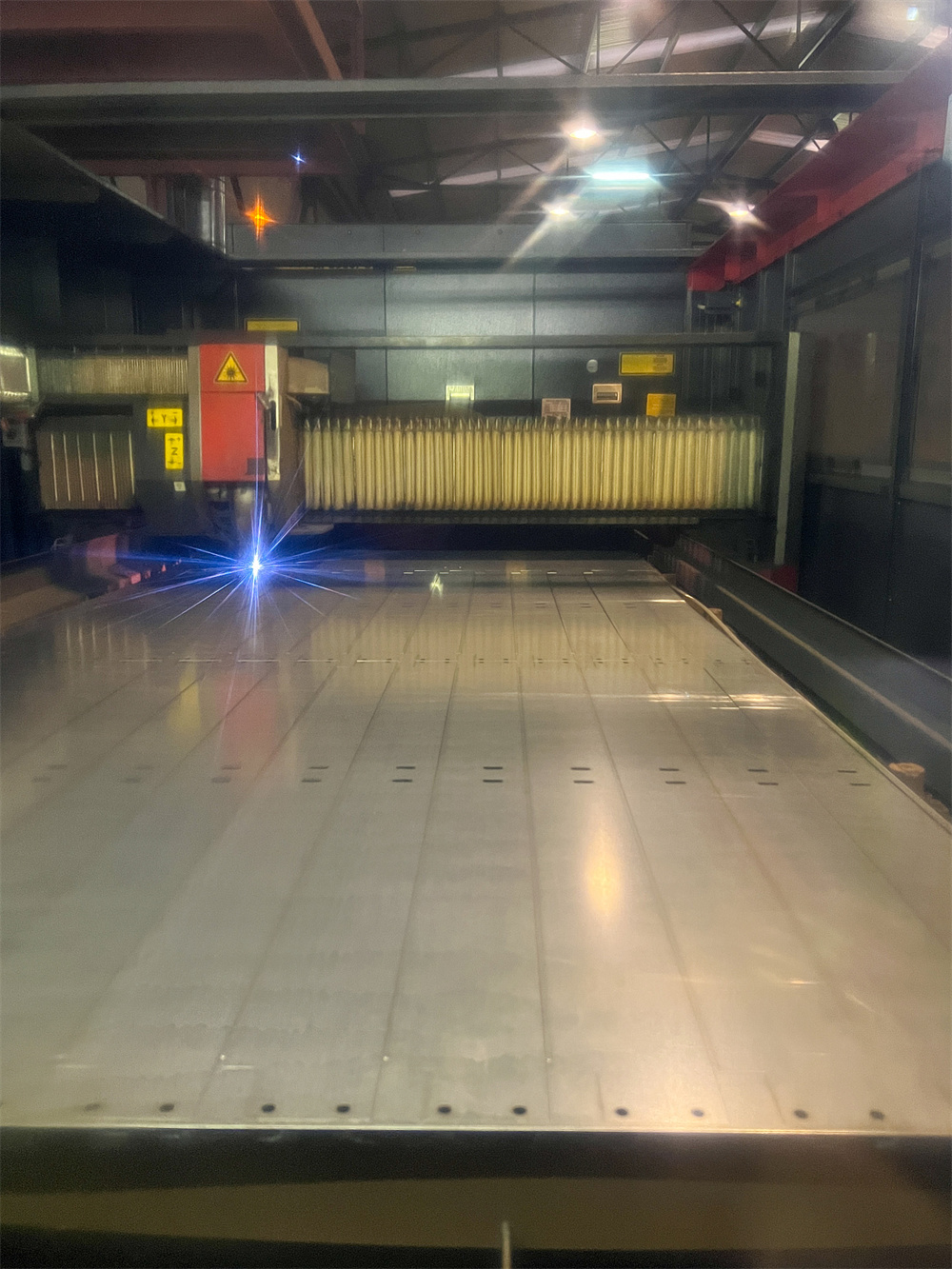
The first step in any successful maintenance program is the daily pre-start inspection. This routine should be performed at the beginning of every shift to identify potential issues before they become costly repairs. The primary focus of daily checks is cleanliness. Laser cutting generates a significant amount of dust, metallic particles, and fumes. If these contaminants are allowed to settle on critical components, they act as abrasives, wearing down moving parts and interfering with the laser beam’s path.
Operators should begin by cleaning the machine’s worktable. Slag buildup on the copper or steel slats can affect the flatness of the sheet metal being cut, leading to focus issues or even head collisions. Using a specialized slag removal tool or a simple scraper can prevent these problems. Additionally, the area around the machine should be kept clear of scrap metal and debris to ensure the operator has a safe, unobstructed workspace.
The laser head is the most sensitive part of the machine. Daily inspection of the protective lens is mandatory. Even a tiny speck of dust on the lens can absorb laser energy, causing the lens to overheat and crack—a phenomenon known as “thermal runaway.” Operators must use specialized cleaning kits, including lint-free swabs and high-purity optical grade ethanol, to clean the lens. Never use compressed air from a standard shop line, as it contains moisture and oil that will ruin the optics.
Lastly, check the gas supply. Whether you are using oxygen, nitrogen, or compressed air as an assist gas, ensure that the pressures are within the manufacturer’s specified range. Check for any audible leaks in the hoses or connectors. Consistent gas flow is essential for blowing away molten metal and protecting the cutting head from backsplash. A drop in gas pressure can lead to poor cut quality and increased wear on the nozzle.
Hydraulic, Electrical, and Mechanical System Checks
Cooling Systems and Fluid Management
While fiber lasers do not use traditional hydraulic drive systems for the cutting head, they rely heavily on a water-cooling system (chiller) to regulate the temperature of the laser source and the cutting head. The “hydraulic” aspect of laser maintenance involves checking the coolant levels and the integrity of the water lines. Ensure that the chiller is running at the correct temperature—usually between 20°C and 25°C, depending on the ambient environment. If the water temperature fluctuates too much, the laser’s wavelength can shift, leading to inconsistent cutting power.
Check the water quality daily. Most industrial lasers require deionized or distilled water mixed with a specific percentage of biocide to prevent algae growth. If the water appears cloudy or discolored, it must be flushed and replaced immediately. Clogged filters in the chiller can restrict flow, causing the laser source to overheat and trigger an emergency shutdown. Regularly inspect the hoses for kinks or signs of perishing, as a burst hose near high-voltage electrical components can be disastrous.
Electrical Cabinet and Control Systems
The electrical system is the brain of the laser cutting machine. Fabrication shops are inherently dusty environments, and this dust is often conductive. If metallic dust enters the electrical cabinet, it can cause short circuits on the PLC boards or drivers. Daily maintenance should include checking that all cabinet doors are tightly sealed and that the cooling fans are operational. If the cabinet uses an industrial air conditioner, ensure the filters are clean to prevent the internal components from overheating.
Inspect the cables and the drag chain (cable carrier). The constant movement of the X and Y axes can cause wear on the protective casing of the power and data cables. Look for any signs of fraying or cracking. A loose connection in a servo motor cable can cause “ghost” errors where the machine loses its position, leading to ruined workpieces. Ensure that the grounding wire is securely fastened, as proper grounding is critical for protecting the sensitive electronics from power surges.
Mechanical Alignment and Motion Components
The mechanical precision of a laser cutter depends on the integrity of its motion system. Check the X, Y, and Z axes for smooth movement. Any grinding or squeaking noises indicate a lack of lubrication or the presence of debris in the rack and pinion or ball screw systems. Use a clean cloth to wipe down the guide rails daily to remove accumulated dust before applying new lubricant. This prevents the formation of a “grinding paste” that can rapidly wear down the hardened steel surfaces.
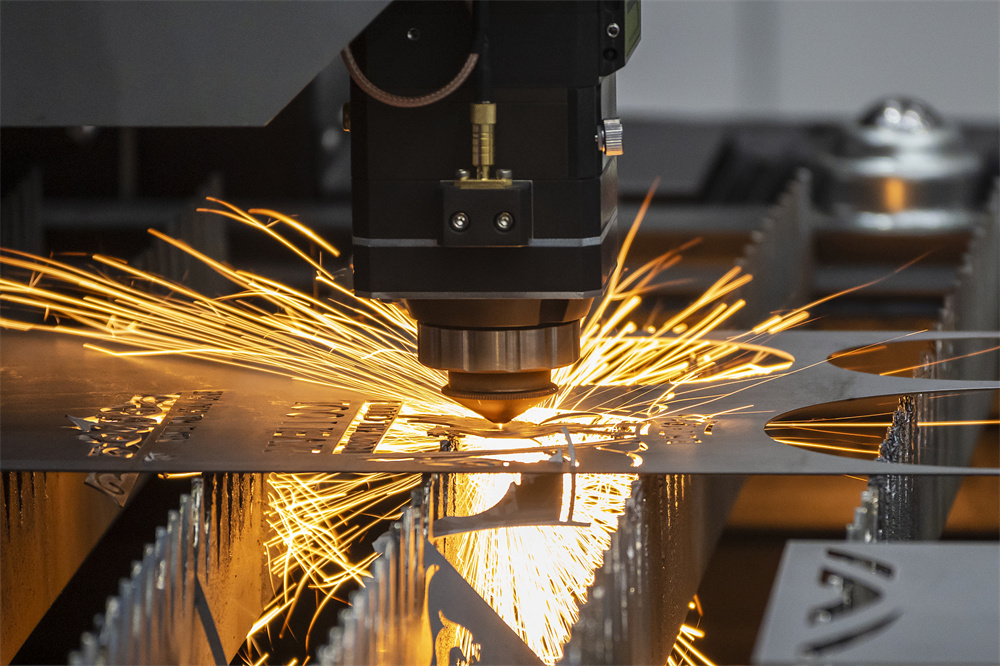
Comprehensive Lubrication Plan for Fabrication Shops
Lubrication is the lifeblood of mechanical longevity. For a laser cutting machine, the lubrication plan must be precise and consistent. Most modern HARSLE machines feature an automatic lubrication system, but this does not mean it can be ignored. Operators must check the oil reservoir daily to ensure it is full. Using the wrong type of lubricant can be just as damaging as using none at all. Always refer to the manufacturer’s manual; typically, a high-quality ISO VG 32 or 68 oil is used for rails, while a lithium-based grease is used for ball screws.
If your machine requires manual lubrication, establish a strict schedule. The linear guides and the rack and pinion system should be lubricated every 8 to 24 hours of operation, depending on the workload. Before applying new grease, it is vital to wipe away the old, dirty grease. Applying new lubricant over old debris only serves to trap contaminants against the bearing surfaces, accelerating wear. Pay special attention to the Z-axis ball screw, which often gets overlooked but is critical for maintaining the correct focal height during cutting.
In addition to the motion components, check the lubrication of the shuttle table mechanism if your machine is equipped with one. The chains and gears that move the heavy pallets need regular greasing to prevent jerky movements that could misalign the sheet metal. A well-lubricated machine runs quieter, uses less energy, and maintains its accuracy over years of heavy use. Documenting every lubrication cycle in a logbook is a best practice that ensures accountability among different shifts.
Troubleshooting Signals: Identifying Issues Early
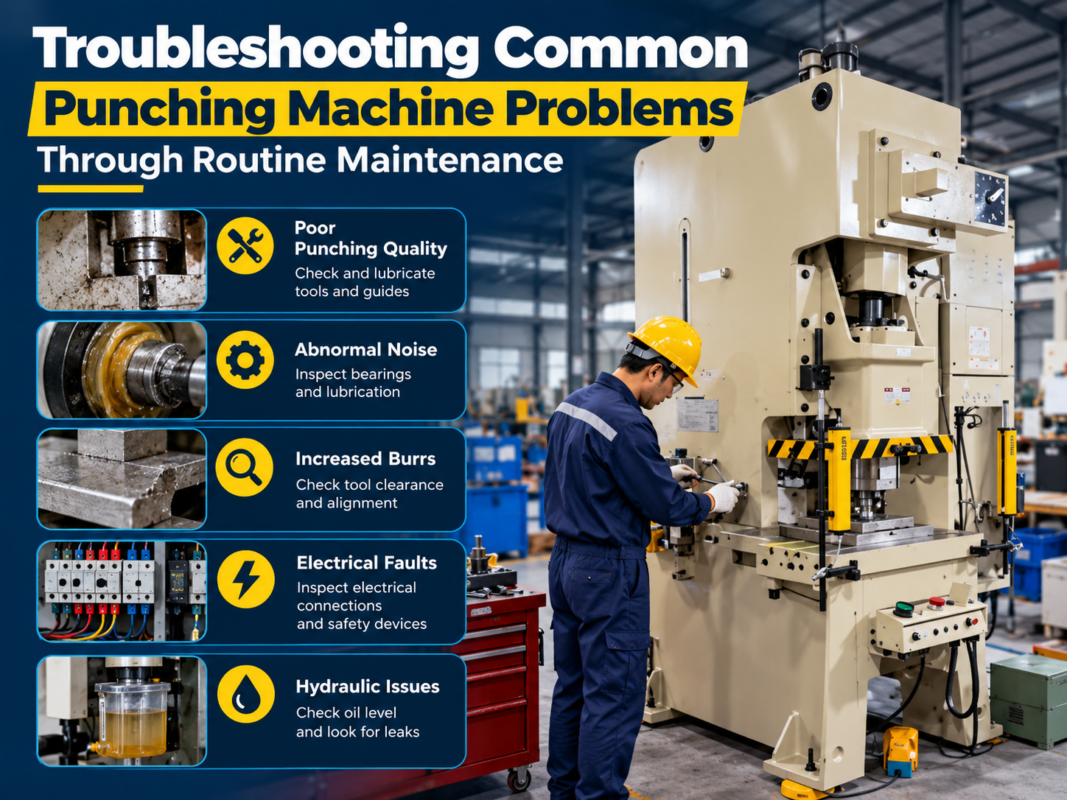
A skilled operator should be able to “listen” to the machine. Changes in the sound of the cutting process or the movement of the gantry are often the first signs of trouble. For example, a high-pitched whistling sound during cutting usually indicates a worn nozzle or an obstruction in the gas flow. A vibrating or humming sound from the motors might suggest that the servo parameters need tuning or that a mechanical component is loose.
Visual cues are equally important. If the cut edge suddenly becomes rough or shows excessive dross (the melted metal that sticks to the bottom of the cut), it is a signal to check the optics or the gas purity. Inconsistent cutting—where the laser cuts through in some areas but not others—often points to a leveling issue with the slats or a problem with the laser’s focal point. If the machine’s “Home” position seems to shift slightly over time, check the limit switches and the cleanliness of the encoders.
Modern CNC systems provide error codes that are invaluable for troubleshooting. However, operators should not wait for an alarm to trigger before investigating a problem. Regular “test cuts” on a standard piece of material can help track the machine’s performance over time. If the test cut quality deviates from the baseline, it’s time to perform a deep dive into the maintenance checklist. Early detection of a failing bearing or a contaminated lens can save thousands of dollars in replacement parts and lost production time.
Comprehensive Maintenance Schedule Table
To help your fabrication shop stay organized, use the following table as a template for your maintenance routine. Adjust the frequency based on your specific machine model and production volume.
| Frequency | Component | Action Required |
|---|---|---|
| Daily | Protective Lens | Inspect for dust/burns; clean with optical grade ethanol. |
| Daily | Nozzle & Ceramic Ring | Check for damage or slag; ensure the nozzle is centered. |
| Daily | Chiller / Cooling System | Check water levels, temperature, and for any leaks. |
| Daily | Worktable / Slats | Remove slag and debris to ensure a flat cutting surface. |
| Weekly | X/Y/Z Guide Rails | Wipe clean and apply fresh lubricant; check for smooth travel. |
| Weekly | Dust Extraction System | Empty the dust collector and check the filter condition. |
| Monthly | Electrical Cabinet | Vacuum dust from fans and filters; check cable connections. |
| Monthly | Gas Lines & Regulators | Check for leaks using soapy water; inspect filters in the gas line. |
| Quarterly | Laser Source | Check internal humidity/temperature sensors; perform a power check. |
| Yearly | Full Calibration | Professional inspection of beam alignment and mechanical squareness. |
Frequently Asked Questions (FAQ)
1. How often should I change the water in my laser chiller?
For most fabrication shops, the chiller water should be replaced every 3 to 6 months. However, if you notice any cloudiness, algae growth, or if the machine is operating in a particularly hot or dusty environment, you should change it more frequently. Always use deionized or distilled water to prevent mineral buildup inside the laser source.
2. Why is my laser cutting machine producing more dross than usual?
Increased dross is usually caused by one of three things: a dirty or damaged protective lens, incorrect focal height, or poor gas pressure/purity. Start by cleaning the lens and checking the nozzle centering. If the problem persists, verify that your assist gas (especially oxygen) is of the correct purity grade for laser cutting.
3. Can I use any grease for the linear guides?
No. Using the wrong grease can lead to gumming or insufficient lubrication at high speeds. Most laser manufacturers recommend a specific lithium-based grease or a high-quality machine oil. Check your HARSLE manual for the exact specification to avoid voiding your warranty or damaging the precision rails.
4. How do I know if my laser beam is out of alignment?
Signs of misalignment include uneven cut quality (e.g., the left side of a hole is clean but the right side is rough) or the laser failing to cut through the material at standard settings. You can perform a “tape test” on the nozzle to see if the beam is centered. If the beam is off-center, it will hit the side of the nozzle, causing poor cuts and potentially damaging the cutting head.
5. Is it necessary to clean the electrical cabinet?
Yes, absolutely. Metallic dust is common in fabrication shops and is highly conductive. If it gets into the electrical cabinet, it can cause short circuits on expensive driver boards and PLCs. Regular cleaning of the cabinet filters and ensuring the doors are sealed is a critical part of Daily Laser Cutting Machine Maintenance Tips Fabrication Shops should follow.
Conclusion: Investing in Excellence
Maintaining a laser cutting machine is an ongoing commitment that pays dividends in the form of precision, reliability, and safety. By following these Daily Laser Cutting Machine Maintenance Tips Fabrication Shops can ensure that their HARSLE equipment remains a competitive advantage rather than a source of frustration. A disciplined approach to maintenance reduces the total cost of ownership and empowers your team to produce world-class metal components with confidence.
At HARSLE, we understand that our customers’ success depends on the uptime of our machines. That is why we design our laser systems with accessibility and ease of maintenance in mind. By combining high-quality engineering with a rigorous shop-floor maintenance routine, you can push the boundaries of what is possible in metal fabrication. Remember, the best time to maintain your machine was yesterday; the second best time is today.