How to Find the Best Value Laser Cutting Machine for Your Metal Business

Introduction: Navigating the Complex Market of Laser Cutting
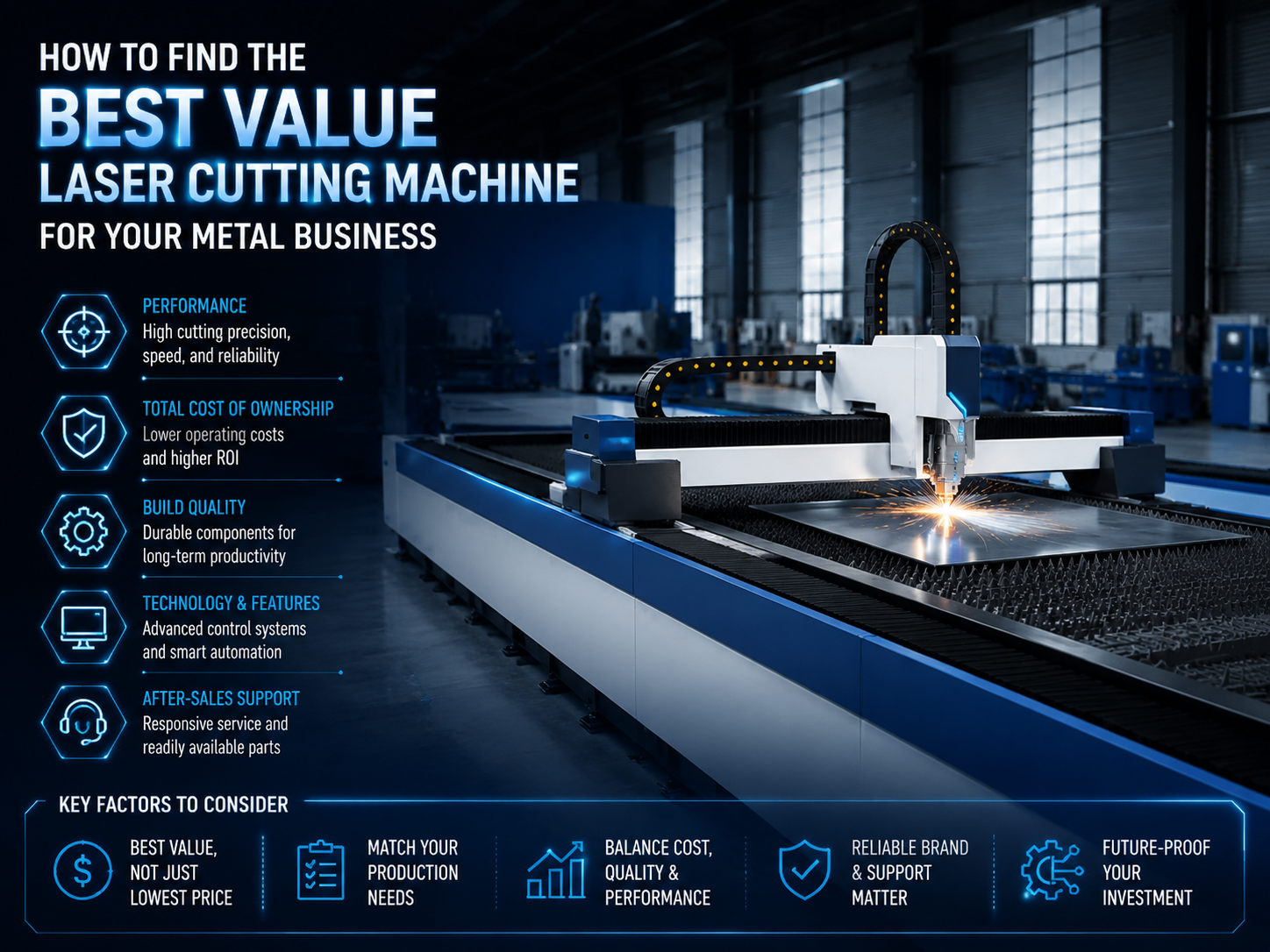
In the modern metal fabrication landscape, the ability to deliver precision, speed, and cost-efficiency is what separates a thriving business from one that struggles to keep up. For many shop owners, the decision to invest in a fiber laser cutting machine is a pivotal moment. However, the market is flooded with options ranging from budget-friendly entry-level models to multi-million dollar automated systems. To Find Best Value Laser Cutting Machine Metal Business owners must look beyond the initial sticker price and evaluate the total cost of ownership, performance longevity, and the specific needs of their production line.
Value is not synonymous with ‘cheap.’ In the context of industrial machinery, value represents the intersection of performance, reliability, and support relative to the capital invested. A machine that costs $10,000 less upfront but suffers from frequent downtime or poor cutting quality will ultimately become a liability. Conversely, over-specifying a machine with features your business doesn’t need can lead to a bloated ROI period that drains your cash flow. This guide is designed to help you navigate these complexities and identify the machine that offers the highest return for your specific metalworking operations.
Price Range Overview: What Does the Market Look Like?
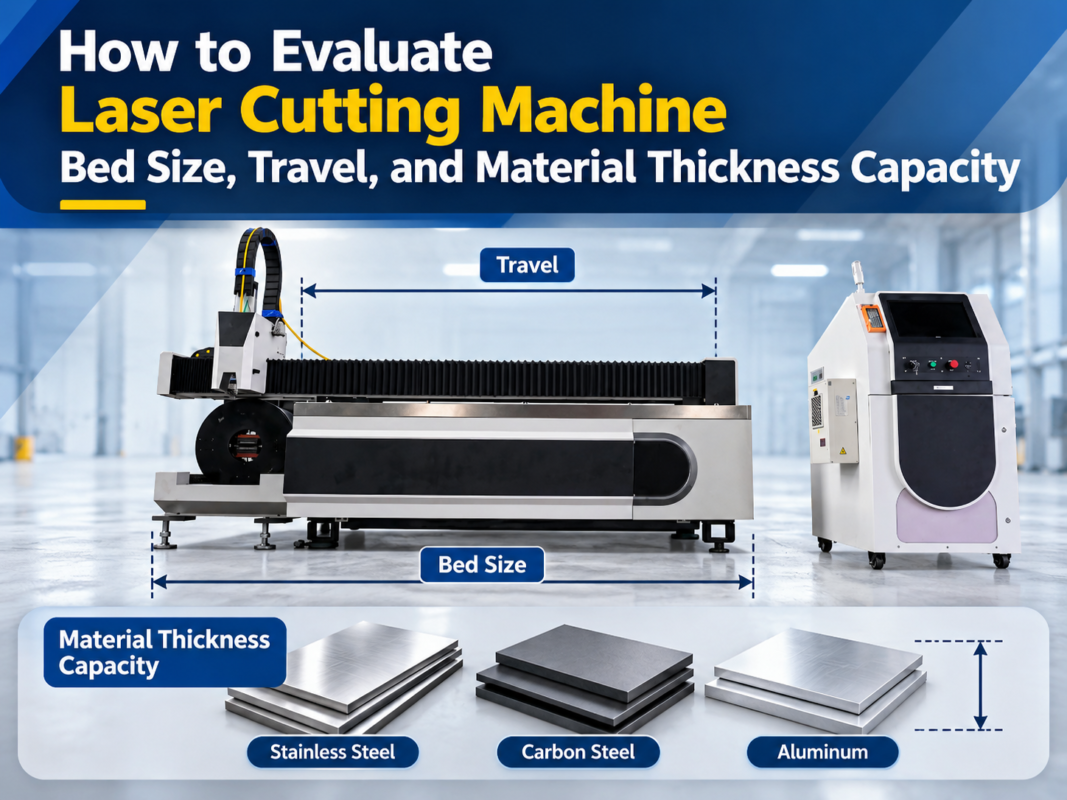
The price of a laser cutting machine is primarily determined by its power output, bed size, and the quality of its core components. Generally, the market can be divided into three main tiers. Understanding where your business fits within these tiers is the first step in narrowing down your search. Entry-level machines, typically featuring 1kW to 3kW fiber laser sources, are priced between $20,000 and $50,000. These are ideal for small shops or businesses transitioning from plasma cutting to laser for the first time. They excel at cutting thin materials like 1-5mm carbon steel and stainless steel with high precision.
Mid-range machines, which are the workhorses of the industry, usually offer 6kW to 12kW of power and are priced from $60,000 to $150,000. These machines provide a significant jump in cutting speed and the ability to handle thicker plates (up to 30mm or more). They often include features like exchange tables, which allow for continuous loading and unloading, significantly increasing throughput. For a growing metal business, this tier often represents the ‘sweet spot’ for value, providing enough power for future growth without the extreme costs of ultra-high-power systems.
High-end and ultra-high-power machines (20kW to 60kW+) can exceed $250,000. These are designed for heavy industrial use, such as shipbuilding, construction machinery, and large-scale service centers. While the price is high, the value lies in their incredible speed on thick materials and their ability to replace multiple lower-power machines. When you aim to Find Best Value Laser Cutting Machine Metal Business success, you must calculate whether your volume justifies the leap to these high-performance tiers.
Main Cost Drivers: What Are You Actually Paying For?
The most significant cost driver in any fiber laser machine is the laser source itself. Brands like IPG Photonics are considered the gold standard for stability and longevity, but they come with a premium price tag. Chinese brands like Raycus and Maxphotonics have made massive strides in reliability and offer excellent value for businesses looking to maximize their budget. The choice of laser source can affect the machine’s price by 30% or more. It is essential to match the source to your duty cycle; if you are running 24/7, a premium source might be worth the investment for the peace of mind it provides.
The second major driver is the motion system, which includes the gantry, servo motors, and rack and pinion. A high-value machine must have a rigid, heat-treated frame to prevent deformation over years of high-speed movement. If the gantry is too heavy, it limits acceleration; if it’s too light, it lacks the stability required for precision. High-quality Japanese servo motors (like Yaskawa) and precision gear racks (like YYC or Apex) ensure that the machine maintains its accuracy even after millions of cycles. Cutting corners here results in a machine that loses its precision within the first year of operation.
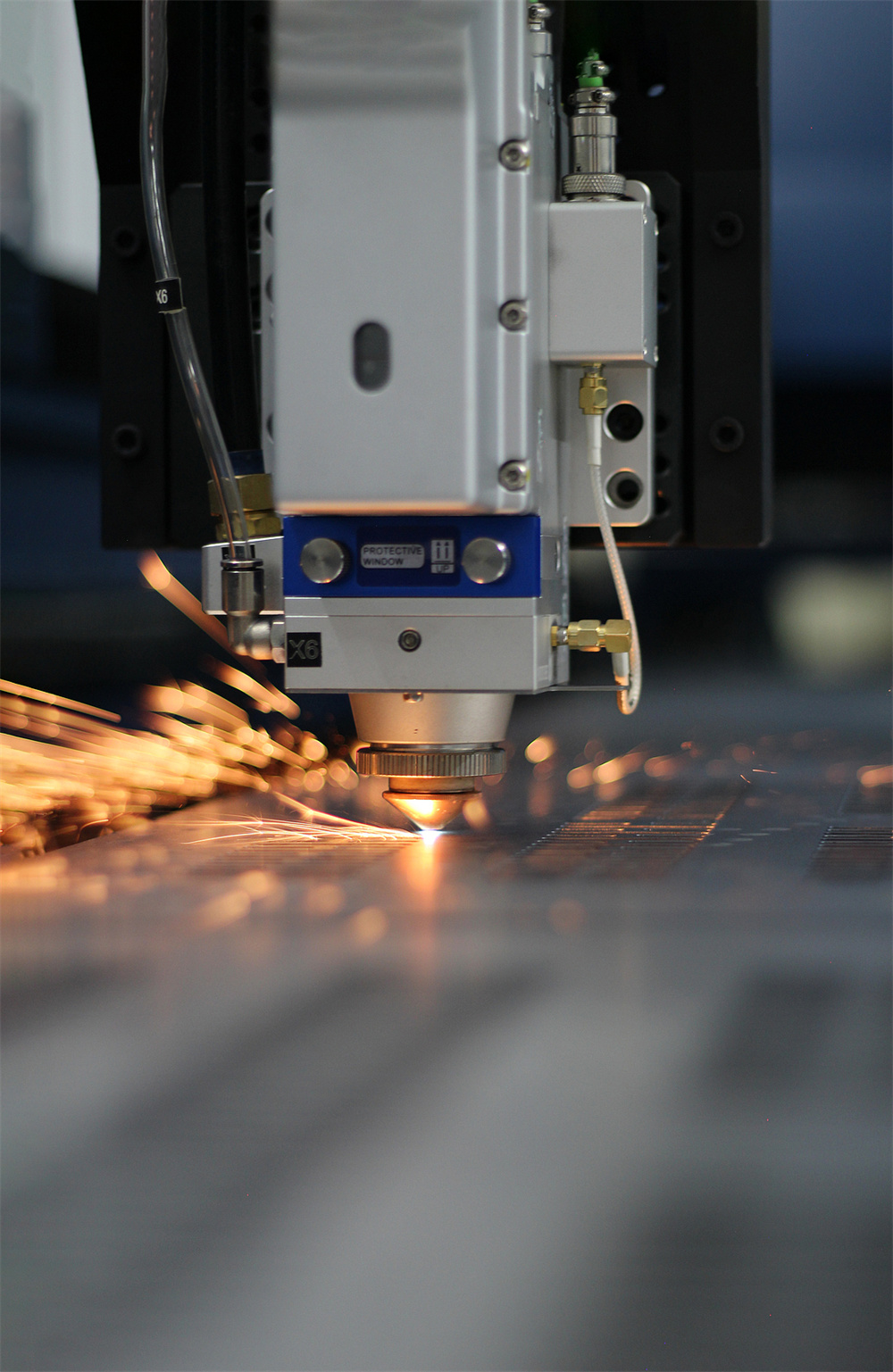
Furthermore, the cutting head technology plays a vital role. Modern machines often feature auto-focus cutting heads (such as those from Raytools or Precitec). While manual focus heads are cheaper, the time lost in manual adjustment across different material thicknesses can quickly erode the initial savings. For a business focused on efficiency, an auto-focus head is almost always the better value choice. It reduces human error and allows for seamless transitions between different jobs, which is critical for job shops handling diverse client requests.
Configuration Impact: Tailoring the Machine to Your Workflow
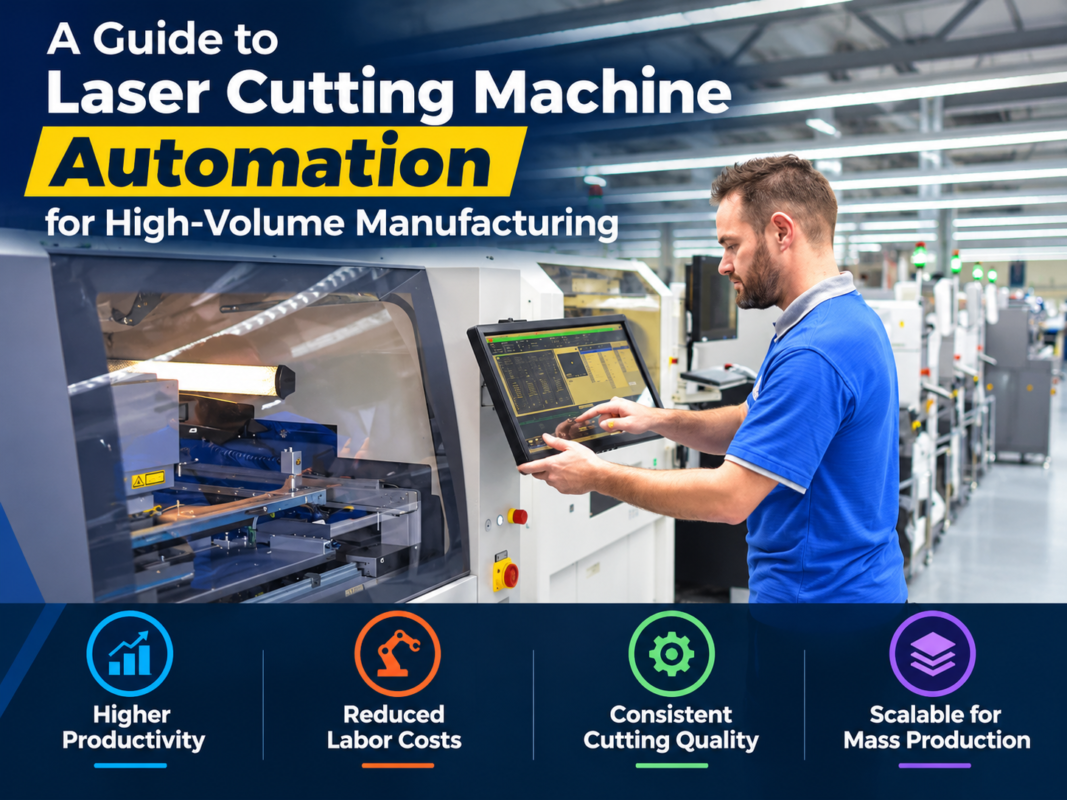
Configuration is where you can truly optimize the value of your purchase. One of the most impactful decisions is whether to include an automatic exchange table (shuttle table). An exchange table allows the operator to load a new sheet of metal while the machine is still cutting the previous one. In a high-volume environment, this can increase productivity by 30-50%. If your business handles large batches, the extra cost of the exchange table is recovered very quickly through increased output. However, for a prototype shop where the machine only runs a few hours a day, a single-table machine might offer better value by saving floor space and capital.
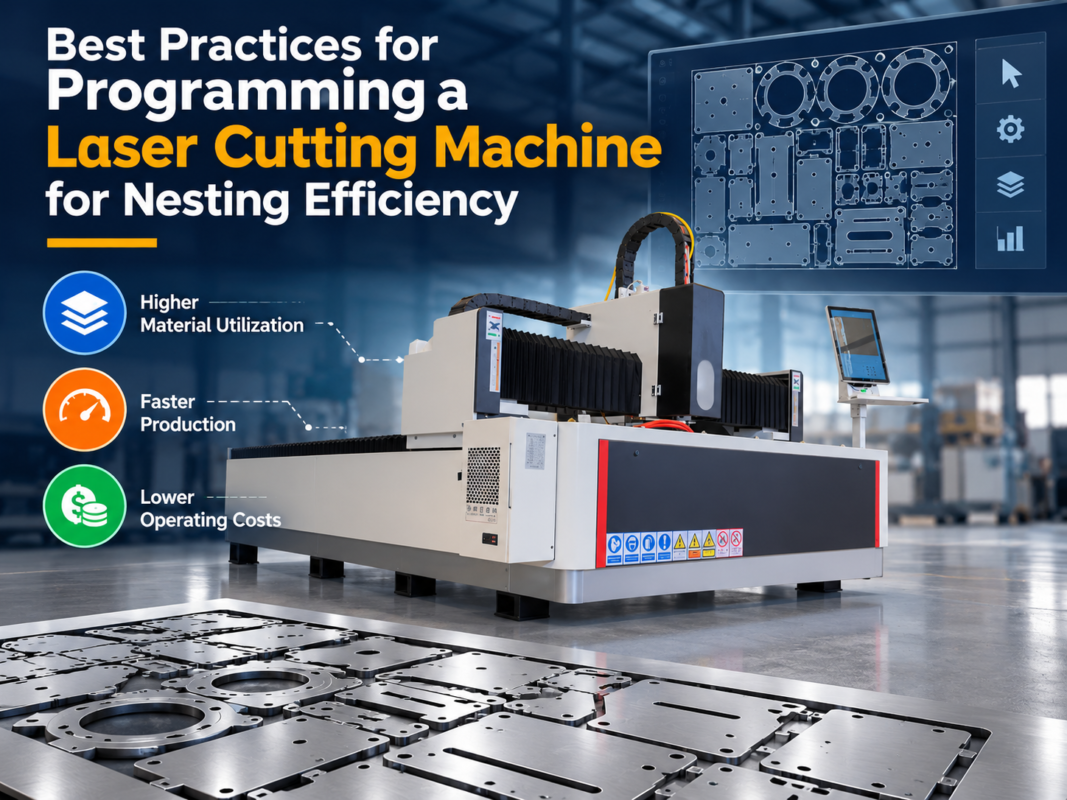
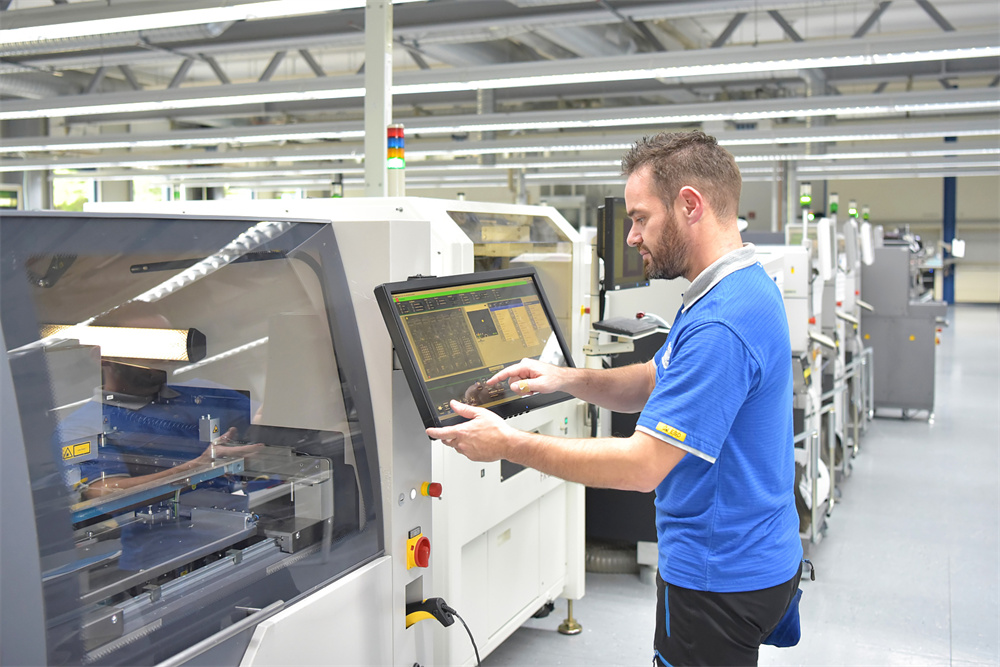
The control system is another area where configuration matters. Most high-value Chinese machines utilize the CypCut control system. It is widely regarded as user-friendly, powerful, and specifically optimized for fiber laser cutting. It includes nesting software that helps minimize material waste. Choosing a machine with a well-supported and easy-to-learn control system reduces training time and allows your operators to become productive faster. A machine with a cryptic or poorly translated interface will lead to frustration and costly mistakes.
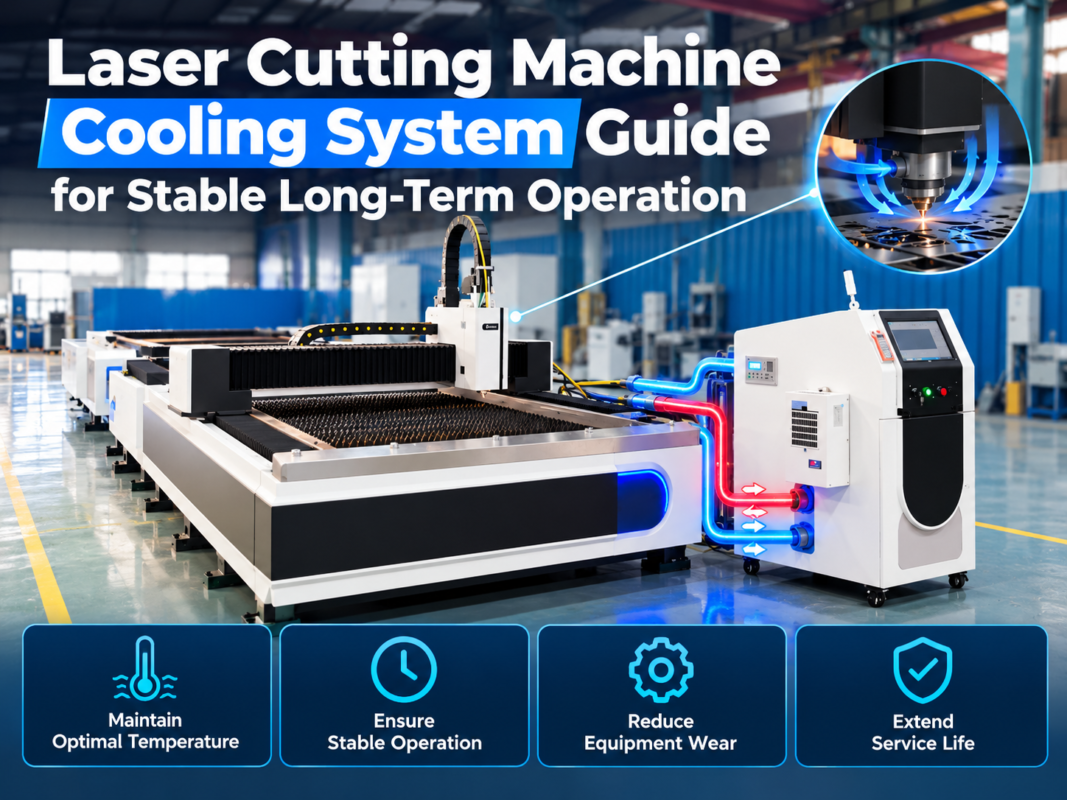
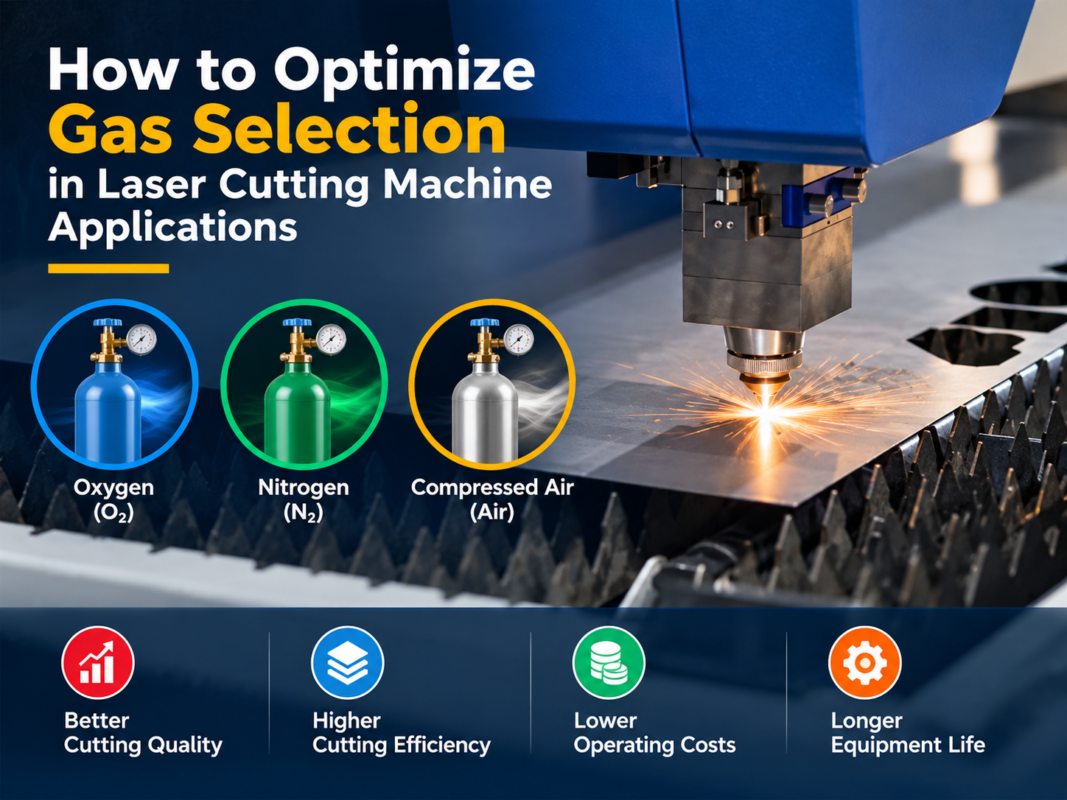
Don’t overlook the importance of the cooling system and gas control. A high-quality industrial chiller is non-negotiable for maintaining the stability of the laser source and the cutting head. Similarly, high-pressure proportional valves for gas control allow the machine to automatically adjust gas pressure based on the material being cut. This not only improves cut quality but also reduces the consumption of expensive gases like Nitrogen and Oxygen. These technical configurations might seem like minor details, but they are the components that ensure the machine performs consistently day after day.
Hidden Costs: What to Budget for Beyond the Purchase Price
When you Find Best Value Laser Cutting Machine Metal Business opportunities, you must look at the “hidden” costs that don’t appear on the initial quote. Shipping and installation are the first hurdles. These machines are heavy and delicate; they require specialized logistics and professional installation. Ensure your quote includes on-site commissioning and basic training for your staff. Without proper training, your team may struggle with beam alignment or parameter settings, leading to wasted material and potential damage to the machine.
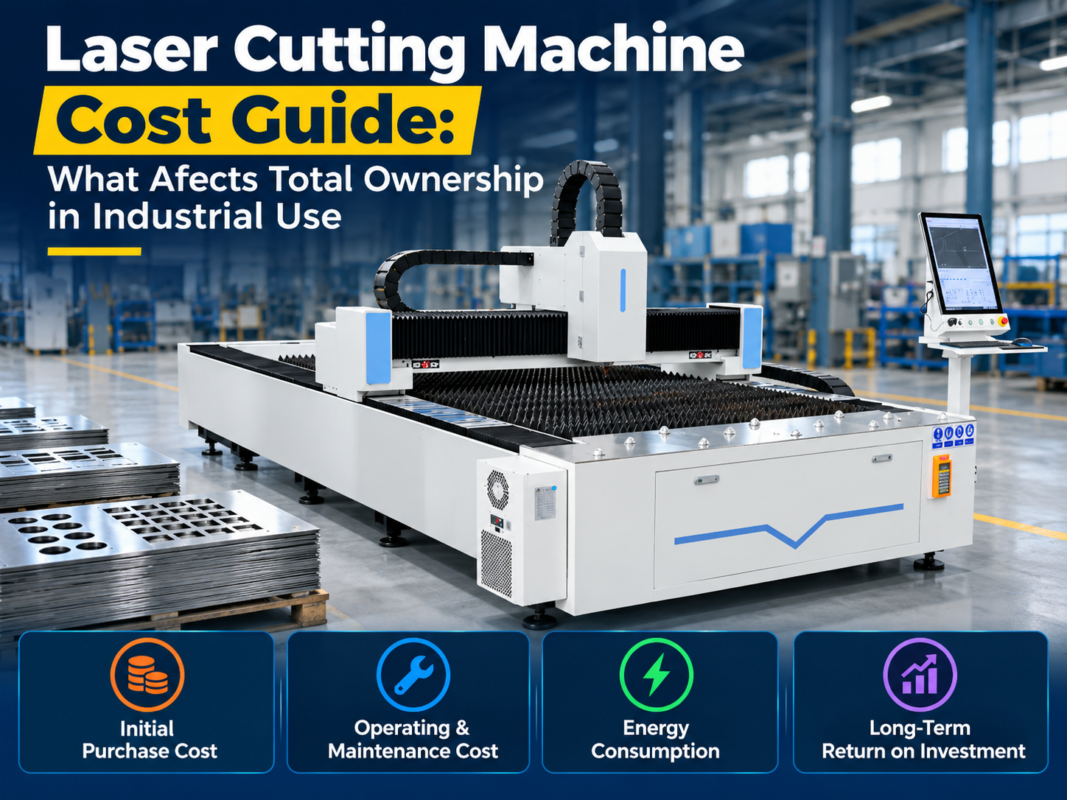
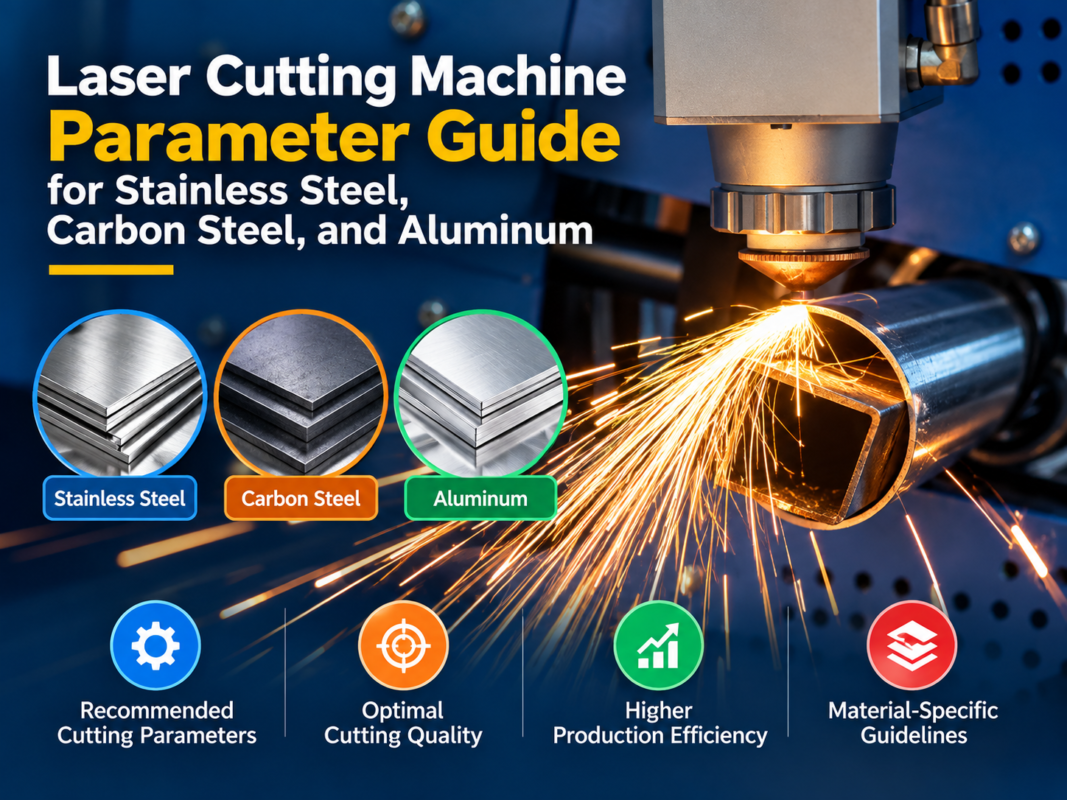
Operating costs are the most significant ongoing expense. This includes electricity, auxiliary gases, and consumables. Fiber lasers are much more energy-efficient than older CO2 lasers, but a 12kW machine still draws significant power. Auxiliary gases—Oxygen for carbon steel, Nitrogen for stainless steel and aluminum, or compressed air for thin materials—can cost thousands of dollars per month depending on your volume. Many businesses find that investing in a high-pressure air compressor system offers the best value, as it allows for “free” gas cutting on thinner gauges, drastically reducing the cost per part.
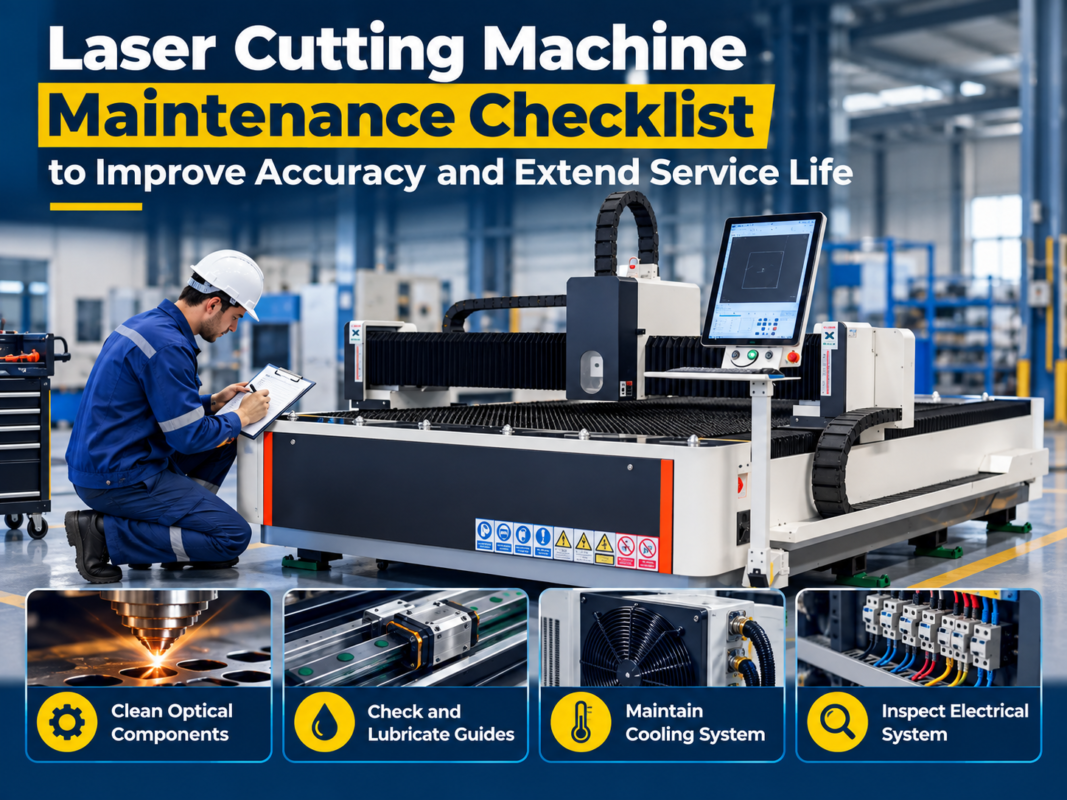
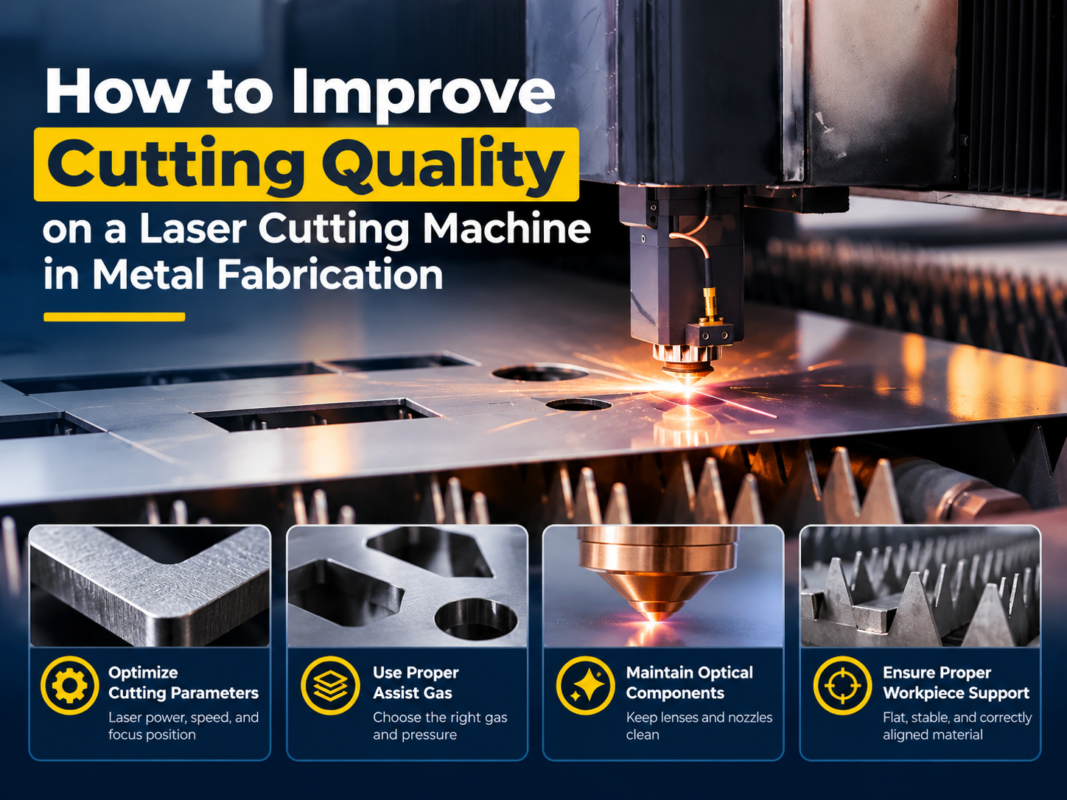
Consumables such as copper nozzles, ceramic rings, and protective windows (lenses) are relatively inexpensive individually but add up over time. A high-value manufacturer like HARSLE provides a starter kit of consumables and ensures that replacements are readily available and affordably priced. Finally, consider the cost of maintenance. While fiber lasers are low-maintenance compared to other technologies, they still require regular cleaning of the optics, lubrication of the rails, and chiller fluid changes. Neglecting these tasks will lead to expensive repairs and downtime that far outweigh any initial savings.
ROI Calculation: Measuring the Success of Your Investment
To determine if a machine is a good value, you must perform a Return on Investment (ROI) calculation. Start by estimating your monthly revenue increase. How many more parts can you produce with the new laser compared to your current methods? If you are currently outsourcing your laser cutting, look at your monthly invoices. Bringing that work in-house not only saves the markup paid to the vendor but also gives you total control over your production schedule and quality.
Next, calculate your monthly operating costs, including the machine’s lease payment (if applicable), labor, gas, electricity, and consumables. Subtract these costs from your projected revenue to find your monthly profit. Divide the total investment cost by this monthly profit to find your payback period in months. A high-value machine typically pays for itself within 12 to 24 months. If the payback period is longer than 36 months, you may need to reconsider the machine’s configuration or your business’s sales strategy.
Consider the “opportunity cost” as well. A machine that is 20% faster might cost 15% more, but that 20% increase in speed allows you to take on more jobs and meet tighter deadlines. In the competitive world of metal fabrication, being the fastest shop in town can be a significant competitive advantage. Value is found in the machine that allows you to bid more competitively on jobs while maintaining healthy profit margins. By focusing on the cost-per-part rather than the cost-of-machine, you can make a much more informed financial decision.
Buying Advice: How to Choose the Right Partner
Finding the best value requires choosing the right manufacturer. It is highly recommended to visit the factory or a local showroom if possible. Observe the build quality of the machines. Are the welds clean? Is the wiring organized? A manufacturer that pays attention to the small details in assembly is likely to produce a more reliable machine. Ask for customer references in your region and call them to ask about their experience with after-sales support. A machine is only a good value if the manufacturer stands behind it when something goes wrong.
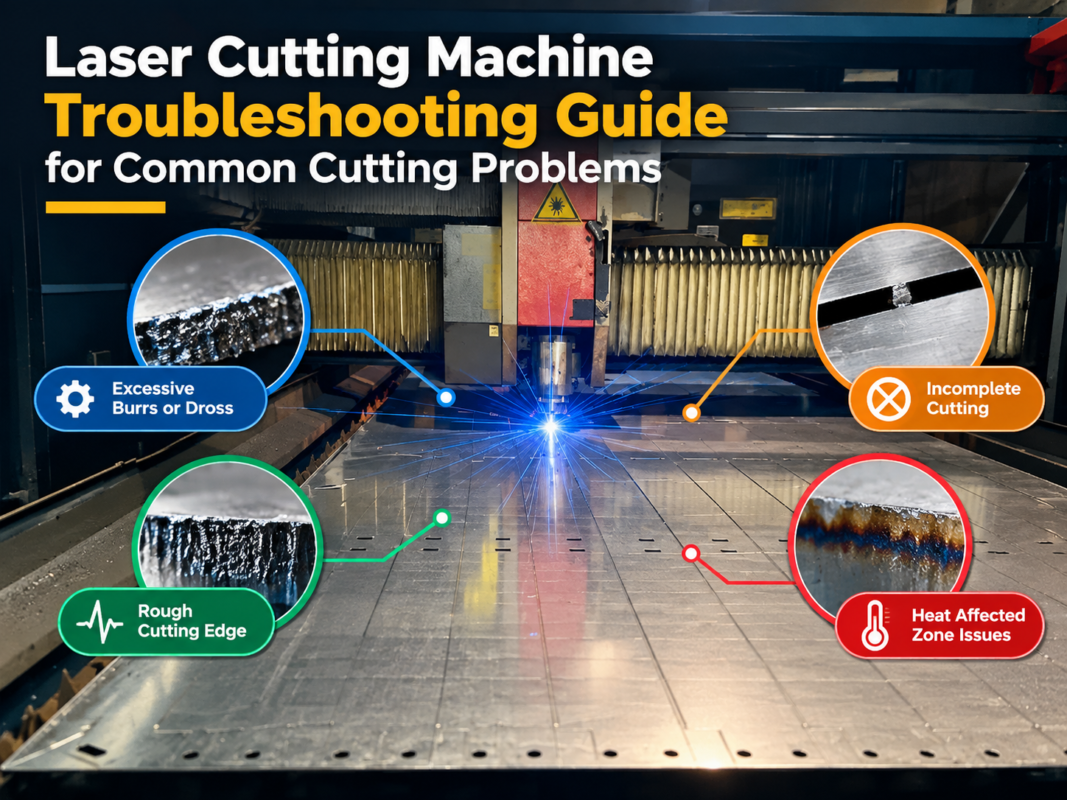
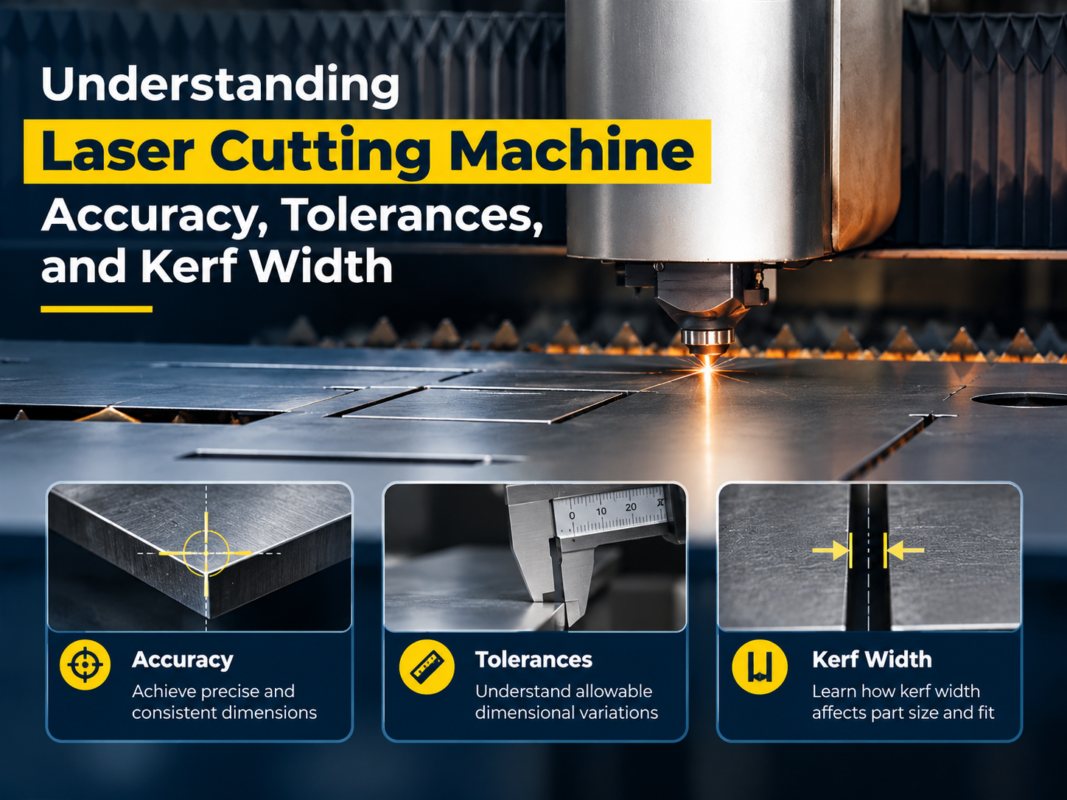
Request a cutting sample using your own CAD files and your own material. This is the ultimate test of the machine’s capabilities. Pay attention to the edge quality, the dross (slag) levels, and the dimensional accuracy. If a machine cannot produce a clean cut on your specific material during a demo, it certainly won’t do it in your shop. Also, evaluate the software. Is it easy for your team to use? Does it integrate with your existing design tools? The software is the bridge between your ideas and the finished product; it must be robust and intuitive.
Finally, consider the long-term partnership. Companies like HARSLE have built a reputation by providing high-quality machinery backed by technical expertise. When you buy from an established brand, you are investing in a supply chain for parts and a knowledge base for troubleshooting. Avoid “fly-by-night” vendors who offer impossibly low prices but disappear when you need technical support. The best value is found in a machine that works today, tomorrow, and five years from now, supported by a company that values your business’s success as much as you do.
Frequently Asked Questions (FAQ)
1. What is the difference between Fiber and CO2 lasers for a metal business?
Fiber lasers are the modern standard for metal cutting. they are 2-3 times faster on thin materials, require significantly less maintenance (no mirrors to align), and are much more energy-efficient. CO2 lasers are still used for some non-metal applications and very thick specialized plastics, but for a metal business, a fiber laser almost always offers the best value and ROI.
2. How much laser power (kW) do I really need?
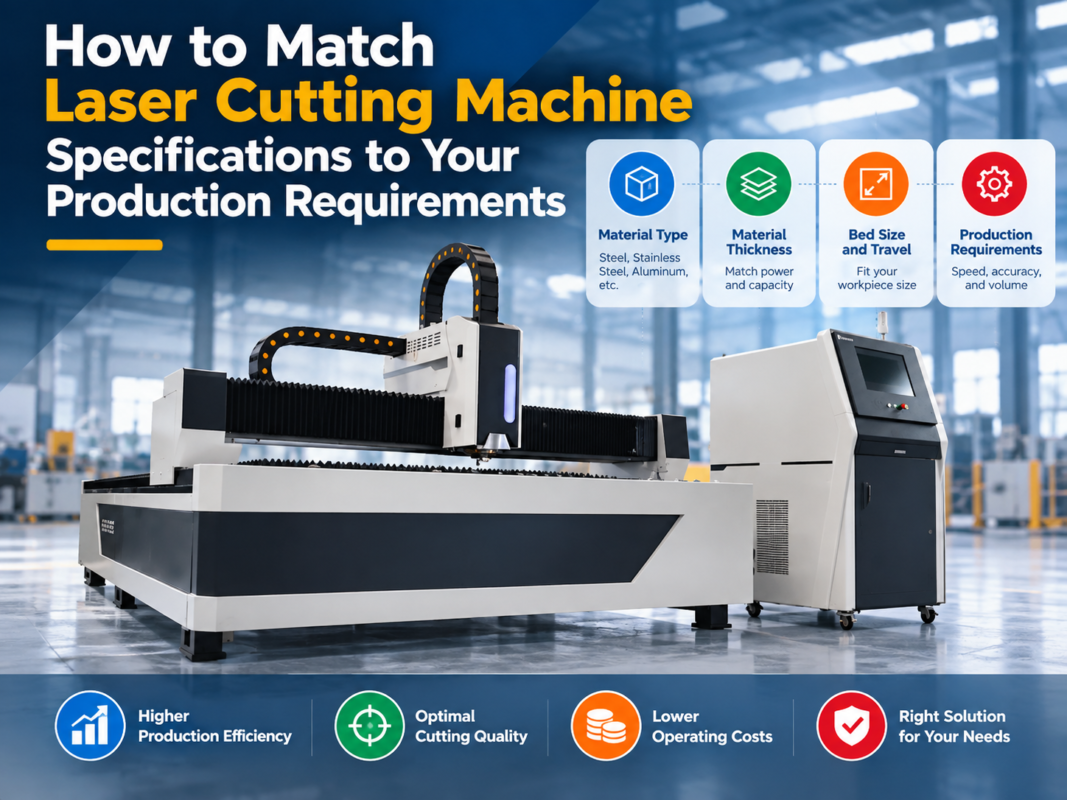
This depends entirely on your material thickness. For materials up to 6mm, 1kW-2kW is sufficient. For 10-16mm, 3kW-6kW is the standard. If you regularly cut 20mm or thicker, you should look at 12kW or higher. Buying more power than you need is a waste of capital, but buying too little power will result in slow cutting speeds and poor edge quality on your thickest parts.
3. Can I cut aluminum and copper with a fiber laser?
Yes, fiber lasers are excellent for cutting reflective materials like aluminum, brass, and copper. However, these materials require more power and specific gas settings compared to carbon steel. If your business focuses on these materials, ensure the machine you choose has a laser source with back-reflection protection to prevent damage to the optics.
4. Is air cutting a viable way to save money?
Absolutely. Cutting with high-pressure compressed air is very effective for thin stainless steel and carbon steel (usually up to 3mm). It is much cheaper than using bottled Nitrogen. However, the air must be extremely clean and dry (using a refrigerated dryer and multiple filters) to avoid contaminating the laser lens. The edge will have a slight oxidation layer, but for many applications, this is perfectly acceptable.
5. How long does a fiber laser source last?
Most reputable fiber laser sources are rated for 100,000 hours of operation. In a typical single-shift operation, this equates to over 20 years of use. While other components like motors or sensors may need replacement sooner, the core laser technology is incredibly durable, making it a fantastic long-term investment for any metal fabrication business.
6. What kind of maintenance does a laser cutting machine require?
Daily maintenance includes cleaning the protective window and checking the nozzle for damage. Weekly tasks involve cleaning the machine frame and rails of dust and debris. Monthly, you should check the chiller’s water levels and filters. Compared to older technologies, the maintenance schedule is very light, but consistency is key to preventing unexpected downtime.