Hydraulic Press Machine Cost Guide for Workshops, Factories, and OEM Buyers


Understanding the Hydraulic Press Machine Cost for Workshops, Factories, and OEM Buyers
In the world of metal fabrication, the hydraulic press remains a cornerstone of production. Whether you are a small workshop owner looking to expand your capabilities, a factory manager aiming to increase throughput, or an OEM buyer sourcing equipment for a large-scale manufacturing line, understanding the Hydraulic Press Machine Cost Workshops, Factories, Oem Buyers is critical for budgeting and strategic planning. The price of a hydraulic press is not a single fixed number; it is a variable influenced by tonnage, frame design, automation levels, and specific application requirements.
For many buyers, the initial sticker price is only the beginning of the conversation. To make an informed decision, one must look at the total cost of ownership, which includes installation, maintenance, and the potential for return on investment (ROI). This guide aims to demystify the pricing structures of hydraulic presses, providing a detailed breakdown of what you can expect to pay and why certain machines command a premium over others. By the end of this article, you will have a clear roadmap for navigating the complex market of hydraulic machinery.
Price Range Overview: From Entry-Level to Industrial Powerhouses
The market for hydraulic presses is vast, ranging from simple manual units to highly sophisticated CNC-controlled systems. To provide a clear Hydraulic Press Machine Cost Workshops, Factories, Oem Buyers overview, we must categorize these machines based on their capacity and intended use environment.
Small-Scale Workshop Presses (10T – 60T)
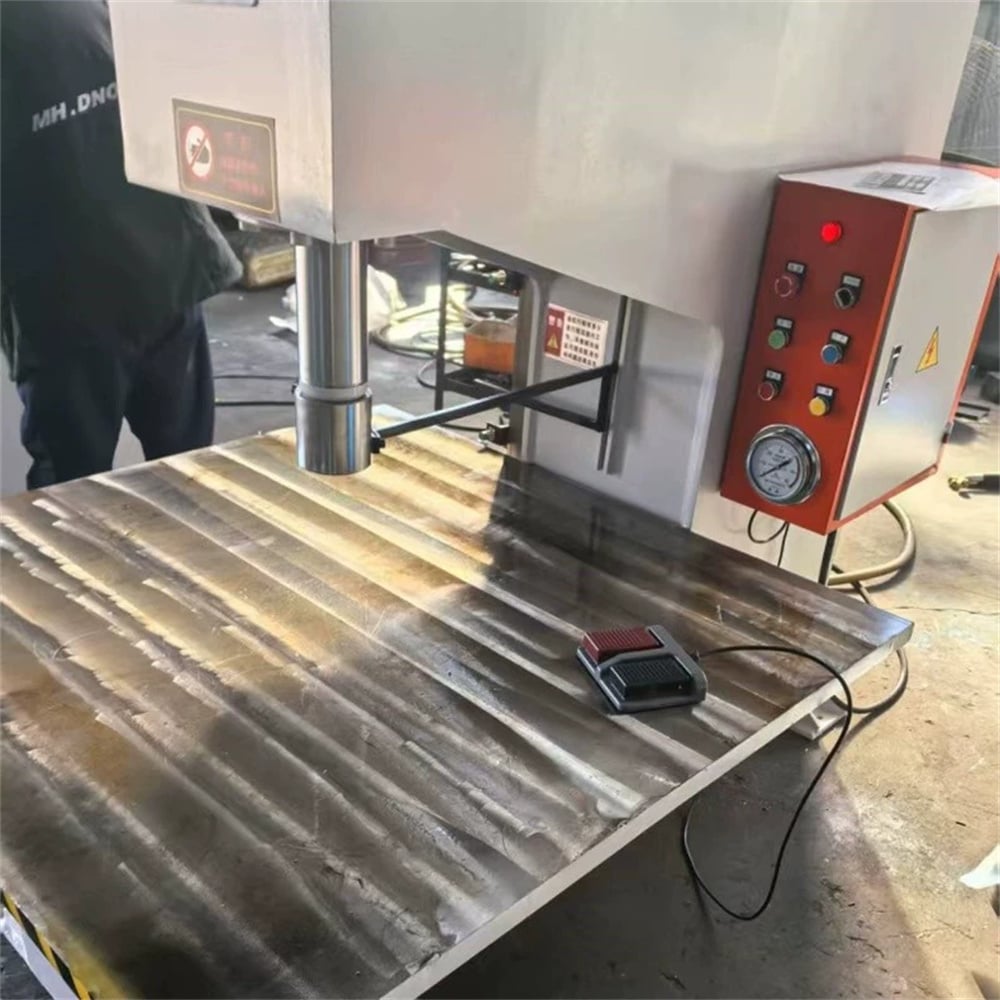
For small workshops or repair facilities, a hydraulic press is often used for tasks like bushing removal, straightening, or light forming. These machines are typically C-frame or benchtop models. Prices in this category generally range from $2,000 to $15,000. The lower end of this spectrum includes manual or air-over-hydraulic units, while the higher end features motorized pumps and basic safety guarding. Workshops prioritize versatility and footprint over high-speed production.
Medium-Duty Factory Presses (100T – 500T)
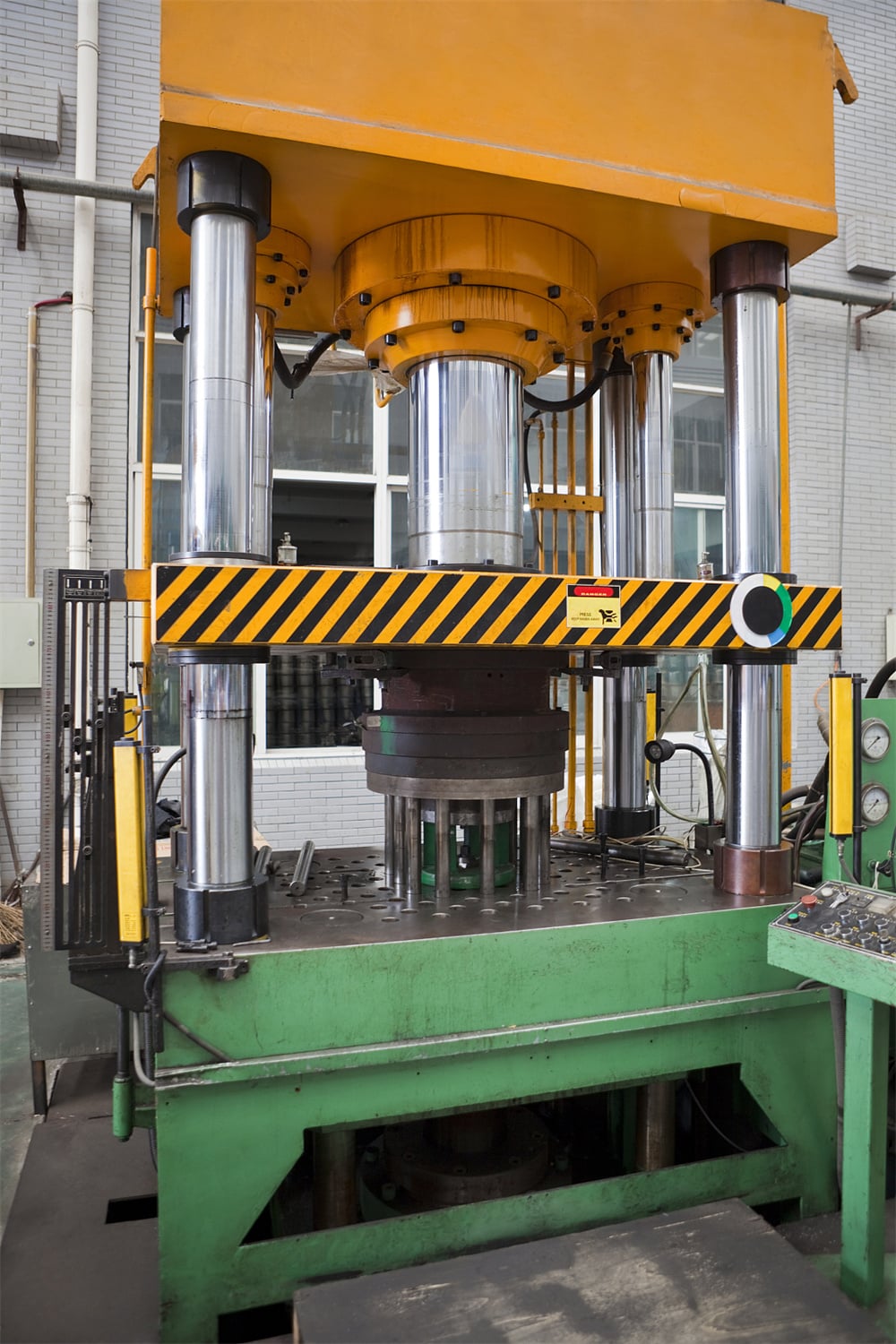
Factories involved in consistent production runs, such as automotive component manufacturing or appliance assembly, require more robust machinery. These are usually H-frame or four-column presses. The cost for these machines typically falls between $25,000 and $150,000. At this price point, you begin to see features like PLC controls, adjustable stroke limits, and enhanced safety systems like light curtains. The investment here is driven by the need for repeatability and durability under multi-shift operations.
Heavy-Duty Industrial and OEM Solutions (800T – 5000T+)
OEM buyers and large-scale industrial plants often require massive tonnage for deep drawing, heavy plate forming, or aerospace applications. These machines are frequently custom-engineered to fit into a specific production line. Prices for these behemoths start at $250,000 and can exceed $2,000,000. These units often include advanced servo-hydraulic systems, automated die-changing systems, and integration with robotic loading/unloading arms. For these buyers, the cost is a reflection of the machine’s ability to perform complex tasks with extreme precision and high cycle speeds.
Main Cost Drivers in Hydraulic Press Procurement
When evaluating a quote, it is essential to understand what factors are driving the price. Several key variables determine the final Hydraulic Press Machine Cost Workshops, Factories, Oem Buyers.
Tonnage and Pressure Requirements
The most obvious cost driver is the tonnage. A 500-ton press requires significantly more steel, larger hydraulic cylinders, and more powerful pumps than a 100-ton press. The structural integrity required to contain hundreds of tons of force necessitates heavy-duty welding and precision machining of the frame. As tonnage increases, the cost of every component—from the seals to the hydraulic fluid—scales upward.
Frame Construction: C-Frame vs. H-Frame vs. Four-Column
The design of the frame impacts both the price and the machine’s performance. C-frame presses (or gap-frame) are generally the most affordable because they use less material and offer three-sided access to the work area. However, they are prone to “yaw” or deflection under high pressure. H-frame presses are more rigid and can handle higher tonnages but are more expensive due to their closed-loop construction. Four-column presses offer the best pressure distribution and are essential for precision die work, but they are the most expensive to manufacture due to the precision required in the guiding columns.
Stroke, Daylight, and Table Size
Customizing the physical dimensions of the press will increase the cost. A larger “daylight” (the distance between the bolster and the ram) or a longer stroke requires longer cylinders and a taller frame. Similarly, an oversized table for large workpieces requires a thicker bolster plate to prevent bending, which adds to the material cost and shipping weight.
Configuration Impact: How Technical Specs Dictate the Final Quote
The internal components and control systems of a hydraulic press can account for a significant portion of the total cost. Modern technology has introduced several options that can either save money upfront or save money over the long term through efficiency.
Servo vs. Standard Motor Systems
Traditional hydraulic presses use a standard induction motor that runs constantly. A servo-hydraulic system, however, uses a servo motor to drive the pump only when pressure or movement is required. While a servo system can add 20% to 30% to the initial Hydraulic Press Machine Cost Workshops, Factories, Oem Buyers, it can reduce energy consumption by up to 70%. For factories running 24/7, the energy savings often pay for the upgrade within 18 to 24 months.
Control Systems and Automation
A basic manual valve system is inexpensive but lacks precision. Upgrading to a PLC (Programmable Logic Controller) with a touch-screen HMI (Human Machine Interface) allows for precise control over ram speed, pressure dwell times, and position. For OEM buyers, integrating the press into a wider SCADA system for data logging and Industry 4.0 compliance is a common requirement that adds to the software and hardware costs.
Safety Features and Compliance
Safety is a non-negotiable cost. Basic machines might only have two-hand tie-down controls. However, high-speed production environments require light curtains, safety interlocks, and hydraulic redundancy (safety blocks). In regions with strict safety standards like the EU (CE marking) or the US (OSHA/ANSI), these features are mandatory and are reflected in the higher price of compliant machines compared to non-regulated imports.
Hidden Costs: Beyond the Initial Purchase Price
The invoice from the manufacturer is rarely the final amount spent to get a machine operational. Buyers must account for several “hidden” or secondary costs.
- Shipping and Logistics: Hydraulic presses are heavy and often oversized. Shipping a 200-ton press across the ocean or even across the country requires specialized rigging and heavy-haul trucking. For international buyers, import duties and customs fees can add 5% to 20% to the total cost.
- Foundation and Installation: Large presses cannot simply be placed on a standard factory floor. They often require a reinforced concrete pit or foundation to handle the vibration and concentrated weight. Professional rigging services to move the machine into place and level it can cost thousands of dollars.
- Hydraulic Fluid: A large press can require hundreds of gallons of high-quality hydraulic oil. Depending on the volume, the initial fill can cost between $1,000 and $5,000.
- Tooling and Dies: The press is useless without the proper tooling. Custom dies for specific parts are a separate and often significant investment. OEM buyers must budget for the design and fabrication of these tools.
- Training and Commissioning: To ensure the machine is used safely and efficiently, manufacturer-led training for operators and maintenance staff is highly recommended.
Calculating ROI: Why the Cheapest Machine Isn’t Always the Best Value
When considering the Hydraulic Press Machine Cost Workshops, Factories, Oem Buyers, it is vital to perform a Return on Investment (ROI) calculation. A cheaper machine with a slower cycle time might actually cost more in the long run due to lower productivity.
| Factor | Standard Hydraulic Press | Advanced Servo Press |
|---|---|---|
| Initial Cost | $50,000 | $70,000 |
| Annual Energy Cost | $8,000 | $2,500 |
| Cycle Time (Parts/Hr) | 120 | 180 |
| Maintenance (Annual) | $2,000 | $1,200 |
| Estimated 5-Year Total | $100,000 | $88,500 |
As shown in the table, the advanced machine, despite a higher initial cost, becomes the more economical choice over a five-year period. This is due to energy savings, higher output (which reduces the cost per part), and lower maintenance requirements associated with modern servo systems that generate less heat and wear on the hydraulic fluid.
Buying Advice for Different Stakeholders
For Workshop Owners
Focus on versatility. A C-frame press with a wide range of adjustable pressure settings will allow you to take on various jobs. Don’t over-invest in automation if your production runs are small. Look for a reputable brand like HARSLE that offers reliable support and readily available spare parts.
For Factory Managers
Prioritize reliability and cycle time. A machine that breaks down once a week will cost you more in lost production than you saved on the purchase price. Insist on high-quality hydraulic components (like Rexroth or Vickers) and a robust PLC system. Consider the ergonomics for the operator to maintain high productivity throughout a shift.
For OEM Buyers
Focus on customization and integration. Ensure the manufacturer can provide the necessary documentation for your quality control systems. Look for partners who can offer turnkey solutions, including the press, the tooling, and the automation required to integrate the machine into your existing assembly line. Long-term partnership and technical support are more important than the lowest bid.
Frequently Asked Questions
How long does a hydraulic press typically last?
With proper maintenance, a high-quality hydraulic press can last 20 to 30 years. Many machines built in the mid-20th century are still in operation today, though their control systems are usually outdated. The lifespan depends heavily on the quality of the frame and the regularity of oil changes and seal replacements.
Is it better to buy a used hydraulic press?
Buying used can save 30% to 60% on the initial Hydraulic Press Machine Cost Workshops, Factories, Oem Buyers. However, it comes with risks. You may inherit hidden mechanical issues, and older machines often lack modern safety features and energy-efficient motors. For critical production lines, new machinery is usually the safer investment.
What maintenance is required for a hydraulic press?
Routine maintenance includes monitoring oil levels and cleanliness, checking for leaks in hoses and fittings, lubricating moving parts, and inspecting the electrical system. Modern presses with PLC systems often have built-in diagnostics that alert operators to maintenance needs before a failure occurs.
Can I customize the tonnage of a press?
Yes, most manufacturers like HARSLE offer customization. While they have standard models (e.g., 100T, 200T), they can often adjust the cylinder size or hydraulic pressure to meet a specific tonnage requirement for a customer’s unique application.
How does the speed of the press affect the price?
Higher speeds require larger pumps, more powerful motors, and more sophisticated valving to manage the rapid flow of oil without causing hydraulic shock. Consequently, a “high-speed” version of a standard press will typically cost 15% to 25% more.