Press Brake Tooling Buying Guide: Choosing the Right Dies and Punches


Introduction to Press Brake Tooling Selection
In the world of metal fabrication, the press brake is often considered the heart of the workshop. However, even the most advanced CNC press brake is only as effective as the tooling it utilizes. Press Brake Tooling Buying : Choosing Dies Punches is a critical process that determines the accuracy, efficiency, and longevity of your production line. Selecting the wrong punch or die can lead to material waste, damaged machinery, and safety hazards. This guide aims to provide a comprehensive overview of everything a procurement manager or shop owner needs to know when investing in new tooling.
Tooling is the interface between the machine’s raw power and the delicate precision required for sheet metal components. Whether you are working with stainless steel, aluminum, or mild steel, the geometry and material of your punches and dies must be perfectly matched to the task. As industry standards evolve toward higher precision and faster setup times, understanding the nuances of tooling technology becomes a competitive necessity. At HARSLE, we emphasize that quality tooling is not an expense but a strategic investment in your facility’s operational excellence.
Price Range Overview: What to Expect
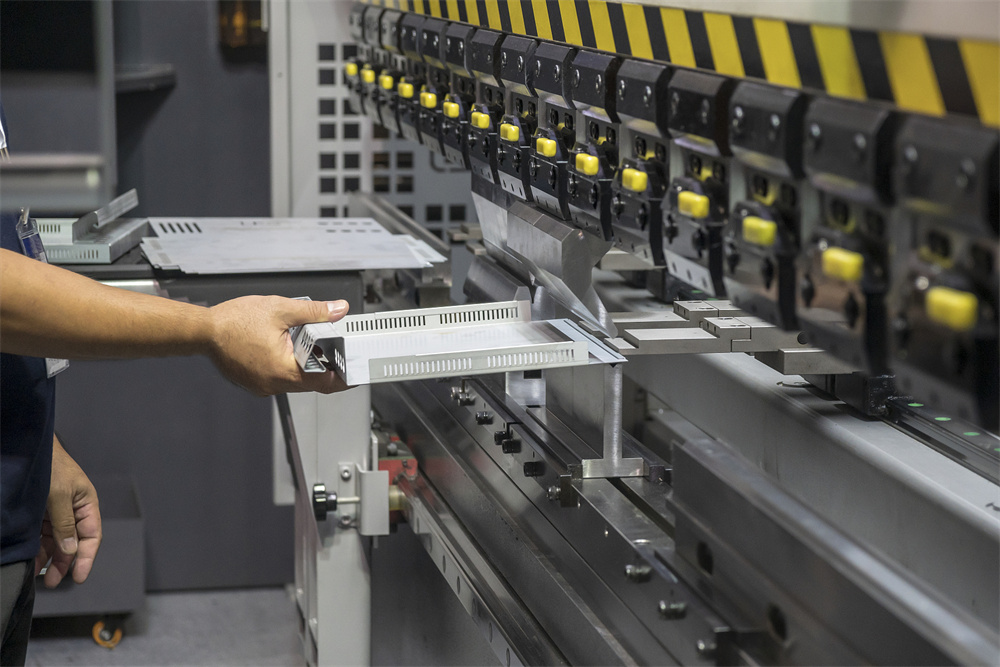
When navigating the market for press brake tooling, prices can vary significantly based on complexity, material, and precision. Generally, standard tooling for European-style or Amada-style holders is more affordable due to mass production. A standard 835mm punch might range from $250 to $600, while specialized dies can cost anywhere from $300 to over $1,500 depending on the V-opening size and length.
For high-end applications requiring “New Standard” or Wila-style tooling, the entry price is higher. These tools are often designed for automated clamping systems and offer superior accuracy. A single high-precision gooseneck punch in this category can easily exceed $1,000. Custom-made tooling, designed for specific complex bends or unique profiles, represents the highest price bracket. These are quoted on a project-by-project basis and can range from several thousand to tens of thousands of dollars, depending on the engineering hours and material volume required.
It is important to categorize your budget into three tiers: Economy, Standard, and Premium. Economy tooling is often milled rather than ground and is suitable for low-tolerance work. Standard tooling is precision-ground and induction-hardened, serving the majority of industrial needs. Premium tooling offers the highest tolerances (+/- 0.01mm) and specialized coatings for high-volume, high-accuracy production. Understanding where your production needs fall within these tiers is the first step in a successful Press Brake Tooling Buying : Choosing Dies Punches strategy.
Main Cost Drivers in Tooling Production
The cost of press brake tooling is driven by three primary factors: material quality, manufacturing processes, and heat treatment. The most common material used for high-quality tooling is 42CrMo (Chromium-Molybdenum steel). This alloy provides an excellent balance of toughness and hardness. Cheaper alternatives like T8 or T10 carbon steel are available but tend to deform or chip under high tonnage, leading to higher long-term costs due to frequent replacements.
Manufacturing precision is the second major driver. Milled tooling is significantly cheaper but lacks the consistency required for CNC-controlled bending. Precision-ground tooling ensures that the center of the punch and the center of the die align perfectly across the entire length of the machine. This grinding process is time-consuming and requires high-end machinery, which is reflected in the final price. However, the reduction in setup time and the elimination of “shimming” make ground tooling a more cost-effective choice for modern shops.
Finally, heat treatment determines the tool’s lifespan. Induction hardening is the industry standard, typically reaching a depth of 3-5mm with a hardness of HRC 45-52. Some premium manufacturers use through-hardening, which hardens the entire tool body. While through-hardening prevents the tool from deforming under extreme pressure, it can make the tool more brittle. Most experts recommend induction-hardened working surfaces to maintain a tough, shock-absorbing core while ensuring the contact points remain wear-resistant.
Configuration Impact: Matching Tools to Applications
Choosing the right configuration is perhaps the most technical aspect of Press Brake Tooling Buying : Choosing Dies Punches. The selection starts with the V-die opening. The general rule of thumb is the “8x Rule,” where the V-opening should be eight times the material thickness. However, for thicker materials (over 6mm), this ratio may increase to 10x or 12x to reduce the required tonnage and prevent cracking. Choosing a V-opening that is too small increases the pressure on the die and the machine, potentially leading to catastrophic failure.
Punch geometry is equally vital. Straight punches are used for simple 90-degree bends, while gooseneck punches are essential for creating “U” shapes or return flanges where a straight punch would collide with the workpiece. Acute punches (30 or 45 degrees) are used for air bending and creating hems. The radius of the punch tip should also be considered; a tip radius that is too small can cause the material to fracture, while a radius that is too large will result in an inaccurate bend angle.
Sectionalized vs. Full-Length tooling is another configuration choice. Sectionalized sets (e.g., pieces of 10mm, 15mm, 20mm, etc.) allow operators to build a specific length of tooling to match the part width, which is essential for box-bending. While buying a full-length 3-meter die might seem simpler, sectionalized tooling offers much greater flexibility and is easier for a single operator to handle safely. At HARSLE, we often recommend a mix of full-length and sectionalized tools to maximize shop versatility.
Hidden Costs of Press Brake Tooling
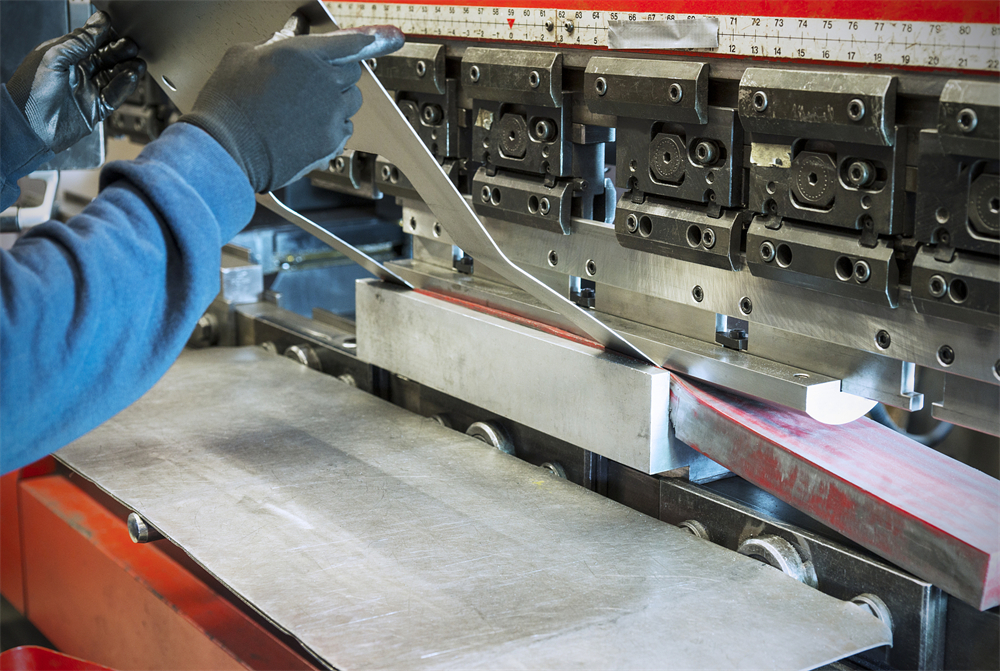
When calculating the budget for Press Brake Tooling Buying : Choosing Dies Punches, many buyers overlook the hidden costs. The most significant hidden cost is setup time. If you purchase low-quality, non-ground tooling, your operators will spend hours shimming the dies to achieve a straight bend. In a high-production environment, an extra 30 minutes of setup per job can result in thousands of dollars in lost revenue over a year.
Maintenance and storage are also factors. Tooling is heavy and susceptible to rust and physical damage. Investing in proper tooling cabinets and specialized lubricants is necessary to protect your investment. Furthermore, there is the cost of “regrinding.” Over time, even the best tools wear down. If the tooling is not designed to be reground, it becomes scrap. High-quality 42CrMo tooling can often be reground several times, extending its life by years.
Compatibility is another potential pitfall. Different press brakes use different clamping systems (Amada/European, Wila/Trumpf, American Tang). Buying the wrong style requires expensive adapters, which can reduce the available open height of the machine and introduce inaccuracies. Always verify the tang dimensions and the load-bearing surfaces before finalizing a purchase. Ignoring these details can lead to “buyer’s remorse” when the expensive new tools arrive and don’t fit the machine correctly.
ROI Calculation: Why Quality Pays Off
To justify the investment in premium tooling, one must look at the Return on Investment (ROI). Let’s consider a scenario: A shop buys a cheap set of tooling for $2,000. Because the tools are not precision-ground, setup takes 45 minutes, and the scrap rate is 3%. Alternatively, a precision-ground set costs $5,000, but setup takes only 10 minutes, and the scrap rate drops to 0.5%.
If the shop runs four jobs a day, the precision tooling saves 140 minutes of labor daily. At a shop rate of $80/hour, that is nearly $186 saved per day in labor alone. Over a 250-day work year, the labor savings total $46,500. When you add the savings from reduced material scrap, the $3,000 price difference between the cheap and premium tooling is recovered in less than three weeks. This calculation clearly demonstrates that in the context of Press Brake Tooling Buying : Choosing Dies Punches, the cheapest option is rarely the most economical.
Additionally, high-quality tooling preserves the life of the press brake itself. Inaccurate tooling causes uneven loading on the hydraulic cylinders and the frame. Over time, this can lead to premature wear of the machine’s guides and seals. By using tools that align perfectly and require less tonnage to achieve the desired bend, you are effectively extending the lifespan of your most expensive asset—the press brake.
Buying Advice for Metal Fabricators
When you are ready to proceed with Press Brake Tooling Buying : Choosing Dies Punches, follow this checklist to ensure a successful acquisition. First, audit your current and future projects. Do not just buy for the jobs you have today; consider the materials and thicknesses you plan to work with in the next two years. If you are moving toward thinner, high-tolerance electronics enclosures, invest in precision-ground, small-radius punches. If you are entering the heavy structural market, prioritize large V-dies with high tonnage ratings.
Second, always request a material certificate and hardness report from the supplier. Reputable manufacturers like HARSLE provide transparency regarding the steel grade and the hardening process used. Third, consider the “system” approach. Instead of buying individual pieces, look for comprehensive tooling sets that offer a range of V-openings and punch shapes. This often results in a lower per-unit cost and ensures that all tools in the set have consistent heights and centerlines.
Finally, don’t underestimate the value of technical support. A good supplier should be able to perform a tonnage calculation for your specific material and provide a simulation of the bend sequence to ensure there are no collisions. If a supplier cannot answer technical questions about bend radii or springback compensation, they are likely just a reseller rather than a specialist. Partnering with an experienced manufacturer ensures you get the right tool for the job every time.
Frequently Asked Questions
What is the difference between air bending and bottoming tooling?
Air bending tooling is designed so the material only touches the punch tip and the two edges of the V-die. This allows for a wide range of angles to be produced with a single tool set by varying the depth of the stroke. Bottoming tooling requires the punch to press the material fully into the die, matching the die’s angle exactly. Air bending is more versatile and requires less tonnage, making it the standard for modern CNC fabrication.
How do I know when my press brake dies need replacement?
Signs of wear include visible deformation of the V-opening edges, inconsistent bend angles across the length of the part, and increased tonnage requirements to achieve the same bend. If you notice “witness marks” or scratches on your material that weren’t there before, it may indicate that the die surfaces have become pitted or rough. Regular inspection with a profile gauge can help identify wear before it affects production quality.
Can I use different brands of tooling on my HARSLE press brake?
Yes, HARSLE press brakes are designed to be compatible with standard clamping systems. Most of our machines use the European/Amada style clamping, which is the most common worldwide. However, we also offer machines with Wila/Trumpf style hydraulic clamping. As long as the tooling tang matches your machine’s clamp, you can use various brands. We recommend staying with one precision standard to ensure consistency.
What is the ‘8x Rule’ in die selection?
The 8x rule suggests that the V-die opening should be eight times the thickness of the material being bent. For example, if you are bending 2mm thick mild steel, you should use a 16mm V-opening. This ratio provides an ideal balance between the required tonnage and the resulting internal bend radius. Deviating too far from this rule can cause the material to crack or the machine to overload.
Is 42CrMo really better than standard carbon steel?
Absolutely. 42CrMo is a high-strength alloy steel that maintains its shape under much higher pressures than standard carbon steels like T10. It also responds better to induction hardening, resulting in a tool that is both hard on the surface and tough in the core. For any professional fabrication environment, the durability and precision of 42CrMo far outweigh the initial cost savings of cheaper materials.
How does sectionalized tooling improve efficiency?
Sectionalized tooling consists of several pieces of varying lengths that can be combined to reach a specific total length. This is crucial for bending boxes or parts with four sides, as it allows the operator to create a punch length that fits inside the previously bent sides. It also makes tool changes faster and safer, as smaller sections are easier to handle than a single heavy 3-meter punch.