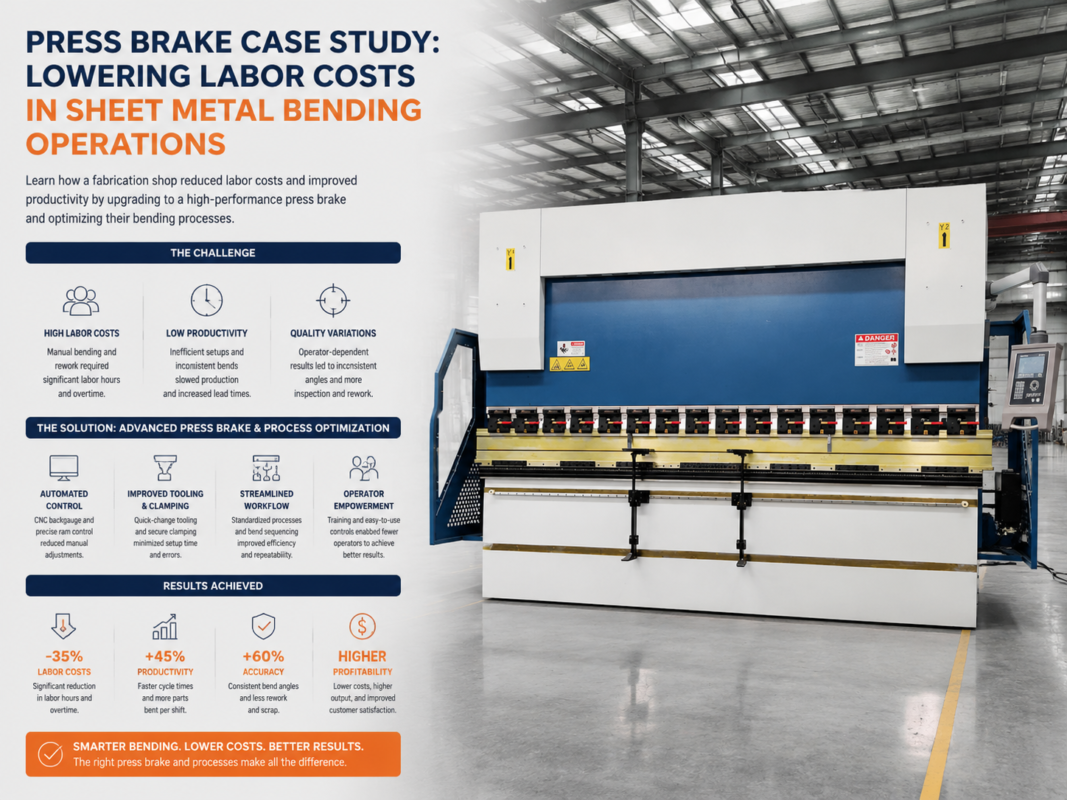
What Is a Press Brake Used For? Buyer’s Guide for First-Time Buyers


Introduction to Press Brake Technology
In the world of metal fabrication, the press brake stands as a cornerstone of production. Whether you are a small workshop owner or a manager at a large-scale industrial facility, understanding the fundamental question—Is A Press Brake Used ? Buyer’s First-Time Buyers often ask this to determine if the investment aligns with their production goals—is the first step toward operational excellence. A press brake is a machine tool designed to bend sheet and plate material, most commonly sheet metal. It forms predetermined bends by clamping the workpiece between a matching punch and die.
For those entering the industry, the sheer variety of press brakes can be overwhelming. From manual mechanical brakes to high-precision CNC electro-hydraulic synchronized machines, the technology has evolved significantly. This guide is designed to walk first-time buyers through the essential aspects of purchasing a press brake, ensuring that your first investment is one that brings long-term value and efficiency to your shop floor. We will explore everything from initial costs to the technical configurations that will define your machine’s capabilities.
Price Range Overview: What to Expect
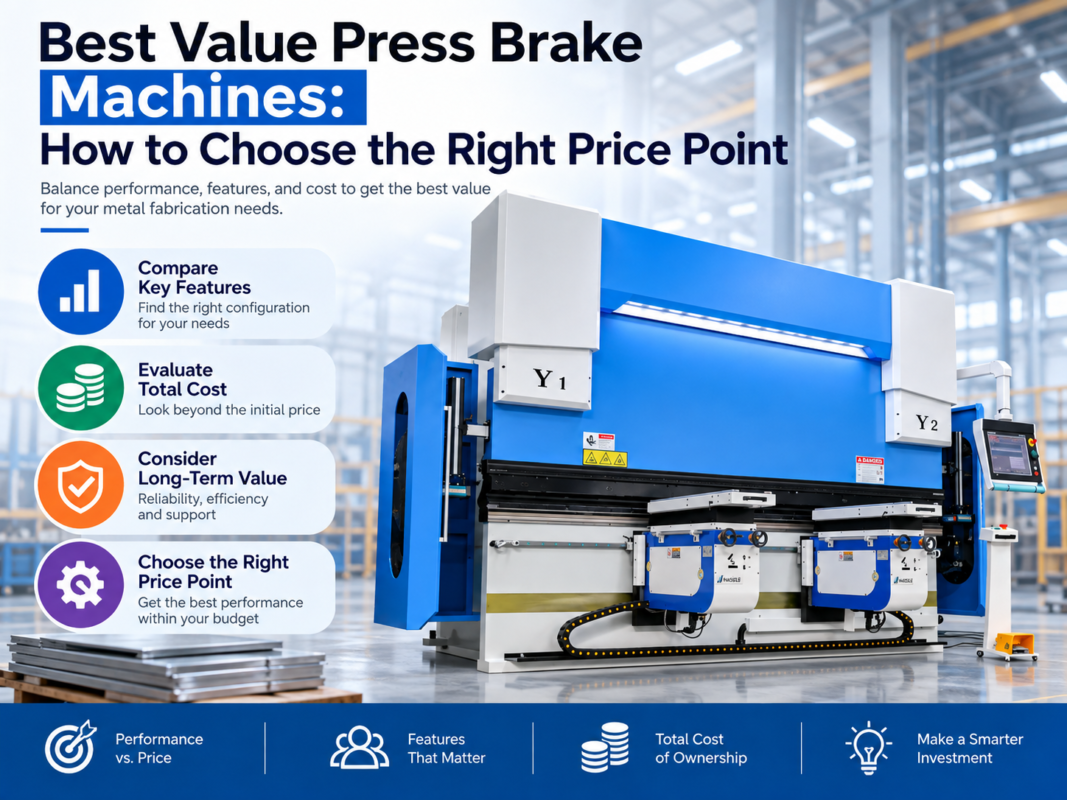
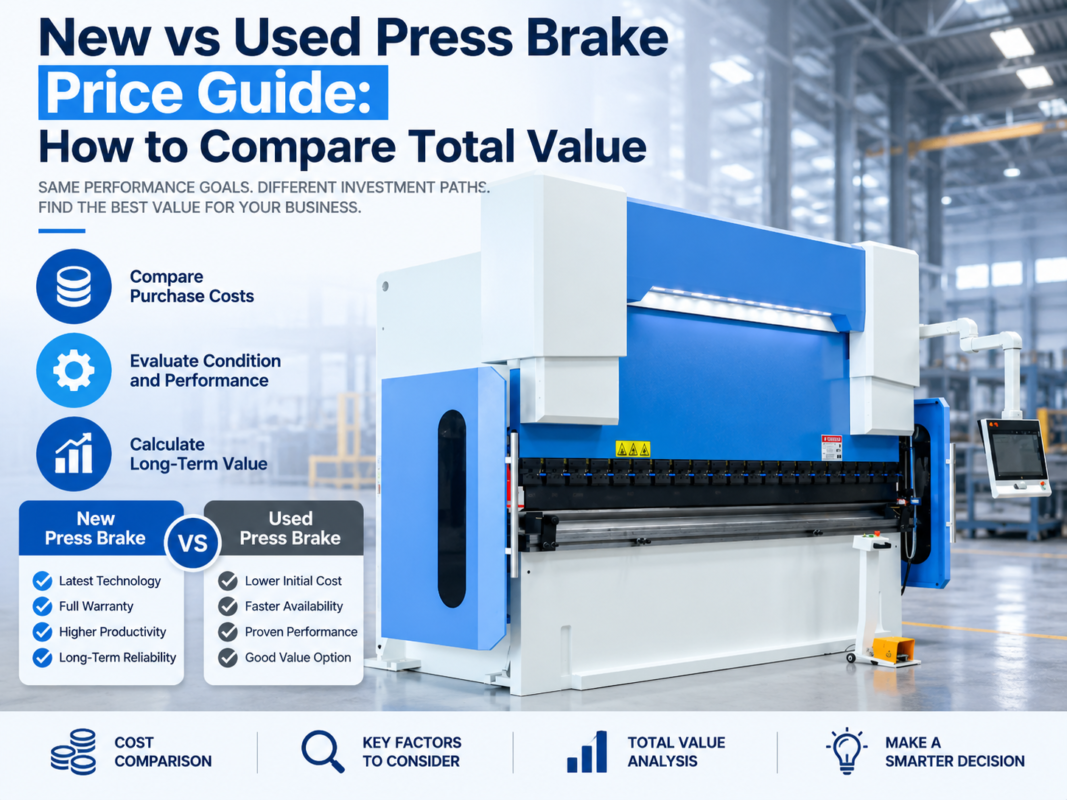
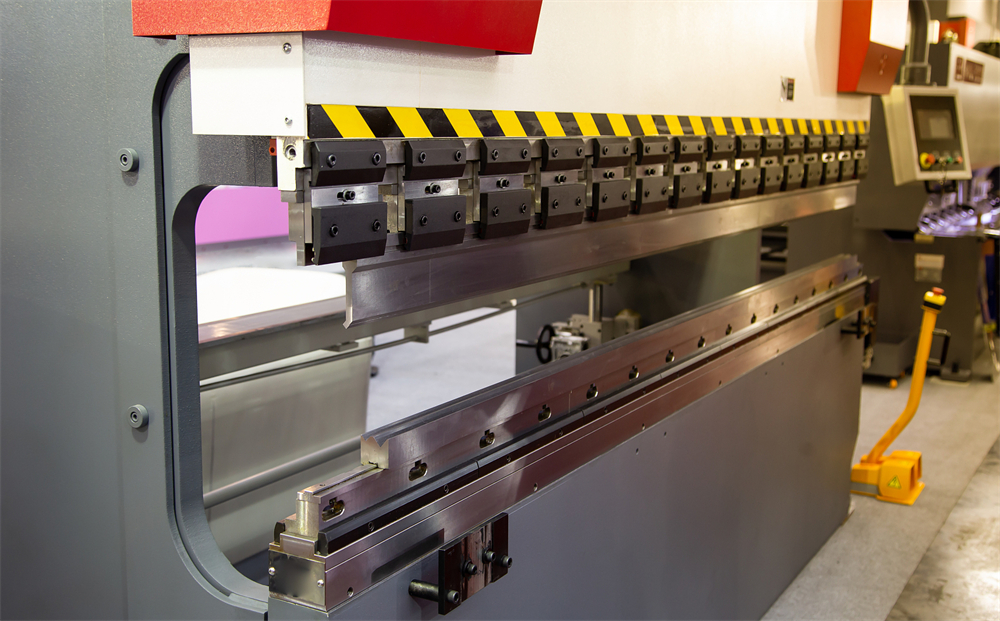
When considering the financial commitment, it is important to categorize press brakes into three main tiers. The price of a press brake is primarily dictated by its tonnage (the force it can apply) and its bending length. However, the level of automation and the control system also play massive roles in the final quote. For a first-time buyer, understanding these tiers helps in setting a realistic budget.
Entry-Level Machines ($10,000 – $30,000): These are typically NC (Numerical Control) hydraulic press brakes or smaller electric models. They are ideal for simple, repetitive bends where high-speed precision isn’t the primary concern. They often feature a simple 2-axis control (X and Y) and are perfect for startups or shops that only perform occasional bending tasks. While they lack the advanced features of CNC models, they are robust and easy to maintain.
Mid-Range CNC Machines ($35,000 – $85,000): This is where most professional fabrication shops find their sweet spot. These machines are usually electro-hydraulic synchronized CNC press brakes. They offer 3 to 5 axes of control, allowing for complex bending sequences and higher accuracy. Brands like HARSLE provide excellent value in this range, offering Delem or Cybelec controllers that make programming intuitive for operators. These machines are capable of handling a wide variety of materials and thicknesses with minimal setup time.
High-End Industrial Solutions ($90,000 – $250,000+): These machines are built for high-volume, high-precision environments. They often feature 6+ axes, robotic integration, automatic tool changers, and advanced laser angle measurement systems. If your production involves aerospace-grade components or massive structural steel, this is the category you will be looking at. The investment is high, but the throughput and precision are unmatched.
Main Cost Drivers in Press Brake Acquisition
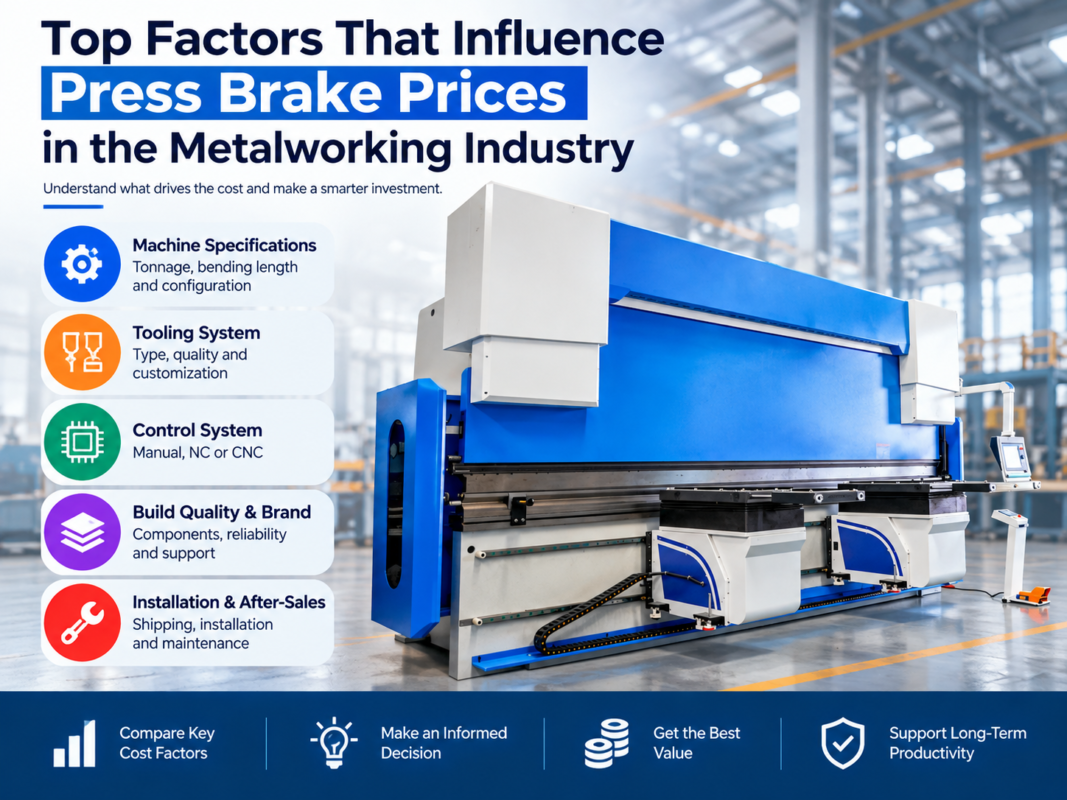
Understanding what drives the price of a press brake is crucial for making an informed decision. It isn’t just about the size of the machine; it’s about the technology housed within the frame. Here are the primary factors that will influence your final purchase price.
Tonnage and Bending Length
The most basic specifications of any press brake are its tonnage and its length. Tonnage refers to the bending capacity of the machine. If you are bending thick stainless steel, you will need significantly more tonnage than if you are working with thin aluminum. A common mistake for first-time buyers is underestimating the tonnage required for their thickest material. Bending length determines the maximum width of the sheet you can process. A 3200mm (10-foot) machine is the industry standard, but specialized applications may require 4000mm or even 6000mm machines, which significantly increases the cost due to the massive frame construction required.
Control Systems (NC vs. CNC)
The “brain” of the machine is a major cost driver. An NC system is basic; the operator manually sets the backgauge and the depth of the stroke. A CNC (Computer Numerical Control) system, however, calculates the bend sequence, the required force, and the backgauge position automatically based on the material properties and the desired final shape. High-end controllers like the Delem DA-66T offer 3D visualization, which reduces errors and training time, but adds several thousand dollars to the machine’s price tag.
The Hydraulic System and Synchronization
There are two main types of hydraulic synchronization: torsion bar and electro-hydraulic. Torsion bar machines use a mechanical link to keep the ram level, which is cheaper but less precise over long distances. Electro-hydraulic machines use proportional valves and linear encoders to monitor the position of the ram hundreds of times per second, ensuring perfect parallelism. This level of control is essential for complex parts and is a standard feature in mid-to-high-range CNC machines.
Configuration Impact: Customizing Your Machine
The configuration of your press brake determines its versatility. When you ask, “Is A Press Brake Used ? Buyer’s First-Time Buyers should look at the backgauge,” you are touching on the most important part of the machine for productivity. The backgauge is what positions the metal for the bend.
- X-Axis: Moves the backgauge fingers forward and backward. This is standard on all machines.
- R-Axis: Moves the backgauge fingers up and down. This is critical if you are making bends with different flange heights.
- Z1 & Z2 Axes: Allows the fingers to move left and right independently. This is vital for bending parts of varying widths across the bed.
- Crowning Systems: When a press brake applies force, the bed and the ram can deflect slightly in the center. A crowning system (either mechanical or hydraulic) compensates for this deflection, ensuring the bend angle is consistent across the entire length of the workpiece.
Another configuration choice is the safety system. Modern machines often come with laser safety guards (like DSP or Fiessler) that stop the ram if an obstruction is detected. While these add to the cost, they are often required by local safety regulations and significantly reduce the risk of workplace injuries.
Hidden Costs: Beyond the Sticker Price
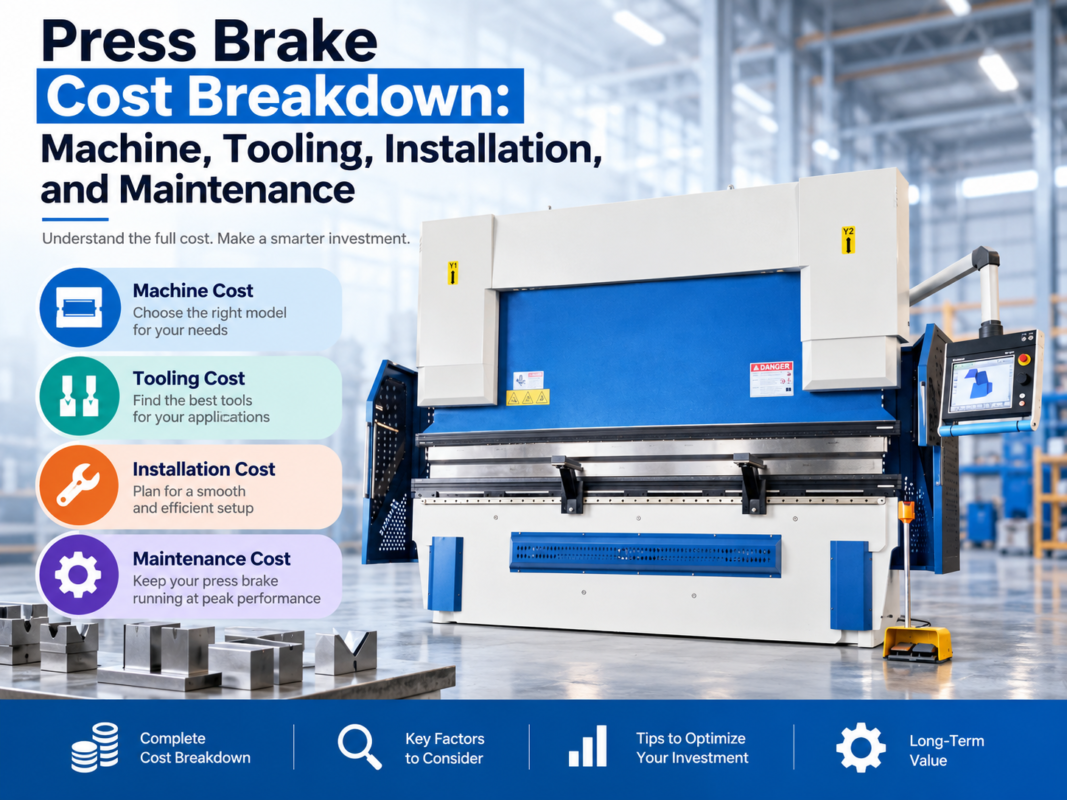
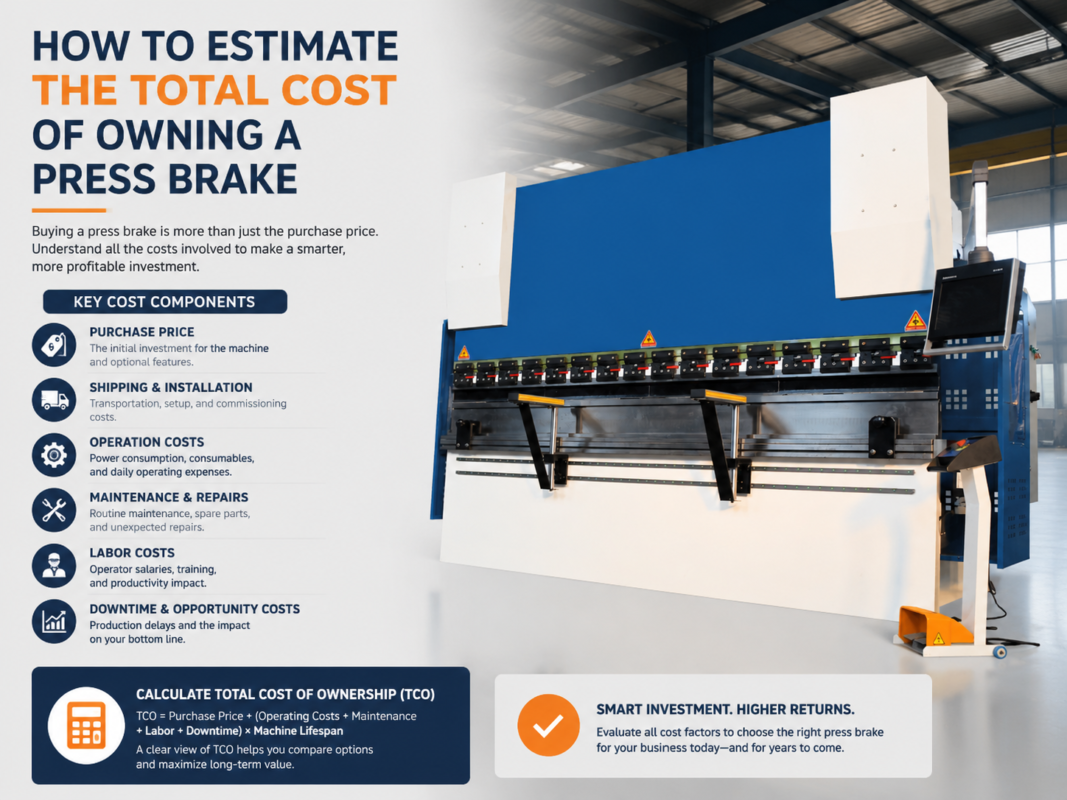
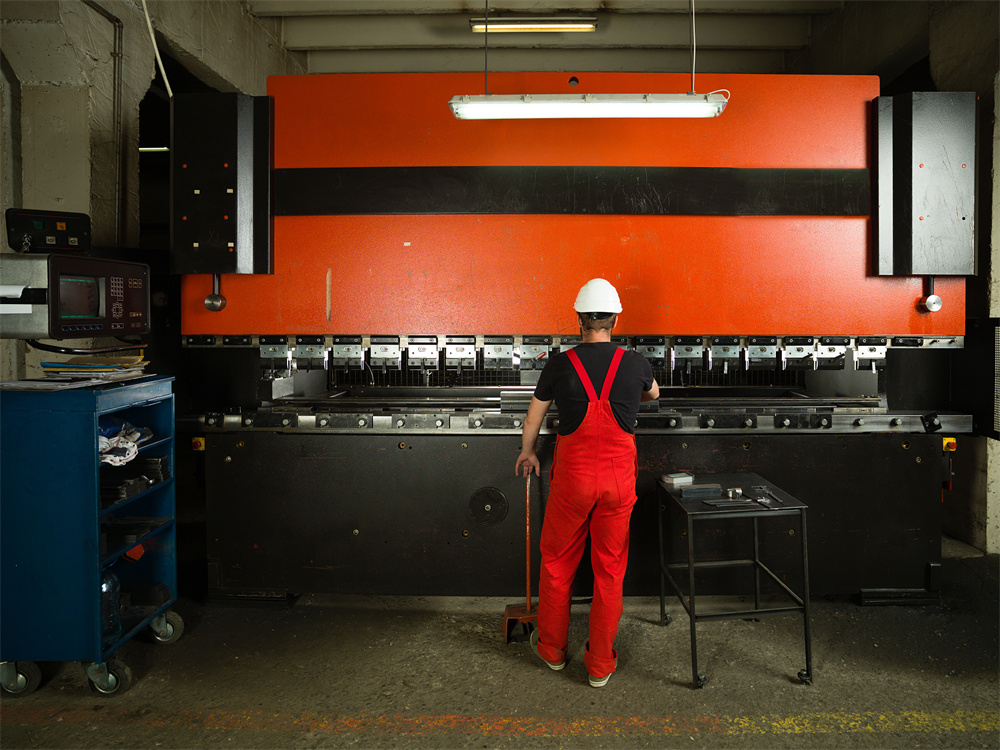
The purchase price of the machine is only part of the total investment. First-time buyers often overlook the “hidden” costs that come with commissioning a new press brake. Being aware of these can prevent budget overruns.
Tooling Costs
A press brake is useless without punches and dies. Depending on the variety of parts you plan to make, you may need several sets of tooling. High-quality, hardened, and ground tooling is expensive but lasts longer and provides better accuracy. You should budget at least 10% to 15% of the machine’s cost for an initial set of versatile tooling (such as a multi-V die and a standard gooseneck punch).
Shipping, Rigging, and Installation
Press brakes are incredibly heavy, often weighing between 5 and 20 tons. Shipping these machines requires specialized logistics. Once the machine arrives at your facility, you will need a rigger with a heavy-duty forklift or crane to move it into position. Furthermore, the machine must be leveled and anchored to a reinforced concrete floor. If your shop floor isn’t thick enough to support the concentrated weight, you may need to pour a new pad, which is a significant additional expense.
Training and Software
While modern CNC systems are user-friendly, your operators will still need training to maximize the machine’s potential. Many manufacturers offer on-site training for an additional fee. Additionally, if you want to program parts from your office, you will need offline CAD/CAM software. This software allows you to simulate bends and check for collisions before the first piece of metal is even touched, saving time and material.
ROI Calculation: Is the Investment Worth It?
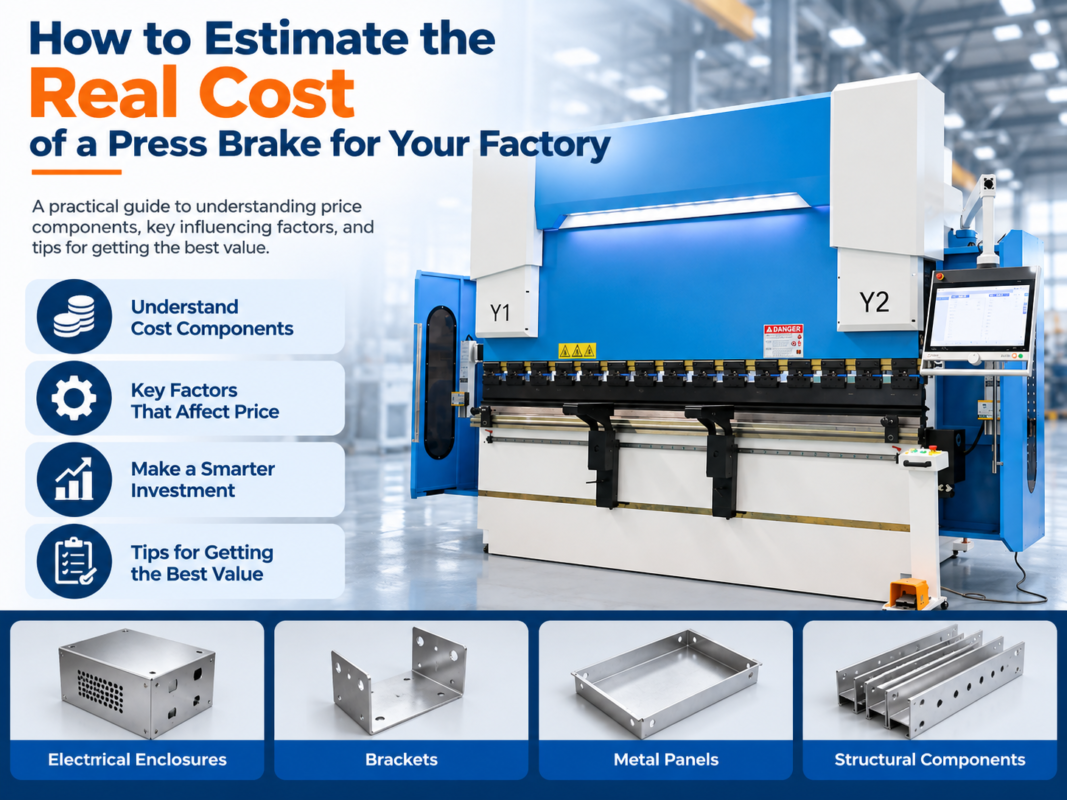
Calculating the Return on Investment (ROI) is essential for justifying the purchase of a press brake. For most shops, the ROI comes from three areas: labor savings, material waste reduction, and increased capability.
Labor Savings: A CNC press brake can perform a complex multi-bend sequence in a fraction of the time it takes on a manual machine. By reducing setup times from 30 minutes to 2 minutes, you can significantly increase the number of parts produced per shift. If the machine saves 10 hours of labor per week at a rate of $50/hour, that’s $26,000 in annual savings right there.
Waste Reduction: Precision is the enemy of scrap. With an electro-hydraulic synchronized machine and a good crowning system, the first part you bend is usually the correct part. In manual operations, it’s common to waste several pieces of material during setup. Over a year, the cost of wasted sheet metal can be staggering.
Increased Capability: Having a high-tonnage, high-precision press brake allows you to bid on jobs you previously had to turn down or outsource. Bringing bending in-house gives you control over your production schedule and increases your profit margins on every project.
Buying Advice for First-Time Buyers
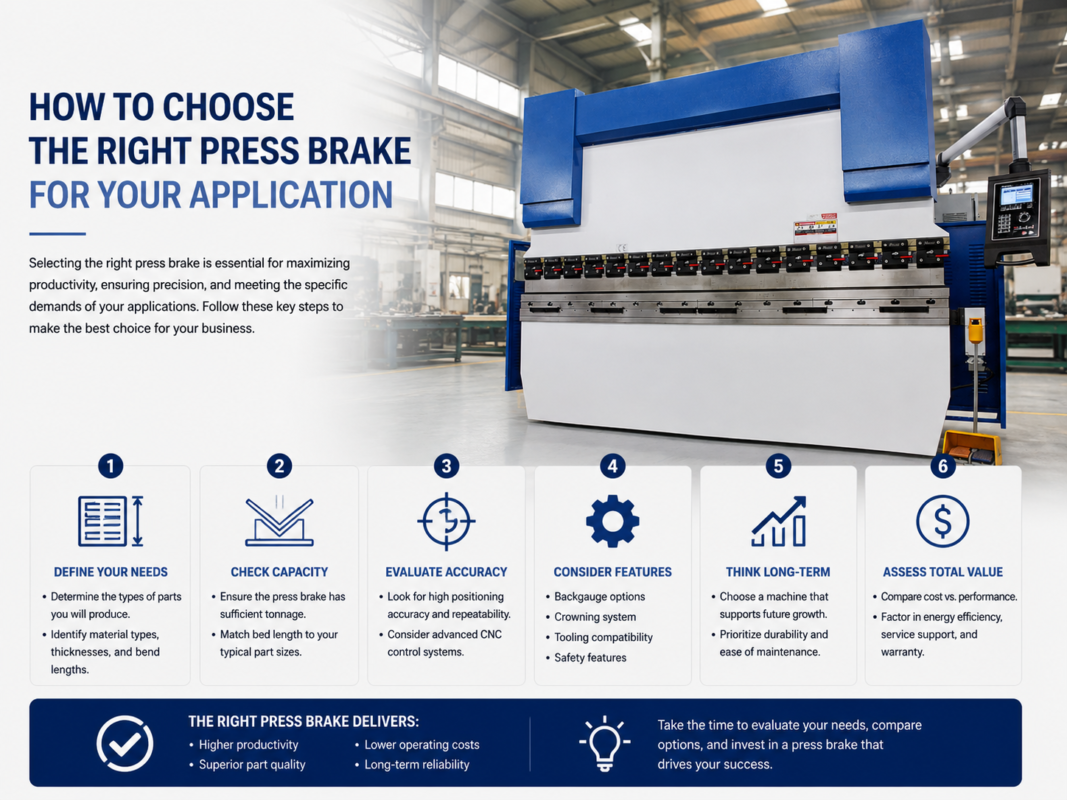
If you are ready to make the leap, here is a checklist to ensure you choose the right machine and supplier. When researching Is A Press Brake Used ? Buyer’s First-Time Buyers should follow these steps:
- Define Your Material Range: Know the maximum thickness and length of the material you will bend. Always buy a machine with about 20% more tonnage than your theoretical maximum to avoid running the machine at its limit constantly.
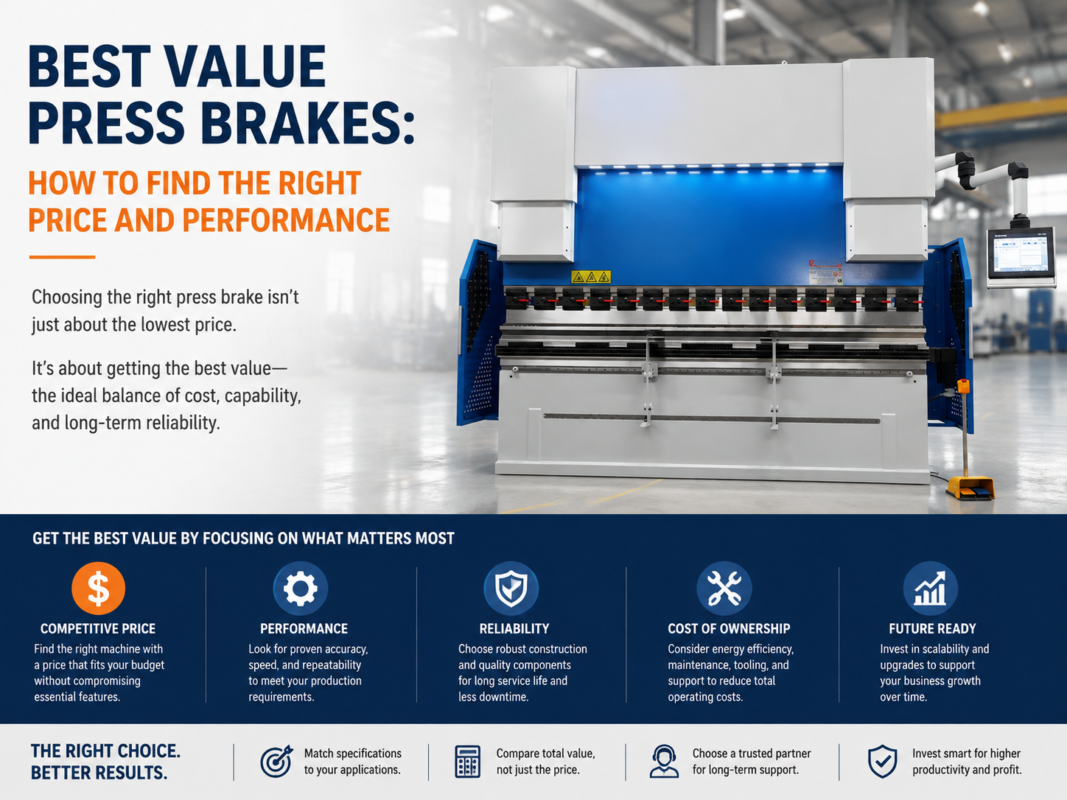
- Evaluate the Supplier: Don’t just buy the cheapest machine. Look for a manufacturer like HARSLE that has a proven track record, provides comprehensive manuals, and offers reliable after-sales support. Ask about the availability of spare parts in your region.
- Check the Controller: Ensure the controller is in a language your operators understand and that it has the features you need. A touch-screen interface with 2D or 3D graphics is highly recommended for first-time CNC users.
- Inspect the Build Quality: Look at the frame construction. Is it a solid, welded structure? Is it stress-relieved? Check the brand of the hydraulic valves (Rexroth is a gold standard) and the electrical components (Schneider or Siemens).
- Consider Future Growth: You might only need 3 axes today, but will you need 4 or 5 in two years? It is often cheaper to buy a slightly more capable machine now than to replace it in the near future.
Frequently Asked Questions (FAQ)
What is the difference between an NC and a CNC press brake?
An NC (Numerical Control) press brake is a simpler machine where the operator manually inputs specific coordinates for the backgauge and the ram depth. It usually lacks the ability to calculate bend sequences or handle complex multi-step programs automatically. A CNC (Computer Numerical Control) press brake is fully automated; the operator inputs the part dimensions and material type, and the computer calculates all necessary movements, including bend allowance and springback compensation.
How much tonnage do I need for my press brake?
Tonnage depends on the material type, thickness, and the V-opening of the die you are using. For example, bending 3mm mild steel over a 24mm V-die requires approximately 25 tons per meter. There are many online tonnage calculators and charts provided by manufacturers like HARSLE to help you determine the exact requirements for your specific applications.
Can I bend stainless steel on a standard press brake?
Yes, but stainless steel requires significantly more tonnage (roughly 50% more) than mild steel of the same thickness. It also has more “springback,” meaning the metal wants to return to its original shape after bending. A CNC press brake with springback compensation is highly recommended for working with stainless steel to ensure accuracy.
How often does a press brake require maintenance?
Daily maintenance includes checking oil levels and cleaning the work area. Monthly maintenance involves lubricating the backgauge rails and checking for hydraulic leaks. A full service, including an oil change and filter replacement, should typically be performed every 2,000 to 4,000 hours of operation. Proper maintenance is key to ensuring the longevity and accuracy of your machine.
What safety features should I look for?
At a minimum, your press brake should have an emergency stop button and a foot pedal control. For modern industrial environments, laser safety guards (which protect the area around the punch) and light curtains (which protect the rear of the machine) are essential. Side and rear safety gates with interlock switches are also standard on high-quality machines to prevent unauthorized access during operation.