
Punching Machine Uses In Automotive Parts Fabrication: A Comprehensive Guide


Introduction to Punching Machine Uses In Automotive Parts Fabrication
The automotive industry stands as one of the most demanding sectors for metal fabrication, requiring a unique blend of high-speed production, extreme precision, and cost-efficiency. At the heart of this manufacturing powerhouse lies the punching machine. Whether it is a mechanical power press, a hydraulic punch, or a sophisticated CNC turret punching machine, these tools are indispensable for creating the complex components that make up modern vehicles. HARSLE, a leader in metal fabrication machinery, has observed a significant shift toward automated punching solutions that cater specifically to the rigorous standards of automotive OEMs and Tier 1 suppliers.
Punching Machine Uses In Automotive Parts Fabrication extend far beyond simple hole-making. Today’s machinery is capable of forming, countersinking, louvering, and even tapping, all within a single setup. As vehicles evolve toward electric platforms and lightweight materials, the role of the punching machine has expanded to handle high-strength steels and aluminum alloys with minimal distortion. This guide explores the multifaceted applications of these machines and provides technical insights into why they remain the preferred choice over alternative methods like laser cutting for high-volume automotive production.
In the context of a modern assembly line, the efficiency of a punching machine is measured by its strokes per minute (SPM) and its ability to integrate with automated coil feeding systems. By reducing manual handling and maximizing material utilization, punching machines help automotive manufacturers maintain competitive margins. Throughout this article, we will delve into the specific components produced by these machines, the technical parameters that define their success, and how to select the right equipment for your fabrication facility.
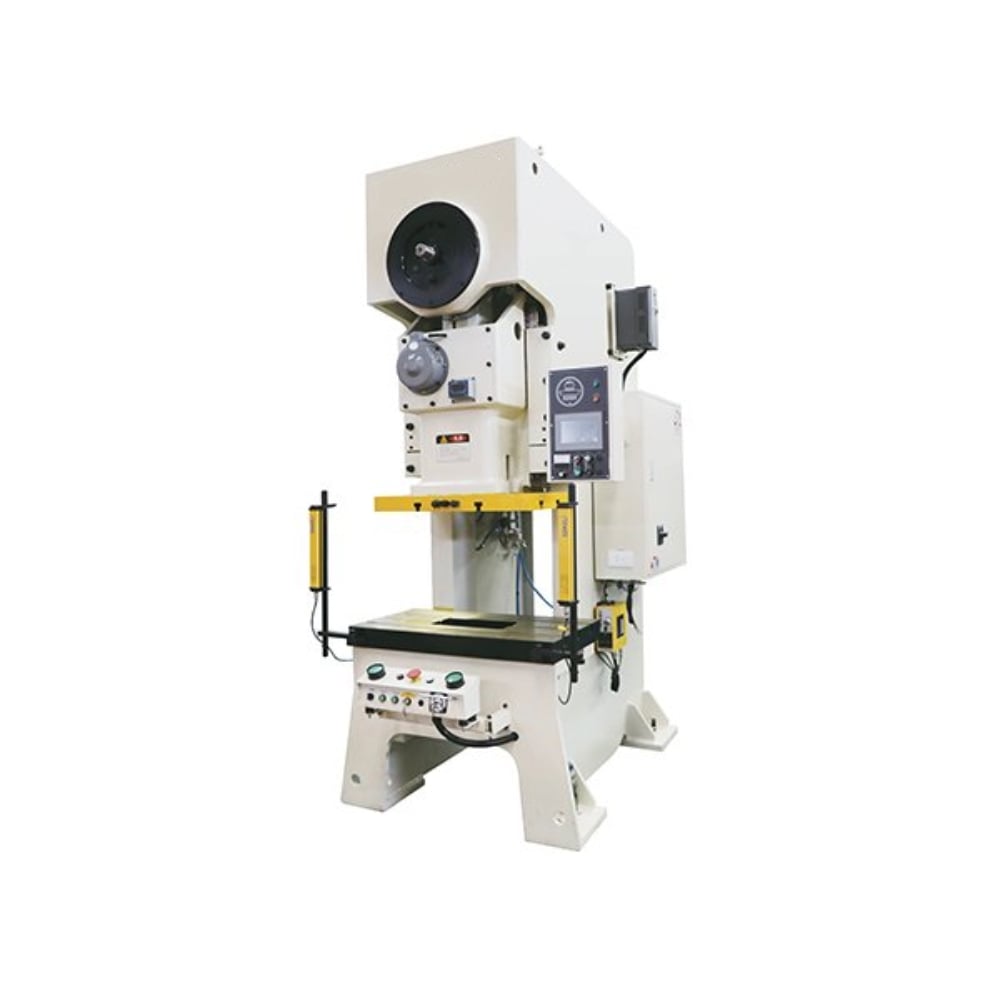
Key Considerations for Automotive Punching Operations
When evaluating Punching Machine Uses In Automotive Parts Fabrication, several critical factors must be considered to ensure the longevity of the equipment and the quality of the finished parts. The first consideration is material compatibility. Automotive parts are increasingly made from Advanced High-Strength Steel (AHSS) and aluminum. These materials require machines with high tonnage and rigid frames to counteract the significant snap-through shock that occurs during the punching process. A machine that lacks sufficient rigidity will suffer from premature tool wear and frame fatigue.
Precision and repeatability are the next pillars of automotive fabrication. In an industry where tolerances are often measured in microns, the punching machine must deliver consistent results over millions of cycles. This is particularly important for components that will undergo robotic welding or automated assembly, where even a slight deviation in hole placement can lead to line stoppages. HARSLE machines utilize advanced servo-hydraulic systems to maintain precise control over the ram position, ensuring that every punch is identical to the last.
Furthermore, the integration of Industry 4.0 features is becoming a standard requirement. Automotive manufacturers need real-time data on machine performance, tool life, and energy consumption. Modern punching machines equipped with smart sensors can predict maintenance needs before a failure occurs, minimizing unplanned downtime. This connectivity also allows for seamless integration with Enterprise Resource Planning (ERP) systems, streamlining the production workflow from order to delivery.
Safety and compliance cannot be overlooked. The automotive sector adheres to strict safety standards, such as CE and OSHA requirements. Punching machines must be equipped with light curtains, dual-hand controls, and emergency stop systems to protect operators. Additionally, noise reduction technology is increasingly important to meet environmental health and safety (EHS) standards within large-scale manufacturing plants.
Technical Details of Punching Machines in the Auto Sector
Tonnage and Force Distribution
The tonnage of a punching machine is perhaps its most vital technical specification. In automotive fabrication, tonnage requirements can range from 25 tons for small brackets to over 1000 tons for large structural chassis components. Calculating the required force involves analyzing the material’s shear strength, the thickness of the sheet, and the total perimeter of the cut. For automotive applications involving thick-gauge steel, hydraulic punching machines are often preferred for their ability to deliver full pressure throughout the entire stroke.
Tooling and Turret Configuration
CNC turret punching machines are widely used for parts that require multiple hole sizes or complex geometries. The turret allows for a variety of tools to be housed simultaneously, enabling the machine to switch between punching, forming, and embossing without manual intervention. In the automotive sector, specialized tooling such as multi-tools or cluster tools are used to increase productivity by punching multiple holes in a single hit. High-quality tool steel, often coated with Titanium Nitride (TiN), is essential to withstand the heat and friction generated during high-speed operations.
Stroke Control and Speed
The speed of the punching operation, measured in strokes per minute (SPM), directly impacts the throughput of the factory. However, speed must be balanced with stroke control. For forming operations like louvers or ribs in automotive heat shields, a controlled ram speed is necessary to prevent material tearing. Servo-electric punching machines offer the best of both worlds, providing high-speed punching for simple holes and programmable ram profiles for complex forming tasks.
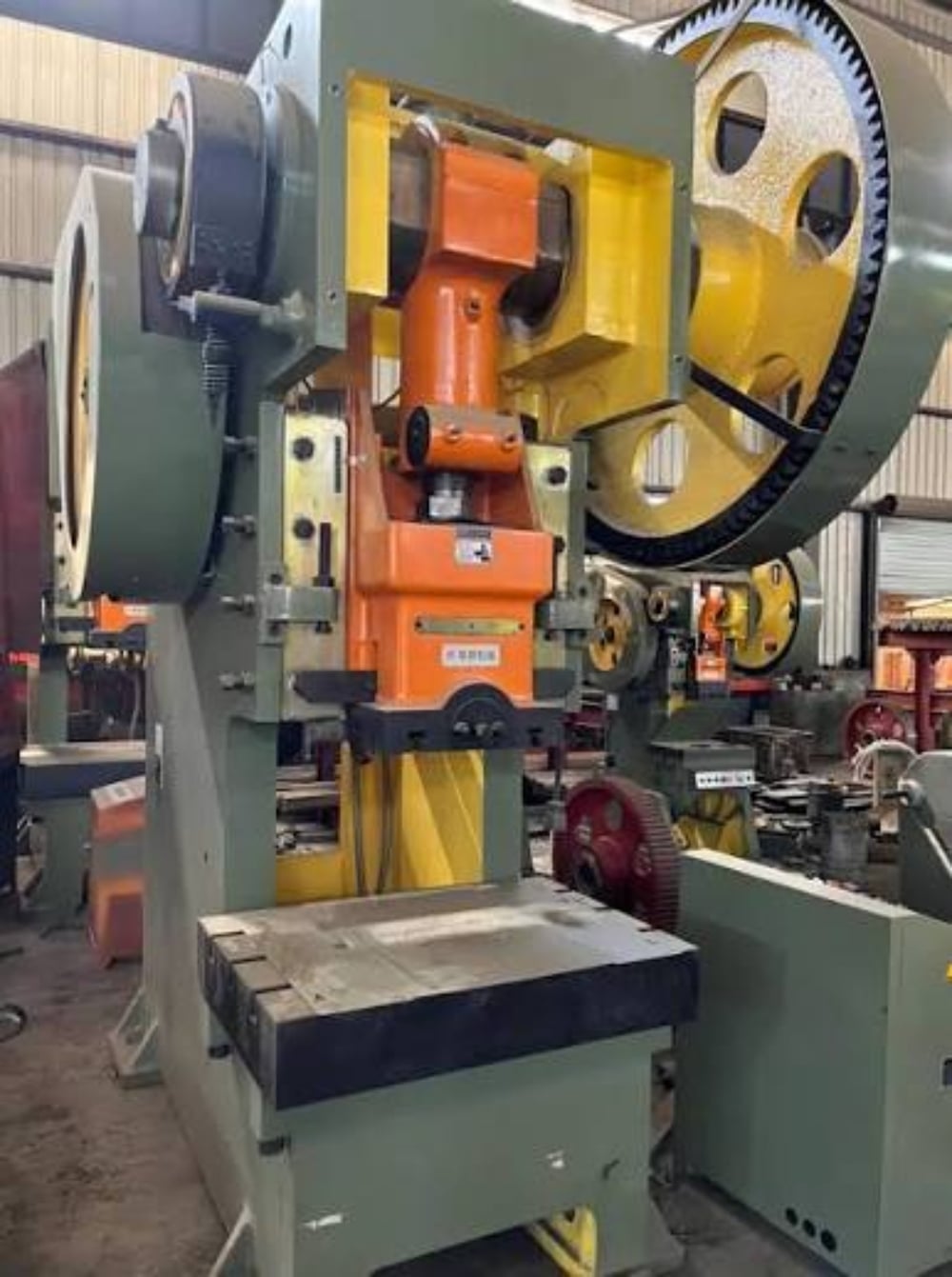
Specific Punching Machine Uses In Automotive Parts Fabrication
1. Chassis and Frame Components
The chassis is the backbone of the vehicle, requiring heavy-duty punching for assembly holes, mounting points, and weight-reduction perforations. Because these parts are often made from thick, high-strength steel, the punching machine must provide immense force and stability. Punching is preferred here over drilling because it is significantly faster and creates a work-hardened edge that can be beneficial for certain structural applications.
2. Body-in-White (BIW) Parts
Body-in-White refers to the stage where the car body’s sheet metal components have been welded together. Before welding, individual panels like door inner frames, pillars, and roof rails require precise punching for fasteners and wiring harnesses. The accuracy of these holes is paramount for the subsequent installation of interior trim and electronic components. Punching machines used in BIW production often feature large throat depths to accommodate wide sheet metal panels.
3. Brackets and Reinforcements
Modern vehicles contain hundreds of small brackets used to secure everything from brake lines to engine sensors. These parts are ideal candidates for progressive die punching. In this process, a strip of metal is fed through the machine, and multiple operations (punching, bending, and cutting) are performed at different stations within the same die set. This allows for the mass production of complex brackets at a rate of hundreds of parts per minute.
4. Heat Shields and Acoustic Insulation
Heat shields are typically made from thin aluminum or stainless steel and feature intricate patterns of perforations to dissipate heat and reduce weight. Punching machines are used to create these patterns with high efficiency. The ability to perform “nibbling”—where a series of overlapping holes creates a larger shape—is particularly useful for the irregular outlines often found in heat shield designs.
5. Electrical and Battery Components
With the rise of Electric Vehicles (EVs), punching machines are now used to fabricate battery housings, busbars, and connector terminals. Busbars, usually made of copper or aluminum, require clean, burr-free holes to ensure optimal electrical conductivity. Precision punching ensures that these critical components meet the strict safety standards required for high-voltage EV systems.
Selection Advice: Choosing the Right Machine for Your Needs
Selecting a machine for Punching Machine Uses In Automotive Parts Fabrication requires a deep understanding of your production goals. If your facility focuses on high-volume, repetitive parts like simple brackets, a mechanical power press with a progressive die setup is likely the most cost-effective solution. These machines offer the highest speeds and are designed for continuous operation. HARSLE’s line of high-speed presses is engineered specifically for this type of high-output environment.
For job shops or manufacturers producing a wide variety of parts in smaller batches, a CNC turret punching machine offers the necessary flexibility. The ability to change programs and tools quickly allows for rapid prototyping and short production runs without the high cost of dedicated hard tooling. When choosing a CNC punch, consider the number of stations in the turret and the availability of “auto-index” stations, which can rotate tools to any angle, further increasing the machine’s versatility.
Another factor is the level of automation. In the automotive industry, labor costs and safety concerns drive the need for automated loading and unloading systems. A punching machine that can be integrated into a flexible manufacturing system (FMS) with a tower for raw material storage and a robotic arm for part sorting will provide a much higher return on investment (ROI) over time. Always verify the software compatibility of the machine; user-friendly CAM software can significantly reduce programming time and material waste through efficient nesting.
Maintenance and Longevity in Automotive Environments
To maintain the high standards required for automotive parts, a rigorous maintenance schedule is essential. The high-cycle nature of automotive fabrication puts significant stress on the machine’s lubrication system. Automatic lubrication systems should be checked daily to ensure that all moving parts, especially the ram and the turret bearings, are properly oiled. Contamination from metal dust and slugs can cause premature wear, so regular cleaning of the die bed and slug chutes is mandatory.
Tooling maintenance is equally important. Dull tools increase the required punching force, leading to more significant burrs on the parts and increased stress on the machine frame. Implementing a tool management system that tracks the number of hits per tool can help operators know exactly when to sharpen or replace a punch. HARSLE recommends using high-quality grinding equipment to maintain the original geometry of the tools, ensuring consistent part quality throughout the tool’s lifespan.
Frequently Asked Questions (FAQ)
What are the primary advantages of punching over laser cutting for automotive parts?
While laser cutting offers great flexibility, punching is significantly faster for high-volume production, especially when creating repetitive holes or patterns. Punching also allows for forming operations (like louvers or ribs) that a laser cannot perform. Additionally, for certain materials, punching is more energy-efficient and results in a lower cost-per-part in mass production scenarios.
Can punching machines handle the high-strength steel used in modern cars?
Yes, but it requires a machine with high tonnage and a very rigid frame. Advanced High-Strength Steel (AHSS) has a high shear strength, which means the machine must be able to deliver a sharp, powerful hit. Using specialized coatings on the punches and ensuring the machine is rated for the specific material thickness is crucial.
How does a CNC turret punch improve automotive fabrication?
A CNC turret punch improves fabrication by allowing for complex part geometries to be completed in a single operation. It reduces the need for multiple machines and manual handling, which minimizes the risk of damage to the parts and improves overall dimensional accuracy.
What is the typical lifespan of a HARSLE punching machine in an automotive plant?
With proper maintenance and adherence to tonnage limits, a high-quality punching machine can last 15 to 20 years or more, even in a high-production environment. Many machines are eventually retrofitted with new CNC controls to extend their technological relevance.
Is it possible to punch aluminum parts without galling?
Galling, or the buildup of material on the punch, is a common issue with aluminum. This can be mitigated by using specialized tool coatings, proper lubrication (such as a light oil mist), and ensuring the correct die clearance. Using a machine with a high-speed hit rate also helps reduce the time the tool is in contact with the material, minimizing heat buildup.
Conclusion: The Future of Punching in Automotive Manufacturing
The Punching Machine Uses In Automotive Parts Fabrication continue to evolve alongside the vehicles themselves. As the industry moves toward more sustainable manufacturing and the mass adoption of electric vehicles, the demand for efficient, precise, and versatile metal fabrication equipment has never been higher. Punching machines remain a cornerstone of this industry because they offer a unique combination of speed, forming capability, and structural integrity that other methods simply cannot match.
HARSLE remains committed to providing the automotive sector with cutting-edge punching technology. By focusing on rigidity, automation, and precision, HARSLE machines help manufacturers meet the challenges of tomorrow’s automotive designs. Whether you are producing heavy-duty truck frames or delicate EV battery components, choosing the right punching machine is a critical step in ensuring your production line remains competitive, safe, and profitable for years to come.


