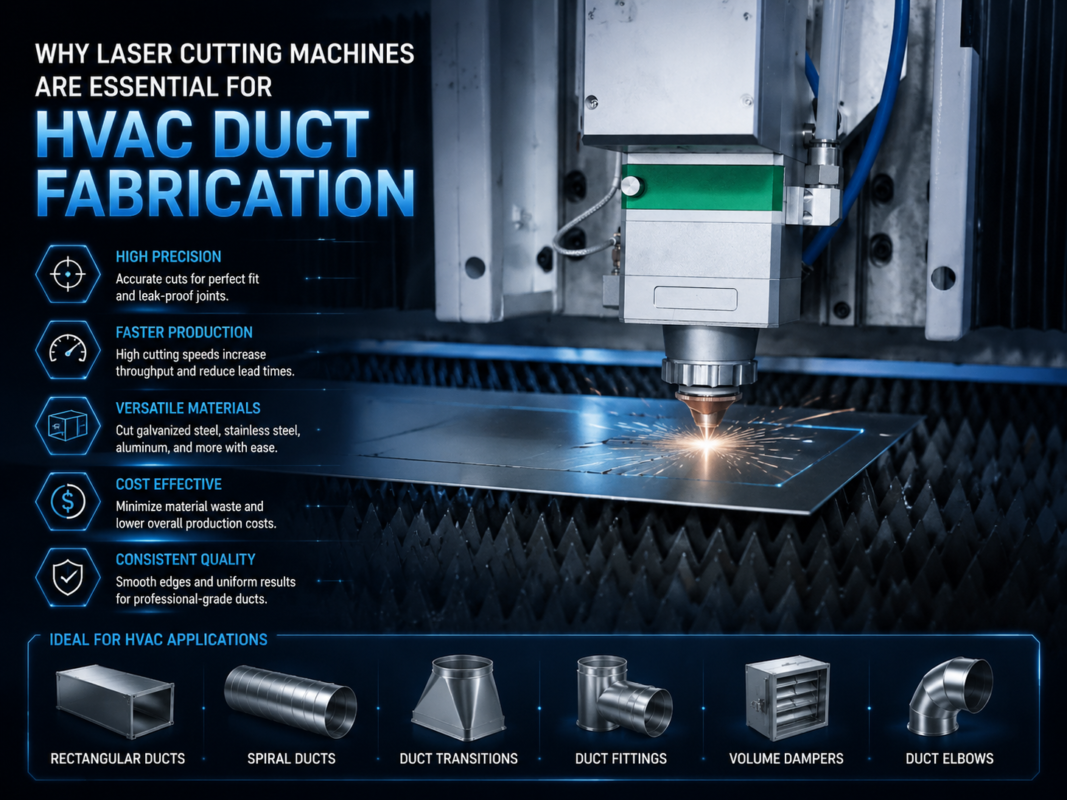
Comprehensive Guide to Punching Machine Applications for Ventilation and Ducting Systems


Introduction to Punching Machine Applications for Ventilation and Ducting Systems
In the modern industrial landscape, the efficiency of Heating, Ventilation, and Air Conditioning (HVAC) systems is paramount. Central to the production of these systems is the precision fabrication of ductwork and ventilation components. Punching machine applications for ventilation and ducting systems have revolutionized how manufacturers approach sheet metal processing. These machines are no longer just tools for simple hole-making; they are sophisticated systems capable of complex forming, nibbling, and high-speed perforation that define the structural integrity and aerodynamic efficiency of air distribution networks.
HARSLE, a leader in metal fabrication machinery, understands that the ventilation industry requires a unique blend of speed, accuracy, and versatility. Whether it is creating mounting holes for dampers, perforating acoustic liners, or forming louvers for external vents, the punching machine is the workhorse of the duct shop. As building codes become stricter regarding energy efficiency and air leakage, the demand for high-precision punching has never been higher. This guide explores the intricate details of how these machines are applied within the sector and what manufacturers should look for to optimize their production lines.
The transition from manual layout and drilling to automated CNC punching has allowed for a significant reduction in labor costs and material waste. In a high-volume ducting environment, every second saved per stroke translates into thousands of dollars in annual savings. By integrating advanced punching machine applications for ventilation and ducting systems, companies can ensure that every flange, bracket, and panel meets exact specifications, facilitating easier assembly on-site and superior performance in the field.
Key Considerations for Ducting and Ventilation Fabrication
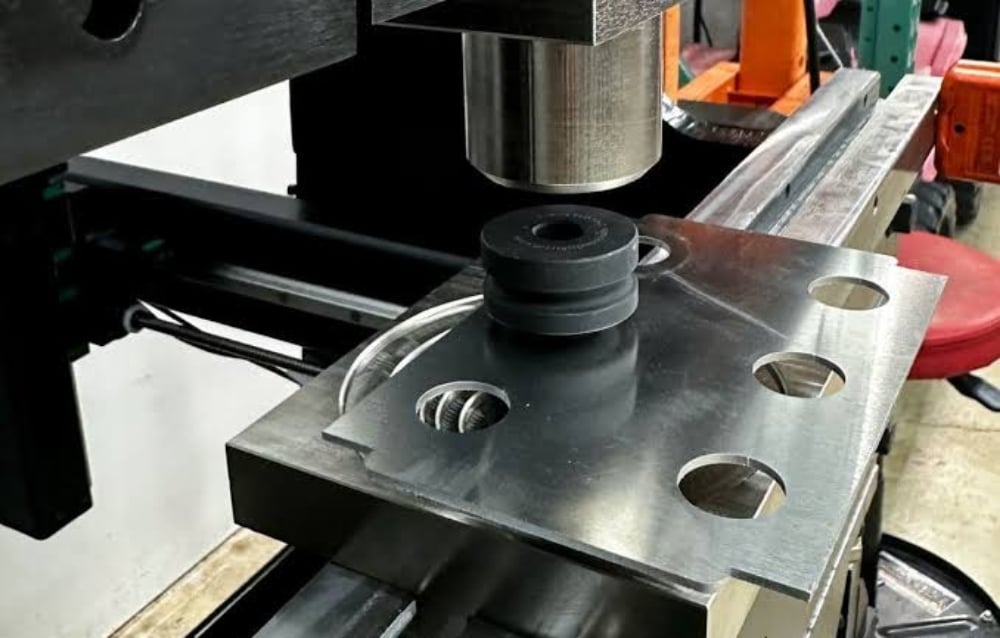
When implementing punching machine applications for ventilation and ducting systems, several critical factors must be considered to ensure the machinery aligns with production goals. The first is material compatibility. Most ductwork is fabricated from galvanized steel, stainless steel, or aluminum. Each material reacts differently to the punching process. Galvanized steel, for instance, requires clean cuts to prevent the zinc coating from flaking, which could lead to premature corrosion. A high-quality punching machine must offer the rigidity and tool clearance necessary to handle these variations without compromising the finish.
Another vital consideration is the complexity of the parts. Ventilation systems often require more than just round holes. Rectangular cutouts for registers, specialized patterns for acoustic attenuation, and embossed features for structural stiffening are common. The punching machine must be capable of multi-tooling or turret configurations that allow for rapid switching between different die shapes. This versatility reduces setup times and allows for the fabrication of diverse components—from simple straight ducts to complex plenum boxes—on a single piece of equipment.
Production volume and speed are also decisive factors. In the HVAC industry, lead times are often short, and the ability to process large sheets of metal quickly is a competitive advantage. High-speed CNC turret punches are preferred for their ability to perform hundreds of hits per minute. Furthermore, the integration of nesting software is essential. This software optimizes the layout of parts on a sheet of metal, minimizing scrap and ensuring that the punching machine applications for ventilation and ducting systems are as cost-effective as possible. Efficient nesting is particularly important when working with expensive materials like stainless steel.
Finally, the physical footprint and sheet handling capabilities of the machine must be evaluated. Ducting often involves large, thin-gauge sheets that can be difficult to maneuver. Machines equipped with large brush tables or ball transfer tables protect the surface of the metal from scratches while providing the necessary support for high-speed movement. For manufacturers looking to scale, considering automated loading and unloading systems can further enhance the efficiency of the punching process, allowing for lights-out manufacturing in some instances.
Technical Details of Punching Technology in HVAC
CNC Turret Punching vs. Single Station Presses
In the realm of ventilation, the choice between a CNC turret punch and a single-station press often depends on the variety of the product mix. CNC turret punches are the gold standard for ducting because they hold dozens of tools simultaneously. This allows the machine to perform a sequence of different punches—such as corner notches, screw holes, and large cutouts—without manual intervention. For specialized ventilation components like fire dampers, where multiple hole sizes are required on a single frame, the turret punch offers unmatched flexibility.
The Role of Nibbling and Contouring
Nibbling is a technical process where a punching machine makes a series of overlapping holes to create a larger shape or a contoured edge. In ducting, this is frequently used to create circular openings in flat sheets before they are rolled into round ducts. Modern CNC machines use high-frequency nibbling to produce edges that are nearly as smooth as laser-cut finishes but at a fraction of the operating cost. This is a primary example of punching machine applications for ventilation and ducting systems where mechanical efficiency meets geometric precision.
Forming Operations: Louvers and Knockouts
One of the most significant advantages of using a punching machine in ventilation is its ability to perform forming operations. Louvers, which are essential for airflow and weather protection in external vents, can be punched and formed in a single stroke. This eliminates the need for secondary forming processes. Similarly, knockouts for electrical connections in HVAC control boxes can be precisely placed and partially sheared, providing end-users with easy installation options while maintaining the integrity of the enclosure during transport.
Precision and Tolerance in Flange Production
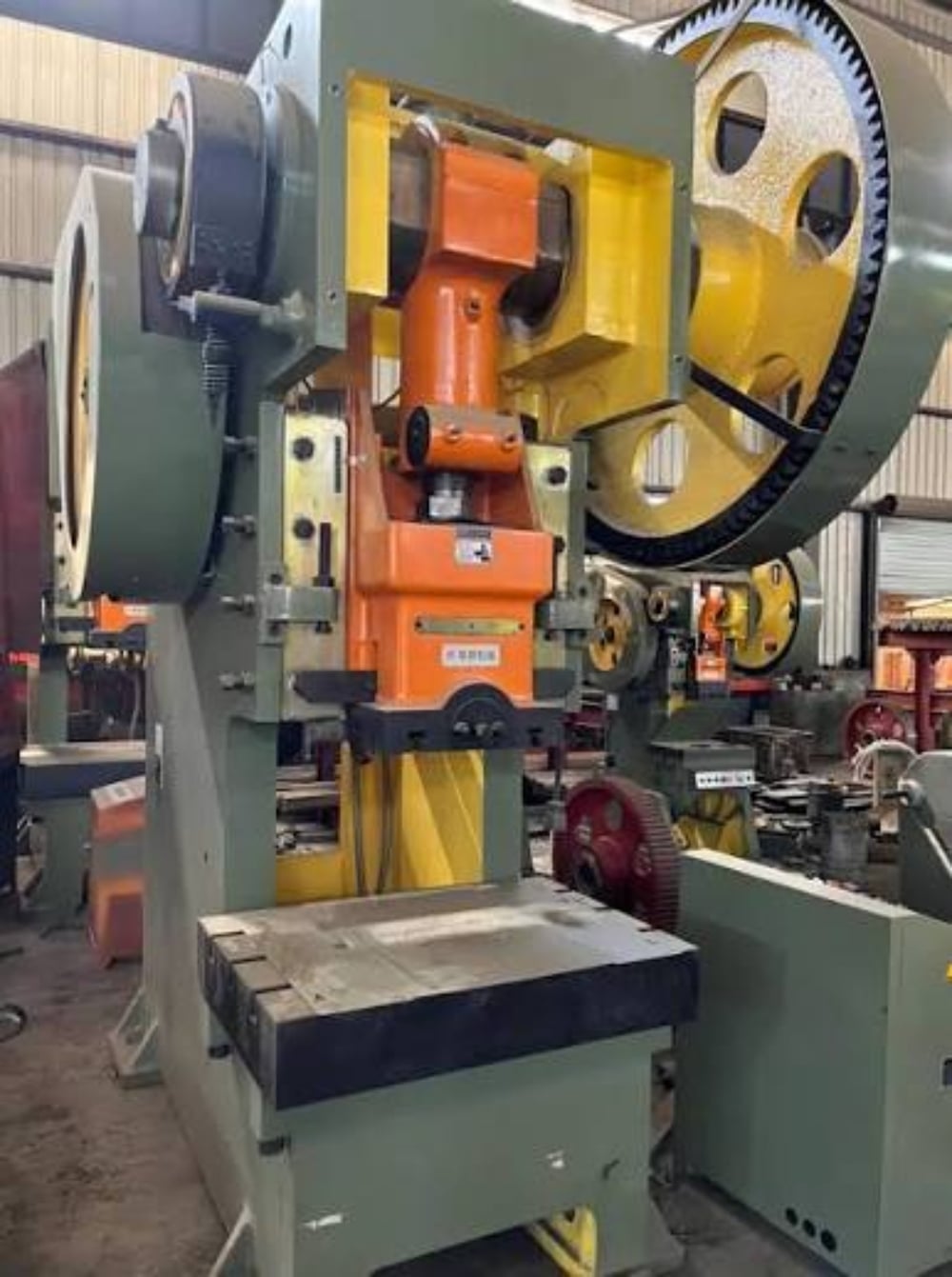
Ductwork sections are often joined using flanges (such as TDC or TDF styles). The punching machine plays a critical role in creating the bolt holes and alignment notches required for these joints. If these holes are even slightly misaligned, the entire duct run can become skewed, leading to air leaks and increased energy consumption. High-end punching machines offer tolerances within +/- 0.1mm, ensuring that every section of the ventilation system fits perfectly with the next, a requirement that is increasingly mandated by green building certifications.
Selection Advice for Ventilation Manufacturers
Choosing the right equipment for punching machine applications for ventilation and ducting systems requires a strategic approach. First, assess your typical gauge range. Most HVAC work falls between 26-gauge and 16-gauge (0.5mm to 1.5mm). While a high-tonnage machine (30 tons or more) is versatile, a machine optimized for high-speed processing of thinner gauges might offer a better return on investment for a dedicated duct shop. HARSLE offers various tonnages to suit these specific needs, ensuring that you don’t overpay for power you don’t use or lack the force needed for heavier industrial ducting.
Second, consider the software compatibility. The punching machine is only as good as the instructions it receives. Ensure the machine integrates seamlessly with popular HVAC CAD/CAM software like CAMduct or Revit. This integration allows for the direct transfer of 3D models into punching patterns, reducing the risk of human error during data entry. Look for controllers that are user-friendly and support real-time simulation, which helps operators visualize the punching sequence and avoid tool collisions before the first hit is made.
Third, evaluate the maintenance and support network. Punching machines are subject to significant mechanical stress. Choosing a reputable brand like HARSLE ensures access to high-quality replacement parts, such as punch pins and dies, which are consumables in this industry. A machine with an easy-access turret design and automatic lubrication systems will significantly reduce downtime. Furthermore, consider the availability of technical training for your staff; a well-trained operator can maximize the machine’s output and extend the lifespan of the tooling through proper setup and care.
| Feature | Standard Ducting Requirement | HARSLE Solution Benefit |
|---|---|---|
| Tonnage | 15 – 30 Tons | High-rigidity frames for consistent force |
| Hit Rate | 300+ HPM | Optimized servo-hydraulic systems for speed |
| Tooling Capacity | 12 – 32 Stations | Large turrets to minimize tool changes |
| Accuracy | +/- 0.1mm | Precision ball screws and linear guides |
Frequently Asked Questions (FAQ)
What are the most common punching machine applications for ventilation and ducting systems?
The most common applications include punching bolt holes for flanges, creating louvered vents for airflow, cutting out openings for registers and diffusers, and perforating sheets for acoustic insulation. Additionally, punching machines are used to create the notches and tabs required for various duct locking mechanisms like Pittsburgh or Snaplock seams.
Can a punching machine handle stainless steel ducting?
Yes, but it requires specific considerations. Stainless steel is harder and work-hardens quickly. To process it effectively, the punching machine must have sufficient tonnage and be equipped with high-quality, coated tooling. Proper lubrication is also essential to prevent galling and to ensure a clean finish on the ventilation components.
How does CNC punching compare to laser cutting for HVAC?
While laser cutting is excellent for complex shapes, CNC punching is often faster and more cost-effective for the repetitive patterns and forming operations (like louvers) common in HVAC. Punching machines also have lower operating costs regarding gas and electricity consumption for thinner gauge materials typically used in ducting.
What maintenance is required for a punching machine in a high-volume shop?
Daily maintenance includes checking lubrication levels and cleaning the worktable of slugs and debris. Weekly, operators should inspect tool sharpness and turret alignment. Regular professional servicing of the hydraulic or servo systems is also recommended to ensure the machine continues to operate at peak efficiency and maintains its precision over years of use.
Is it possible to automate the punching process for ducting?
Absolutely. Many modern punching machines can be integrated into fully automated lines that include sheet loading, punching, shearing, and stacking. This is particularly beneficial for large-scale manufacturers of standardized ducting components, as it significantly reduces manual handling and increases overall throughput.
Conclusion: The Future of Punching in the Ventilation Industry
The role of punching machine applications for ventilation and ducting systems continues to expand as technology evolves. From the integration of IoT for predictive maintenance to the development of even faster servo-electric drives, the capabilities of these machines are setting new benchmarks for the HVAC industry. For manufacturers, investing in a high-quality punching machine is not just about buying a piece of equipment; it is about securing a foundation for precision, efficiency, and growth.
HARSLE remains at the forefront of this evolution, providing machinery that meets the rigorous demands of modern duct fabrication. By understanding the technical nuances of punching—from material handling to complex forming—businesses can optimize their production processes and deliver superior ventilation products. As the world moves toward more sustainable and efficiently ventilated buildings, the precision of the punching machine will remain a cornerstone of industrial progress.
In summary, whether you are a small local shop or a large-scale industrial supplier, the right punching machine applications for ventilation and ducting systems will provide the versatility needed to tackle any project. By focusing on accuracy, speed, and machine reliability, you ensure that your ventilation systems are built to last and perform at the highest level, meeting the needs of clients and regulatory bodies alike.