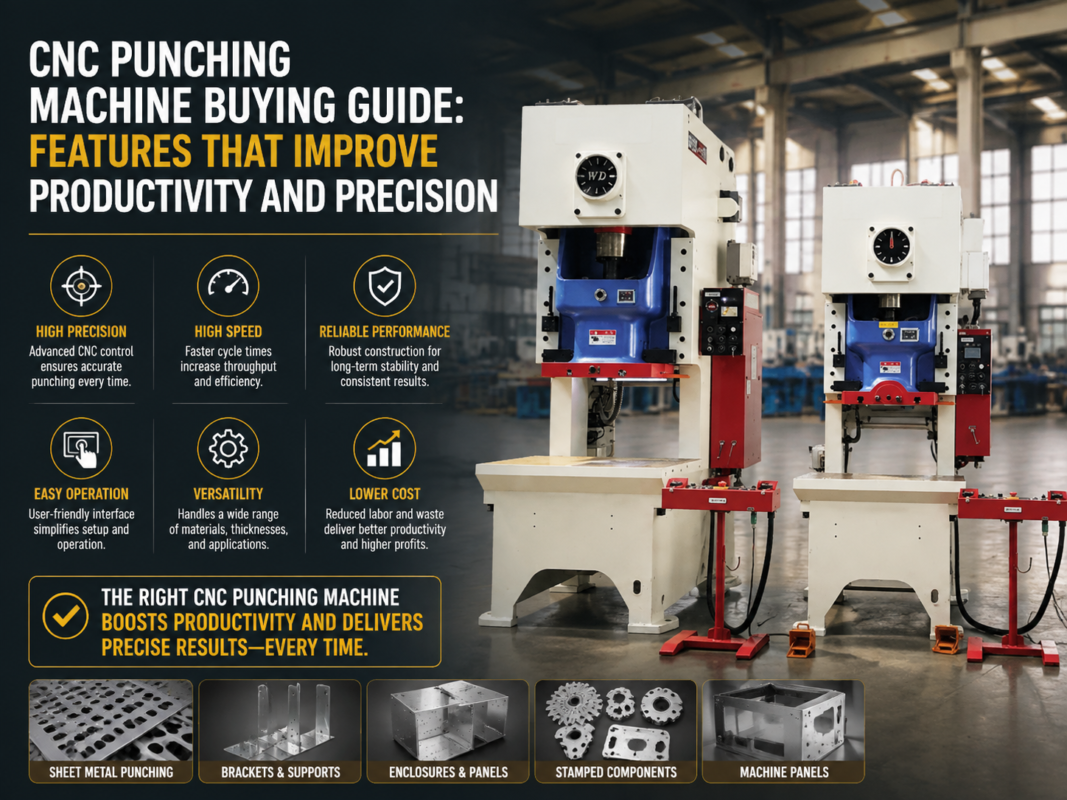
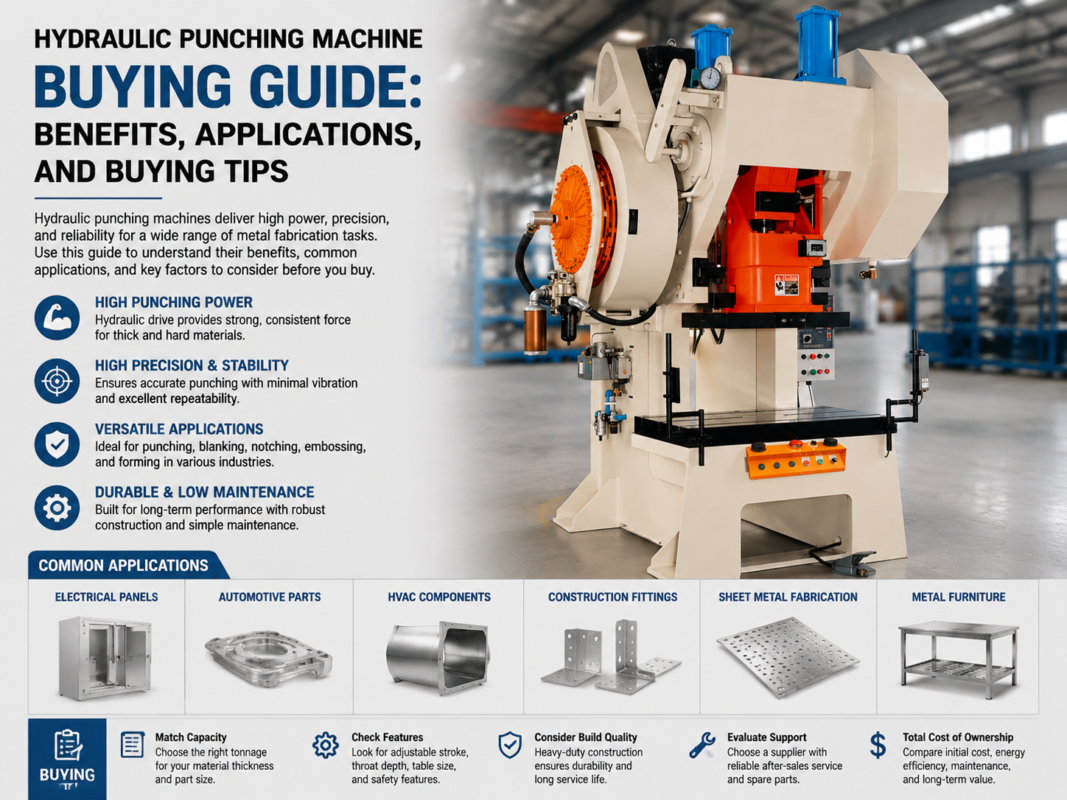
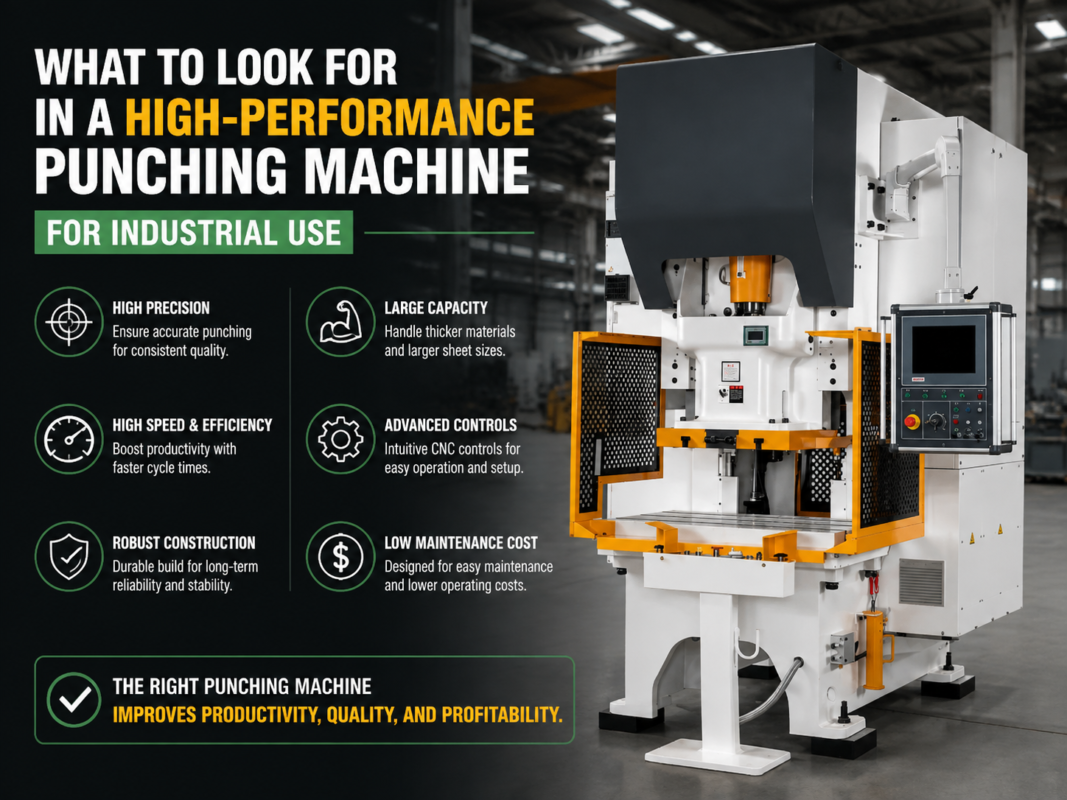
Punching Machine Buying Guide: Key Features to Compare Before You Buy


Introduction to Punching Machine Procurement
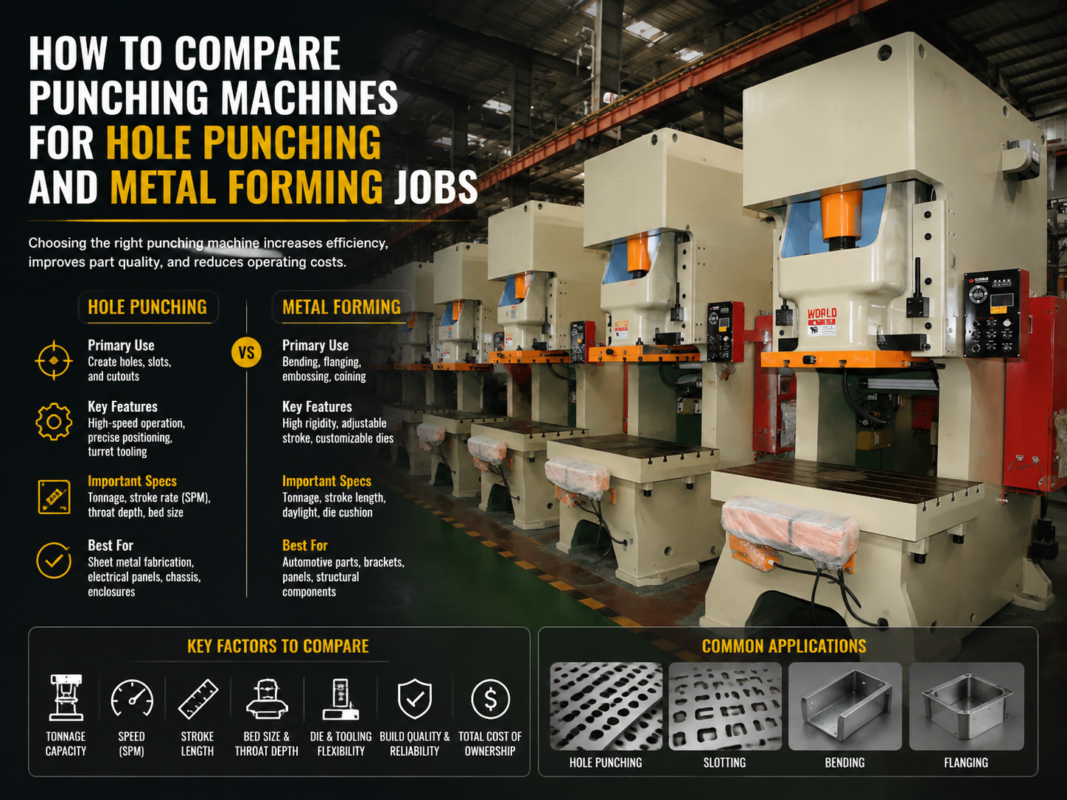
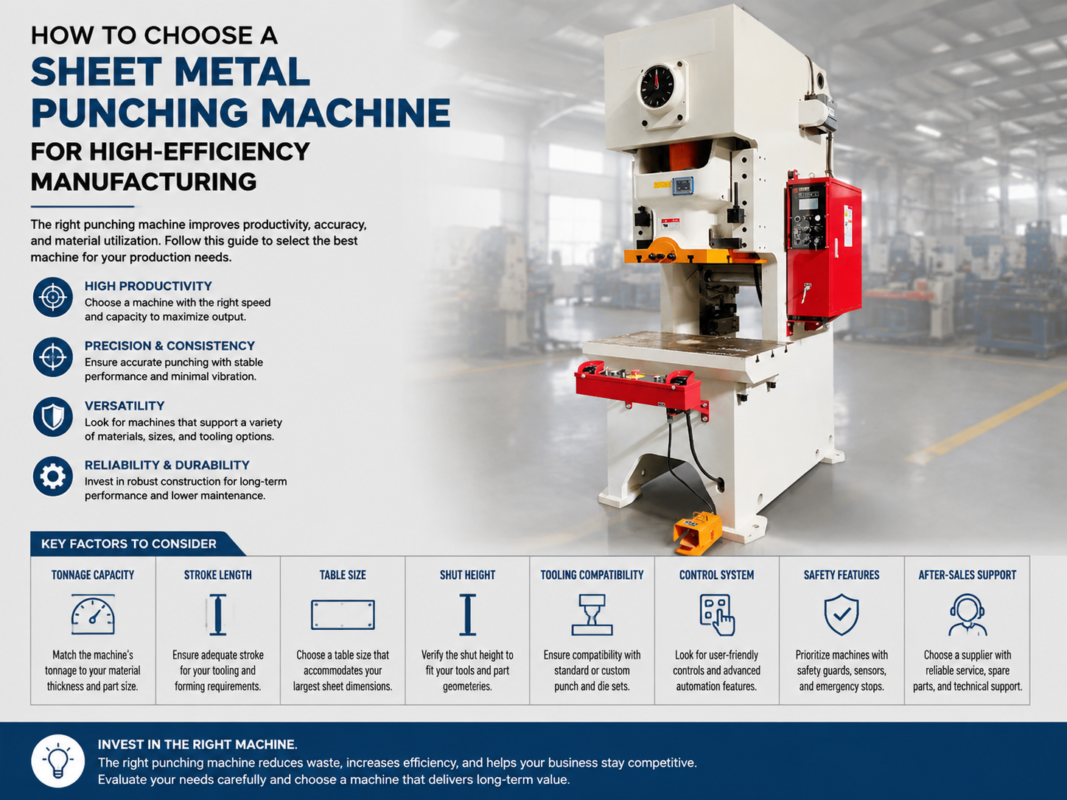
In the competitive landscape of metal fabrication, selecting the right equipment is not just a purchase; it is a strategic investment that dictates your production capacity for the next decade. A punching machine is the workhorse of many shops, responsible for creating holes, forms, and complex geometries in sheet metal with high speed and precision. However, the market is flooded with various types of machines, from simple manual presses to sophisticated CNC turret punching centers. Navigating this landscape requires a deep understanding of technical specifications and how they translate to business value.
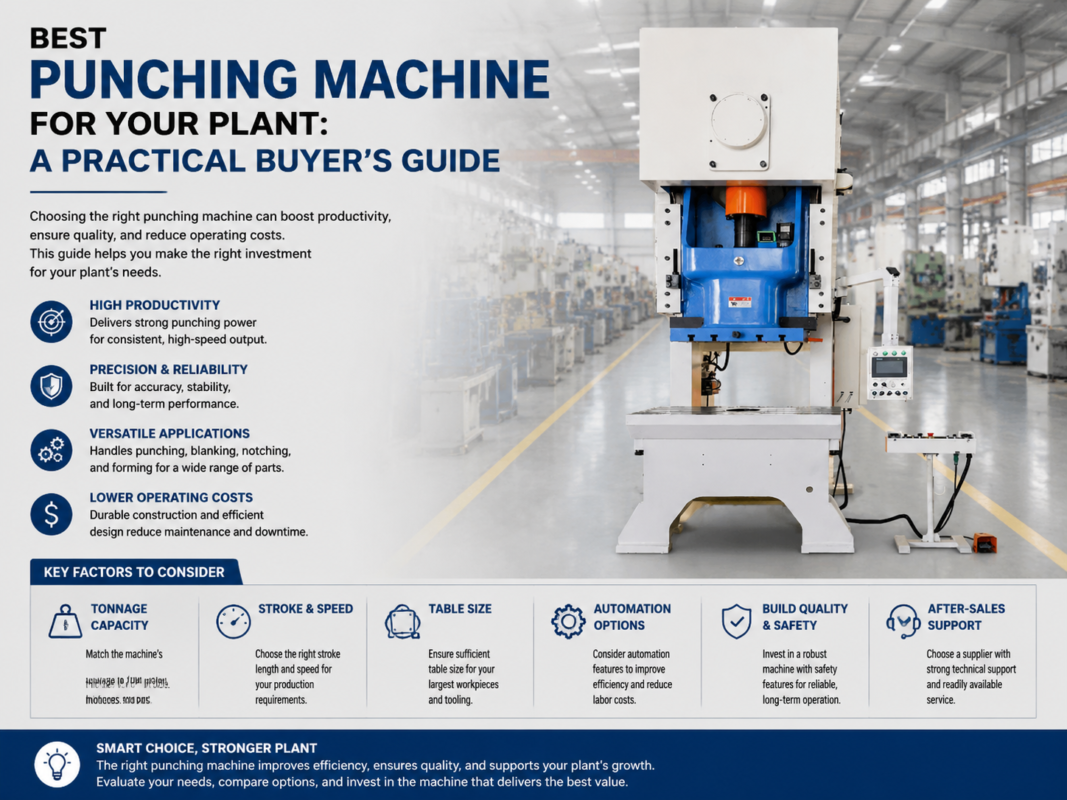
This Punching Machine Buying Guide: Key Features to Compare Before You Buy is designed to provide factory owners, procurement managers, and engineers with a roadmap. We will explore the nuances of tonnage, turret configurations, control systems, and the total cost of ownership. By the end of this guide, you will have the knowledge necessary to evaluate HARSLE’s industry-leading solutions against your specific production requirements, ensuring that every dollar spent contributes to your bottom line.
Price Range Overview: Setting Your Budget
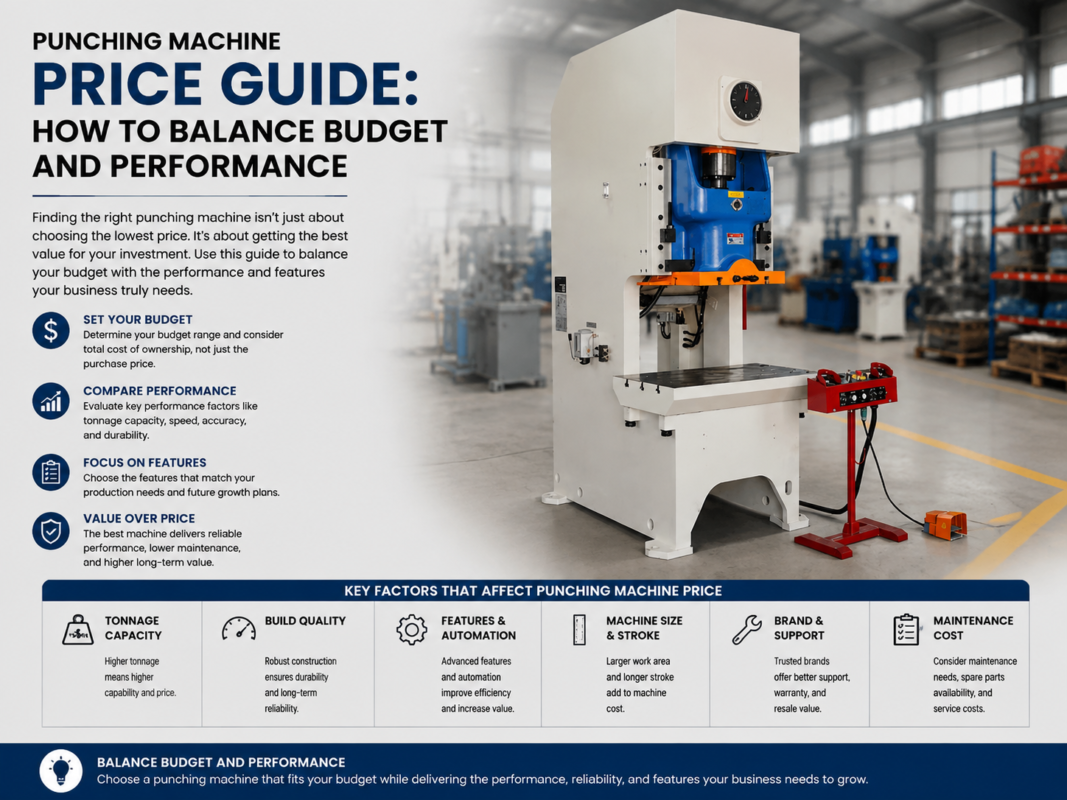
Understanding the price spectrum is the first step in the Punching Machine Buying: Key Features Compare Before You Buy process. Prices vary significantly based on the level of automation, tonnage, and the complexity of the control system. Generally, punching machines can be categorized into three main price brackets.
Entry-level machines, often consisting of manual hydraulic punching machines or basic mechanical presses, typically range from $5,000 to $20,000. These are ideal for small workshops or specialized tasks where high-volume automation isn’t required. They offer durability and simplicity but lack the speed and versatility of CNC systems. For businesses just starting in metal fabrication, these machines provide a low-barrier entry point.
Mid-range machines, which include NC (Numerical Control) hydraulic punching machines and smaller CNC turret presses, usually fall between $30,000 and $80,000. These machines introduce automated sheet positioning and basic programming, significantly increasing throughput compared to manual operations. They are the “sweet spot” for many growing fabrication shops that need to balance cost with increased productivity.
High-end industrial solutions, such as large-scale CNC Turret Punching Machines with high-speed servo-electric drives and automatic loading/unloading systems, can range from $100,000 to over $300,000. These machines are designed for 24/7 operation, offering hundreds of hits per minute and the ability to handle large sheet sizes with minimal human intervention. While the initial investment is high, the cost per part in high-volume production is significantly lower.
| Machine Type | Estimated Price Range (USD) | Primary Application |
|---|---|---|
| Manual/Mechanical Punch | $5,000 – $20,000 | Low volume, simple holes |
| NC Hydraulic Punch | $25,000 – $55,000 | Medium volume, repetitive tasks |
| CNC Turret Punch (Entry) | $60,000 – $95,000 | High precision, varied shapes |
| High-Speed CNC Turret | $120,000 – $300,000+ | Mass production, complex forming |
Main Cost Drivers in Punching Machinery
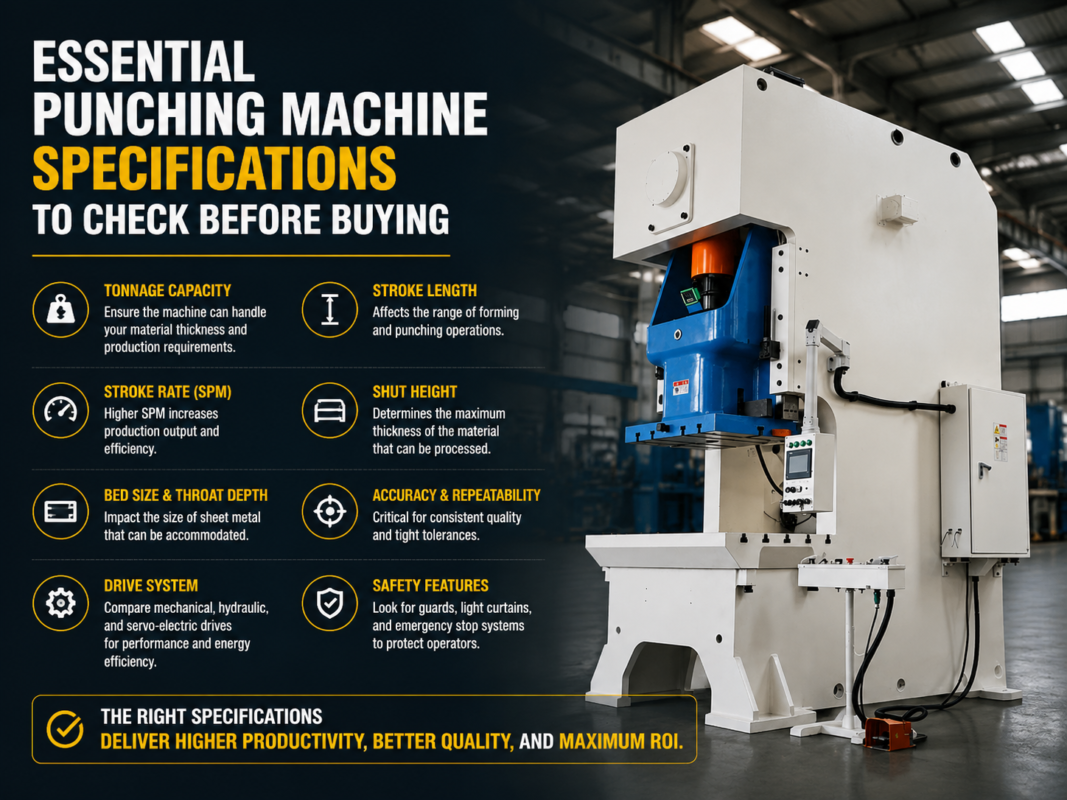
When you begin to Punching Machine Buying: Key Features Compare Before You Buy, you will notice that two machines looking similar on paper can have vastly different price tags. This is due to several core cost drivers that affect both performance and longevity. The most significant driver is the drive system: Mechanical, Hydraulic, or Servo-Electric.
Mechanical systems are traditional and cost-effective but offer less control over the stroke. Hydraulic systems, which HARSLE specializes in, provide excellent force control and are highly reliable for heavy-duty punching. Servo-electric drives are the most expensive but offer the highest speeds, best energy efficiency, and precise control over the punching depth, which is critical for forming operations like louvers or countersinks.
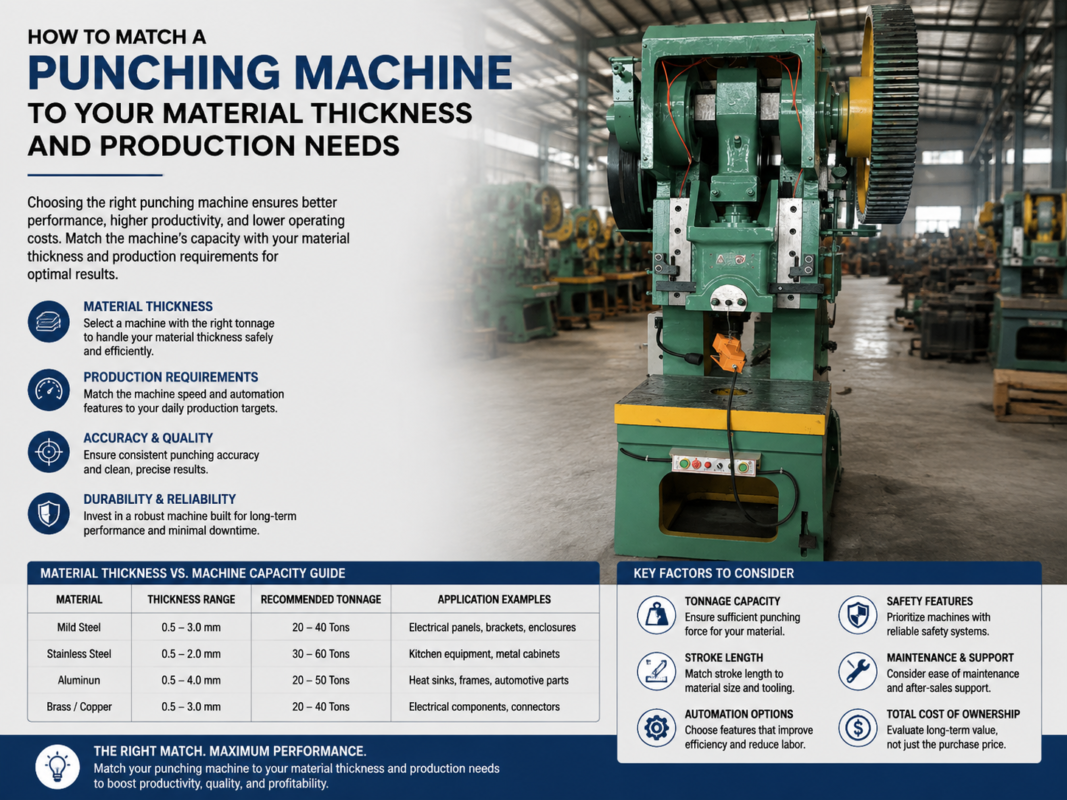
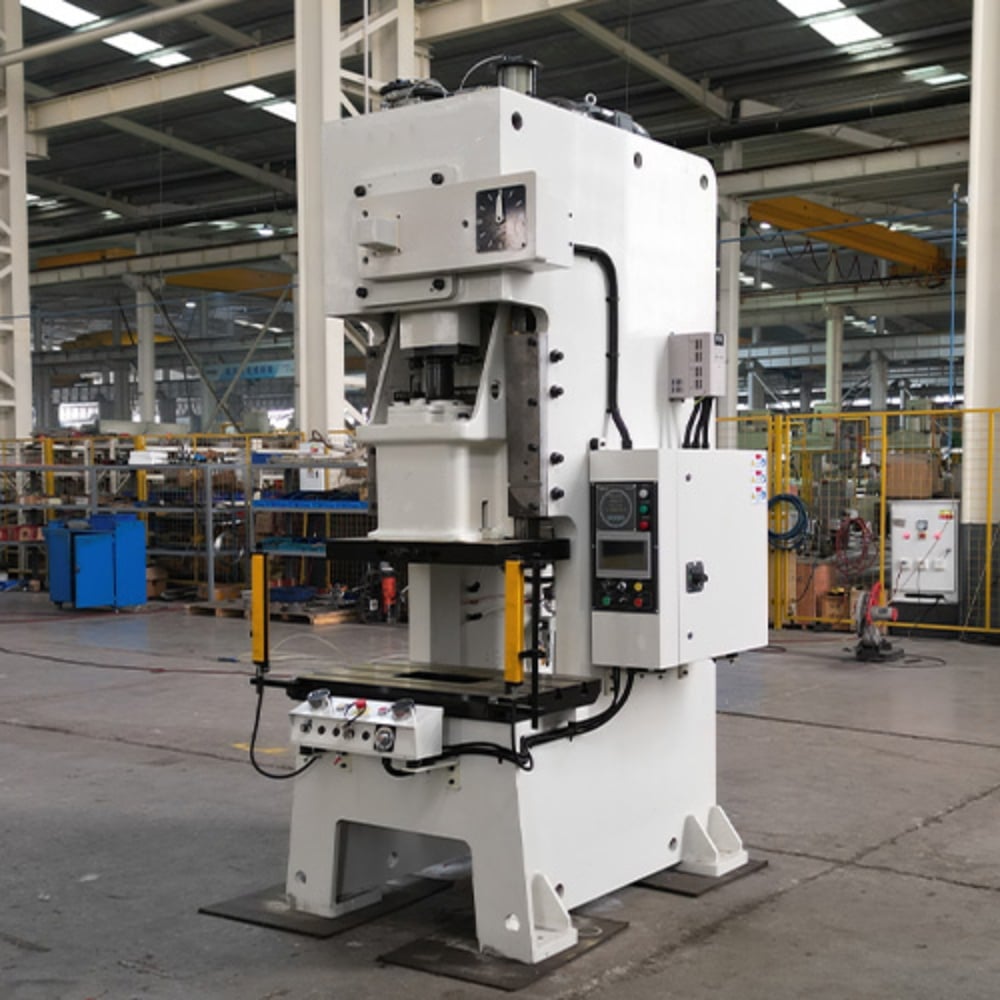
Tonnage is another critical factor. A 30-ton machine is standard for most sheet metal work, but if you are working with thicker materials or stainless steel, you may need 50 tons or more. The frame construction also plays a role; an “O-frame” (closed frame) is generally more expensive than a “C-frame” (open frame) because it offers superior rigidity, reducing tool wear and improving accuracy over long production runs. Finally, the throat depth—the distance from the center of the punch to the back frame—determines the maximum sheet width the machine can handle without flipping the sheet, directly impacting labor costs.
Configuration Impact: Customizing for Efficiency
The configuration of a punching machine determines its versatility. In the context of Punching Machine Buying: Key Features Compare Before You Buy, the turret configuration is paramount. A turret with more stations (e.g., 32 stations vs. 16 stations) allows you to keep more tools loaded simultaneously, reducing downtime spent on tool changes. Furthermore, the inclusion of “Auto-Index” stations is a game-changer. Auto-index stations allow the tool to rotate to any angle, meaning a single rectangular tool can punch at 0°, 45°, 90°, or any other angle, drastically reducing the total number of tools required for complex parts.
Software integration is another configuration aspect that shouldn’t be overlooked. Modern CNC punching machines rely on CAD/CAM software for nesting—the process of arranging parts on a sheet to minimize waste. High-end software can save 10-15% in material costs annually. When comparing machines, check if the controller (such as Fanuc, Siemens, or HARSLE’s proprietary systems) is user-friendly and compatible with your existing design software. A machine that is difficult to program will lead to bottlenecks in your engineering department.
Material handling options also impact the final configuration. For shops looking to move toward Industry 4.0, adding automatic loading and unloading arms can allow the machine to run “lights-out” during night shifts. While this adds to the initial cost, the increase in capacity is exponential. Even simple additions like brush tables (to prevent scratching of sensitive materials like stainless steel or aluminum) are essential configurations depending on your client base.
Hidden Costs of Ownership
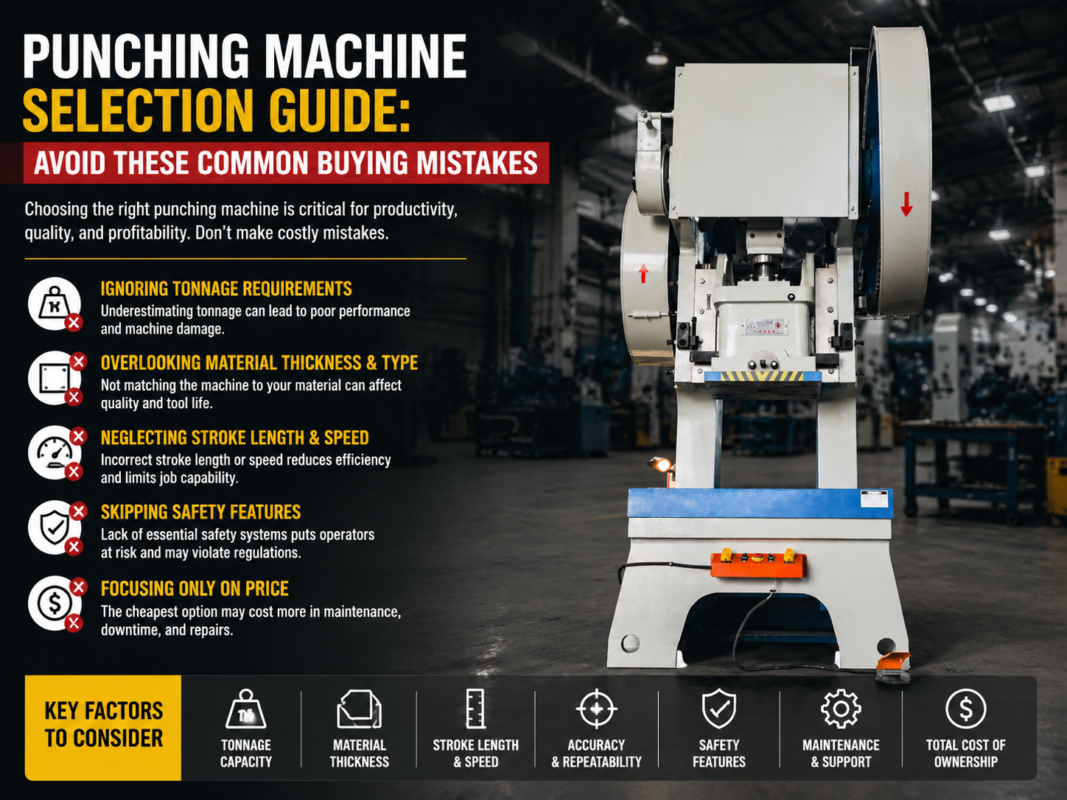
The sticker price of a punching machine is only part of the financial equation. To truly Punching Machine Buying: Key Features Compare Before You Buy, you must account for hidden costs that arise during and after the purchase. Shipping and logistics are the first hurdles. These machines are heavy and require specialized rigging and flatbed transportation, which can cost thousands of dollars depending on the distance from the manufacturer.
Installation and commissioning are equally vital. A punching machine must be perfectly leveled and anchored to a reinforced concrete pad to maintain accuracy. If your shop floor isn’t thick enough, you may need to excavate and pour a new foundation. Furthermore, initial tooling sets are rarely included in the base price. A full set of high-quality punches and dies for a 32-station turret can easily add $10,000 to $20,000 to your initial investment.
Ongoing maintenance and power consumption are long-term hidden costs. Hydraulic machines require regular oil changes and filter replacements, while mechanical machines need frequent lubrication of moving parts. Servo-electric machines have lower maintenance needs but higher repair costs if the electronics fail. Additionally, consider the cost of training your operators. A sophisticated CNC machine is only as good as the person running it; investing in professional training ensures you don’t suffer from costly operator errors or tool breakage early on.
ROI Calculation: When Will the Machine Pay for Itself?
Calculating the Return on Investment (ROI) is the most persuasive way to justify a Punching Machine Buying: Key Features Compare Before You Buy decision. To calculate ROI, you must compare your current production costs (often involving outsourcing or slower manual methods) against the projected costs with the new machine. Key variables include labor savings, material savings through better nesting, and the ability to take on more complex jobs that command higher margins.
For example, if a new CNC turret punch reduces the time to produce a standard cabinet chassis from 20 minutes to 4 minutes, you have effectively quintupled your capacity for that part. If you were previously paying a subcontractor $50 per part and your internal cost drops to $15 (including labor, power, and machine depreciation), the $35 saving per part quickly adds up. For a shop producing 500 parts a month, that’s $17,500 in monthly savings, meaning a $100,000 machine could pay for itself in less than six months of full operation.
Beyond direct savings, consider the “opportunity cost.” Having an in-house punching machine allows for faster prototyping and shorter lead times, which can be the deciding factor in winning new contracts. The longevity of HARSLE machines—often exceeding 15 years with proper maintenance—means that once the initial payback period is over, the machine becomes a significant profit center for the business.
Professional Buying Advice for Metal Fabricators
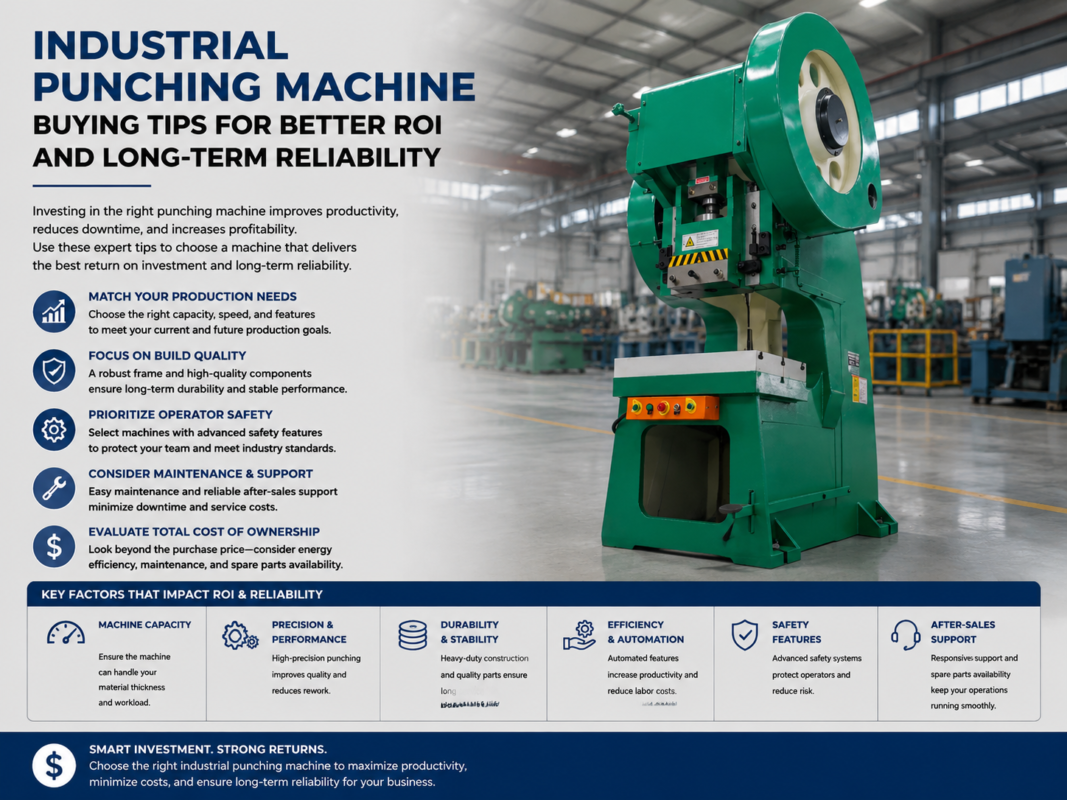
When you are ready to make a move, follow these professional tips for Punching Machine Buying: Key Features Compare Before You Buy. First, always perform a “sample part test.” Send your most complex part drawings to the manufacturer and ask them to provide a time study and a sample punch. This proves the machine can handle your specific geometry and material thickness within the required tolerances.
Second, evaluate the manufacturer’s after-sales support infrastructure. A machine that is down for two weeks waiting for a spare part from overseas is a liability. HARSLE prides itself on a robust global support network, ensuring that technical assistance and replacement parts are readily available. Check online reviews and ask for references from other fabrication shops to gauge the reliability of the vendor’s service team.
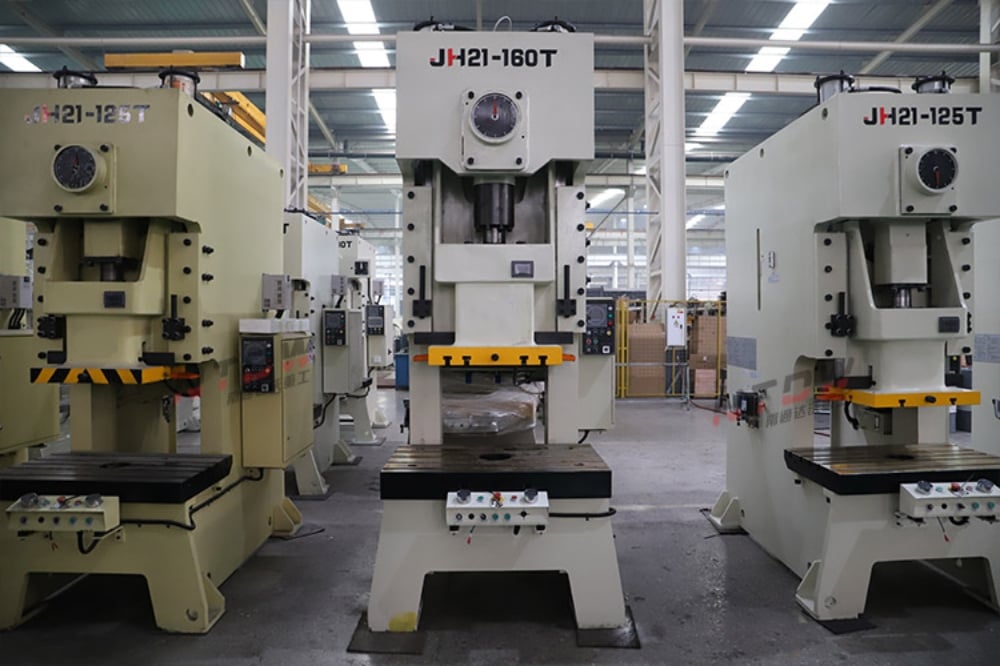
Third, think about future-proofing. Don’t just buy for the work you have today; buy for the work you want tomorrow. If you currently work with 2mm mild steel but want to move into 4mm stainless steel enclosures, choose a machine with higher tonnage and a more rigid frame than you currently need. It is much cheaper to buy extra capacity now than to replace the entire machine in two years.
Frequently Asked Questions (FAQ)
1. What is the difference between a CNC Turret Punch and a Laser Cutting Machine?
While both cut sheet metal, a punching machine is significantly faster for repetitive patterns and can perform forming operations like louvers, ribs, and threads, which a laser cannot. However, a laser is better for very complex, organic shapes and thicker materials where tool changes would be impractical.
2. How often should I sharpen my punching tools?
Tool life depends on the material being punched. Generally, tools should be inspected every 10,000 to 50,000 hits. Sharpening them early and often (removing only 0.01mm at a time) is much better than waiting until the tool is dull, which can cause burrs on the workpiece and put undue stress on the machine’s drive system.
3. Can a punching machine handle stainless steel?
Yes, but it requires higher tonnage and specialized tooling. Stainless steel is harder and work-hardens quickly, so you typically need a machine with at least 30-50% more capacity than what would be required for the same thickness of mild steel. Using coated tools (like TiCN) is also recommended to prevent galling.
4. Is a servo-electric punch better than a hydraulic one?
Servo-electric machines are faster, quieter, and more energy-efficient. However, hydraulic machines are often more robust for very heavy-duty punching and are generally less expensive to purchase. The choice depends on your production volume and the importance of energy costs in your region.
5. What kind of floor preparation is needed for a large CNC punch?
Most large CNC turret punches require a reinforced concrete foundation, typically 300mm to 500mm thick, depending on the machine’s weight and dynamic forces. This prevents the machine from shifting or vibrating, which would compromise punching accuracy and tool life.
6. How does nesting software improve ROI?
Nesting software automatically arranges parts on a sheet of metal to minimize scrap. By reducing waste by even 5-10%, a high-volume shop can save tens of thousands of dollars in raw material costs annually, directly contributing to the machine’s payback.
7. What is the typical lifespan of a HARSLE punching machine?
With regular maintenance and proper operation, a HARSLE industrial punching machine is designed to last 15 to 20 years. Many machines remain in secondary service even longer, provided the control systems are kept up to date.