How to Compare Press Brake Brands and Specifications Effectively


Introduction to Press Brake Comparison
In the competitive world of metal fabrication, selecting the right machinery is not just a purchase; it is a strategic investment that dictates your shop’s productivity, accuracy, and profitability for the next decade. When you set out to compare press brake brands and specifications effectively, you are faced with a dizzying array of options, from entry-level torsion bar machines to high-end, multi-axis electric-hydraulic synchronous systems. The challenge lies in cutting through the marketing jargon to understand what truly drives performance.
A press brake is the heart of many fabrication shops. Whether you are producing simple brackets or complex aerospace components, the machine’s ability to repeat angles within fractions of a degree is paramount. However, the ‘best’ machine isn’t always the most expensive one; it is the one that aligns most closely with your specific production requirements, material types, and budget constraints. This guide will provide a deep dive into the technical and financial metrics you need to evaluate when comparing different brands and models.
By the end of this article, you will have a comprehensive framework for evaluating manufacturers like HARSLE against global competitors, understanding the nuances of CNC controllers, and calculating the true cost of ownership. We will explore why two machines with the same tonnage and length can have price differences of tens of thousands of dollars and how to determine if that premium is worth the investment for your business.
Price Range Overview: Navigating the Global Market
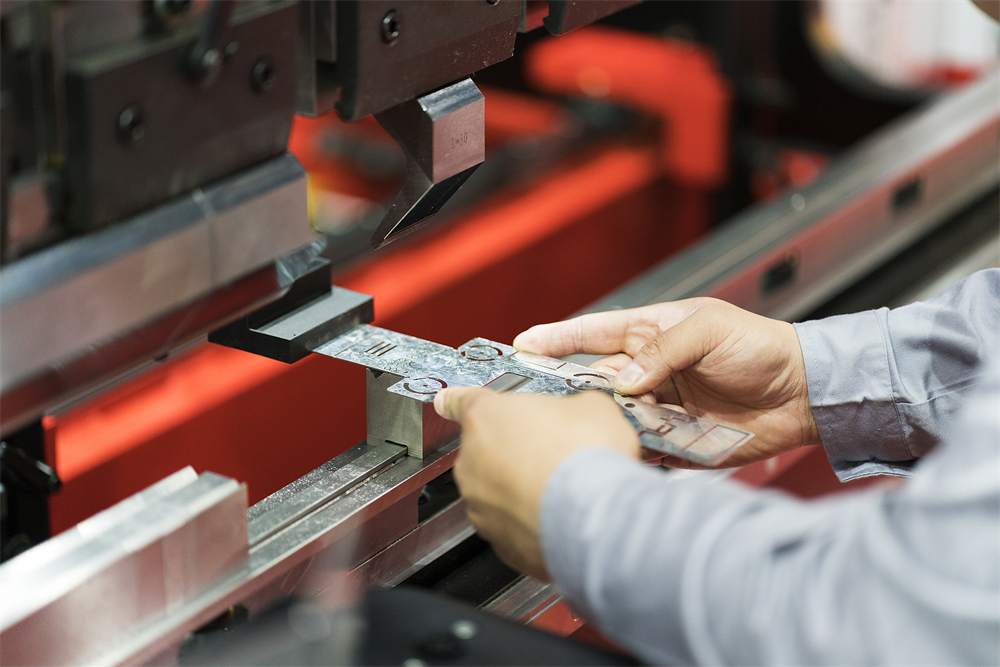
The global market for press brakes is generally divided into three tiers based on price, technology, and origin. Understanding these tiers is the first step to compare press brake brands and specifications effectively. At the entry level, you find basic hydraulic machines, often utilizing a torsion bar for synchronization. These machines typically range from $10,000 to $30,000 depending on tonnage. They are ideal for small shops or tasks where high precision and high-speed production are not the primary concerns.
The mid-range market, where brands like HARSLE excel, offers a balance of advanced technology and affordability. These are typically CNC electro-hydraulic synchronous press brakes. Prices in this category usually fall between $30,000 and $80,000. These machines feature sophisticated CNC controllers (like Delem or Cybelec), multi-axis backgauges, and automatic crowning systems. They provide the precision required for modern industrial applications without the ‘brand premium’ associated with high-end European or Japanese manufacturers.
The high-end tier includes premium brands from Europe and Japan. These machines can easily exceed $150,000 to $300,000. The cost is driven by proprietary technology, ultra-high-speed hydraulics, integrated robotics, and extensive local service networks. While these machines offer the pinnacle of performance, the ROI must be carefully calculated to ensure the increased speed and precision justify the significantly higher capital expenditure.
| Machine Tier | Typical Price Range (USD) | Technology Level | Target Application |
|---|---|---|---|
| Entry-Level | $10,000 – $30,000 | Torsion Bar / Simple NC | General fabrication, thick plates |
| Mid-Range (HARSLE) | $30,000 – $80,000 | CNC Synchro / Multi-axis | Precision parts, high-volume production |
| High-End | $100,000+ | Advanced CNC / Hybrid / Robotics | Aerospace, medical, ultra-high precision |
Main Cost Drivers: What Are You Actually Paying For?
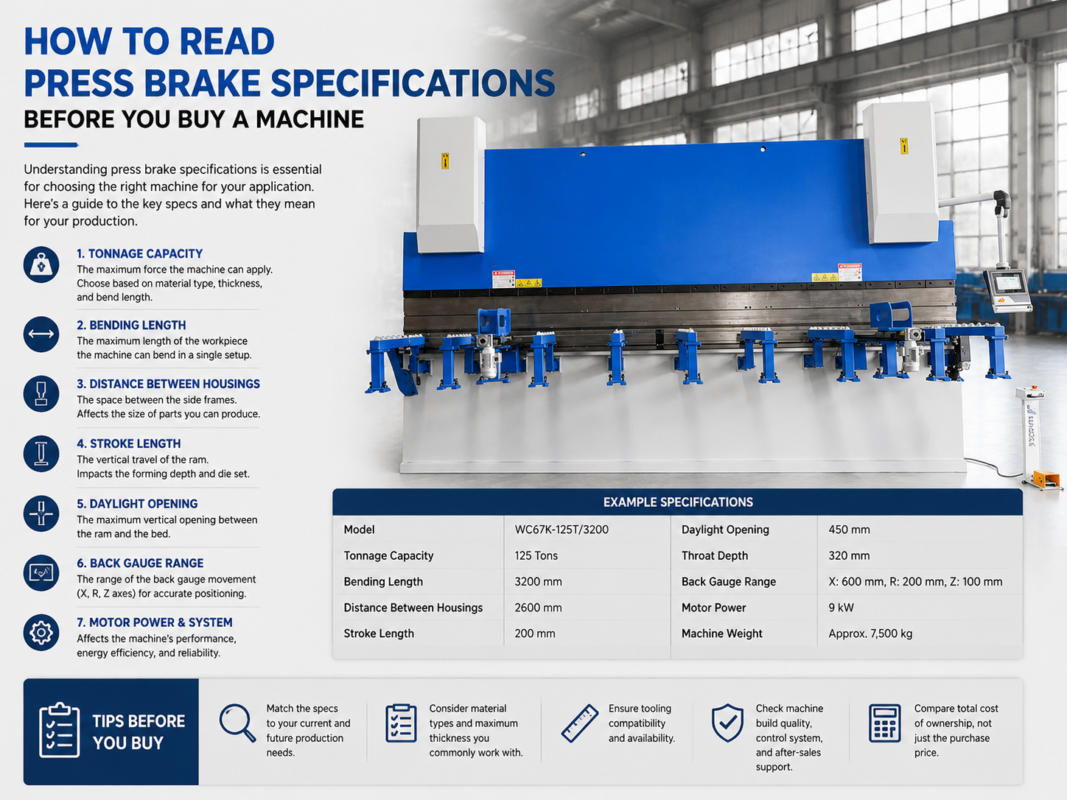
When you compare press brake brands and specifications effectively, you’ll notice that certain features drastically alter the price. The most obvious driver is the physical capacity of the machine: tonnage and bending length. A 100-ton machine is significantly cheaper than a 400-ton machine because of the sheer volume of steel, the size of the hydraulic cylinders, and the robustness of the frame required to handle the forces involved. However, beyond the frame, the ‘brain’ of the machine—the CNC controller—is a major cost factor.
A basic 2-axis controller that only manages the Y-axis (depth) and X-axis (backgauge distance) is inexpensive. In contrast, a 3D graphical controller like the Delem DA-66T or DA-69T, which can simulate the bending sequence and automatically calculate the developed length of a part, adds several thousand dollars to the price. These high-end controllers reduce setup time and minimize operator error, which can lead to significant savings in labor and scrap material over time.
The backgauge system is another critical cost driver. A simple 2-axis (X, R) backgauge is standard for many applications. However, if you are bending complex, asymmetrical parts, you may need a 4-axis (X, R, Z1, Z2) or even a 6-axis (X1, X2, R1, R2, Z1, Z2) backgauge. Each additional axis requires its own motor, drive, and mechanical components, increasing both the initial cost and the complexity of the machine. Fabricators must decide if their part geometry necessitates this level of sophistication.
Finally, safety systems cannot be overlooked. In many regions, laser safety guards (like DSP, Fiessler, or LazerSafe) are mandatory. These systems allow the machine to operate at high speeds while ensuring the operator’s hands are protected. High-end laser systems that allow for ‘fast-close’ operation—where the beam descends quickly and only slows down just before touching the metal—are more expensive but significantly increase the number of bends per hour.
Configuration Impact: Performance and Long-term Value
The configuration of a press brake determines its versatility and the quality of the finished product. One of the most important configurations to evaluate is the crowning system. When a press brake bends a long piece of metal, the center of the bed and the ram tend to deflect under pressure, resulting in a ‘canoe’ effect where the angle in the middle of the part is wider than at the ends. To compare press brake brands and specifications effectively, you must look at how the machine compensates for this.
Hydraulic crowning uses cylinders in the lower bed to push upward, while mechanical crowning uses a series of wedges. Mechanical crowning is often preferred for its consistency and lack of dependence on hydraulic oil temperature. High-quality brands like HARSLE integrate CNC-controlled crowning, where the controller calculates the required compensation based on the material thickness, length, and tonnage, and adjusts the bed automatically before the bend begins.
The choice between hydraulic and electric (or hybrid) drive systems is another major configuration point. Traditional hydraulic systems are powerful and cost-effective for high-tonnage applications. However, electric press brakes are gaining popularity for lower tonnage (under 100 tons) because they are faster, quieter, and more energy-efficient. Hybrid systems combine the best of both worlds, using small hydraulic reservoirs and servo-driven pumps to provide high force with low energy consumption. While electric and hybrid machines have a higher upfront cost, their lower operating costs and higher speeds often provide a better long-term value.
Tooling Compatibility and Clamping Systems
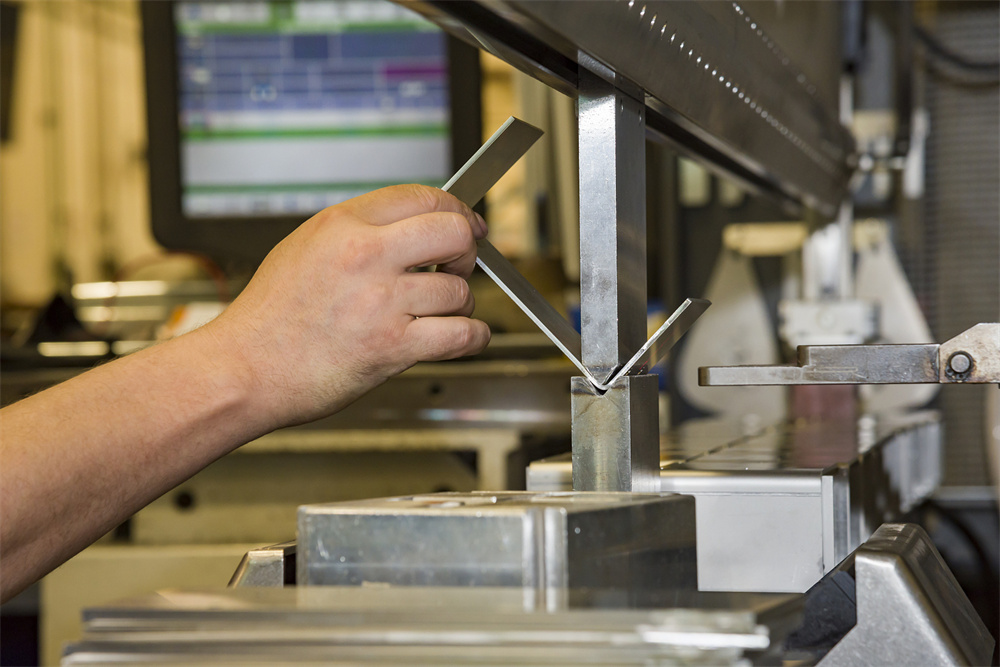
Often overlooked during the initial comparison is the tooling system. The two most common standards are Amada/Promecam (European Style) and Wila/Trumpf (New Standard). European style tooling is widely available and generally more affordable, making it a great choice for general fabrication. Wila-style tooling offers faster tool changes and higher precision but comes at a premium price. When comparing brands, check if the machine comes with a universal clamping system or if you are locked into a specific, expensive tooling ecosystem.
Hydraulic clamping systems are another configuration upgrade that can significantly impact productivity. Instead of manually tightening bolts for every tool change, the operator simply flips a switch or presses a button. For shops that perform multiple setups per day, the time saved by hydraulic clamping can pay for the upgrade in less than a year. If your production involves long runs of the same part, manual clamping may be a more sensible, cost-saving choice.
Hidden Costs: Beyond the Sticker Price
The purchase price of a press brake is only the beginning. To compare press brake brands and specifications effectively, you must account for the ‘hidden’ costs that arise during installation and operation. Shipping and rigging are the first hurdles. A 100-ton press brake can weigh over 15,000 lbs, requiring specialized freight and heavy-duty forklifts or cranes for installation. Depending on your location and the machine’s origin, these costs can range from $2,000 to over $10,000.
Installation and training are equally critical. A CNC press brake is a sophisticated piece of equipment; your operators need to know how to program the controller, calibrate the backgauge, and perform routine maintenance. Some brands include installation and a few days of training in the purchase price, while others charge extra. Neglecting professional training often leads to damaged tooling, crashed backgauges, and poor part quality, which are far more expensive than the training fee itself.
- Consumables and Tooling: Most machines do not come with a full set of tools. You will need to budget for punches and dies tailored to your specific material thicknesses and bend radii.
- Power Consumption: Large hydraulic motors consume significant electricity. Consider the efficiency of the motor (e.g., IE3 ratings) and whether the machine has a ‘sleep mode’ to save energy when idling.
- Maintenance: Hydraulic oil changes, filter replacements, and seal inspections are necessary. Brands with high-quality components (like Rexroth valves or Schneider electronics) typically have longer service intervals.
- Floor Space: Don’t forget the cost of the real estate the machine occupies, including the safety perimeter required for handling large sheets.
ROI Calculation: When Does the Investment Pay Off?
Calculating the Return on Investment (ROI) is the ultimate way to compare press brake brands and specifications effectively. To do this, you need to estimate the ‘Cost Per Bend.’ This includes the machine’s hourly rate (depreciation + power + maintenance), labor costs, and the cost of scrap. A more expensive machine that reduces setup time from 20 minutes to 5 minutes and eliminates test bends through precision crowning will have a much lower cost per bend in a high-mix environment.
Consider a scenario where Shop A buys a $30,000 manual press brake and Shop B buys a $60,000 HARSLE CNC press brake. Shop A spends 15 minutes setting up each new job and loses 2 pieces of material to ‘dialing in’ the angle. Shop B spends 3 minutes setting up via the CNC graphical interface and gets the first part right every time. If both shops run 10 different jobs a day, Shop B saves 120 minutes of labor and 20 pieces of material daily. Over a 250-day work year, Shop B’s efficiency gains can easily exceed $20,000, meaning the $30,000 price difference is recouped in just 1.5 years.
Furthermore, consider the ‘opportunity cost.’ If a faster machine allows you to take on 20% more work without hiring additional staff, the impact on your bottom line is exponential. When comparing brands, ask for cycle time simulations for your most common parts. This data is far more valuable than the maximum speed listed on a spec sheet, as it accounts for backgauge movement and operator interaction.
Buying Advice: How to Compare Press Brake Brands and Specifications Effectively
When you are ready to make a decision, follow this systematic approach to ensure you are getting the best value for your investment. First, define your ‘Must-Haves’ versus ‘Nice-to-Haves.’ If you primarily bend 10-gauge mild steel, you don’t need a 300-ton machine. If you bend complex shapes, a 4-axis backgauge is a must-have. By narrowing your focus, you can avoid paying for features that won’t contribute to your bottom line.
Second, evaluate the manufacturer’s reputation and support structure. A machine is only as good as the support behind it. Research the availability of spare parts. Does the brand use ‘off-the-shelf’ components like Siemens electrics or Hoerbiger hydraulics? Using standard components means you can find replacements locally if the manufacturer is unavailable. HARSLE, for example, prioritizes world-class components to ensure global serviceability.
Third, request a live or video demonstration. Watch how the controller handles a multi-bend part. Is the software intuitive? How easy is it to adjust the angle if the material springback is different than expected? A user-friendly interface reduces the learning curve for new employees and minimizes the risk of costly programming errors. Finally, always check references. Talk to other fabricators who use the brand you are considering. Ask about the machine’s reliability after two or three years of heavy use.
The HARSLE Advantage
HARSLE has positioned itself as a leader in the mid-range market by offering high-specification machines at a competitive price point. By integrating top-tier components from Europe and Japan with efficient Chinese manufacturing processes, HARSLE allows fabricators to compare press brake brands and specifications effectively and realize that they don’t have to sacrifice technology for price. Whether it is the Genuo series or the high-speed WE67K series, the focus remains on precision, durability, and user-friendly operation.
Frequently Asked Questions
What is the difference between a Torsion Bar and an Electro-Hydraulic Synchro press brake?
A torsion bar press brake uses a mechanical shaft to link the two sides of the ram, ensuring they move together. It is simpler and cheaper but less precise and cannot handle off-center loading well. An electro-hydraulic synchro machine uses independent hydraulic cylinders controlled by the CNC and linear encoders to ensure perfect parallelism, allowing for much higher precision and complex bending.
How much tonnage do I really need?
Tonnage depends on the material type, thickness, and the V-opening of your die. For example, bending 1 meter of 6mm mild steel with a 50mm V-die requires approximately 50 tons. However, if you use a smaller V-die to get a tighter radius, the tonnage requirement increases significantly. Always refer to a tonnage chart and add a 20% safety margin to avoid overstressing the machine.
Is a 3D controller worth the extra cost?
If you are doing complex bending with multiple flanges and different angles, yes. A 3D controller allows the operator to see a visual representation of the part, preventing them from bending a flange in the wrong direction or colliding with the machine frame. For simple 90-degree bends, a 2D or even a numerical controller (NC) may suffice.
How often should I change the hydraulic oil?
Most manufacturers recommend changing the hydraulic oil every 2,000 to 4,000 hours of operation, or at least once every two years. Regular oil analysis can help you monitor the health of your system and prevent premature wear on the valves and pumps. Keeping the oil clean and cool is the single most important factor in extending the life of your press brake.
Can I use my old tooling on a new press brake?
It depends on the clamping system. Most new press brakes come with standard European-style clamps. If your old tooling is also European-style, it should fit. However, if you are moving from an old American-style machine to a new CNC machine, you will likely need to purchase new tooling or use adapters, which can affect the machine’s open height and stroke.