Essential Safety Features to Look for When Buying a Press Brake: A Comprehensive Guide


Introduction to Press Brake Safety in Modern Fabrication
In the world of metal fabrication, the press brake stands as one of the most versatile yet potentially hazardous pieces of equipment. As technology has advanced, the focus on operator protection has shifted from simple physical barriers to sophisticated, integrated electronic systems. When searching for the Essential Safety Features Look When Buying A Press Brake, it is crucial to understand that safety is not merely a compliance checkbox; it is a fundamental component of operational efficiency and long-term profitability. A machine that prioritizes safety reduces the risk of catastrophic injury, lowers insurance premiums, and fosters a culture of confidence among operators.
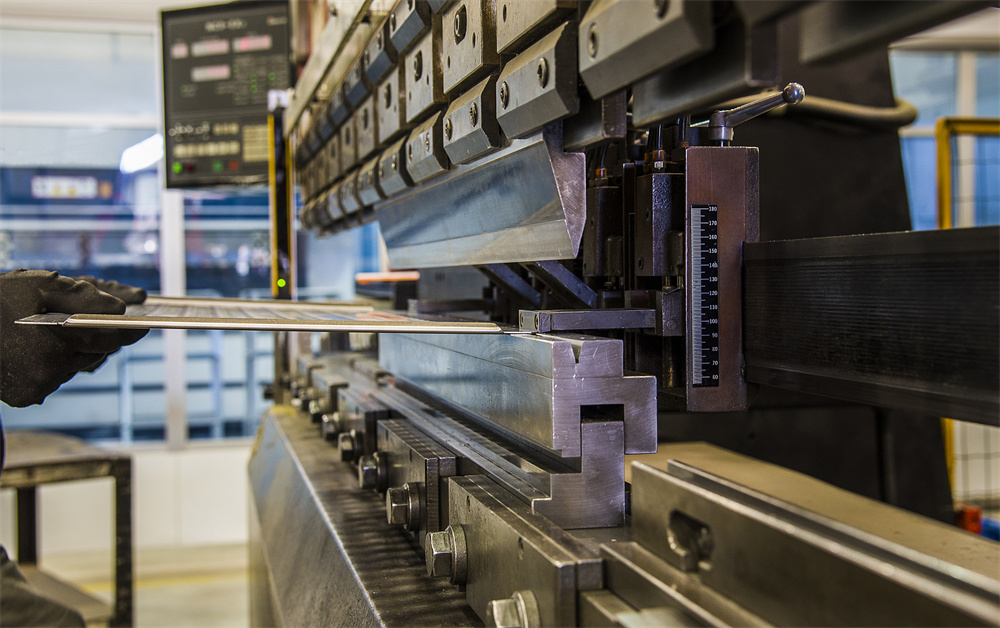
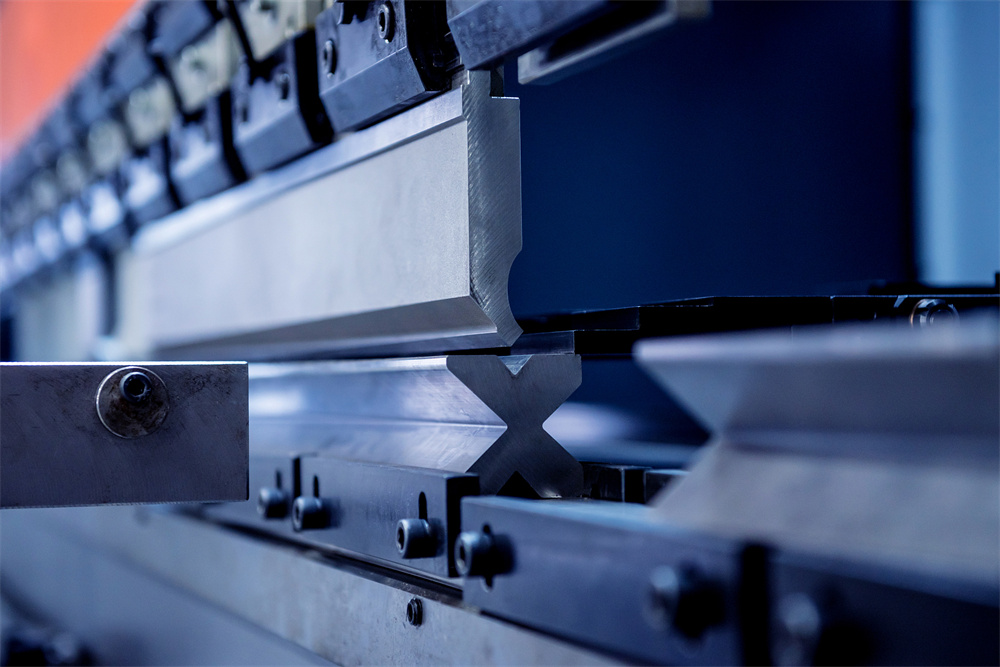
Modern press brakes utilize high-tonnage hydraulic or electric force to bend sheet metal. The point of operation—where the upper tool (punch) meets the lower tool (die)—is the primary area of concern. Without the right safety features, this area poses a significant risk of crushing or amputation. Therefore, evaluating a machine’s safety profile should be the first step in any procurement process. This guide will delve deep into the technical and financial aspects of press brake safety, ensuring you make an informed decision for your facility.
Price Range Overview: The Cost of Safety Integration
When budgeting for a new press brake, the price range is heavily influenced by the level of safety technology integrated into the system. Entry-level machines, often manual or basic NC (Numerical Control) models, may come with standard physical guarding and basic light curtains. These machines typically range from $15,000 to $40,000. While they meet minimum legal requirements, they often lack the high-speed safety monitoring found in more advanced models.
Mid-range CNC press brakes, priced between $45,000 and $90,000, usually feature more sophisticated laser guarding systems. These systems allow for faster cycle times because they can distinguish between the workpiece and the operator’s hand. At this price point, safety is often integrated directly into the CNC controller, providing real-time feedback and easier calibration. The investment here is not just in the hardware but in the software that manages the safety-speed balance.
High-end, high-precision, or high-tonnage machines can exceed $150,000. These units feature the pinnacle of safety technology, including multi-zone laser guards, automatic thickness detection (to prevent over-tonnage accidents), and fully interlocked rear and side enclosures. For these machines, the safety system is a significant portion of the total cost, sometimes accounting for 10-15% of the purchase price. However, the reduction in liability and the increase in throughput often justify the higher initial outlay.
Main Cost Drivers in Press Brake Safety Systems
Understanding what drives the cost of safety features is essential for any buyer. The primary driver is the technology used for point-of-operation guarding. Laser guarding systems, such as those from LazerSafe or Fiessler, are the industry standard for high-performance machines. These systems use a complex array of laser beams that move with the ram, providing a protective zone just millimeters below the punch. The complexity of the sensors and the high-speed processing required to stop a heavy ram in milliseconds make these systems expensive.
Another major cost driver is the integration level. A standalone safety system that is “bolted on” to a machine is generally cheaper but less efficient than a system integrated into the machine’s PLC (Programmable Logic Controller). Integrated systems allow for “intelligent muting,” where the safety system knows exactly where the material is and only disables the sensors at the precise moment the punch touches the metal. This prevents “nuisance trips” that slow down production, but it requires more expensive electronics and programming.
Physical guarding and interlocks also contribute to the cost. High-quality machines feature heavy-duty side and rear gates equipped with safety interlock switches. These switches ensure that the machine cannot operate if a gate is open. The use of high-reliability components (Category 4 safety ratings) ensures that even if one component fails, the system remains safe. These high-spec components carry a premium price compared to standard industrial switches.
Configuration Impact: How Machine Specs Dictate Safety Needs
The configuration of the press brake—its tonnage, bed length, and number of axes—directly impacts the type of Essential Safety Features Look When Buying A Press Brake you need. For instance, a machine with a long bed (e.g., 4 meters or more) requires more extensive light curtains or multiple laser sensors to cover the entire working area. If the machine is used for tandem operation (two machines working together), the safety systems must be synchronized, which adds another layer of complexity and cost.
Tonnage also plays a role. High-tonnage machines (300 tons and above) have much higher inertia. Stopping a heavy ram instantly requires more robust hydraulic valves and faster electronic response times. Buyers of high-tonnage equipment must ensure the safety system is rated for the specific stopping distance of that machine. If the ram cannot stop within the safety zone, the machine is inherently dangerous regardless of the sensors installed.
Furthermore, the backgauge configuration affects safety. Multi-axis backgauges (R, Z1, Z2, X1, X2) move rapidly and can create pinch points at the rear of the machine. A well-configured machine will have rear guarding that accounts for the full range of motion of the backgauge. If you are buying a machine for complex, multi-stage bending, you need a safety system that can be easily programmed to recognize different tool heights and positions without requiring constant manual adjustment by the operator.
Hidden Costs of Press Brake Safety
While the purchase price is visible, there are several hidden costs associated with press brake safety that buyers often overlook. The first is maintenance and calibration. Laser guarding systems require precise alignment. If the machine’s frame flexes or if the sensors are bumped, they may go out of alignment, causing the machine to stop. Regular professional calibration is necessary to keep the system functioning correctly, which involves service fees and downtime.
Operator training is another significant hidden cost. A sophisticated safety system is only effective if the operator knows how to use it. Training staff to set the “mute point” correctly and to troubleshoot sensor errors takes time. If operators find the safety system too restrictive or difficult to use, they may attempt to bypass it—a dangerous practice that can lead to severe legal and physical consequences. Investing in high-quality training is an essential part of the safety budget.
Finally, there is the cost of compliance audits. Depending on your jurisdiction (OSHA in the US, CE in Europe), you may be required to have your safety systems inspected and certified annually. These inspections ensure that the stopping distance of the ram still meets the original specifications and that all interlocks are functioning. While these audits add to the operational cost, they are vital for maintaining a safe workplace and avoiding heavy fines.
ROI Calculation: The Financial Logic of Safety
Calculating the Return on Investment (ROI) for safety features involves looking beyond the initial price tag. The most obvious saving is the avoidance of accident-related costs. A single serious injury can cost a company hundreds of thousands of dollars in medical expenses, legal fees, workers’ compensation claims, and OSHA fines. In many cases, the cost of one accident exceeds the price of a brand-new, top-of-the-line press brake. By investing in Essential Safety Features Look When Buying A Press Brake, you are effectively buying an insurance policy against these catastrophic costs.
Safety also impacts productivity. Modern laser guards allow operators to work closer to the tools and move faster than they could with old-fashioned light curtains or pull-back restraints. This increased speed, combined with the reduced fatigue that comes from working on a machine that feels “safe,” leads to higher parts-per-hour. When you calculate the increased throughput over the 10-15 year lifespan of a machine, the safety system often pays for itself many times over.
Additionally, machines with high-end safety features retain their resale value much better than those without. As safety regulations become stricter globally, older machines with inadequate guarding become difficult to sell or even illegal to operate in certain regions. Buying a machine that meets or exceeds current standards ensures that your asset remains valuable and compliant for years to come. Lower insurance premiums are another direct financial benefit, as many providers offer discounts for shops that utilize modern, certified safety technology.
Buying Advice: Choosing the Right Safety Package
When you are ready to purchase, start by asking the manufacturer for a detailed breakdown of the safety systems included. Do not accept generic terms like “fully guarded.” Ask for specific brands and models of laser guards or light curtains. Ensure the machine is compliant with the relevant standards for your region, such as ANSI B11.3 in the United States or the CE Machinery Directive in Europe. A reputable manufacturer like HARSLE will provide documentation proving that the machine meets these rigorous standards.
Test the ergonomics of the safety system. During a demo, observe how easy it is to set the mute point and how the machine reacts when the safety zone is breached. Look for a “three-position” foot pedal (Off-On-Emergency Off), which is a critical safety feature that allows the operator to stop the machine by either releasing the pedal or mashing it down in a panic. This “panic-stop” functionality is a simple but life-saving feature that should be standard on any modern press brake.
Finally, consider the long-term support for the safety components. Choose a machine that uses safety parts from well-known, global suppliers. This ensures that if a sensor fails five years from now, you can easily find a replacement part and a technician who knows how to install it. Avoid proprietary, “no-name” safety systems that may be difficult to service or upgrade in the future. Remember, the goal is to find a balance between high-level protection and operational flexibility.
Frequently Asked Questions (FAQ)
What is the difference between a light curtain and a laser guard?
A light curtain creates a vertical wall of light in front of the machine. If any part of the wall is broken, the machine stops. This is great for general protection but can be restrictive because the operator cannot hold the part close to the tools. A laser guard moves with the ram and protects a small area just below the punch. This allows the operator to hold the workpiece during the bend, making it much more efficient for small or complex parts.
Is it legal to buy a press brake without a laser guarding system?
Legality depends on your local regulations and the age of the machine. However, in most modern industrial settings, some form of point-of-operation guarding is mandatory. While you might find older used machines without these features, you would likely be required to retrofit them to meet current OSHA or CE standards before putting the machine into production.
Can I bypass the safety system for certain jobs?
Most modern CNC controllers have a “safe” way to handle special cases, such as bending parts with side flanges that would normally trip the sensor. This is called “flange mode” or “tray mode.” You should never physically bypass or disable a safety system. Instead, use the built-in software features designed to handle complex geometries while still maintaining a high level of protection.
How often should the safety features be tested?
Operators should perform a basic safety check at the start of every shift. This includes testing the emergency stop buttons, the foot pedal functionality, and ensuring the laser guards or light curtains are triggering correctly. A more thorough professional inspection and calibration should be conducted at least once a year to ensure the machine’s stopping time and sensor alignment remain within factory specifications.
Does a safety system slow down production?
Older safety systems often did slow down production, leading to the dangerous habit of bypassing them. However, modern, integrated laser guarding systems are designed to work with the machine’s high-speed cycles. When properly calibrated, these systems allow for maximum approach speeds and minimal downtime, actually improving overall productivity by giving the operator more confidence.
What should I look for in a foot pedal?
The Essential Safety Features Look When Buying A Press Brake must include a high-quality foot pedal. Look for a three-position pedal with a protective cover to prevent accidental activation. The three positions are: 1) Up (Off), 2) Middle (Run), and 3) Fully Down (Emergency Stop). This design ensures that if an operator panics and pushes down hard, the machine will stop immediately.