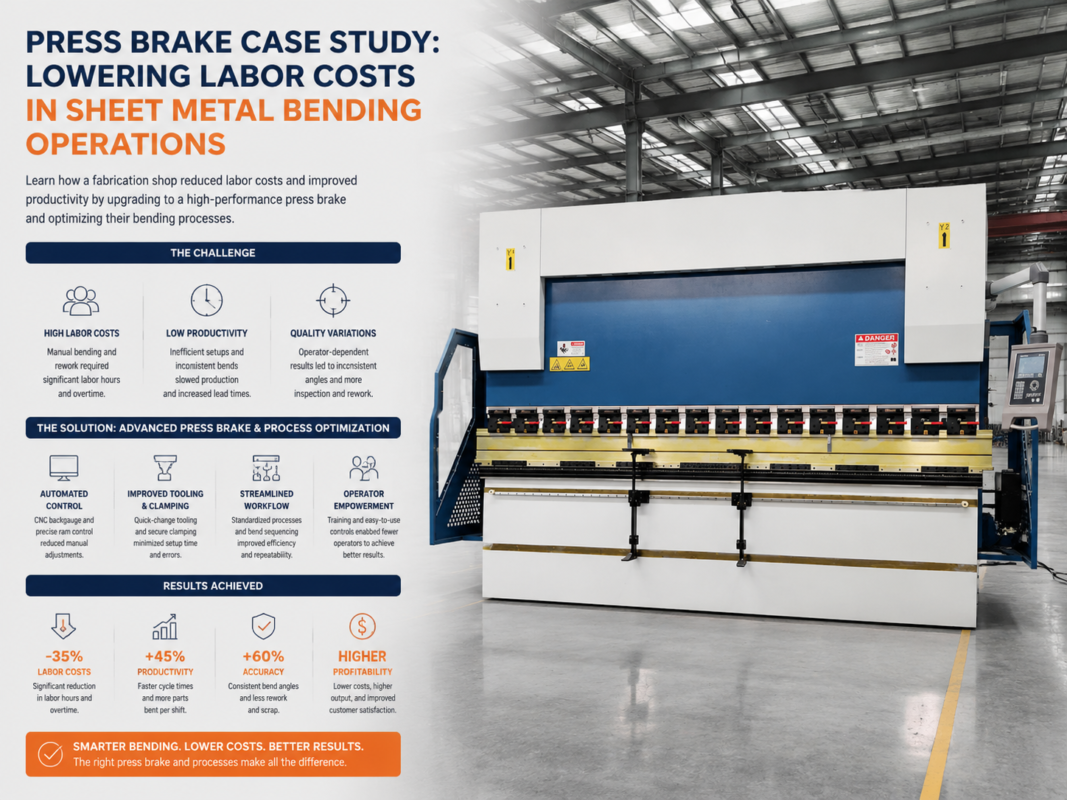
How to Buy a Hydraulic Press: Essential Factors for Industrial Applications


Introduction to Industrial Hydraulic Presses
In the realm of modern manufacturing, the hydraulic press remains a cornerstone of productivity. Whether you are involved in automotive stamping, aerospace component fabrication, or simple metal bending, the decision to Buy A Hydraulic Press: Essential Factors Industrial Applications must be approached with technical precision. A hydraulic press uses a hydraulic cylinder to generate a compressive force, allowing for the shaping, molding, and assembly of various materials. However, the market is flooded with diverse configurations, ranging from small C-frame units to massive 4-column deep drawing presses.
Choosing the right machine is not merely about the initial purchase price; it is about aligning the machine’s capabilities with your specific production requirements. An undersized press will lead to premature wear and failed parts, while an oversized press represents wasted capital and energy. This guide is designed to walk you through the critical technical and financial considerations necessary to make an informed investment in your facility’s future.
Price Range Overview: What to Expect
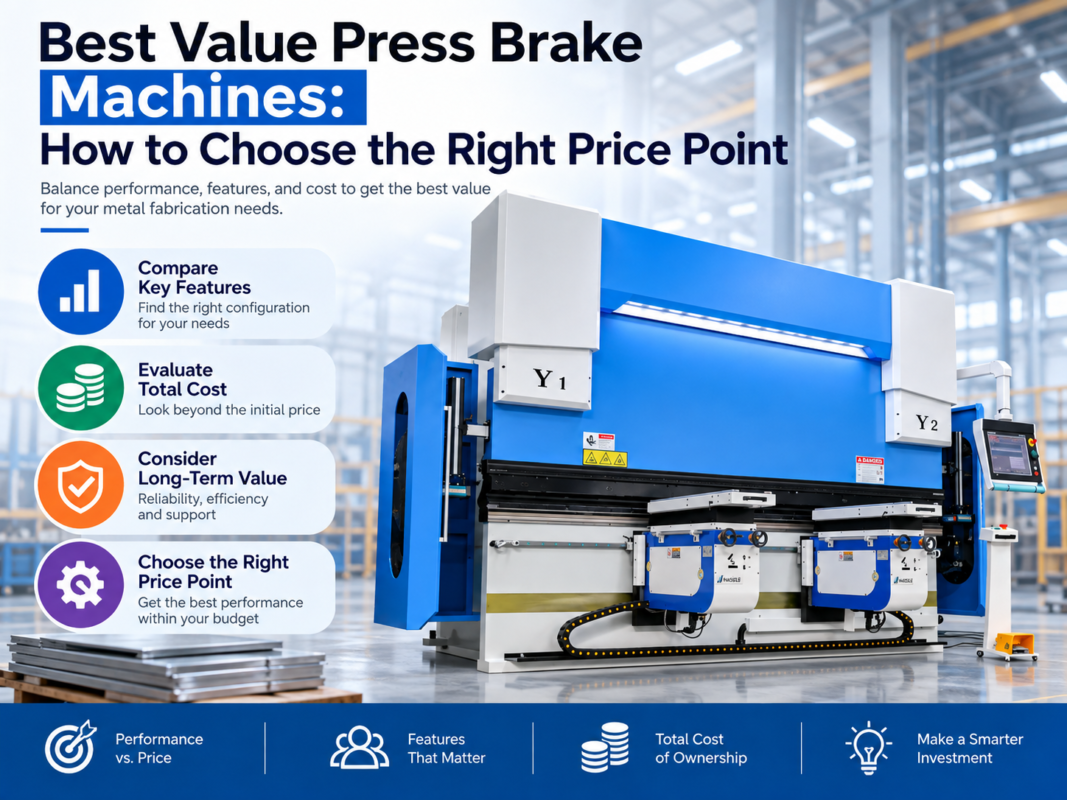
When you look to Buy A Hydraulic Press: Essential Factors Industrial Applications, the first question is often about the budget. The price of a hydraulic press varies significantly based on tonnage, frame style, and automation level. Entry-level C-frame presses, typically used for assembly or light punching (10 to 50 tons), can range from $5,000 to $25,000. These are ideal for smaller workshops or secondary operations in larger plants.
Moving into the mid-range, H-frame and four-column presses with capacities between 100 and 500 tons generally fall between $40,000 and $150,000. These machines offer greater rigidity and are suitable for more demanding tasks like deep drawing or heavy plate forming. At the high end of the spectrum, custom-engineered presses or high-speed servo-hydraulic systems exceeding 1,000 tons can cost anywhere from $250,000 to over $1 million. These investments are typically reserved for high-volume automotive or industrial manufacturing lines where precision and cycle time are paramount.
It is important to note that these figures are estimates for the base machine. Specialized tooling, advanced CNC controllers, and integrated safety systems will add to the final invoice. Understanding these tiers helps procurement teams narrow down their search to manufacturers like HARSLE that offer a balance of performance and cost-effectiveness.
Main Cost Drivers in Hydraulic Press Acquisition
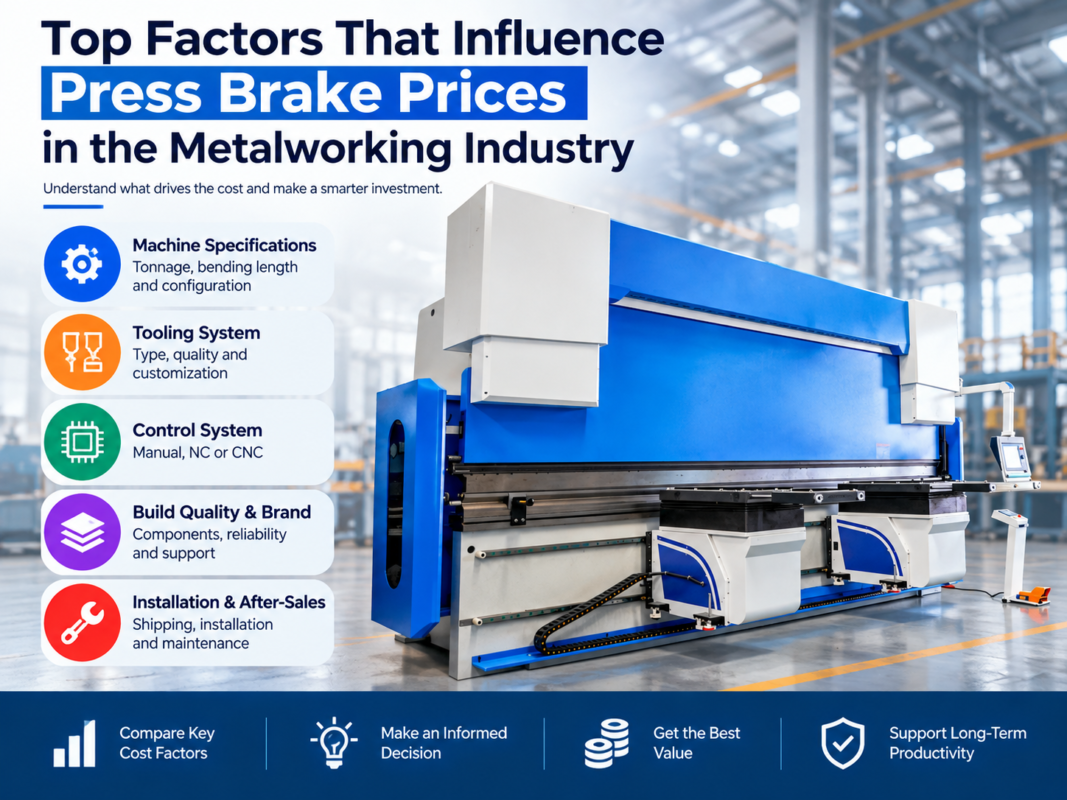
Several technical factors dictate the final price of a hydraulic press. The most obvious is Tonnage. The amount of force required to deform a material is the primary engineering constraint. Higher tonnage requires larger cylinders, more robust frames, and more powerful hydraulic pumps. If your application requires 500 tons of pressure, buying a 600-ton press provides a safety margin that extends the life of the machine, though it increases the initial cost.
Frame Construction is another significant driver. A C-frame (or gap frame) press is generally cheaper because it uses less steel and offers three-sided access. However, under high pressure, C-frames can experience “yaw” or deflection. In contrast, H-frame and 4-column presses are more expensive because they distribute force more evenly, ensuring higher precision for complex dies. The quality of the steel and the welding techniques used in the frame also impact the price and the machine’s long-term durability.
The Hydraulic System and Controls also play a massive role. A basic manual valve system is inexpensive but lacks repeatability. Modern industrial applications often require PLC (Programmable Logic Controller) systems with touchscreen interfaces. These allow for precise control over ram speed, pressure dwell times, and stroke position. Furthermore, the inclusion of high-end components from brands like Rexroth or Siemens will increase the price but significantly reduce downtime through better reliability and easier parts sourcing.
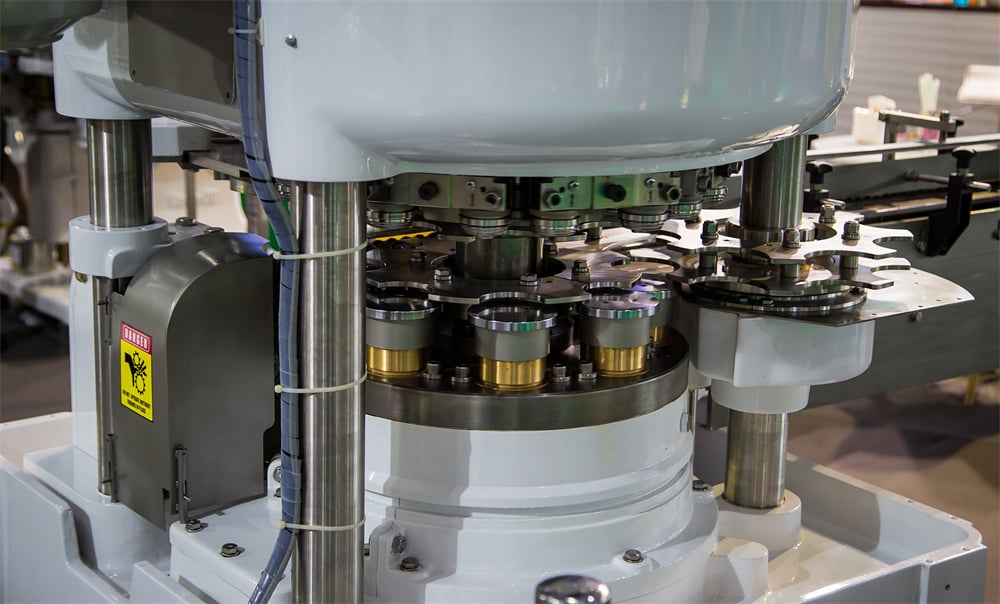
Configuration Impact: Tailoring the Machine to the Task
The configuration of your press determines its versatility. For instance, Stroke Length and Daylight (the distance between the bolster plate and the ram in the up position) must be sufficient for your largest parts and tools. If you are performing deep drawing, you need a long stroke and a significant amount of daylight to remove the finished part. Customizing these dimensions during the build phase is more cost-effective than trying to modify a machine later.
Ram Speed is another critical configuration factor. Standard hydraulic presses have three speeds: fast approach, pressing speed, and rapid return. If your production line requires high throughput, you may need a high-speed hydraulic manifold or a servo-motor drive. Servo-hydraulic presses are gaining popularity because they offer the speed of a mechanical press with the full-force-anywhere-in-the-stroke advantage of a hydraulic press. While more expensive, they offer unparalleled control over the forming process.
Additionally, consider the Bed Size and Bolster Plate. The bed must be large enough to accommodate your dies with room for clamping. Some applications require a “moving bolster” or a “die shuttle” to facilitate quick tool changes. For industrial applications involving thin sheets, a hydraulic cushion (die cushion) is often necessary to control the flow of material into the die, preventing wrinkles or tears. Each of these features adds complexity and cost but is essential for specific manufacturing outcomes.
Hidden Costs of Buying a Hydraulic Press
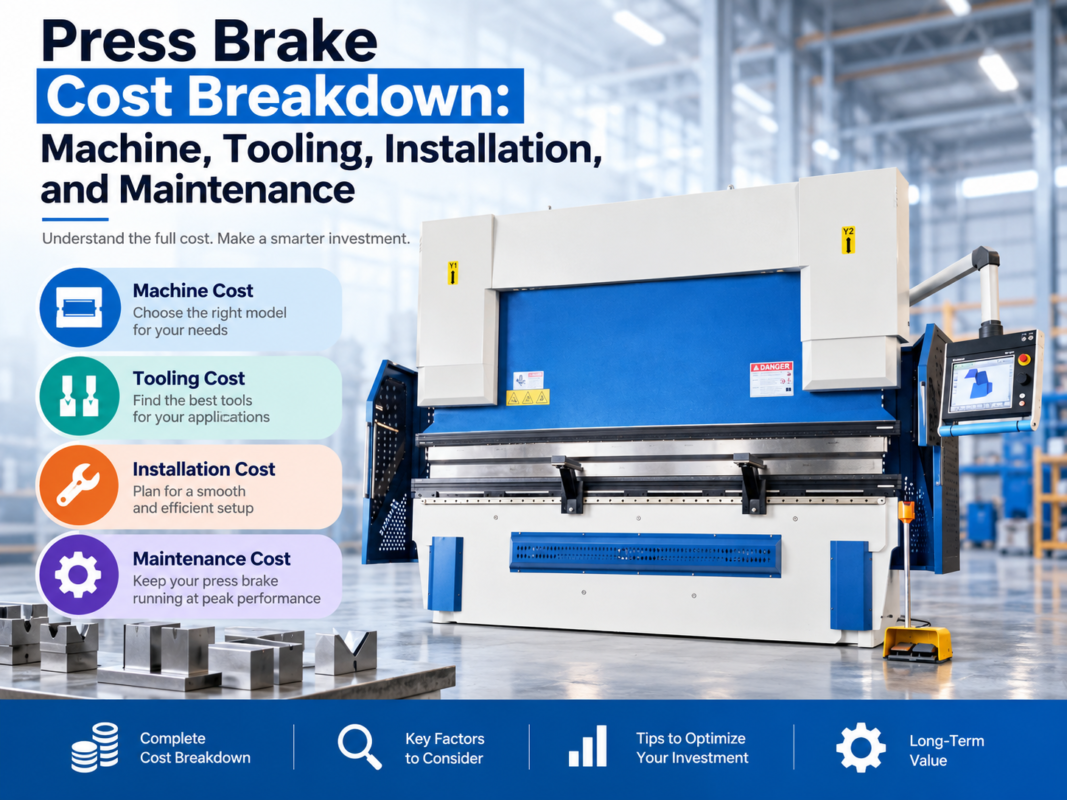
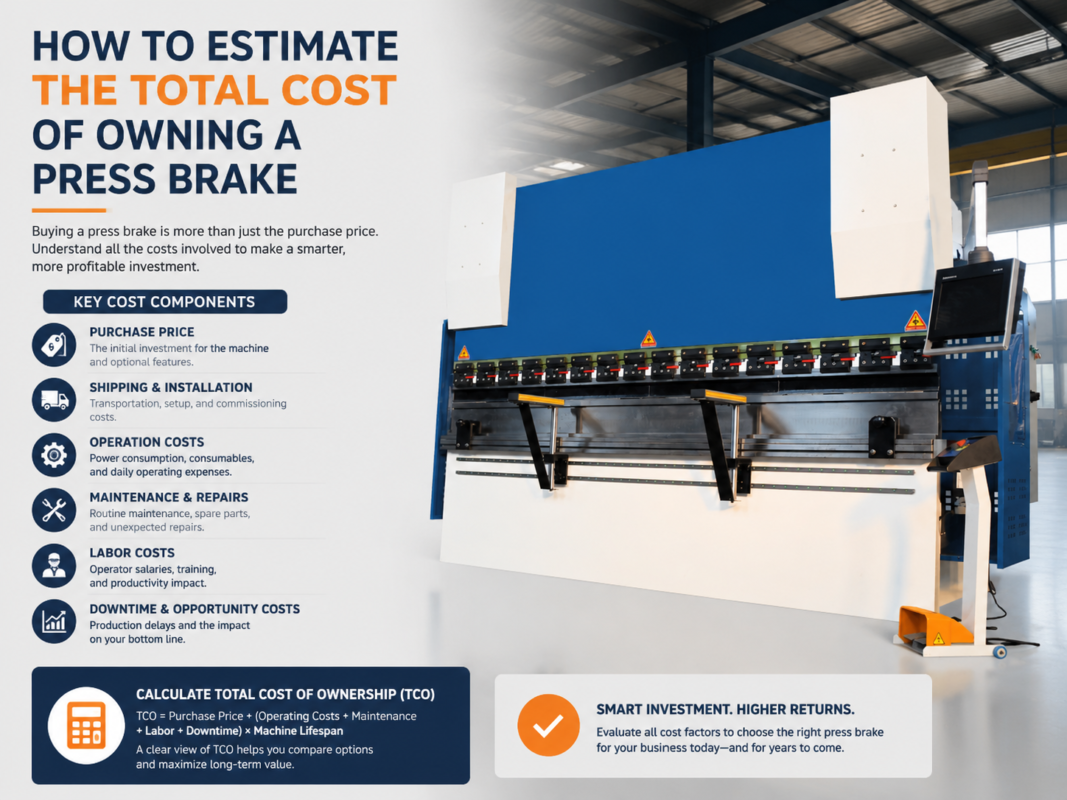
When you Buy A Hydraulic Press: Essential Factors Industrial Applications, the sticker price is only part of the Total Cost of Ownership (TCO). Logistics and Installation are often underestimated. These machines are incredibly heavy and require specialized rigging and heavy-duty freight. Once on-site, you may need to pour a reinforced concrete foundation to handle the static and dynamic loads, which can cost thousands of dollars in site preparation.
Energy Consumption is a long-term hidden cost. Traditional hydraulic systems run the motor constantly, even when the press is idle. Investing in a variable frequency drive (VFD) or a servo-pump system can reduce energy bills by up to 50%, but these systems have a higher upfront cost. Furthermore, the hydraulic oil itself is a recurring expense. A large press may require hundreds of gallons of high-quality hydraulic fluid, which must be filtered and replaced periodically to prevent valve failure.
Finally, consider Training and Maintenance. Your operators need to be trained not only on how to run the machine but also on how to perform daily safety checks. Maintenance costs include replacing seals, filters, and monitoring the alignment of the ram. Neglecting these can lead to catastrophic failure. Choosing a manufacturer like HARSLE, which provides clear documentation and accessible technical support, can help mitigate these ongoing expenses.
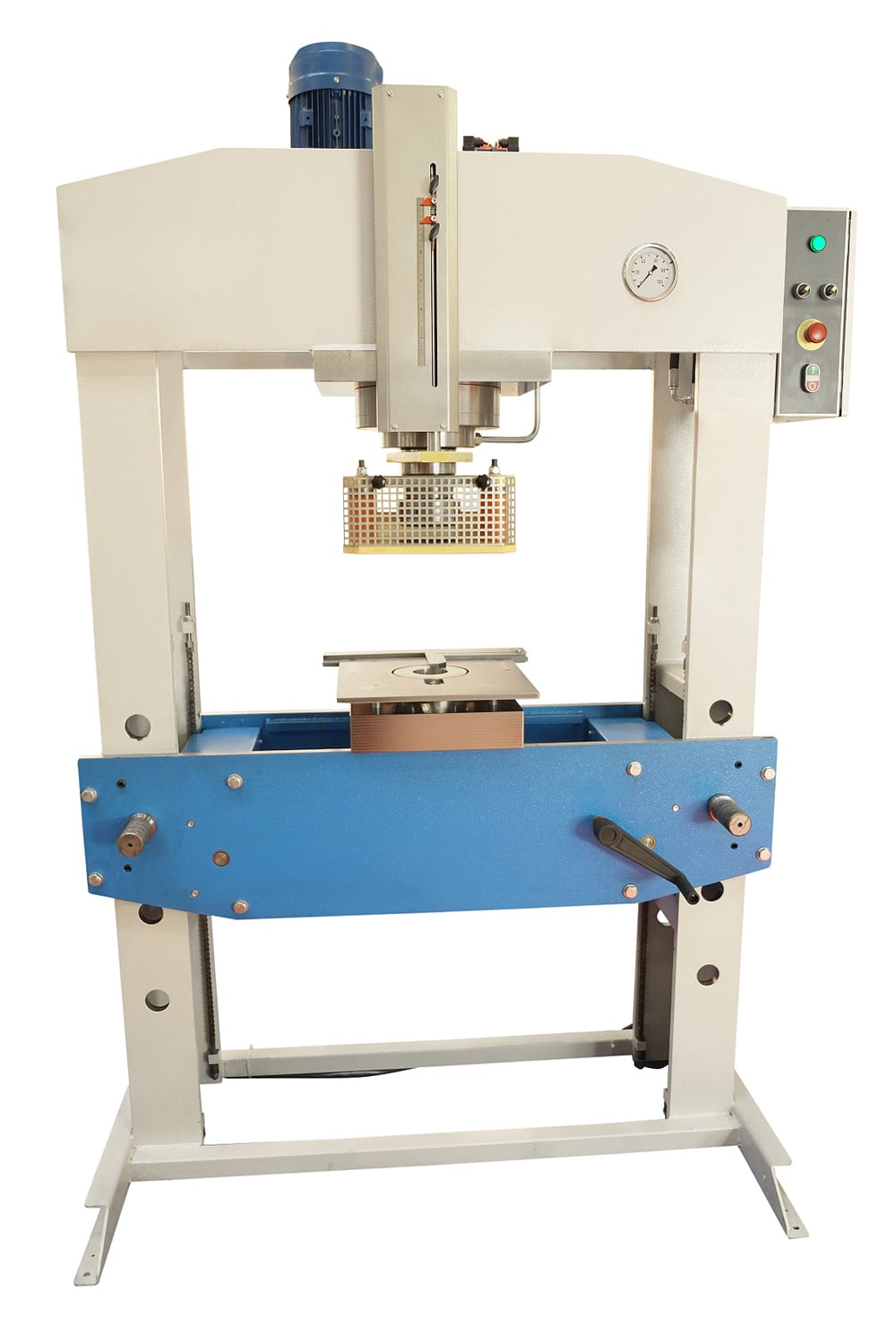
ROI Calculation: Justifying the Investment
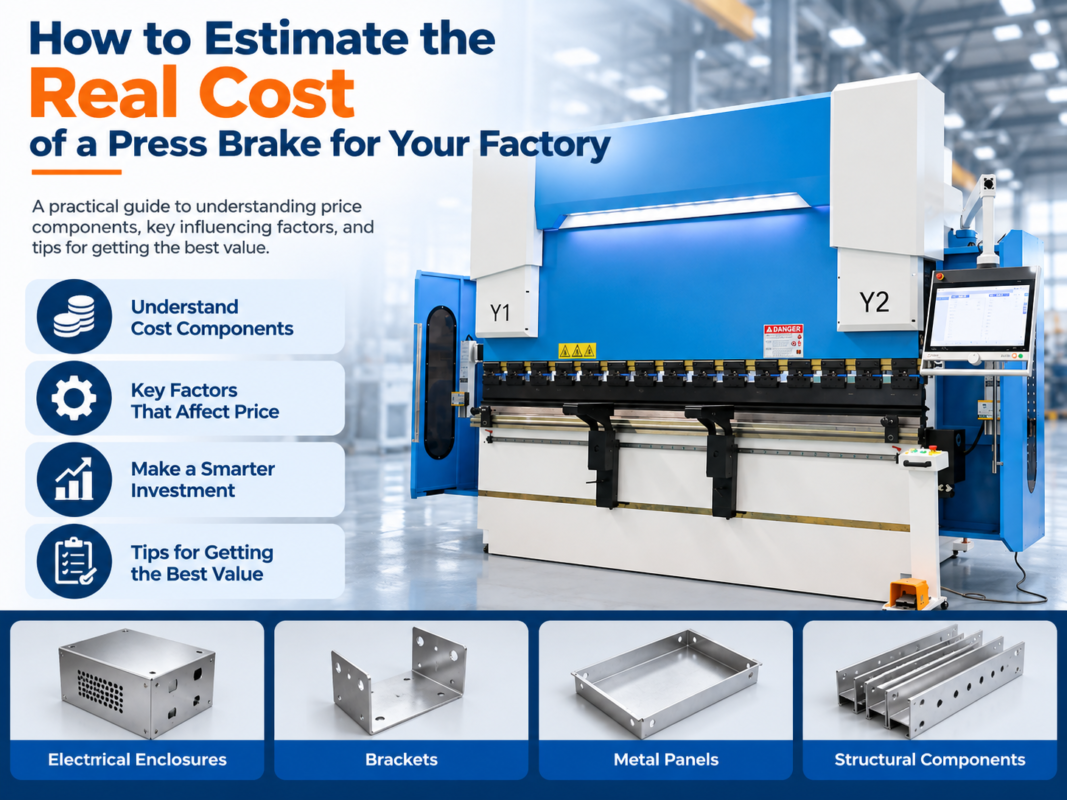
To justify the decision to Buy A Hydraulic Press: Essential Factors Industrial Applications, a clear Return on Investment (ROI) analysis is required. Start by calculating the Production Efficiency gains. If a new CNC-controlled press reduces cycle time by 20% compared to your current equipment, how many more parts can you produce per shift? Multiply this by your profit margin per part to see the direct revenue impact.
Next, factor in Scrap Reduction. Older or manual presses often result in higher reject rates due to inconsistent pressure or ram tilt. A modern press with precision sensors and feedback loops ensures that every stroke is identical, significantly lowering material waste. In industries using expensive alloys or thick plates, reducing scrap by even 2-3% can save tens of thousands of dollars annually.
Finally, consider Versatility and Future-Proofing. A hydraulic press is inherently more versatile than a mechanical press because the stroke and pressure are adjustable. This allows you to take on a wider variety of contracts. If the machine you buy today can handle the jobs you expect to bid on three years from now, you avoid the cost of purchasing a second machine. When you combine increased output, lower waste, and expanded capabilities, the payback period for a high-quality hydraulic press is often shorter than expected.
Buying Advice: Step-by-Step Selection Process
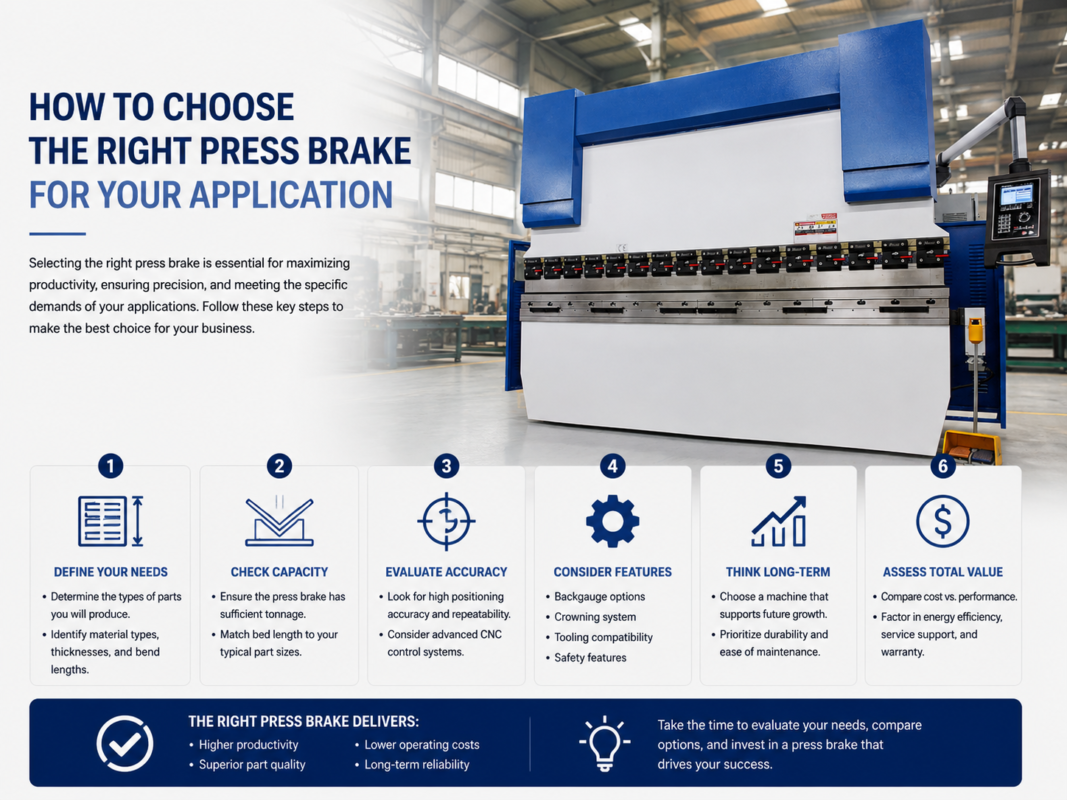
- Define Your Requirements: Document the maximum tonnage, bed size, stroke, and speed required for your most demanding part. Don’t forget to account for future growth.
- Evaluate Frame Styles: Choose a C-frame for small parts and accessibility, or a 4-column/H-frame for high-precision, heavy-duty work.
- Check Safety Compliance: Ensure the machine meets local safety standards (such as CE or OSHA). This includes light curtains, dual-hand start buttons, and emergency stop circuits.
- Vet the Manufacturer: Look for companies with a proven track record in industrial applications. Ask for references and inquire about their spare parts inventory. HARSLE, for example, is known for integrating global component brands into their builds.
- Request a Test Run: If possible, have the manufacturer run a sample of your material using your dies. This confirms the machine can handle the specific physics of your application.
- Review the Warranty and Support: A one-year warranty is standard, but the quality of remote technical support and the availability of on-site technicians are what truly matter during a breakdown.
Frequently Asked Questions (FAQ)
How long does an industrial hydraulic press last?
With proper maintenance, a high-quality industrial hydraulic press can last 20 to 30 years. The frame itself is often nearly indestructible; the components that require replacement over time include seals, hoses, pumps, and electronic controllers.
What is the difference between a hydraulic press and a mechanical press?
A hydraulic press uses fluid pressure to deliver full force throughout the entire stroke, making it ideal for deep drawing and forming. A mechanical press uses a flywheel and crank, delivering maximum force only at the bottom of the stroke, which is better for high-speed blanking and punching.
How often should I change the hydraulic oil?
Generally, hydraulic oil should be tested every six months and replaced every 2,000 to 4,000 hours of operation, depending on the environment and usage intensity. Keeping the oil clean and cool is the single most important factor in extending the life of the hydraulic valves and pumps.
Can I automate a hydraulic press?
Yes, modern hydraulic presses can be easily integrated with robotic arm loaders, coil feeders, and conveyor systems. Choosing a press with a modern PLC and communication ports (like Ethernet/IP) is essential for Industry 4.0 integration.
Is a servo-hydraulic press worth the extra cost?
If your application requires high precision, energy efficiency, and quiet operation, yes. Servo-hydraulic presses only use power when the ram is moving, which can lead to significant energy savings in high-cycle environments.