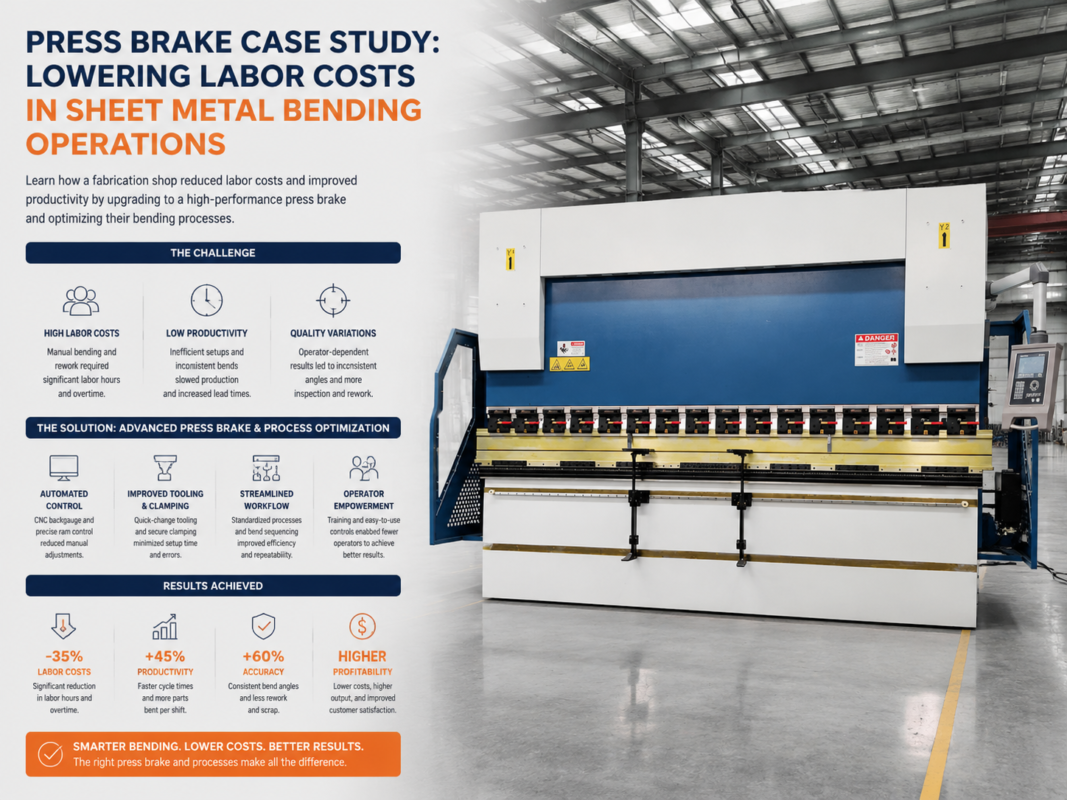
Where to Start When Buying a Hydraulic Press for Modern Metal Forming: A Complete Guide


Introduction to Modern Hydraulic Press Procurement
In the rapidly evolving landscape of industrial manufacturing, the question of where start when buying a hydraulic press modern metal forming is more critical than ever. As industries shift toward Industry 4.0, the requirements for precision, speed, and energy efficiency have transformed the humble hydraulic press into a sophisticated piece of engineering. Whether you are a small workshop looking to expand or a large-scale automotive supplier, the initial steps you take in the procurement process will dictate your production efficiency for the next decade.
HARSLE understands that a hydraulic press is a significant capital investment. It is not merely about the force it can exert, but how that force is controlled, the rigidity of the frame, and the integration of smart technologies. Modern metal forming requires versatility; today’s press must handle everything from deep drawing and stamping to powder metallurgy and composite molding. This guide is designed to navigate the complexities of the market, ensuring you select a machine that aligns with your technical needs and financial goals.
Before diving into technical specifications, one must assess the specific applications intended for the machine. Are you working with high-strength steels that require immense pressure, or delicate aluminum components that demand high-speed precision? Understanding your material properties and part geometries is the true starting point. From there, we can explore the financial and mechanical frameworks that define a successful purchase.
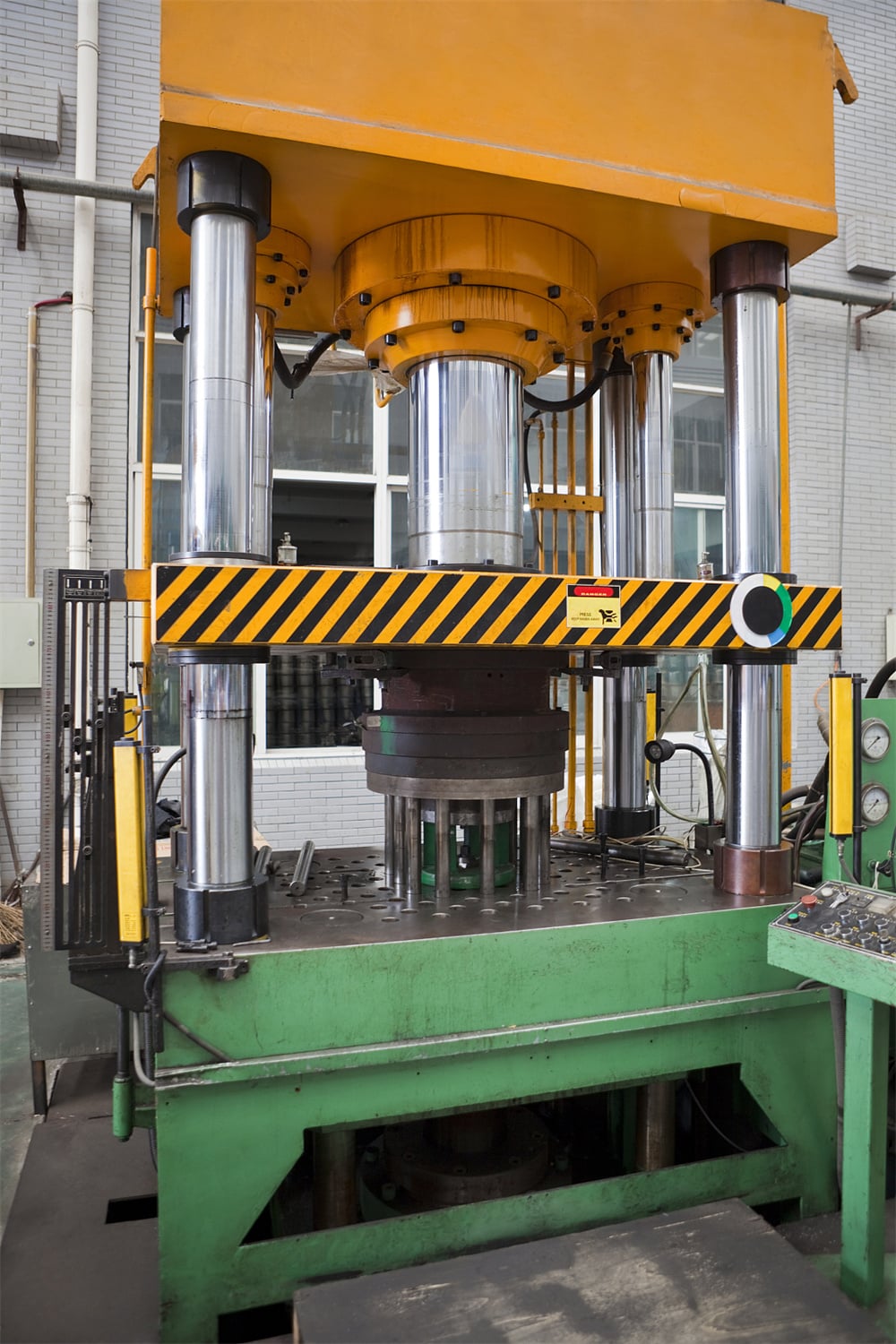
Price Range Overview: What to Expect
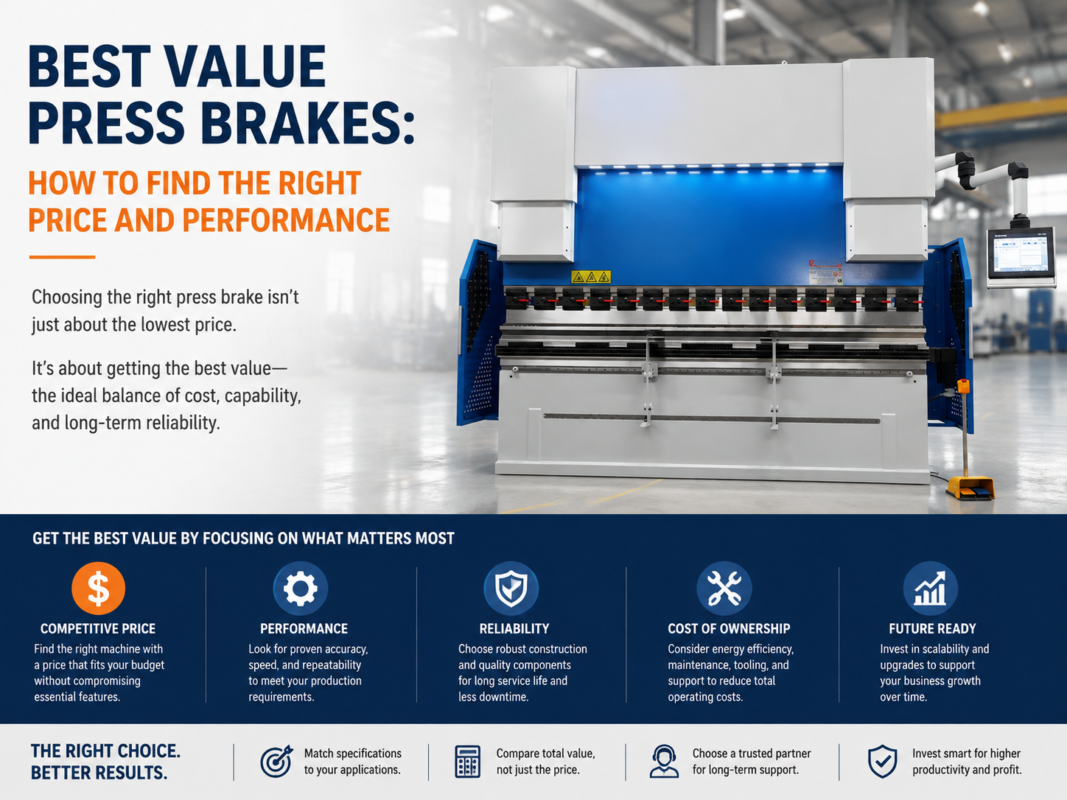
The cost of a hydraulic press varies significantly based on tonnage, frame design, and technological features. When considering where start when buying a hydraulic press modern metal forming, establishing a realistic budget is paramount. Generally, the market can be divided into three primary tiers based on capacity and complexity.
Entry-Level and Small Capacity Presses
For small-scale operations or specialized laboratory work, entry-level presses (typically 10 to 100 tons) range from $5,000 to $25,000. These are often C-frame or benchtop models. While they lack the advanced automation of larger units, they are essential for simple punching, bending, and assembly tasks. At this level, the focus is on reliability and ease of use rather than high-speed production cycles.
Mid-Range Industrial Presses
The mid-range category (100 to 500 tons) is the workhorse of the metal fabrication industry. These machines typically cost between $30,000 and $150,000. In this bracket, you begin to see 4-column and H-frame designs that offer better stability and larger bed areas. Features like PLC controls, light curtains for safety, and basic hydraulic cushioning become standard. This is where most medium-sized enterprises find their ideal balance between cost and capability.
High-Capacity and Specialized Systems
Heavy-duty presses (500 tons to 5,000+ tons) and those equipped with servo-hydraulic systems or multi-axis controls can exceed $200,000, often reaching into the millions for custom-engineered lines. These machines are designed for high-volume automotive stamping, aerospace component forging, or deep drawing of large panels. The price reflects the massive structural integrity required to manage such forces without deflection, as well as the sophisticated electronics that ensure micron-level accuracy.
Main Cost Drivers in Modern Hydraulic Presses
Understanding what drives the price of a hydraulic press helps in making an informed decision. It isn’t just the weight of the steel; it’s the quality of the components and the engineering behind the movement. When you ask where start when buying a hydraulic press modern metal forming, you must look under the hood.
- Tonnage and Structural Rigidity: The higher the tonnage, the more robust the frame must be. A frame that flexes under pressure will lead to inaccurate parts and premature tool wear. HARSLE utilizes high-grade steel and advanced welding techniques to ensure maximum rigidity, which is a primary cost factor.
- Hydraulic System Sophistication: The choice between a standard gear pump and a variable displacement piston pump significantly impacts price. Furthermore, the inclusion of high-end valves (such as Rexroth or Vickers) ensures smoother transitions and longer service life, albeit at a higher initial cost.
- Control Systems: A simple manual lever system is inexpensive, but modern metal forming demands CNC or PLC integration. Touchscreen interfaces that allow for recipe storage, pressure monitoring, and remote diagnostics add to the cost but drastically improve productivity.
- Speed and Cycle Times: High-speed presses require larger motors, more complex cooling systems, and specialized accumulators. If your production requires 20 strokes per minute versus 5, the price will reflect the increased power and thermal management needs.
Configuration Impact: Choosing the Right Frame and Features
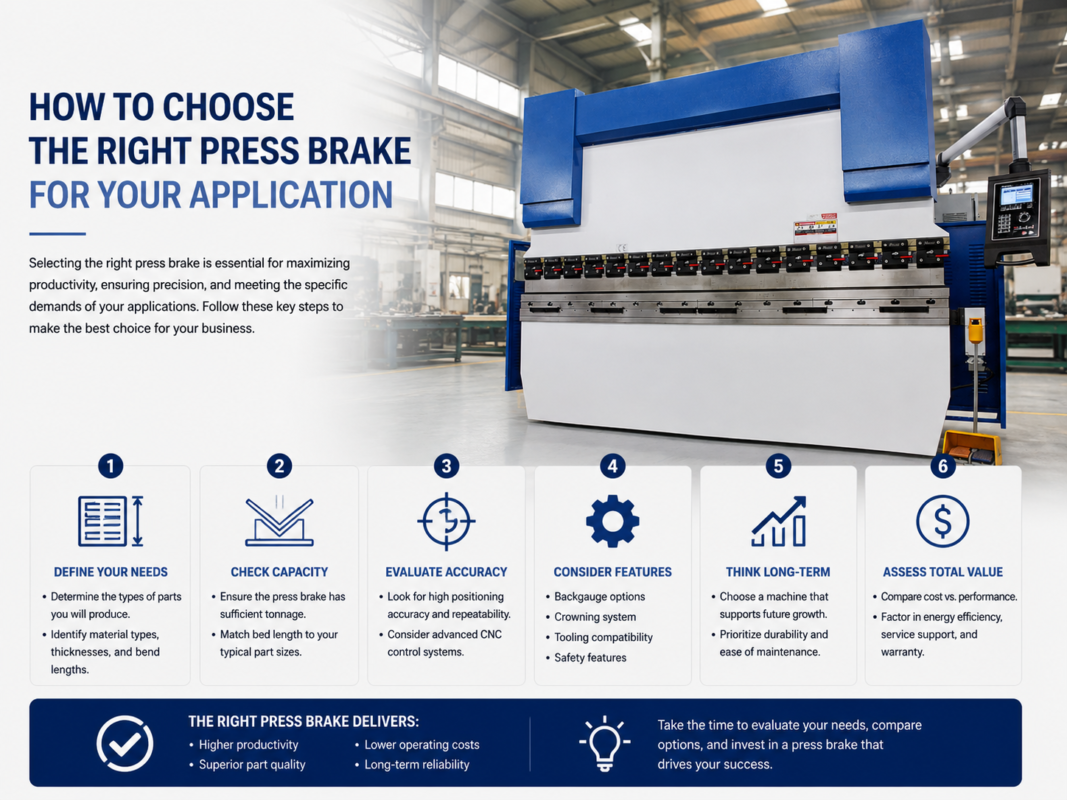
The configuration of your press is perhaps the most critical technical decision. The frame style dictates the type of work you can perform and the precision you can achieve. When considering where start when buying a hydraulic press modern metal forming, evaluate the following configurations:
C-Frame (Gap Frame) Presses
C-frame presses provide three-sided access to the work area, making them ideal for manual loading and unloading or for use with automated strip feeders. They are compact and cost-effective. However, they are prone to “yaw” or deflection under high pressure, which can affect die alignment. They are best suited for lighter tonnage applications like riveting or small-part stamping.
4-Column (Post) Presses
The 4-column design is highly versatile and provides even pressure distribution across the entire bed area. Because the four posts guide the moving platen, alignment is superior to C-frames. This configuration is the industry standard for deep drawing and molding where uniform pressure is non-negotiable. It also allows for easy access from all four sides, facilitating complex automation setups.
H-Frame (Straight-Side) Presses
H-frame presses are the pinnacle of rigidity. The enclosed frame minimizes deflection, making them the go-to choice for high-precision stamping and heavy-duty forging. While they are generally more expensive and offer less side access than 4-column models, their ability to maintain tight tolerances over millions of cycles makes them indispensable for high-quality metal forming.
Hidden Costs of Ownership
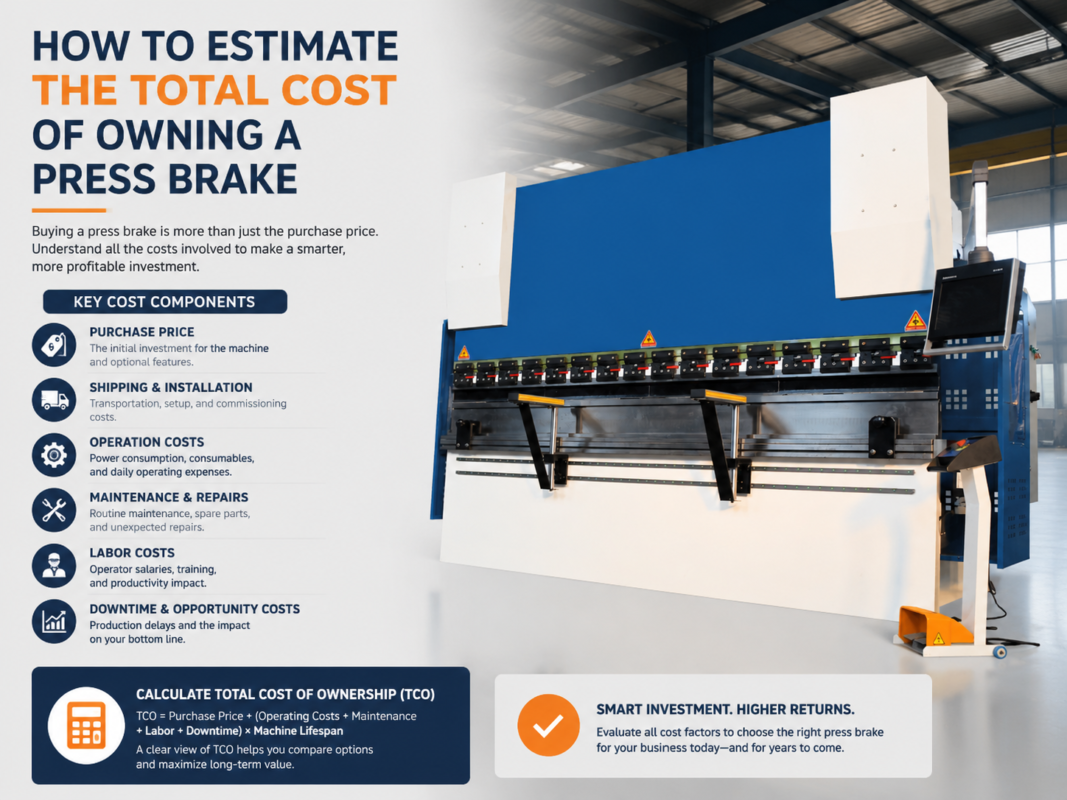
The purchase price is only the beginning. To truly understand where start when buying a hydraulic press modern metal forming, you must account for the Total Cost of Ownership (TCO). Ignoring these factors can lead to budget overruns and operational headaches.
Installation and Foundation: Large hydraulic presses exert massive forces not just on the workpiece, but on the floor beneath them. You may need a reinforced concrete pit or specialized vibration dampening mounts. Additionally, the cost of rigging and professional installation can be substantial, especially for machines weighing several dozen tons.
Energy Consumption: Traditional hydraulic systems can be energy-intensive, as the motor often runs at full speed even when the press is idling. Modern servo-hydraulic systems can reduce energy bills by up to 50%, but they come with a higher upfront cost. Calculating the long-term energy savings is vital for a realistic budget.
Maintenance and Spare Parts: Hydraulic systems require regular oil changes, filter replacements, and seal inspections. Using proprietary parts can increase costs. HARSLE designs machines with globally available components where possible to ensure that maintenance is both affordable and fast, minimizing downtime.
Tooling and Die Sets: A press is useless without the proper dies. High-precision tooling can sometimes cost as much as the press itself. Ensure that your press configuration (bed size, shut height, and stroke) is compatible with the tooling you intend to use or purchase.
ROI Calculation: Justifying the Investment
Calculating the Return on Investment (ROI) is the final step in the “where to start” process. A modern hydraulic press should pay for itself through increased throughput, reduced scrap, and lower labor costs. When evaluating a HARSLE press, consider the following ROI metrics:
- Cycle Time Reduction: If a new press can perform 15 strokes per minute compared to an old machine’s 10, you have increased capacity by 50%. Calculate the profit margin on those additional parts over a year.
- Scrap Rate Improvement: Precision controls and rigid frames lead to fewer rejected parts. If you reduce scrap from 3% to 0.5%, the material savings alone can contribute significantly to the machine’s payback.
- Labor Savings: Modern PLC-controlled presses require less manual intervention. One operator can often manage multiple machines, or the press can be integrated into a fully robotic cell, drastically reducing the cost per part.
- Versatility: A machine that can handle multiple types of jobs (e.g., bending, drawing, and punching) reduces the need for multiple specialized machines, saving floor space and capital expenditure.
Buying Advice: A Step-by-Step Checklist
To conclude our guide on where start when buying a hydraulic press modern metal forming, here is a practical checklist for your procurement team:
- Define Your Maximum Requirements: Always buy a press with about 20-30% more tonnage than your current heaviest job requires. This prevents the machine from running at its limit, extending its lifespan.
- Verify Safety Compliance: Ensure the machine meets local safety standards (CE, OSHA, etc.). Features like dual-hand start buttons, light curtains, and safety interlocks are non-negotiable in modern manufacturing.
- Request a Material Test: Before finalizing the purchase, ask the manufacturer to run a sample of your specific material and part. This confirms the machine can handle the specific flow characteristics of your metal.
- Evaluate the Controller: Is the software user-friendly? Does it support the languages your operators speak? Can it export data for production monitoring?
- Check After-Sales Support: A machine is only as good as the support behind it. Inquire about technician availability, remote troubleshooting capabilities, and the warranty period.
| Feature | Standard Hydraulic | Servo-Hydraulic |
|---|---|---|
| Energy Efficiency | Moderate | High (up to 50% savings) |
| Precision Control | Good | Excellent (Micron level) |
| Heat Generation | High | Low |
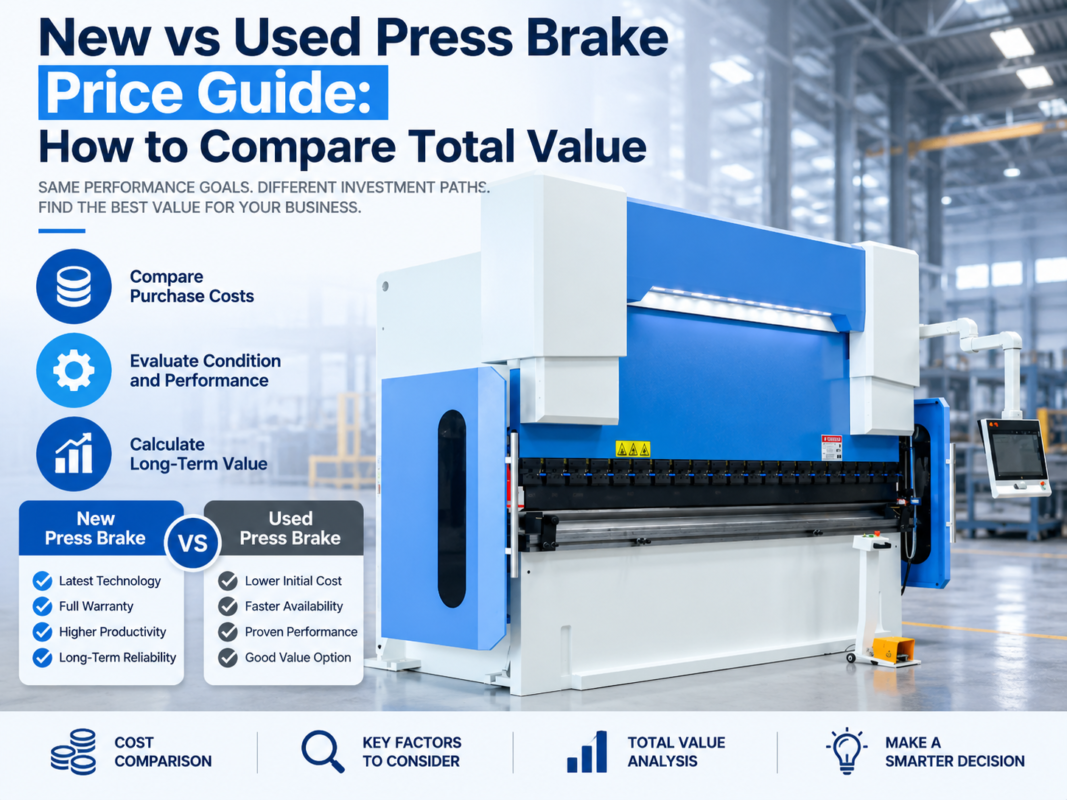
| Initial Cost | Lower | Higher |
Frequently Asked Questions (FAQ)
1. What is the most common mistake when buying a hydraulic press?
The most common mistake is underestimating the required tonnage or bed size. Many buyers focus on their current needs without considering future growth or the fact that running a press at 100% capacity constantly leads to faster wear and tear. Always allow for a safety margin in your specifications.
2. How does a servo-hydraulic press differ from a standard one?
A standard hydraulic press uses a motor that runs constantly, using valves to control oil flow. A servo-hydraulic press uses a servo motor to drive the pump only when movement or pressure is required. This results in significantly lower energy consumption, less heat, and much quieter operation.
3. Can I use one hydraulic press for different types of metal forming?
Yes, hydraulic presses are incredibly versatile. By changing the dies and adjusting the pressure and stroke settings on the PLC, you can switch from deep drawing to stamping or assembly. However, ensure the frame type (like a 4-column) is suitable for the variety of tasks you have in mind.
4. What maintenance is required for a modern hydraulic press?
Key maintenance tasks include monitoring oil levels and cleanliness, replacing filters, checking for leaks in hoses and seals, and ensuring the guiding system (columns or slides) is properly lubricated. Modern presses often have automated lubrication systems and digital alerts for maintenance intervals.
5. How long should a high-quality hydraulic press last?
With proper maintenance, a high-quality hydraulic press from a reputable manufacturer like HARSLE can last 20 to 30 years or more. Many machines built in the mid-20th century are still in operation today, though they lack the efficiency and safety features of modern units.
6. Is it better to buy a C-frame or an H-frame press?
It depends on your application. If you need easy access for small parts and have a limited budget, a C-frame is excellent. If you require high precision, high tonnage, and minimal frame deflection for large parts, an H-frame is the superior choice.