Hydraulic Press vs Mechanical Press: Which Is Better for Your Production Line?


Comparison Summary: Navigating the Press Selection Process
In the world of metal fabrication, choosing the right machinery is the cornerstone of operational efficiency and product quality. When it comes to heavy-duty forming, the debate often centers on Hydraulic Press Vs Mechanical Press: Which Is Better Production Line? Both machines serve the primary purpose of shaping metal, but they do so using fundamentally different physical principles. A hydraulic press utilizes fluid pressure to generate force, offering a consistent push throughout the entire stroke. In contrast, a mechanical press relies on a flywheel and a crankshaft to deliver a high-speed, high-impact punch that reaches its maximum force only at the bottom of the stroke.
Understanding the nuances between these two powerhouses is essential for any facility manager or business owner. The decision isn’t merely about which machine is ‘stronger,’ but rather which one aligns with your specific production goals, material types, and volume requirements. For instance, if your production line focuses on deep drawing complex shapes, the steady pressure of a hydraulic press is indispensable. Conversely, if you are mass-producing simple washers or brackets at a rate of hundreds per minute, the mechanical press is the undisputed king of speed. At HARSLE, we recognize that every production line has unique demands, and providing the right technical insight is the first step toward a successful investment.
This guide provides an exhaustive comparison of hydraulic and mechanical presses, covering their mechanics, advantages, limitations, and ideal use cases. By the end of this article, you will have a clear understanding of which technology will drive your production line toward higher profitability and precision. We will explore the technical specifications, maintenance requirements, and cost implications that define these two pillars of the metalworking industry.
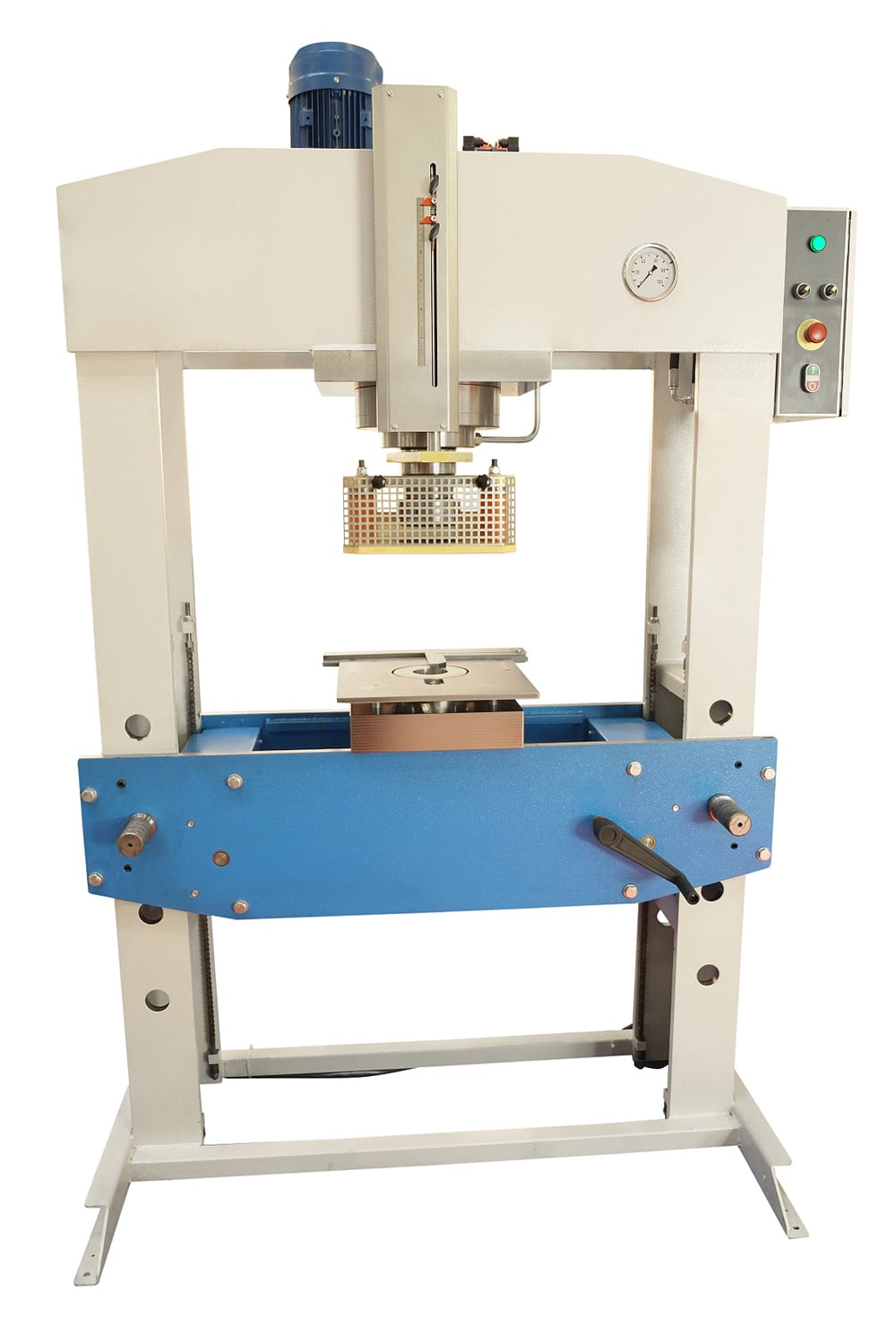
Hydraulic Press Overview: Versatility and Controlled Power
The hydraulic press is a marvel of Pascal’s Principle, which states that pressure applied to a confined fluid is transmitted undiminished in every direction. In a typical HARSLE hydraulic press, an electric motor drives a pump that forces oil into a cylinder. This fluid pressure moves a piston (the ram) downward to exert force on the workpiece. One of the most significant advantages of this system is its ability to deliver full tonnage at any point in the stroke. Whether the ram is at the very top or the very bottom, the operator can maintain a consistent, controlled force, which is vital for delicate or complex forming operations.
Versatility is the hallmark of the hydraulic press. Because the pressure and stroke length are easily adjustable via PLC (Programmable Logic Controller) systems, a single machine can perform a wide variety of tasks. You can set the press to stop at a specific pressure or a specific depth, allowing for incredible flexibility when switching between different molds or materials. This makes hydraulic presses the preferred choice for job shops that handle diverse projects rather than a single high-volume product. Furthermore, hydraulic presses are generally quieter than their mechanical counterparts, contributing to a better working environment.
Safety and overload protection are also inherent in hydraulic designs. A hydraulic press cannot be ‘overloaded’ in the traditional sense; if the required force exceeds the machine’s capacity, the relief valve simply opens, and the ram stops moving. This prevents catastrophic frame damage that can occur in mechanical presses. Additionally, the ability to dwell at the bottom of the stroke—holding the pressure for a set duration—is a unique feature of hydraulic systems that is essential for certain materials like composites or for processes like heated molding.
However, the hydraulic press is not without its drawbacks. The primary limitation is speed. Because moving large volumes of oil takes time, the cycle rates of hydraulic presses are significantly slower than those of mechanical presses. While modern high-speed valves have improved these rates, they still cannot match the rapid-fire delivery of a flywheel-driven system. Additionally, hydraulic systems are prone to oil leaks over time, requiring diligent seal maintenance and environmental considerations regarding fluid disposal.
Mechanical Press Overview: The Speed Demon of Mass Production
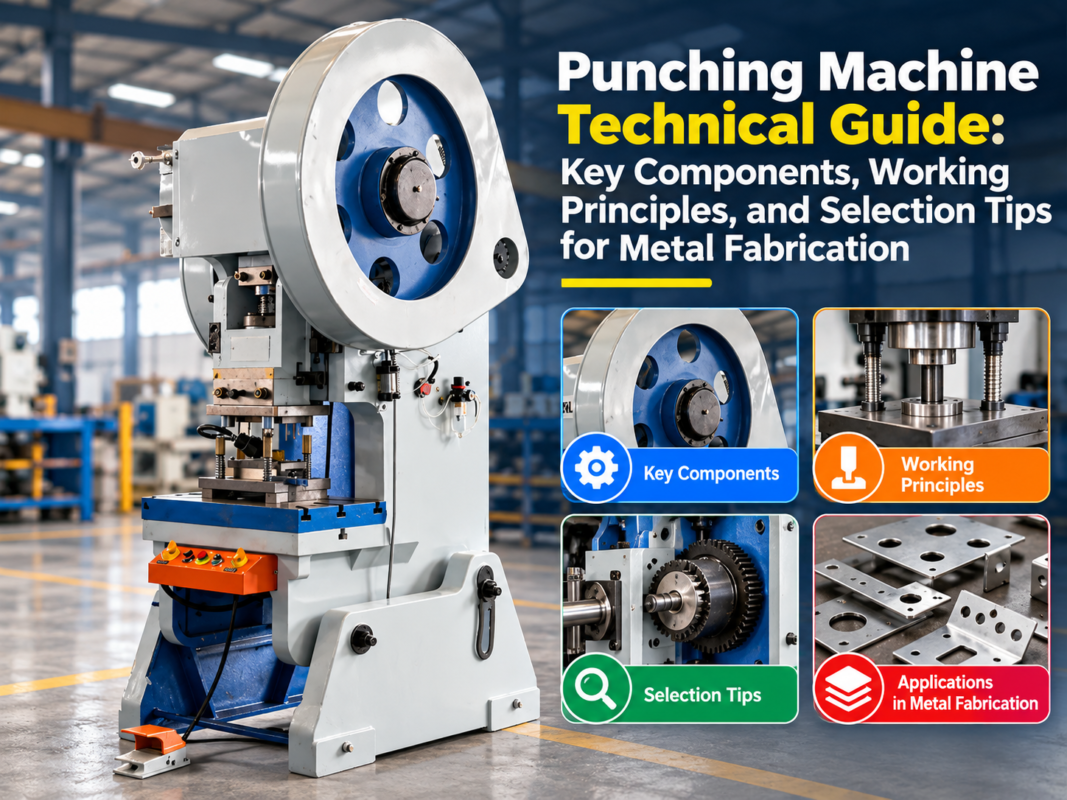
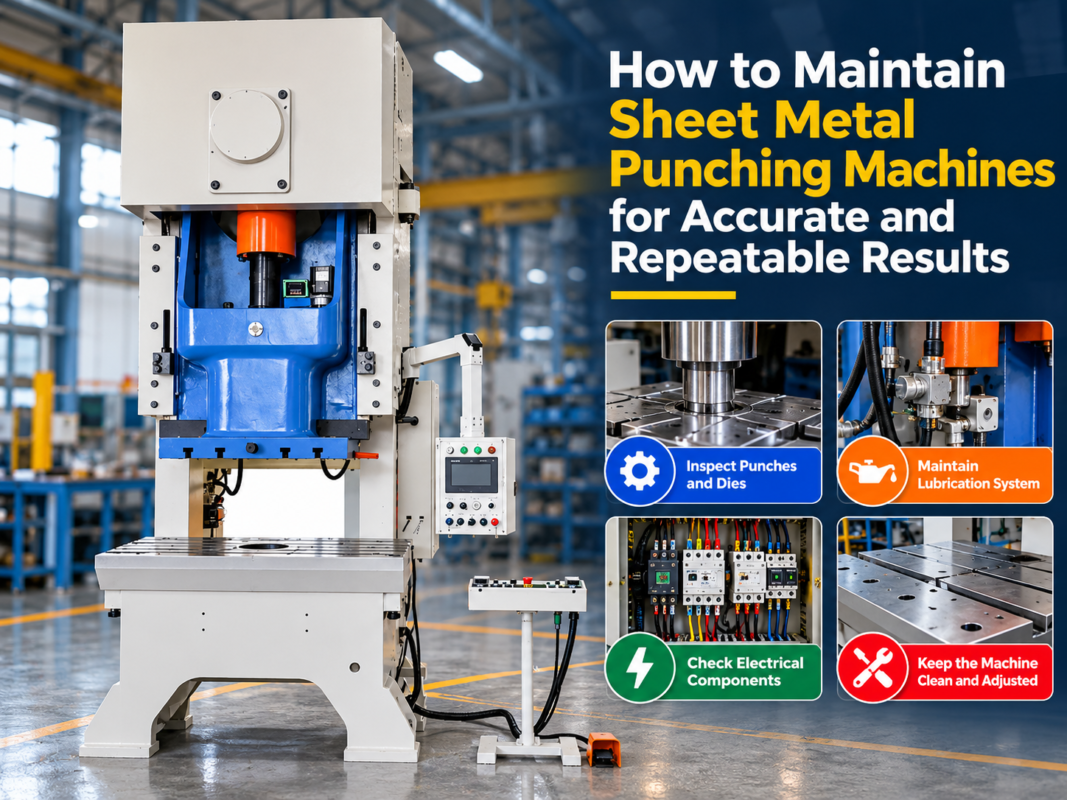
The mechanical press is built for one thing: high-speed repetition. It operates by using an electric motor to spin a heavy flywheel. When the operator engages the clutch, the flywheel’s kinetic energy is transferred to a crankshaft or an eccentric gear, which moves the ram up and down. Unlike the hydraulic press, the force of a mechanical press is not constant. It follows a sine wave, reaching its peak tonnage only as the ram approaches the bottom dead center (BDC). This ‘snap’ action is perfect for blanking, piercing, and shallow drawing where a quick, decisive strike is required.
In a high-volume production environment, the mechanical press is unrivaled. These machines can often exceed 100 to 500 strokes per minute, depending on the size and design. This makes them the backbone of industries like automotive stamping and electronics manufacturing, where millions of identical parts are needed annually. The mechanical linkage ensures that every stroke is identical in depth, providing excellent repeatability for thin-gauge materials. When paired with automated coil feeders, a mechanical press becomes a self-sustaining production cell that requires minimal manual intervention.
Another advantage of the mechanical press is its energy efficiency during the actual stroke. Once the flywheel is up to speed, it stores a massive amount of energy, requiring only a relatively small motor to maintain that momentum. This can lead to lower electricity costs per part produced compared to a hydraulic press, which must pump fluid under high pressure for every single cycle. The mechanical design is also generally more robust in terms of structural rigidity for high-impact applications, as the frame is built to withstand the sudden shock of the flywheel’s energy release.
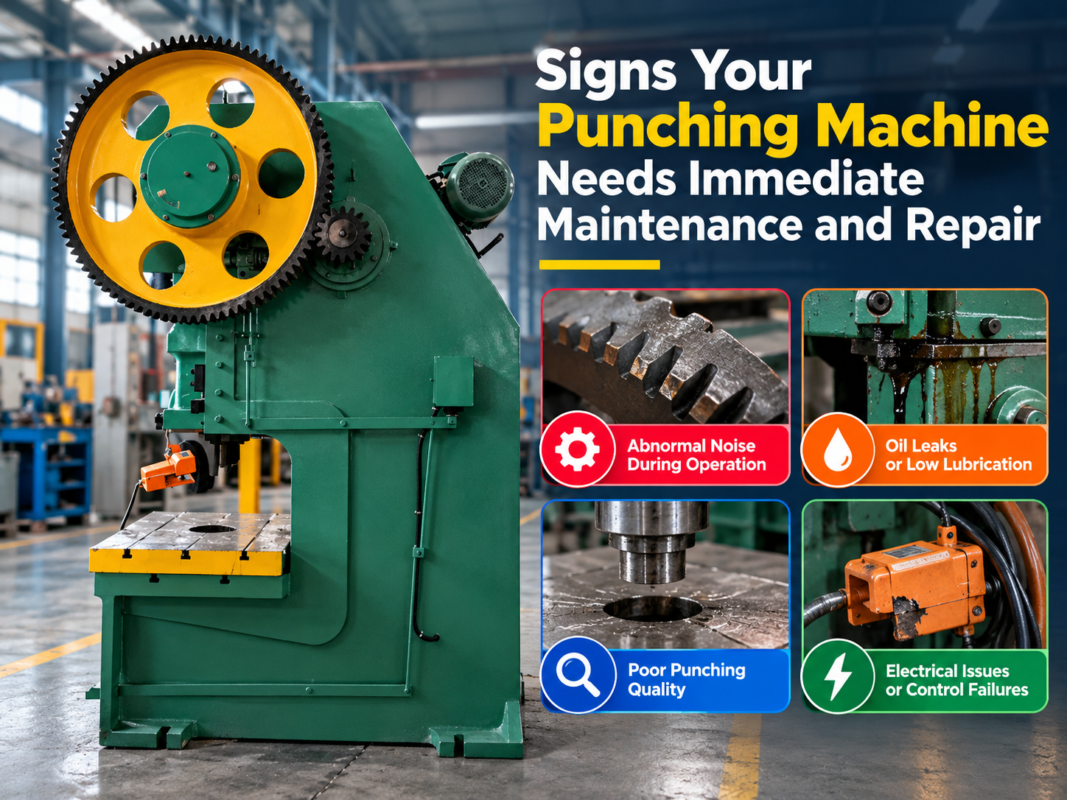
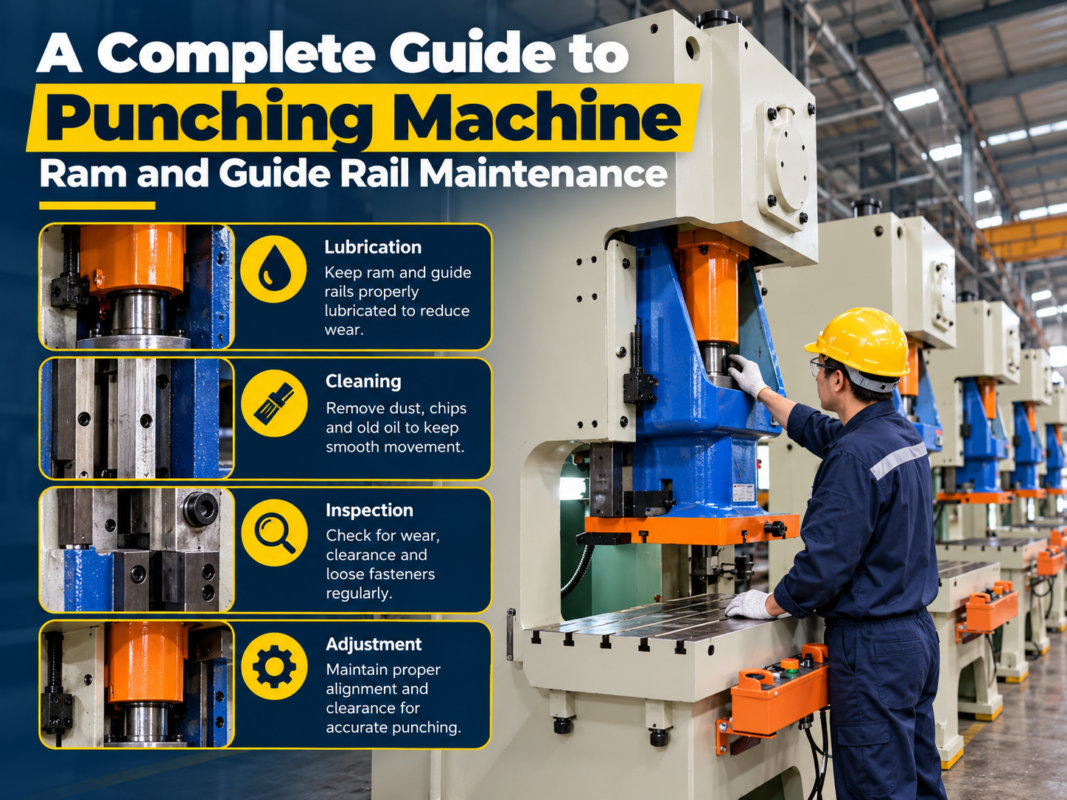
The limitations of a mechanical press are primarily found in its lack of flexibility. The stroke length is fixed by the throw of the crankshaft, and the tonnage is only available at the bottom. If a part gets stuck or if the material is too thick, the press can ‘lock up’ at the bottom of the stroke, potentially damaging the die or the press frame. Setting up a mechanical press also requires more expertise, as the die height must be perfectly calibrated to the stroke of the machine. Furthermore, the noise levels of a mechanical press are significantly higher due to the constant impact and the whirring of the flywheel.
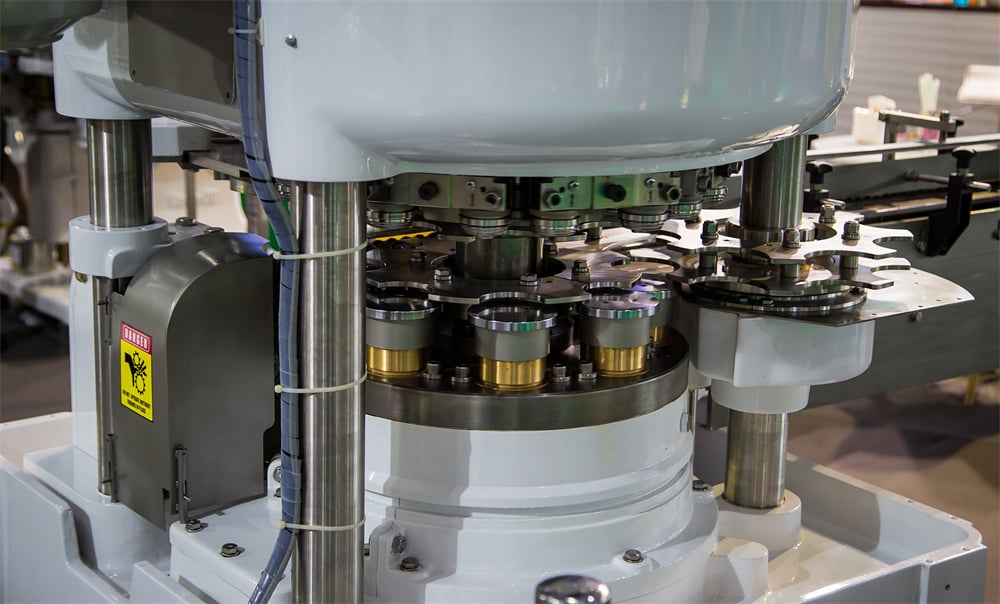
Specification Comparison Table
To better understand the trade-offs, let’s look at a direct comparison of technical specifications between a standard HARSLE hydraulic press and a mechanical press of similar tonnage.
| Feature | Hydraulic Press | Mechanical Press |
|---|---|---|
| Force Delivery | Full tonnage throughout the entire stroke. | Full tonnage only at the bottom of the stroke. |
| Stroke Length | Fully adjustable and customizable. | Fixed (determined by the crankshaft). |
| Speed | Slower (typically 10-60 strokes per minute). | Very fast (can exceed 500 strokes per minute). |
| Setup Flexibility | High; easy to change dies and settings. | Low; requires precise die height adjustment. |
| Overload Protection | Built-in via hydraulic relief valves. | Requires external shear plates or monitors. |
| Maintenance | Focus on seals, oil, and valves. | Focus on clutch, brake, and bearings. |
| Noise Level | Moderate to Low. | High (impact and flywheel noise). |
| Best For | Deep drawing, heavy forming, low volume. | Blanking, stamping, high-volume production. |
Best-fit Applications: Choosing Based on Your Product
When asking Hydraulic Press Vs Mechanical Press: Which Is Better Production Line?, the answer often lies in the geometry and material of your product. For deep drawing applications—such as manufacturing stainless steel sinks, gas cylinders, or automotive body panels—the hydraulic press is the clear winner. Deep drawing requires the metal to flow into the die cavity without tearing. The hydraulic press allows for a slow, steady draw with a constant force, and the use of a hydraulic cushion can precisely control the blank holder pressure, preventing wrinkles and fractures.
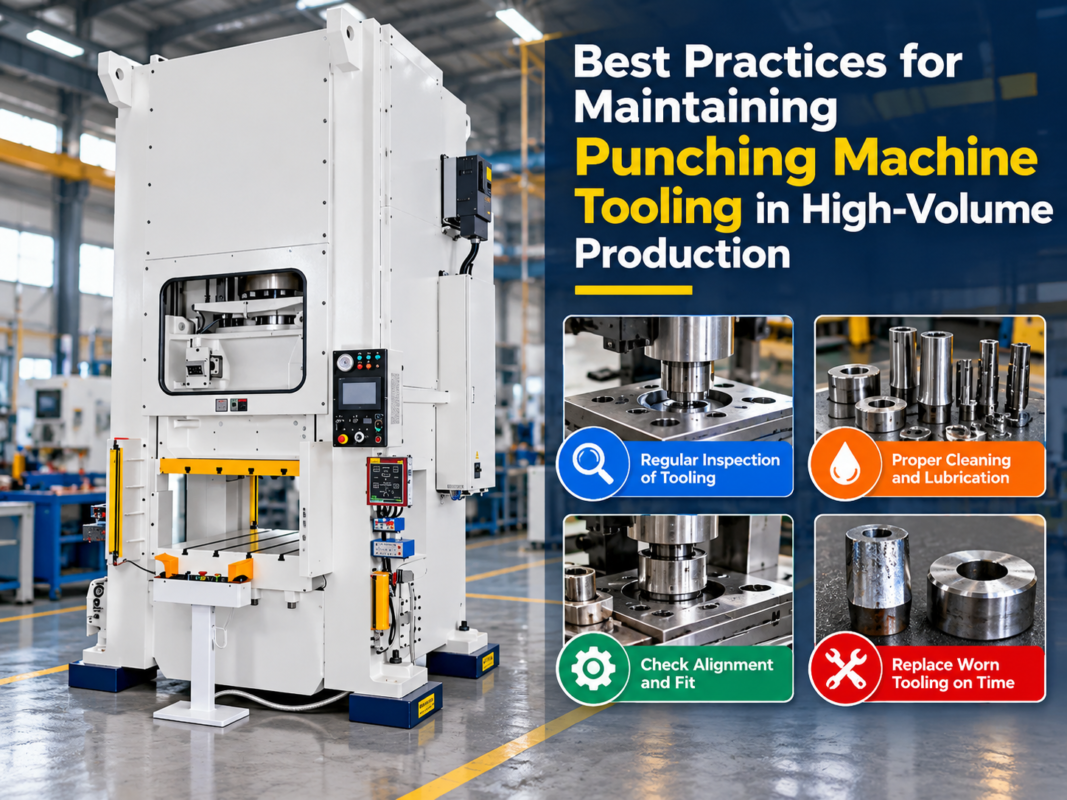
On the other hand, for blanking and piercing operations, the mechanical press is superior. Blanking involves shearing a shape out of a flat sheet of metal. This requires a sudden, high-velocity impact to cleanly break the material. The mechanical press provides this ‘snap’ perfectly. If your production line is making thousands of small brackets, washers, or electrical connectors, the speed of the mechanical press will ensure your cost-per-part remains as low as possible. The mechanical press is also excellent for progressive die stamping, where a strip of metal moves through multiple stations to reach its final form.
Forging is another area where the choice depends on the specific process. Open-die forging and heavy ingot reduction often utilize massive hydraulic presses because of the need for deep penetration and long strokes. However, high-volume closed-die forging of smaller parts, like engine valves or hand tools, often utilizes mechanical forging presses or hammers to achieve the necessary production rates. Similarly, in the world of powder metallurgy, hydraulic presses are favored for their ability to dwell and ensure uniform density in the compacted part.
Finally, consider the material thickness. For very thick plates that require sustained force to bend or form, the hydraulic press is safer and more effective. For thin-gauge materials where the stroke is short and the speed is high, the mechanical press is the industry standard. HARSLE offers specialized models in both categories, ensuring that whether you are working with 0.5mm aluminum or 50mm steel plate, there is a machine tailored to your application.
Cost and Maintenance Comparison: Long-term Investment
The initial purchase price of a press is only one part of the total cost of ownership. Generally, a hydraulic press has a lower initial capital cost than a mechanical press of the same tonnage. This is because the mechanical press requires complex, precision-machined components like flywheels, clutches, and massive gears, whereas the hydraulic press relies on standard hydraulic components and a welded frame. For a startup or a shop expanding into new territory, the hydraulic press offers a lower barrier to entry.
However, the maintenance profiles of these machines differ significantly. Hydraulic presses are notorious for oil leaks. Over years of operation, seals wear out, and hoses can degrade. Maintaining oil cleanliness is paramount; contaminated oil can damage expensive pumps and valves. Therefore, a hydraulic press requires regular fluid changes and filter replacements. On the plus side, troubleshooting a hydraulic system is often more straightforward for modern technicians who are familiar with fluid power and PLC diagnostics.
Mechanical presses are mechanically ‘simpler’ in concept but require specialized maintenance for their high-speed moving parts. The clutch and brake system is the heart of the mechanical press and requires regular adjustment and lining replacement. If the bearings on the main crankshaft fail, the repair can be incredibly costly and time-consuming. However, a well-maintained mechanical press can last for decades—it is not uncommon to see 50-year-old mechanical presses still running in factories today. Their longevity is legendary, provided they are lubricated correctly and never overloaded.
From an operational cost perspective, the mechanical press is more efficient for high-volume runs due to its speed and the energy-storing nature of the flywheel. But if your production involves frequent setup changes, the downtime associated with adjusting a mechanical press can eat into those savings. The hydraulic press, with its quick-change capabilities and digital controls, often proves more cost-effective for short-to-medium production runs where versatility is more valuable than raw speed.
Recommendation: How to Decide for Your Facility
So, Hydraulic Press Vs Mechanical Press: Which Is Better Production Line? To make the final call, we recommend a three-step evaluation process. First, analyze your production volume. If you need to produce more than 20,000 parts per month of a single design, the mechanical press is likely your best option. The speed advantage will significantly reduce your labor and overhead costs per unit. If your volume is lower or if you produce a wide variety of parts, the hydraulic press is the more sensible investment.
Second, look at the complexity of the forming process. Does your part require a deep draw, a long stroke, or a specific dwell time at the bottom? If yes, the hydraulic press is the only choice that can provide the necessary control. If your parts are mostly flat, involve simple bends, or require clean shearing, the mechanical press will deliver better results with higher precision in the stroke depth. The ‘feel’ of the press matters; hydraulic is a ‘push,’ while mechanical is a ‘punch.’
Third, consider your future growth. If you anticipate moving into different markets or working with new materials (like high-strength steels or composites), the versatility of a hydraulic press provides a safety net. It can adapt to jobs you haven’t even taken on yet. However, if you are a Tier 1 automotive supplier with a 5-year contract for a specific part, the mechanical press is the tool that will fulfill that contract most efficiently. At HARSLE, we often suggest that a balanced shop should have both—using the mechanical press for the ‘bread and butter’ high-volume work and the hydraulic press for the complex, high-margin specialty jobs.
Frequently Asked Questions (FAQ)
1. Can a hydraulic press be as fast as a mechanical press?
Generally, no. While ‘high-speed’ hydraulic presses exist that use accumulators and advanced valving to increase cycle times, they still cannot match the hundreds of strokes per minute achieved by a flywheel-driven mechanical press. Hydraulic presses are limited by the physics of moving fluid.
2. Which press is safer for the operator?
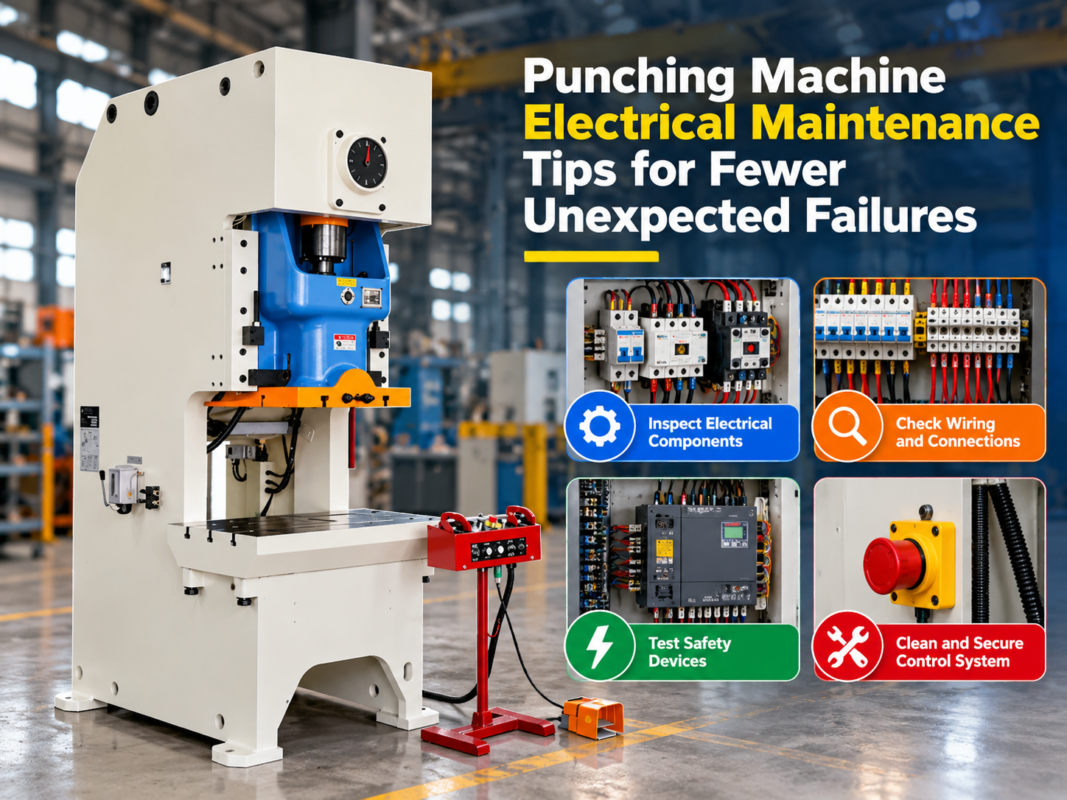
Both machines can be dangerous if not operated correctly, but hydraulic presses have an inherent safety advantage regarding machine protection. They cannot be overloaded, as the relief valve prevents excess force. Mechanical presses can ‘stick’ or break if they encounter an obstruction at the bottom of the stroke. Both require modern safety features like light curtains and two-hand controls.
3. Is maintenance more expensive for hydraulic presses?
It depends on the environment. Hydraulic maintenance is often more frequent (oil and seals), but mechanical maintenance (clutch and crankshaft) can be much more expensive when a major failure occurs. Keeping a hydraulic system clean is the best way to keep costs down.
4. Can I use a mechanical press for deep drawing?
It is possible for shallow draws, but it is difficult. Because the speed of a mechanical press is highest in the middle of the stroke and the force is lowest, it often causes the material to tear. Hydraulic presses are much better suited for the controlled flow required in deep drawing.
5. Which machine has a longer lifespan?
Mechanical presses are known for their extreme longevity, often lasting 40-50 years with proper lubrication. Hydraulic presses also have long lifespans, but they may require more frequent ‘refurbishment’ of the hydraulic power unit and cylinder seals over that same period.
6. How do I choose the tonnage for my production line?
Tonnage calculation depends on the material type, thickness, and the length of the cut or the area of the form. HARSLE provides technical consulting to help you calculate the exact tonnage required for your specific dies to ensure you don’t under-power or over-spend on your machinery.