Hydraulic Press Metal Forming Vs Hydraulic Press Powder Compaction: A Comparison


Comparison Summary: Understanding the Core Differences
In the world of industrial manufacturing, the hydraulic press is a cornerstone of production. However, not all hydraulic presses are created equal. When evaluating the Hydraulic Press Metal Forming Vs Hydraulic Press Powder Compaction: A Comparison, it is essential to understand that while both machines utilize Pascal’s principle to generate immense force, their mechanical configurations, control systems, and end-goals are vastly different. Metal forming presses are designed to manipulate solid sheets or billets of metal into specific shapes through plastic deformation. In contrast, powder compaction presses are engineered to compress granular materials—such as metal powders, ceramics, or chemicals—into a solid ‘green’ part with specific density and structural integrity.
The primary distinction lies in the material state and the precision required. Metal forming often involves high-speed strokes and significant travel distances (stroke length) to draw or bend large sheets. Powder compaction, however, requires extreme precision in pressure application and multi-axial movement to ensure that the powder is distributed evenly and compressed to a uniform density. Without this uniformity, the final product may crack or warp during the subsequent sintering process. HARSLE, a leader in metal fabrication machinery, provides specialized solutions for both categories, ensuring that manufacturers can select the right tool for their specific metallurgical needs.
This article provides an in-depth analysis of these two vital technologies. We will explore their mechanical overviews, technical specifications, and the industries where they excel. By the end of this guide, you will have a clear understanding of which hydraulic system aligns with your production objectives, whether you are stamping automotive body panels or manufacturing high-precision sintered gears.
Hydraulic Press for Metal Forming: An Overview
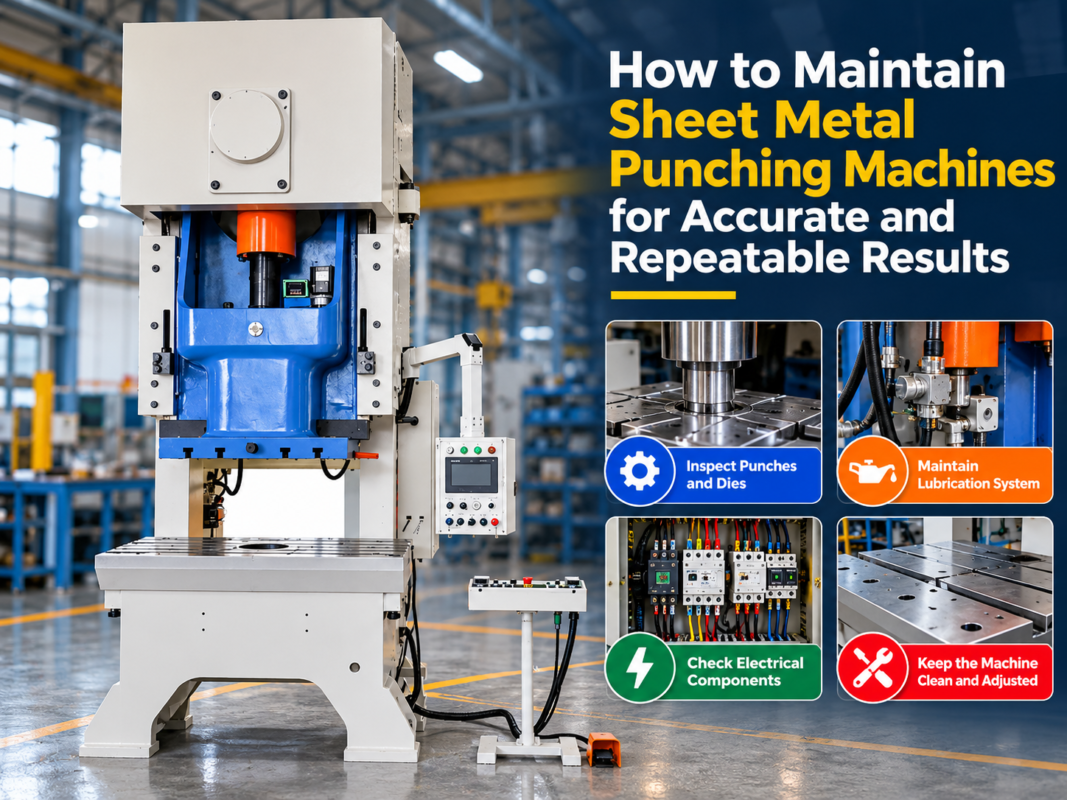
Hydraulic presses for metal forming are the workhorses of the automotive, aerospace, and appliance industries. These machines are designed to handle ductile materials, primarily steel, aluminum, and copper. The process involves placing a metal blank into a die set and using the hydraulic ram to force the material to take the shape of the mold. This category encompasses several sub-processes, including deep drawing, blanking, punching, and bending. Because metal forming involves the permanent displacement of atoms within a solid lattice, the press must provide consistent force throughout the entire stroke to overcome the material’s yield strength.
One of the defining characteristics of a metal forming press is its versatility in frame design. HARSLE offers various configurations, such as the C-frame (gap frame) for smaller, high-speed operations and the H-frame (four-column) for heavy-duty applications requiring maximum rigidity. In deep drawing operations, for instance, a double-action hydraulic press is often used. This machine features a main ram for the forming process and a secondary cushion or blank holder that applies pressure to the edges of the metal sheet, preventing wrinkles as the material is pulled into the die cavity.
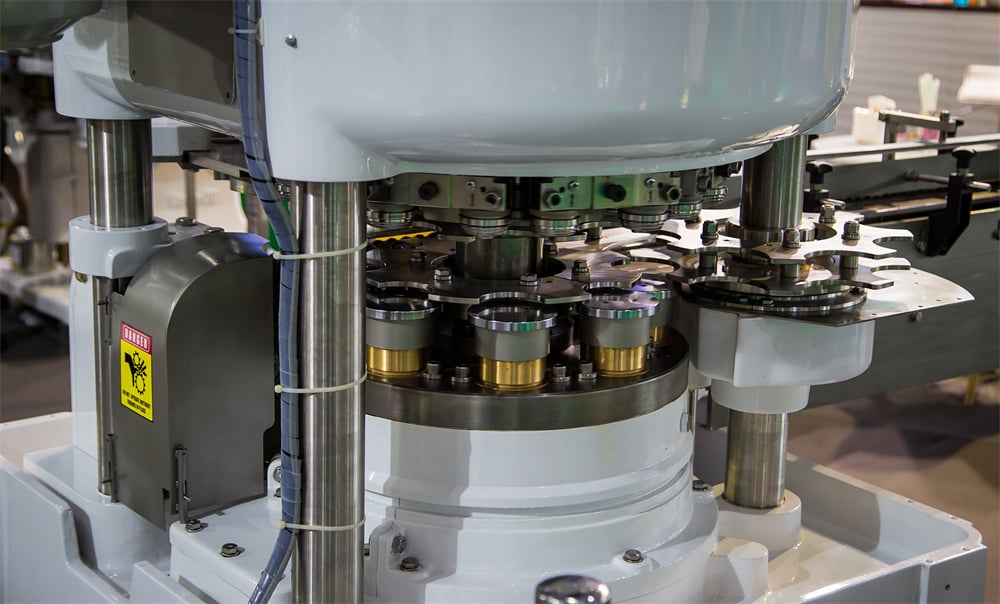
Modern metal forming presses are increasingly integrated with CNC (Computer Numerical Control) systems. These systems allow for precise control over the ram’s speed, position, and pressure at every millisecond of the cycle. This is crucial for complex geometries where the material might thin out or tear if the speed is too high. Furthermore, energy efficiency has become a major focus, with HARSLE incorporating servo-hydraulic systems that only consume power when the ram is in motion, significantly reducing operational costs compared to traditional valve-regulated systems.
Durability is another hallmark of metal forming presses. Since they often operate in high-volume environments, the hydraulic circuits are designed for rapid cycling and heat dissipation. Large oil reservoirs, advanced filtration systems, and robust cooling units ensure that the machine can run 24/7 without degradation in performance. For manufacturers, the choice of a metal forming press depends largely on the ‘tonnage’ required—the maximum force the press can exert—and the ‘bed size,’ which dictates the maximum dimensions of the metal sheet that can be processed.
Hydraulic Press for Powder Compaction: An Overview
While metal forming deals with solids, powder compaction deals with particles. A hydraulic press for powder compaction is a precision instrument designed to transform loose powder into a cohesive solid. This process, often referred to as powder metallurgy (PM), is used to create complex parts that would be difficult or expensive to machine from solid blocks. The press must manage the ‘fill’ stage, where a precise volume of powder is fed into the die, the ‘compaction’ stage, where high pressure is applied, and the ‘ejection’ stage, where the finished part is pushed out of the die without being damaged.
The technical challenge in powder compaction is achieving uniform density. Unlike a solid sheet of metal, powder does not flow easily. If pressure is only applied from the top, the bottom of the part will be less dense than the top due to friction between the powder particles and the die walls. To solve this, powder compaction presses often utilize ‘floating dies’ or multi-action cylinders that apply pressure from both the top and bottom simultaneously. This ensures that the neutral axis of the part—the area of lowest density—is positioned in the center, resulting in a structurally sound component.
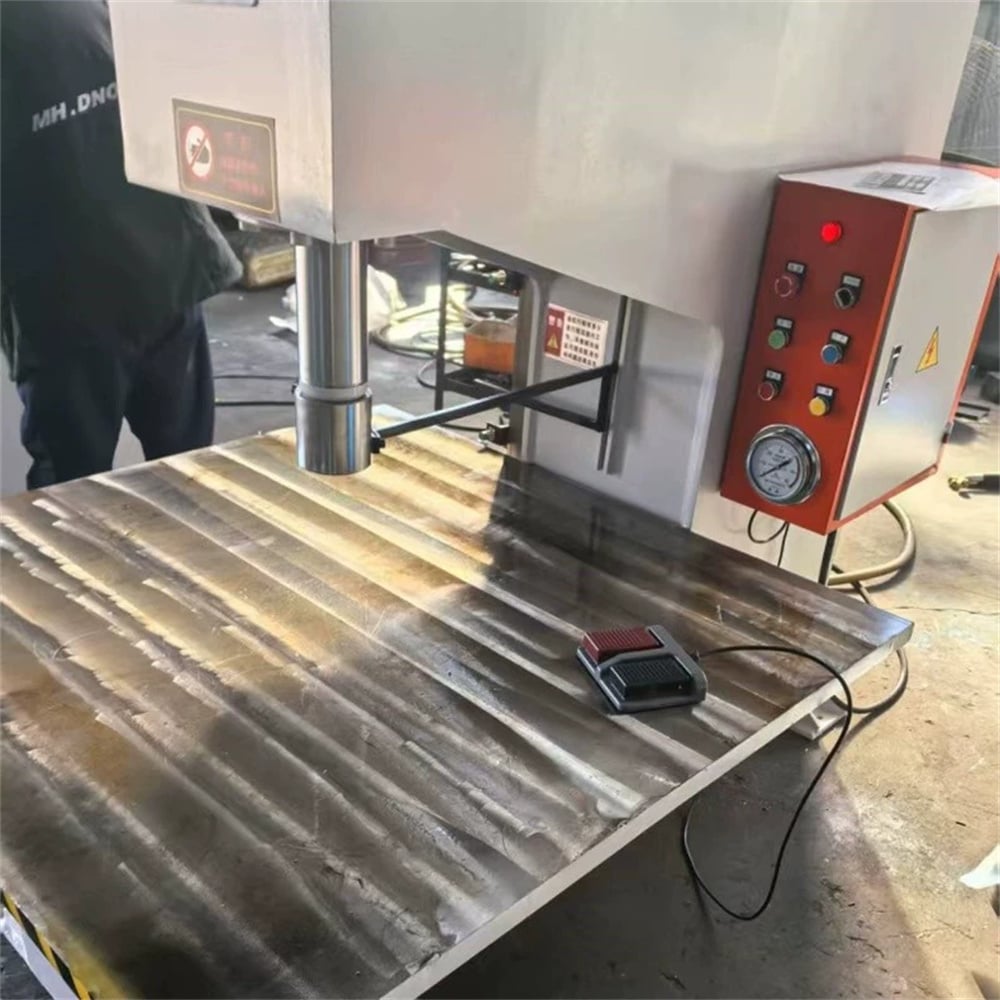
Precision is the most critical factor here. Powder compaction presses must have extremely tight tolerances, often measured in microns. The ram’s movement must be perfectly synchronized with the die’s movement to prevent ‘lamination’ or internal cracking of the green part. HARSLE’s powder compaction machines are equipped with advanced sensors that monitor the compression force in real-time, allowing the PLC to make micro-adjustments to the stroke to compensate for variations in powder flow or humidity.
Furthermore, the ejection phase is a delicate operation. Once the powder is compressed, the ‘green’ part is fragile. The press must eject the part with a smooth, controlled motion to avoid chipping the edges. Many powder compaction presses also feature specialized ‘withdrawal’ systems, where the die moves down while the part remains stationary, reducing the risk of friction-induced damage. This level of control is what differentiates a compaction press from a standard forming press, making it the ideal choice for manufacturing items like carbide cutting tools, ceramic insulators, and sintered bronze bearings.
Specification Comparison Table
To better understand the technical divergence between these two machines, the following table highlights the key specifications and operational parameters typically found in HARSLE’s industrial lineup.
| Feature | Hydraulic Press for Metal Forming | Hydraulic Press for Powder Compaction |
|---|---|---|
| Primary Material | Solid metal sheets, plates, or billets. | Metal, ceramic, or composite powders. |
| Force Application | Single or double action (Main ram + Cushion). | Multi-action (Top, bottom, and side pressure). |
| Stroke Length | Long (up to 1000mm+) for deep drawing. | Short to Medium, highly controlled. |
| Precision/Tolerance | Standard industrial tolerances (0.1mm – 0.05mm). | High precision (0.01mm – 0.005mm). |
| Cycle Speed | High speed for mass production stamping. | Moderate speed, focused on dwell time. |
| Density Control | Not applicable (material density is constant). | Critical (requires uniform particle distribution). |
| Ejection System | Simple mechanical or pneumatic ejectors. | Complex hydraulic withdrawal or ejection. |
| Tooling Wear | High friction on die radii; requires lubrication. | Abrasive wear from powder; requires hard coatings. |
Best-fit Applications: Where Each Machine Shines
Choosing between a metal forming and a powder compaction press depends entirely on the desired end-product and the material science involved. Metal forming presses are indispensable in the Automotive Industry. They are used to create everything from large body panels and chassis components to smaller brackets and engine mounts. The ability to take a flat sheet of steel and turn it into a complex, structural 3D shape in a single stroke is a massive advantage for high-volume vehicle assembly.
In the Aerospace Sector, metal forming presses are used to shape titanium and aluminum alloys into wing ribs, fuselage skins, and ducting. These applications often require ‘hot forming’ or ‘superplastic forming,’ where the hydraulic press must maintain specific pressures at elevated temperatures. Similarly, the Appliance Industry relies on these presses to manufacture stainless steel sinks, refrigerator panels, and washing machine drums, where surface finish and aesthetic quality are paramount.
On the other hand, powder compaction presses find their home in Precision Engineering and Electronics. The production of ‘small but complex’ parts is where this technology excels. For example, the manufacturing of Hard Metal (Carbide) Tools—such as drill bits and milling inserts—requires the compaction of tungsten carbide powder. These parts must be incredibly dense and precise, as they will later be used to cut other metals. The Medical Industry also utilizes powder compaction for creating ceramic bone implants and pharmaceutical tablets, where dosage and density must be exact.
Another growing field for powder compaction is Renewable Energy. The production of permanent magnets for electric vehicle motors and wind turbine generators involves the compaction of rare-earth powders. These magnets require specific magnetic orientations that can only be achieved by applying a magnetic field during the hydraulic compaction process. This level of specialization is far beyond the capabilities of a standard metal forming press, highlighting the niche but essential role of compaction technology in modern industry.
Cost and Maintenance Comparison
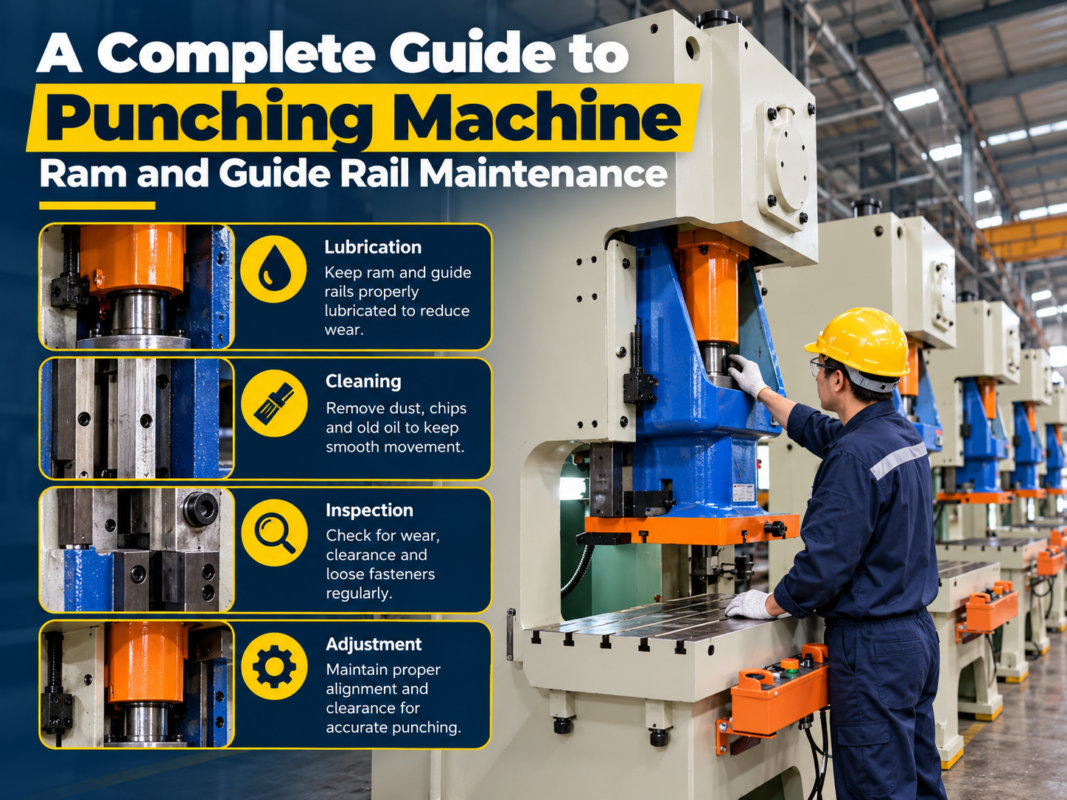
When considering the total cost of ownership, both machines present different financial profiles. A Metal Forming Press typically has a higher initial capital expenditure for the machine itself, especially if it is a high-tonnage H-frame model. However, the cost per part is relatively low due to high production speeds. Maintenance for these machines focuses heavily on the hydraulic system—specifically the seals, valves, and pumps—which are subjected to high-pressure cycles. Regular oil analysis and filter changes are mandatory to prevent contamination from metal shavings or scale that may fall off the workpieces.
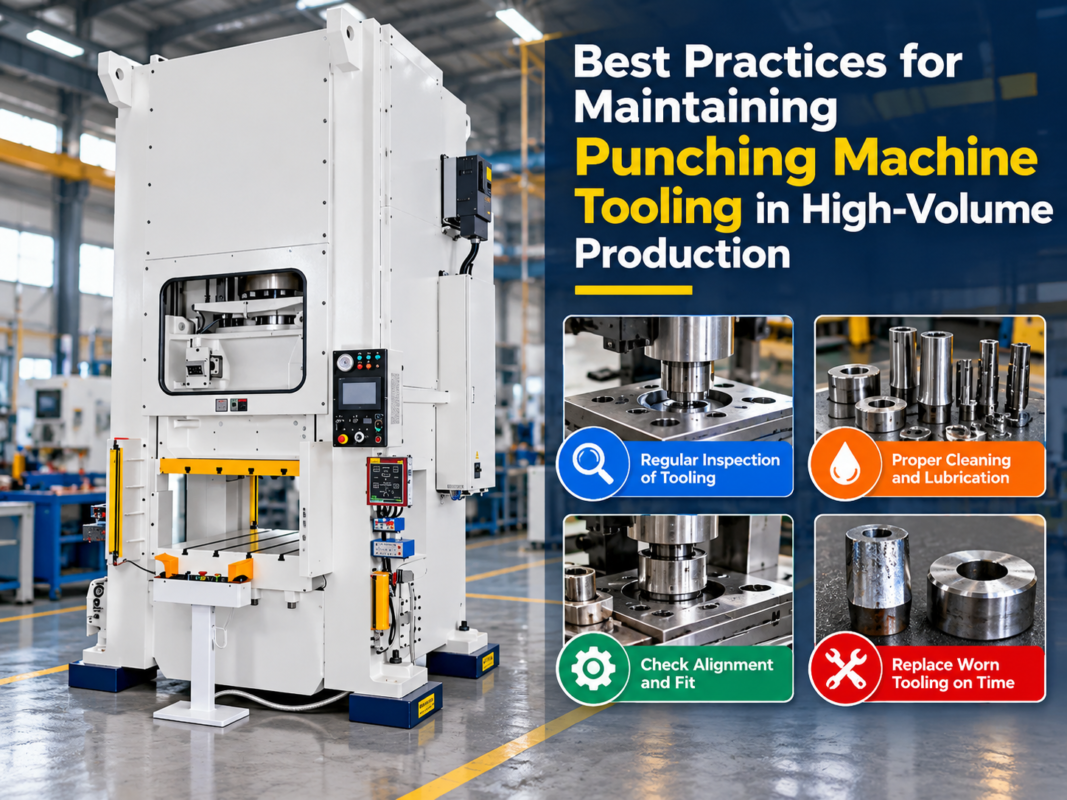
The tooling for metal forming (dies and punches) is also a significant investment. These tools must be made from hardened tool steel and often require expensive surface treatments like PVD (Physical Vapor Deposition) to reduce friction and prevent ‘galling.’ Maintenance of the tooling involves regular polishing and occasional regrinding to maintain the correct radii and clearances.
A Powder Compaction Press may have a lower tonnage requirement for the same part size, but the complexity of its control systems and multi-action cylinders can drive up the price. The maintenance focus here is on Cleanliness and Precision. Because the machine works with fine powders, these particles can easily find their way into the hydraulic seals or the guiding systems, causing abrasive wear. Therefore, powder compaction presses require superior sealing and often include dust extraction systems to keep the work area clean.
Tooling for powder compaction is exceptionally specialized. Because powders are often abrasive (like ceramics or carbides), the dies are frequently made from tungsten carbide inserts held in steel bolsters. While these tools are incredibly durable, they are brittle and expensive to replace. Maintenance involves ensuring that the ‘fill shoe’—the mechanism that delivers powder to the die—is perfectly calibrated to prevent weight variations in the finished parts. For a manufacturer, the maintenance budget for a compaction press must account for high-precision calibration services and specialized cleaning protocols.
Recommendation: How to Choose the Right Press
Deciding between these two types of hydraulic presses requires a thorough evaluation of your production goals. If your primary objective is to transform sheet metal into structural components with high speed and repeatability, a Hydraulic Metal Forming Press is the correct choice. Look for features like adjustable stroke length, variable pressure control, and robust frame construction. HARSLE recommends evaluating the ‘draw depth’ of your deepest part to ensure the press has sufficient daylight and stroke to accommodate the tooling and the finished piece.
If your business model involves creating high-precision, small-to-medium parts from granular materials, or if you are looking to reduce material waste by moving away from traditional machining, then a Hydraulic Powder Compaction Press is the way forward. When selecting a compaction press, prioritize the control system. You need a machine that offers programmable ‘press-to-density’ or ‘press-to-height’ modes. Additionally, consider the ejection method; if your parts are fragile, a withdrawal-style die system is essential to maintain product quality.
For those in the middle ground—perhaps working with specialized composites or hybrid materials—consulting with a manufacturer like HARSLE is vital. Often, a custom-engineered solution can bridge the gap, providing the force of a forming press with the precision control of a compaction unit. Always consider the long-term scalability; a press with an integrated PLC and IoT connectivity will allow you to monitor production data, predict maintenance needs, and stay competitive in an increasingly digital manufacturing landscape.
Frequently Asked Questions (FAQ)
1. Can I use a metal forming press for powder compaction?
Technically, you can apply pressure to powder using a standard forming press, but the results will likely be poor. Metal forming presses usually lack the multi-action cylinders (top and bottom pressure) and the precision fill-and-eject mechanisms required for uniform density. Using a forming press for powder often leads to ‘capping’ (cracks at the top of the part) and uneven structural integrity.
2. What is ‘Green Strength’ in powder compaction?
‘Green strength’ refers to the mechanical strength of a compacted powder part before it has been sintered (heated). The hydraulic press must provide enough pressure to lock the particles together so the part can be handled and moved to a furnace without crumbling. Achieving high green strength is a primary goal of the compaction process.
3. How does HARSLE ensure the precision of its presses?
HARSLE utilizes high-resolution linear encoders and pressure transducers integrated with advanced PLC systems (like Siemens or Schneider). These components provide real-time feedback, allowing the machine to stop or adjust its movement within microns of the programmed target, ensuring consistent quality across thousands of cycles.
4. Is hydraulic oil cooling necessary for both types of presses?
Yes, but for different reasons. In metal forming, the high cycle rate generates significant heat through friction and rapid valve actuation. In powder compaction, while the cycle might be slower, the need for extreme precision means that oil viscosity must remain constant. Even slight changes in oil temperature can affect the ram’s positioning accuracy, so precise thermal management is critical.
5. Which process is more environmentally friendly?
Powder compaction is often considered more ‘green’ because it is a ‘near-net-shape’ process, meaning it produces almost zero material waste. Metal forming, particularly blanking and punching, often results in scrap metal (offcuts). However, modern recycling programs for sheet metal scrap are very efficient, and servo-hydraulic forming presses have greatly reduced energy consumption.
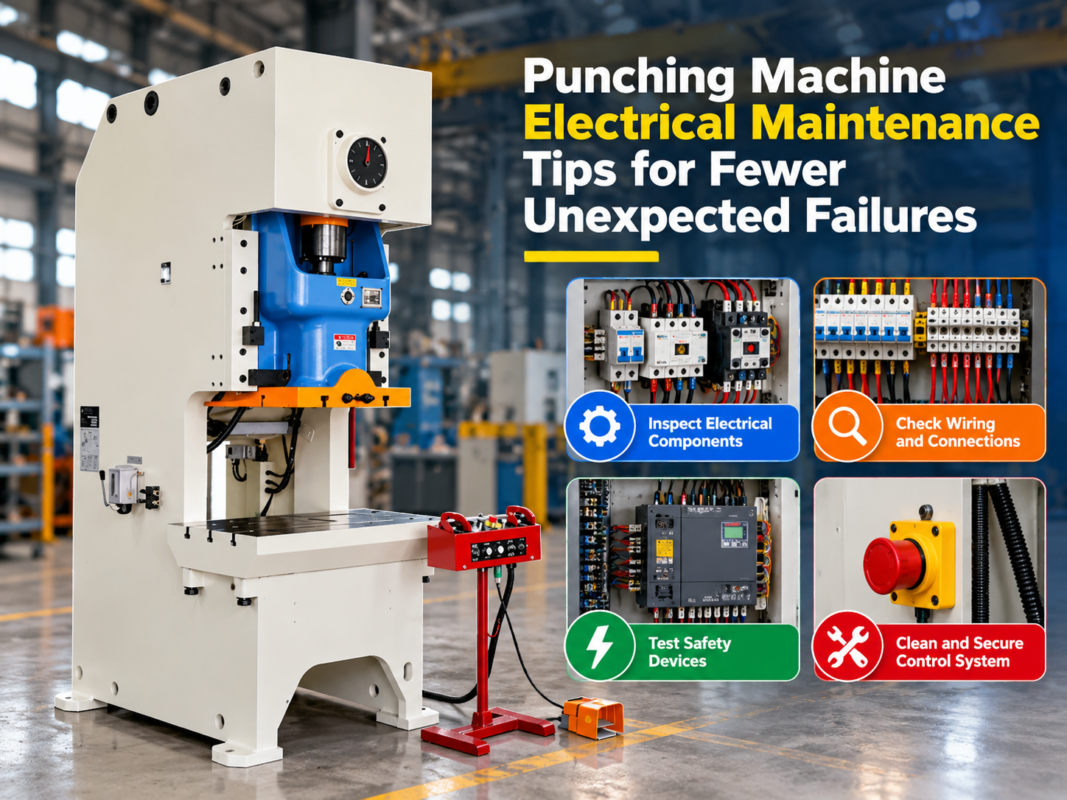
6. What are the safety requirements for these machines?
Both machines require rigorous safety protocols, including light curtains, dual-hand start buttons, and emergency stop circuits. For powder compaction, additional safety measures may be needed to handle fine dust, which can be respiratory hazards or, in the case of certain metals like aluminum or magnesium, explosive if not properly managed.