Top Signs Your Laser Cutting Machine Needs Maintenance: A Comprehensive Guide for HARSLE Users


The Critical Importance of Laser Cutting Machine Maintenance
In the high-precision world of metal fabrication, the laser cutting machine stands as the centerpiece of production. Whether you are utilizing a fiber laser or a CO2 system, these machines are marvels of engineering that combine optics, thermodynamics, and high-speed motion control. However, the very precision that makes them valuable also makes them sensitive to neglect. Understanding the Top Signs Laser Cutting Machine Needs Maintenance is not just about avoiding a breakdown; it is about protecting your investment, ensuring operator safety, and maintaining the competitive edge that HARSLE machinery provides.
Regular maintenance is the difference between a machine that lasts fifteen years and one that begins to fail after five. When a laser cutter is properly maintained, it operates at peak efficiency, consuming less power and gas while producing cleaner cuts. Conversely, a neglected machine will slowly lose its calibration, leading to wasted material, increased secondary processing costs (like deburring), and eventually, catastrophic component failure. For industrial facilities, downtime is the ultimate enemy. By recognizing the early warning signs of wear and tear, maintenance teams can schedule interventions during planned shifts rather than reacting to an emergency mid-production.
Furthermore, the evolution of laser technology means that modern machines like those from HARSLE are equipped with sophisticated sensors. However, these sensors can only tell you so much. A skilled operator must be able to interpret the physical and visual cues the machine provides. This guide will delve deep into the indicators that your equipment requires professional attention, ranging from subtle changes in cut quality to overt mechanical noises.
Daily Inspection: The First Line of Defense
Before diving into complex troubleshooting, it is essential to establish a rigorous daily inspection routine. The Top Signs Your Laser Cutting Machine Needs Maintenance often manifest during these preliminary checks. A daily walk-around allows operators to catch small issues before they escalate into expensive repairs. This process should begin with the external environment. Is the area around the machine clean? Dust and metal shavings are the natural enemies of precision optics and linear guides.
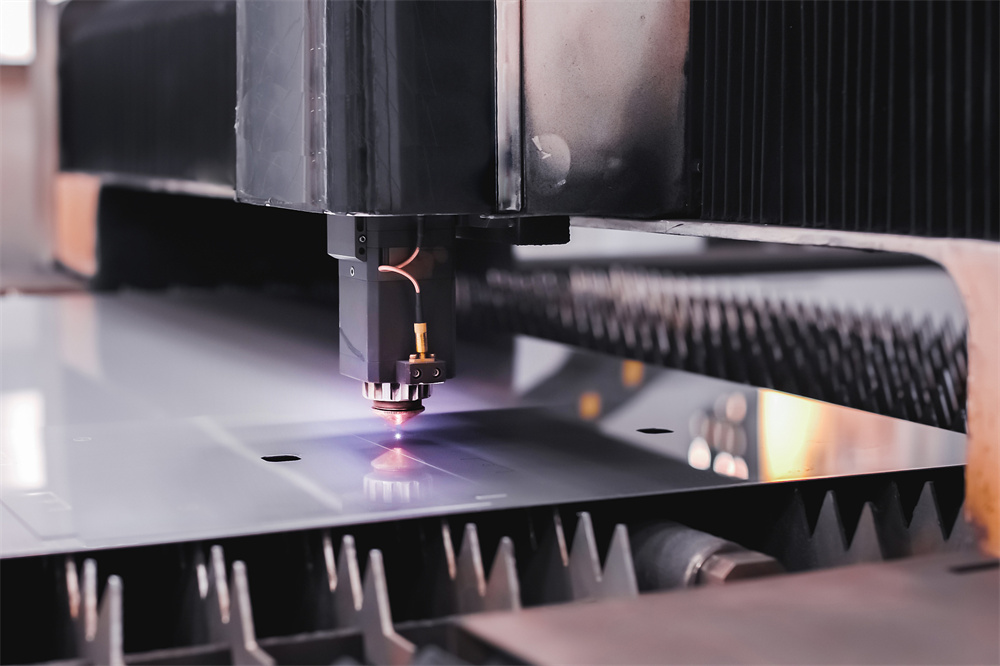
The daily inspection should focus on the ‘consumables’ and the immediate interface between the machine and the material. Check the nozzle for any signs of slag buildup or physical deformation. A damaged nozzle will disrupt the coaxial flow of assist gas, leading to poor cut quality. Similarly, the protective window (cover glass) must be inspected for pits, burns, or dust. Even a microscopic speck of dust on the lens can absorb laser energy, heat up, and eventually crack the glass or damage the cutting head.
Beyond the optics, the cooling system—specifically the water chiller—requires daily monitoring. Check the water level and ensure there are no alarms on the chiller display. The temperature of the coolant must remain within a very narrow range to ensure the stability of the laser source. If you notice the chiller cycling more frequently than usual or making a struggling sound, it is a clear sign that the heat exchange efficiency is dropping, likely due to internal scaling or a clogged filter.
Comprehensive Technical Checks: Hydraulic, Electrical, and Mechanical
Electrical System Integrity
The electrical cabinet is the brain of your laser cutting machine. Over time, the vibrations from high-speed cutting can loosen terminal connections. One of the Top Signs Laser Cutting Machine Needs Maintenance in the electrical realm is erratic behavior from the CNC controller or intermittent sensor alarms. Dust ingress into the electrical cabinet can lead to short circuits or overheating of the servo drivers. Periodically, the filters on the cabinet cooling fans must be cleaned to ensure proper airflow. If you notice a ‘burnt’ smell or see discolored wiring, immediate electrical maintenance is required to prevent a fire hazard.
Mechanical Stability and Alignment
The mechanical structure of a HARSLE laser cutter is designed for rigidity, but the laws of physics still apply. The X, Y, and Z axes move at incredible speeds, placing stress on the racks, pinions, and linear guides. Check for any ‘play’ or looseness in the cutting head assembly. If the machine produces parts that are slightly out of round or have jagged edges on diagonal cuts, it usually indicates that the mechanical synchronization is off or that there is wear in the drive system. Mechanical maintenance involves checking the tension of drive belts and ensuring that the mounting bolts for the rails are torqued to specification.
Cooling and Gas Systems (The ‘Hydraulic’ Equivalent)
While laser cutters don’t use traditional high-pressure hydraulics for the cutting process, the gas delivery system and the water cooling circuit function similarly. Leaks in the gas lines (Oxygen, Nitrogen, or Air) can lead to inconsistent cutting pressure, which ruins the edge quality. If you find your gas consumption has spiked without an increase in production, you likely have a leak. Similarly, the water cooling circuit must be checked for leaks around the laser source and the cutting head. Any moisture near the optics is a critical emergency that requires immediate shutdown and maintenance.
The Lubrication Plan: Ensuring Smooth Motion
Lubrication is the lifeblood of the mechanical components in a laser cutting machine. Without a proper lubrication plan, the friction between moving parts will generate heat, leading to thermal expansion and premature wear. Most modern HARSLE machines feature automatic lubrication systems, but these systems are not ‘set and forget.’ Operators must regularly check the lubricant reservoir levels and ensure that the oil or grease is actually reaching the destination points.
A common sign that the lubrication system is failing is the appearance of ‘dry spots’ or rust on the linear rails. If the rails look shiny and slightly oily, the system is working. If they look dull or show signs of brown oxidation, the lubrication is insufficient. Furthermore, the type of lubricant used is critical. Using a generic grease instead of the manufacturer-specified high-speed lubricant can lead to gumming, which actually increases resistance rather than decreasing it. A monthly check of the distribution blocks and hoses is necessary to ensure no lines are pinched or clogged by debris.
Troubleshooting Signals: The Top Signs Your Laser Cutting Machine Needs Maintenance
Recognizing the Top Signs Your Laser Cutting Machine Needs Maintenance requires a keen eye and ear. Here are the most common indicators that your machine is crying out for help:
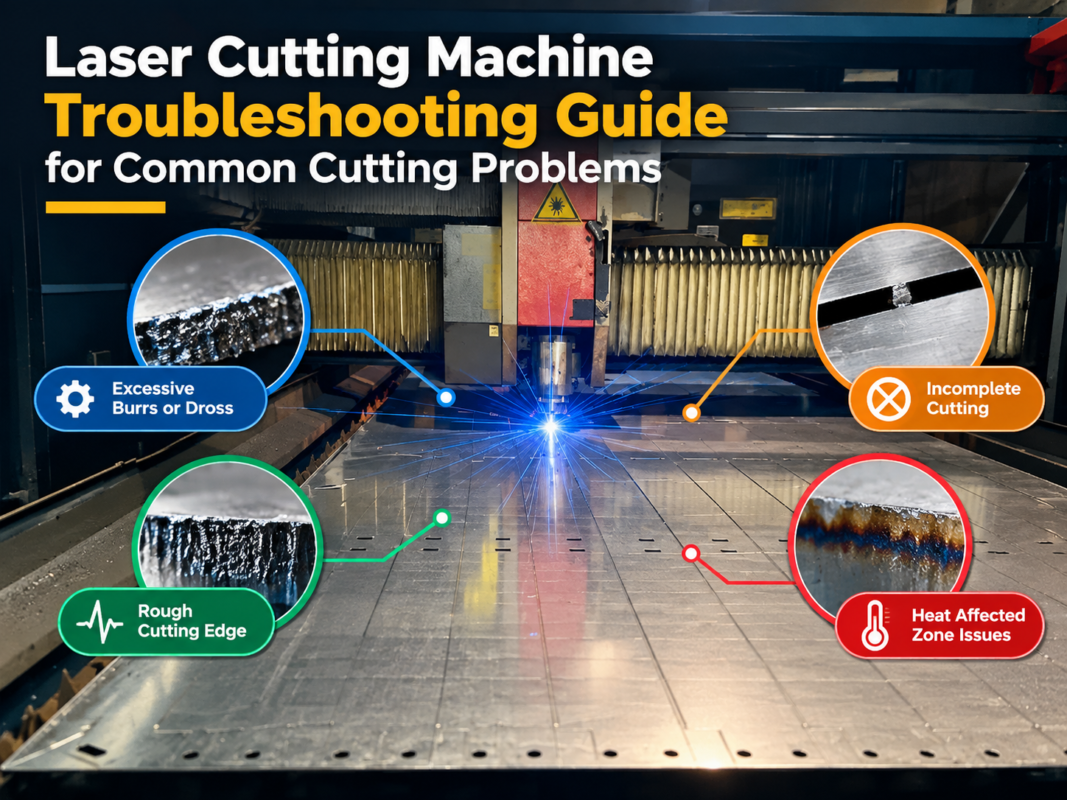
- Decreased Cut Quality: If you notice an increase in dross (slag) on the bottom of the cut, or if the kerf width has become inconsistent, your optics are likely out of alignment or contaminated. This is the most frequent sign that the focal point is shifting due to thermal effects or mechanical wear.
- Unusual Noises: A healthy laser cutter has a rhythmic, high-pitched hum. If you hear grinding, squealing, or heavy thumping during axis movement, it indicates a lack of lubrication, a worn bearing, or a misalignment in the rack and pinion system.
- Inaccurate Dimensions: If a 100mm square comes out as 99.8mm, your machine’s calibration has drifted. This can be caused by thermal expansion issues or wear in the mechanical drive components.
- Frequent Alarms: While alarms are designed to protect the machine, frequent ‘Follower Errors’ or ‘Over-temperature’ warnings are signs that the system is operating at its limit and needs a professional tune-up.
- Excessive Vibration: Vibration during high-speed direction changes can indicate that the machine’s leveling feet have shifted or that the structural bolts have loosened. Vibration is the enemy of precision and will eventually lead to component fatigue.
- Slow Piercing Times: If the laser takes longer than usual to pierce through the material, the laser power might be dropping, or the beam quality (BPP) has degraded. This often points toward issues with the laser source or the delivery fiber.
Comprehensive Maintenance Schedule Table
To keep your HARSLE laser cutting machine in top condition, follow this structured maintenance schedule. This table serves as a baseline for most industrial environments.
| Frequency | Component | Action Required |
|---|---|---|
| Daily | Nozzle & Protective Window | Clean and inspect for damage or debris. |
| Daily | Water Chiller | Check water levels, temperature, and filter status. |
| Daily | Worktable / Slats | Remove slag and small parts to prevent beam reflection. |
| Weekly | Linear Guides & Racks | Wipe down and check for adequate lubrication. |
| Weekly | Gas Filters | Check for moisture or oil contamination in the gas lines. |
| Monthly | Electrical Cabinet | Vacuum dust filters and check cooling fan operation. |
| Monthly | X/Y/Z Axis Calibration | Perform a test cut to verify dimensional accuracy. |
| Quarterly | Laser Source & Fiber | Inspect the fiber cable for any tight bends or damage. |
| Bi-Annually | Full Machine Leveling | Verify the machine frame is perfectly level and stable. |
| Annually | Professional Service | Complete system diagnostic by a HARSLE certified technician. |
Frequently Asked Questions (FAQ)
1. How often should I change the cooling water in my laser cutter?
Generally, the cooling water (distilled or deionized) should be changed every 3 to 6 months, depending on the environment. If the water appears cloudy or changes color, it should be replaced immediately to prevent algae growth or mineral buildup in the laser source.
2. Why is my laser cutting machine suddenly producing a lot of dross?
Dross is usually caused by incorrect cutting parameters (speed/power), but from a maintenance perspective, it is often due to a contaminated protective window, a worn nozzle, or incorrect gas pressure. Check your optics first.
3. Can I use any industrial grease for the linear rails?
No. You must use the specific lubricant recommended in your HARSLE manual. Using the wrong viscosity can cause the servo motors to overwork, leading to ‘following error’ alarms and premature motor failure.
4. What is the most common cause of laser power loss?
In fiber lasers, power loss is rarely from the source itself but rather from contaminated optics (protective window, collimating lens, or focusing lens) or a damaged delivery fiber. In CO2 lasers, it is often due to gas mixture issues or mirror misalignment.
5. How do I know if my laser beam is out of alignment?
Perform a ‘tape test’ or a ‘point shot’ at the four corners of the bed. If the beam is not centered in the nozzle at all positions, the mechanical alignment or the internal beam delivery system needs adjustment.
6. Is it necessary to clean the slats on the cutting bed?
Yes. Excessive slag buildup on the slats can reflect the laser beam back onto the underside of the workpiece, causing ‘back-reflection’ damage to the material and potentially the cutting head. It also affects the flatness of the sheet being cut.
Conclusion
Recognizing the Top Signs Laser Cutting Machine Needs Maintenance is a vital skill for any fabrication professional. By staying proactive and following a structured maintenance plan, you ensure that your HARSLE equipment continues to deliver the precision and speed your business relies on. Remember, a well-maintained machine is a profitable machine. Don’t wait for a breakdown to give your laser cutter the attention it deserves.