How to Reduce Breakdown Risk with Laser Cutting Machine Care: A Comprehensive Guide


Introduction to Laser Cutting Machine Longevity
In the high-stakes world of metal fabrication, the laser cutting machine stands as the centerpiece of production. Whether you are processing thin stainless steel sheets or thick carbon steel plates, the precision and speed of a fiber laser are unmatched. However, this high performance comes with a requirement for meticulous upkeep. To reduce breakdown risk laser cutting machine care must be integrated into the daily operational culture of any workshop. A sudden machine failure doesn’t just stop a single job; it ripples through the entire supply chain, leading to missed deadlines, wasted materials, and significant repair costs.
HARSLE understands that for industrial operators, uptime is the most critical metric. A well-maintained machine can operate at peak efficiency for over a decade, while a neglected one may see a 30% drop in performance within the first two years. This guide is designed to provide a deep dive into the technical and practical aspects of maintaining your laser cutting equipment. By following these protocols, you ensure that your investment continues to deliver the high-precision cuts your customers expect while minimizing the likelihood of catastrophic component failure.
The Critical Importance of Preventative Maintenance
The philosophy of “if it isn’t broken, don’t fix it” is a dangerous one in the context of CNC laser machinery. Preventative maintenance is the practice of inspecting and servicing equipment before a failure occurs. To effectively reduce breakdown risk laser cutting machine care strategies must focus on the three pillars of industrial health: cleanliness, calibration, and lubrication. When these three areas are managed, the internal components—such as the laser source, cutting head, and motion system—are protected from the harsh environment of a metalworking shop.
One of the primary reasons for breakdown is the accumulation of dust and metallic particles. Laser cutting generates a significant amount of smoke and debris. If the filtration and exhaust systems are not functioning perfectly, these particles settle on sensitive optical components and mechanical rails. Over time, this leads to friction, overheating, and eventual failure. Furthermore, the electrical components of a laser machine are highly sensitive to temperature fluctuations and dust ingress. Regular maintenance ensures that cooling systems are operational and that electrical cabinets remain sealed and clean, preventing short circuits or controller malfunctions.
Daily Inspection Protocols for Maximum Uptime
The first line of defense in your strategy to reduce breakdown risk laser cutting machine care is the daily inspection. This should be performed at the start of every shift and takes no more than 15 to 20 minutes. The goal is to identify minor issues before they escalate into major repairs. Operators should begin by checking the gas pressures. Whether using oxygen, nitrogen, or compressed air, the pressure must be consistent with the material parameters. Fluctuating gas pressure can lead to poor cut quality and can even cause back-reflection, which damages the cutting head.
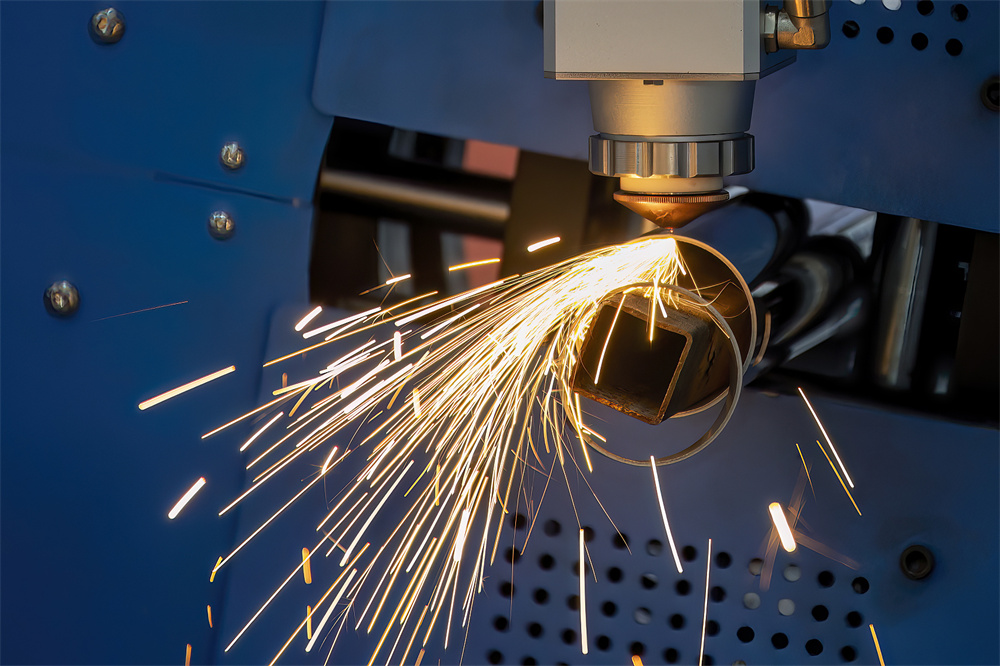
Next, the cutting nozzle must be inspected. A damaged or clogged nozzle will affect the gas flow dynamics, leading to dross formation and potential collisions with the workpiece. Operators should use a microscope or a magnifying glass to check for any deformities in the nozzle orifice. Simultaneously, the protective lens (cover glass) should be checked for any spots or burns. Even a tiny speck of dust on the lens can absorb laser energy, causing the lens to crack or the cutting head to overheat. Cleaning these optics with high-purity ethanol and lint-free swabs is a non-negotiable daily task.
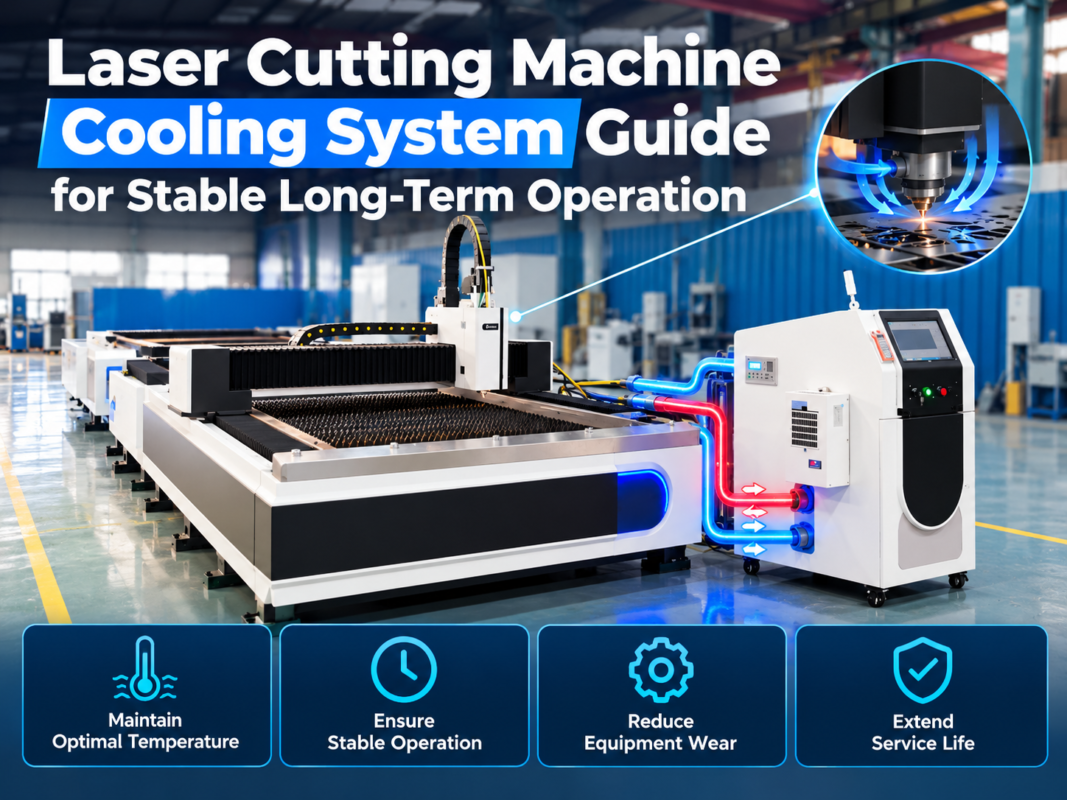
Finally, the water chiller’s status is paramount. The chiller regulates the temperature of both the laser source and the cutting head. Check the water level and ensure there are no alarms on the chiller display. The temperature should be set according to the manufacturer’s specifications, usually around 20-25 degrees Celsius. If the water is cloudy or has changed color, it indicates contamination or algae growth, which requires an immediate flush and refill with deionized water.
Hydraulic, Electrical, and Mechanical System Checks
Mechanical Integrity and Alignment
The mechanical system of a laser cutting machine consists of the gantry, guide rails, and rack-and-pinion or linear motor drives. To reduce breakdown risk laser cutting machine care involves ensuring that these components move without resistance. Over time, the vibrations from high-speed cutting can loosen bolts and fasteners. A weekly check of the gantry’s squareness and the tightness of the drive components is essential. If the gantry becomes misaligned, the machine will lose its accuracy, resulting in parts that do not meet dimensional tolerances.
Electrical Cabinet and Cooling Fans
The electrical system is the brain of the machine. Inside the electrical cabinet, numerous drivers, relays, and the CNC controller generate heat. Most cabinets are equipped with industrial air conditioners or heat exchangers. It is vital to check the filters on these cooling units weekly. If the filters are clogged, the internal temperature of the cabinet will rise, leading to the premature aging of electronic components or sudden thermal shutdowns. Additionally, check for any loose wiring connections, as the constant movement of the machine can sometimes cause cables in the drag chain to fray or disconnect.
Pneumatic and Hydraulic Systems
While fiber lasers are primarily electrical and mechanical, many utilize pneumatic systems for shutter control, gas switching, and pallet changing. Ensure that the air compressor and dryer are functioning correctly. Moisture in the pneumatic lines can lead to corrosion of the valves and actuators. If your machine features a hydraulic pallet changer, check the hydraulic fluid levels and inspect the hoses for any signs of leaks or wear. Leaking hydraulic fluid is not only a maintenance issue but also a significant fire hazard in a laser cutting environment.
Developing a Robust Lubrication Plan
Lubrication is the lifeblood of the mechanical motion system. Without proper lubrication, the friction between the guide rails and the slider blocks will cause rapid wear, leading to “play” in the machine’s movement. To reduce breakdown risk laser cutting machine care must include a scheduled lubrication plan. Most modern HARSLE machines are equipped with an automatic lubrication system. However, the operator must still ensure that the oil reservoir is filled with the correct grade of lubricant (typically ISO VG 32 or 68, depending on the environment).
For machines with manual lubrication points, a strict schedule must be followed. The X, Y, and Z axes should be greased every 50 to 100 hours of operation. It is important to clean the old grease and debris off the rails before applying new lubricant. Applying new grease over dirty rails creates an abrasive paste that accelerates wear. Furthermore, the gear racks should be inspected for any metal chips that might have bypassed the bellows. A clean, well-lubricated rack-and-pinion system ensures smooth acceleration and deceleration, which is critical for maintaining high-quality corner cuts.
Identifying Troubleshooting Signals
Even with the best care, components will eventually wear out. The key to reduce breakdown risk laser cutting machine care is recognizing the early warning signs of failure. One of the most common signals is a change in the sound of the machine. A high-pitched whine or a grinding noise during movement usually indicates a bearing failure or a lack of lubrication in the drive system. If the machine starts to vibrate excessively during high-speed cuts, it may indicate that the motor tuning is off or that there is a mechanical obstruction in the rails.
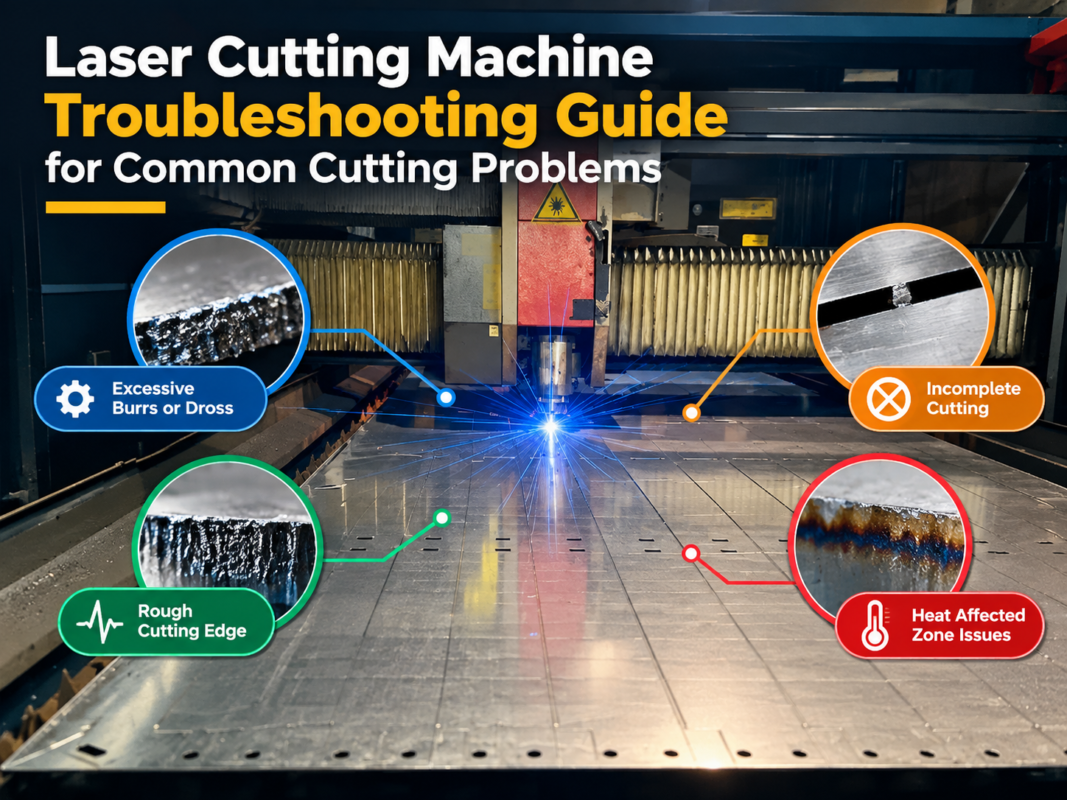
Another critical signal is a decrease in cut quality. If you notice increased dross, a wider kerf, or a change in the heat-affected zone (HAZ), the problem is likely optical. This could be a sign that the laser beam is out of alignment, the focus position has shifted, or the laser source itself is losing power. Monitoring the “pierce time” is also a good diagnostic tool; if the machine takes longer to pierce the same material than it did a month ago, the optics or the laser source need professional inspection. Lastly, never ignore CNC error codes. Even if the machine allows you to clear the code and continue, the underlying issue—such as an over-current alarm or a limit switch error—must be investigated to prevent a total breakdown.
Comprehensive Maintenance Schedule Table
To help your team stay organized, use the following table as a template for your maintenance department. Consistent documentation is key to reduce breakdown risk laser cutting machine care.
| Frequency | Component | Action Required |
|---|---|---|
| Daily | Cutting Nozzle | Inspect for damage, clean or replace if necessary. |
| Daily | Protective Lens | Check for dust/burns; clean with high-purity ethanol. |
| Daily | Water Chiller | Check water levels, temperature, and alarm status. |
| Daily | Gas Supply | Verify pressure and purity of O2, N2, or Air. |
| Weekly | Guide Rails & Racks | Clean debris and check lubrication status. |
| Weekly | Electrical Cabinet | Clean or replace air filters; check cooling fans. |
| Weekly | Exhaust System | Check dust collector bins and filter elements. |
| Monthly | X/Y/Z Axis Alignment | Perform a squareness test and check for mechanical play. |
| Monthly | External Optics | Inspect mirrors (if CO2) or fiber connectors (if Fiber). |
| Quarterly | Chiller Maintenance | Drain and replace deionized water; clean condenser coils. |
| Bi-Annually | Laser Source | Professional inspection of power stability and beam quality. |
| Annually | Full Calibration | Complete machine leveling and geometric accuracy check. |
Frequently Asked Questions (FAQ)
1. How often should I change the water in my laser chiller?
To reduce breakdown risk laser cutting machine care, you should replace the water in the chiller every 3 to 6 months. However, this depends on the environment. In dusty or hot workshops, the water may become contaminated faster. Always use deionized or distilled water to prevent mineral buildup in the laser source’s cooling channels. Adding a manufacturer-approved algaecide can also prevent biological growth that clogs the system.
2. Why is my laser cutting head overheating?
Overheating is usually caused by one of three things: a dirty protective lens, insufficient cooling water flow, or a misaligned laser beam hitting the internal walls of the head. Immediate action is required to reduce breakdown risk laser cutting machine care. Stop the machine, check the lens for contamination, and ensure the chiller is pumping water at the correct pressure and temperature. If the problem persists, the internal optics may be damaged.
3. Can I use regular grease for the guide rails?
No, you should only use the lubricant specified by the manufacturer (e.g., HARSLE). Regular grease may have a viscosity that is too high or too low, or it may contain additives that react with the seals of the slider blocks. Using the wrong lubricant can lead to increased friction and can void your machine’s warranty. Always check the technical manual for the specific ISO grade required for your model.
4. What are the signs that my laser source is failing?
Common signs include a noticeable drop in cutting speed for the same material thickness, inconsistent cutting results across the worktable, and increased pierce times. If you are using a fiber laser, these sources are very stable, but they can still suffer from “photo-darkening” or pump diode failure over many years. Regular power meter tests by a certified technician can help track the health of your laser source.
5. How does gas purity affect the machine?
Gas purity is vital for both cut quality and machine health. For example, using low-purity nitrogen can introduce moisture and hydrocarbons into the cutting head, which will contaminate the optics. To reduce breakdown risk laser cutting machine care, ensure your gas suppliers provide 99.99% purity or higher. Installing high-quality gas filters at the machine inlet is also a recommended safeguard.
6. Is it necessary to clean the slats on the cutting table?
Yes, regularly. Slag buildup on the slats can cause the workpiece to sit unevenly, leading to focus errors. Furthermore, excessive slag increases the risk of the laser beam reflecting back into the head when cutting near the slat edges. Cleaning or replacing slats every few weeks (depending on workload) ensures a stable cutting platform and better part accuracy.
Conclusion
Maintaining a laser cutting machine is an investment in the future of your business. By committing to a strategy to reduce breakdown risk laser cutting machine care, you are not only protecting a piece of expensive hardware but also ensuring the safety of your operators and the satisfaction of your clients. From the daily cleaning of optics to the annual professional calibration, every step in the maintenance process contributes to a more reliable, efficient, and profitable fabrication environment. HARSLE remains dedicated to providing the tools and knowledge necessary for your success, ensuring that every cut is as precise as the first.