What Is the Price of a Hydraulic Press? Buyer’s Guide for Metal Forming Applications


Introduction to Hydraulic Press Pricing in Metal Forming
In the world of metal fabrication, the hydraulic press remains a cornerstone of production. Whether you are involved in deep drawing, stamping, punching, or molding, understanding the financial commitment required for this machinery is essential for business planning. Many procurement managers and business owners often start their search with a simple question: Is Price Of A Hydraulic Press? Buyer’s Metal Forming Applications require a nuanced understanding of how technical specifications translate into dollar amounts. The price of a hydraulic press is not a static figure; it is a reflection of engineering precision, material quality, and technological integration.
Hydraulic presses utilize Pascal’s Principle to generate massive amounts of force through fluid pressure. This force is then used to shape metal into everything from automotive body panels to kitchen sinks. Because the applications are so diverse, the machines themselves vary wildly in size, complexity, and cost. A small workshop might require a 20-ton benchtop press, while an aerospace manufacturer might need a 5,000-ton custom-engineered behemoth. This guide aims to demystify the pricing structure of these machines, helping you make an informed decision that balances upfront costs with long-term productivity.
Price Range Overview: Categorizing by Tonnage and Type
The most significant factor in determining the price of a hydraulic press is its tonnage—the maximum force it can exert. Generally, the market can be divided into three broad categories based on capacity and frame design. Understanding where your application fits within these categories is the first step in budgeting.
Small-Scale and Benchtop Presses (10 to 50 Tons)
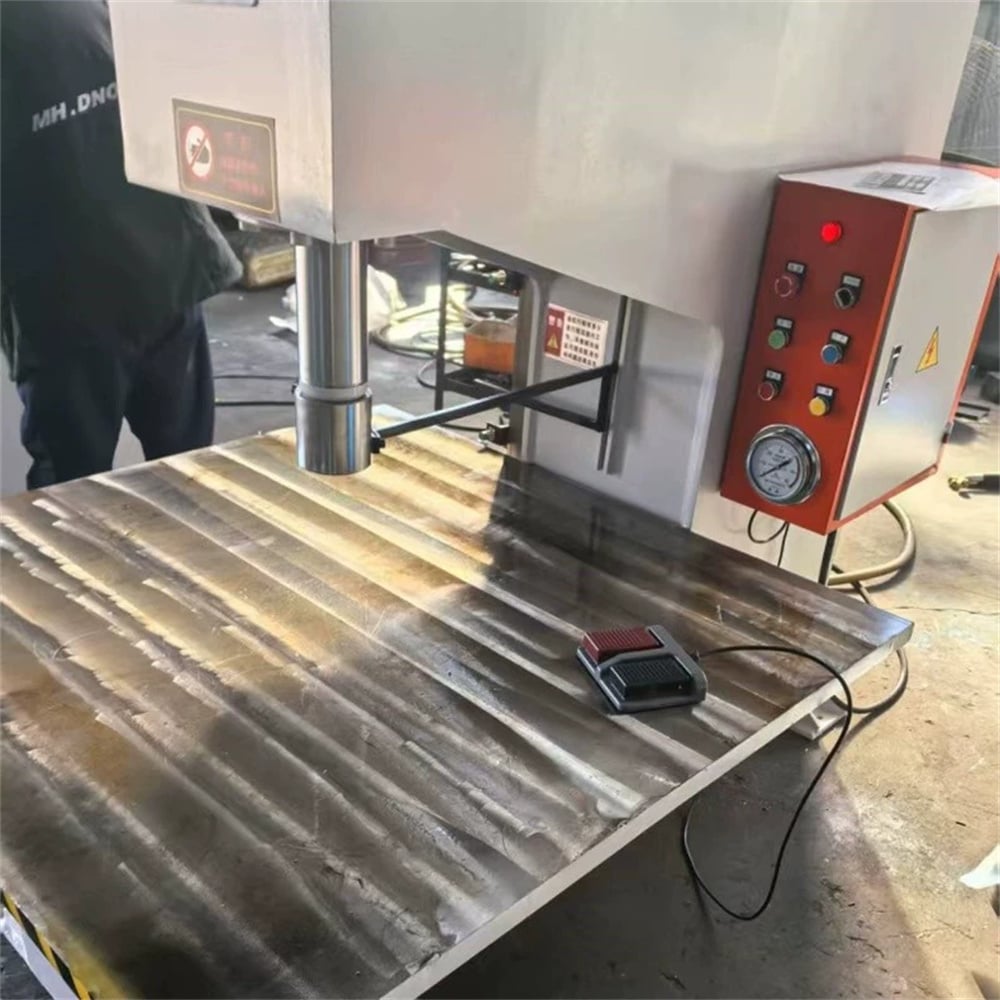
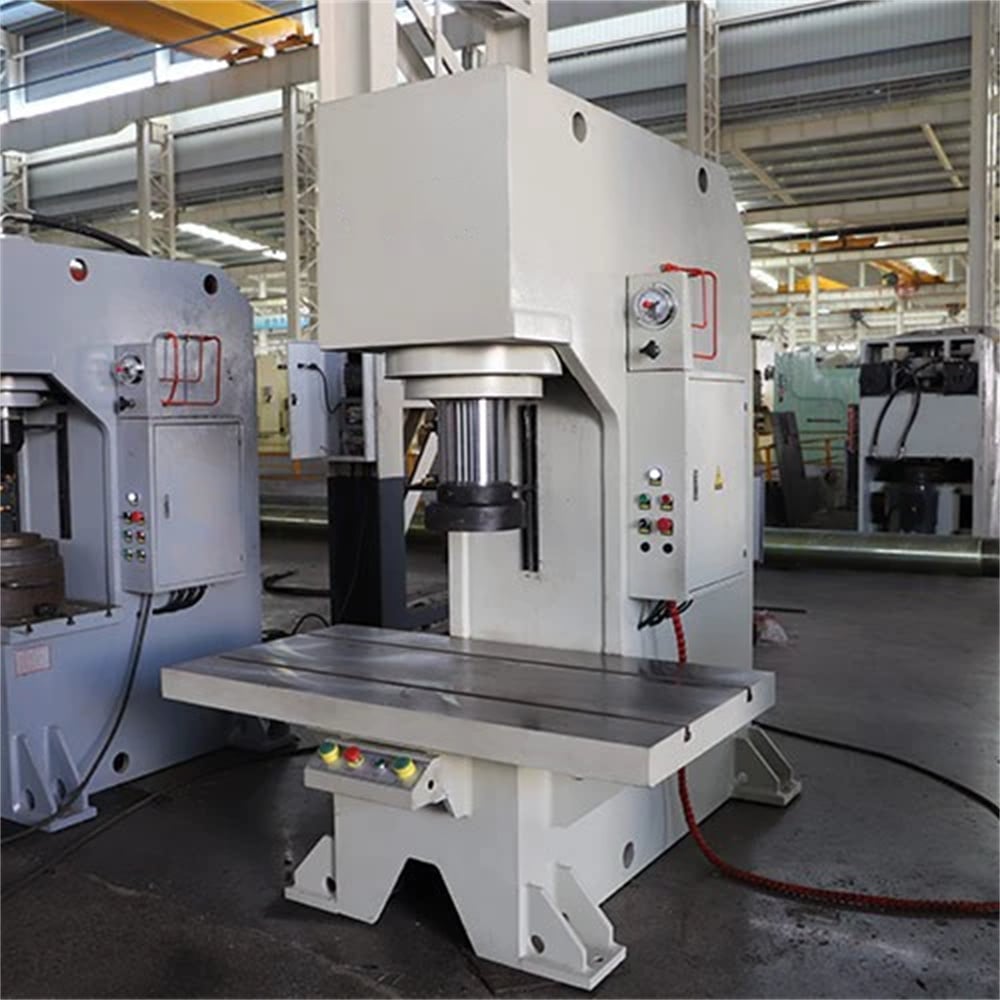
For light-duty applications such as jewelry making, small electronics assembly, or laboratory testing, a small-scale press is usually sufficient. These machines typically range from $2,000 to $15,000. At the lower end of this range, you will find manual or air-over-hydraulic systems. As you move toward the $15,000 mark, you begin to see motorized hydraulic units with basic safety features and more rigid frames. These are often C-frame (gap frame) designs, which offer easy access to the work area from three sides.
Medium-Duty Industrial Presses (100 to 500 Tons)
This is the most common category for general metal fabrication, including automotive parts manufacturing and appliance production. Prices for these machines typically fall between $25,000 and $120,000. The wide price gap is due to the difference between a standard “off-the-shelf” model and a customized unit. A 200-ton H-frame press with standard controls might cost $40,000, whereas a 200-ton four-column press equipped with CNC controls, high-speed hydraulics, and a die cushion for deep drawing could easily exceed $100,000.
Heavy-Duty and Custom Engineered Presses (1000+ Tons)
When dealing with heavy plate forming, large-scale stamping, or specialized aerospace components, high-tonnage presses are required. These machines are almost always custom-built to the buyer’s specifications. Prices start at $150,000 and can reach several million dollars. These units often feature massive bolsters, advanced servo-hydraulic systems for energy efficiency, and integrated material handling robotics. The engineering hours required to design these machines contribute significantly to their high price point.
Main Cost Drivers: What Are You Actually Paying For?
When evaluating the question, “Is Price Of A Hydraulic Press? Buyer’s Metal Forming Applications,” it is vital to look at the components that drive the cost. It isn’t just about the steel frame; it’s about the technology that controls the force.
1. Tonnage and Frame Rigidity
The amount of steel used in the frame is a direct cost driver. A press must be rigid enough to withstand its own maximum force without significant deflection. If a frame flexes during operation, it leads to premature tool wear and inaccurate parts. H-frame and four-column designs are inherently more rigid than C-frames and thus carry a higher price tag for the same tonnage. The thickness of the bolster plates and the quality of the welding or casting also play a role.
2. Hydraulic System Quality
The “heart” of the machine is the hydraulic circuit. High-end manufacturers like HARSLE often use premium components from brands like Bosch Rexroth, Siemens, or Schneider. A system utilizing high-pressure piston pumps and proportional valves will be significantly more expensive than one using basic gear pumps and manual valves. However, the premium system offers better pressure control, smoother movement, and a much longer service life.
3. Stroke Length and Daylight
Daylight is the vertical distance between the bed and the ram in its fully retracted position. Stroke is the distance the ram travels. Increasing these dimensions requires longer hydraulic cylinders and taller frames, which increases material and shipping costs. Customizing these dimensions to fit specific large molds is a common reason for price increases in the metal forming industry.
4. Speed and Cycle Times
In a production environment, time is money. Standard hydraulic presses move relatively slowly. If your application requires high-speed approach, pressing, and return speeds, the machine will need larger pumps, more powerful motors, and advanced cooling systems to handle the heat generated by rapid fluid movement. These “high-speed” packages can add 20% to 40% to the base price of the machine.
Configuration Impact: Features That Add Value
Modern hydraulic presses are far more than just “dumb” rams. The configuration you choose will dictate the machine’s versatility and its price. When considering the Is Price Of A Hydraulic Press? Buyer’s Metal Forming Applications, consider these optional but often necessary features:
- CNC and PLC Controls: Modern touch-screen interfaces allow operators to program stroke depth, pressure dwell time, and speed profiles. This reduces setup time and ensures repeatability. A sophisticated CNC system can add $5,000 to $20,000 to the cost.
- Servo-Hydraulic Systems: By using a servo motor to drive the hydraulic pump, the machine only consumes energy when it is actually moving. This can reduce electricity costs by up to 70%. While the upfront cost is higher, the long-term savings are substantial.
- Safety Systems: Safety is paramount in metal forming. Light curtains, interlocking guards, and dual-hand control stations are standard on high-quality machines but may be priced as add-ons on budget models. High-end safety integration ensures compliance with OSHA or CE standards.
- Die Cushions: Essential for deep drawing applications, a die cushion provides controlled resistance from below the workpiece. This is a complex mechanical and hydraulic addition that can significantly increase the price of a four-column press.
Hidden Costs: Beyond the Sticker Price
The purchase price of the machine is only the beginning. To accurately budget for a hydraulic press in metal forming applications, you must account for several “hidden” costs that often surprise first-time buyers.
Shipping and Logistics
Hydraulic presses are heavy, oversized loads. Shipping a 200-ton press across the country or importing it from overseas involves specialized flatbed trailers, ocean freight, and customs duties. Depending on the distance and the weight, shipping can cost anywhere from $2,000 to over $20,000. Additionally, you will likely need a heavy-duty crane service to offload the machine and move it into your facility.
Foundation and Installation
A large hydraulic press cannot simply be placed on a standard factory floor. The concentrated weight and the vibration generated during operation require a reinforced concrete foundation. In some cases, this involves digging a pit and pouring a specialized pad. Furthermore, professional installation and leveling are required to ensure the machine operates within its specified tolerances. Budgeting for electrical hookups and hydraulic oil (which is often not included in the purchase price) is also necessary.
Tooling and Maintenance
A press is useless without dies. Custom tooling for stamping or drawing can sometimes cost as much as the press itself. Furthermore, you must consider the cost of ongoing maintenance. This includes regular oil changes, filter replacements, and seal inspections. A well-maintained HARSLE press can last decades, but neglecting these small costs can lead to expensive downtime.
ROI Calculation: Justifying the Investment
When analyzing the Is Price Of A Hydraulic Press? Buyer’s Metal Forming Applications, the focus should eventually shift from “cost” to “return on investment” (ROI). A more expensive, high-precision press often pays for itself faster than a cheap, unreliable one.
To calculate ROI, consider the following factors:
- Cycle Time Reduction: If a $100,000 press can produce 20% more parts per hour than a $70,000 press, how much additional revenue does that generate over a year?
- Scrap Rate: Precision CNC controls and rigid frames reduce the number of rejected parts. In industries using expensive materials like stainless steel or aluminum, a 2% reduction in scrap can save thousands of dollars monthly.
- Labor Costs: Automated features and easy-to-use interfaces allow less-skilled operators to run the machine effectively, or allow one operator to manage multiple machines.
- Energy Savings: As mentioned, servo-driven systems can drastically lower utility bills, especially in high-volume production environments.
Typically, a high-quality hydraulic press in a busy shop should see a full ROI within 18 to 36 months. Beyond that point, the machine becomes a significant profit center for the business.
Buying Advice: How to Choose the Right Press
Choosing the right hydraulic press requires a balance between your current needs and your future growth. Here is a checklist to guide your purchasing process:
- Define Your Maximum Requirements: Don’t buy a press that just barely meets your current needs. If your heaviest job requires 180 tons, buy a 200-ton or 250-ton press. Running a machine at its absolute limit 100% of the time will shorten its lifespan.
- Verify the Manufacturer’s Reputation: Companies like HARSLE have built a reputation for providing industrial-grade machinery with excellent support. Research reviews, ask for customer references, and check the availability of spare parts.
- Consider the “Total Cost of Ownership”: Look past the initial price. Evaluate the energy efficiency, maintenance requirements, and the projected resale value of the machine.
- Inspect the Safety Features: Never compromise on safety to save a few thousand dollars. Ensure the machine meets all local safety regulations and includes modern protection systems.
- Request a Test Run: If possible, have the manufacturer run a sample of your material using your tooling. This confirms the machine can handle your specific metal forming application before you commit to the purchase.
Frequently Asked Questions (FAQ)
What is the average lifespan of a hydraulic press?
With proper maintenance, an industrial hydraulic press can last 20 to 30 years. Many machines built in the mid-20th century are still in operation today, though they often require retrofitting with modern electronics and safety systems. The longevity is primarily due to the simplicity of the hydraulic design compared to mechanical presses.
Can I use a hydraulic press for both stamping and deep drawing?
Yes, but the configuration matters. For deep drawing, you typically need a press with a die cushion and a longer stroke. If you plan to do both, it is best to invest in a versatile four-column press with programmable logic that can handle the different pressure profiles required for each process.
Is it better to buy a new or used hydraulic press?
New presses come with warranties, modern safety features, and the latest energy-efficient technology. Used presses are cheaper upfront but may have hidden wear in the cylinders or outdated hydraulic valves that are difficult to replace. For high-precision metal forming, a new machine is generally the safer investment.
How much does maintenance typically cost per year?
Annual maintenance usually costs between 1% and 3% of the machine’s purchase price. This covers hydraulic fluid, filters, seal kits, and professional inspections. Regular maintenance is the best way to avoid catastrophic failures that can cost tens of thousands of dollars in repairs and lost production.
Does HARSLE offer customization for specific applications?
Yes, HARSLE specializes in tailoring hydraulic presses to specific client needs, including custom table sizes, increased daylight, and specialized control systems. Customization ensures that the machine is perfectly suited for your specific metal forming applications, maximizing efficiency and part quality.
Conclusion
Determining the price of a hydraulic press is a complex task that involves weighing tonnage, technology, and long-term operational costs. While the initial investment can be significant, the right machine is a powerful asset that enhances production capabilities and ensures high-quality output. By focusing on the total cost of ownership and the specific requirements of your metal forming applications, you can select a press that provides the best value for your business. Whether you are looking for a standard H-frame or a custom four-column solution, understanding these price drivers will empower you to negotiate effectively and invest wisely.