Shearing Machine Purchase Guide: Price, Specs, and Buying Tips for HARSLE Customers


Introduction to Shearing Machine Procurement
In the competitive landscape of metal fabrication, selecting the right equipment is not merely a purchase; it is a strategic investment in your production capacity. For HARSLE customers, understanding the nuances of a Shearing Machine Purchase : Price, Specs, Buying Tips Harsle Customers is essential for optimizing workflow and ensuring long-term profitability. Whether you are a small workshop or a large-scale industrial plant, the shearing machine serves as the foundational tool for preparing sheet metal for subsequent processes like bending, welding, and assembly.
HARSLE has established itself as a leader in providing high-quality hydraulic shearing machines that balance performance with cost-effectiveness. However, the market is flooded with various models, ranging from simple manual shears to advanced CNC-controlled guillotine systems. This guide aims to demystify the purchasing process, providing a detailed breakdown of what influences price, which specifications matter most, and how to navigate the buying journey to ensure you receive a machine that meets your specific technical requirements.
Price Range Overview: What to Expect
The price of a shearing machine varies significantly based on its technology, capacity, and brand reputation. For HARSLE customers, the price range typically starts from $5,000 for entry-level hydraulic swing beam shears and can exceed $50,000 for high-precision, large-format CNC guillotine shears. Understanding these tiers helps in budgeting and setting realistic expectations for machine performance.
Entry-Level Hydraulic Shears
Entry-level machines, often represented by the QC12Y Swing Beam series, are designed for standard metal shops. These machines usually handle thicknesses from 4mm to 8mm and lengths up to 3200mm. They are equipped with basic NC controllers like the Estun E21S, which manages the backgauge position. These are ideal for businesses that require reliable cutting without the need for extreme precision or high-speed automation.
Mid-Range Industrial Shears
Mid-range machines offer a step up in both capacity and control. These often include the QC11K Guillotine series with variable rake angles. Prices in this category reflect the inclusion of better hydraulic components, more robust frames, and advanced NC or basic CNC systems. These machines are capable of handling thicker materials (up to 16mm or 20mm) and provide better edge quality due to the vertical cutting action of the guillotine design.
High-End CNC Shearing Systems
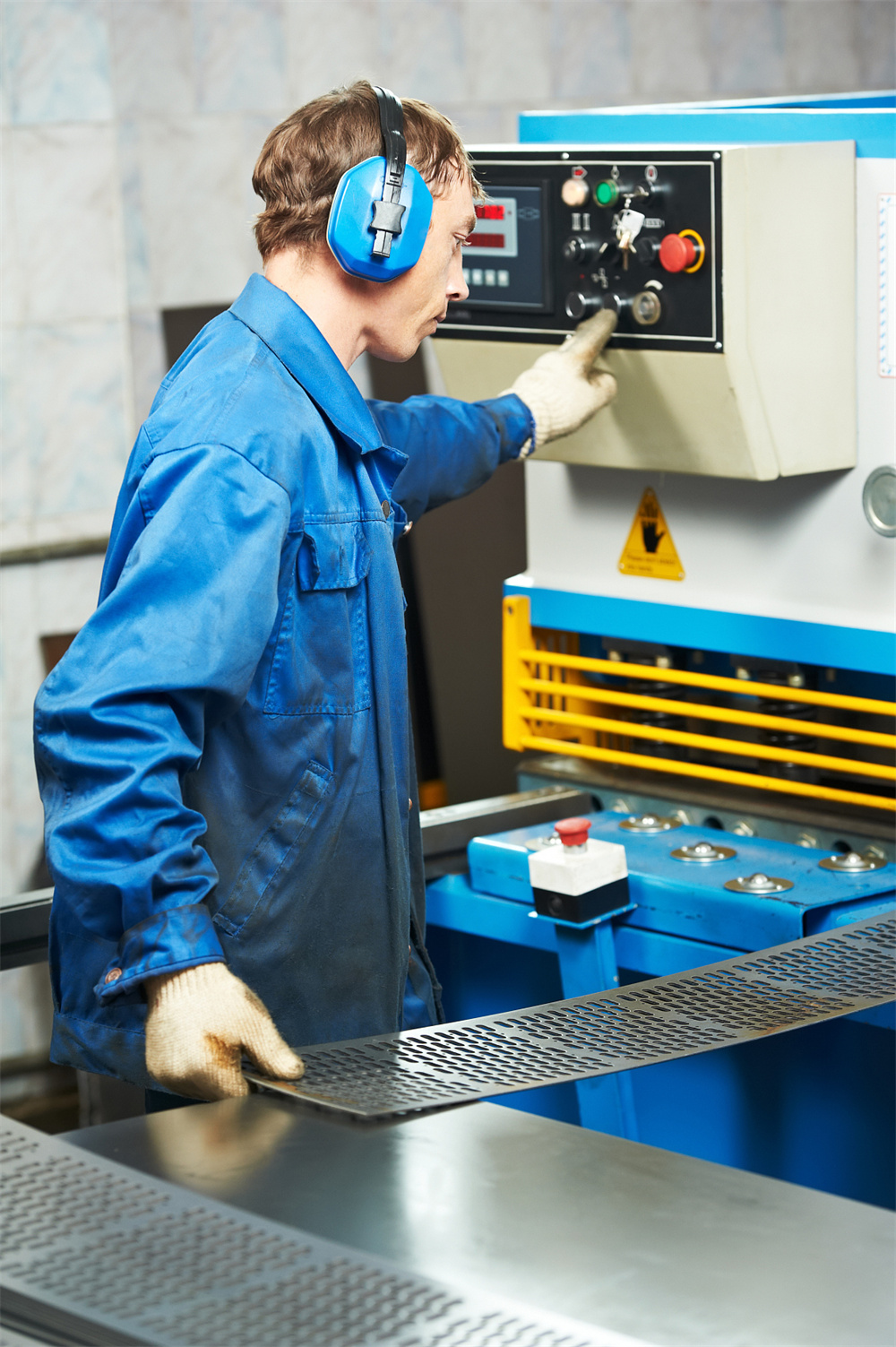
At the top of the spectrum are fully automated CNC shearing centers. These machines feature automatic blade gap adjustment, automatic rake angle adjustment, and sophisticated CNC controllers like the Delem DAC-360T. These systems are designed for high-volume production environments where precision and setup speed are paramount. The investment here is higher, but the reduction in manual labor and material waste often justifies the cost for large-scale manufacturers.
Main Cost Drivers in Shearing Machine Purchase
When evaluating a quote for a shearing machine, several key factors drive the final price. Understanding these drivers allows HARSLE customers to prioritize features that offer the most value for their specific applications.
Cutting Capacity: Thickness and Length
The primary cost driver is the physical capacity of the machine. A machine designed to cut 12mm carbon steel requires a much heavier frame, larger hydraulic cylinders, and a more powerful motor than a machine designed for 6mm steel. Similarly, the cutting length (e.g., 2500mm vs. 6000mm) significantly impacts the amount of steel used in the machine’s construction and the complexity of the hydraulic synchronization.
Blade Material and Quality
The blades are the heart of the shearing machine. High-quality blades made from materials like 6CrW2Si or Cr12MoV are more expensive but offer significantly longer life and better cutting performance on tough materials like stainless steel. HARSLE ensures that blade quality matches the machine’s intended use, but upgrading to premium blade sets for specialized materials will increase the initial purchase price.
Hydraulic and Electrical Components
The reliability of a shearing machine depends heavily on its internal components. Machines equipped with world-class brands such as Bosch-Rexroth valves, Sunny pumps, and Schneider electrics command a higher price than those using generic components. These brand-name parts ensure better longevity, easier sourcing of replacements, and more stable performance under heavy workloads.
Configuration Impact: Swing Beam vs. Guillotine
One of the most critical decisions in a Shearing Machine Purchase : Price, Specs, Buying Tips Harsle Customers is choosing between a swing beam shear and a guillotine shear. This choice affects both the price and the technical capabilities of the machine.
Hydraulic Swing Beam Shears (QC12Y Series)
The swing beam shear uses a circular arc movement for the upper blade. It is generally simpler in construction, making it more affordable and easier to maintain. However, because the blade moves in an arc, the rake angle is fixed. This can lead to slight distortion (twisting) in narrow strips of cut material. For many general fabrication tasks, this is acceptable, making the QC12Y a popular choice for cost-conscious buyers.
Hydraulic Guillotine Shears (QC11K Series)
Guillotine shears move the upper blade in a strictly vertical path. This design allows for an adjustable rake angle. By reducing the rake angle for thinner materials, the operator can significantly reduce distortion and bowing. Guillotine shears are more complex and expensive but are necessary for high-precision work and for shops that handle a wide variety of material thicknesses. The ability to adjust the blade gap and rake angle automatically via CNC is a major advantage of this configuration.
Controller Options
The level of automation is another configuration choice. A basic E21S controller provides digital display and backgauge control. Moving up to a DAC-310 or DAC-360 allows for multi-step programming, automatic calculation of blade gap based on material type, and stroke length control. Each step up in controller sophistication adds to the machine’s price but enhances productivity.
Hidden Costs to Consider
The sticker price of the machine is only part of the total investment. HARSLE customers should account for several “hidden” costs to avoid budget overruns during the installation and commissioning phase.
- Shipping and Logistics: Shearing machines are heavy and bulky. International shipping, port fees, and inland transportation to your facility can add thousands of dollars to the total cost.
- Foundation and Installation: Large shearing machines require a reinforced concrete foundation to ensure stability and accuracy. You must also account for the cost of rigging services to move the machine into place.
- Electrical Upgrades: Ensure your facility has the necessary power capacity (voltage and amperage) to run the machine’s motor. Some industrial shears require significant power draws during the cutting stroke.
- Consumables and Maintenance: While not an immediate cost, budgeting for hydraulic oil, blade sharpening, and routine filter changes is essential for calculating the total cost of ownership.
- Training: While HARSLE machines are user-friendly, professional training for your operators can prevent costly mistakes and accidents, ensuring the machine is used to its full potential from day one.
ROI Calculation: Justifying the Investment
To determine if a specific shearing machine is a good investment, customers should perform a Return on Investment (ROI) calculation. This involves comparing the costs of the new machine against the expected gains in efficiency and savings.
Consider the following factors in your ROI analysis:
- Labor Savings: A CNC-controlled shear can reduce setup time by 50-70% compared to manual adjustments. Calculate the hourly rate of your operators and the time saved per shift.
- Material Utilization: Precision cutting reduces scrap. If a more accurate machine saves just 2% of your annual material spend, the savings can be substantial over five years.
- Secondary Process Reduction: High-quality cuts from a guillotine shear may eliminate the need for edge grinding or straightening before welding, further reducing labor costs.
- Increased Throughput: Faster cycle times mean you can take on more orders or complete existing contracts ahead of schedule, improving cash flow.
Buying Advice for HARSLE Customers
When you are ready to proceed with a Shearing Machine Purchase : Price, Specs, Buying Tips Harsle Customers, follow this checklist to ensure a successful acquisition:
Define Your Material Profile
Don’t just buy for what you cut today; buy for what you might cut tomorrow. If you primarily cut 6mm mild steel but occasionally handle 4mm stainless steel, remember that stainless steel requires significantly more force. A machine rated for 6mm mild steel might only handle 3mm or 4mm stainless. Always check the capacity charts provided by HARSLE.
Verify the Backgauge Range
The backgauge determines the maximum width of the piece you can cut using the gauge. Ensure the backgauge range (typically 600mm to 1000mm) is sufficient for your most common parts. For very long pieces, consider a machine with a “swing-up” backgauge feature that allows the sheet to pass through.
Check Safety Compliance
Safety is paramount in metal fabrication. Ensure the machine is equipped with front finger guards, rear light curtains, and emergency stop buttons. HARSLE machines are built to international safety standards, but specific regional requirements (like CE or OSHA) should be confirmed during the quote process.
Request a Cutting Sample
If you have a specific or difficult material, ask for a cutting sample or a video of the machine processing a similar material. This provides peace of mind regarding the edge quality and the machine’s ability to handle your specific requirements.
Frequently Asked Questions (FAQ)
What is the difference between a QC12Y and a QC11K?
The QC12Y is a hydraulic swing beam shear, which is more economical and suitable for general-purpose cutting. The QC11K is a hydraulic guillotine shear, offering higher precision, adjustable rake angles, and better performance on a wider range of thicknesses with less distortion.
How often do the blades need to be sharpened?
Blade life depends on the material being cut. For mild steel, blades can often last 1-2 years before needing a flip (most blades have 2 or 4 cutting edges) or sharpening. Cutting stainless steel will dull blades much faster. Regular inspection of the cut edge quality will indicate when sharpening is necessary.
Can I cut stainless steel on a standard shearing machine?
Yes, but you must account for the increased hardness. Generally, a machine’s capacity for stainless steel is about 50-60% of its capacity for mild steel. For example, a 10mm mild steel shear is typically rated for 5-6mm stainless steel.
What kind of hydraulic oil should I use?
HARSLE typically recommends high-quality anti-wear hydraulic oil (such as ISO VG 46). Using the correct oil is vital for the longevity of the pump and valves. Always refer to the specific manual provided with your machine.
Is CNC control worth the extra cost?
If you perform many different types of cuts throughout the day or require high precision, CNC is definitely worth it. The automatic adjustment of the blade gap and rake angle saves significant time and prevents operator error, which can damage the blades.
Conclusion
Purchasing a shearing machine is a significant milestone for any fabrication business. By focusing on the right specifications—such as cutting capacity, machine type, and component quality—and understanding the total cost of ownership, HARSLE customers can make an informed decision that drives productivity. Remember that the cheapest machine is rarely the most cost-effective in the long run. Investing in quality engineering and the right configuration will ensure your shearing operations remain a sharp edge in your competitive arsenal.