Entry-Level Shearing Machine Prices for Small Metalworking Businesses: A Comprehensive Guide


Introduction to Shearing Solutions for Small Enterprises
For small metalworking businesses, the transition from manual cutting methods to automated or semi-automated shearing is a pivotal moment in their growth trajectory. Investing in a shearing machine is not merely about purchasing a piece of hardware; it is about enhancing precision, increasing throughput, and reducing labor costs. However, the primary hurdle for most startups and small workshops is understanding the Entry-Level Shearing Machine Prices Small Metalworking Businesses can expect in today’s market. Navigating the vast array of options—from manual foot shears to sophisticated hydraulic swing beam machines—requires a deep dive into technical specifications and market trends.
At HARSLE, we recognize that small businesses operate on tight margins and require equipment that offers the best balance between initial capital expenditure and long-term reliability. A shearing machine is the backbone of any fabrication shop, responsible for the primary task of sizing sheet metal before it undergoes bending, welding, or finishing. If the initial cut is inaccurate, every subsequent step in the manufacturing process will suffer. Therefore, understanding the pricing landscape is essential for making an informed investment that secures the future of your workshop.
This guide aims to demystify the costs associated with entry-level shearing machines. We will explore the various price brackets, the technical factors that drive those costs, and the hidden expenses that many first-time buyers overlook. By the end of this article, you will have a clear roadmap for selecting a machine that fits your budget while meeting your production requirements.
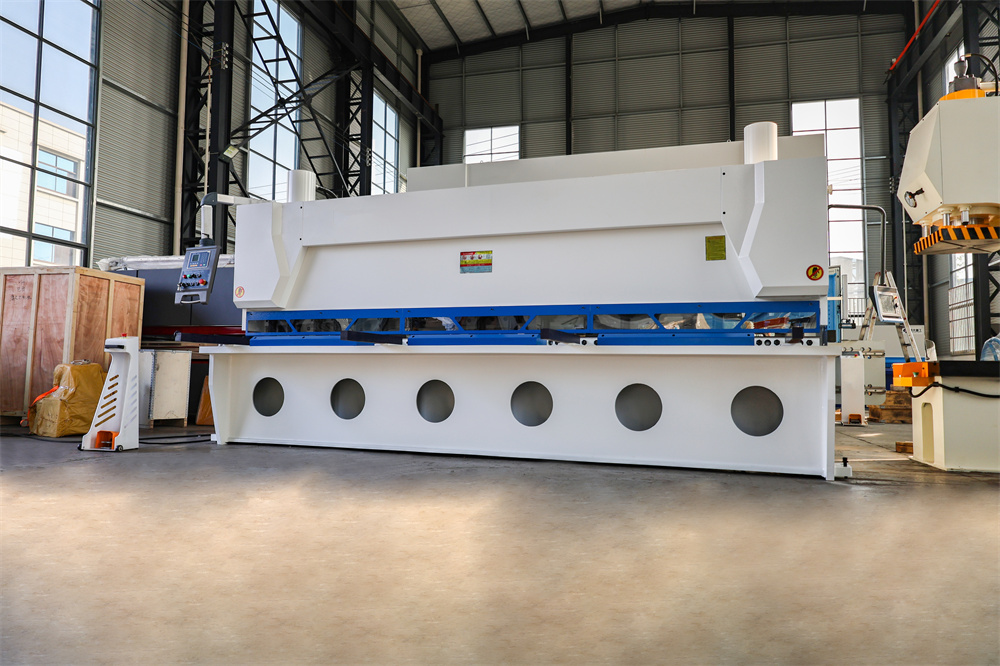
Price Range Overview: What to Expect
When discussing Entry-Level Shearing Machine Prices Small Metalworking Businesses, it is important to categorize machines based on their power source and capacity. The price range can vary significantly, starting from as low as $1,500 for basic manual equipment to over $25,000 for high-end entry-level hydraulic systems.
Manual and Foot-Operated Shears ($1,500 – $5,000)
For the smallest hobbyist shops or businesses working exclusively with thin-gauge materials (usually under 1.5mm), manual or foot-operated shears are the most affordable entry point. These machines rely on physical leverage and are limited in terms of the length and thickness they can handle. While the initial cost is low, the labor intensity is high, making them unsuitable for high-volume production.
Basic Hydraulic Swing Beam Shears ($8,000 – $15,000)
This is the true “entry-level” category for professional small businesses. Machines like the HARSLE QC12Y series fall into this bracket. These machines typically handle thicknesses from 3mm to 6mm and lengths up to 2500mm or 3200mm. They utilize a hydraulic system to move the upper blade in an arc (swing beam) to perform the cut. These are robust, easy to maintain, and provide a significant leap in productivity over manual methods.
NC-Controlled Hydraulic Shears ($15,000 – $25,000)
As businesses look for more precision and repeatability, they move into the NC-controlled (Numerical Control) territory. These machines feature motorized backgauges and digital displays (such as the E21S controller). The added cost covers the electronics and the precision ball screws required for accurate positioning. For a small business focusing on custom parts or tight-tolerance work, this investment is often justified by the reduction in setup time and scrap material.
Main Cost Drivers in Shearing Machinery
Several technical factors influence the final price tag of a shearing machine. Understanding these drivers allows a business owner to decide where to invest and where to save.
- Cutting Capacity (Thickness and Length): The most significant cost driver is the maximum thickness of the material the machine can cut. A machine rated for 6mm carbon steel requires a much heavier frame, larger hydraulic cylinders, and a more powerful motor than one rated for 4mm. Similarly, a 4-meter cutting length requires more structural steel and larger blades than a 2.5-meter model.
- Blade Material and Quality: High-quality blades are essential for clean cuts and longevity. Entry-level machines might use standard 9CrSi steel, while more premium entry-level models use 6CrW2Si or Cr12MoV, which are more resistant to wear and heat. The cost of the blades themselves can vary by hundreds of dollars.
- Hydraulic and Electrical Components: The reliability of a machine often depends on its internal components. Machines equipped with world-class brands like Bosch-Rexroth hydraulics, Schneider electrics, and Siemens motors will command a higher price than those using generic domestic components. However, the reduced downtime and ease of finding replacement parts often make the higher price worth it.
- Frame Rigidity: A shearing machine must withstand immense pressure without flexing. The weight of the machine is a good indicator of its build quality. Heavier machines use thicker steel plates in their construction, which increases the manufacturing and shipping costs but ensures long-term accuracy.

Configuration Impact: Swing Beam vs. Guillotine
Small businesses often face the choice between a Swing Beam Shear (QC12Y) and a Hydraulic Guillotine Shear (QC11Y). This choice has a direct impact on the Entry-Level Shearing Machine Prices Small Metalworking Businesses will pay.
Swing Beam Shears: These are generally more affordable. The upper blade moves in a fixed arc. They are simpler in design, with fewer moving parts, making them easier to maintain for a small shop without a dedicated maintenance team. However, they have a fixed rake angle, which can lead to slight twisting in very narrow strips of cut metal.
Guillotine Shears: These machines move the blade vertically. They often feature an adjustable rake angle, which allows the operator to reduce the angle when cutting thinner materials, significantly reducing distortion. While more expensive (often 20-30% more than a comparable swing beam), the guillotine design is preferred for businesses that require the highest possible edge quality across a wide range of material thicknesses.
For most entry-level applications in small workshops, the swing beam shear offers the best ROI. It provides sufficient accuracy for 90% of common fabrication tasks at a much more accessible price point. HARSLE’s QC12Y series is specifically engineered to provide this balance of affordability and performance.
Hidden Costs of Purchasing a Shearing Machine
The sticker price of the machine is only one part of the total investment. Small business owners must account for several “hidden” costs to avoid budget overruns.
- Freight and Logistics: Shearing machines are heavy, often weighing between 3,000kg and 10,000kg. Shipping these from the manufacturer to your facility involves specialized logistics, including flatbed trucks and potentially ocean freight. Additionally, you will need a heavy-duty forklift or a crane to offload and position the machine in your shop.
- Installation and Commissioning: While many entry-level machines are “plug-and-play,” they still require leveling and hydraulic oil filling. If you require a technician to visit your site for setup and basic training, expect to pay for their travel and daily rate.
- Electrical Upgrades: Industrial shearing machines typically run on three-phase power. Many small workshops or residential-based businesses only have single-phase power. Upgrading your electrical panel or installing a phase converter can add thousands to your initial setup cost.
- Tooling and Maintenance: Blades eventually dull and need sharpening or replacement. You should also budget for regular hydraulic oil changes and filter replacements. Keeping a set of spare blades on hand is a wise but additional upfront expense.
ROI Calculation: Justifying the Investment
To determine if the Entry-Level Shearing Machine Prices Small Metalworking Businesses are paying are justified, one must look at the Return on Investment (ROI). Consider a scenario where a shop currently outsources its shearing or uses manual methods.
If outsourcing costs $500 per month in service fees and logistics, and manual cutting takes an employee 10 hours a week (costing roughly $1,000 a month in labor), the total monthly cost is $1,500. A $12,000 hydraulic shear, financed over three years, might cost $400 per month. Even with maintenance and power, the machine pays for itself almost immediately by reclaiming labor time and eliminating outsourcing fees. Furthermore, having the machine in-house allows for faster turnaround times, enabling the business to take on more jobs and increase revenue.
Buying Advice for Small Metalworking Businesses
When you are ready to purchase, follow these steps to ensure you get the best value:
- Define Your Maximums: Don’t buy a machine based on what you cut 90% of the time; buy it based on the thickest and longest material you expect to cut in the next three years. Upgrading a machine is much more expensive than buying slightly more capacity upfront.
- Check the Backgauge: For small businesses, a motorized backgauge with a digital readout is a must-have. It drastically reduces setup time compared to manual backgauges.
- Verify After-Sales Support: Ensure the manufacturer or distributor offers technical support and has parts available. HARSLE provides extensive documentation and remote support to ensure small businesses stay operational.
- Consider the Footprint: Measure your shop space carefully. Remember to leave room for material handling around the machine—you need space to feed the sheets in and space for the cut pieces to drop out the back.
Frequently Asked Questions (FAQ)
What is the most popular entry-level shearing machine for small shops?
The Hydraulic Swing Beam Shear (QC12Y series) is the most popular choice due to its durability, ease of use, and competitive pricing. It is ideal for general fabrication tasks involving mild steel and stainless steel.
Can an entry-level shear cut stainless steel?
Yes, but you must account for the material’s hardness. Generally, a machine’s capacity is rated for mild steel. For stainless steel, you usually need to reduce the rated capacity by about 50%. For example, a 6mm mild steel shear is typically rated for 3mm stainless steel.
How often do the blades need to be sharpened?
This depends on the material being cut and the volume of work. For a typical small shop, blades may last 1-2 years before needing a flip (most blades have 2 or 4 cutting edges) or sharpening. Cutting galvanized steel or aluminum will extend blade life, while stainless steel will shorten it.
Is CNC necessary for a small business?
Not necessarily. A simple NC controller like the E21S, which controls the backgauge position, is usually sufficient for most small businesses. Full CNC (which controls rake angle, blade gap, and stroke length automatically) is better suited for high-production environments with frequent material changes.
What safety features should I look for?
At a minimum, ensure the machine has a front finger guard, an emergency stop button on the pedestal and the machine body, and rear safety light curtains or fencing to prevent access to the backgauge area during operation.
Conclusion
Navigating Entry-Level Shearing Machine Prices Small Metalworking Businesses can be daunting, but by focusing on capacity, component quality, and long-term ROI, you can make a choice that empowers your business. HARSLE is committed to providing high-quality, affordable shearing solutions that help small workshops scale their operations and achieve professional results. Whether you are moving away from manual tools or upgrading an old mechanical shear, the right hydraulic machine is a cornerstone of modern metal fabrication.