Hydraulic Press Purchase Guide: Comparing Prices, Capacity, and Specifications


Introduction to Hydraulic Press Procurement
In the realm of modern metal fabrication, the hydraulic press remains a cornerstone of production efficiency. Whether you are involved in deep drawing, punching, molding, or assembly, selecting the right machine is a high-stakes decision that impacts your bottom line for decades. This Hydraulic Press Purchase : Comparing Prices, Capacity, Specifications guide is designed to navigate the complexities of the market, helping procurement managers and shop owners understand the nuances that separate a budget-friendly machine from a high-performance industrial workhorse.
The process of acquiring a hydraulic press involves more than just looking at a price tag. It requires a deep dive into the mechanical integrity, the sophistication of the hydraulic circuits, and the long-term scalability of the equipment. As global manufacturing trends shift toward automation and precision, the specifications of your press must align with both current needs and future growth. In this guide, we will break down the financial and technical barriers to help you make an informed investment.
Price Range Overview: What to Expect
The price of a hydraulic press varies significantly based on its tonnage, frame design, and level of automation. Generally, the market is divided into three primary tiers: entry-level workshop presses, mid-range industrial machines, and high-end custom-engineered systems. Understanding these brackets is the first step in budgeting for your Hydraulic Press Purchase : Comparing Prices, Capacity, Specifications.
Entry-Level and Workshop Presses ($2,000 – $15,000)
These machines typically range from 10 to 50 tons. They are often manually operated or feature basic electric-over-hydraulic systems. While suitable for small repair shops or light-duty assembly tasks, they lack the speed and precision required for high-volume manufacturing. Prices in this category are driven by basic material costs and simple hydraulic components.
Mid-Range Industrial Presses ($20,000 – $150,000)
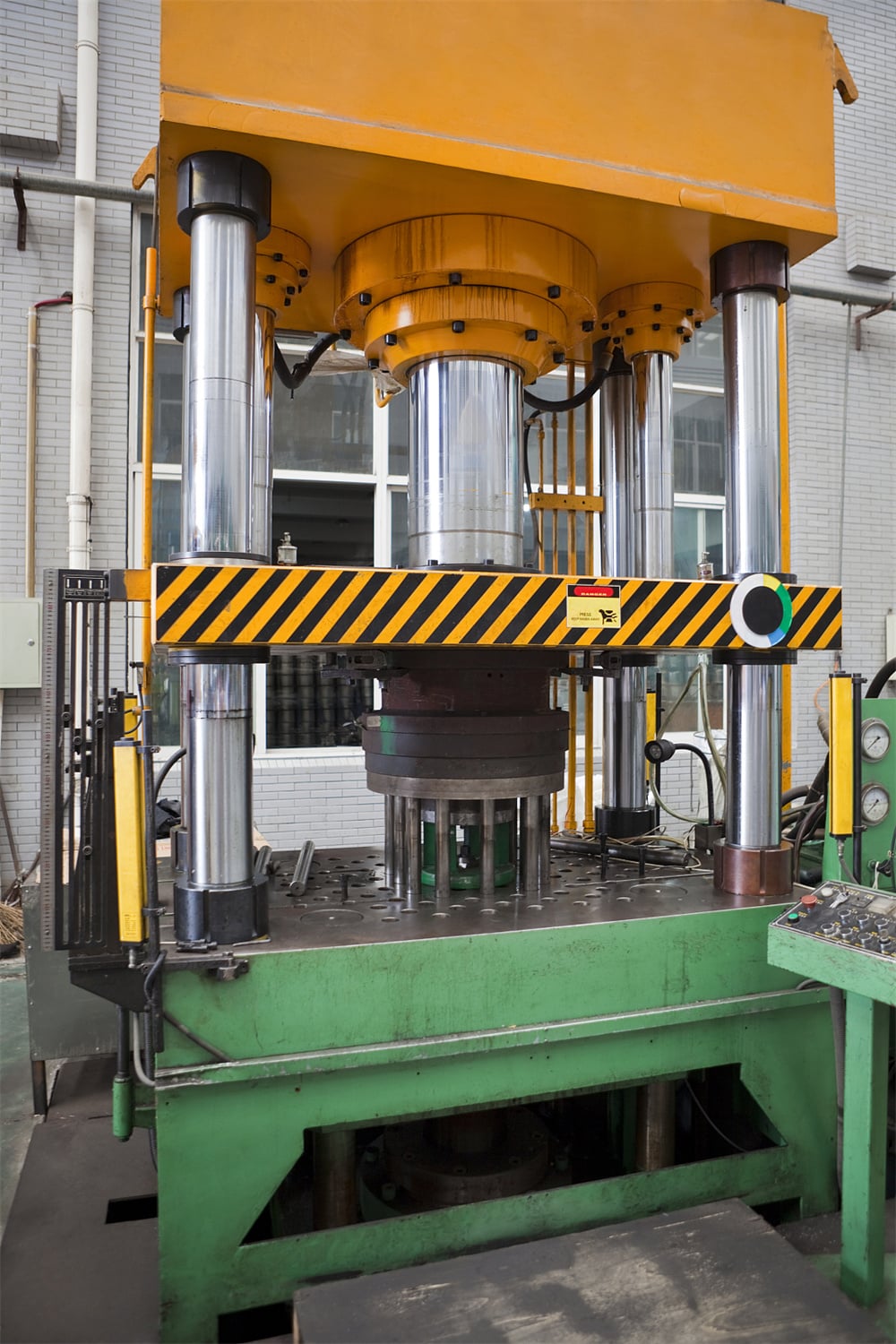
This is the most common category for professional metal fabrication. These presses range from 100 to 500 tons and feature robust H-frame or four-column designs. They often include PLC controls, basic safety light curtains, and adjustable stroke settings. The price variation here is largely due to the quality of the hydraulic valves (e.g., Rexroth or Vickers) and the complexity of the control system.
High-Capacity and Specialized Systems ($200,000 – $1,000,000+)
For heavy-duty applications like automotive body stamping or aerospace component forging, presses exceeding 1,000 tons are required. These machines are often custom-built with high-speed approach and return cycles, advanced CNC integration, and specialized bolsters. The price reflects the massive amount of high-grade steel used in the frame and the sophisticated engineering required to manage extreme pressures safely.
Main Cost Drivers in Hydraulic Press Manufacturing
When Comparing Prices, Capacity, Specifications, it is essential to understand what exactly you are paying for. Several key factors dictate the manufacturing cost and, consequently, the retail price of a hydraulic press.
- Frame Construction and Steel Quality: The rigidity of the frame is paramount. A press that flexes under load will produce inaccurate parts and wear out seals prematurely. High-tensile steel and precision welding or casting increase costs but ensure longevity.
- Hydraulic Componentry: The heart of the machine is its pump and valve system. Premium brands like Bosch Rexroth or Parker offer better reliability and smoother pressure transitions than generic alternatives.
- Control Systems: A simple manual lever is cheap, but a multi-axis CNC system with touchscreen interface and remote diagnostics adds significant value and cost.
- Safety Compliance: Meeting international safety standards (such as CE or OSHA) requires the integration of light curtains, dual-redundant safety valves, and emergency stop circuits, all of which contribute to the final price.
Furthermore, the complexity of the hydraulic circuit itself—such as the inclusion of proportional valves for precise speed and pressure control—can double the cost of the hydraulic manifold. Manufacturers who invest in high-end components provide a machine that is not only more expensive but also more efficient and easier to maintain over a 20-year lifespan.
Configuration Impact: Capacity and Specifications
The technical specifications of a hydraulic press are the primary indicators of its capability. When evaluating a Hydraulic Press Purchase : Comparing Prices, Capacity, Specifications, you must match these specs to your specific production requirements.
Tonnage (Pressing Force)
Tonnage is the maximum force the press can exert. It is calculated based on the material type, thickness, and the perimeter of the cut or the surface area of the draw. It is always advisable to purchase a press with 20-30% more capacity than your maximum requirement to avoid running the machine at its limit, which extends the life of the hydraulic seals and frame.
Stroke, Daylight, and Throat Depth
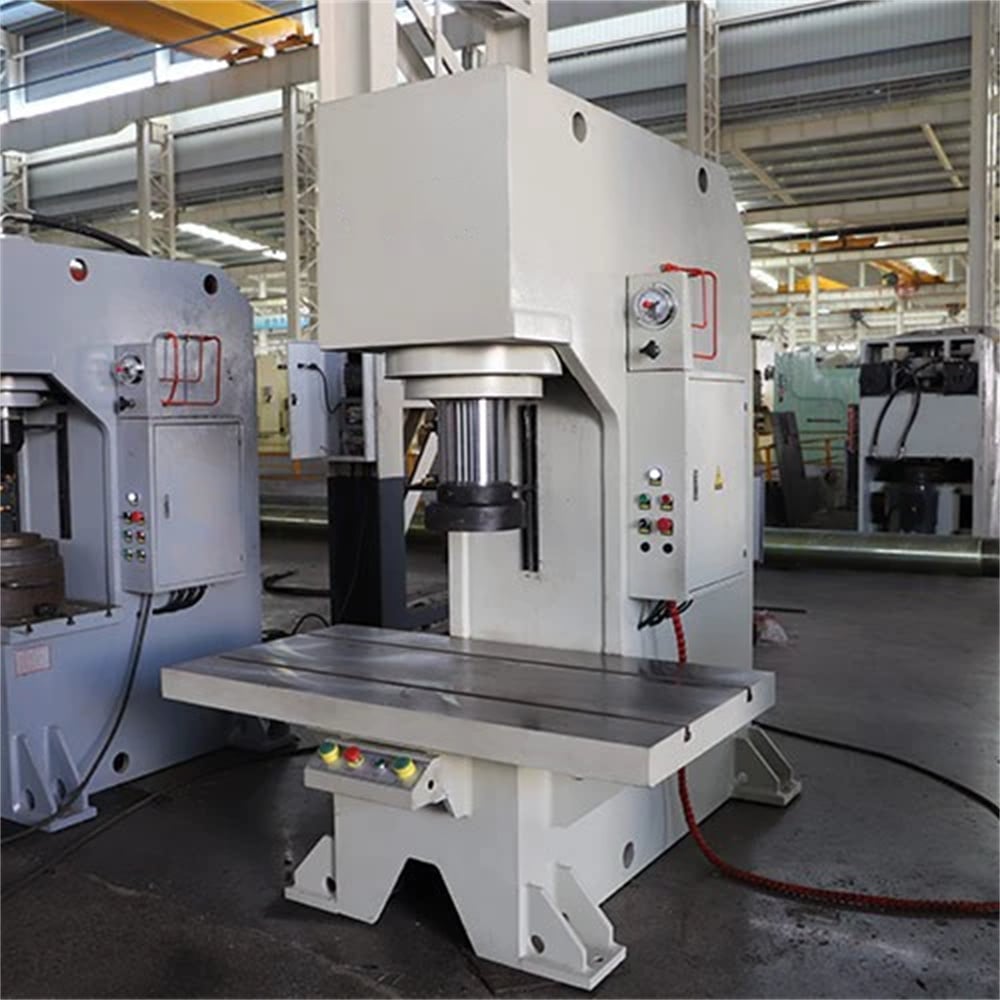
These dimensions define the physical workspace of the press. Stroke is the distance the ram travels. Daylight is the maximum distance between the bed and the ram in the up position. For C-frame presses, Throat Depth is the distance from the center of the ram to the back of the frame. Larger dimensions allow for bigger parts but require a larger, more expensive frame to maintain rigidity.
Speed Cycles
Industrial productivity depends on cycle times. High-performance presses feature three distinct speeds: Fast Approach (moving the ram quickly to the work), Pressing Speed (the actual work phase), and Return Speed. Machines equipped with servo-hydraulic systems can transition between these speeds more efficiently, reducing cycle times by up to 40% compared to traditional systems.
Hidden Costs of Hydraulic Press Ownership
The purchase price is only the beginning. To truly understand the Hydraulic Press Purchase : Comparing Prices, Capacity, Specifications, one must account for the total cost of ownership (TCO). These hidden expenses can often surprise first-time buyers.
Logistics and Installation
Hydraulic presses are heavy and often oversized. Shipping costs can range from a few hundred dollars for a small press to tens of thousands for a 500-ton machine requiring specialized heavy-haul trucking and rigging. Additionally, large presses may require a reinforced concrete foundation to handle the vibration and weight, which is a significant civil engineering expense.
Commissioning and Training
Modern CNC hydraulic presses require professional setup. This includes leveling the machine, filling the hydraulic reservoir (which can hold hundreds of gallons of expensive oil), and calibrating the sensors. Training your operators to use the control system safely and efficiently is also a critical, often paid, service provided by the manufacturer.
Tooling and Maintenance
A press is useless without dies. Custom tooling can sometimes cost as much as the press itself. Furthermore, a preventative maintenance schedule is essential. This includes regular oil filtration, seal replacements, and electrical inspections. Ignoring these leads to catastrophic failures that are far more expensive than routine upkeep.
ROI Calculation: Making the Business Case
Investing in a high-quality hydraulic press from a reputable manufacturer like HARSLE should be viewed through the lens of Return on Investment (ROI). A more expensive machine with better specifications often pays for itself faster than a cheap alternative.
To calculate ROI, consider the following factors:
- Increased Throughput: A faster cycle time means more parts per shift. If a $100,000 press produces 20% more parts than an $80,000 press, the extra $20,000 is recovered quickly through increased revenue.
- Reduced Scrap Rates: Precision controls and rigid frames ensure part consistency. Reducing scrap from 5% to 1% can save thousands of dollars in raw material costs annually.
- Energy Efficiency: Modern servo-driven hydraulic systems consume up to 50% less electricity than traditional fixed-displacement pump systems. In regions with high energy costs, this can result in significant monthly savings.
- Versatility: A press with a larger bolster and adjustable stroke can handle a wider variety of jobs, allowing your shop to bid on more diverse contracts.
By quantifying these factors, you can justify the purchase of a higher-specification machine that offers better long-term value, even if the initial price is higher.
Buying Advice: How to Choose the Right Supplier
When you are ready to move forward with a Hydraulic Press Purchase : Comparing Prices, Capacity, Specifications, the choice of supplier is just as important as the machine itself. Here is a checklist for vetting potential manufacturers:
- Technical Support: Does the supplier have a local service team or the ability to provide remote diagnostics? Downtime is the enemy of profit.
- Component Transparency: Ask for a detailed bill of materials. Ensure the pumps, valves, and electronics are from reputable global brands that offer spare parts in your region.
- Customization Capability: Avoid suppliers who only offer “off-the-shelf” models if your application is unique. A manufacturer like HARSLE can often modify stroke lengths or bolster sizes to fit your specific needs.
- Warranty and Documentation: Ensure the machine comes with a comprehensive warranty and, more importantly, detailed hydraulic and electrical schematics in your language.
- Reference Checks: Ask for references from customers in similar industries. A reliable manufacturer will be happy to showcase their successful installations.
Finally, always request a video of the machine under test or, if possible, visit the factory. Seeing the build quality firsthand—the neatness of the wiring, the quality of the welds, and the smoothness of the ram movement—will tell you more than any brochure ever could.
Frequently Asked Questions (FAQ)
What is the difference between an H-frame and a C-frame press?
An H-frame press has four columns or a solid rectangular frame, providing maximum rigidity and allowing for high-tonnage applications. A C-frame (or gap-frame) press is open on three sides, providing easier access for the operator and allowing for the processing of long or odd-shaped materials, though they are generally limited to lower tonnages due to potential frame deflection.
How often should hydraulic oil be changed?
In a typical industrial environment, hydraulic oil should be tested every 2,000 hours of operation and changed if it shows signs of oxidation or contamination. However, using high-quality filtration systems can extend the life of the oil significantly. Always follow the manufacturer’s specific guidelines for your machine.
Can I use a hydraulic press for both metal forming and plastic molding?
Yes, many hydraulic presses are versatile enough for both. However, plastic molding often requires heated platens and specific dwell-time controls that may not be standard on a basic metal-forming press. If you plan to do both, ensure the specifications include these features during the purchase phase.
Is a servo-hydraulic press worth the extra cost?
For high-volume production where energy costs and precision are concerns, yes. Servo-hydraulic presses offer better control over the pressing cycle, lower noise levels, and significantly reduced energy consumption. For occasional workshop use, a standard hydraulic system is usually more cost-effective.
What safety features are mandatory for a hydraulic press?
At a minimum, an industrial hydraulic press should have emergency stop buttons, two-hand start controls (to keep the operator’s hands away from the pinch point), and safety interlocks on any guards. Most modern standards also require light curtains or laser guards to instantly stop the ram if the safety zone is breached.
Conclusion
Navigating a Hydraulic Press Purchase : Comparing Prices, Capacity, Specifications requires a balance of technical knowledge and financial foresight. By focusing on the quality of construction, the precision of the hydraulic components, and the long-term ROI rather than just the initial sticker price, you can secure a machine that enhances your production capabilities for years to come. Whether you choose a standard model or a custom-engineered solution from HARSLE, ensure that every specification serves a purpose in your manufacturing process.