Daily, Weekly, and Monthly Punching Machine Maintenance Tasks Explained


The Critical Importance of Punching Machine Maintenance
In the high-stakes world of metal fabrication, the punching machine stands as a cornerstone of productivity. Whether you are operating a mechanical power press or a high-precision CNC hydraulic punching machine, the longevity and accuracy of your equipment depend entirely on a rigorous maintenance regimen. Understanding the Daily, Weekly, and Monthly Punching Machine Maintenance Tasks Explained in this guide is not just about keeping the machine running; it is about protecting your investment, ensuring operator safety, and maintaining the tight tolerances required for modern industrial components.
Neglecting maintenance leads to a cascade of failures. Small issues, such as a minor air leak or a slightly loose bolt, can escalate into catastrophic mechanical breakdowns that halt production for days or weeks. Furthermore, a poorly maintained machine consumes more energy, produces more scrap due to misalignment, and poses a significant safety risk to the workforce. By implementing a structured maintenance schedule, fabrication shops can achieve a higher Return on Investment (ROI) and ensure that their HARSLE machinery performs at peak efficiency for decades.
Maintenance is also a matter of quality control. In punching operations, the clearance between the punch and the die is measured in microns. Even the slightest thermal expansion or mechanical wear can lead to burrs, deformations, and rejected parts. A consistent maintenance routine ensures that the machine’s structural integrity remains intact, allowing for repeatable, high-quality output. This guide provides a comprehensive breakdown of the essential tasks required to keep your punching machine in top-tier condition.
Daily Inspection: The First Line of Defense
The daily inspection is perhaps the most vital part of any maintenance program. It is a proactive approach that allows operators to identify potential problems before they manifest as machine failures. Before the first stroke of the day, a thorough walk-around inspection should be conducted. This includes checking for any visible signs of oil leaks, loose components, or debris that may have accumulated in the working area. A clean machine is a safe machine, and removing metal shavings and dust prevents them from entering sensitive mechanical parts.
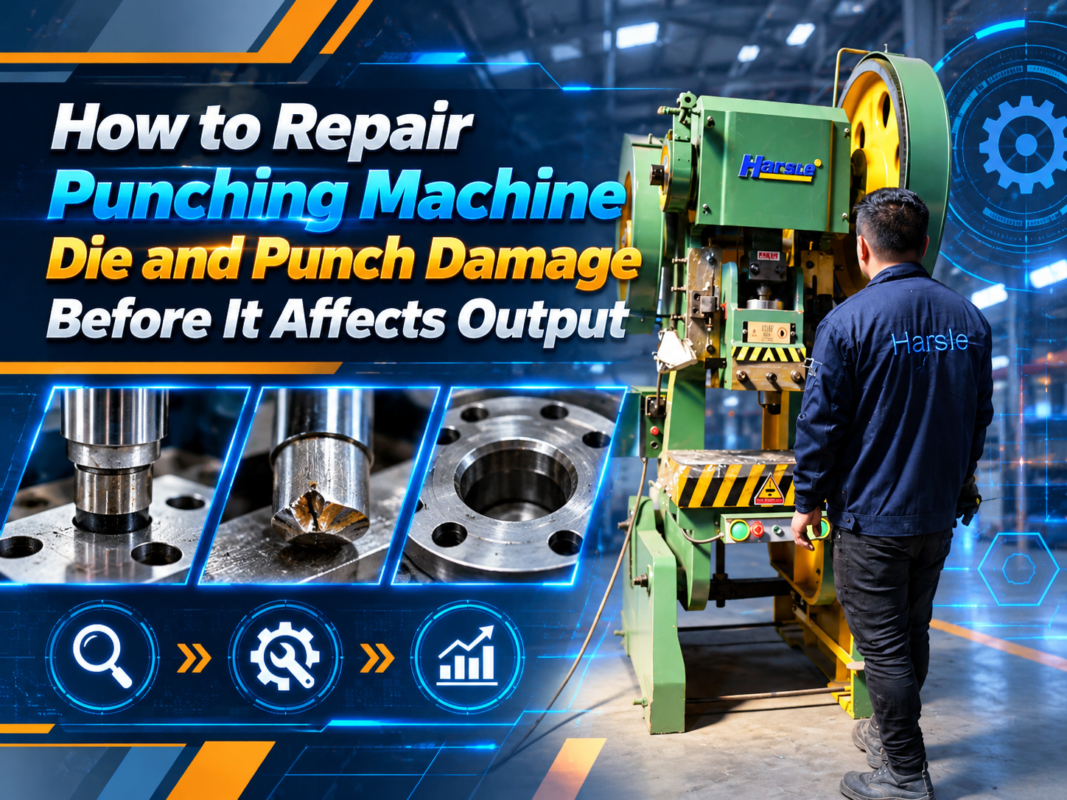
Operators must also verify the condition of the tooling. The punch and die should be inspected for chips, cracks, or excessive wear. Using dull tooling not only results in poor part quality but also puts unnecessary strain on the machine’s hydraulic or mechanical drive system. If the tooling shows signs of galling (material transfer), it should be cleaned or replaced immediately. Additionally, checking the lubrication levels in the automatic oiler or manual reservoirs is a non-negotiable daily task. Without proper lubrication, friction will quickly destroy bearings and bushings.
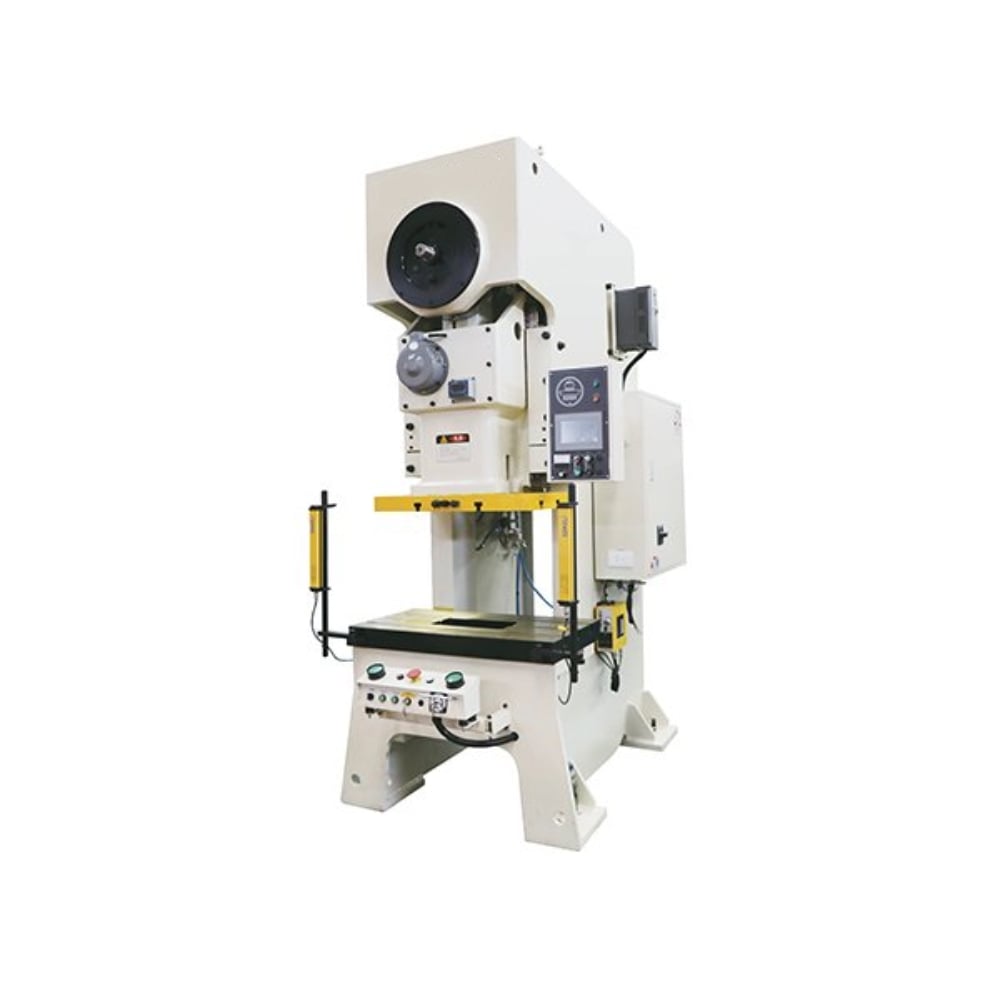
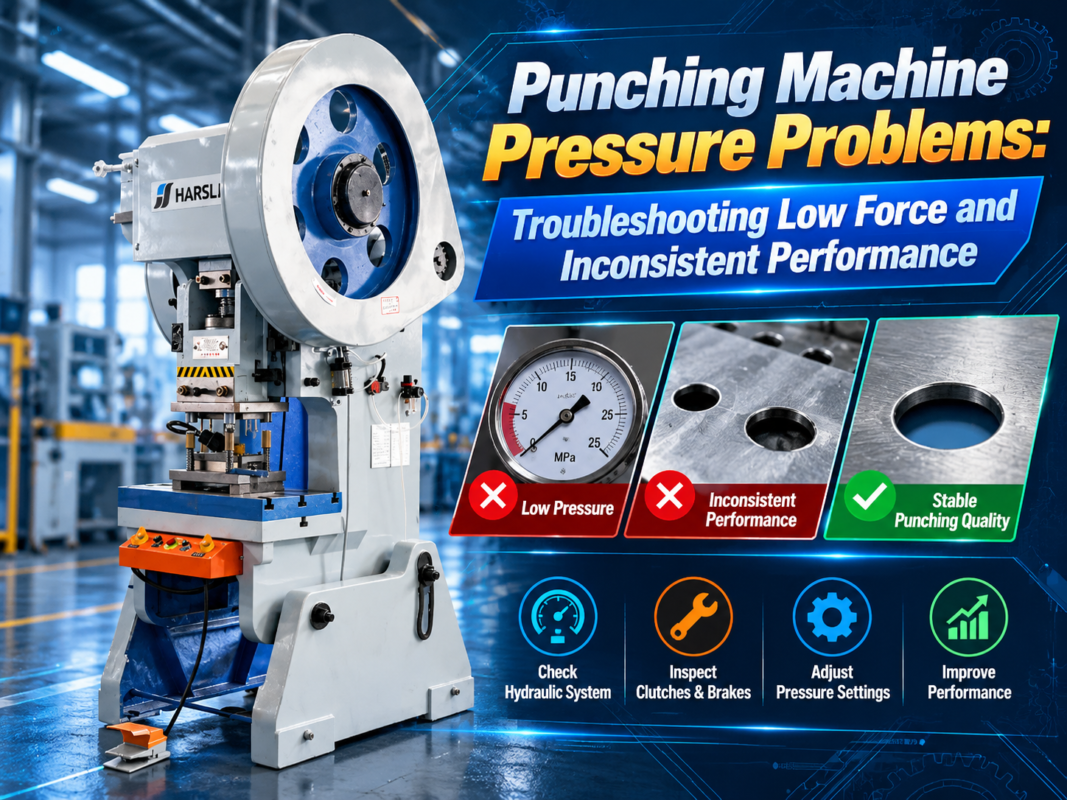
Another critical daily check involves the pneumatic and hydraulic pressure gauges. Ensure that the air pressure is within the manufacturer’s specified range; low pressure can cause the clutch and brake systems to malfunction, while excessive pressure can damage seals. For hydraulic machines, check the oil temperature. If the oil is too cold, the machine may act sluggishly; if it is too hot, the viscosity drops, leading to poor lubrication and potential pump damage. Finally, test all safety devices, including emergency stop buttons, light curtains, and interlock switches, to ensure they are fully functional.
Weekly Maintenance: Deep Cleaning and Calibration
Weekly maintenance tasks go beyond the surface-level checks of the daily routine. This is the time to perform a more detailed cleaning of the machine’s internal components. Dust and fine metal particles can settle on sensors, limit switches, and electrical components, leading to intermittent faults. Using compressed air (at a regulated pressure) or industrial vacuums, clean the electrical cabinet filters and the cooling fans. Overheating is a primary cause of PLC and drive failure, so maintaining airflow is essential.
During the weekly check, pay close attention to the drive belts and chains. Check for proper tension and signs of fraying or cracking. Loose belts can cause slippage, leading to inconsistent punching speeds and timing issues. If your machine utilizes a flywheel, inspect the brake linings for wear. A worn brake can lead to “over-run,” where the ram does not stop at the top of its stroke, creating a significant safety hazard. Tighten any bolts that may have vibrated loose during the week’s production, particularly around the motor mounts and the main frame.
Calibration of the backgauge and positioning systems should also be performed weekly. In CNC punching machines, the precision of the X and Y axes is paramount. Check for any play in the ball screws or linear guides. If the machine has been running heavy gauges of material, the vibration may have slightly shifted the alignment. A quick calibration check using a test piece can save hours of rework later. Lastly, inspect the hydraulic filters. While they may not need changing every week, checking the indicator gauges will tell you if the system is beginning to struggle with contamination.
Monthly Maintenance: Systems Overhaul and Fluid Analysis
Monthly maintenance is a comprehensive deep-dive into the machine’s core systems. This is the stage where you look for long-term wear patterns that aren’t visible during daily or weekly checks. One of the most important monthly tasks is the inspection of the hydraulic oil. Check for changes in color or smell; cloudy oil indicates water contamination, while a burnt smell suggests overheating. If the oil appears degraded, a sample should be sent for laboratory analysis to check for metal particulates, which can signal internal pump or valve wear.
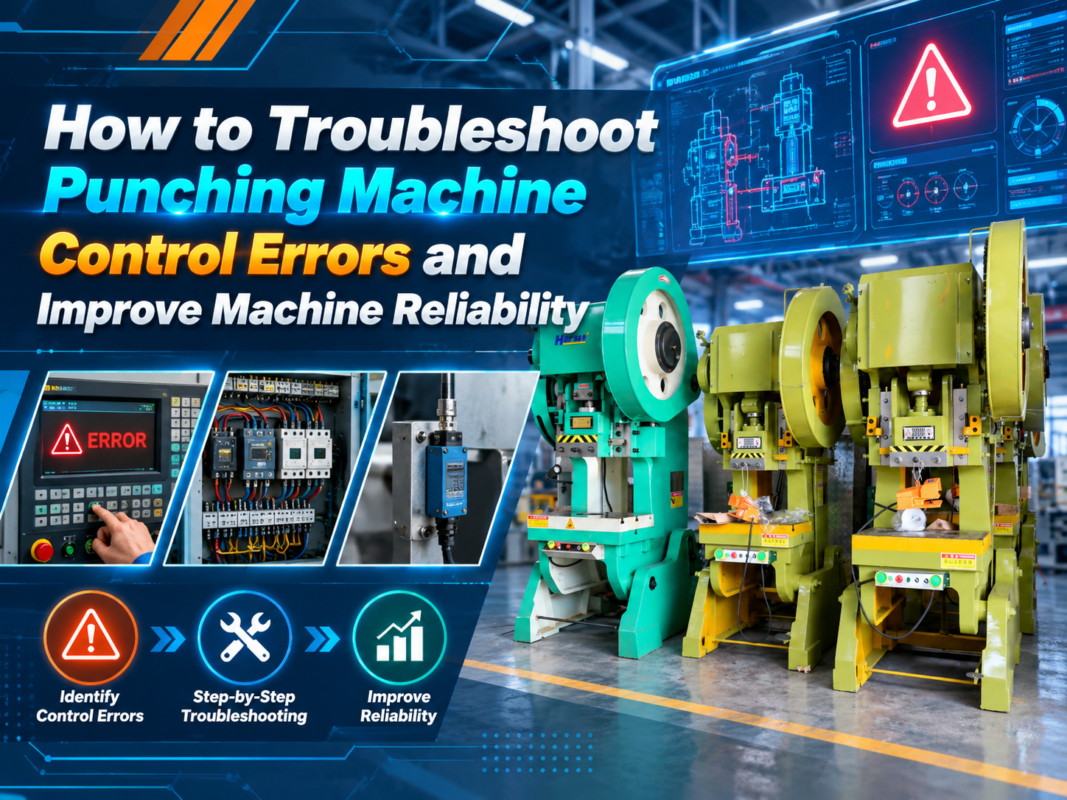
The electrical system requires a thorough audit once a month. Open the main control panel and check for any signs of arcing or charred insulation on the wiring. Vibration can cause terminal screws to loosen over time, leading to high resistance and potential fires. Use an infrared thermometer to check for “hot spots” on contactors and relays while the machine is under load. Additionally, ensure that all grounding wires are securely fastened to prevent electrical noise from interfering with the CNC controller.
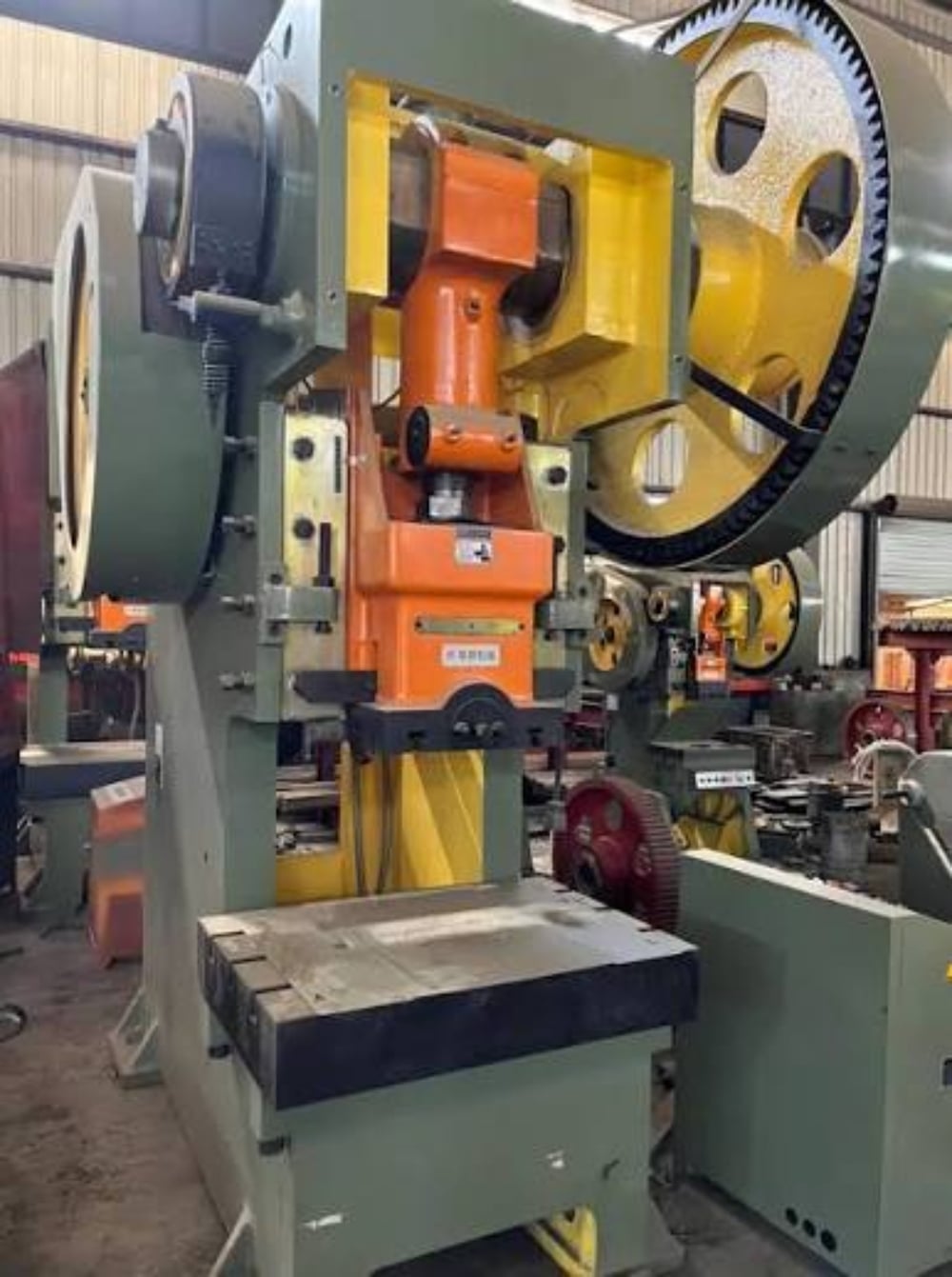
Mechanical alignment should be verified monthly using precision leveling tools. Over time, the foundation of the shop or the machine’s own vibration can cause it to become unlevel. An unlevel machine puts uneven stress on the frame, leading to premature wear of the gibs and ways. Inspect the gib clearance and adjust according to the manufacturer’s specifications. If the gibs are too tight, they will overheat and gall; if they are too loose, the ram will tilt during the punch, ruining the tooling and the workpiece.
Hydraulic, Electrical, and Mechanical Checks
Hydraulic System Integrity
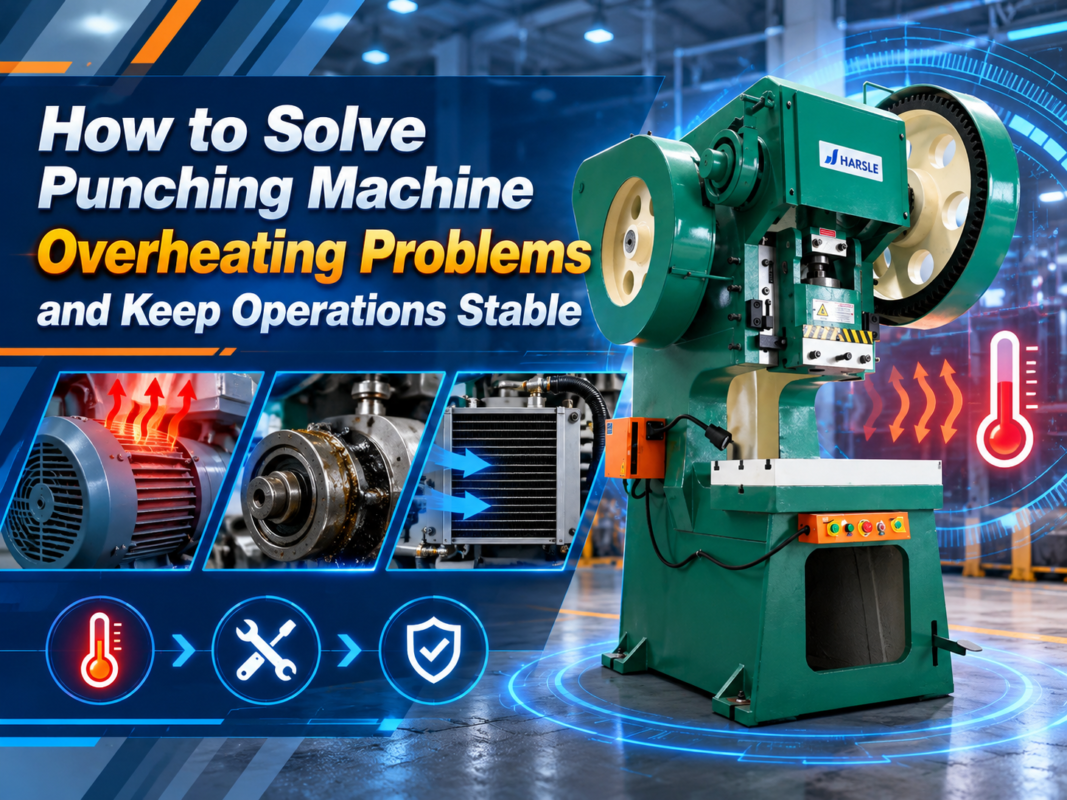
The hydraulic system is the heart of many modern punching machines. Monthly checks should include a full inspection of all hoses and fittings. Look for “weeping” at the joints or any bulging in the hoses, which indicates an imminent failure. High-pressure hydraulic leaks are extremely dangerous and can cause injection injuries. Ensure the heat exchanger or cooling system is functioning correctly, as maintaining a stable oil temperature is key to consistent hydraulic pressure and valve response times.
Electrical and Control Systems
Modern HARSLE punching machines rely on sophisticated electronics. Beyond cleaning, monthly maintenance should include backing up the machine’s parameters and programs to an external drive. In the event of a power surge or PLC failure, having a recent backup can reduce recovery time from days to minutes. Check the cooling fans on the servo drives; if these fans fail, the drives will overheat and shut down the machine. Also, inspect the foot pedal cables and hand control stations for any physical damage that could lead to a short circuit.
Mechanical Components and Structure
For mechanical presses, the flywheel, crankshaft, and connecting rods are the primary focus. Listen for any unusual knocking sounds, which could indicate worn bushings or bearings. For CNC turret punches, the turret alignment is critical. Check the index pins and the turret drive motor for any backlash. If the turret is not perfectly aligned with the striker, the punch will hit the side of the die, causing catastrophic tool failure. Lubricate the turret bearings and check the tension on the turret drive belt or gears.
The Comprehensive Lubrication Plan
Lubrication is the single most effective way to prevent premature wear. A punching machine has numerous moving parts that operate under extreme pressure. A proper lubrication plan specifies the type of lubricant (grease vs. oil), the location of the lubrication points, and the frequency of application. Most modern machines feature a centralized lubrication system, but these systems are not “set and forget.” They must be monitored to ensure that the lubricant is actually reaching the intended components.
Check the distribution blocks of the centralized system to ensure no lines are clogged. If one line is blocked, that specific bearing will run dry while the rest of the machine appears fine. For manual lubrication points, use a high-quality lithium-based grease or the specific oil weight recommended by HARSLE. Pay special attention to the ram guides (gibs), as these are under constant friction. Over-lubrication can also be a problem, as excess grease can attract metal dust and create an abrasive paste that actually accelerates wear. Wipe away excess lubricant to keep the machine clean.
Troubleshooting Signals: What Your Machine is Telling You
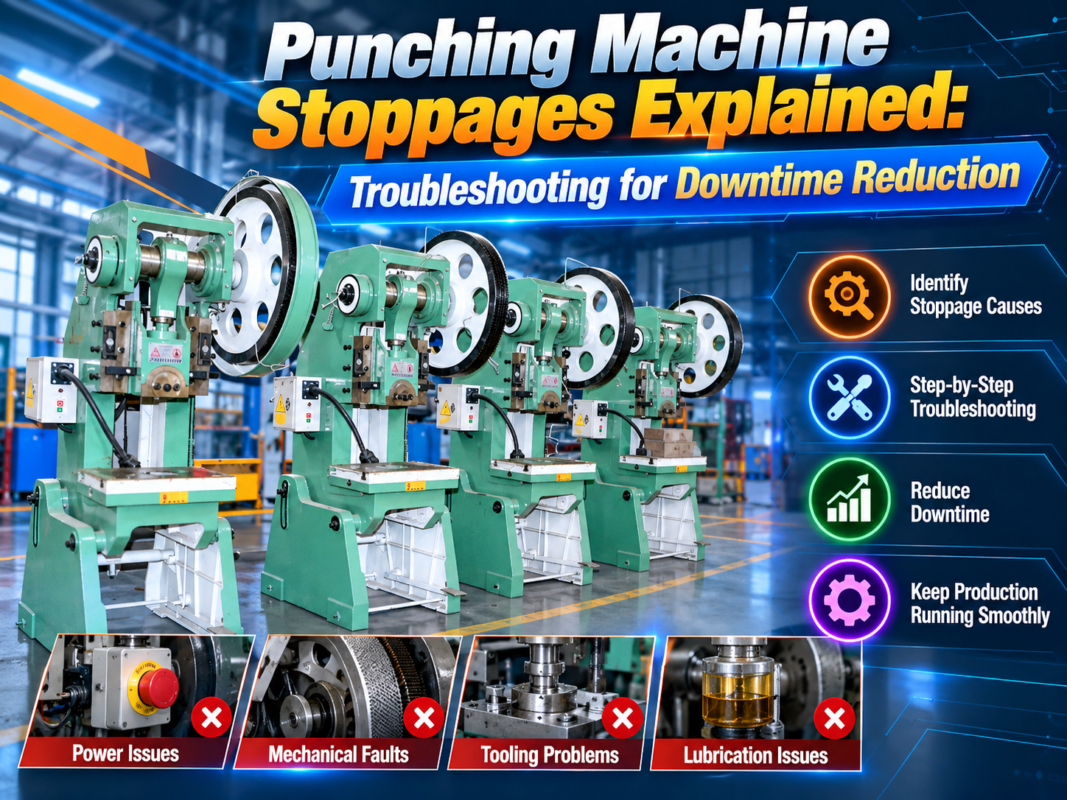
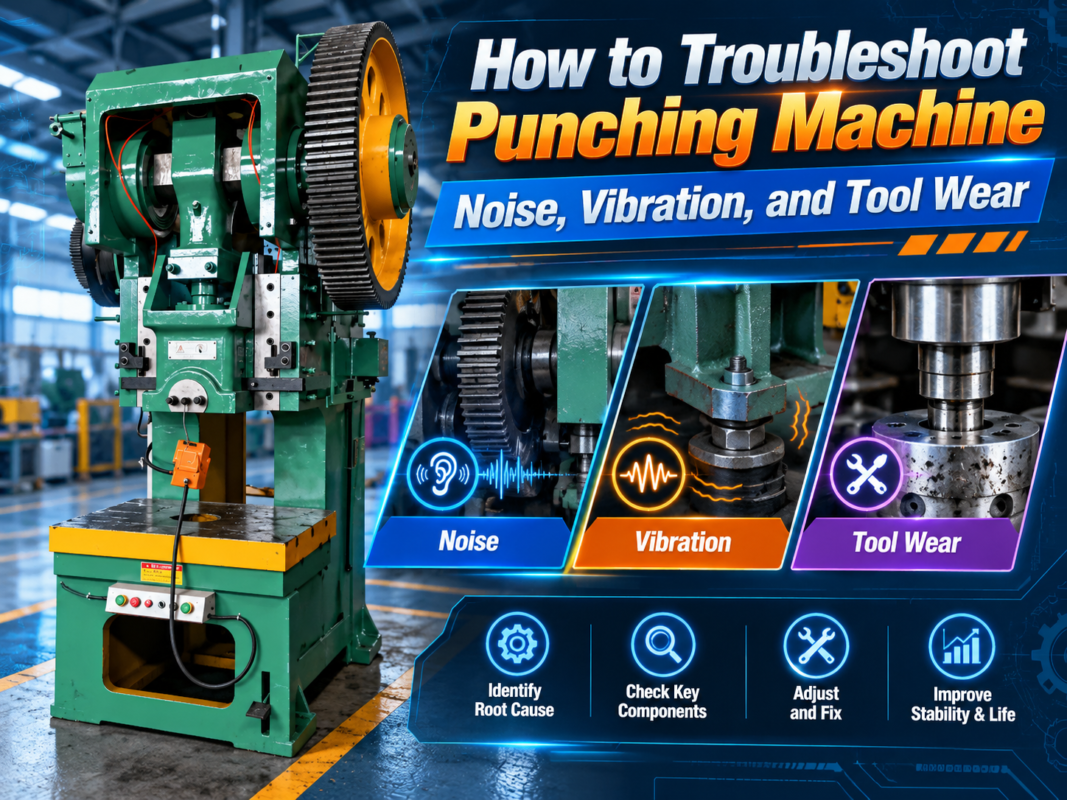
Experienced operators can often “feel” when a machine is beginning to fail. Unusual vibrations are often the first sign of trouble. If the machine starts to vibrate more than usual during a standard punch cycle, it could indicate a loose motor mount, a failing bearing, or a dull punch. Changes in the sound of the machine are also telling. A high-pitched whine from the hydraulic pump may indicate cavitation (air in the system), while a rhythmic thumping in a mechanical press could mean a flat spot on a bearing or a problem with the flywheel.
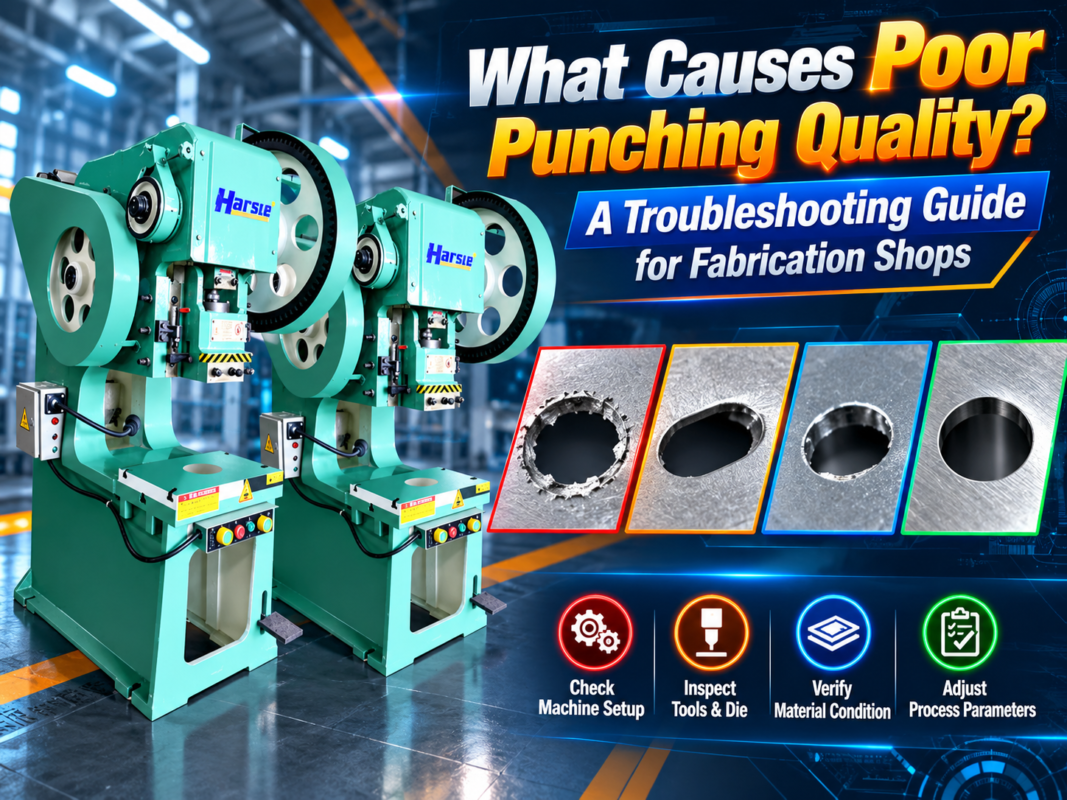
Heat is another major indicator. If a specific bearing housing or motor feels excessively hot to the touch, it is likely failing or under-lubricated. Monitoring the quality of the punched holes is also a form of troubleshooting. If you notice an increase in burr height or if the slug is not pulling through correctly, it is time to check the tool clearance and the ram alignment. By paying attention to these signals, you can perform “predictive maintenance,” addressing issues during scheduled downtime rather than waiting for an emergency breakdown.
Maintenance Schedule Table
| Frequency | Task Category | Specific Action Required |
|---|---|---|
| Daily | Safety | Test E-stops, light curtains, and safety interlocks. |
| Daily | Lubrication | Check oil levels and ensure auto-lubricator is full. |
| Daily | Cleaning | Remove scrap, dust, and debris from the work area. |
| Daily | Tooling | Inspect punch and die for chips or excessive wear. |
| Weekly | Pneumatics | Drain water from air filters and check system pressure. |
| Weekly | Mechanical | Tighten loose bolts and check drive belt tension. |
| Weekly | Electrical | Clean cabinet filters and inspect cooling fans. |
| Monthly | Hydraulic | Inspect hoses for leaks and check oil quality/temperature. |
| Monthly | Alignment | Verify machine level and check gib clearances. |
| Monthly | Electrical | Tighten terminal screws and check for hot spots. |
| Quarterly | Deep Service | Replace hydraulic filters and change gearbox oil if applicable. |
Frequently Asked Questions (FAQ)
1. How often should I change the hydraulic oil in my punching machine?
Generally, hydraulic oil should be changed every 2,000 to 4,000 hours of operation, or at least once a year. However, this depends on the operating environment. In dusty or high-heat conditions, the oil may degrade faster. It is best to perform a monthly visual check and an annual laboratory analysis to determine the exact timing for a change.
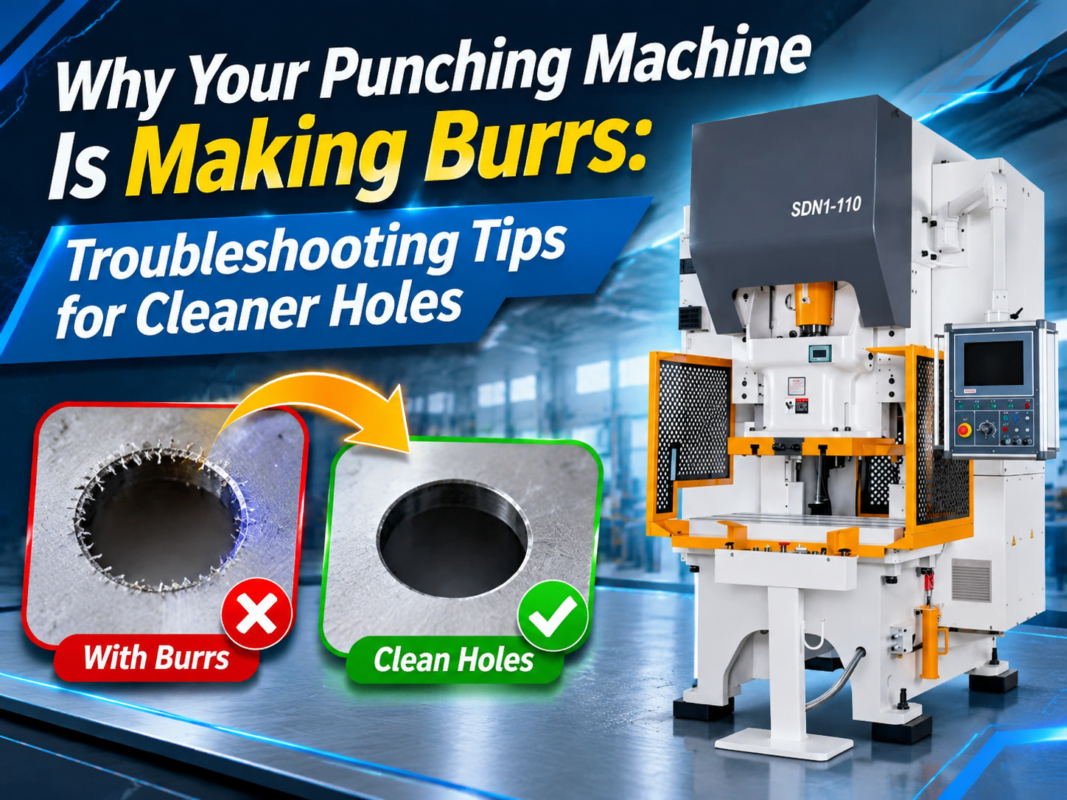
2. Why is my punching machine producing excessive burrs on the parts?
Excessive burrs are usually caused by one of three things: dull tooling, incorrect punch-to-die clearance, or misalignment of the ram. Check the sharpness of your tools first. If they are sharp, verify that the clearance is appropriate for the material thickness you are punching. Finally, check the machine’s gibs and alignment to ensure the punch is entering the die squarely.
3. Can I use any industrial grease for the lubrication points?
No. You should always use the lubricant specified in your HARSLE operator manual. Different components require different additives; for example, high-pressure areas need extreme pressure (EP) additives, while high-speed bearings might require a thinner grease to prevent overheating. Using the wrong lubricant can lead to component failure and may void your warranty.
4. What should I do if the hydraulic oil temperature exceeds 60°C (140°F)?
If the oil temperature is too high, stop the machine and check the cooling system. Ensure the heat exchanger is not clogged and that the cooling fans are operational. High temperatures thin the oil, reducing its lubricating properties and damaging seals. It can also be caused by a hydraulic pump that is working too hard due to a blockage or internal wear.
5. How do I know if my turret is out of alignment?
Signs of turret misalignment include uneven wear on one side of the punch or die, tools getting stuck in the material, or a noticeable “clunking” sound when the punch enters the die. You can verify alignment using a specialized alignment tool or by performing a test punch on thin material and inspecting the concentricity of the shear marks.
6. Is daily cleaning really necessary?
Yes. Metal dust and shavings are abrasive. If they find their way into the sliding surfaces or the hydraulic seals, they will cause rapid wear. Furthermore, scrap buildup can interfere with sensors and backgauges, leading to positioning errors and potential machine crashes. Five minutes of cleaning at the end of each shift can save hours of repair work.
7. What is the most common cause of electrical failure in punching machines?
Heat and vibration are the primary culprits. Vibration loosens electrical connections, leading to arcing and component failure. Heat, often caused by clogged filters or failed cooling fans, destroys sensitive electronic components like PLC modules and servo drives. Regular cleaning and tightening of terminals are the best preventative measures.