Punching Machine Lubrication Guide for Smooth Operation and Reduced Wear


The Critical Role of Lubrication in Punching Machine Longevity
In the high-stakes world of metal fabrication, the punching machine stands as a cornerstone of productivity. Whether you are operating a mechanical turret punch or a high-speed hydraulic press, the physical demands placed on these machines are immense. Thousands of tons of force are concentrated into small areas, generating significant heat and friction. Without a robust lubrication strategy, these forces quickly lead to component degradation, loss of precision, and eventually, catastrophic mechanical failure. This guide focuses on the Punching Machine Lubrication Smooth Operation Reduced Wear protocol, ensuring your HARSLE equipment remains a reliable asset for years to come.
Lubrication is more than just applying oil to moving parts; it is a sophisticated science of surface separation. In a punching machine, the ram, guides, bearings, and gears are constantly in motion. A thin film of lubricant acts as a barrier, preventing metal-on-metal contact. This reduces the coefficient of friction, which in turn lowers the energy required to operate the machine and minimizes the heat generated during the punching cycle. When heat is managed effectively, the structural integrity of the machine’s components is preserved, preventing the warping or softening of critical tool steel parts.
Furthermore, proper lubrication serves as a cleaning agent. As the machine operates, microscopic metal shavings and environmental dust can infiltrate the moving assemblies. A well-maintained lubrication system flushes these contaminants away from sensitive surfaces, trapping them in filters or depositing them in sumps where they can be safely removed. This prevents abrasive wear, which is one of the leading causes of premature machine aging. By prioritizing lubrication, manufacturers can see a direct correlation in reduced downtime and lower total cost of ownership.
Finally, the psychological impact on operators cannot be ignored. A machine that runs smoothly, quietly, and predictably fosters a safer and more efficient working environment. Excessive noise and vibration, often the first signs of poor lubrication, can lead to operator fatigue and errors. By following a strict lubrication plan, you ensure that the machine performs exactly as intended, allowing for the high-precision tolerances that modern metalworking demands.
The Importance of Regular Maintenance for Industrial Machinery
Maintenance is the heartbeat of any industrial facility. For punching machines, maintenance is not merely a reactive task to be performed when something breaks; it is a proactive investment in the machine’s lifecycle. The primary goal of a maintenance program is to ensure that the machine operates at peak efficiency while minimizing the risk of unplanned outages. In the context of Punching Machine Lubrication Smooth Operation Reduced Wear, maintenance provides the framework within which lubrication is executed and monitored.
One of the most significant benefits of regular maintenance is the preservation of accuracy. Punching machines are designed to hold tight tolerances, often within fractions of a millimeter. As components wear due to lack of lubrication, play or “slop” develops in the mechanical linkages. This results in burrs on the workpiece, misaligned holes, and increased tool wear. Regular maintenance identifies these issues before they affect product quality, ensuring that every part coming off the line meets the customer’s specifications.
Cost management is another driving factor. While it may seem expensive to purchase high-quality lubricants and dedicate man-hours to maintenance, the cost of a major overhaul or a broken crankshaft is exponentially higher. Preventative maintenance allows for the scheduled replacement of inexpensive wear parts—like seals, filters, and bushings—rather than the emergency replacement of major structural components. This predictability is essential for maintaining a healthy bottom line in competitive manufacturing markets.
Safety is perhaps the most critical aspect of maintenance. A poorly lubricated machine is prone to seizing or sudden mechanical failure. If a ram seizes mid-stroke or a flywheel bearing fails at high speed, the results can be devastating for both the machine and the operator. Regular inspections and lubrication ensure that all safety mechanisms and structural components are functioning correctly, providing peace of mind for the entire production team.
Daily Inspection: The First Line of Defense
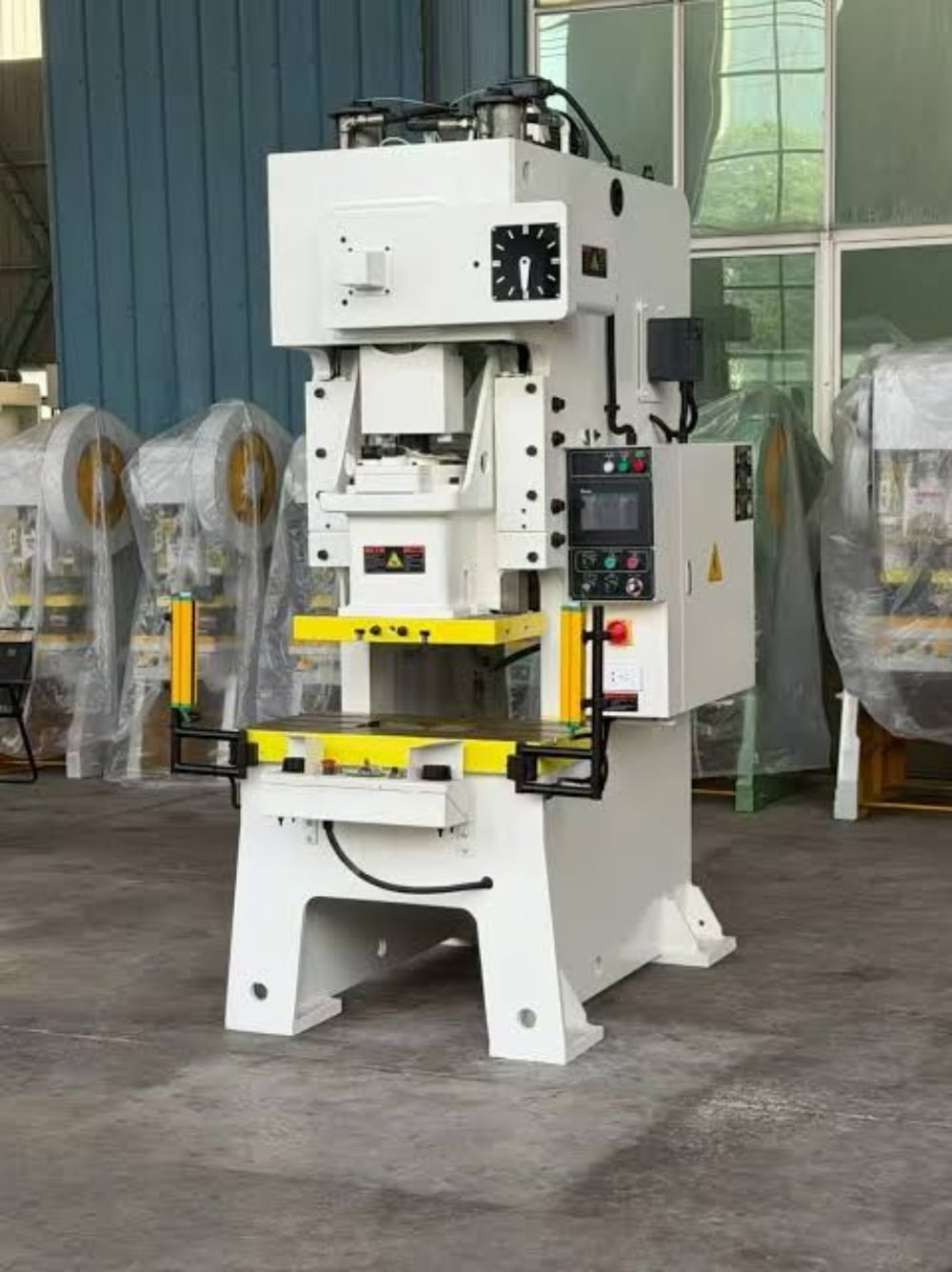
The daily inspection is a quick but vital ritual that every operator should perform before the start of a shift. This process is designed to catch obvious issues before they escalate into major problems. The first step is a visual walk-around. Look for any signs of oil leaks on the floor or around the base of the machine. A fresh puddle of oil is a clear indicator of a blown seal or a loose fitting in the lubrication or hydraulic system.
Next, check the lubricant reservoirs. Most modern punching machines are equipped with sight glasses or digital level sensors. Ensure that the oil levels are within the recommended range. Operating a machine with low oil levels can lead to cavitation in pumps and inadequate lubrication of the upper slide ways. If the machine features an automatic lubrication system, verify that the pump is cycling correctly and that there are no error codes on the control panel.
Listen to the machine as it idles and during the first few test punches. Unusual squealing, grinding, or heavy thumping sounds are often the first indicators that a component is not receiving adequate lubrication. Pay close attention to the sound of the flywheel and the engagement of the clutch. Any change in the acoustic profile of the machine should be investigated immediately. Early detection of friction-related noise can save thousands of dollars in repair costs.
Finally, inspect the cleanliness of the guide rails and the ram. These areas are often exposed to the environment and can collect a mixture of oil and metal dust, creating a grinding paste. Wipe down these surfaces and ensure that the wipers or scrapers are in good condition. A clean machine is much easier to inspect and maintain than one covered in grime and old grease.
Comprehensive Hydraulic, Electrical, and Mechanical Checks
Hydraulic System Integrity
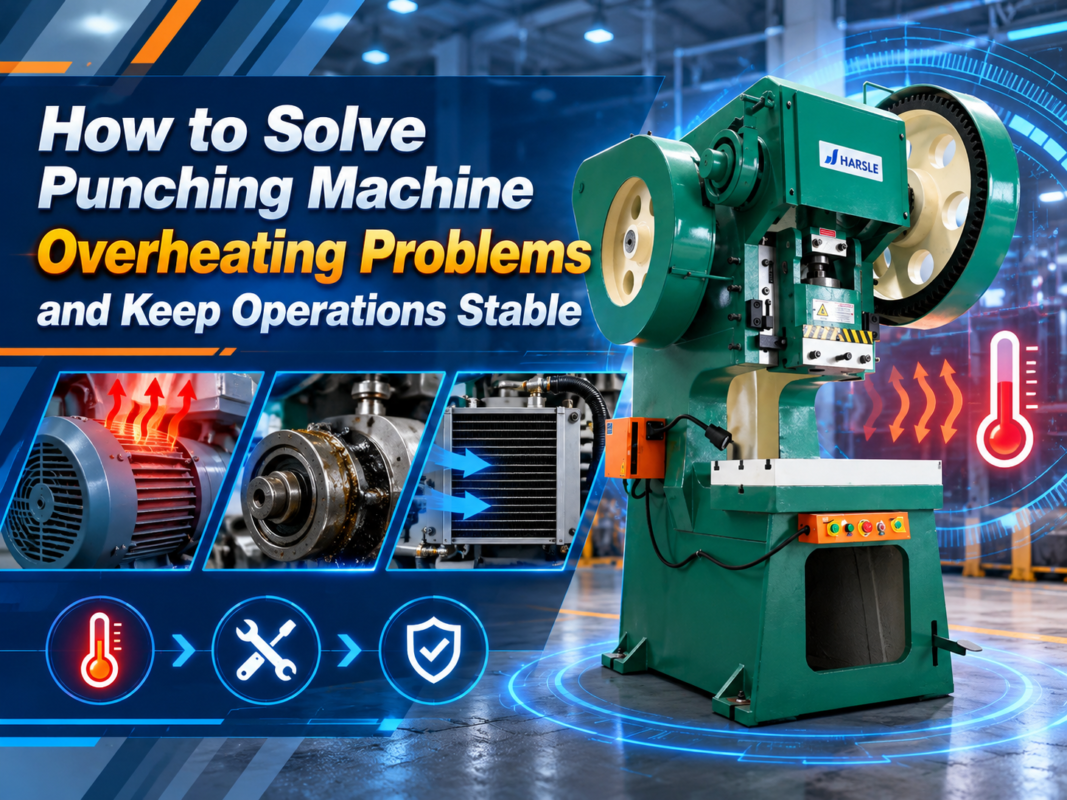
For hydraulic punching machines, the oil serves two purposes: it transmits power and provides lubrication. Therefore, the quality of the hydraulic fluid is paramount. Check the oil temperature during operation; excessive heat (usually above 60°C) indicates that the oil is thinning out, losing its lubricating properties and potentially damaging the pump. Inspect the hydraulic hoses for cracks, bulges, or weeping. A high-pressure leak is not only a maintenance issue but a severe safety hazard.
Electrical and Control Systems
While not directly related to grease and oil, the electrical system controls the lubrication timing. Inspect the wiring to the lubrication pumps and sensors. Ensure that the PLC (Programmable Logic Controller) is correctly triggering the lubrication cycles based on the number of strokes or elapsed time. Dust and oil mist can accumulate in electrical cabinets, leading to short circuits or overheating of components. Clean the filters on the cooling fans of the electrical cabinet to ensure proper airflow.
Mechanical Linkages and Slide Ways
The mechanical heart of the punching machine consists of the crankshaft, connecting rods, and slide ways. These components bear the brunt of the punching force. Check the gibs (the adjustable guides for the ram) for proper clearance. If they are too tight, they will generate excessive heat; if too loose, they will cause inaccuracy. Ensure that the lubrication grooves in the slide ways are not clogged, allowing the oil to distribute evenly across the entire bearing surface.
Developing a Robust Lubrication Plan
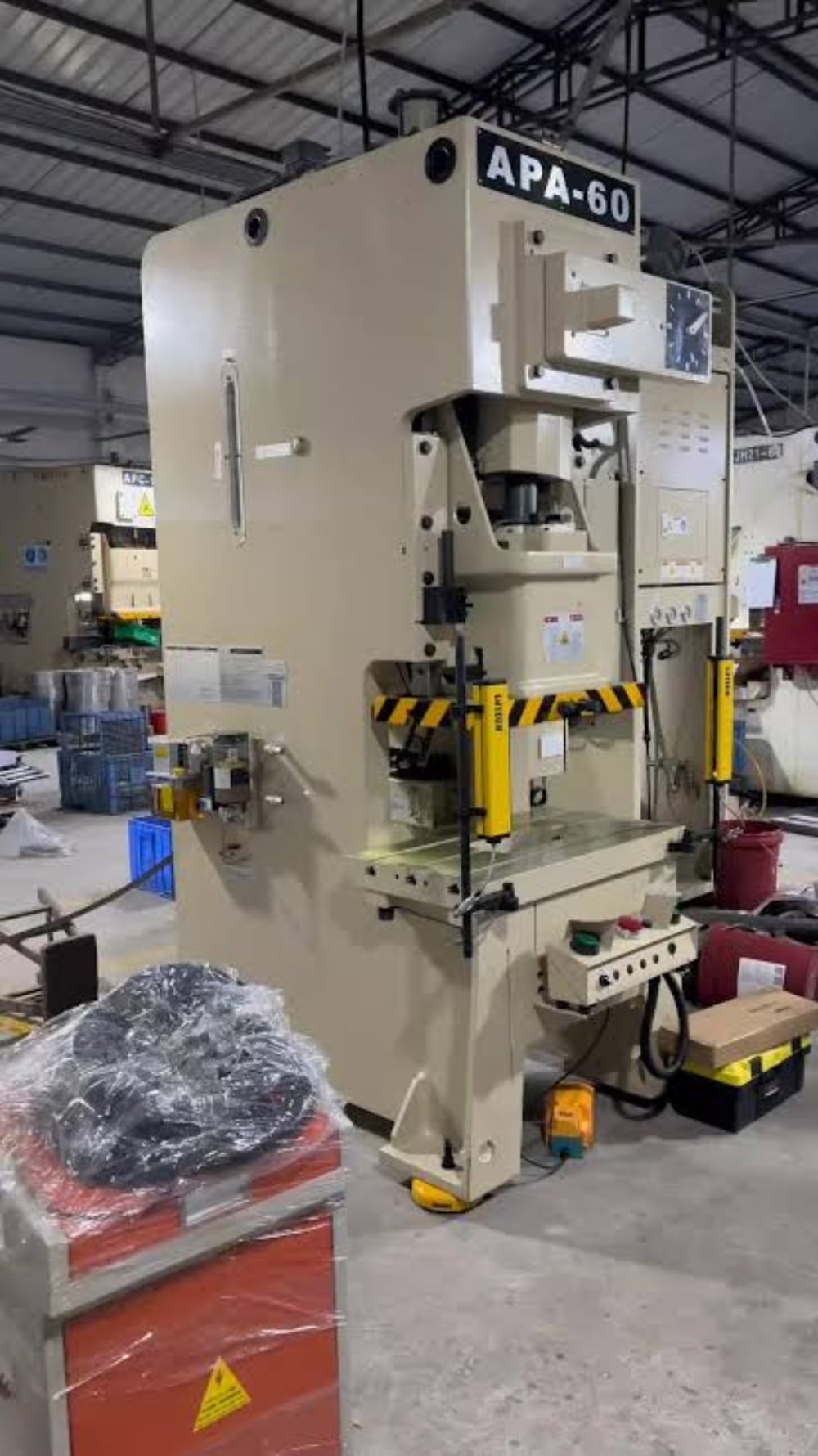
A successful Punching Machine Lubrication Smooth Operation Reduced Wear strategy requires a detailed plan tailored to the specific machine and its workload. The first step is selecting the correct lubricant. Always refer to the manufacturer’s manual. Generally, high-speed punching machines require lighter oils (ISO VG 32 or 46) for the hydraulic systems and specialized EP (Extreme Pressure) greases for heavy-load bearings. Using the wrong type of lubricant can lead to chemical reactions that damage seals or cause the lubricant to break down under pressure.
The frequency of lubrication is the next critical factor. Many modern machines utilize an automatic lubrication system that delivers a small, precise amount of oil at set intervals. However, manual points still exist on most equipment. These might include door hinges, foot pedal linkages, or secondary adjustment screws. Create a map of all lubrication points and color-code them based on the frequency of service (e.g., red for daily, blue for weekly, green for monthly).
Environmental factors must also be considered. If your facility is particularly dusty or operates in extreme temperatures, you may need to increase the frequency of your lubrication cycles. In cold environments, oil can become too viscous to flow properly through small capillary lines, while in hot environments, it may become too thin to provide an adequate protective film. Monitoring the “health” of the lubricant through periodic oil analysis can provide deep insights into the internal wear of the machine.
Finally, documentation is key. Maintain a lubrication logbook or a digital record. Note the date, the type of lubricant used, and the person who performed the task. This record is invaluable for troubleshooting and for maintaining the resale value of the machine. It also ensures accountability within the maintenance team, making sure that no lubrication point is ever overlooked.
Troubleshooting Signals: Identifying Lubrication Failures
Even with a good plan, failures can occur. Being able to recognize the signals of a lubrication problem early can prevent a total breakdown. One of the most common signs is localized overheating. If a bearing housing or a section of the slide way feels significantly hotter than the surrounding metal, it is a clear sign of excessive friction. Use an infrared thermometer to scan the machine during operation to identify these “hot spots.”
Oil discoloration is another major red flag. If the oil in the sight glass appears milky, it indicates water contamination, likely from condensation or a leak in the cooling system. If the oil appears dark or has a burnt smell, it has oxidized due to excessive heat and must be changed immediately. Foaming oil suggests that air is entering the system, which can lead to “spongy” machine action and inadequate lubrication of internal components.
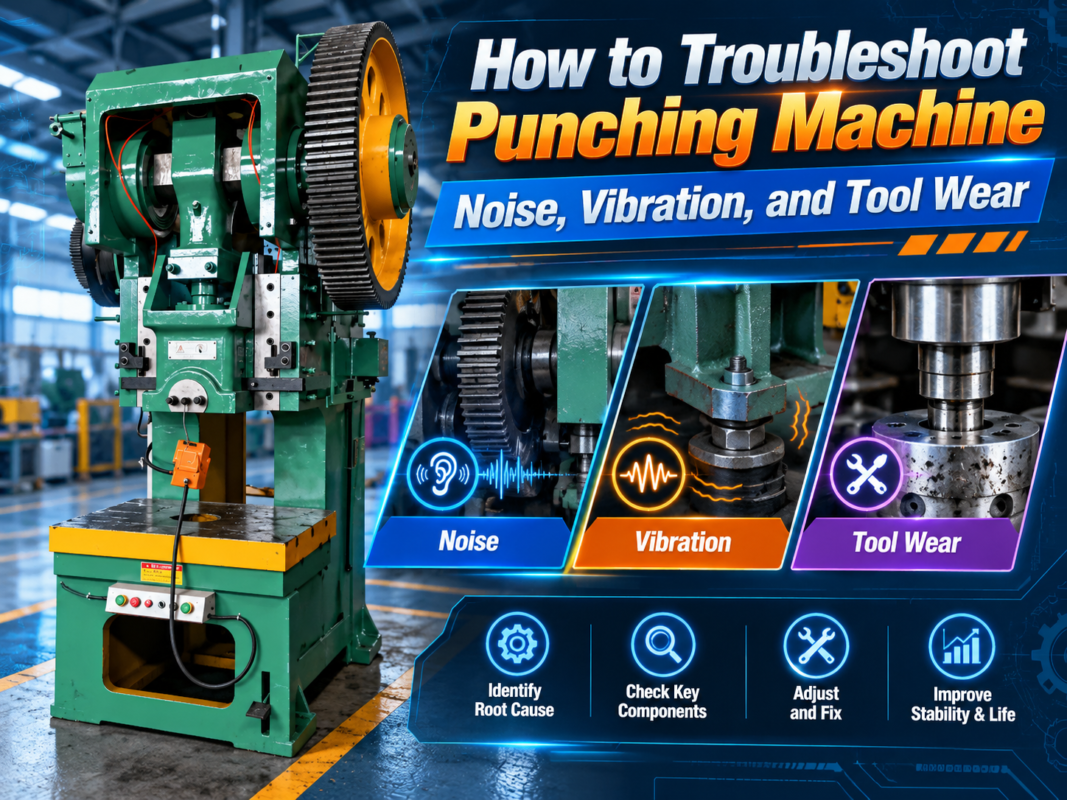
Vibration and Noise: As mentioned earlier, any new vibration or sound should be treated as a warning. A high-pitched squeal often points to a dry bearing, while a deep rhythmic knocking might indicate excessive play in the crankshaft or connecting rod due to worn bushings. If the machine starts to produce inconsistent punch depths or if the tool gets stuck in the material, check the lubrication of the ram and the stripping mechanism immediately.
Comprehensive Maintenance Schedule Table
Use the following table as a baseline for your punching machine maintenance. Always consult your HARSLE manual for specific requirements related to your model.
| Frequency | Component | Action Required | Lubricant Type |
|---|---|---|---|
| Daily | Main Oil Reservoir | Check level and top up if necessary | ISO VG 46/68 Oil |
| Daily | Slide Ways & Ram | Wipe clean and check for oil film | Way Lubricant |
| Daily | Automatic Lubricator | Verify pump operation and pressure | System Specific |
| Weekly | Grease Nipples | Apply 2-3 pumps of grease | Lithium EP2 Grease |
| Weekly | Air Filters/FRL Unit | Drain water and check oiler level | Pneumatic Oil |
| Monthly | Flywheel Bearings | Inspect for heat and noise; grease | High-Speed Grease |
| Monthly | Hydraulic Filters | Check indicator; replace if dirty | N/A |
| 6 Months | Hydraulic Oil | Perform oil analysis or replace | ISO VG 46/68 Oil |
| Annually | Full System Flush | Clean reservoir and replace all fluids | Various |
Frequently Asked Questions (FAQ)
1. Can I use automotive motor oil in my punching machine?
No. Automotive oils contain detergents and additives designed for internal combustion engines which can damage the seals and hydraulic components of industrial machinery. Always use industrial-grade hydraulic or way oils as specified by the manufacturer to ensure Punching Machine Lubrication Smooth Operation Reduced Wear.
2. How do I know if I am over-lubricating the machine?
Over-lubrication can be just as harmful as under-lubrication. Signs include oil dripping onto the workpiece, grease being pushed out of seals (which can then attract dirt), and increased operating temperatures in high-speed bearings due to “churning.” Follow the manufacturer’s volume recommendations strictly.
3. What should I do if the automatic lubrication system fails?
Stop the machine immediately. Operating without lubrication for even a short period can cause permanent damage to the slide ways. Check for blocked lines, a failed pump motor, or an empty reservoir. Do not bypass the system; fix the root cause before resuming production.
4. Why is my hydraulic oil turning milky?
Milky oil is a sign of water contamination. This usually happens due to condensation in the tank or a leak in the oil cooler. Water reduces the lubricating ability of the oil and can cause rust on internal components. The oil must be changed, and the source of the water must be identified and sealed.
5. Does the type of material I punch affect lubrication needs?
Yes. Punching thicker or harder materials (like stainless steel) puts more stress on the machine, generating more heat. In these cases, you may need to increase the frequency of lubrication or use lubricants with higher Extreme Pressure (EP) ratings to maintain smooth operation.
6. How often should I replace the hydraulic filters?
Most machines have a pressure gauge or a visual indicator on the filter housing. When the needle moves into the “red” zone, the filter is bypassed, and dirty oil is circulating. As a rule of thumb, replace filters every 500-1000 operating hours, or sooner if the environment is very dusty.