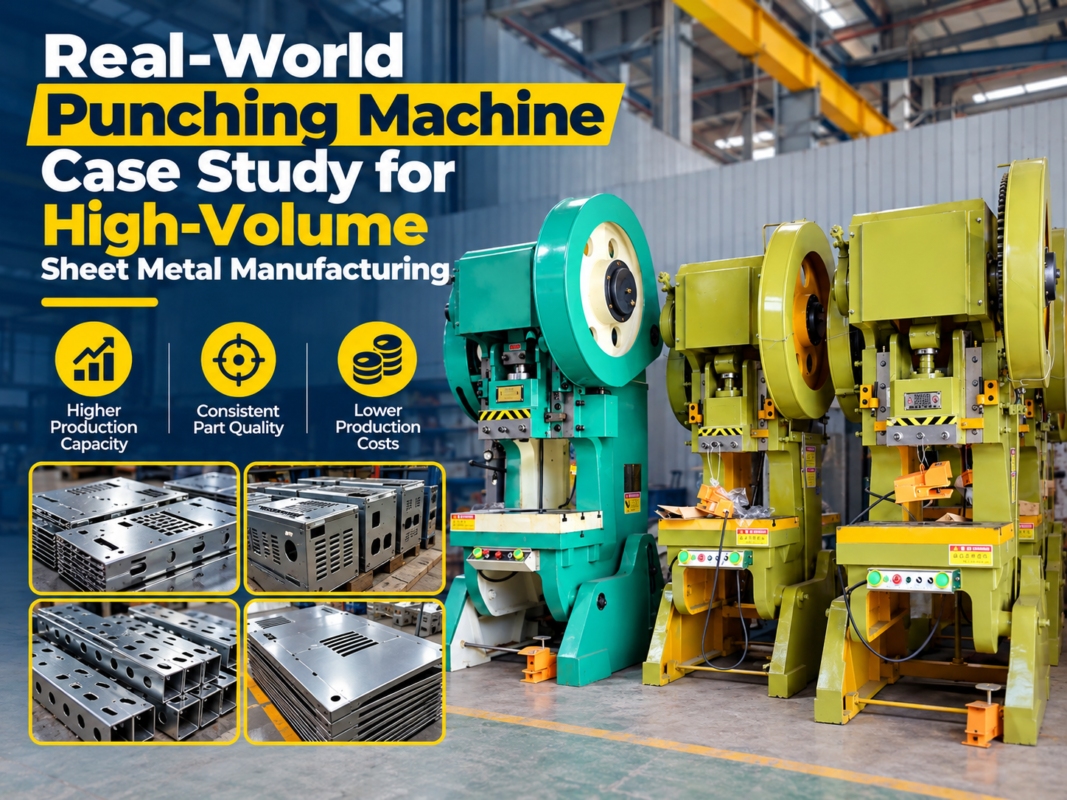
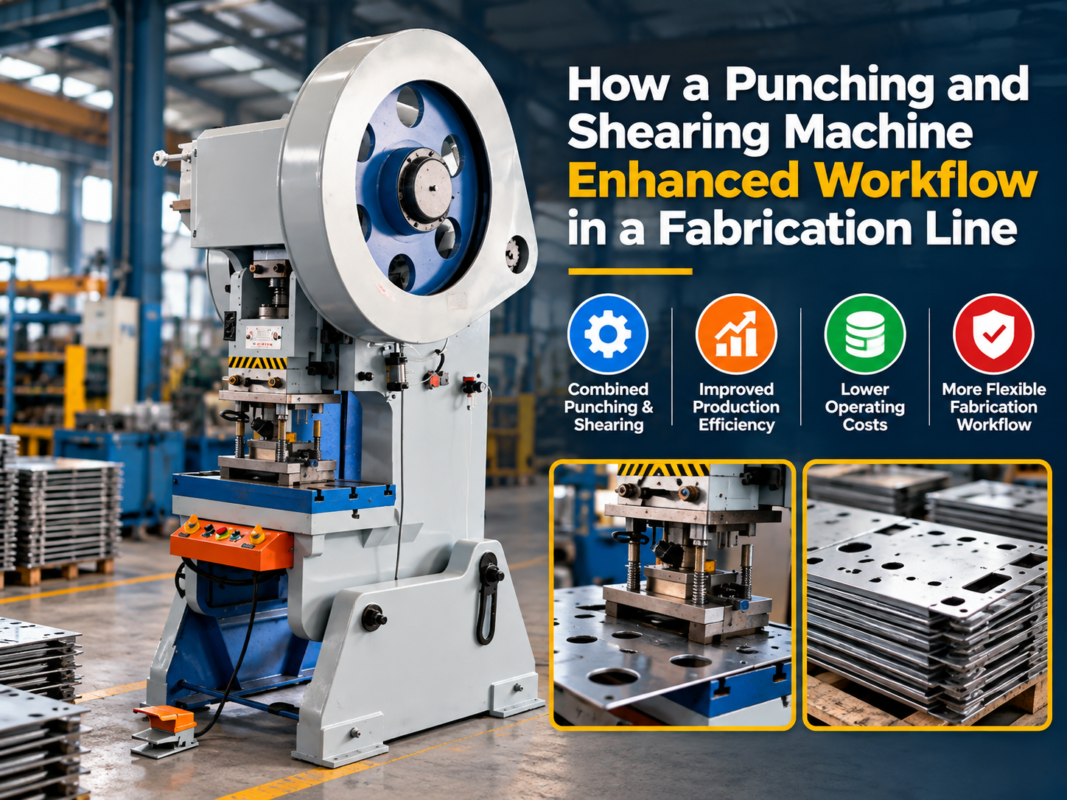
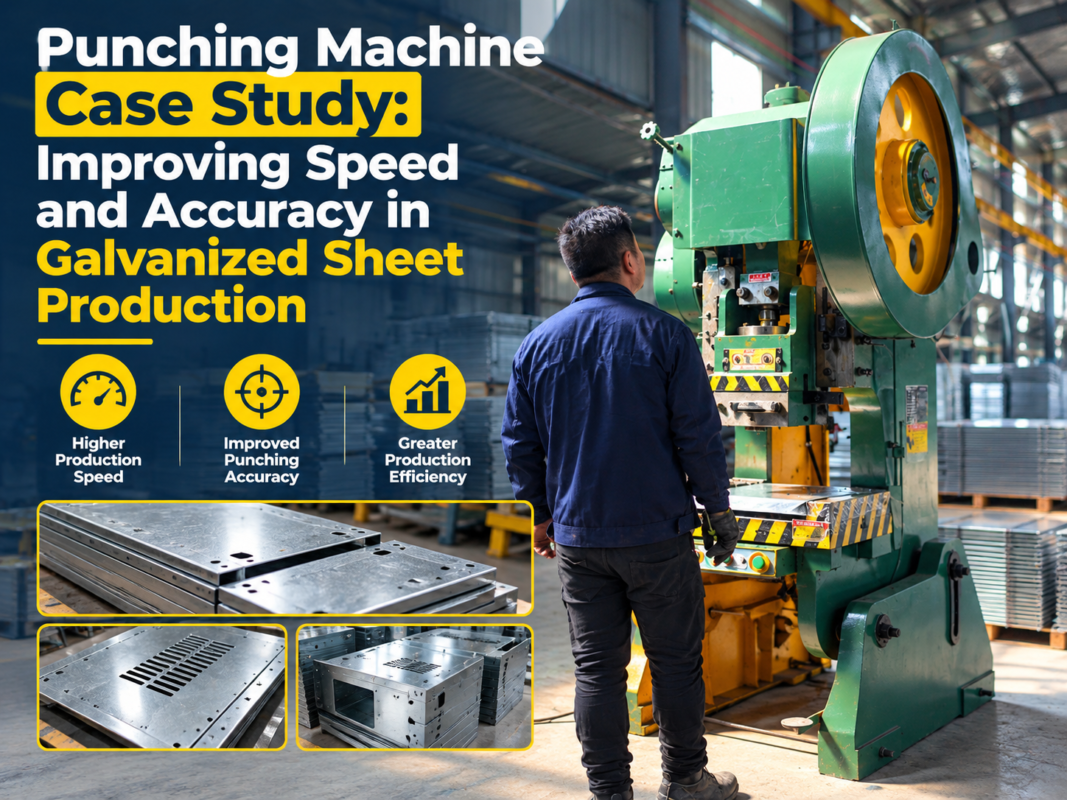
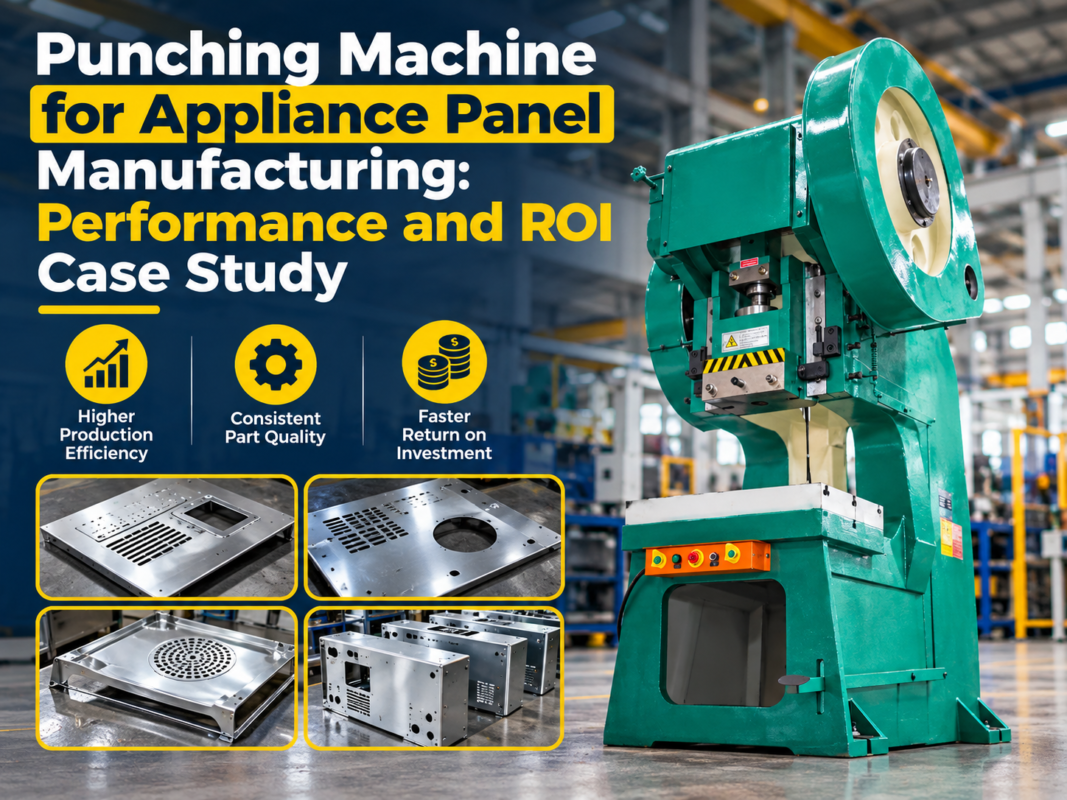
Hydraulic Press Case Study: Selecting the Right Machine for Demanding Fabrication Jobs


Introduction to High-Performance Hydraulic Pressing
In the modern industrial landscape, the hydraulic press remains a cornerstone of metal fabrication. From simple bending tasks to complex deep-drawing operations, the versatility of these machines is unmatched. However, as fabrication jobs become increasingly demanding—requiring tighter tolerances, higher tonnages, and faster cycle times—the process of selecting the right machine has become a critical strategic decision for manufacturing facilities. This Hydraulic Press Case Study: Selecting Machine Demanding Fabrication Jobs explores the technical nuances and practical considerations that engineers and procurement specialists must navigate to ensure long-term operational success.
HARSLE has long been at the forefront of providing innovative solutions for the metalworking industry. When we look at demanding fabrication jobs, we aren’t just talking about the thickness of the material; we are talking about the consistency of the output, the energy efficiency of the system, and the ability of the machine to integrate into automated production lines. A hydraulic press is no longer just a heavy frame with a cylinder; it is a sophisticated piece of equipment that utilizes advanced hydraulics, electronics, and structural engineering to deliver precise force exactly where it is needed.
The challenge for many fabricators lies in the gap between theoretical machine specifications and real-world application requirements. A machine that looks good on paper might fail to meet the rigors of a 24/7 production environment if the frame rigidity or the cooling system is insufficient. This article serves as a comprehensive guide to bridging that gap, providing a detailed look at the selection criteria that define high-performance hydraulic pressing in today’s competitive market.
Key Considerations for Demanding Fabrication Jobs
When selecting a hydraulic press for demanding jobs, the first and most obvious factor is tonnage. However, tonnage is more than just a maximum number. It is about the distribution of force across the bed and the machine’s ability to maintain that force throughout the stroke. For demanding applications like heavy-plate punching or deep drawing of high-strength alloys, the press must offer a significant safety margin. Operating a press at its absolute limit for extended periods leads to premature wear on seals, valves, and the frame itself.
Bed size and deflection are equally critical. In demanding fabrication, the precision of the finished part is often dictated by how much the press bed flexes under load. A high-quality hydraulic press, such as those engineered by HARSLE, utilizes finite element analysis (FEA) to ensure that the frame and bed can withstand maximum tonnage with minimal deflection. If the bed bows even a fraction of a millimeter, it can result in uneven part thickness or tool misalignment, which is unacceptable in industries like aerospace or automotive manufacturing.
Speed and cycle time are the third pillars of selection. In a high-volume environment, the time it takes for the ram to approach the work, perform the press, and return to the start position determines the overall throughput. Modern hydraulic presses utilize variable frequency drives (VFDs) and high-speed valves to optimize these movements. Selecting a machine with adjustable speed settings allows fabricators to slow down the press during the critical forming phase to prevent material cracking while maintaining high speeds for the non-productive parts of the cycle.
Finally, one must consider the control system. The transition from manual valves to PLC (Programmable Logic Controller) and CNC (Computer Numerical Control) systems has revolutionized the industry. For demanding jobs, a CNC system allows for the storage of multiple programs, precise control over stroke depth (down to 0.01mm), and real-time monitoring of pressure. This level of control is essential for ensuring repeatability across thousands of cycles, which is a hallmark of professional-grade fabrication.
Technical Details: Frame Types and Hydraulic Circuits
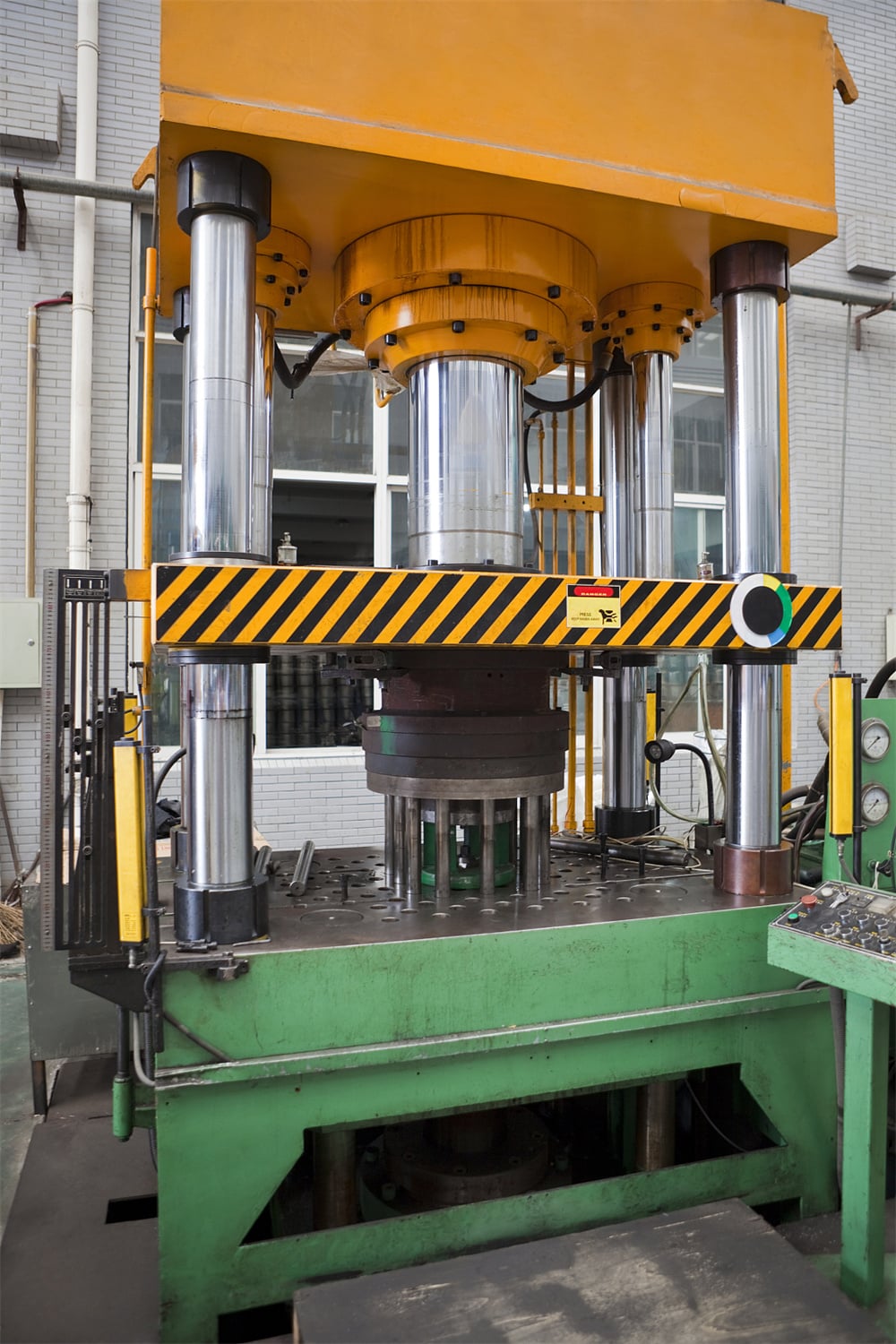
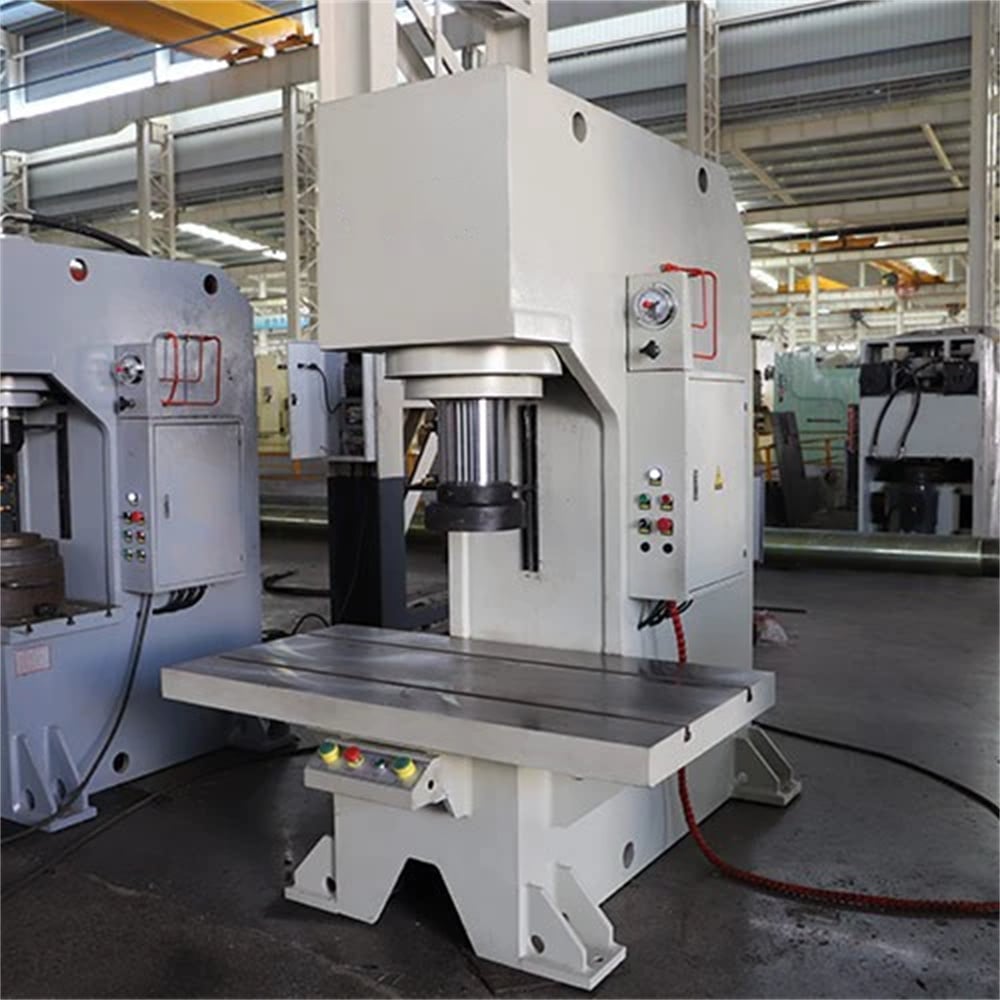
The structural architecture of a hydraulic press is fundamental to its performance. There are three primary frame types used in demanding fabrication: C-frame, H-frame (or side-column), and 4-column presses. Each has its specific advantages. C-frame presses offer excellent access from three sides, making them ideal for smaller parts and manual loading. However, for the most demanding jobs involving high tonnage, H-frame and 4-column designs are preferred due to their superior rigidity and ability to handle off-center loading without distorting the frame.
The hydraulic circuit itself is the heart of the machine. In a Hydraulic Press Case Study: Selecting Machine Demanding Fabrication Jobs, we must look at the efficiency of the manifold and the quality of the components. HARSLE utilizes world-class components, such as Rexroth valves and Siemens motors, to ensure reliability. A well-designed hydraulic circuit minimizes heat generation—a major enemy of hydraulic systems. Excessive heat thins the oil, leading to internal leakage and reduced pressure accuracy. Advanced machines now incorporate oil cooling systems and high-efficiency pumps to maintain stable operating temperatures even during intensive shifts.
| Feature | Standard Press | High-Performance Press (HARSLE) |
|---|---|---|
| Frame Construction | Welded Steel Plate | Stress-Relieved, FEA Optimized Heavy Plate |
| Control System | Manual/Basic PLC | Advanced CNC with Touchscreen Interface |
| Positioning Accuracy | +/- 0.1mm | +/- 0.01mm |
| Hydraulic Components | Generic Brands | Bosch Rexroth / Vickers / Yuken |
| Safety Features | Basic Guarding | Light Curtains, Dual-Hand Controls, Interlocks |
Another technical aspect often overlooked is the guiding system of the ram. In demanding applications, the ram must stay perfectly square to the bed. High-end presses use long, adjustable 8-point or 4-point gib-guiding systems. These guides are lined with wear-resistant materials and can be adjusted to take up any play that develops over years of use. This ensures that even when the press is subjected to lateral forces, the tooling remains perfectly aligned, protecting both the machine and the expensive dies used in the process.
Selection Advice: Matching Machine to Material
Selecting the right machine requires a deep understanding of the material being processed. For instance, forming stainless steel requires significantly more force than aluminum of the same thickness. Furthermore, stainless steel has a tendency to work-harden, meaning the press must be able to deliver consistent pressure without hesitation. If the press stalls or fluctuates, the material may become brittle or fail to reach the desired shape. In our Hydraulic Press Case Study: Selecting Machine Demanding Fabrication Jobs, we emphasize the importance of calculating the “forming energy” required, not just the peak force.
For deep-drawing applications, the selection of a press with a hydraulic cushion is vital. The cushion provides a controllable holding force on the blank, allowing the material to flow into the die without wrinkling or tearing. A press without a sophisticated cushion system will struggle with complex geometries, leading to high scrap rates. When consulting with HARSLE, fabricators should provide detailed drawings of their most complex parts to ensure the machine’s stroke, daylight, and cushion capacity are perfectly matched to the task.
Environmental and operational factors also play a role. If the fabrication shop is located in a high-temperature environment, an oversized cooling system is a mandatory upgrade. Similarly, if the job requires frequent tool changes, a press equipped with a “Quick Die Change” (QDC) system—including hydraulic clamps and die lifters—will pay for itself in reduced downtime within months. Selection advice should always include a look at the total cost of ownership, including energy consumption and maintenance requirements, rather than just the initial purchase price.
The Role of Automation in Demanding Fabrication
As we delve deeper into this Hydraulic Press Case Study: Selecting Machine Demanding Fabrication Jobs, we must address the shift toward Industry 4.0. Demanding jobs are no longer just about the physical act of pressing; they are about data. Modern HARSLE presses can be equipped with sensors that track every aspect of the press cycle. This data can be used for predictive maintenance, identifying a failing seal or a clogged filter before it causes a breakdown. For high-stakes fabrication, this level of foresight is invaluable.
Automation also extends to material handling. Integrating a hydraulic press with robotic arms for loading and unloading increases safety and consistency. When a machine is part of an automated cell, its control system must be able to communicate seamlessly with the robot controller. This requires standardized communication protocols like Profibus or Ethernet/IP. Selecting a machine with an open and flexible control architecture ensures that your investment remains relevant as your shop moves toward greater levels of automation.
Maintenance Strategies for Longevity
A hydraulic press is a long-term investment, often expected to last 20 years or more. However, demanding fabrication jobs put immense stress on the machine. A rigorous maintenance schedule is the only way to protect that investment. The most critical aspect of maintenance is oil cleanliness. Contaminated oil is responsible for up to 80% of hydraulic system failures. Implementing a regular oil analysis program and using high-quality filtration systems can extend the life of the pumps and valves significantly.
Beyond the hydraulics, the structural integrity of the press should be inspected annually. This includes checking the tightness of foundation bolts, inspecting the frame for any signs of stress cracking (especially in high-cycle applications), and re-leveling the bed if necessary. Lubrication of the ram guides is another daily necessity that is often overlooked. An automated lubrication system is a highly recommended feature for any press dedicated to demanding jobs, as it removes the risk of human error and ensures the guides are always protected by a thin film of oil.
FAQ: Hydraulic Press Selection
What is the most important factor when choosing a hydraulic press for heavy-duty work?
While tonnage is the primary specification, frame rigidity is arguably more important for heavy-duty work. A frame that flexes under load will cause premature tool wear and inaccurate parts. Always look for a press with a heavy, stress-relieved welded frame and minimal deflection ratings.
How do I determine the required tonnage for my fabrication job?
Tonnage is calculated based on the material type, thickness, and the length of the cut or the area of the form. The formula typically involves the shear strength of the material. It is always advisable to add a 20-25% safety margin to the calculated tonnage to ensure the machine isn’t constantly running at its limit.
Can a hydraulic press be used for both high-speed punching and slow deep drawing?
Yes, provided it is equipped with a variable speed hydraulic system and a CNC controller. Modern presses allow you to program different speeds for different parts of the stroke, making them versatile enough for various applications. However, dedicated high-speed punching often requires a mechanical press or a specialized high-speed hydraulic model.
What are the benefits of a 4-column press over an H-frame press?
A 4-column press provides the best access to the die area from all four sides, which is excellent for complex tooling and automation. It also provides very even pressure distribution. However, H-frame presses are generally more rigid and better at handling significant off-center loads, which can occur in certain types of large-scale forming.
How often should the hydraulic oil be changed?
This depends on the usage and the environment. Instead of a fixed schedule, we recommend annual oil analysis. This test checks for particulate contamination, water content, and chemical breakdown. If the oil is clean and the additive package is still active, there is no need to change it, which saves money and reduces environmental impact.
Is CNC control necessary for a hydraulic press?
For demanding fabrication jobs where precision and repeatability are key, CNC is highly recommended. It allows for precise control over the ram position and pressure, stores recipes for different jobs, and provides diagnostic feedback that can prevent costly downtime.
Conclusion: Making the Right Choice with HARSLE
Selecting the right machine for demanding fabrication jobs is a multifaceted process that requires a balance of structural engineering, hydraulic sophistication, and modern electronic control. As we have seen in this Hydraulic Press Case Study: Selecting Machine Demanding Fabrication Jobs, the difference between a standard machine and a high-performance HARSLE press lies in the details—the rigidity of the frame, the precision of the valves, and the intelligence of the control system.
By focusing on the specific requirements of your materials and production volumes, and by prioritizing long-term reliability over the lowest initial cost, you can ensure that your hydraulic press becomes a profit center for your business. HARSLE continues to innovate, providing the metal fabrication industry with the tools needed to tackle the most challenging jobs with confidence. Whether you are forming heavy plates for the construction industry or precision components for medical devices, the right hydraulic press is the foundation of your manufacturing success.
In conclusion, always partner with a manufacturer that understands the technical demands of your specific industry. A hydraulic press is not just a purchase; it is a partnership in production. With the right selection criteria and a commitment to maintenance, your hydraulic press will provide decades of reliable service, even in the most demanding fabrication environments.