How to Choose the Right Punching Machine for Metal Fabrication Projects


Technical Overview of Punching Machines in Modern Fabrication
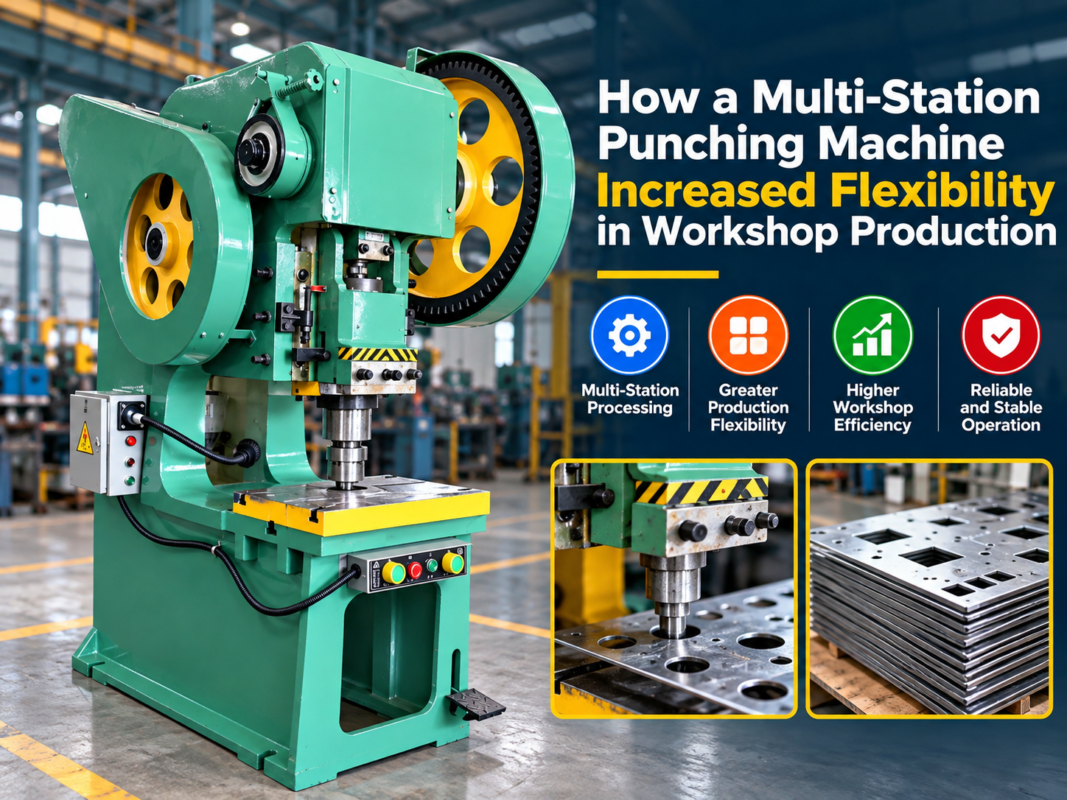
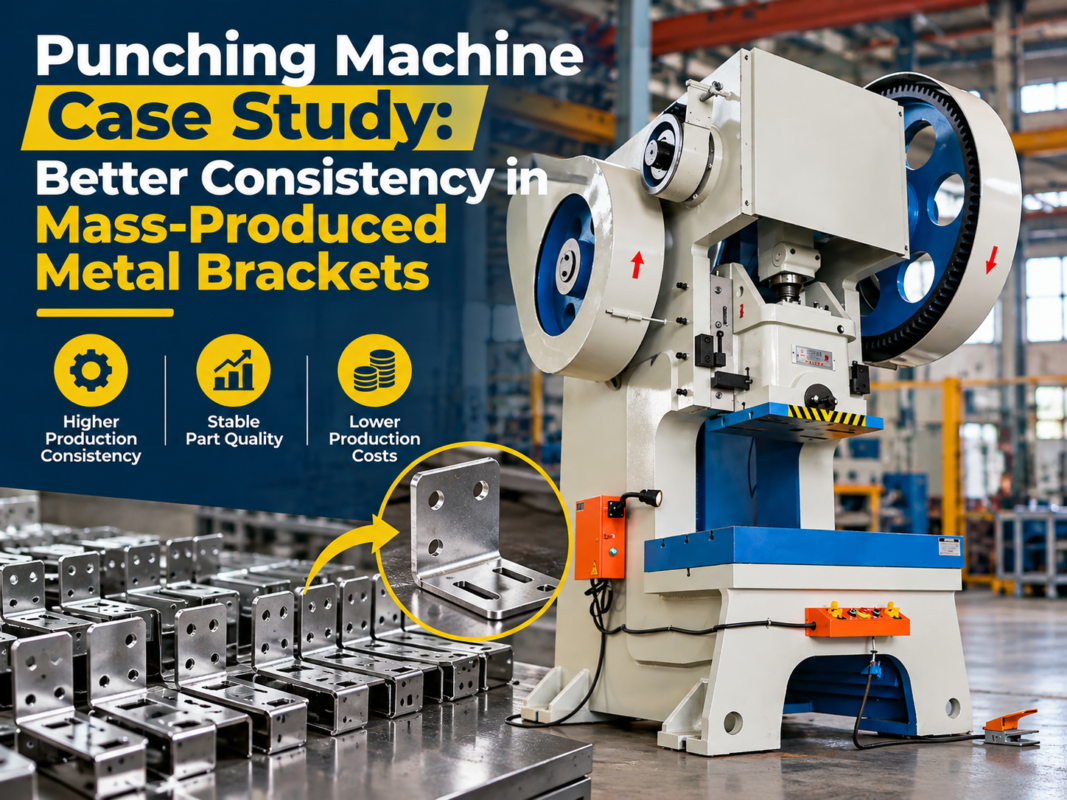
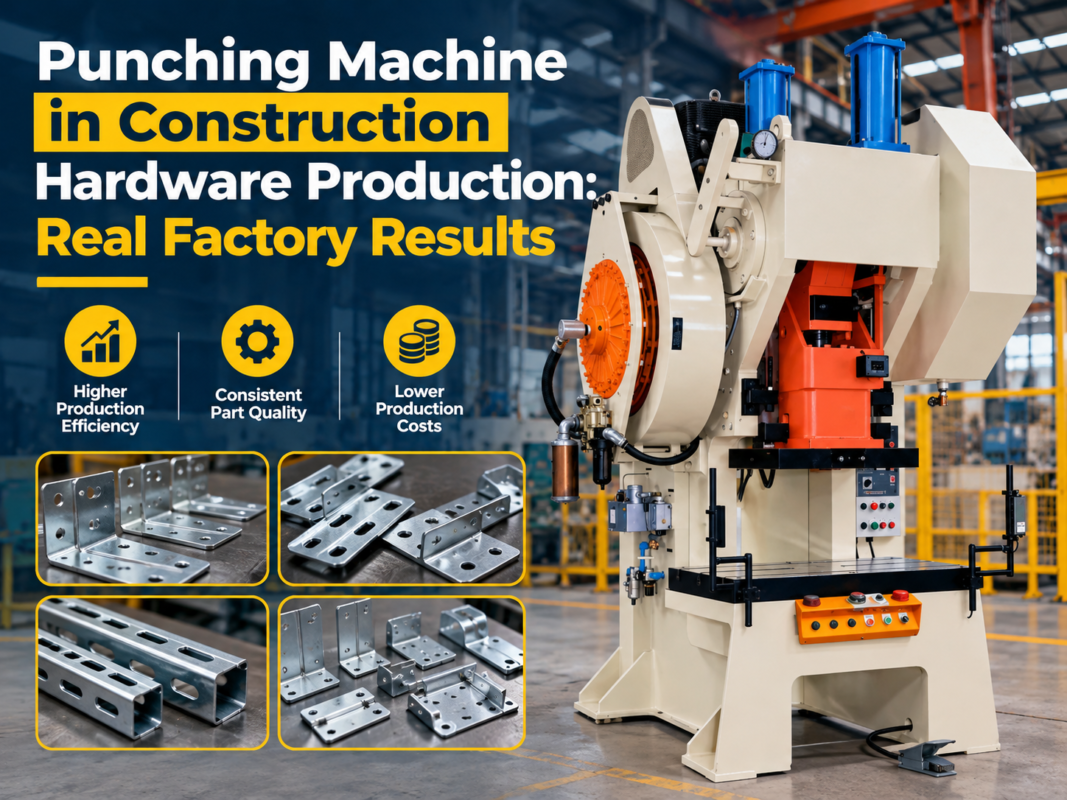
In the realm of industrial manufacturing, the ability to accurately and efficiently create holes, notches, and forms in sheet metal is paramount. To choose punching machine metal fabrication projects effectively, one must first understand the underlying technology that drives these powerhouses. A punching machine, or punch press, is a type of machine tool used to change the size or shape of a piece of metal by applying a high force to a die. This process, known as punching, is a critical step in the production of everything from simple brackets to complex automotive components and electronic enclosures.
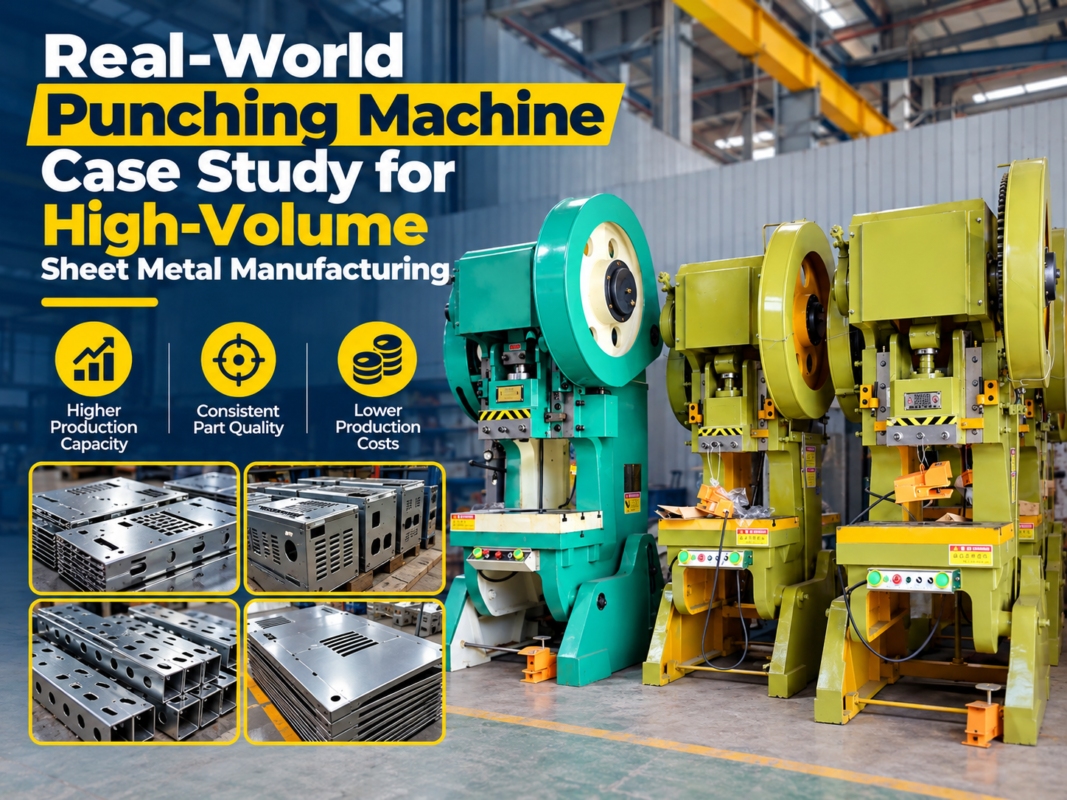
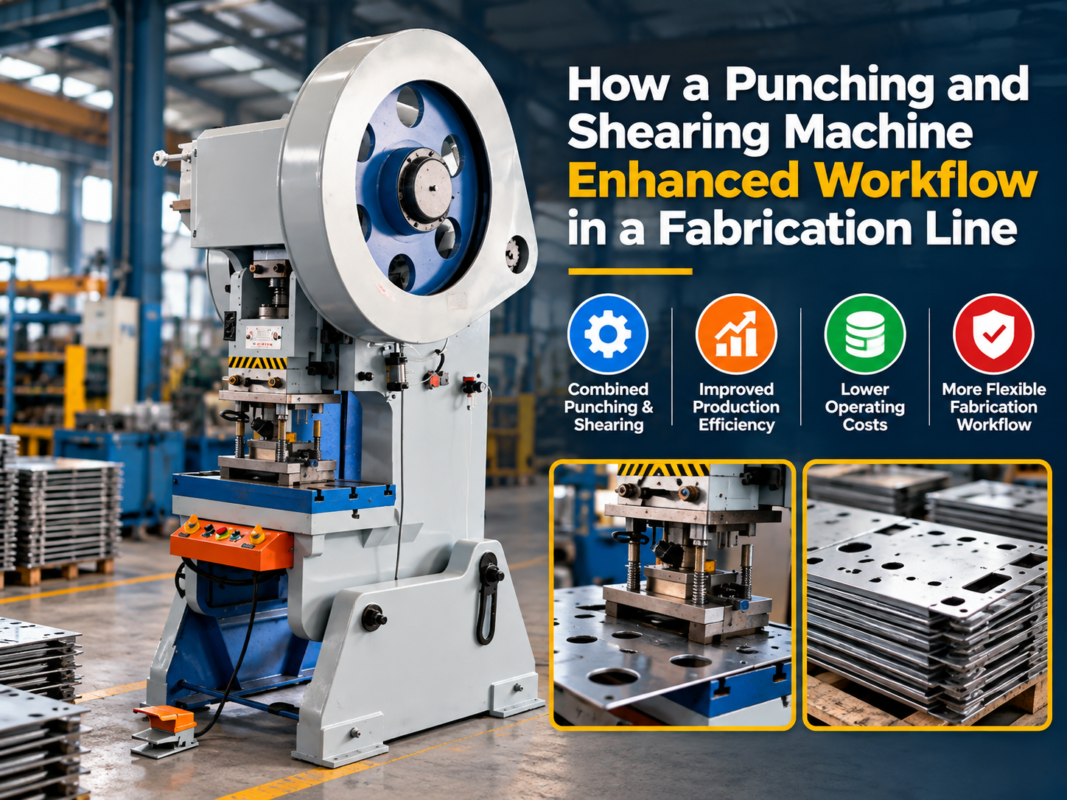
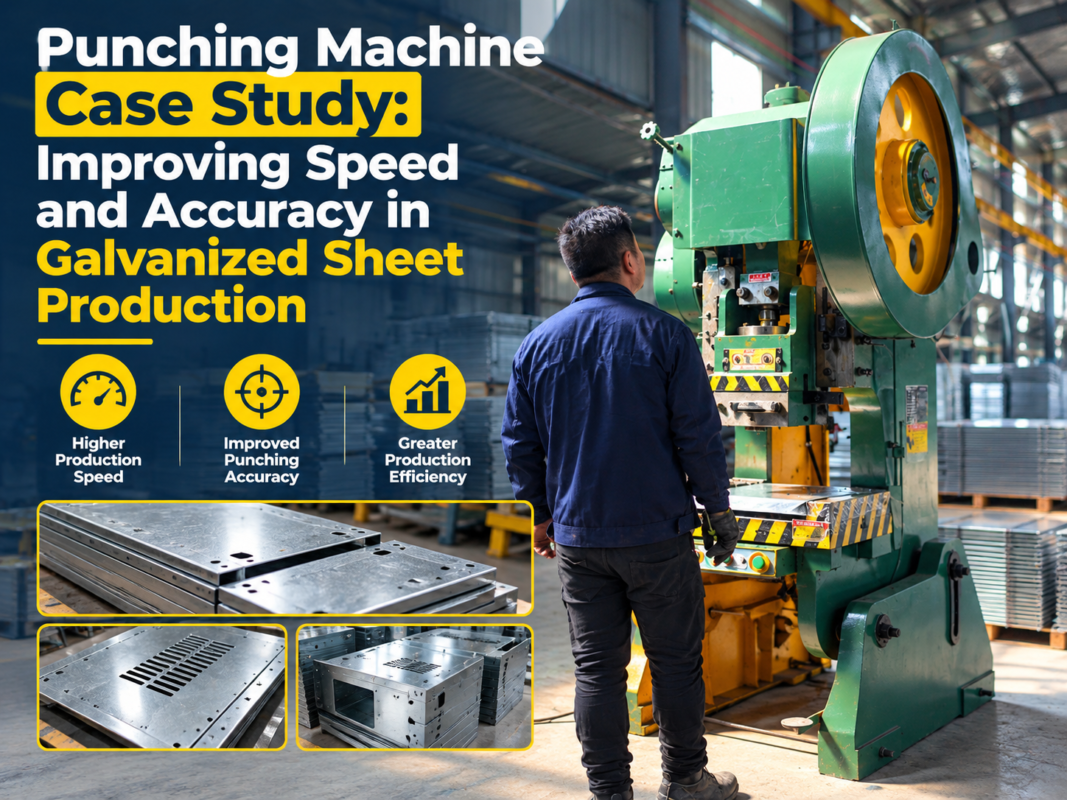
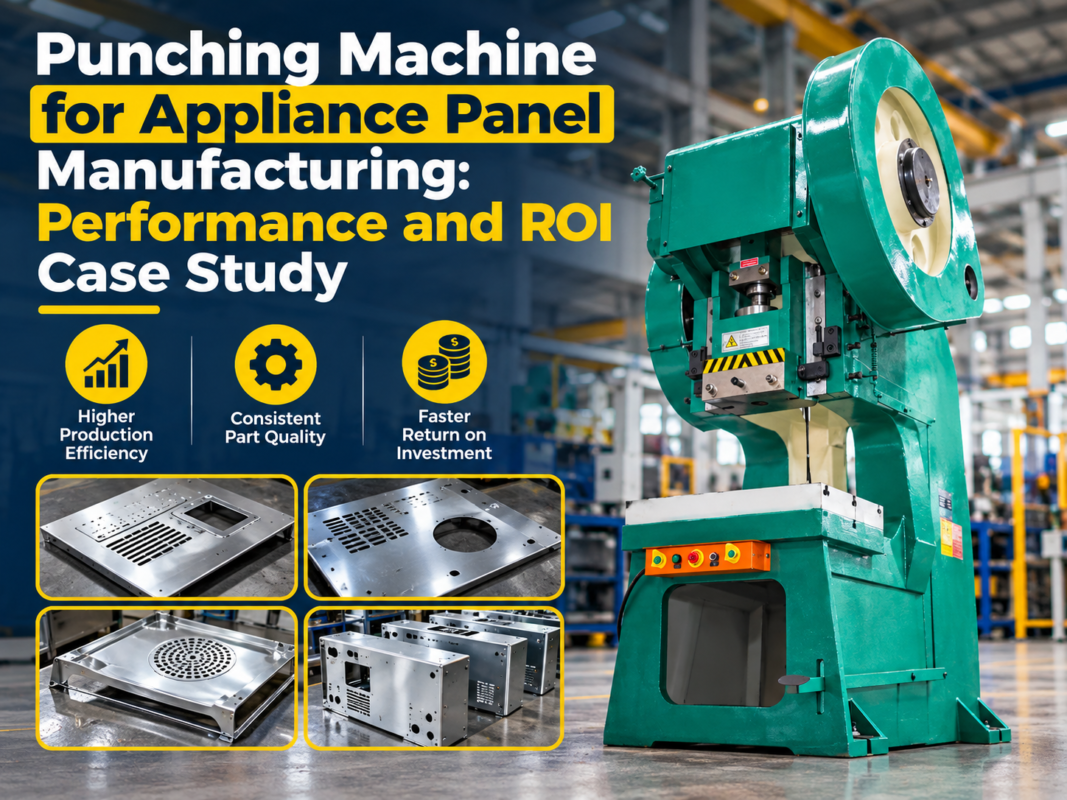
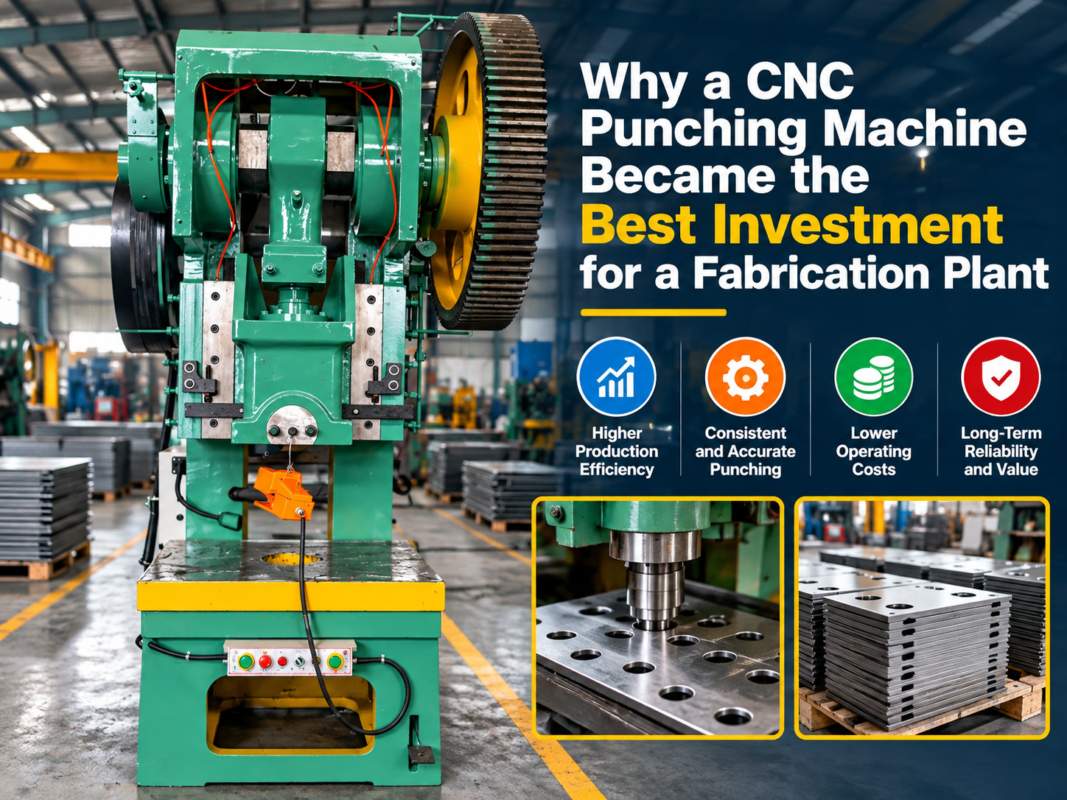
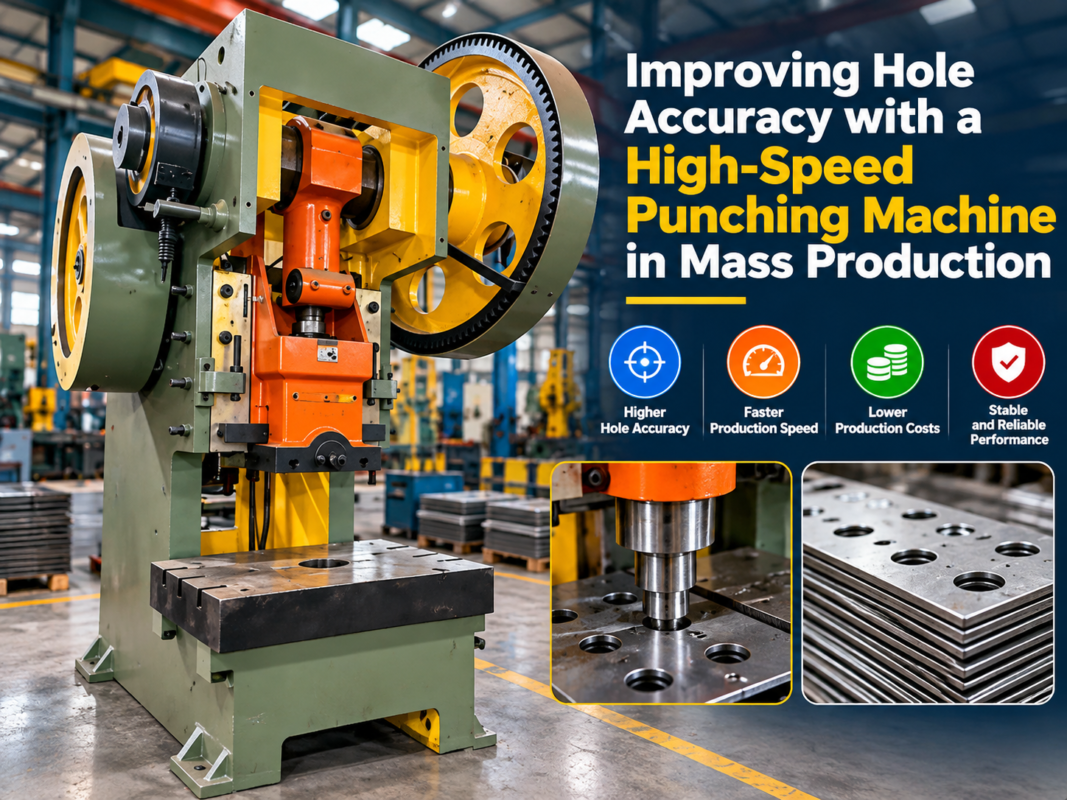
The evolution of punching technology has transitioned from manual hand-operated presses to sophisticated CNC (Computer Numerical Control) turret punch presses. Modern machines utilize various drive systems, including mechanical flywheels, hydraulic cylinders, and servo-electric motors. Mechanical presses are known for their high speed and efficiency in high-volume production runs, utilizing the kinetic energy stored in a rotating flywheel. In contrast, hydraulic punching machines offer greater flexibility in stroke control and are often preferred for thicker materials where a constant force throughout the stroke is required. Servo-electric models represent the latest frontier, offering unparalleled precision and energy efficiency by eliminating hydraulic fluids and reducing noise levels.
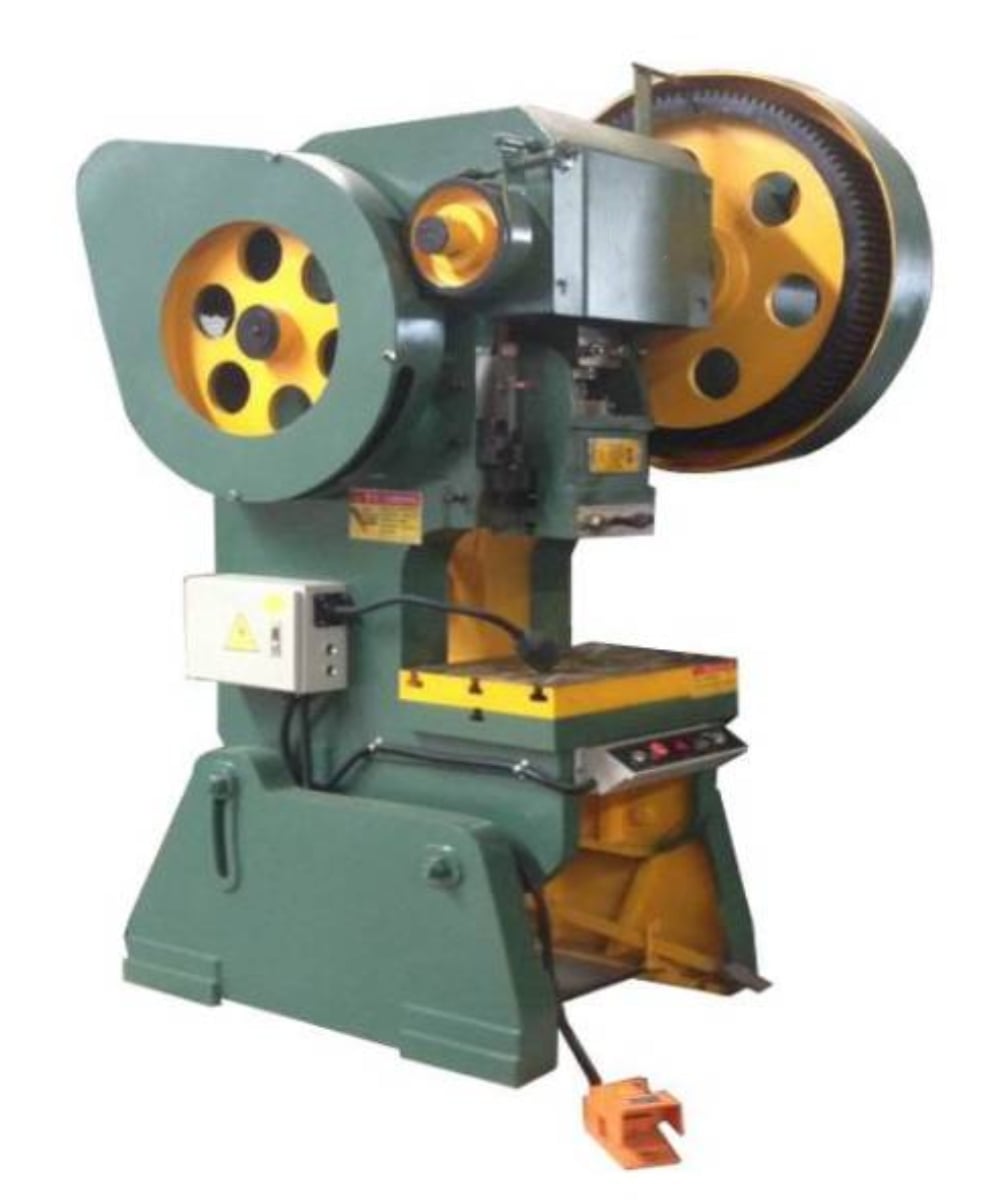
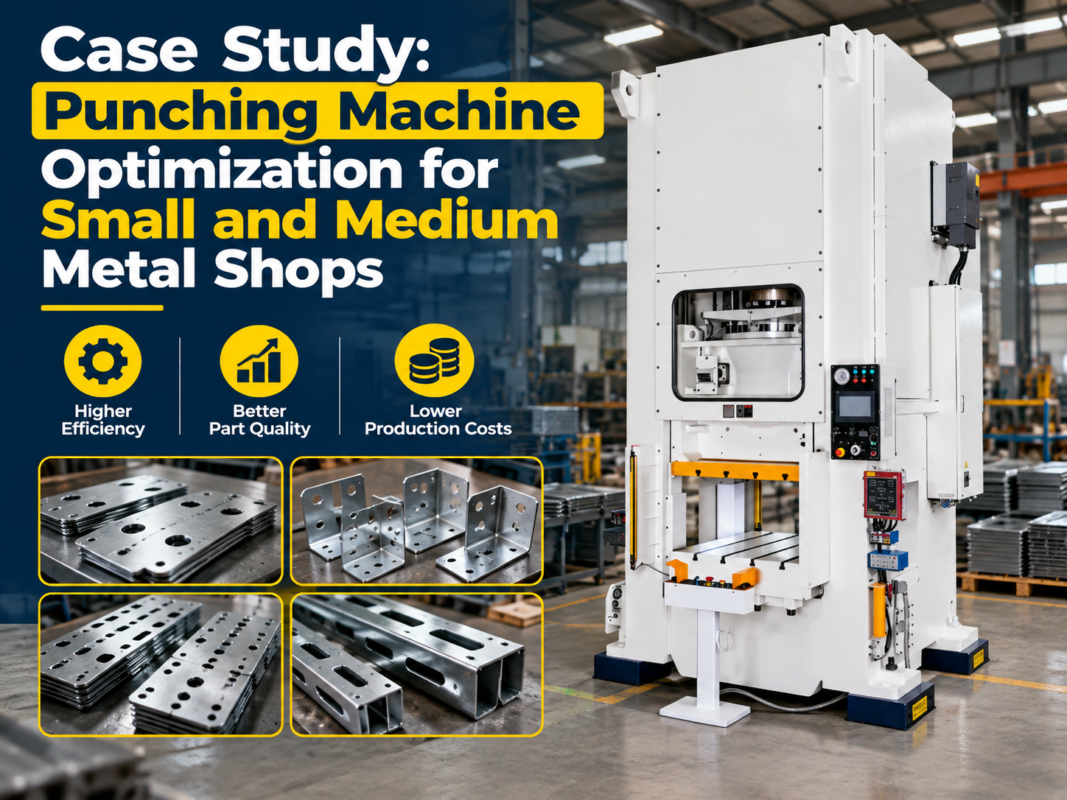
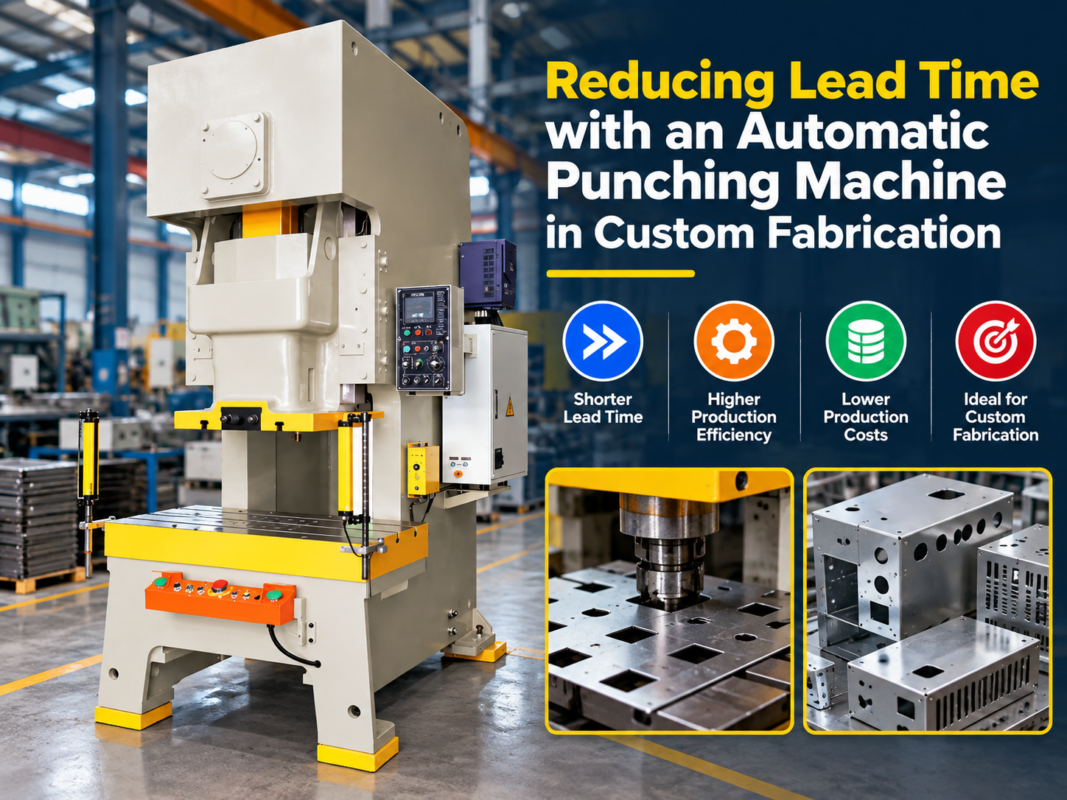
Furthermore, the frame design of the machine plays a vital role in its performance. C-frame (or gap-frame) machines provide excellent accessibility to the work area from three sides, making them ideal for smaller parts or manual loading. However, they are susceptible to ‘angular deflection’ under high loads. H-frame (or straight-side) machines, on the other hand, feature a closed-loop design that minimizes deflection, ensuring higher accuracy and longer tool life for heavy-duty applications. Understanding these structural differences is the first step in making an informed procurement decision.
Core Parameters to Consider for Metal Fabrication Projects
When you begin the process to choose punching machine metal fabrication projects, several technical parameters must be evaluated to ensure the equipment aligns with your production requirements. The most critical parameter is Tonnage, which refers to the maximum force the machine can exert. Selecting a machine with insufficient tonnage will lead to stalled operations and potential mechanical failure, while excessive tonnage may result in unnecessary energy consumption and higher capital costs.
Stroke Length and Speed: The stroke length determines the maximum thickness of the material and the height of the tools that can be used. For high-speed blanking operations, a short stroke with high Strokes Per Minute (SPM) is desirable. Conversely, for forming operations like louvers or ribs, a longer, controllable stroke is necessary. Modern CNC machines allow for programmable stroke profiles, enabling the operator to optimize the cycle time based on the specific geometry of the part.
Throat Depth and Table Size: Throat depth is the distance from the center of the punch to the back frame of the machine. This dimension dictates the maximum width of the sheet metal that can be processed. If your projects involve large panels, such as those used in HVAC or cabinetry, a deep throat or a large-format CNC table is essential. The table size and the positioning speed of the X and Y axes also directly impact the throughput of the machine, especially when nesting multiple parts on a single large sheet.
Tooling Capacity and Turret Configuration: For CNC turret punch presses, the number of tool stations is a key consideration. A larger turret allows for a wider variety of tools to be loaded simultaneously, reducing setup times and allowing for complex part geometries without manual tool changes. Additionally, the inclusion of ‘Auto-Index’ stations—which allow tools to rotate to any angle—significantly increases the versatility of the machine, enabling the fabrication of angled notches and complex contours with standard tools.
Calculation Method: Determining Required Punching Force
To accurately choose punching machine metal fabrication projects, you must perform a technical calculation of the punching force required for your most demanding tasks. The formula for calculating the punching force (P) in kilonewtons (kN) or tons is based on the perimeter of the cut, the thickness of the material, and its shear strength. Using an undersized machine is a common cause of premature wear on both the machine and the tooling.
The standard formula is: P = L × t × τ / 1000
Where:
– L is the total perimeter of the hole or shape (mm). For a round hole, L = π × d.
– t is the material thickness (mm).
– τ is the shear strength of the material (N/mm²). As a rule of thumb, shear strength is approximately 80% of the tensile strength.
For example, if you need to punch a 50mm diameter hole in 3mm thick stainless steel (with a shear strength of approximately 500 N/mm²):
L = 3.14159 × 50 = 157.08 mm
P = 157.08 × 3 × 500 / 1000 = 235.62 kN.
To convert kN to Metric Tons, divide by 9.81: 235.62 / 9.81 ≈ 24 Tons. It is standard engineering practice to add a 20-30% safety margin to account for tool wear and material variations, meaning a 30-ton machine would be the minimum recommended size for this specific task.
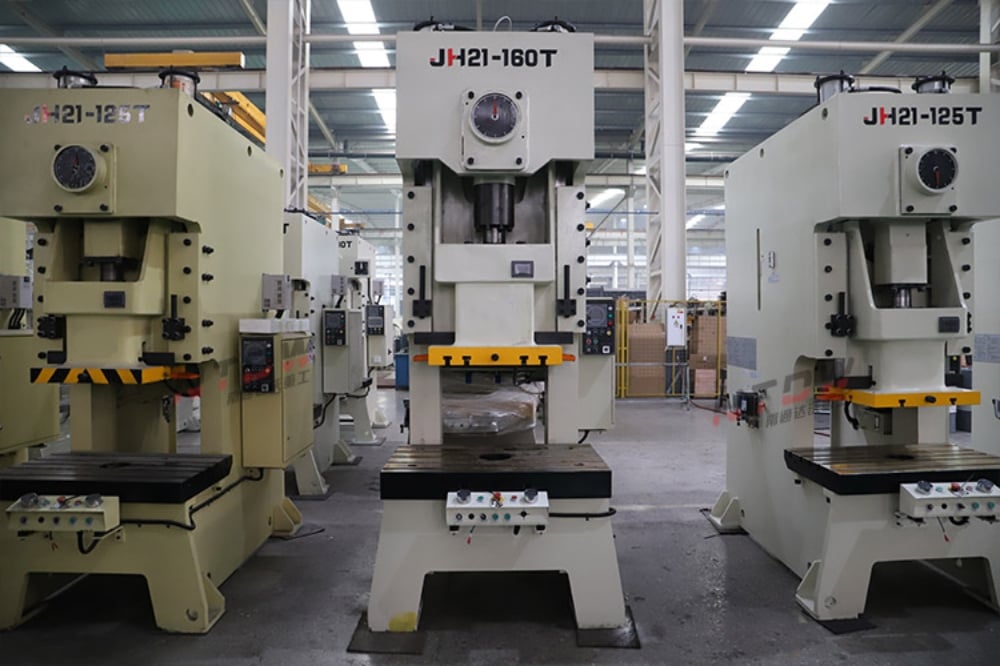
Punching Machine Parameter Comparison Table
The following table provides a comparative look at different types of punching machines to help you choose punching machine metal fabrication projects based on typical industry specifications.
| Machine Type | Typical Tonnage Range | Max Material Thickness | Best For… | Key Advantage |
|---|---|---|---|---|
| Mechanical Power Press | 15 – 500 Tons | Up to 12mm | High-volume blanking | High speed and low cost per part |
| Hydraulic Punching Machine | 30 – 200 Tons | Up to 25mm | Heavy plate, deep drawing | Full power throughout the stroke |
| CNC Turret Punch Press | 20 – 50 Tons | Up to 6.35mm | Complex sheet metal parts | Versatility and automation |
| Manual/Single End Punch | 5 – 30 Tons | Up to 10mm | Prototyping, small shops | Low capital investment |
Common Engineering Mistakes in Machine Selection
One of the most frequent mistakes when engineers choose punching machine metal fabrication projects is ignoring the ‘Die Clearance.’ Die clearance is the space between the punch and the die. If the clearance is too small, it increases the required force and causes excessive wear on the tools. If it is too large, it results in large burrs on the workpiece. A machine must be chosen that can handle the specific clearances required for the materials you intend to process, particularly when switching between aluminum, carbon steel, and stainless steel.
Another common error is underestimating the importance of the machine’s ‘Duty Cycle.’ In a high-production environment, a machine running at its maximum rated tonnage for 16 hours a day will experience significantly more fatigue than one running at 60% capacity. Engineers often fail to account for the heat generation in hydraulic systems or the vibration stress in mechanical systems, leading to unexpected downtime. Always select a machine that operates comfortably within its limits for your standard production runs.
Neglecting the software ecosystem is a third critical mistake. For CNC punching, the CAD/CAM software is just as important as the hardware. Poor nesting software leads to material waste, while inefficient tool path generation increases the ‘hit-to-hit’ time. When you choose punching machine metal fabrication projects, ensure the machine’s controller is compatible with modern industry-standard software and that it supports features like remote diagnostics and IoT integration for predictive maintenance.
Selection Checklist for Metal Fabrication Projects
To ensure you select the most appropriate equipment, follow this comprehensive checklist during your evaluation process:
- Material Specifications: Define the maximum thickness and tensile strength of all materials (Aluminum, Mild Steel, Stainless Steel) you plan to process.
- Part Complexity: Determine if you need simple holes or complex forming (louvers, countersinks, threading). This dictates whether you need a single-station or a turret press.
- Production Volume: Calculate your expected monthly output. High volumes favor mechanical or high-speed servo-electric CNC machines.
- Accuracy Requirements: Evaluate the tolerances required by your customers. CNC machines offer much higher repeatability than manual systems.
- Floor Space and Layout: Measure your available shop space, including the clearance needed for loading large sheets and maintenance access.
- Budget and ROI: Consider not just the purchase price, but also the cost of tooling, electricity, maintenance, and the potential for labor savings through automation.
- Future-Proofing: Will your needs change in 3-5 years? Investing in a machine with a slightly larger table or more tool stations now can save significant costs later.
Frequently Asked Questions (FAQ)
1. What is the difference between a punching machine and a laser cutting machine?
While both can cut shapes out of sheet metal, punching machines are significantly faster for creating repetitive holes and can perform forming operations (like louvers or ribs) that lasers cannot. Laser machines are better for highly intricate, non-repetitive contours and thicker materials where tooling costs would be prohibitive.
2. How often should I sharpen my punching tools?
Tool sharpening frequency depends on the material being punched and the die clearance. As a general rule, tools should be inspected every 10,000 to 50,000 hits. Punching stainless steel will dull tools much faster than aluminum. Using a machine with a built-in lubrication system can significantly extend tool life.
3. Can a punching machine handle stainless steel?
Yes, but it requires significantly more tonnage (about 50% more than mild steel) and specialized tooling with specific coatings to prevent galling. When you choose punching machine metal fabrication projects involving stainless steel, ensure the machine frame is rigid enough to handle the higher shock loads.
4. What maintenance is required for a hydraulic punching machine?
Key maintenance tasks include regular oil changes, filter replacements, and checking for leaks in hoses and seals. It is also vital to keep the ram and guides lubricated and to ensure the cooling system is functioning correctly to prevent the hydraulic fluid from overheating during long shifts.
5. Is CNC punching better than manual punching?
For almost all commercial applications, CNC is superior due to its speed, accuracy, and ability to run complex programs with minimal operator intervention. Manual punching is only recommended for very low-volume prototyping, simple repair work, or hobbyist applications where the cost of CNC cannot be justified.
6. How do I calculate the ‘Slug’ clearance?
Slug clearance (or die clearance) is typically calculated as a percentage of the material thickness. For mild steel, it is usually 15-20% of the thickness. For stainless steel, it may be 20-25%. Correct clearance is essential for a clean cut and to prevent the slug from ‘pulling’ back up into the die.