Shearing Machine Maintenance Checklist for Longer Blade Life and Better Cutting Accuracy


The Critical Importance of Shearing Machine Maintenance
In the high-stakes world of metal fabrication, the shearing machine stands as a cornerstone of production. Whether you are operating a hydraulic swing beam shear or a guillotine-style machine, the precision of your cuts and the longevity of your blades directly impact your bottom line. A well-maintained shearing machine ensures that every piece of sheet metal is cut to exact specifications, reducing waste and secondary finishing costs. Conversely, neglecting maintenance leads to a cascade of issues: burred edges, inaccurate dimensions, excessive strain on hydraulic components, and premature blade failure.
Implementing a rigorous Shearing Machine Maintenance Checklist for Longer Blade Life and Better Cutting Accuracy is not just about preventing breakdowns; it is about optimizing the entire fabrication lifecycle. When blades are sharp and properly aligned, the machine requires less force to penetrate the material, which preserves the motor and hydraulic seals. Furthermore, a consistent maintenance routine fosters a safer working environment for operators, as many mechanical failures in heavy machinery can lead to hazardous situations. At HARSLE, we emphasize that the difference between a machine that lasts ten years and one that lasts thirty often comes down to the diligence of the maintenance team.
Beyond the mechanical benefits, there is a significant economic argument for proactive care. The cost of replacing a set of high-quality shear blades can be substantial, not to mention the downtime associated with the swap. By following a structured checklist, fabricators can extend the interval between blade regrinds and replacements. This article provides an exhaustive guide to maintaining your shearing equipment, covering everything from daily visual inspections to complex hydraulic system audits, ensuring your shop remains productive and precise.
Daily Inspection: The First Line of Defense
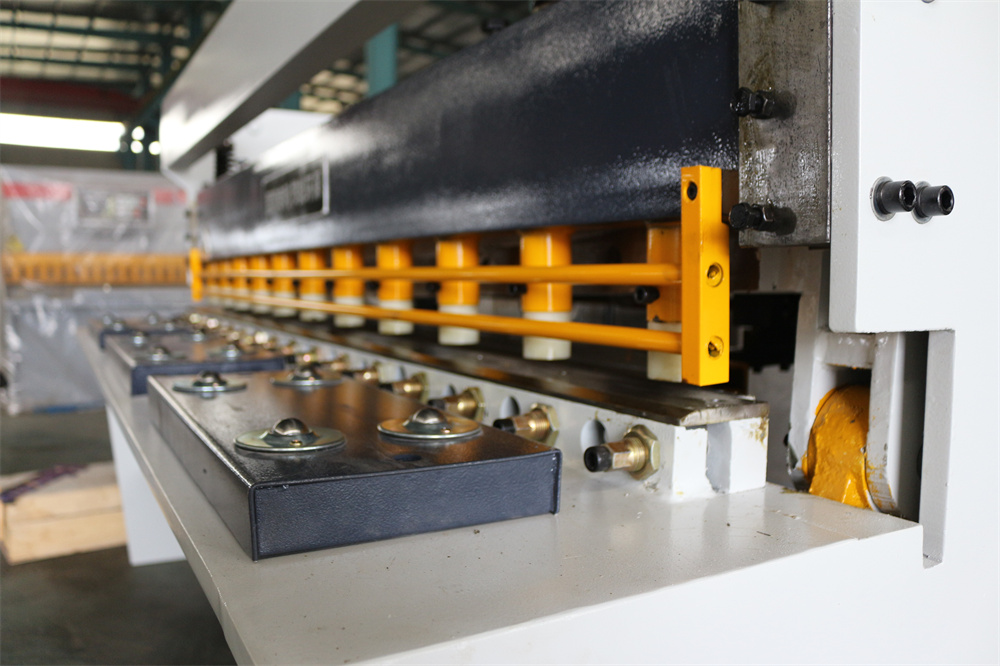
The daily inspection is the most effective way to catch minor issues before they escalate into expensive repairs. Before the start of every shift, operators should perform a walk-around of the machine. This begins with a visual check for any obvious signs of wear or damage. Check the work area for oil leaks on the floor, which could indicate a failing seal or a loose hydraulic fitting. Inspect the blades for any visible nicks or chips; even a small imperfection in the blade edge can cause a localized stress point that leads to a larger crack during a heavy cut.
Safety features must be tested daily without exception. This includes the emergency stop buttons, light curtains, and physical guards. If a safety sensor is bypassed or malfunctioning, the machine should be locked out immediately. Additionally, the operator should clear any scrap metal or debris from the cutting table and the rear of the machine. Accumulated small offcuts can jam the backgauge mechanism or interfere with the blade’s downward stroke, leading to inaccurate cuts or mechanical jams.
Another critical daily task is monitoring the oil level in the hydraulic reservoir. Operating a shearing machine with low oil levels can introduce air into the system, leading to cavitation and permanent damage to the hydraulic pump. Check the pressure gauges while the machine is idling and during a test cut. If the pressure fluctuates wildly or fails to reach the required level for the material thickness being cut, it indicates a problem within the valve block or the pump itself. Documenting these daily findings in a logbook helps track the machine’s health over time.
Hydraulic System Maintenance and Oil Quality
The hydraulic system is the heart of the shearing machine, providing the massive force required to shear through thick steel plates. Maintaining the integrity of this system is paramount for Better Cutting Accuracy. Over time, hydraulic oil can become contaminated with microscopic metal particles, dust, and moisture. This contamination acts like sandpaper, wearing down the internal surfaces of valves and cylinders. It is recommended to change the hydraulic oil and filters at least once a year, or more frequently if the machine is used in a high-dust environment.
Temperature control is another vital aspect of hydraulic maintenance. If the oil becomes too hot, its viscosity drops, leading to internal leakage and a loss of cutting power. Ensure that the cooling system—whether it is an air-cooled heat exchanger or a water-cooled system—is functioning correctly. Clean the cooling fins of any dust buildup to allow for maximum heat dissipation. Conversely, in very cold climates, the oil may need to be preheated before the machine can operate at full speed to prevent sluggish valve response.
Inspect all hydraulic hoses for signs of aging, such as cracking, bulging, or weeping at the couplings. A burst hydraulic hose under high pressure is a severe safety hazard and results in a significant environmental cleanup. Tighten any loose connections, but be careful not to over-tighten, as this can damage the threads or the O-rings. If you notice the machine making a high-pitched whining sound, it is often a sign that the pump is struggling or that there is a restriction in the suction line. Addressing these hydraulic issues promptly ensures the machine maintains the consistent pressure necessary for clean, square cuts.
Electrical System and Control Panel Integrity
Modern shearing machines rely heavily on sophisticated electrical components and CNC controllers to manage backgauge positioning and stroke length. The electrical cabinet should be kept clean and free of metal dust, which can cause short circuits. Periodically check all wiring connections to ensure they are tight; vibrations from the shearing process can loosen terminal screws over time. Loose connections lead to intermittent faults that are notoriously difficult to diagnose.
The control panel and its interface should be checked for responsiveness. If the machine features a CNC backgauge, verify that the dimensions entered on the screen match the actual physical position of the gauge. Calibration may be necessary if there is a discrepancy. Furthermore, inspect the foot pedal and its cable. Since the foot pedal is often moved around the shop floor, the cable is prone to being crushed or frayed. A malfunctioning foot pedal can lead to unintended cycles, posing a significant risk to the operator.
Motors should be monitored for excessive heat or unusual vibrations. Ensure that the motor cooling fans are clear of obstructions. If the machine uses a frequency inverter or soft-starter, check the diagnostic codes on the drive for any warning signs. Keeping the electrical system in top shape ensures that the machine’s logic remains sound, preventing erratic behavior that could ruin a workpiece or damage the shearing blades.
Mechanical Components and Blade Gap Adjustment
The mechanical relationship between the upper and lower blades is the single most important factor in achieving Longer Blade Life. The “blade gap” or clearance must be adjusted according to the thickness and type of material being cut. If the gap is too wide, the metal will bend or fold between the blades rather than shearing, resulting in a heavy burr. If the gap is too tight, the blades may rub against each other, causing rapid dulling and potentially damaging the blade seats. Most HARSLE shearing machines feature a quick-adjust mechanism for the blade gap, which should be utilized for every change in material thickness.
The backgauge system requires regular attention to maintain Better Cutting Accuracy. The lead screws or ball screws that move the backgauge should be checked for backlash. If there is play in the movement, the backgauge will not provide a consistent stop, leading to variations in the length of the cut pieces. Clean the guide rails and apply a light coat of oil to prevent rust and ensure smooth travel. Additionally, check the parallelism of the backgauge bar relative to the cutting edge. If it is out of alignment, every piece cut will be tapered.
Hold-down cylinders are another mechanical component that often goes overlooked. These cylinders must exert enough pressure to prevent the sheet metal from shifting during the cut. If the hold-down pads are worn or if the cylinders are leaking, the material may tilt upward during the shear, resulting in a crooked cut and putting uneven lateral stress on the blades. Inspect the pads for grip and replace them if they have become smooth or damaged.
Comprehensive Lubrication Plan
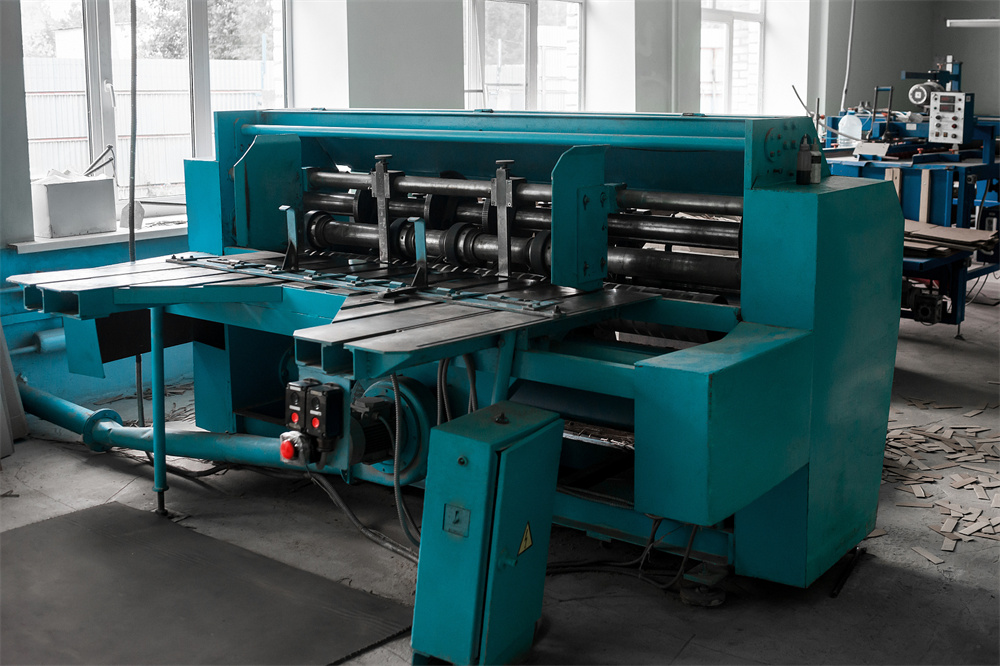
Lubrication is the lifeblood of mechanical movement. Without a proper lubrication plan, the friction generated during the shearing process will quickly destroy bearings, bushings, and slideways. Most shearing machines have specific lubrication points that require daily, weekly, or monthly attention. These typically include the main pivot points of the swing beam, the backgauge lead screws, and the sliding guides for the ram.
Using the correct type of lubricant is just as important as the frequency of application. High-pressure grease is usually required for the main bearings to withstand the shock loads of shearing. For the sliding ways, a specialized way-oil that clings to vertical surfaces is preferred. If your machine is equipped with a central lubrication system, ensure the reservoir is full and that the distribution lines are not blocked. A blocked line can leave one critical bearing dry while the rest of the machine appears well-lubricated.
A good lubrication schedule should be documented and visible near the machine. For example:
- Daily: Lubricate main slideways and check central lube reservoir.
- Weekly: Grease backgauge ball screws and pivot pins.
- Monthly: Inspect and lubricate the motor bearings and any secondary linkages.
Consistent lubrication not only reduces wear but also helps to flush out contaminants from the bearing surfaces. It ensures that the machine operates smoothly and quietly, which makes it easier for the operator to hear any unusual noises that might signal an emerging problem.
Troubleshooting Signals: What Your Machine is Telling You
Experienced operators develop an ear for their machinery. Any change in the sound or feel of the shearing process should be investigated immediately. For instance, a loud “banging” sound at the end of the stroke often indicates that the nitrogen return cylinders are low on pressure or that the mechanical buffers are worn out. This puts unnecessary shock on the frame of the machine and can lead to structural fatigue over time.
If you notice that the cut edge of the metal has a significant “roll-over” or a large burr, it is a clear signal that the blades are dull or the blade gap is incorrect. Dull blades require more force to cut, which can be seen on the pressure gauge. If the machine is struggling to cut material that it previously handled with ease, the blades likely need to be rotated or reground. Most shearing blades have four cutting edges; when one edge becomes dull, the blade can be flipped to a fresh edge, effectively quadrupling its lifespan before a professional regrind is necessary.
Uneven cuts or “bowing” in the sheared strip can indicate that the blade beam is not moving linearly or that the material is not being held securely. Check for loose bolts on the blade carrier and ensure the hold-downs are synchronized. If the machine vibrates excessively during the cut, check the foundation bolts. A shearing machine must be perfectly level and securely anchored to the floor to maintain its structural alignment and cutting precision.
Shearing Machine Maintenance Schedule Table
| Frequency | Component | Action Required |
|---|---|---|
| Daily | Blades & Table | Clean debris, check for nicks, and verify blade gap. |
| Daily | Safety Systems | Test E-stops, light curtains, and foot pedal. |
| Daily | Hydraulics | Check oil level and look for leaks. |
| Weekly | Backgauge | Clean and lubricate lead screws/guides. |
| Weekly | Lubrication | Manually grease all secondary pivot points. |
| Monthly | Electrical | Inspect cabinet for dust and tighten connections. |
| Monthly | Hold-downs | Check cylinder seals and pad condition. |
| 6 Months | Hydraulic Oil | Sample oil for contamination or replace filters. |
| Yearly | Full Calibration | Verify backgauge accuracy and beam parallelism. |
| Yearly | Blades | Professional inspection and potential rotation/regrind. |
Frequently Asked Questions (FAQ)
How often should I sharpen my shearing machine blades?
The frequency of sharpening depends on the volume of work and the type of material being cut. Stainless steel will dull blades much faster than mild steel or aluminum. Generally, you should rotate the blade to a new edge when you notice increased burring or when the cutting pressure increases by 10-15%. Professional regrinding is usually needed every 1-2 years for medium-duty shops.
What type of hydraulic oil is best for a HARSLE shearing machine?
Most hydraulic shearing machines use an anti-wear hydraulic oil with a viscosity grade of ISO VG 46 or 68. Always refer to your specific machine manual, as the climate of your workshop can influence the ideal viscosity. Using the wrong oil can lead to sluggish performance or pump damage.
Why is my shearing machine leaving a burr on the edge of the metal?
A burr is typically caused by one of three things: dull blades, an incorrect blade gap (too wide), or the material moving during the cut because of weak hold-downs. Start by checking the blade gap setting for the specific thickness of the material you are cutting.
Can I cut hardened steel on a standard shearing machine?
Standard shearing blades are designed for mild steel and stainless steel. Cutting hardened steel or materials with a high carbon content can cause the blades to chip or shatter. Always check the maximum tensile strength rating of your machine before attempting to cut specialized alloys.
How do I know if my nitrogen return cylinders need recharging?
If the upper beam returns to the top position slowly or fails to return completely, the nitrogen pressure is likely low. You will need a specialized charging kit to refill the cylinders to the manufacturer’s specified PSI. Never use compressed air or oxygen to charge these cylinders; only pure nitrogen should be used.
Conclusion: Investing in Longevity
Maintaining a shearing machine is a continuous process that requires discipline and attention to detail. By following this Shearing Machine Maintenance Checklist for Longer Blade Life and Better Cutting Accuracy, you are doing more than just fixing a machine; you are ensuring the consistency of your output and the safety of your team. A well-cared-for HARSLE shearing machine is a reliable asset that will provide precision cuts for decades. Remember that the cost of maintenance is always lower than the cost of a major repair or a lost production day. Treat your machinery with respect, and it will return the favor with flawless performance.