How Proper Shearing Machine Maintenance Improves Cutting Quality and Productivity


The Critical Link Between Maintenance and Performance
In the high-stakes world of metal fabrication, the shearing machine stands as a foundational pillar of production. Whether you are operating a hydraulic swing beam shear or a guillotine shearing machine, the precision of your initial cuts dictates the quality of every subsequent process, from bending to welding. Understanding how proper shearing machine maintenance improves cutting quality productivity is not just a matter of technical diligence; it is a strategic business imperative. When a machine is neglected, the ripple effects are felt across the entire shop floor in the form of jagged edges, dimensional inaccuracies, and costly downtime.
Proper maintenance ensures that the mechanical tolerances of the machine remain within the manufacturer’s specifications. Over time, the repetitive stress of shearing thick steel plates can lead to microscopic shifts in the blade gap and the alignment of the ram. Without a rigorous maintenance protocol, these minor deviations escalate into significant defects. By prioritizing upkeep, fabricators can achieve a level of consistency that satisfies even the most stringent aerospace or automotive standards, thereby enhancing the reputation of the facility and reducing the volume of scrap material generated.
Furthermore, the relationship between maintenance and productivity is direct and measurable. A well-maintained HARSLE shearing machine operates at its peak cycle speed, with minimal interruptions for adjustments. Conversely, a machine suffering from clogged hydraulic filters or worn-out seals will experience sluggish response times and unexpected failures. In an industry where margins are often thin, the ability to maintain a high throughput without sacrificing quality is the primary differentiator between a profitable operation and one struggling with overhead costs. This guide explores the multifaceted approach required to keep your shearing equipment in top-tier condition.
The Importance of Daily Inspections: The First Line of Defense
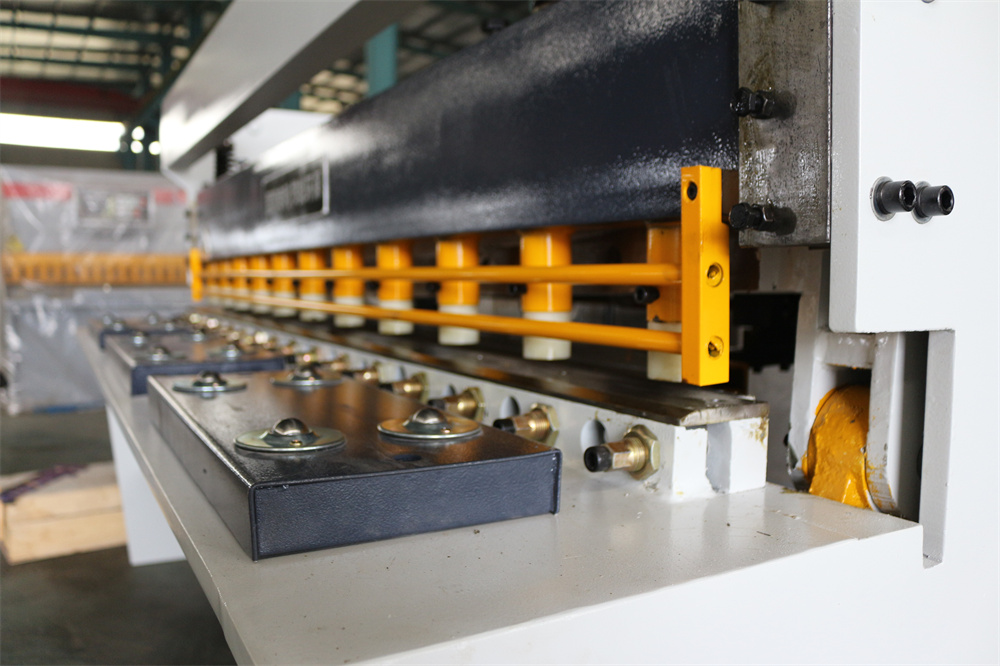
The journey toward optimal machine health begins with the daily inspection. This routine is the most effective way to catch minor issues before they evolve into catastrophic failures. Operators should be trained to perform a visual and auditory sweep of the machine before the first cut of the shift. This includes checking for any visible oil leaks around the hydraulic cylinders and hoses. Even a small drop of oil can indicate a failing seal or a loose fitting that, if left unaddressed, could lead to a loss of hydraulic pressure and uneven cutting force.
Beyond leaks, the daily inspection must focus on the cleanliness of the work surface and the blade area. Metal shavings, dust, and scale can accumulate in the throat of the machine or around the backgauge mechanism. If these contaminants are not removed, they can interfere with the precision of the backgauge sensors or cause premature wear on the sliding surfaces. A simple wipe-down and the use of compressed air to clear debris can significantly extend the life of the machine’s moving parts. This daily habit reinforces a culture of precision and care among the workforce.
Safety features must also be verified daily. The emergency stop buttons, light curtains, and foot pedal guards are not just regulatory requirements; they are essential components that protect the operator and the machine itself. A malfunctioning safety sensor can cause the machine to lock down or, worse, operate in an unsafe manner. By confirming that all safety systems are operational, managers ensure that productivity is not interrupted by avoidable accidents or legal liabilities. This proactive approach is a cornerstone of how proper shearing machine maintenance improves cutting quality productivity.
Hydraulic System Integrity and Oil Management
The hydraulic system is the heart of a shearing machine, providing the massive force required to slice through heavy-gauge metal. Maintaining the integrity of this system is paramount. The most critical factor in hydraulic health is the quality and cleanliness of the hydraulic oil. Over time, oil degrades due to heat and pressure, losing its lubricating properties and accumulating microscopic metal particles. These particles act as an abrasive, wearing down the internal components of the pump and the valves. Regularly checking the oil level and monitoring its color and clarity can provide early warnings of contamination.
Filter replacement is another non-negotiable aspect of hydraulic maintenance. Most modern shearing machines are equipped with suction and return line filters designed to trap contaminants. If these filters become clogged, the pump must work harder to circulate the oil, leading to overheating and cavitation. Overheating is particularly dangerous as it thins the oil, reducing its ability to protect the system and causing seals to become brittle and leak. Implementing a strict schedule for filter changes, regardless of whether the machine appears to be struggling, is essential for long-term reliability.
Pressure settings must also be periodically verified using a calibrated pressure gauge. If the system pressure is too low, the machine will struggle to cut through thicker materials, leading to “stalling” and poor edge quality. If the pressure is too high, it puts unnecessary strain on the hydraulic hoses and cylinders, increasing the risk of a burst. Proper shearing machine maintenance improves cutting quality productivity by ensuring that the hydraulic force is perfectly balanced for the material being processed, resulting in smooth, effortless shears every time.
Electrical System and Control Panel Maintenance
In the era of CNC-controlled shearing machines, the electrical system is as vital as the mechanical components. Dust and vibration are the primary enemies of electrical reliability. Control panels should be kept sealed and clean; the accumulation of metallic dust inside a cabinet can lead to short circuits and the failure of sensitive PLC (Programmable Logic Controller) units. Periodically, a qualified technician should inspect the wiring for any signs of fraying or loose connections, which can be caused by the constant vibration of the machine during operation.
The accuracy of the backgauge is heavily dependent on the electrical feedback loops provided by encoders and sensors. If these components are coated in oil or dust, they may provide inaccurate readings to the controller, leading to dimensional errors in the finished parts. Cleaning these sensors with appropriate electronic cleaners and ensuring they are securely mounted is a vital part of the maintenance routine. Furthermore, the cooling fans for the electrical cabinet must be checked to ensure they are functioning, as overheating can cause the CNC system to glitch or shut down entirely.
Grounding is another often-overlooked aspect of electrical maintenance. A shearing machine generates significant static and electrical noise during operation. Proper grounding protects the sensitive electronics from power surges and ensures that the communication between the foot pedal, the sensors, and the main controller remains stable. By maintaining a robust electrical system, fabricators avoid the “ghost in the machine” errors that lead to frustrating downtime and inconsistent cutting results.
Mechanical Components and Blade Gap Optimization
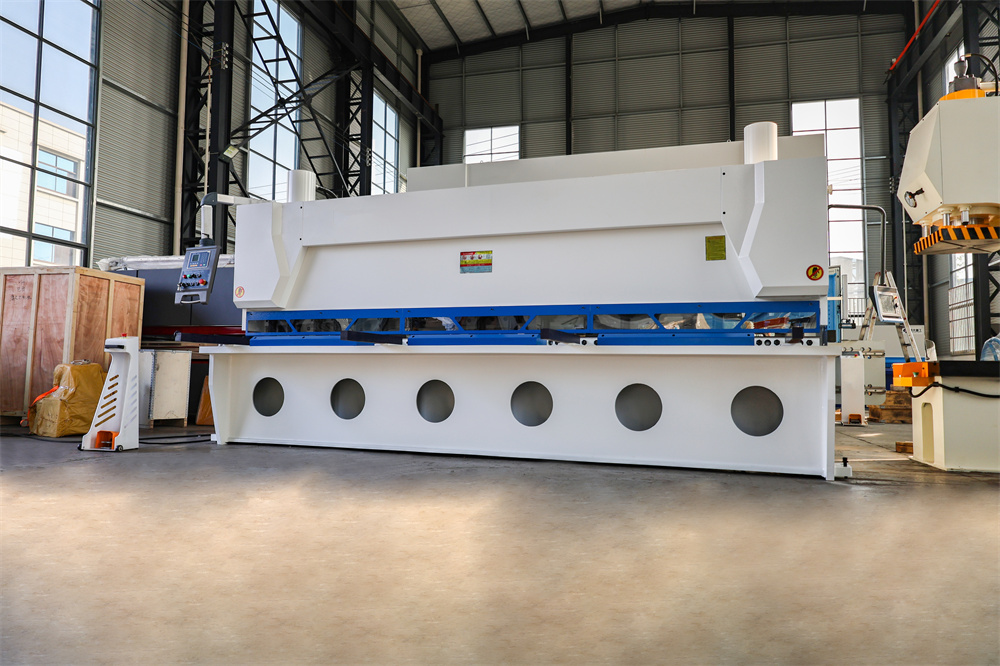
The mechanical soul of the shearing machine lies in its blades and the ram assembly. The sharpness of the blades is the single most important factor in determining the quality of the cut. Dull blades do not shear the metal; they tear it, resulting in heavy burrs and a deformed edge. Proper shearing machine maintenance improves cutting quality productivity by including a regular schedule for blade inspection and rotation. Most shearing blades have four cutting edges; rotating them at the first sign of wear can quadruple the life of the tool before a professional regrind is necessary.
Equally important is the blade gap adjustment. The distance between the upper and lower blades must be precisely set based on the thickness and type of material being cut. If the gap is too wide, the metal will bend between the blades rather than shearing cleanly. If the gap is too narrow, the blades may clash, causing catastrophic damage to the machine. Maintenance involves checking the parallelism of the blades and ensuring that the manual or automatic gap adjustment mechanism is moving freely and accurately. This calibration ensures that every cut is square and clean.
The backgauge mechanism, which determines the length of the cut, requires regular mechanical attention. The lead screws and linear guides must be kept clean and lubricated to ensure smooth movement. Any play or “backlash” in the backgauge will result in inconsistent part lengths, which can ruin a production run. By tightening loose bolts and ensuring the backgauge is perfectly square to the blades, maintenance personnel play a direct role in the high-precision output of the facility.
Comprehensive Lubrication Plan
Lubrication is the lifeblood of mechanical longevity. A shearing machine has numerous friction points, including the ram guides, the backgauge lead screws, and the pivot points of the swing beam. Without adequate lubrication, these components will experience rapid wear, leading to a loss of precision and eventually mechanical seizure. A comprehensive lubrication plan specifies the type of lubricant to be used (grease vs. oil), the frequency of application, and the specific points that require attention.
Many modern HARSLE machines feature centralized lubrication systems that distribute oil or grease to multiple points simultaneously. However, these systems still require maintenance. The reservoir must be kept full, and the delivery lines must be inspected for blockages. If a single line is blocked, one critical bearing may be running dry while the rest of the machine appears well-lubricated. For machines requiring manual lubrication, a checklist and a color-coded system can help operators ensure that no grease nipple is overlooked during their weekly rounds.
The choice of lubricant is also critical. Using a low-quality grease or the wrong viscosity of oil can be as damaging as using no lubricant at all. High-pressure additives are often required for the heavy loads experienced by shearing machine components. By following the manufacturer’s recommendations and maintaining a consistent lubrication schedule, you reduce the internal friction of the machine. This not only extends the life of the parts but also reduces the energy consumption of the motor, contributing to a more efficient and productive shop.
Identifying Troubleshooting Signals
Experienced operators develop an intuition for their machines, often sensing a problem before it causes a breakdown. One of the most common signals is a change in the sound of the machine. A high-pitched whine from the pump might indicate air in the hydraulic lines or a failing bearing. A heavy thud or vibration during the cut could suggest that the blades are dull or that the material is not being held securely by the hold-down cylinders. Recognizing these signals is a key part of how proper shearing machine maintenance improves cutting quality productivity.
The quality of the cut itself is a diagnostic tool. If you notice an increase in the “burr” height on the underside of the cut, it is a clear indication that the blade gap needs adjustment or the blades are losing their edge. If the cut is not square, the backgauge may be out of alignment. Monitoring these output characteristics allows for “predictive maintenance,” where adjustments are made based on the machine’s performance rather than just a calendar schedule. This minimizes the production of sub-standard parts and keeps the workflow moving smoothly.
Another signal to watch for is the temperature of the hydraulic tank. If the tank feels excessively hot to the touch, the system is working too hard, likely due to a clog or internal leakage. Slow cycle times are also a red flag; if the ram takes longer to return to the top position than usual, the nitrogen return cylinders may need recharging or the hydraulic valves may be sticking. Addressing these signals immediately prevents the “domino effect” where one small failure leads to a series of more expensive repairs.
Maintenance Schedule Table
To ensure consistency, every fabrication shop should adhere to a structured maintenance schedule. The following table outlines the essential tasks required to keep a shearing machine in peak condition.
| Frequency | Task Description | Target Component |
|---|---|---|
| Daily | Check hydraulic oil levels and look for leaks | Hydraulic System |
| Daily | Clean work table and remove metal shavings | Machine Bed / Blades |
| Daily | Verify operation of E-stops and light curtains | Safety Systems |
| Weekly | Lubricate backgauge lead screws and guides | Mechanical Drive |
| Weekly | Inspect blade edges for chips or dullness | Cutting Tools |
| Monthly | Check and tighten all electrical connections | Control Cabinet |
| Monthly | Verify blade gap calibration with feeler gauges | Ram / Blades |
| Quarterly | Replace hydraulic filters and check oil quality | Hydraulic System |
| Bi-Annually | Check nitrogen pressure in return cylinders | Return System |
| Annually | Complete hydraulic oil change and system flush | Hydraulic System |
Frequently Asked Questions (FAQ)
1. How often should I rotate my shearing machine blades?
Blade rotation frequency depends on the volume of work and the type of material being cut. For standard mild steel, blades should be inspected weekly. If you notice a decrease in cut quality or an increase in burrs, it is time to rotate to a fresh edge. Typically, high-production shops rotate blades every 3 to 6 months.
2. Why is my shearing machine leaving a large burr on the metal?
A large burr is usually caused by one of two things: a blade gap that is too wide for the material thickness, or dull blades. Check your machine’s settings against the material chart and inspect the blade edges for wear. Adjusting the gap to the correct specification often solves the problem immediately.
3. What type of hydraulic oil should I use?
Most hydraulic shearing machines require an anti-wear hydraulic oil, typically ISO VG 46 or 68, depending on the ambient temperature of your shop. Always refer to your HARSLE manual for the specific grade recommended for your model to ensure optimal valve performance.
4. Can I sharpen the blades myself?
It is not recommended to sharpen shearing blades in-house unless you have a specialized surface grinder and the expertise to maintain perfect parallelism. Improper sharpening can ruin the blades and lead to poor cutting quality. It is best to send them to a professional tool sharpening service.
5. Why is the backgauge moving inaccurately?
Inaccuracy in the backgauge is often caused by a buildup of debris on the lead screws or a loose coupling between the motor and the screw. Clean and lubricate the mechanism first. If the problem persists, the encoder may need cleaning or the CNC parameters may require recalibration.
Conclusion: The Long-Term Benefits of Diligent Upkeep
In conclusion, the evidence is clear: proper shearing machine maintenance improves cutting quality productivity by reducing errors, preventing downtime, and extending the operational lifespan of the equipment. A shearing machine is a significant investment, and its performance is the heartbeat of the fabrication process. By implementing the daily checks, hydraulic monitoring, and mechanical calibrations discussed in this guide, you transform maintenance from a chore into a competitive advantage.
At HARSLE, we design our machines for durability and ease of maintenance, but the ultimate responsibility for performance lies with the end-user. A commitment to excellence in maintenance translates directly to excellence in the finished product. Whether you are cutting thin sheet metal or heavy plate, a well-maintained machine will deliver the precision and speed you need to stay ahead in today’s demanding industrial landscape. Start your maintenance program today and watch your productivity soar.