New vs Used Shearing Machine Prices: Which Option Is Better for Your Workshop?


Introduction to Shearing Machine Procurement
In the competitive landscape of metal fabrication, the decision to invest in a shearing machine is a pivotal moment for any workshop. Whether you are a startup looking to establish your first production line or an established facility seeking to expand capacity, the financial implications are significant. The central question often boils down to a comparison of New Vs Used Shearing Machine Prices: Which Option Is Better Workshop? This guide aims to dissect the complexities of the market, providing a comprehensive analysis of the costs, benefits, and risks associated with both new and pre-owned equipment.
HARSLE, a leader in the manufacturing of high-quality metalworking machinery, understands that every workshop has unique needs. While the allure of a lower upfront price for used machinery is strong, the long-term operational efficiency and technological advantages of a new machine cannot be ignored. In the following sections, we will explore the price ranges, cost drivers, and ROI calculations that will help you make an informed decision for your business.

Price Range Overview: New vs. Used
The price of a shearing machine varies wildly based on its capacity, technology, and condition. To understand New Vs Used Shearing Machine Prices: Which Option Is Better Workshop?, we must first establish a baseline for what these machines cost in today’s market.
New Shearing Machine Prices
New machines from reputable manufacturers like HARSLE come with the latest safety features, CNC controls, and full warranties. For a standard 6mm x 3200mm hydraulic swing beam shear, prices typically start around $12,000 and can go up to $25,000 depending on the control system (NC vs. CNC). Larger, high-capacity guillotine shears capable of cutting 20mm plate can exceed $80,000 to $150,000. These prices reflect the use of brand-new components, including hydraulic systems from Bosch-Rexroth and electrical components from Schneider or Siemens.
Used Shearing Machine Prices
Used machines are generally priced at 40% to 70% of the cost of a new equivalent. A 10-year-old hydraulic shear might be found for $5,000 to $8,000. However, the price is heavily influenced by the machine’s maintenance history and the reputation of the original brand. While the initial savings are apparent, the lack of a warranty and the potential for immediate repair needs must be factored into the total cost of ownership.
| Machine Type | New Price Range (USD) | Used Price Range (USD) | Expected Lifespan (Years) |
|---|---|---|---|
| NC Swing Beam (6mm x 3200mm) | $12,000 – $18,000 | $5,000 – $9,000 | 20+ (New) / 5-10 (Used) |
| CNC Guillotine (12mm x 4000mm) | $35,000 – $55,000 | $15,000 – $25,000 | 25+ (New) / 8-12 (Used) |
| Heavy Duty (20mm+ Capacity) | $85,000+ | $40,000 – $60,000 | 30+ (New) / 10-15 (Used) |
Main Cost Drivers in the Shearing Market
When evaluating New Vs Used Shearing Machine Prices: Which Option Is Better Workshop?, it is essential to understand what actually drives the price. It isn’t just the weight of the steel; it’s the engineering and components within.
- Cutting Capacity: The maximum thickness and length of the material the machine can handle are the primary price determinants. A machine designed for 16mm stainless steel requires a much more robust frame and more powerful hydraulics than one designed for 4mm mild steel.
- Blade Quality: High-carbon, high-chrome blades are expensive. New machines come with fresh blades optimized for both mild and stainless steel. Used machines often have chipped or dull blades that require expensive regrinding or replacement, which can cost several thousand dollars.
- Hydraulic System: The complexity of the hydraulic manifold and the quality of the pumps (e.g., Sunny or Rexroth) significantly impact the price. New machines feature integrated blocks that reduce leakage risks, whereas older machines may have outdated, leak-prone piping.
- Frame Construction: A heavy-duty, stress-relieved welded steel frame ensures accuracy over decades. HARSLE utilizes advanced tempering processes to ensure frame stability, a feature that might be compromised in a used machine that has been overworked or poorly maintained.
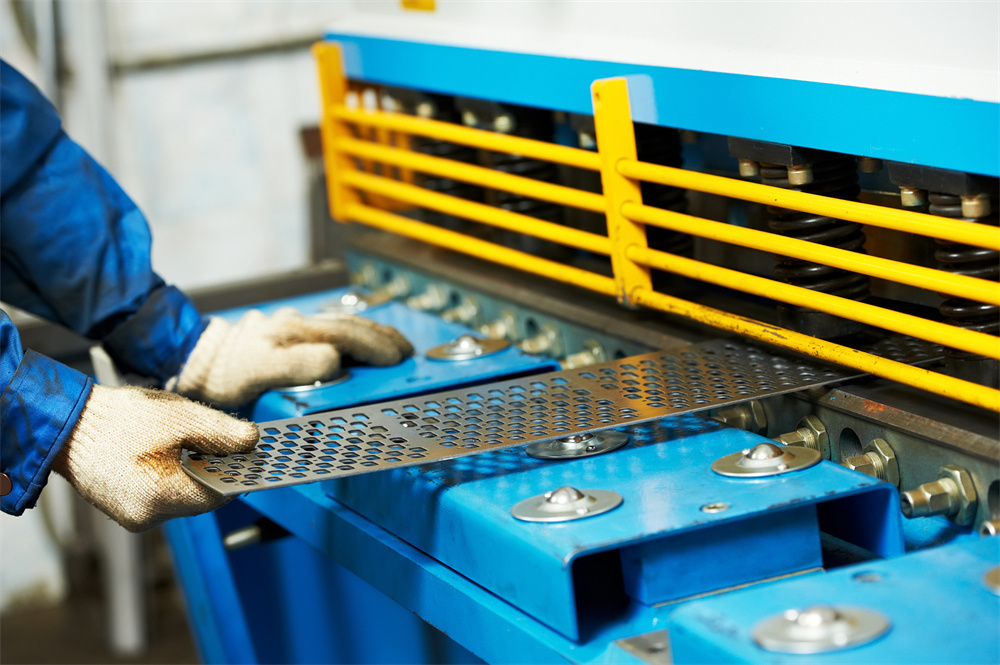
Configuration Impact: How Specs Dictate Price
The configuration of the machine plays a massive role in the final quote. When comparing New Vs Used Shearing Machine Prices: Which Option Is Better Workshop?, you must compare like-for-like specifications.
Swing Beam vs. Guillotine
Swing beam shears are generally more affordable and suitable for thinner materials. They use a circular arc movement for the upper blade. Guillotine shears, however, move the blade in a straight vertical line, allowing for adjustable rake angles. This feature is critical for reducing distortion in thick plates. A new guillotine shear will always command a premium over a swing beam model of the same capacity.
Control Systems (NC vs. CNC)
Modern workshops increasingly demand CNC (Computer Numerical Control). A CNC system like the DELEM DAC-360T can automatically calculate the blade gap, rake angle, and backgauge position based on the material type and thickness. This automation reduces setup time by up to 80%. In the used market, finding a machine with a functional, modern CNC is rare; most used units feature basic NC controllers (like the E21S) or manual dials, which limits productivity.
Backgauge Precision
The backgauge is the heart of shearing accuracy. New HARSLE machines feature ball screw backgauges with high-speed AC motors or servos, ensuring precision within ±0.05mm. Used machines often have worn lead screws or play in the backgauge mechanism, leading to inconsistent cuts and wasted material.
The Hidden Costs of Used Equipment
The sticker price of a used machine is rarely the final price. To truly answer New Vs Used Shearing Machine Prices: Which Option Is Better Workshop?, one must account for the “hidden” expenses that often accompany pre-owned purchases.
- Decommissioning and Rigging: Moving a 10-ton machine is not cheap. You must pay for professional riggers to dismantle, load, transport, and unload the equipment. With a new machine, these logistics are often streamlined or included in a package deal.
- Installation and Leveling: A shearing machine must be perfectly level to operate accurately. Used machines may require significant foundation work or specialized shimming that wasn’t apparent during the initial viewing.
- Electrical Compatibility: Older machines might run on different voltages or require outdated phase converters. Retrofitting a used machine to meet modern electrical codes can be a significant expense.
- Downtime and Parts Availability: If a 20-year-old hydraulic valve fails, finding a replacement can take weeks. New machines from HARSLE use standardized, globally available components, and are backed by a factory warranty that covers parts and labor.
- Safety Compliance: Modern safety standards (like CE or OSHA requirements) demand light curtains, emergency stops, and finger guards. Upfitting an old machine to meet these standards can cost thousands of dollars.
ROI Calculation: New Vs Used Shearing Machine Prices: Which Option Is Better Workshop?
Return on Investment (ROI) is the ultimate metric for any workshop owner. Let’s look at a hypothetical scenario to compare the two options over a 5-year period.
Scenario A: Buying a New HARSLE CNC Shear
Initial Investment: $25,000. Maintenance costs over 5 years: $2,000 (mostly oil and filters). Productivity: High, due to CNC automation and zero downtime. Resale value after 5 years: $15,000. Total cost of ownership: $12,000.
Scenario B: Buying a Used NC Shear
Initial Investment: $10,000. Immediate repairs/blades: $3,000. Maintenance and unexpected repairs over 5 years: $8,000. Productivity: Lower, due to manual adjustments and occasional breakdowns. Resale value after 5 years: $4,000. Total cost of ownership: $17,000.
In this scenario, the “cheaper” used machine actually costs the workshop $5,000 more over five years, not including the lost revenue from slower production and downtime. This is why the answer to New Vs Used Shearing Machine Prices: Which Option Is Better Workshop? often leans toward new equipment for businesses planning for long-term growth.
Buying Advice: A Strategic Decision Framework
Choosing between new and used equipment requires a balanced approach. Here is HARSLE’s recommended framework for making the right choice:
When to Choose a New Shearing Machine
- High Volume Production: If the machine will run 8+ hours a day, the reliability and speed of a new CNC shear are essential.
- Precision Requirements: If you are cutting parts for aerospace, medical, or high-end electronics, the accuracy of a new machine is non-negotiable.
- Tax Incentives: Many regions offer tax depreciation benefits for the purchase of new capital equipment, which can significantly offset the initial cost.
- Peace of Mind: If you do not have an in-house maintenance team capable of rebuilding hydraulic cylinders or troubleshooting old PLC logic, a new machine with a warranty is the safer bet.
When to Consider a Used Shearing Machine
- Occasional Use: If you only need to shear a few plates a week for maintenance or prototype work, a used machine can be a cost-effective solution.
- Limited Budget: For startups with very tight capital, a used machine can get the doors open, provided you have a trusted technician inspect it first.
- Simple Applications: If precision is not a priority (e.g., rough-cutting scrap or basic construction components), the advanced features of a new machine might be overkill.
Frequently Asked Questions
1. How long does a new HARSLE shearing machine typically last?
With proper maintenance, a new HARSLE hydraulic shearing machine is designed to last 20 to 30 years. The frame is built for longevity, and the modular components (hydraulics and electronics) can be easily serviced or upgraded over time.
2. What should I check when inspecting a used shearing machine?
You should check the blade gap consistency, look for leaks in the hydraulic cylinders, inspect the backgauge for play, and listen for unusual noises in the pump. Most importantly, ask to see the machine cutting at its maximum rated capacity.
3. Is it difficult to find parts for older shearing machines?
It can be. Many older manufacturers have gone out of business or changed their designs. Finding proprietary seals or specific gear sets for a 30-year-old machine can lead to significant downtime. This is a major factor when considering New Vs Used Shearing Machine Prices: Which Option Is Better Workshop?
4. Does HARSLE offer financing for new machines?
HARSLE works with various financial partners to provide flexible payment options, making the transition to a new, high-efficiency machine more accessible for growing workshops.
5. Can a used machine be upgraded to CNC?
Yes, but it is often cost-prohibitive. Retrofitting a CNC system involves replacing motors, drives, and the controller itself, often costing nearly as much as a new NC machine.
Conclusion
Deciding on New Vs Used Shearing Machine Prices: Which Option Is Better Workshop? requires looking beyond the initial invoice. While used machines offer a lower entry point, the potential for hidden costs, lower productivity, and safety risks often makes a new machine the more economical choice in the long run. HARSLE is committed to providing workshops with cutting-edge shearing technology that ensures precision, safety, and a rapid return on investment. By choosing a new HARSLE machine, you are investing in the future of your workshop’s productivity and competitiveness.