Essential Specifications Check Before Purchasing A Punching Machine: A Comprehensive Industrial Guide


Introduction to Punching Machine Procurement
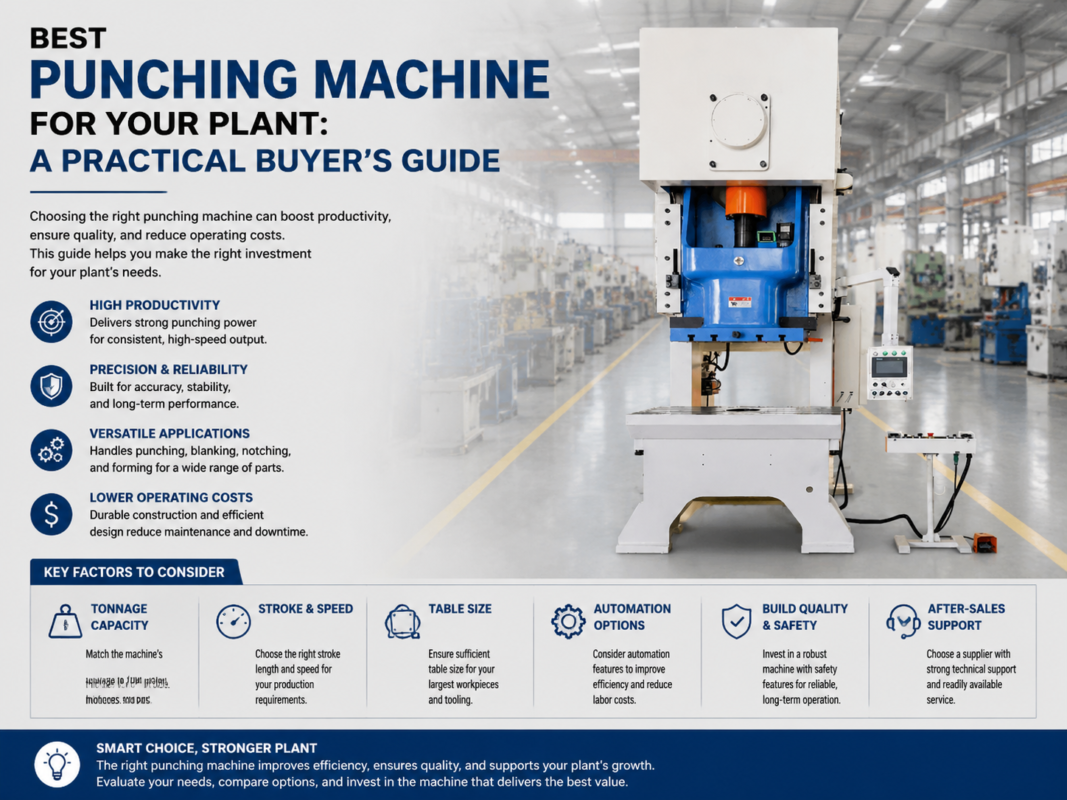
In the competitive landscape of metal fabrication, the acquisition of a punching machine represents a significant capital investment. Whether you are a small job shop or a large-scale industrial manufacturer, the efficiency of your production line often hinges on the capabilities of your punch press. However, the market is saturated with various models, ranging from simple mechanical presses to highly sophisticated CNC turret punching machines. Navigating these options requires a deep understanding of technical specifications and how they align with your specific production needs.
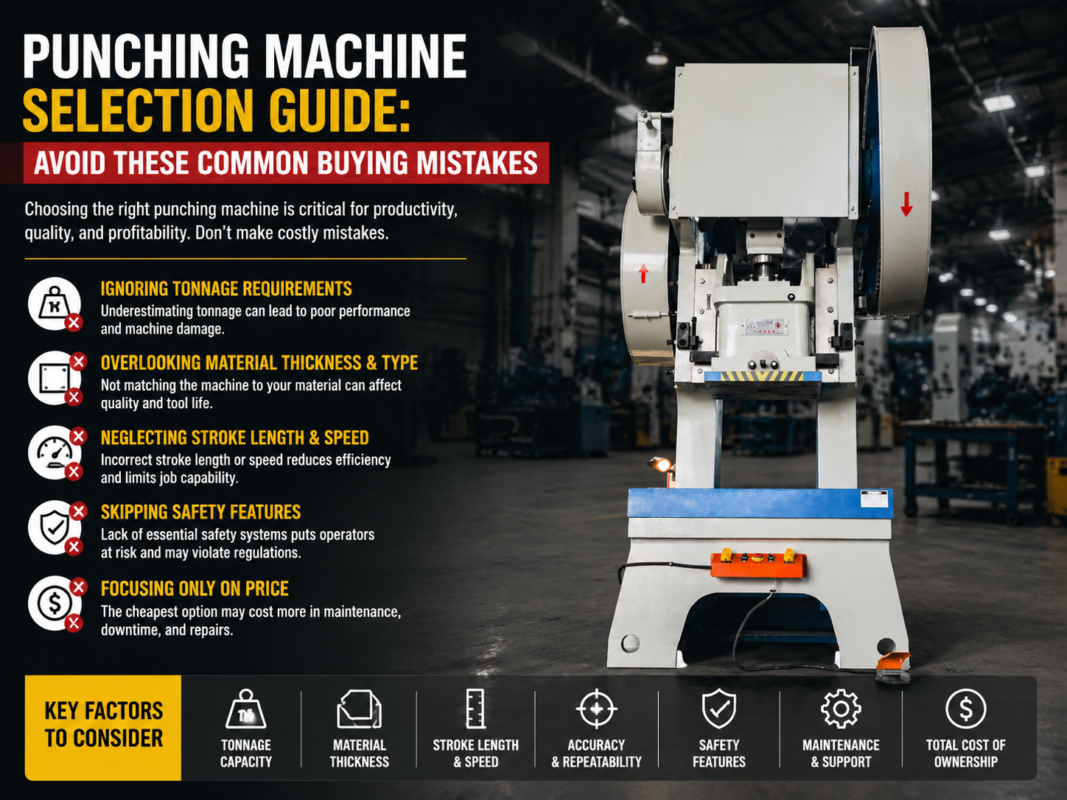
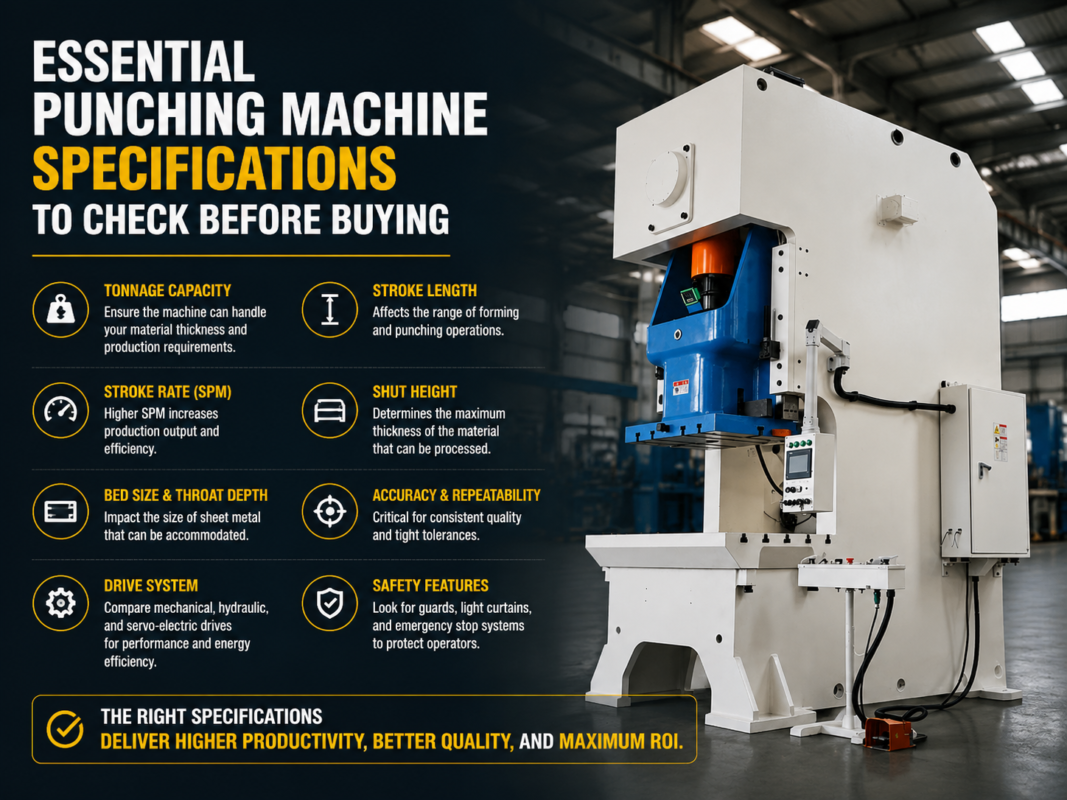
An Essential Specifications Check Before Purchasing A Punching Machine is not merely a recommendation; it is a necessity to ensure long-term profitability and operational success. Overlooking a single metric, such as throat depth or hit rate, can lead to bottlenecks, excessive material waste, or the inability to process specific customer orders. This guide aims to provide a granular look at the technical parameters that define a high-quality punching machine, helping you make an informed decision that balances cost, performance, and durability.
At HARSLE, we understand that every millimeter and every kilonewton matters. Our engineering philosophy centers on providing robust machinery that meets the rigorous demands of modern industry. By focusing on the essential specifications outlined in this article, you can identify the equipment that will offer the best return on investment and the highest level of precision for your sheet metal applications.
Price Range Overview: Understanding the Market Tiers
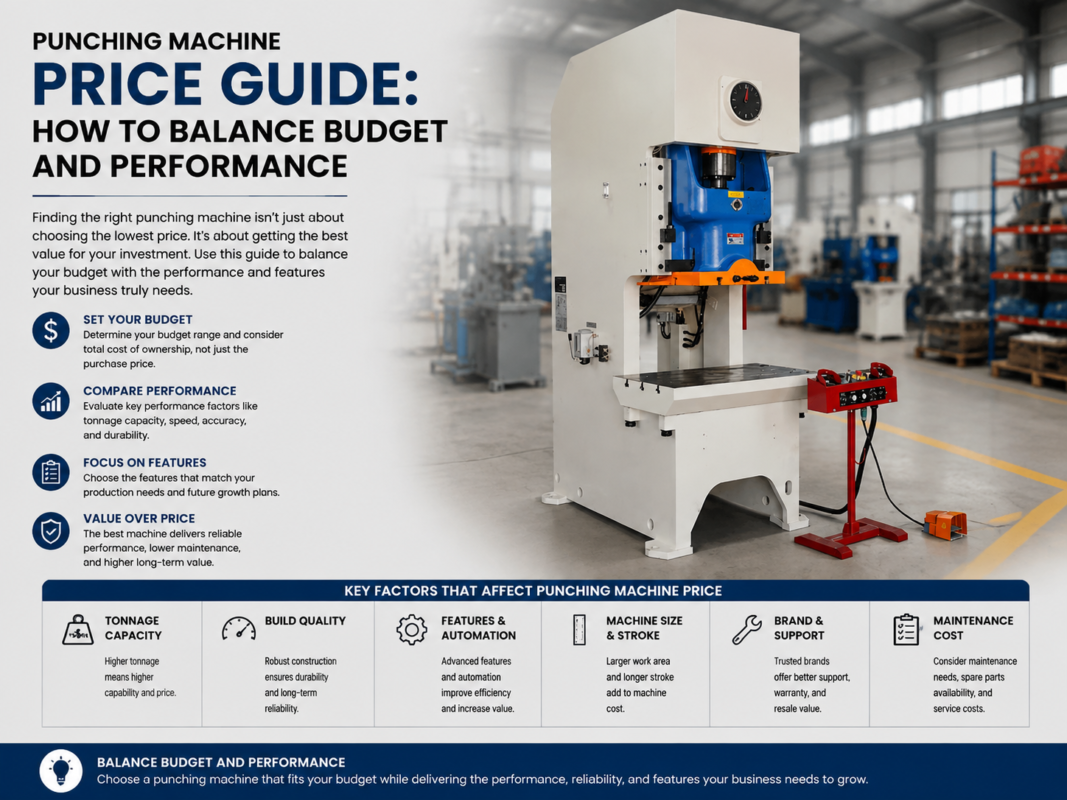
The price of a punching machine is influenced by its technology, automation level, and capacity. Generally, the market is divided into three primary tiers. Entry-level machines, often manual or semi-automatic hydraulic punchers, typically range from $5,000 to $20,000. These are ideal for low-volume production, prototype development, or simple hole-punching tasks in thicker materials where high speed is not a priority.
Mid-range machines, which include basic CNC turret punch presses and high-speed mechanical presses, usually fall between $40,000 and $120,000. These machines offer a balance of automation and affordability, featuring multi-tool turrets and basic CNC controllers that can handle complex patterns and medium-sized production runs. They are the workhorses of many regional fabrication shops.
High-end industrial solutions, such as fully automated servo-electric turret punch presses with integrated loading and unloading systems, can exceed $250,000. These machines are designed for 24/7 operation, offering incredible precision, high hit rates, and energy efficiency. While the initial cost is high, the cost-per-part in high-volume environments is significantly lower than entry-level alternatives.
Main Cost Drivers in Punching Machinery
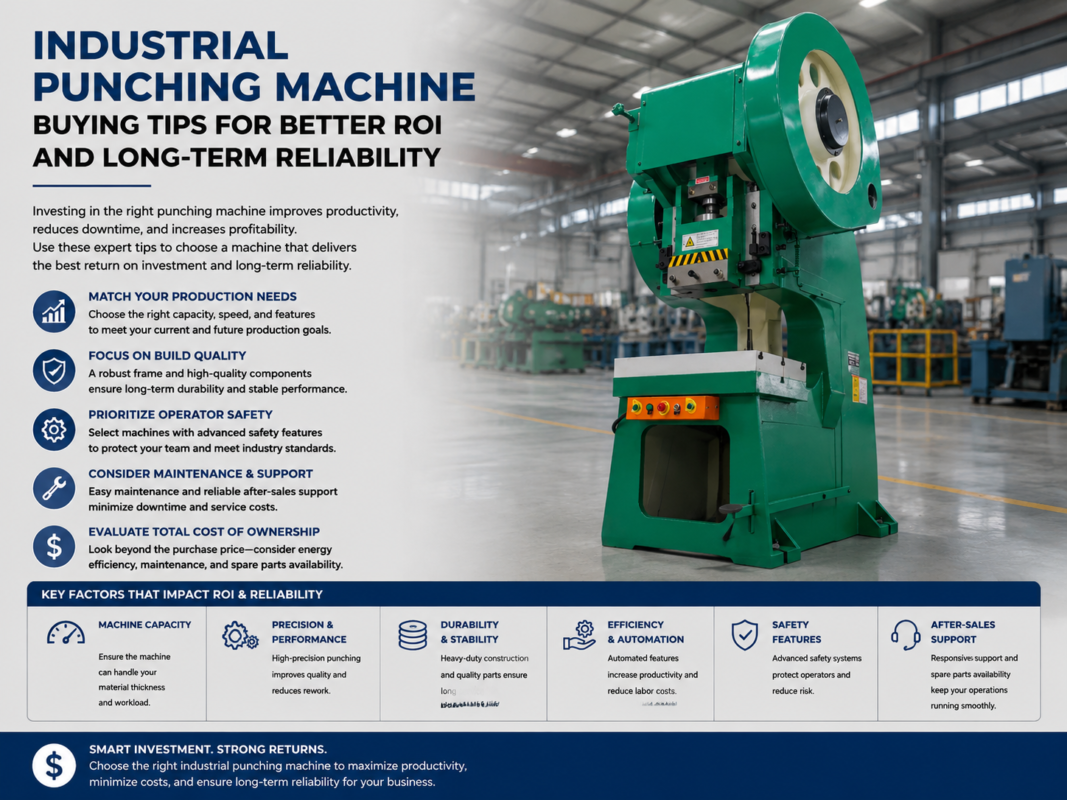
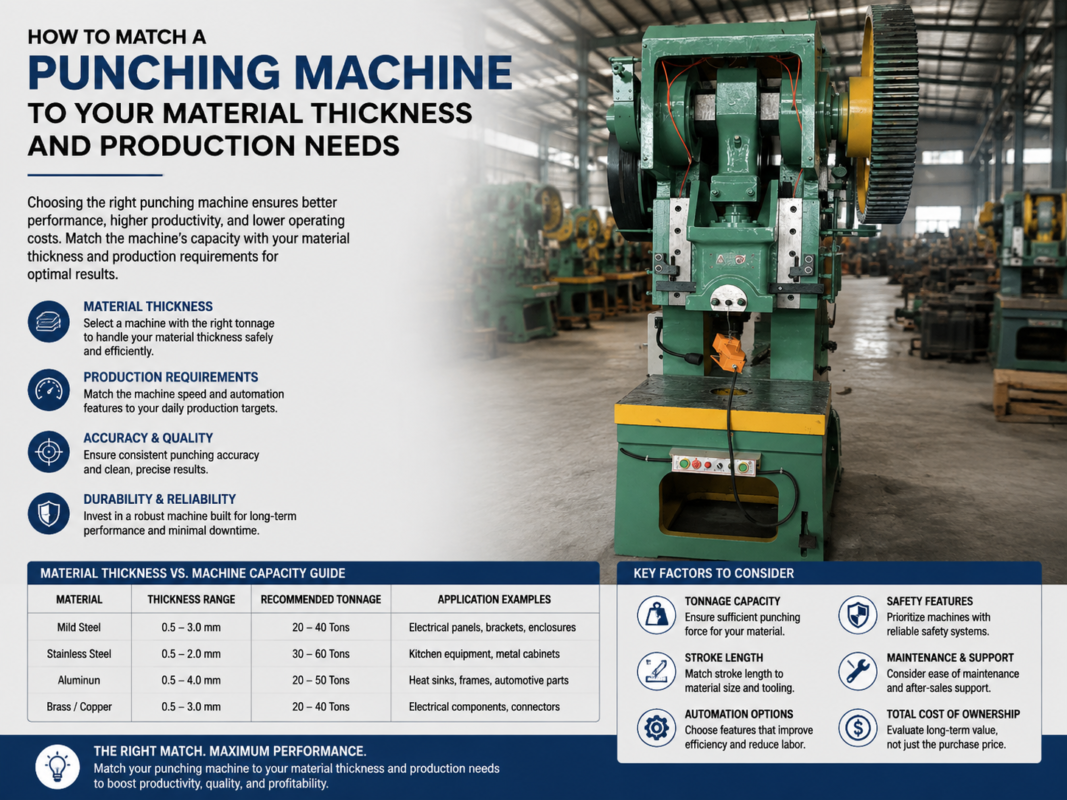
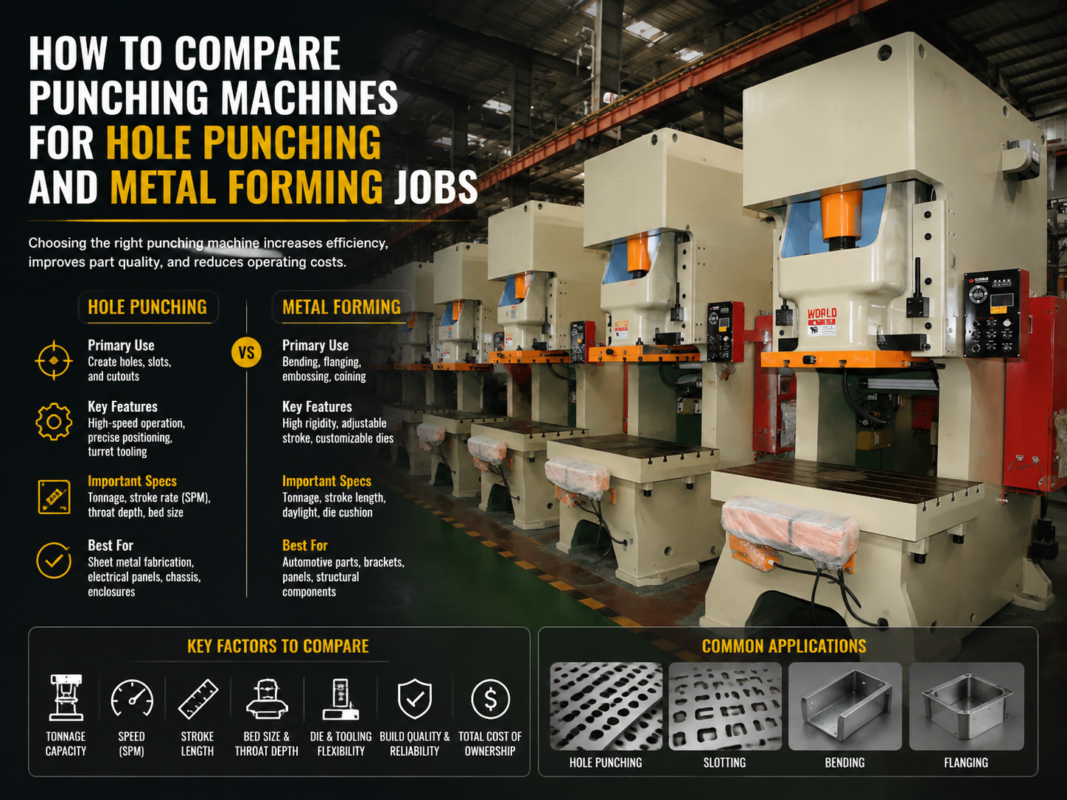
When performing an Essential Specifications Check Before Purchasing A Punching Machine, it is vital to identify what exactly is driving the price. The most significant factor is usually the Tonnage (Punching Force). A 30-ton machine will naturally cost less than a 50-ton machine. The tonnage determines the maximum thickness and diameter of the holes you can punch. If you frequently work with stainless steel or thick carbon steel, a higher tonnage is non-negotiable.
Another major cost driver is the Throat Depth and Table Size. The throat depth determines the maximum width of the sheet that can be processed. A deeper throat allows for larger sheets to be handled without repositioning, which saves time and increases accuracy. However, larger frames require more steel and more robust structural engineering, which adds to the manufacturing cost of the machine itself.
The CNC Control System also plays a pivotal role. High-end systems like Fanuc or Siemens offer superior processing speeds, better user interfaces, and more advanced features like 3D simulation and remote diagnostics. While these systems increase the purchase price, they reduce the learning curve for operators and minimize the risk of programming errors that could lead to expensive tool damage or material scrap.
Finally, the Turret Configuration—specifically the number of stations and the inclusion of auto-index stations—impacts the price. Auto-index stations allow the tool to rotate to any angle, significantly increasing the machine’s versatility and reducing the number of tools required for complex shapes. A turret with 32 stations, including two or more auto-index stations, will be more expensive than a simple 16-station fixed turret.
Configuration Impact: Performance and Versatility
The configuration of a punching machine dictates its performance limits. One of the most critical choices is between Hydraulic, Mechanical, and Servo-Electric drives. Mechanical presses are known for their speed and simplicity but lack the flexibility of stroke control. Hydraulic systems offer full power throughout the stroke and are generally more versatile for forming operations. Servo-electric drives are the modern standard, offering the highest precision, lowest energy consumption, and the ability to precisely control the ram position for delicate operations.
The Hit Rate and Positioning Speed are essential specs for high-volume shops. Hit rate refers to how many punches the machine can perform per minute (PPM). For nibbling operations or dense hole patterns, a high hit rate is essential for maintaining throughput. Positioning speed, measured in meters per minute, determines how fast the X and Y axes move the sheet between punches. A machine with high positioning speeds but a slow hit rate will still struggle with complex parts.
Tooling compatibility is another configuration detail that shouldn’t be overlooked. Most modern turret punches use “Thick Turret” tooling, which is widely available and standardized. However, some specialized machines use “Thin Turret” or proprietary tooling systems. Choosing a machine that uses standardized tooling ensures that you can source replacement punches and dies from multiple vendors, keeping your operational costs competitive.
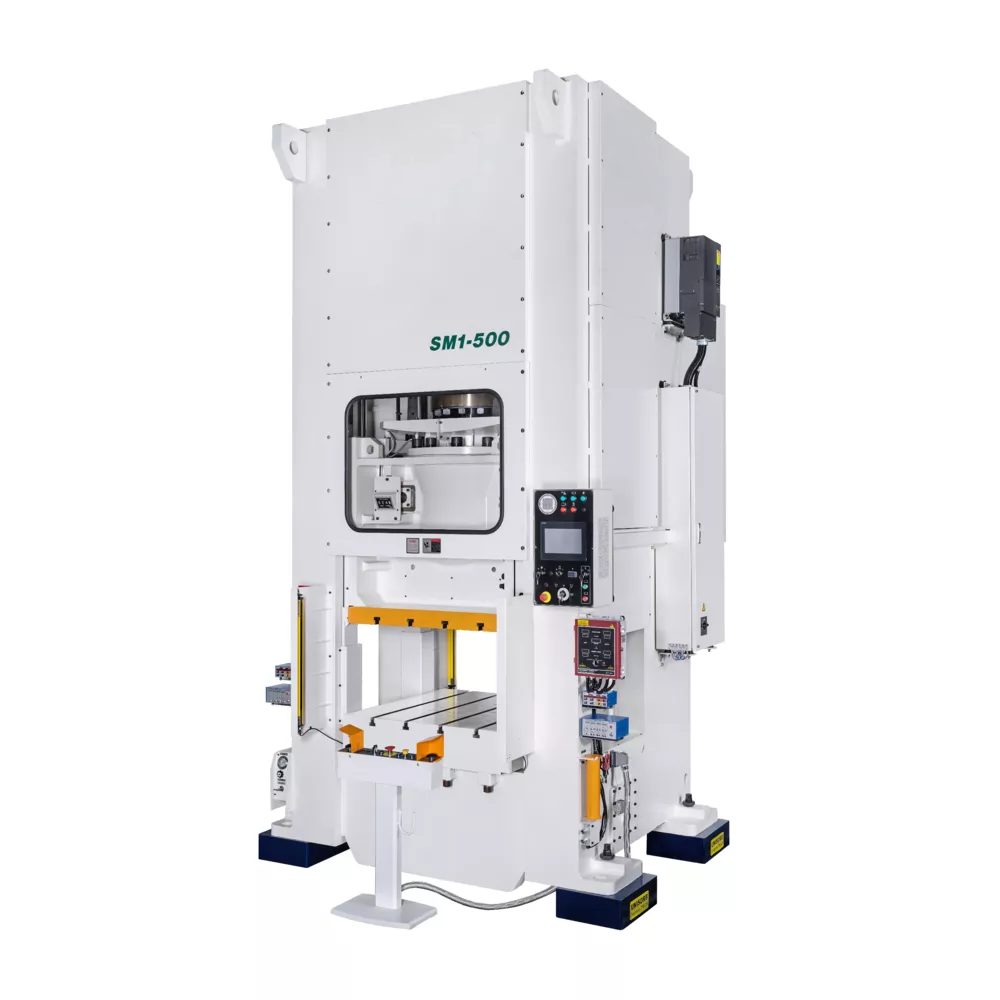
Hidden Costs of Owning a Punching Machine
The sticker price of a punching machine is only part of the total cost of ownership. One of the most significant hidden costs is Tooling. A full set of high-quality punches and dies for a 32-station turret can cost several thousand dollars. Furthermore, specialized tools for louvers, knockouts, or countersinking add to this initial investment. It is important to budget for a comprehensive tooling library from the start.
Installation and Commissioning are also factors. Large CNC machines require specialized transport, rigging, and a reinforced concrete foundation to ensure stability and accuracy. If your facility’s floor isn’t up to spec, you may need to invest in site preparation before the machine even arrives. Additionally, professional installation by factory-trained technicians is essential to maintain the manufacturer’s warranty.
Software and Training are often overlooked. To get the most out of a CNC punching machine, you need advanced CAD/CAM nesting software. This software optimizes material usage and generates the G-code required for the machine to operate. Licensing fees for this software can be substantial. Moreover, your operators will need training to handle the machine safely and efficiently. Investing in training reduces the likelihood of accidents and machine downtime due to operator error.
Lastly, consider Maintenance and Consumables. Hydraulic oil, filters, and cooling systems require regular attention. Even servo-electric machines have mechanical components like ball screws and linear guides that need lubrication and periodic inspection. A proactive maintenance schedule is necessary to prevent unplanned downtime, which can be far more expensive than the cost of the maintenance itself.
ROI Calculation: When Does the Investment Pay Off?
Calculating the Return on Investment (ROI) for a punching machine involves comparing the total cost of ownership against the projected revenue and cost savings. The first step is to estimate the Increase in Productivity. If a new CNC turret punch can replace two older manual machines and reduce part processing time by 50%, the labor savings alone are significant. Calculate the hourly rate of your operators and multiply it by the hours saved per year.
Material Utilization is another key factor. Advanced nesting software used with CNC punching machines can significantly reduce scrap rates. If you can improve material yield by even 5-10%, the savings over a year of high-volume production can amount to thousands of dollars, especially when working with expensive materials like aluminum or stainless steel.
Consider the Secondary Operation Reduction. Modern punching machines can perform forming, tapping, and deburring in a single setup. By eliminating the need to move parts to a separate station for these tasks, you reduce handling time and the risk of damage. This “done-in-one” approach is a major driver of ROI in modern fabrication environments. Typically, a well-utilized CNC punching machine in a busy shop can see an ROI within 18 to 36 months.
Buying Advice: A Step-by-Step Checklist
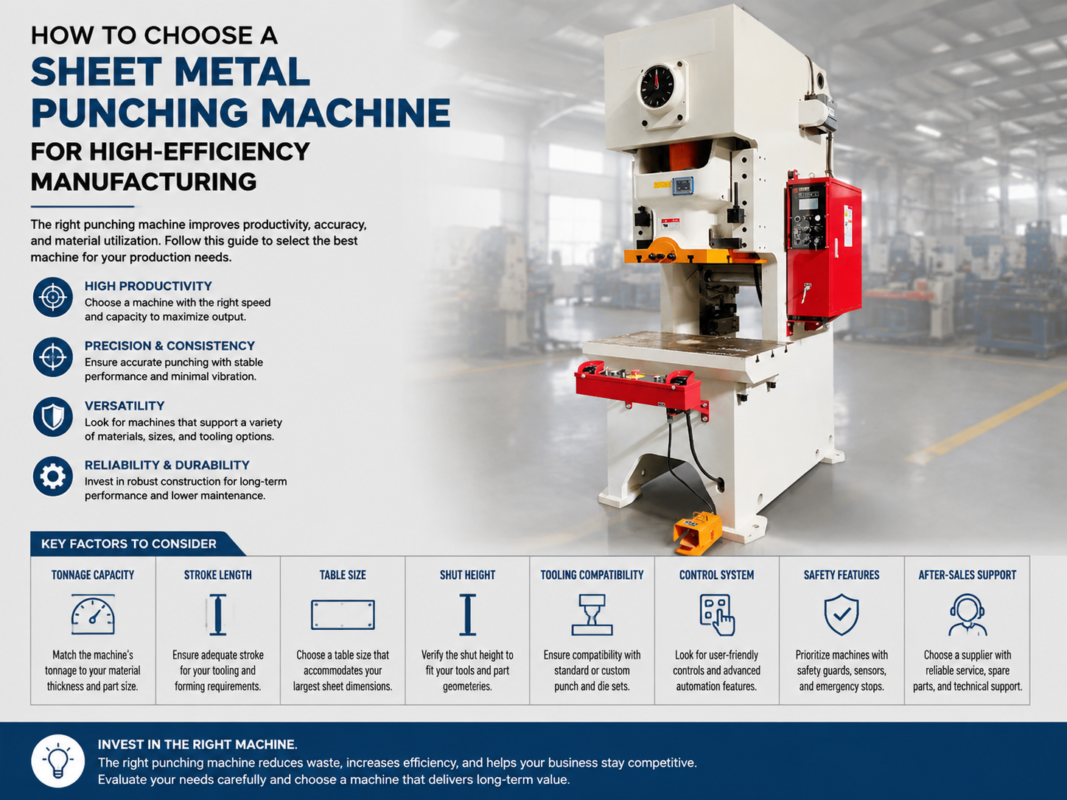
Before finalizing your purchase, follow this checklist to ensure you have performed a thorough Essential Specifications Check Before Purchasing A Punching Machine:
- Define Your Material Range: What is the maximum thickness and type of material you will process? Ensure the machine’s tonnage and frame strength are sufficient.
- Evaluate Part Complexity: Do you need auto-index stations for complex geometries, or will a standard turret suffice?
- Check the Work Area: Does the table size and throat depth accommodate your largest sheets without excessive repositioning?
- Assess Speed Requirements: Compare hit rates and positioning speeds against your required production volumes.
- Verify Software Compatibility: Ensure the machine’s controller is compatible with your existing CAD/CAM workflow or that the provided software meets your needs.
- Inspect Build Quality: Look for a heavy-duty O-frame or C-frame construction that minimizes deflection during high-tonnage punches.
- Review After-Sales Support: Does the manufacturer (like HARSLE) provide local technical support, readily available spare parts, and comprehensive warranties?
Choosing a reputable manufacturer is just as important as the machine’s specs. A company like HARSLE provides not only the hardware but also the technical expertise to help you select the right configuration for your specific industry, whether it’s automotive, aerospace, or general enclosure fabrication.
Frequently Asked Questions (FAQ)
1. What is the difference between a C-frame and an O-frame punching machine?
A C-frame (or gap frame) provides easier access to the three sides of the work area, which is useful for oversized sheets. However, it is more prone to “yawing” or deflection under high pressure. An O-frame (or bridge frame) is a closed loop, providing superior rigidity and maintaining better tool alignment over time, which is critical for high-precision work and extending tool life.
2. How much tonnage do I really need?
The required tonnage is calculated based on the perimeter of the cut, the thickness of the material, and its shear strength. A common formula is: Tonnage = (Perimeter x Thickness x Shear Strength) / 2000. It is always advisable to choose a machine with about 20% more capacity than your maximum calculated need to avoid running the machine at its absolute limit constantly.
3. Is a servo-electric punch press better than a hydraulic one?
Servo-electric machines are generally superior in terms of energy efficiency, noise levels, and precision. They allow for exact control of the ram’s position, which is excellent for forming operations. However, hydraulic machines are often more cost-effective for very high-tonnage applications and are sometimes preferred for their perceived simplicity in certain heavy-duty environments.
4. How often should I sharpen my punching tools?
Tool sharpening frequency depends on the material being punched and the tool coating. As a rule of thumb, tools should be inspected every 10,000 to 50,000 hits. Punching with dull tools increases the required force, creates larger burrs on the parts, and can eventually lead to tool breakage or machine damage. Regular sharpening significantly extends the total life of the tool.
5. Can a punching machine replace a laser cutter?
While there is overlap, they serve different purposes. A punching machine is much faster for creating repetitive holes, louvers, and forms. A laser cutter is better for complex, irregular contours and very thick materials where a punch might struggle. Many modern shops use both, or a combination punch-laser machine, to get the best of both worlds.