Punching Machine Buying Tips for Improved Efficiency and Lower Costs: A Comprehensive Guide


Introduction to Strategic Punching Machine Procurement
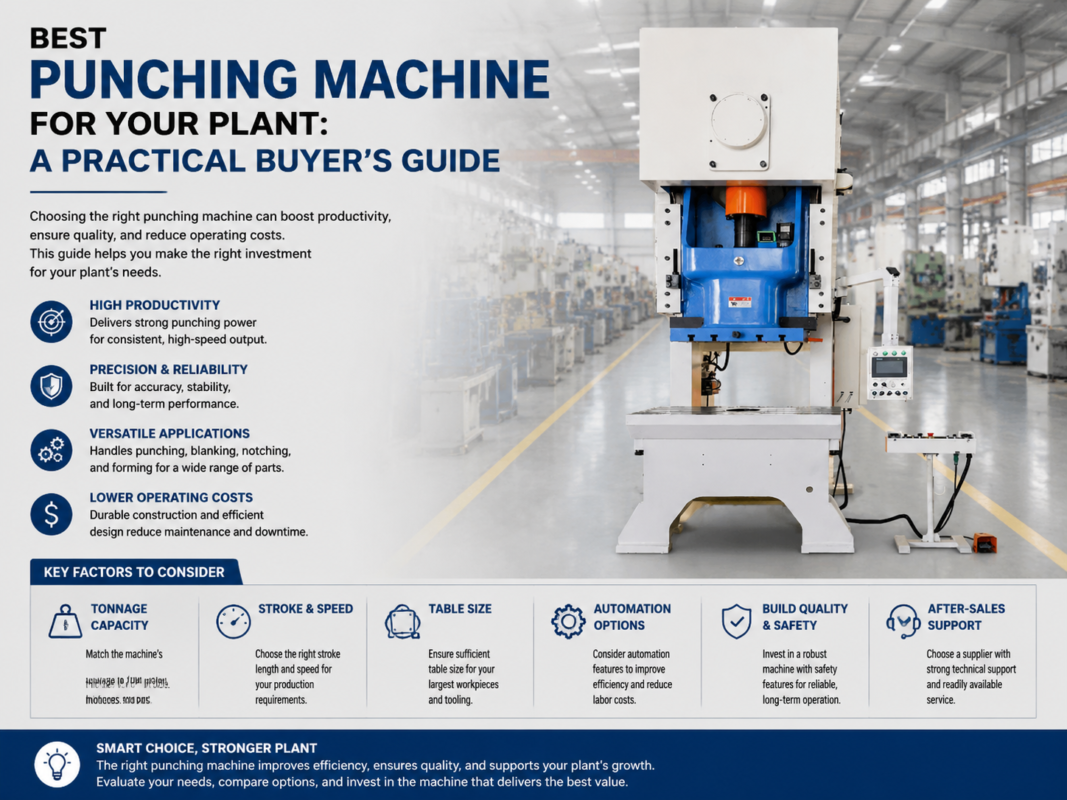
In the competitive landscape of modern metal fabrication, the ability to produce high-quality components at a lower cost per part is the ultimate goal. The punching machine remains a cornerstone of this industry, offering versatility, speed, and precision for a wide range of applications. However, selecting the right equipment is not merely a matter of choosing the most expensive model or the one with the highest tonnage. It requires a strategic approach that balances initial capital expenditure with long-term operational efficiency.
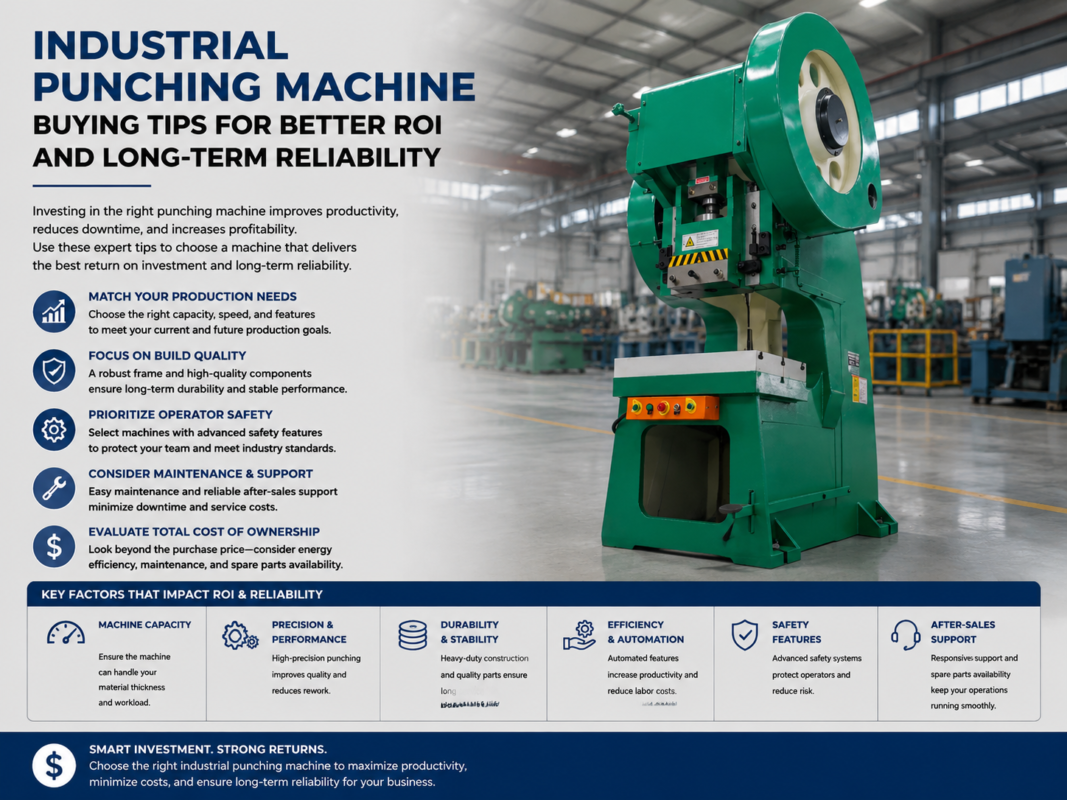
This guide provides comprehensive punching machine buying tips for improved efficiency and lower costs, helping workshop owners and procurement managers navigate the complexities of the market. By understanding the technical nuances and financial implications of different machine configurations, you can make an investment that not only meets your current production needs but also scales with your business growth. HARSLE, a leader in industrial machinery, emphasizes that the right machine is one that minimizes downtime, reduces material waste, and optimizes labor resources.
Price Range Overview: Understanding the Market Tiers
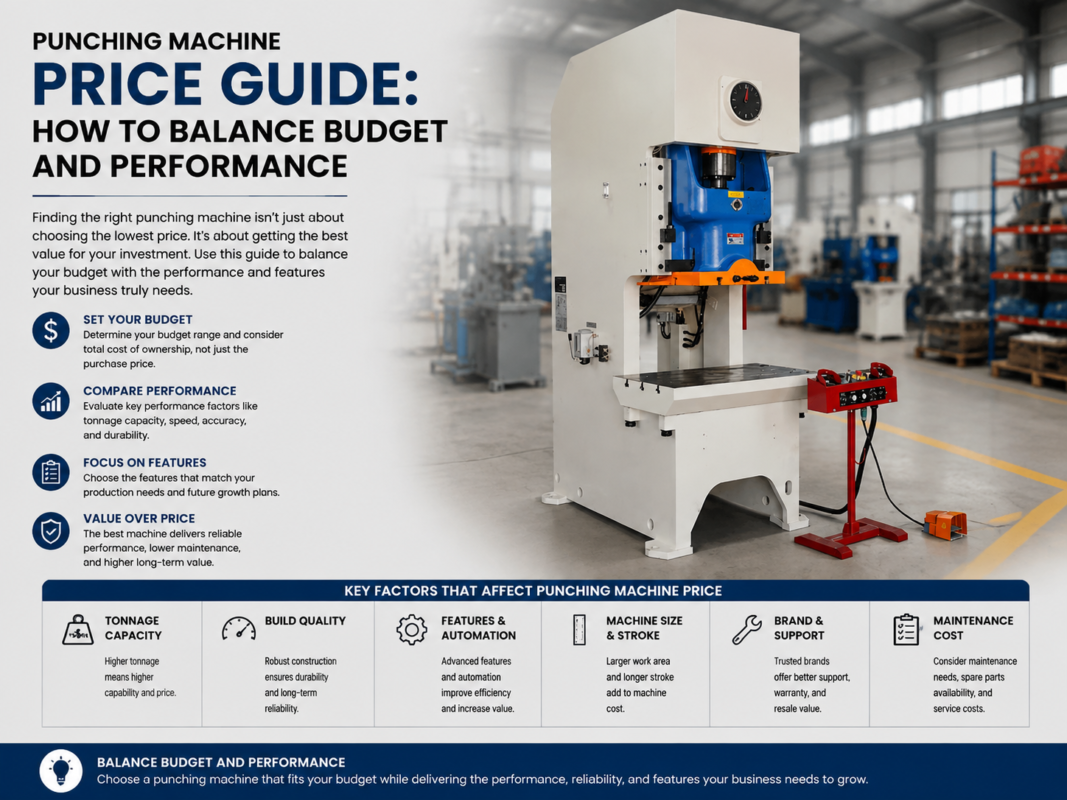
The price of a punching machine can vary significantly based on its technology, capacity, and automation level. Understanding these price brackets is the first step in aligning your budget with your production requirements. Generally, the market is divided into three primary categories: manual/mechanical presses, hydraulic/pneumatic presses, and high-end CNC turret punching machines.
Manual and mechanical punching machines are the entry-level options, typically ranging from $2,000 to $15,000. These are ideal for small workshops or low-volume production where high precision and speed are not the primary concerns. While the initial cost is low, the labor cost per part is higher due to manual material handling and slower cycle times. These machines are best suited for simple hole-punching tasks in thinner materials.
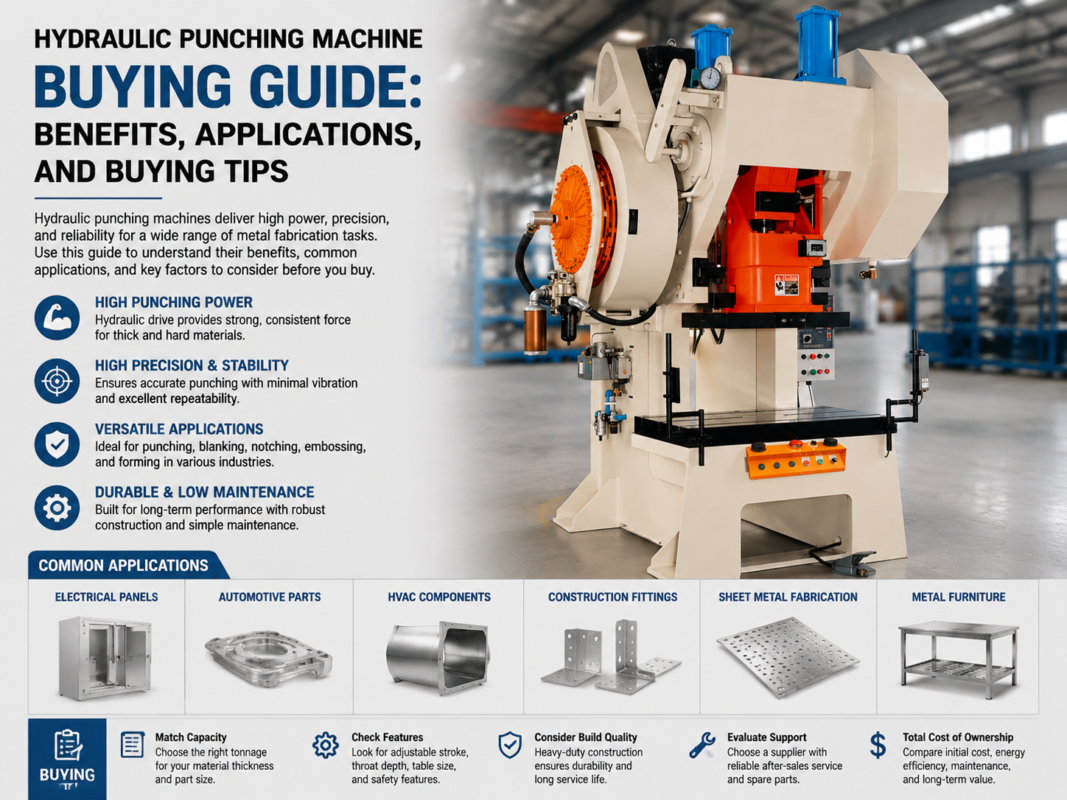
Mid-range hydraulic and pneumatic punching machines often fall between $15,000 and $50,000. These machines offer better control over the punching force and stroke length, making them suitable for thicker materials and more complex shapes. They provide a significant step up in efficiency compared to manual models, often featuring semi-automatic controls that reduce operator fatigue and improve consistency.
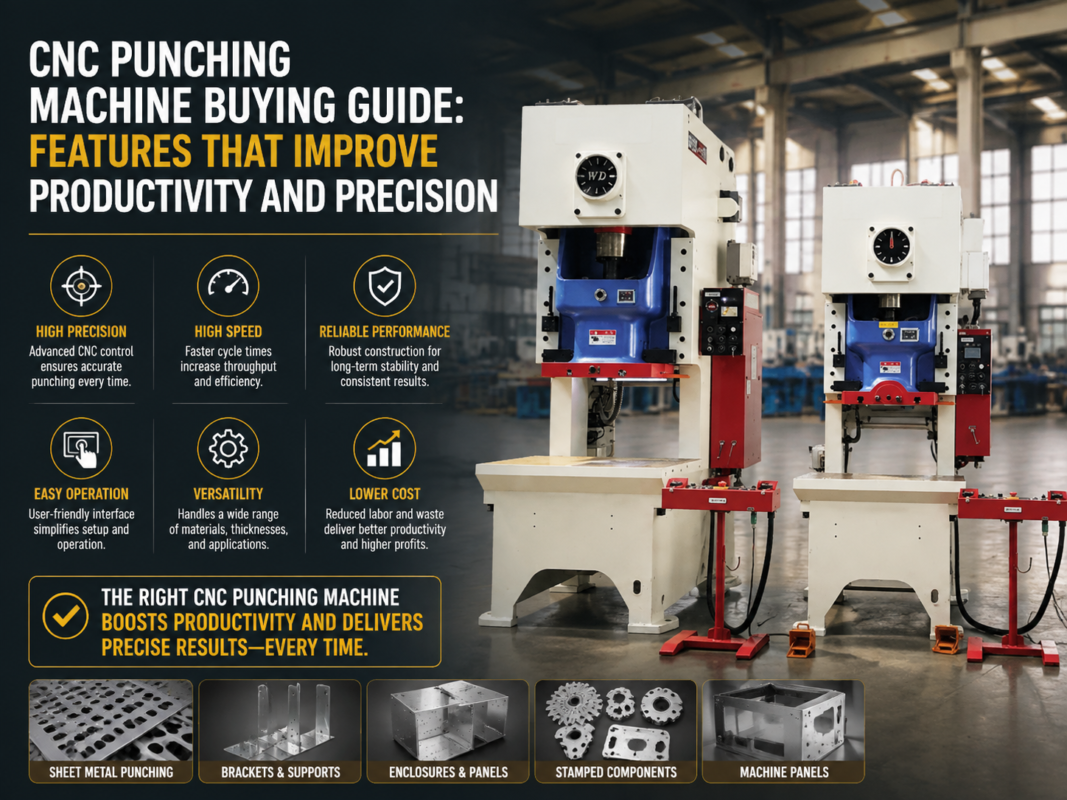
At the top of the spectrum are CNC Turret Punching Machines, which can range from $60,000 to well over $300,000. These machines are designed for high-volume, high-precision manufacturing. They feature multiple tool stations, automatic sheet positioning, and advanced software integration. While the upfront cost is substantial, the efficiency gains—measured in parts per hour and reduced scrap—often lead to a lower total cost of ownership over the machine’s lifespan.
Main Cost Drivers in Punching Machine Selection
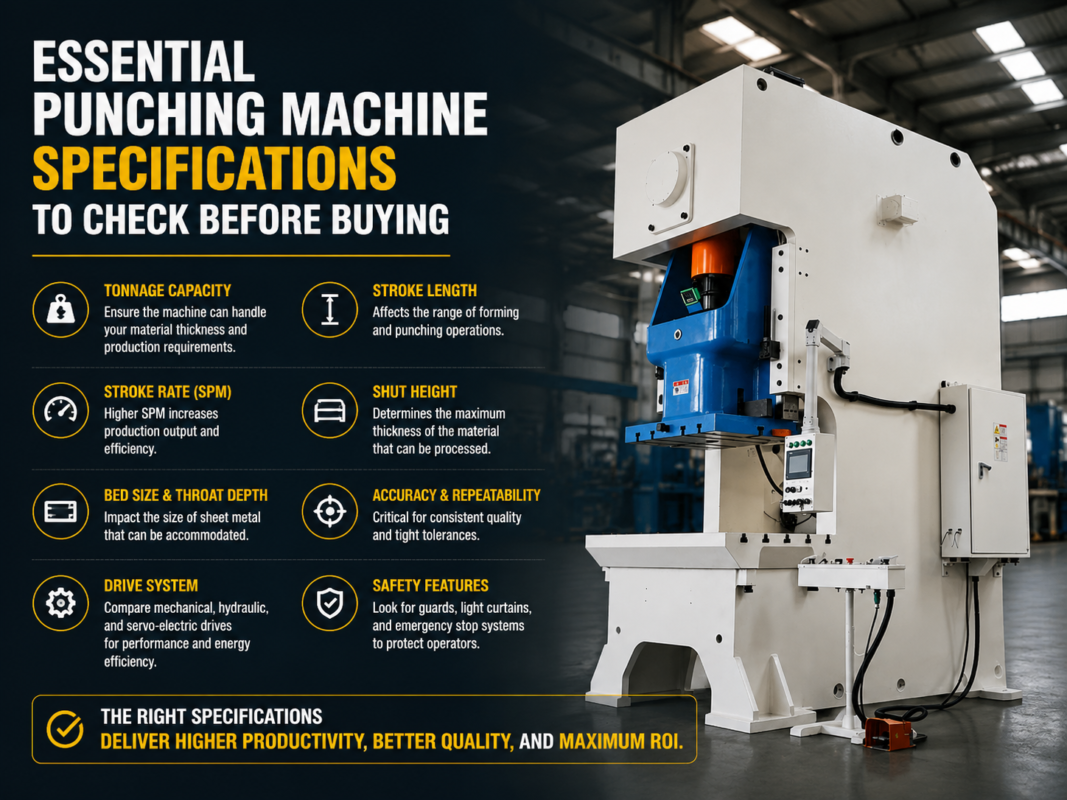
When evaluating different models, several key factors drive the final price tag. Understanding these drivers allows you to prioritize features that offer the best return on investment for your specific applications. The most prominent cost driver is Tonnage. The force required to punch through a material depends on its thickness and shear strength. A 30-ton machine will naturally cost less than a 50-ton machine, but if your projects involve heavy-duty plates, under-speccing the tonnage will lead to machine strain and premature failure.
Throat Depth is another critical factor. This refers to the distance from the center of the punch to the back of the machine frame. A deeper throat allows for the processing of larger sheets without the need for repositioning, which significantly boosts efficiency. However, increasing throat depth requires a more robust and rigid frame to prevent deflection, which adds to the manufacturing cost of the machine.
The CNC Control System acts as the brain of the machine. High-end systems from manufacturers like Fanuc or Siemens offer superior processing speeds, better user interfaces, and more advanced diagnostic tools. While these systems add to the initial cost, they reduce the learning curve for operators and minimize the risk of programming errors that could lead to costly material waste or tool damage.
Finally, Tooling Capacity and turret configuration play a major role. A turret with 32 stations allows for a wider variety of punches and dies to be loaded simultaneously, reducing the time spent on tool changes. Machines equipped with auto-indexing stations—where the tool can rotate to any angle—further enhance versatility, allowing for complex geometries to be punched with standard tools, thereby saving on custom tooling costs.
Configuration Impact on Efficiency and Long-Term Costs
The configuration of a punching machine directly impacts its operational efficiency. One of the most significant technological shifts in recent years is the move from traditional hydraulic systems to Servo-Electric Drive Systems. While servo-electric machines may have a higher purchase price, they are far more energy-efficient, consuming power only during the actual punch stroke. Furthermore, they offer precise control over the ram position, which is essential for forming operations like louvers or ribs.
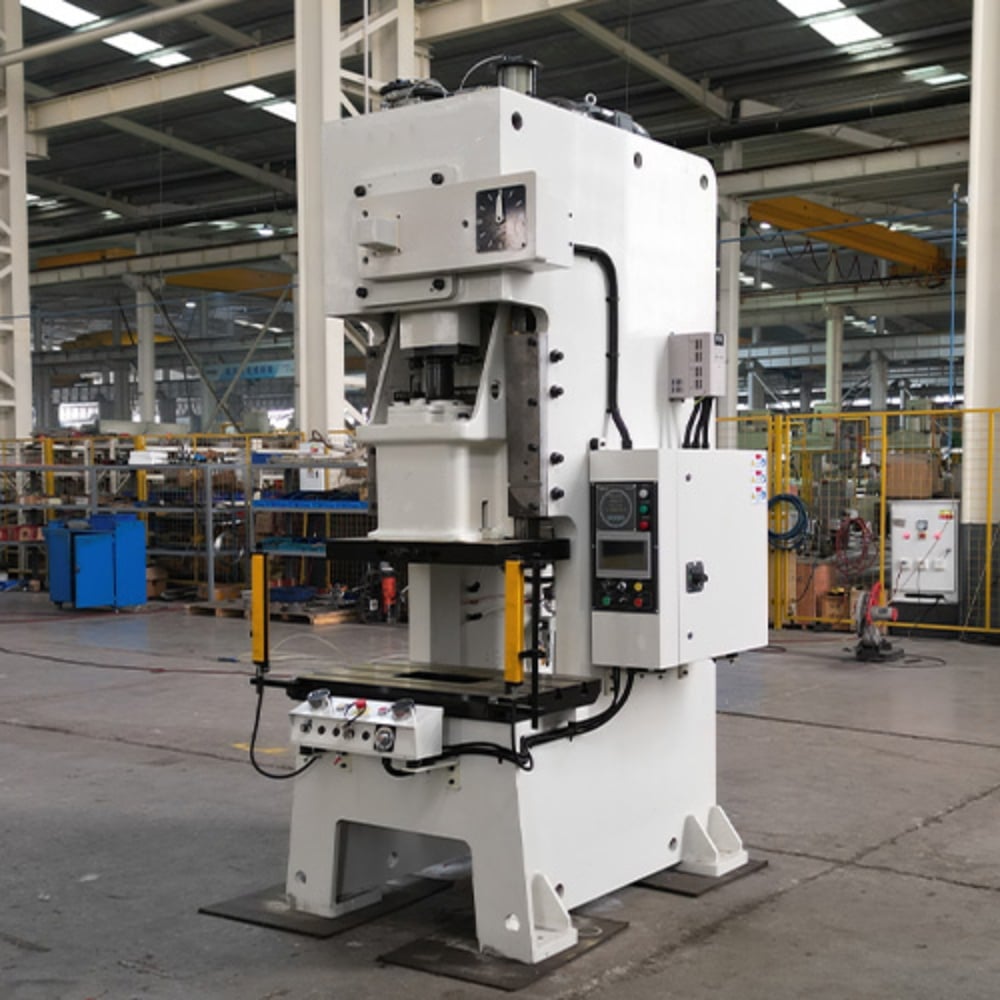
The choice of Worktable Type also affects both efficiency and part quality. Brush tables are preferred for sensitive materials like stainless steel or aluminum, as they prevent scratching during sheet movement. Ball tables, on the other hand, are more durable and suitable for heavier, thicker plates. Choosing the wrong table type can lead to increased secondary finishing costs or high maintenance requirements for the table surface itself.
Frame Construction is a fundamental configuration choice. O-frame (closed-loop) designs offer superior rigidity compared to C-frame (open-gap) designs. While C-frames provide easier access for loading large sheets, they are prone to “yawning” or deflection under high pressure. O-frames maintain better alignment between the punch and die, which extends tool life and ensures consistent hole quality, ultimately lowering the cost of consumables and rework.
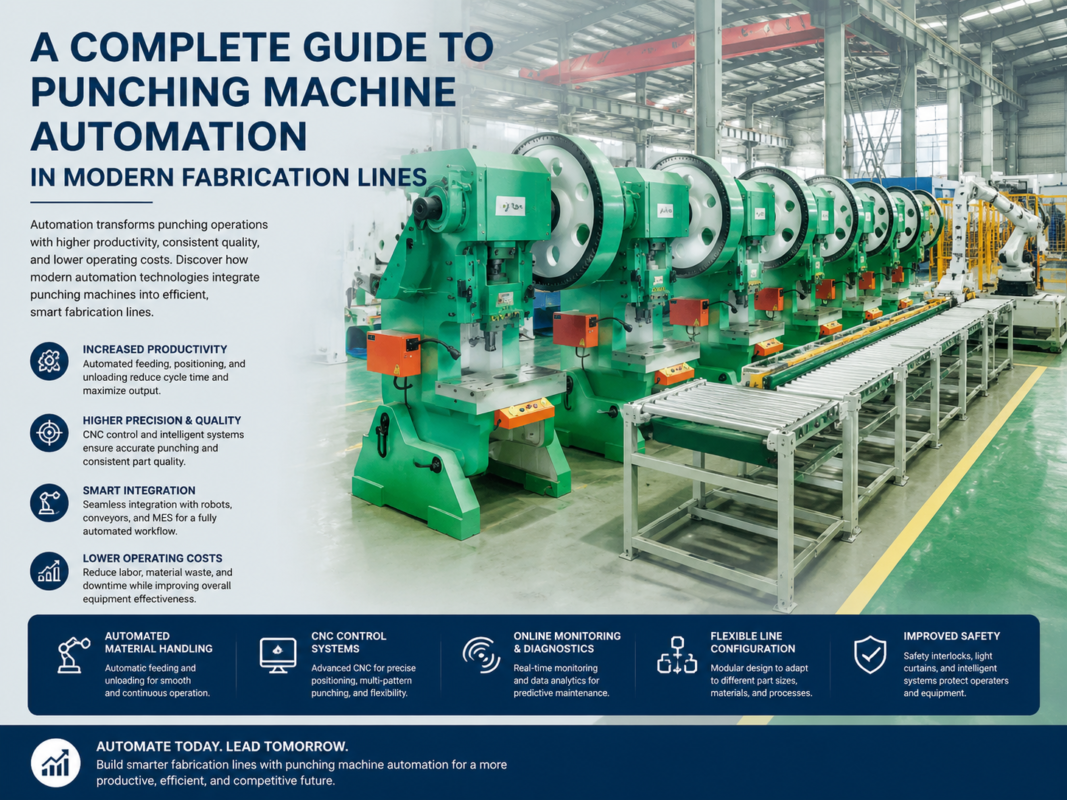
Automation features, such as automatic sheet loading and unloading systems, can be integrated into the machine configuration. For high-volume environments, these systems allow for “lights-out” manufacturing, where the machine operates unattended. While the initial investment in automation is high, the reduction in labor costs and the increase in machine utilization rates can be transformative for a company’s bottom line.
Identifying and Managing Hidden Costs
The sticker price of a punching machine is only part of the financial equation. To truly achieve lower costs, buyers must account for several “hidden” expenses that arise during the machine’s lifecycle. Installation and Foundation requirements are often overlooked. High-tonnage machines require reinforced concrete floors to dampen vibrations. Failure to provide a stable foundation can lead to inaccuracies and mechanical wear, costing thousands in repairs later on.
Tooling Costs are an ongoing expense. A common mistake is to buy a high-end machine but use low-quality tooling. Poor tooling wears out faster, produces burrs, and can even damage the machine’s turret. Investing in high-quality, coated tools might seem expensive initially, but their longevity and the quality of the parts they produce will lower the overall cost per hole. Additionally, consider the cost of tool sharpening equipment, which is essential for maintaining peak performance.
Software and Licensing are critical for CNC machines. The CAD/CAM software used to nest parts and generate G-code is vital for material optimization. High-efficiency nesting can reduce scrap by 10-15%, which, over a year of production, can save an amount equal to the machine’s annual financing cost. Ensure that the software license includes regular updates and technical support to avoid compatibility issues with newer design files.
Finally, Energy Consumption and Maintenance must be factored in. Hydraulic machines require regular oil changes and filter replacements, and they generate heat that may necessitate additional shop cooling. Servo-electric machines have fewer moving parts and no hydraulic oil, leading to lower routine maintenance costs. However, the electronics in servo systems require a clean, temperature-controlled environment to ensure longevity. Understanding these requirements helps in planning the total operational budget.
ROI Calculation: Measuring the Value of Your Investment
Calculating the Return on Investment (ROI) is essential for justifying the purchase of a new punching machine. The basic formula for ROI is: (Net Profit from Investment / Cost of Investment) x 100. However, in metal fabrication, this involves several variables. First, calculate the Increase in Throughput. If a new CNC machine can produce 500 parts per shift compared to 200 on an older machine, the revenue potential more than doubles.
Next, factor in Labor Savings. A machine with an auto-tool changer and advanced CNC controls requires less intervention from highly skilled operators. This allows one operator to manage multiple machines or perform other tasks, effectively reducing the labor cost per part. Additionally, consider the Reduction in Scrap. Advanced nesting software and precise positioning systems minimize the skeleton (waste material) left after punching, which is a direct saving on raw material costs.
| Factor | Manual Punching | CNC Turret Punching |
|---|---|---|
| Parts Per Hour | Low (30-50) | High (300-600) |
| Labor Requirement | 1 Operator per Machine | 1 Operator per 2-3 Machines |
| Material Utilization | Moderate (70-75%) | High (85-92%) |
| Setup Time | High (Manual Tool Change) | Low (Automatic/Turret) |
Don’t forget to include the Payback Period in your analysis. This is the time it takes for the machine to pay for itself through increased profits and cost savings. For a high-efficiency machine, a payback period of 18 to 36 months is generally considered excellent. By presenting a detailed ROI analysis, you can demonstrate how the “Punching Machine Buying Tips Improved Efficiency Lower Costs” strategy directly benefits the company’s financial health.
Expert Buying Advice for Metal Fabricators
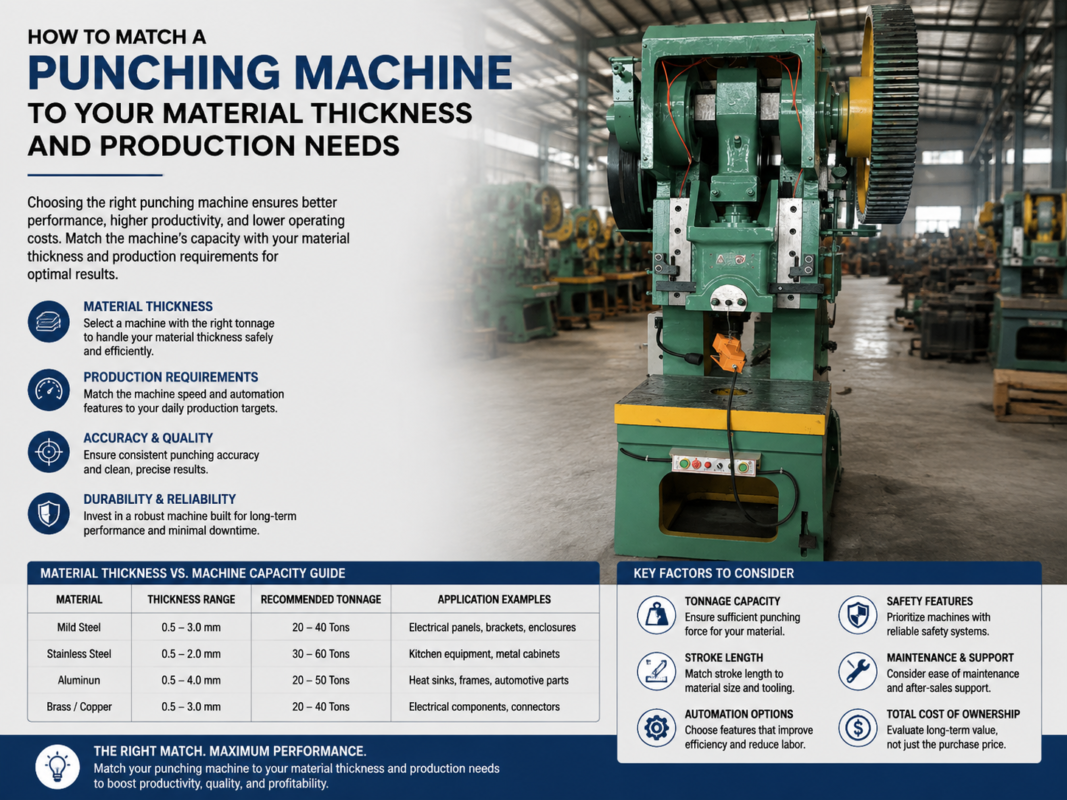
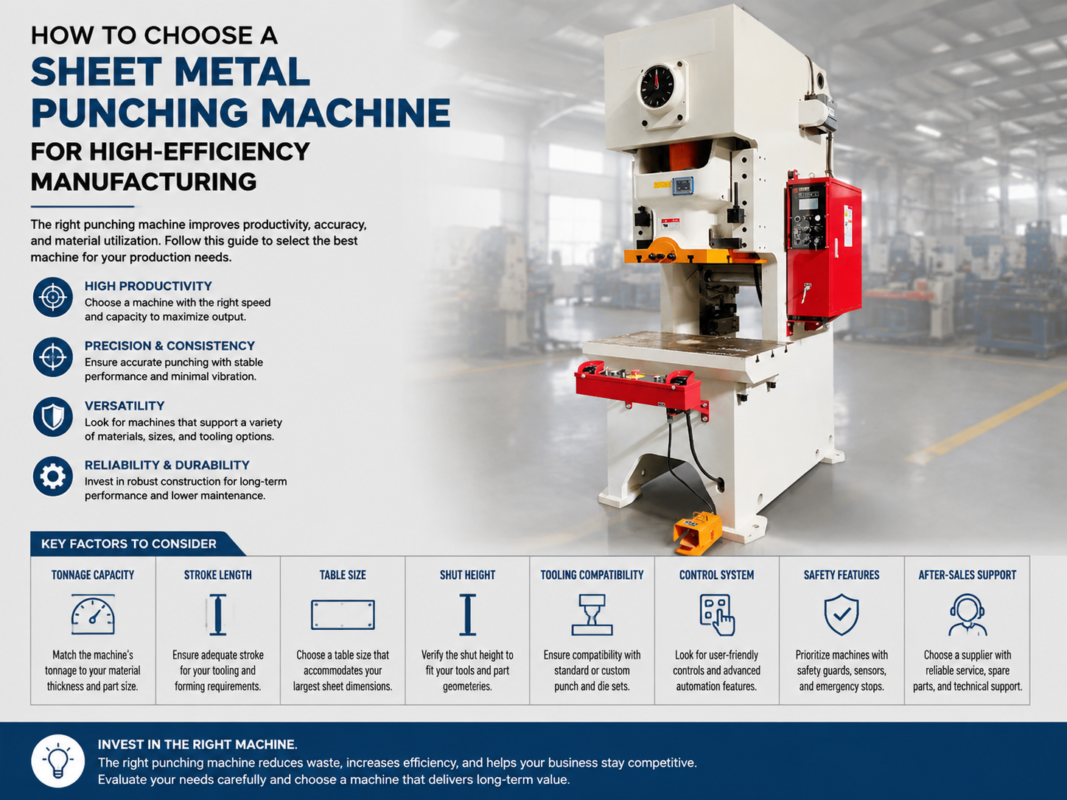
Before making a final decision, it is crucial to conduct a thorough Material and Application Analysis. What is the maximum thickness you will punch? What is the most common material? If you primarily work with 2mm mild steel, a 50-ton machine is overkill. Conversely, if you plan to punch 6mm stainless steel, a light-duty machine will fail within months. Always buy a machine with about 20% more capacity than your current maximum requirement to allow for future-proofing.
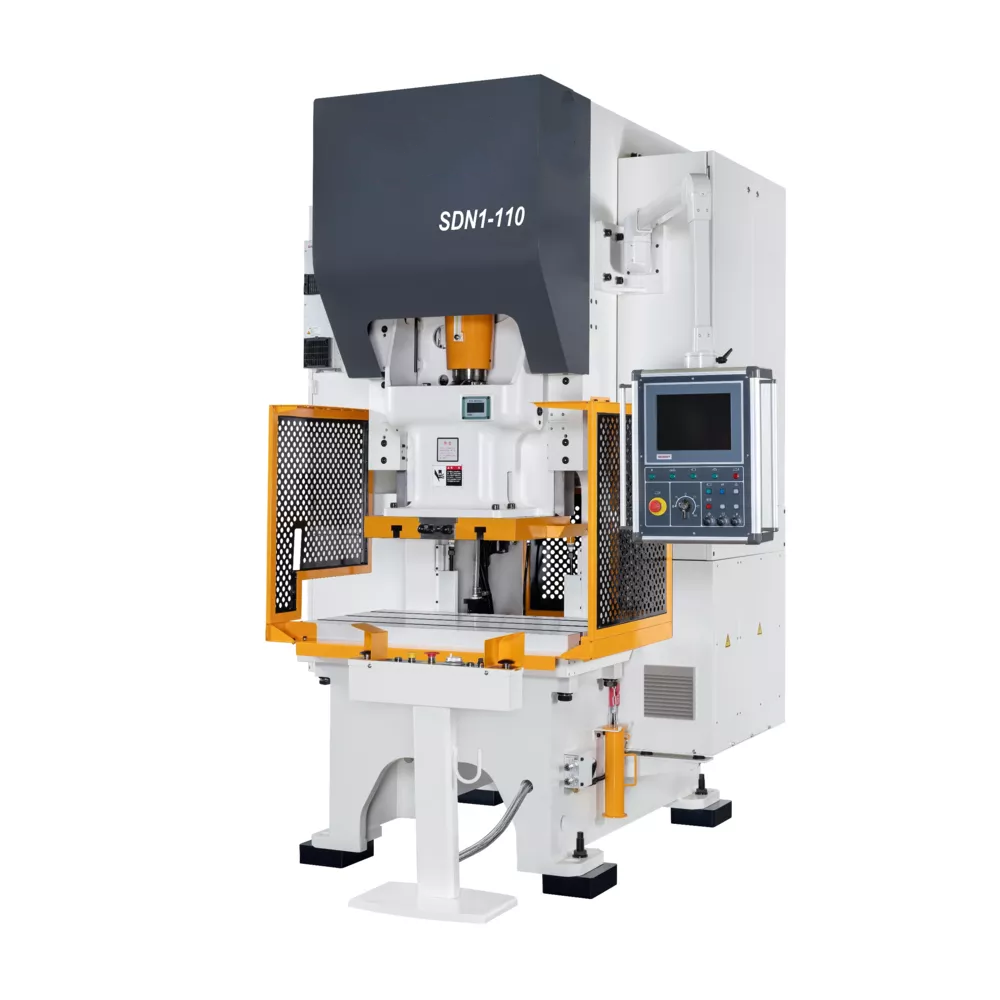
Evaluate the Vendor as much as the machine. A machine is only as good as the support behind it. Does the manufacturer like HARSLE offer comprehensive training? What is the availability of spare parts in your region? A machine that is down for two weeks waiting for a $50 sensor from overseas is a massive liability. Ask for references and, if possible, visit a facility where the machine is already in operation to see its real-world performance.
Request a Live Demonstration or Sample Punching. Send your most complex part designs to the vendor and ask them to produce samples. This will reveal the machine’s true speed, the quality of the edges, and the effectiveness of the nesting software. Pay close attention to the “nibbling” quality on curves and the flatness of the sheet after multiple punches. These details are the difference between a part that is ready for assembly and one that requires hours of manual deburring.
Finally, consider the Resale Value. Well-known brands with a reputation for durability hold their value much better than generic, low-cost alternatives. When it comes time to upgrade your facility in five or ten years, a machine that has been well-maintained and comes from a reputable manufacturer will provide a significant injection of capital toward your next purchase.
Frequently Asked Questions (FAQ)
1. How often should I sharpen my punching tools?
Tool sharpening frequency depends on the material type and thickness. As a general rule, tools should be inspected every 10,000 to 50,000 hits. Punching stainless steel will dull tools much faster than aluminum. Using dull tools increases the load on the machine and results in poor part quality, so regular sharpening is a key factor in maintaining efficiency.
2. Is a CNC turret punch better than a laser cutting machine?
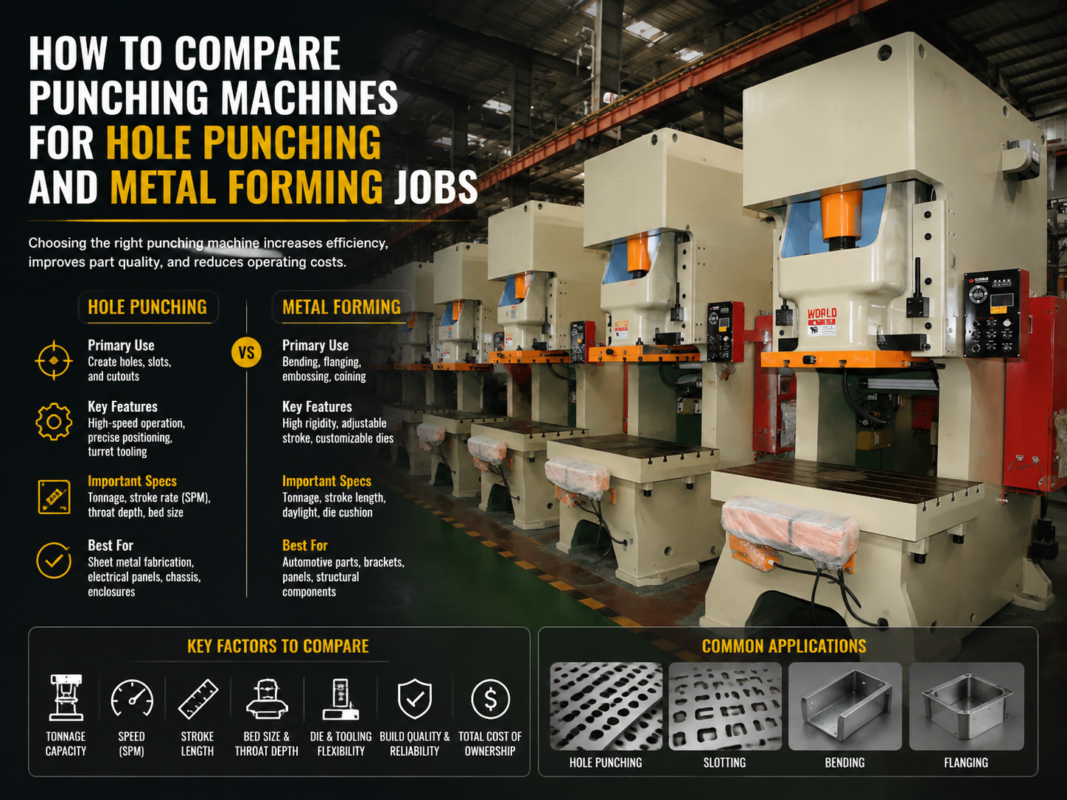
It depends on the application. Punching machines are significantly faster for creating multiple identical holes and can perform forming operations like louvers, countersinks, and ribs, which lasers cannot. However, lasers are better for complex, irregular contours and very thick materials. Many modern shops use both to maximize their capabilities.
3. What is the advantage of an auto-index station?
An auto-index station allows the tool to rotate 360 degrees under CNC control. This means a single rectangular tool can punch at any angle, reducing the number of specialized tools you need to buy and load into the turret. This drastically increases the machine’s versatility and reduces setup times.
4. How does hydraulic oil temperature affect punching accuracy?
In hydraulic machines, as the oil heats up, its viscosity changes, which can lead to slight variations in the ram’s stroke depth and speed. High-quality hydraulic machines include oil coolers to maintain a consistent temperature, ensuring that the first part of the day is identical to the last. Servo-electric machines avoid this issue entirely.
5. Can I punch galvanized steel without damaging the machine?
Yes, but galvanized steel can leave zinc deposits on the tools, which may lead to galling. Using specialized coatings on your punches and ensuring proper lubrication (such as a sheet sprayer system) will prevent this buildup and maintain high production speeds and part quality.
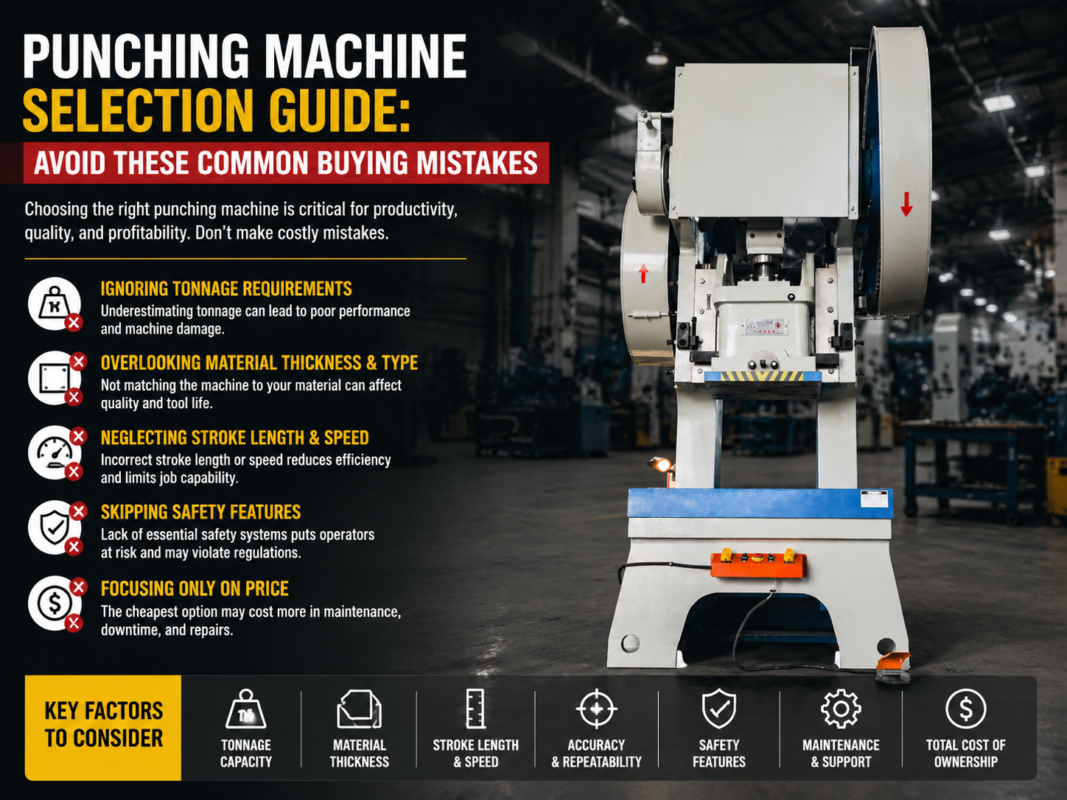
6. What safety features should I look for?
Modern punching machines should be equipped with light curtains, emergency stop buttons, and interlocked guarding. For CNC machines, software-based collision detection is also vital to prevent the turret or ram from hitting the clamps or the worktable, protecting both the operator and the investment.