Why Punching Machines Are Essential for HVAC Duct Manufacturing: A Comprehensive Guide


Introduction to HVAC Duct Manufacturing and the Role of Punching
In the modern industrial landscape, the Heating, Ventilation, and Air Conditioning (HVAC) sector stands as one of the most demanding fields for metal fabrication. The production of ductwork requires a unique blend of speed, precision, and repeatability. As buildings become more complex and energy efficiency standards tighten, the demand for high-quality, airtight ducting has skyrocketed. This is where the punching machine becomes an indispensable asset. Understanding why punching machines are essential HVAC duct manufacturing tools requires a deep dive into the mechanics of sheet metal processing and the specific requirements of ventilation systems.
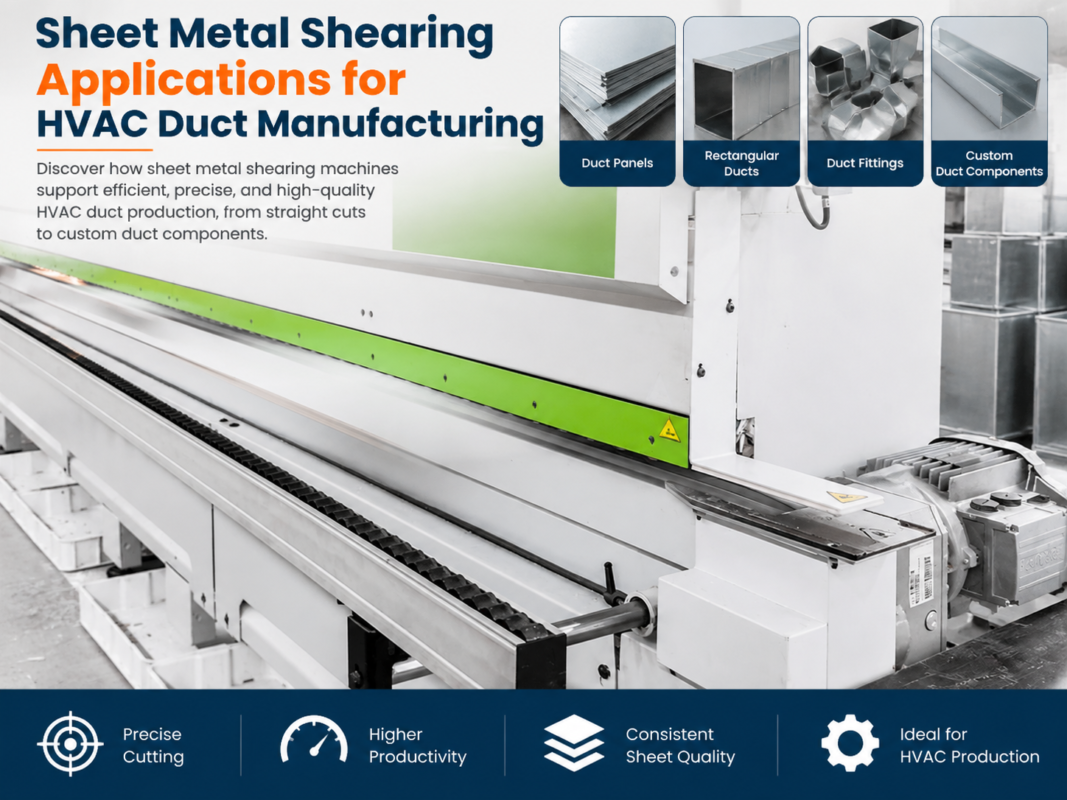
HVAC duct manufacturing involves transforming flat sheets of galvanized steel, aluminum, or stainless steel into intricate shapes, including rectangular ducts, spiral pipes, fittings, and transitions. These components require numerous holes for fasteners, notches for folding, and specialized cutouts for dampers and registers. While traditional methods like manual drilling or basic shearing were once sufficient, the scale of modern construction projects demands the automation and accuracy that only a dedicated punching machine can provide. HARSLE, a leader in metal fabrication machinery, recognizes that the punching machine is not just a tool but the heartbeat of a productive duct shop.
The transition from manual labor to automated punching has redefined the economics of duct production. By integrating CNC (Computer Numerical Control) technology, manufacturers can now produce complex patterns in seconds that would have previously taken hours. This efficiency is the primary reason why punching machines are essential HVAC duct manufacturing components. They bridge the gap between raw material and a finished, installable product, ensuring that every flange, corner, and hanger hole is perfectly aligned for a seamless installation on the job site.
Key Considerations: Why Punching Machines Are Essential HVAC Duct Manufacturing
When analyzing the necessity of punching machines in the HVAC industry, several key considerations come to the forefront. The first is the sheer volume of holes and notches required. A single commercial HVAC project can involve miles of ductwork, each section requiring precise mounting holes for TDC/TDF flanges and notches for Pittsburgh locks or snap locks. Manually performing these tasks is not only labor-intensive but also prone to human error, which can lead to costly material waste and delays.
Precision and airtightness are the second major considerations. In modern green building standards, such as LEED certification, duct leakage is a critical metric. If the holes for fasteners or the notches for seams are even slightly misaligned, the structural integrity and airtightness of the duct are compromised. Punching machines provide a level of consistency that ensures every part fits perfectly. This precision reduces the need for excessive sealants and ensures that the HVAC system operates at peak energy efficiency, saving the end-user money on utility bills.
Furthermore, material versatility is a significant factor. HVAC ducts are not made from a single material; they vary based on the environment. For example, hospitals often require stainless steel ducts for hygiene, while industrial plants might use heavy-gauge galvanized steel. A robust punching machine can handle various thicknesses and material types without requiring extensive downtime for reconfiguration. This flexibility allows a fabrication shop to take on a wider range of projects, increasing their market competitiveness.
Finally, the integration of punching into a larger “Auto-line” system is a game-changer. Many modern HVAC shops use automated duct lines where a coil of metal is fed through a series of machines that straighten, notch, punch, and fold the metal in one continuous process. In this ecosystem, the punching station is critical for creating the necessary geometry before the final forming stages. Without a reliable punching mechanism, the entire automated line would grind to a halt, proving once again why punching machines are essential HVAC duct manufacturing elements.
Technical Details of Punching Machines in Duct Production
To truly appreciate the role of these machines, one must understand the technical specifications that make them suitable for HVAC work. Most modern punching machines used in this sector are either CNC turret punches or specialized hydraulic punching units integrated into duct lines. The CNC turret punch is particularly valued for its ability to hold a variety of tools—ranging from small round punches for screw holes to large rectangular dies for register cutouts—and switch between them at lightning speed.
The Role of CNC Controllers
The brain of the punching machine is the CNC controller. In HVAC manufacturing, software like CAMduct or other specialized CAD/CAM packages generate the nesting patterns and tool paths. The controller reads these files and directs the punching head with sub-millimeter accuracy. This allows for “nesting,” which is the practice of arranging parts on a sheet of metal to minimize scrap. Given the rising cost of raw materials, the ability of a CNC punching machine to optimize material usage provides a direct boost to the manufacturer’s bottom line.
Hydraulic vs. Mechanical Systems
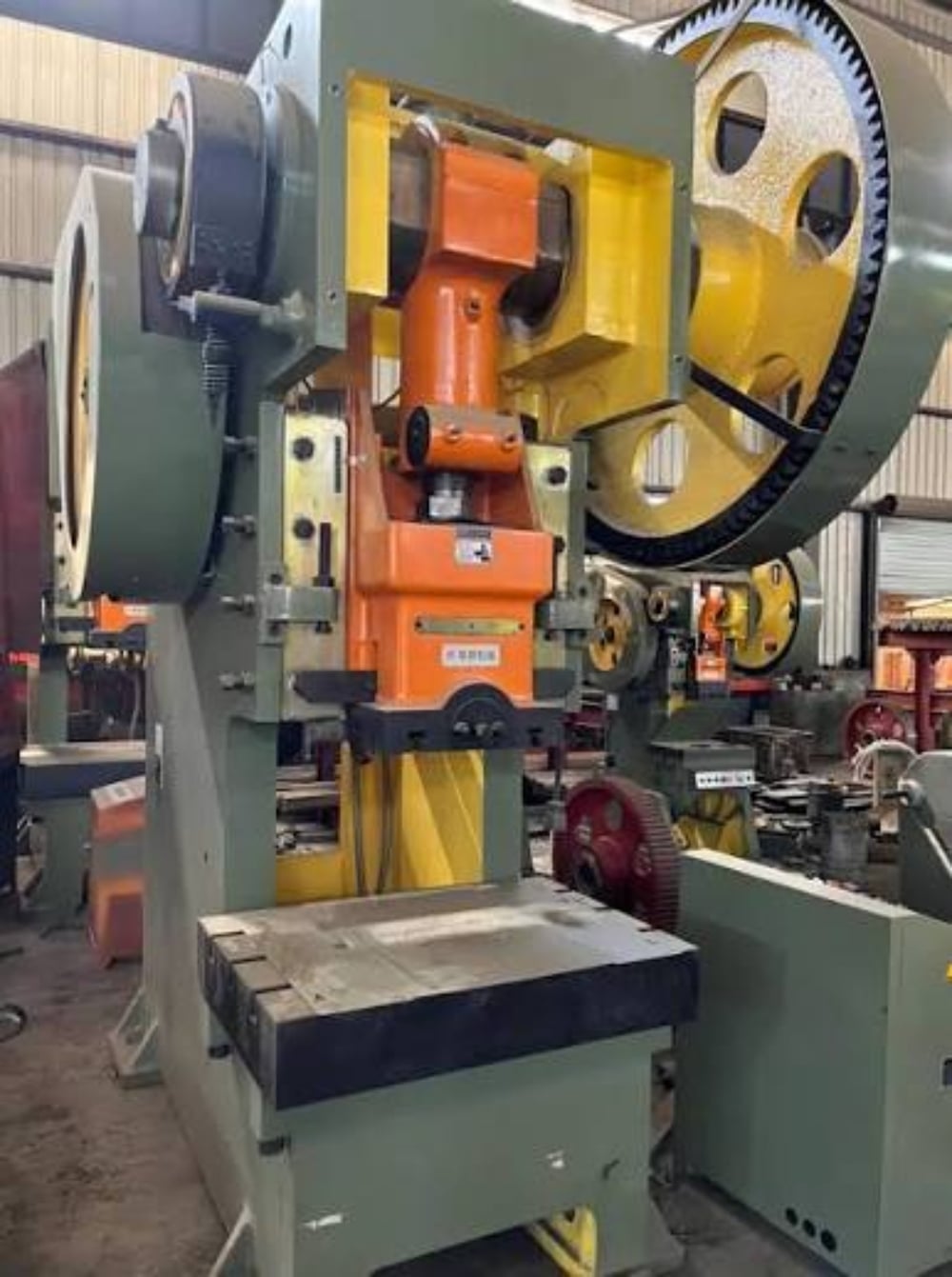
Punching machines generally fall into two categories: hydraulic and mechanical. Hydraulic punching machines, which are common in HARSLE’s lineup, offer superior control over the stroke. This is particularly useful when working with different material thicknesses, as the pressure can be finely tuned to ensure a clean shear without deforming the surrounding metal. Mechanical punches, while often faster for simple repetitive tasks, lack the versatility and quiet operation of their hydraulic counterparts, making hydraulic systems the preferred choice for modern, multi-functional HVAC shops.
Tooling and Versatility
The tooling used in HVAC punching is specialized. For instance, many ducts require “V” notches or “corner” notches to allow the metal to be folded into a rectangular shape. Specialized dies can also create louvers for ventilation grilles or embossed ribs for added structural rigidity in large duct sections. The ability to perform these secondary operations during the punching phase eliminates the need for separate machines, streamlining the production floor and reducing the footprint of the manufacturing operation.
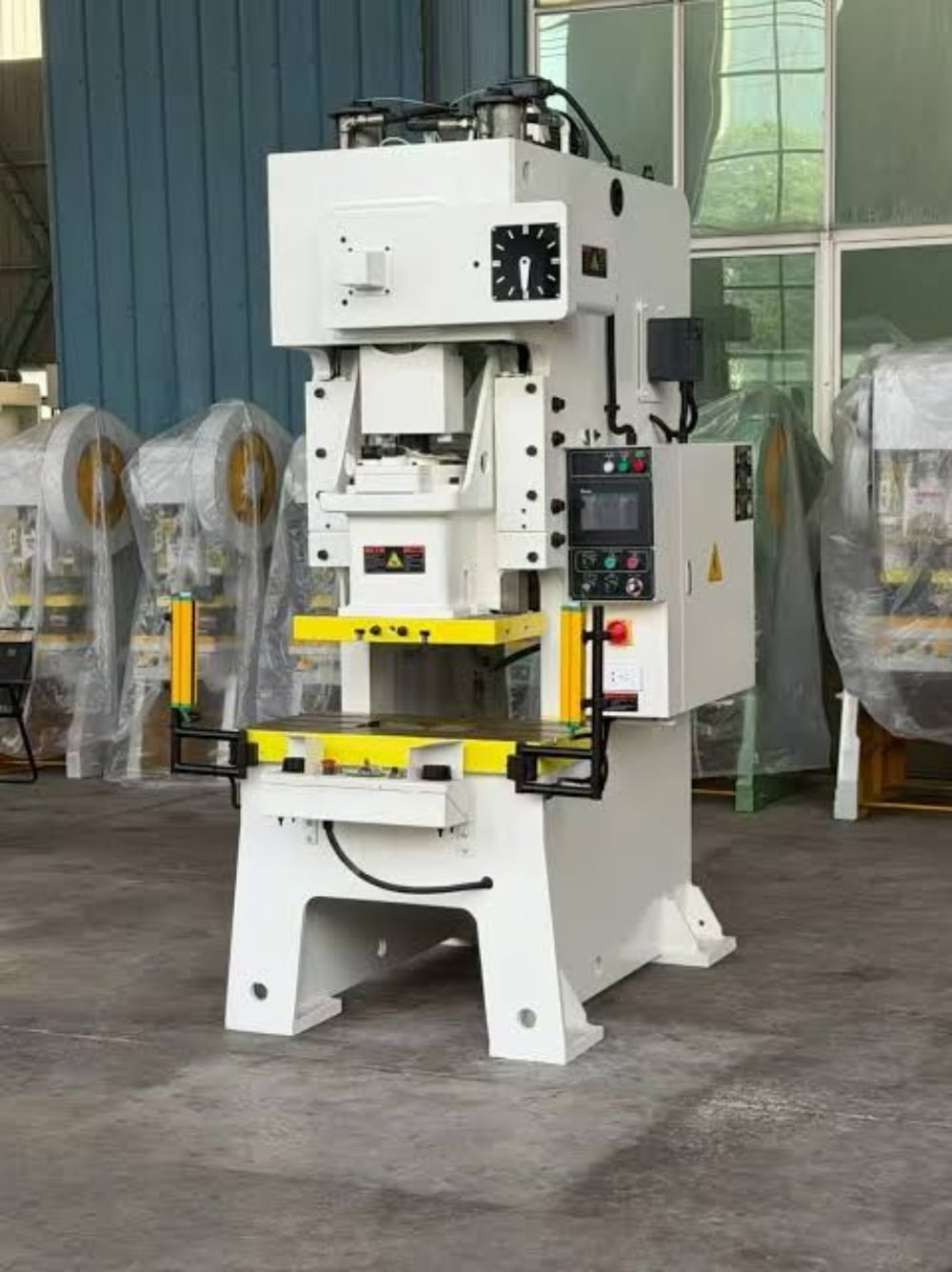
Selection Advice: Choosing the Right Punching Machine
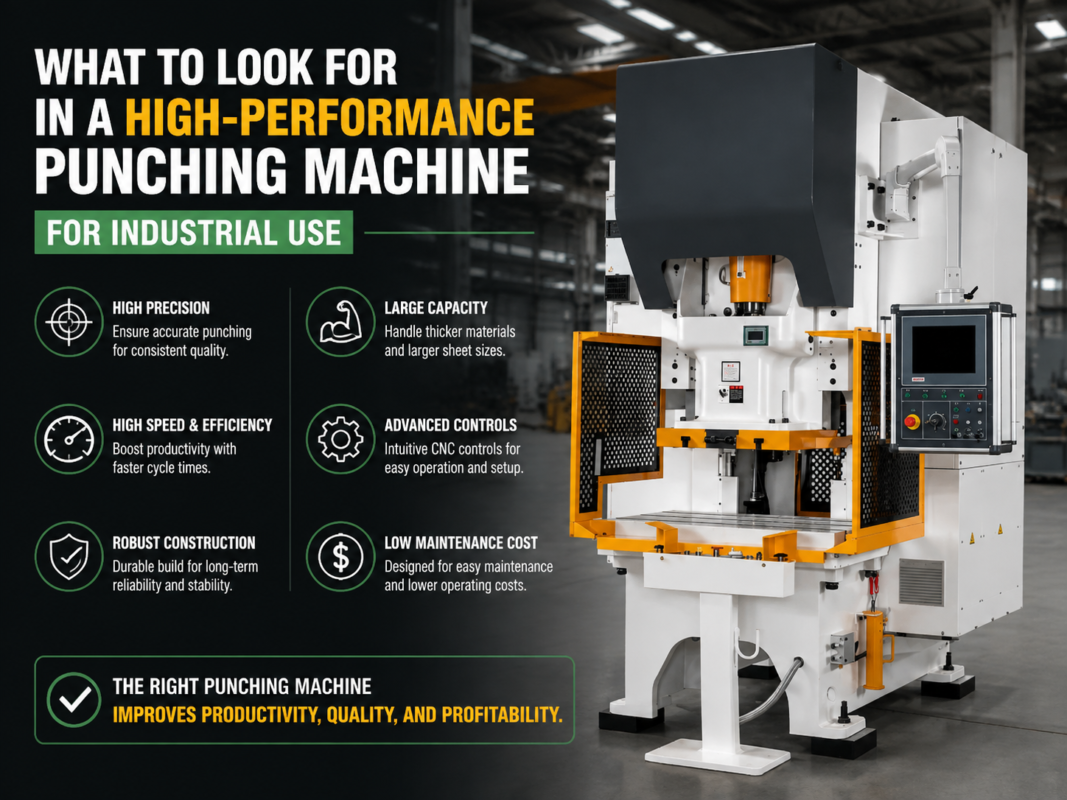
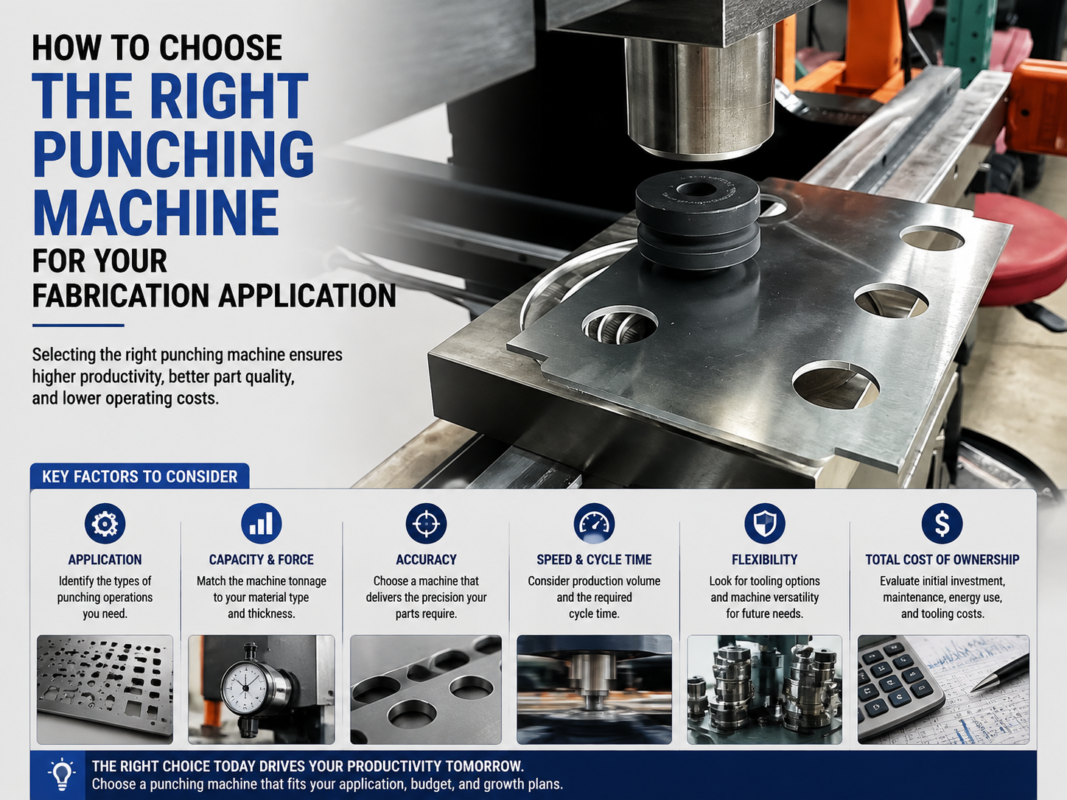
Selecting the right punching machine for HVAC duct manufacturing is a strategic decision that depends on several factors, including production volume, material gauge, and the complexity of the parts being produced. For a small to medium-sized shop focusing on residential HVAC, a standalone CNC turret punch or even a high-quality manual punching machine with digital readouts might suffice. However, for large-scale industrial contractors, an automated solution is almost always the better investment.
One of the first things to evaluate is the “throat depth” of the machine. HVAC ducts can be quite large, and the machine must be able to accommodate the width of the sheets being processed. A machine with a shallow throat will limit the size of the panels you can punch, potentially forcing you to outsource larger components. HARSLE offers various throat depths to ensure that even the largest plenum boxes and transitions can be handled in-house.
Another critical factor is the hit rate or punching speed. In a high-volume environment, every second counts. Look for machines that offer high-speed positioning and rapid tool changes. However, speed should not come at the expense of accuracy. A machine that punches 500 holes a minute but misses the mark by a millimeter is a liability, not an asset. Always check the repeatability specifications provided by the manufacturer.
Consider the software compatibility as well. The best punching machine in the world is useless if it cannot communicate with your design software. Ensure that the machine’s controller supports standard G-code or has a dedicated post-processor for common HVAC software. This ensures a “click-to-punch” workflow that reduces the time between design and physical production. Finally, evaluate the after-sales support and availability of replacement parts. Punching machines are high-wear items; punches and dies will eventually dull and need replacement. Choosing a reputable brand like HARSLE ensures that you have access to the necessary consumables and technical support to keep your line running.
Maintenance and Operational Efficiency
To maintain the status of why punching machines are essential HVAC duct manufacturing tools, they must be kept in peak operating condition. Maintenance is the cornerstone of operational efficiency. A well-maintained machine produces cleaner cuts, requires less power, and has a significantly longer lifespan. The most critical maintenance task is the regular inspection and sharpening of the tooling. Dull punches increase the load on the hydraulic system and leave burrs on the metal, which can be a safety hazard for installers and can interfere with the fit of the ductwork.
Lubrication is another vital aspect. The moving parts of a punching machine, especially the turret and the ram, operate under immense pressure. Regular lubrication schedules, as outlined by HARSLE, prevent premature wear and ensure smooth operation. Additionally, keeping the machine clean of metal chips and slugs is essential. Modern machines often have slug suction systems or conveyors, but manual inspection is still necessary to prevent build-up that could jam the mechanism.
Operators should also be trained to recognize the signs of machine fatigue. Changes in the sound of the punch, slight deviations in accuracy, or unusual vibrations are all early warning signs that the machine needs attention. By implementing a proactive maintenance strategy, HVAC manufacturers can avoid unplanned downtime during peak construction seasons, ensuring they meet their deadlines and maintain their reputation for reliability.
Frequently Asked Questions (FAQ)
1. Why is a CNC punching machine better than a laser cutter for HVAC?
While laser cutters are highly versatile, CNC punching machines are often faster and more cost-effective for the specific repetitive tasks found in HVAC manufacturing, such as creating notches and standard-sized holes. Additionally, punching machines can perform forming operations like louvering and embossing, which a laser cannot do.
2. What thickness of metal can a standard HVAC punching machine handle?
Most HVAC ductwork is made from 18 to 26 gauge galvanized steel. Standard punching machines are more than capable of handling these thicknesses. However, industrial-grade machines can often punch through up to 6mm (1/4 inch) plate if the shop produces heavy-duty industrial ventilation or structural supports.
3. How does a punching machine improve duct airtightness?
Airtightness depends on the precision of the seams and joints. A punching machine ensures that the notches for Pittsburgh locks or the holes for TDC/TDF corners are perfectly placed. This leads to a tighter fit during assembly, reducing gaps where air could escape and ensuring the duct meets SMACNA (Sheet Metal and Air Conditioning Contractors’ National Association) standards.
4. Can one machine handle both round and rectangular duct components?
Yes. By changing the tooling in the turret, a single CNC punching machine can process the flat patterns for rectangular ducts as well as the specialized fittings and end caps required for round or oval ducting systems.
5. Is it difficult to learn how to operate a CNC punching machine?
Modern CNC interfaces are designed to be user-friendly. While there is a learning curve associated with the CAD/CAM software, the actual operation of the machine is often intuitive. HARSLE provides comprehensive training and documentation to help operators get up to speed quickly.
Conclusion: The Future of HVAC Fabrication with HARSLE
In conclusion, the evidence is clear: punching machines are essential HVAC duct manufacturing tools because they provide the speed, precision, and versatility required by the modern construction industry. From reducing labor costs to ensuring the energy efficiency of the final installation, the benefits of integrating a high-quality punching machine into a production line are manifold. As the industry continues to evolve toward more complex designs and stricter environmental regulations, the role of automated punching will only become more prominent.
HARSLE remains committed to providing the HVAC industry with cutting-edge punching solutions that meet these challenges head-on. By investing in a HARSLE punching machine, manufacturers are not just buying a piece of equipment; they are investing in the future of their business. Whether you are looking to upgrade a single station or implement a fully automated duct line, understanding the technical and economic advantages of punching technology is the first step toward achieving manufacturing excellence. The precision of today leads to the performance of tomorrow, and in the world of HVAC, that precision starts with a punch.