Comprehensive Guide to Common Punching Machine Applications in Stamping and Perforation Work


Introduction to Modern Punching Technology
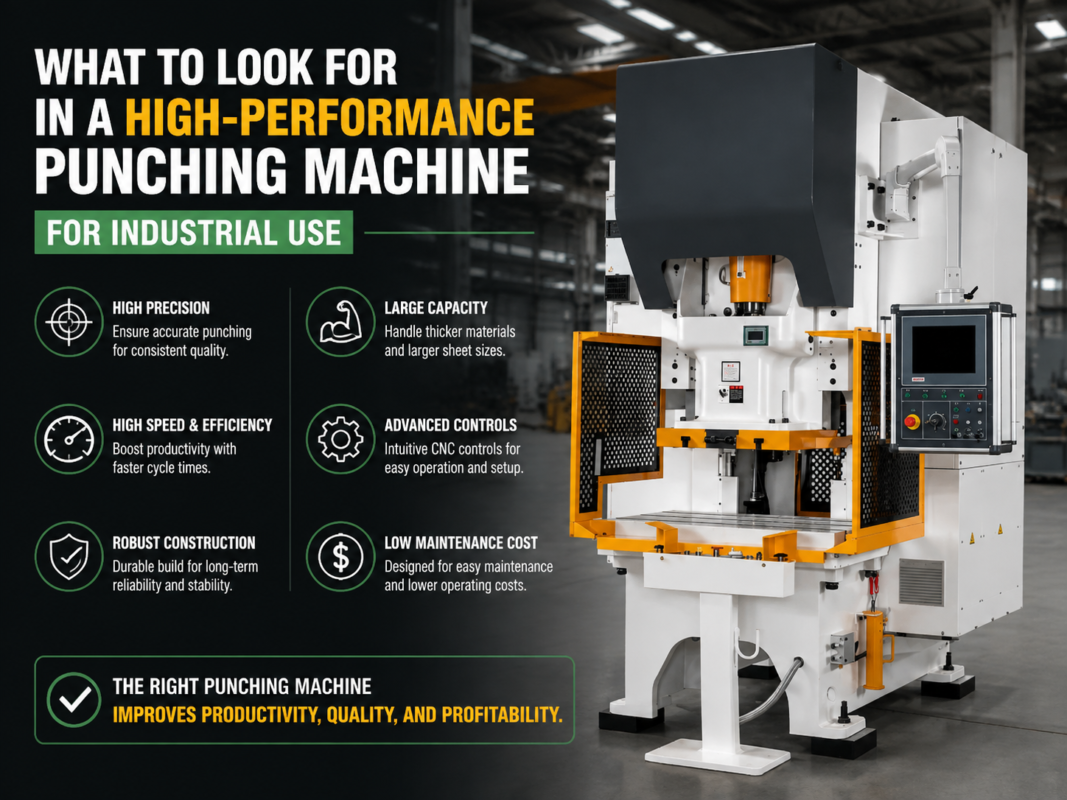
In the vast landscape of metal fabrication, the punching machine stands as a cornerstone of efficiency and precision. Whether it is a high-speed mechanical press or a sophisticated CNC turret punch, these machines are indispensable for transforming flat metal sheets into complex, functional components. The Common Punching Machine Applications In Stamping Perforation Work span across nearly every industrial sector, from the delicate components found in consumer electronics to the heavy-duty structural elements of the aerospace industry.
At HARSLE, we have observed the evolution of these machines from simple manual levers to fully automated systems capable of thousands of hits per minute. The primary function of a punching machine is to create holes, indentations, or specific shapes by applying significant force through a toolset consisting of a punch and a die. This process, known as stamping or perforation, is favored for its speed, repeatability, and cost-effectiveness compared to laser cutting or milling, especially in high-volume production environments.
As global manufacturing demands higher precision and faster turnaround times, understanding the nuances of punching applications becomes vital for engineers and shop managers alike. This article delves deep into the technicalities, applications, and selection criteria for punching machines, providing a comprehensive resource for those looking to optimize their metalworking operations.
Key Considerations for Stamping and Perforation
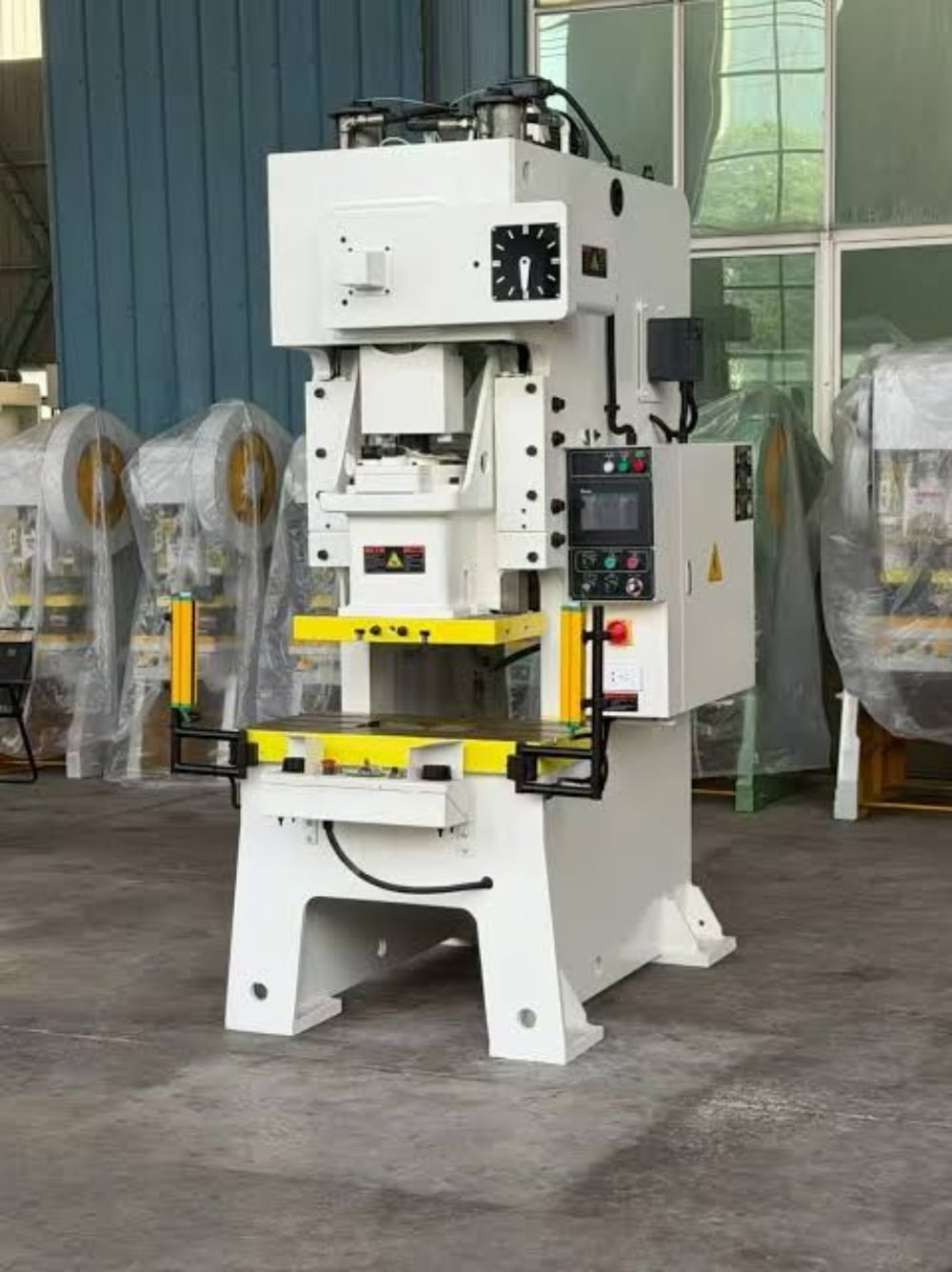
Before diving into specific applications, it is essential to understand the factors that influence the success of a punching operation. The interaction between the machine, the tooling, and the material is a delicate balance that determines the quality of the final product.
Material Properties and Thickness
The choice of material significantly impacts the tonnage required and the wear on the tooling. Common materials include cold-rolled steel, stainless steel, aluminum, brass, and copper. Each material has a specific shear strength; for instance, stainless steel requires significantly more force to punch than aluminum of the same thickness. Furthermore, the thickness of the material dictates the “die clearance”—the gap between the punch and the die. Incorrect clearance can lead to excessive burrs, tool breakage, or poor edge quality.
Tooling Geometry and Maintenance
The shape of the punch determines the shape of the hole or form. However, it is not just about the shape; the shear angle on the punch face can reduce the required punching force and noise. Regular maintenance, such as sharpening the punches and dies, is critical. A dull tool increases the load on the machine and results in “slug pulling,” where the waste material sticks to the punch and is pulled back up, potentially damaging the workpiece.
Production Volume and Speed
For small batches, a manual or hydraulic single-station punch might suffice. However, for mass production, high-speed mechanical presses or CNC turret punches are necessary. The “hit rate”—the number of holes the machine can punch per minute—is a key metric for efficiency. Modern machines can achieve over 1,000 hits per minute in marking modes and 400-600 hits per minute in standard punching modes.
Technical Details of the Punching Process
Understanding the mechanics of how a punch penetrates metal is fundamental to mastering Common Punching Machine Applications In Stamping Perforation Work. The process occurs in three distinct stages: elastic deformation, plastic deformation, and fracture.
The Mechanics of a Hit
- Elastic Deformation: As the punch contacts the metal, the material begins to compress and bend slightly without permanent change.
- Plastic Deformation: The force exceeds the material’s yield strength, causing it to flow into the die opening. This creates the “roll-over” or rounded edge at the top of the hole.
- Fracture: Finally, the material reaches its ultimate tensile strength and cracks propagate from both the punch and die edges. When these cracks meet, the slug is separated from the sheet.
Tonnage Calculation
Calculating the required force is vital to avoid overloading the machine. The formula generally used is: Tonnage = Perimeter of Hole × Material Thickness × Shear Strength / 2000 (for US tons). Accurate calculation ensures that the machine operates within its safety limits, preserving the longevity of the hydraulic or mechanical drive systems.
| Material Type | Shear Strength (PSI) | Recommended Die Clearance (% of thickness) |
|---|---|---|
| Aluminum (Soft) | 10,000 – 15,000 | 10% – 12% |
| Mild Steel | 45,000 – 55,000 | 15% – 20% |
| Stainless Steel | 70,000 – 90,000 | 20% – 25% |
Common Punching Machine Applications In Stamping Perforation Work
The versatility of punching machines allows them to serve a wide array of industries. Below are the most prevalent applications where stamping and perforation are critical.
1. Automotive Industry
The automotive sector is perhaps the largest consumer of stamped metal parts. Punching machines are used to create brackets, chassis reinforcements, and interior seat frames. Perforation is also common in heat shields and acoustic panels within the engine bay to manage heat and sound. The high repeatability of CNC punching ensures that every part fits perfectly in the assembly line, which is crucial for vehicle safety and performance.
2. Electronics and Telecommunications
In the world of electronics, precision is paramount. Punching machines create the intricate chassis for computers, servers, and telecommunications racks. These enclosures require hundreds of small ventilation holes (perforation) to allow for airflow while maintaining structural integrity and EMI (Electromagnetic Interference) shielding. Additionally, “knockouts” for cables and connectors are standard features produced by specialized punching tools.
3. Architectural and Decorative Perforation
Modern architecture frequently utilizes perforated metal for aesthetic and functional purposes. Building facades, sunshades, and balcony railings often feature complex perforated patterns that provide privacy and shade while allowing light and air to pass through. Punching machines can be programmed to create “image perforation,” where varying hole sizes create a visual image on a large metal panel.
4. HVAC and Ventilation Systems
Heating, Ventilation, and Air Conditioning (HVAC) systems rely heavily on perforated metal for grilles, diffusers, and ductwork components. Punching machines allow for the rapid production of these parts with consistent hole patterns that ensure optimal airflow dynamics. The ability to punch and form (such as creating louvers) in a single setup makes the CNC turret punch an ideal choice for this industry.
5. Filtration and Sifting
Industrial filtration requires precise hole sizes to separate materials effectively. Punching machines are used to create sieve plates for mining, food processing, and chemical industries. Whether it is a fine mesh-like perforation or large drainage holes, the punching process provides the durability needed for harsh industrial environments that plastic alternatives cannot match.
Selection Advice: Choosing the Right Punching Machine
Selecting the appropriate machinery for your Common Punching Machine Applications In Stamping Perforation Work is a significant investment. Here is a guide to help you make an informed decision.
Assess Your Tonnage Requirements
Determine the thickest and hardest material you plan to punch. If you primarily work with 10-gauge mild steel, a 20-ton or 30-ton machine may be sufficient. However, for thicker plates or stainless steel, you might need 50 tons or more. Always choose a machine with a capacity slightly higher than your maximum requirement to avoid running the machine at its limit constantly.
Turret vs. Single Station
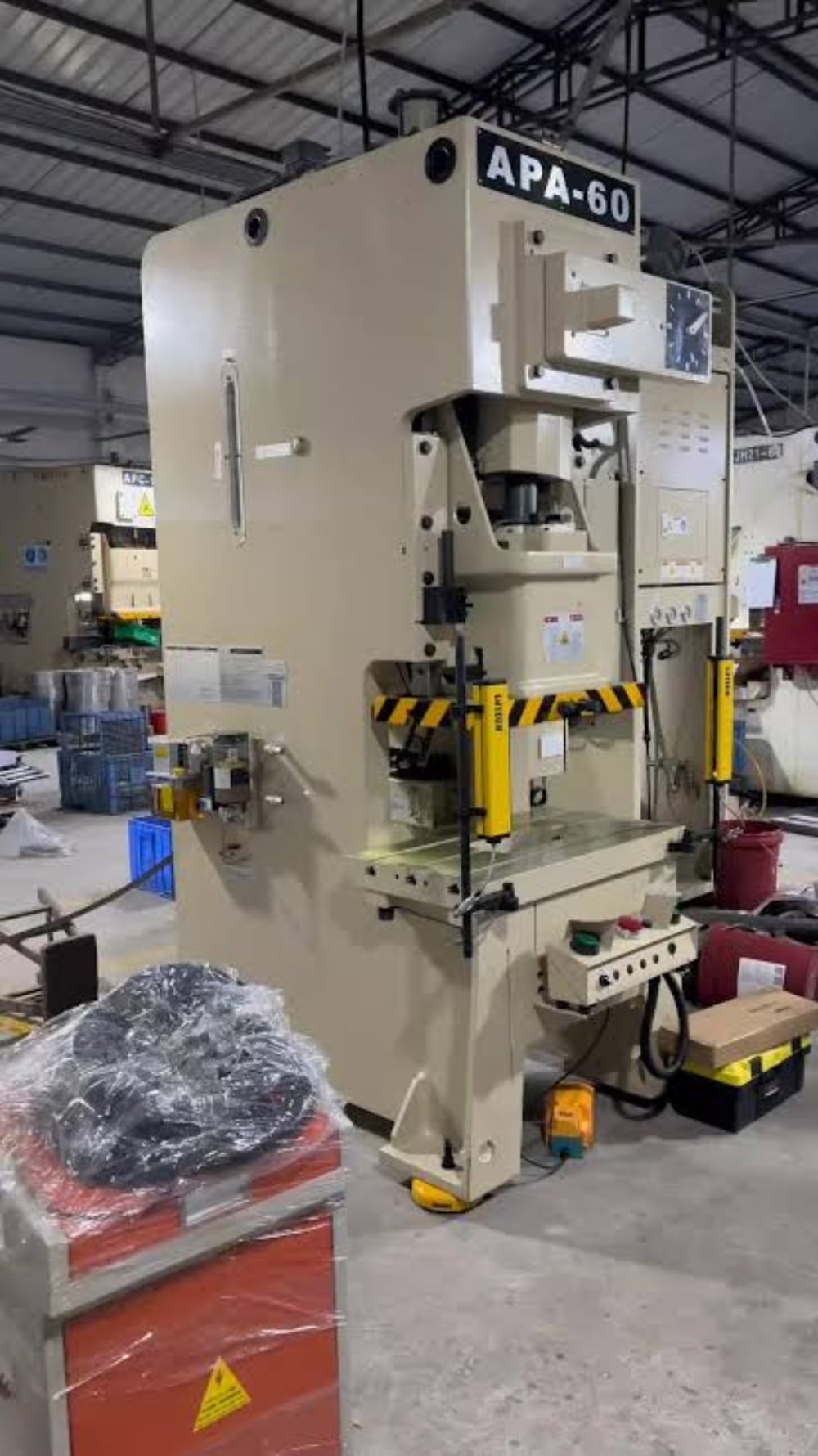
If your work involves frequent tool changes and complex parts with multiple hole sizes, a CNC turret punch is essential. The turret holds dozens of tools, allowing the machine to switch between them in seconds. For simple, repetitive tasks or very large holes that exceed turret capacity, a single-station power press or a dedicated plate punch might be more cost-effective.
Automation and Software Integration
Modern fabrication is moving toward Industry 4.0. Look for machines that offer advanced nesting software to minimize material waste. Automation features, such as automatic sheet loading and unloading systems, can significantly increase throughput and allow for “lights-out” manufacturing, where the machine operates unattended during night shifts.
Checklist for Buyers:
- Throat Depth: Ensure the machine can handle the width of your largest metal sheets.
- Stroke Control: Hydraulic machines offer better control over the stroke length and speed compared to mechanical flywheels.
- Tooling Compatibility: Check if the machine uses standard “thick turret” or “thin turret” tooling, which affects the cost and availability of replacement tools.
- After-Sales Support: Ensure the manufacturer, like HARSLE, provides robust technical support and spare parts availability.
Frequently Asked Questions (FAQ)
What is the difference between punching and blanking?
In punching, the hole created is the goal, and the piece removed (the slug) is waste. In blanking, the piece removed is the desired part, and the remaining sheet is the scrap. Both processes use the same type of punching machine but different tooling setups.
How often should I sharpen my punching tools?
Tool life depends on the material being punched. As a rule of thumb, tools should be inspected every 10,000 to 50,000 hits. If you notice increased burr height or a change in the sound of the punch, it is time to sharpen the tool. Regular sharpening removes only a few thousandths of an inch, whereas waiting too long might require removing significant material, shortening the tool’s overall life.
Can punching machines handle non-metallic materials?
Yes, punching machines are frequently used for plastics, rubber, leather, and even some composites. However, the tooling geometry and clearances must be adjusted to prevent the material from tearing or melting during the process.
What causes “slug pulling” and how can it be prevented?
Slug pulling occurs when the waste material sticks to the face of the punch. This is often caused by a vacuum effect or oil adhesion. It can be prevented by using “slug-hugger” dies, adding urethane ejectors to the punch, or using specialized coatings on the tools.
Conclusion: The Future of Punching in Metal Fabrication
The Common Punching Machine Applications In Stamping Perforation Work continue to expand as technology advances. While laser cutting has taken over some traditional punching tasks, the punching machine remains unrivaled in speed for perforation and the ability to perform forming operations like ribbing, louvering, and countersinking in a single process.
For manufacturers, the key to success lies in choosing the right equipment and maintaining a rigorous standard for tooling and process control. HARSLE remains committed to providing high-quality punching solutions that empower businesses to meet the challenges of modern production. By understanding the technical requirements and diverse applications of these machines, you can ensure your fabrication shop stays competitive, efficient, and capable of producing the high-quality components that the world relies on every day.
Whether you are building the next generation of electric vehicles or designing an iconic architectural landmark, the humble punching machine will likely be at the heart of your production process, turning raw metal into the building blocks of the future.