
Punching Machine Applications for Electrical Enclosure Production: A Comprehensive Guide


Introduction to Punching Machine Applications for Electrical Enclosure Production
In the modern industrial landscape, the demand for high-quality, durable, and precise electrical enclosures has never been higher. From small junction boxes to massive industrial control cabinets, these structures protect sensitive electronic components from environmental hazards, electromagnetic interference, and unauthorized access. At the heart of this manufacturing process lies the punching machine. Specifically, punching machine applications for electrical enclosure production have evolved from simple manual operations to highly sophisticated CNC-driven processes that define the efficiency and quality of the final product.
HARSLE, a leader in metal fabrication machinery, recognizes that the electrical enclosure industry requires a unique blend of speed, versatility, and precision. Unlike standard sheet metal parts, enclosures often require a high density of diverse features: ventilation louvers, cable entry knockouts, mounting holes, and grounding symbols. A CNC turret punch press or a high-performance mechanical punch is often the most cost-effective and efficient tool for these tasks, outperforming lasers in specific forming operations and high-volume repetitive punching.
This guide explores the intricate role of punching machines in the enclosure industry. We will delve into why these machines are indispensable, the technical nuances of the punching process, and how manufacturers can select the right equipment to optimize their production lines. Whether you are producing NEMA-rated cabinets or custom server racks, understanding these applications is key to maintaining a competitive edge in metal fabrication.
Key Considerations for Enclosure Fabrication
When discussing punching machine applications for electrical enclosure production, several critical factors must be addressed to ensure the structural integrity and functionality of the cabinet. The first consideration is material selection. Most electrical enclosures are fabricated from cold-rolled steel, stainless steel (304 or 316 for corrosive environments), or aluminum. Each material reacts differently to the punching process. For instance, stainless steel requires higher tonnage and specialized tool coatings to prevent galling and premature tool wear.
Another vital consideration is the complexity of the hole patterns. Electrical enclosures are rarely just flat sheets with a few holes. They require intricate ventilation patterns to manage heat dissipation. Punching machines excel here because they can use multi-tools or cluster tools to create dozens of holes in a single hit, significantly reducing cycle times compared to laser cutting. Furthermore, the precision of these holes is paramount; if a mounting hole is off by even a fraction of a millimeter, the internal components or the enclosure door may not align correctly.
Surface finish and edge quality also play a significant role. In the production of enclosures, especially those intended for outdoor or hygienic environments, burrs must be minimized. Excessive burring can lead to paint failure or safety hazards for technicians. Modern punching machines utilize high-precision clearing and specialized die clearances to ensure that the edges are clean and ready for the next stage of production, such as bending or powder coating.
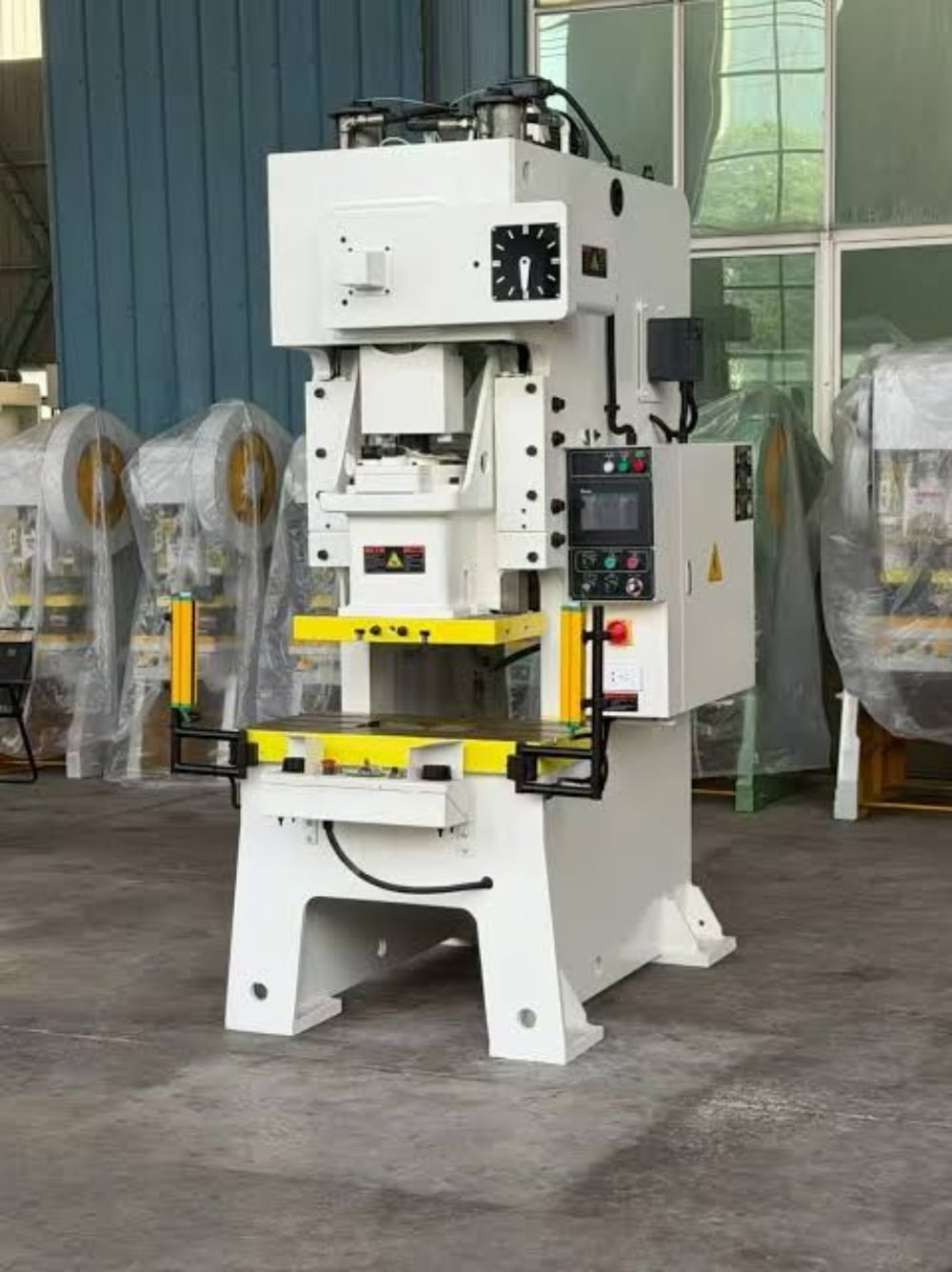
Finally, the integration of forming operations is a unique advantage of punching machines. Unlike other cutting technologies, a punch press can perform ‘forming’ tasks such as creating louvers, countersinks, and thread-milled holes (tapping) within the same setup. This eliminates the need for secondary operations, reducing labor costs and the risk of handling damage. For electrical enclosure manufacturers, this multi-functionality is the primary driver for investing in advanced punching technology.
Technical Details of the Punching Process
The technical superiority of punching machine applications for electrical enclosure production lies in the versatility of the turret and the control system. A standard CNC turret punch press can hold anywhere from 20 to over 50 tools. This allows the machine to switch between different diameters, shapes, and forming tools in seconds. For enclosure production, the turret is typically loaded with a mix of standard round and square punches, along with specialized forming tools.
The Role of Specialized Tooling
Specialized tooling is what truly sets punching apart in the enclosure industry. Consider the ‘knockout’—a partially punched circle that remains in the sheet until a technician removes it to install a cable gland. Punching machines can create single, double, or even triple knockouts with extreme consistency. Additionally, ‘bridge’ tools are used to create slots for zip ties or mounting brackets, while ’embossing’ tools can stamp grounding symbols or company logos directly into the metal, providing a permanent and professional finish.
Nesting and Material Utilization
Advanced CNC software plays a crucial role in technical efficiency. Nesting algorithms optimize the layout of enclosure panels on a single sheet of metal to minimize scrap. Because punching machines can use ‘common line cutting’ (where one punch stroke creates the edge for two adjacent parts), material utilization is maximized. For high-volume enclosure production, even a 5% saving in material can translate to thousands of dollars in annual cost reductions.
Hydraulic vs. Servo-Electric Systems
Modern punching machines generally fall into two categories: hydraulic and servo-electric. Hydraulic machines, like many in the HARSLE lineup, offer immense power and reliability, making them ideal for thick-gauge industrial cabinets. Servo-electric machines, on the other hand, offer higher energy efficiency and precise control over the ram position. This precision is particularly useful for delicate forming operations where the depth of the punch must be controlled to within microns to ensure the perfect louver height or countersink depth.
Selection Advice for Manufacturers
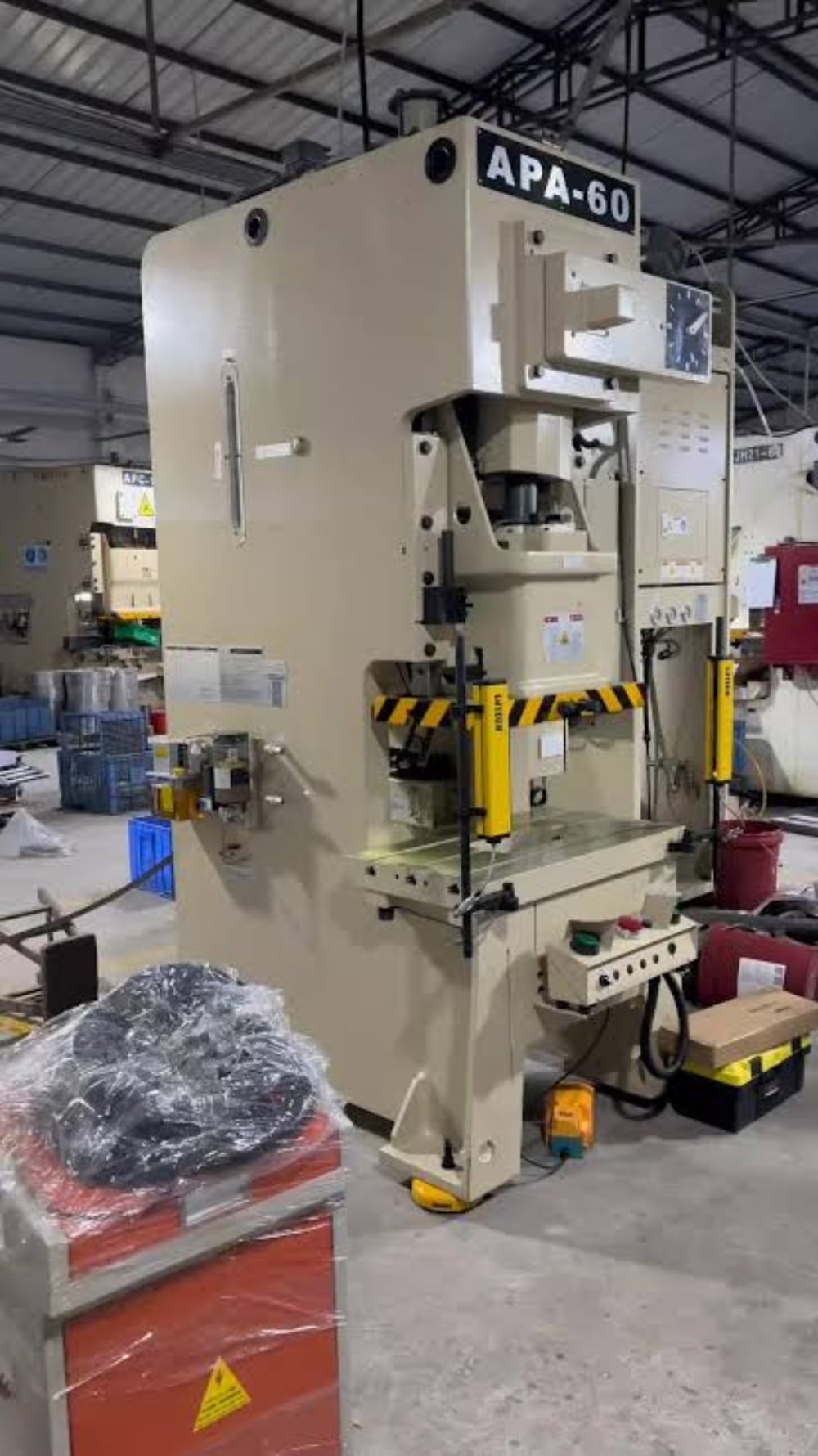
Choosing the right machine for punching machine applications for electrical enclosure production requires a deep understanding of your specific product mix. The first metric to evaluate is tonnage. For most electrical enclosures made from 1.5mm to 3mm steel, a 20-ton or 30-ton machine is sufficient. However, if you are working with heavy-duty 5mm stainless steel power distribution cabinets, a higher tonnage machine with a reinforced frame is necessary to maintain accuracy and tool life.
The second factor is the ‘throat depth’ and table size. Electrical enclosures often involve large panels for the sides and back. A machine with a large throat depth (e.g., 1250mm or 1500mm) allows you to process large sheets without frequent repositioning, which can introduce errors. Look for machines with ‘auto-repositioning’ features that can handle sheets longer than the physical table by automatically moving the clamps and continuing the program.
Thirdly, consider the turret configuration. For enclosure shops, a turret with ‘Auto-Index’ stations is highly recommended. Auto-index stations allow the tool to rotate to any angle, meaning you can use a single rectangular punch to create slots at 0, 45, or 90 degrees. This reduces the number of tools you need to buy and increases the flexibility of your designs. HARSLE offers various turret configurations tailored to the specific needs of the electrical industry, ensuring that you have the right balance of fixed and indexable stations.
Software and Connectivity
In the era of Industry 4.0, the software accompanying the punching machine is as important as the hardware. Ensure the machine is compatible with mainstream CAD/CAM software like AutoCAD, SolidWorks, or specialized punching software like Lantek or Metalix. The ability to import a 3D model of an electrical enclosure and automatically generate the punch program, including the correct sequence for forming tools, is a massive time-saver. Furthermore, look for machines that offer remote diagnostics and production tracking to monitor your shop’s efficiency in real-time.
Detailed Applications in Enclosure Components
To fully appreciate punching machine applications for electrical enclosure production, one must look at the specific components that make up a cabinet. Each part presents unique challenges that the punching machine is uniquely qualified to solve.
- Enclosure Doors: These require precise holes for hinges, locks, and often a large cutout for an HMI (Human Machine Interface) or viewing window. The punching machine can ‘nibble’ these large cutouts with high speed, leaving a clean edge that requires minimal grinding.
- Side Panels and Ventilation: Heat management is critical. Punching machines can create hundreds of louvers or perforated patterns across a side panel. Because the louver is formed by the punch, it provides an aerodynamic opening that allows air to flow while preventing water or dust from entering directly—a key requirement for IP54 or IP65 ratings.
- Mounting Plates: Usually made of thicker galvanized steel, these plates hold the internal electrical components. They require a grid of tapped holes or mounting slots. A punching machine with a tapping attachment can punch the hole and thread it in one cycle, ensuring that the internal components can be bolted down securely and quickly.
- Gland Plates: Located at the bottom of the enclosure, these plates are riddled with knockouts of various sizes for cable entry. The ability of the punch press to create these ‘half-cut’ features is something a laser cannot easily replicate, making the punch press the undisputed king of gland plate production.
Maintenance and Efficiency Tips
To maximize the ROI of your punching machine applications for electrical enclosure production, a rigorous maintenance schedule is essential. Tooling is the most significant recurring cost. Regularly sharpening your punches and dies ensures clean cuts and reduces the stress on the machine’s frame and hydraulic system. Using high-quality lubricants during the punching process can also extend tool life by up to 30%, especially when working with aluminum or galvanized steel which tends to ‘pick up’ on the tool surface.
Alignment is another critical factor. Periodically check the alignment between the upper turret and the lower die. Even a slight misalignment can cause ‘shaving’ of the tool, leading to poor edge quality and potential damage to the turret stations. Most HARSLE machines are designed with easy-access alignment points to simplify this process for the operator.
Finally, consider the environment of your workshop. Dust and metal shavings are the enemies of CNC electronics and hydraulic seals. Implementing a ‘clean as you go’ policy and ensuring the machine’s filtration systems are serviced regularly will prevent unplanned downtime. In the high-speed world of enclosure manufacturing, a single day of downtime can disrupt the entire supply chain.
Frequently Asked Questions (FAQ)
1. Why choose a punching machine over a laser for electrical enclosures?
While lasers are excellent for complex shapes, punching machines are faster for repetitive holes and are the only machines that can perform forming operations like louvers, knockouts, and embossing in a single step. For enclosures, these forming operations are essential.
2. What is the ideal tonnage for enclosure production?
For most standard enclosures (1.2mm to 2.5mm mild steel), a 20-ton to 30-ton machine is the industry standard. It provides enough force for cluster tools and large louvers without excessive energy consumption.
3. Can a punching machine handle stainless steel enclosures?
Yes, but it requires high-quality, coated tooling and a machine with a rigid frame. Stainless steel is harder and work-hardens quickly, so the punching parameters must be adjusted to ensure tool longevity.
4. How does a punching machine help with IP ratings?
By using specialized forming tools like louvers and offset tools, a punching machine can create ventilation and joints that naturally shed water and resist dust ingress, helping the enclosure meet specific Ingress Protection (IP) standards.
5. Is CNC programming difficult for enclosure parts?
Modern CAD/CAM software has made programming very intuitive. Most enclosure features like knockouts and louvers are stored in a ‘tool library,’ allowing the programmer to simply drag and drop them onto the part design.
Conclusion
The role of punching machine applications for electrical enclosure production cannot be overstated. As the backbone of the fabrication process, these machines provide the speed, versatility, and precision required to turn flat sheets of metal into sophisticated protective housings. By integrating cutting, forming, and even tapping into a single process, the CNC turret punch press remains the most efficient solution for enclosure manufacturers worldwide.
Investing in a high-quality machine from a reputable manufacturer like HARSLE ensures that your production line is equipped to handle the increasing complexity of modern electrical designs. By focusing on the right tonnage, turret configuration, and software integration, you can optimize your workflow, reduce waste, and deliver superior products to your customers. As technology continues to advance, the synergy between innovative tooling and powerful punching machinery will continue to drive the future of the electrical enclosure industry.


