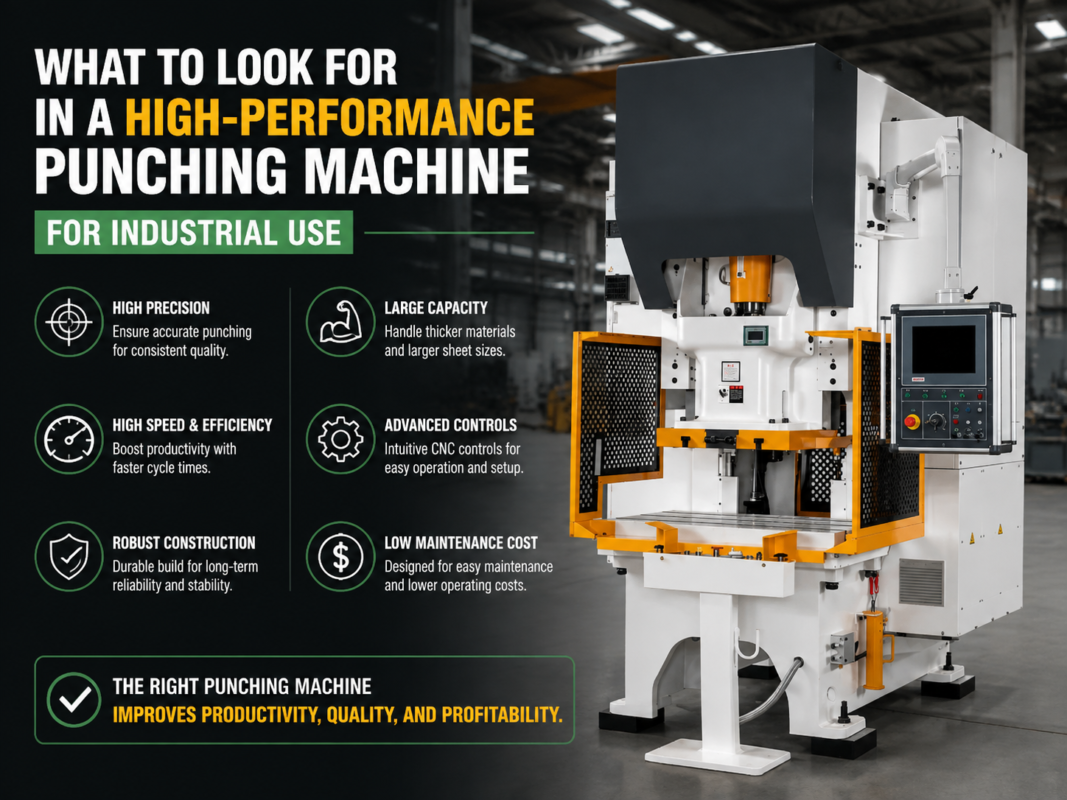
Punching Machine Uses In Automotive Metal Parts Production: A Comprehensive Guide


Introduction to Punching Machine Uses In Automotive Metal Parts Production
The automotive industry is one of the most demanding sectors in the world, requiring extreme precision, high-volume output, and unwavering consistency. At the heart of this manufacturing powerhouse lies the punching machine. Understanding the various Punching Machine Uses In Automotive Metal Parts Production is essential for any manufacturer looking to optimize their assembly line and maintain a competitive edge. From the smallest brackets to complex structural components, punching machines provide the force and accuracy necessary to transform raw metal sheets into functional automotive components.
HARSLE has long been a leader in providing high-quality industrial machinery that meets these rigorous standards. In the context of automotive manufacturing, a punching machine is not just a tool; it is a critical asset that determines the speed of the production cycle and the quality of the final vehicle. Whether it is a mechanical press, a hydraulic punch, or a sophisticated CNC turret punching machine, each plays a specific role in the fabrication of parts that must withstand years of mechanical stress and environmental exposure.
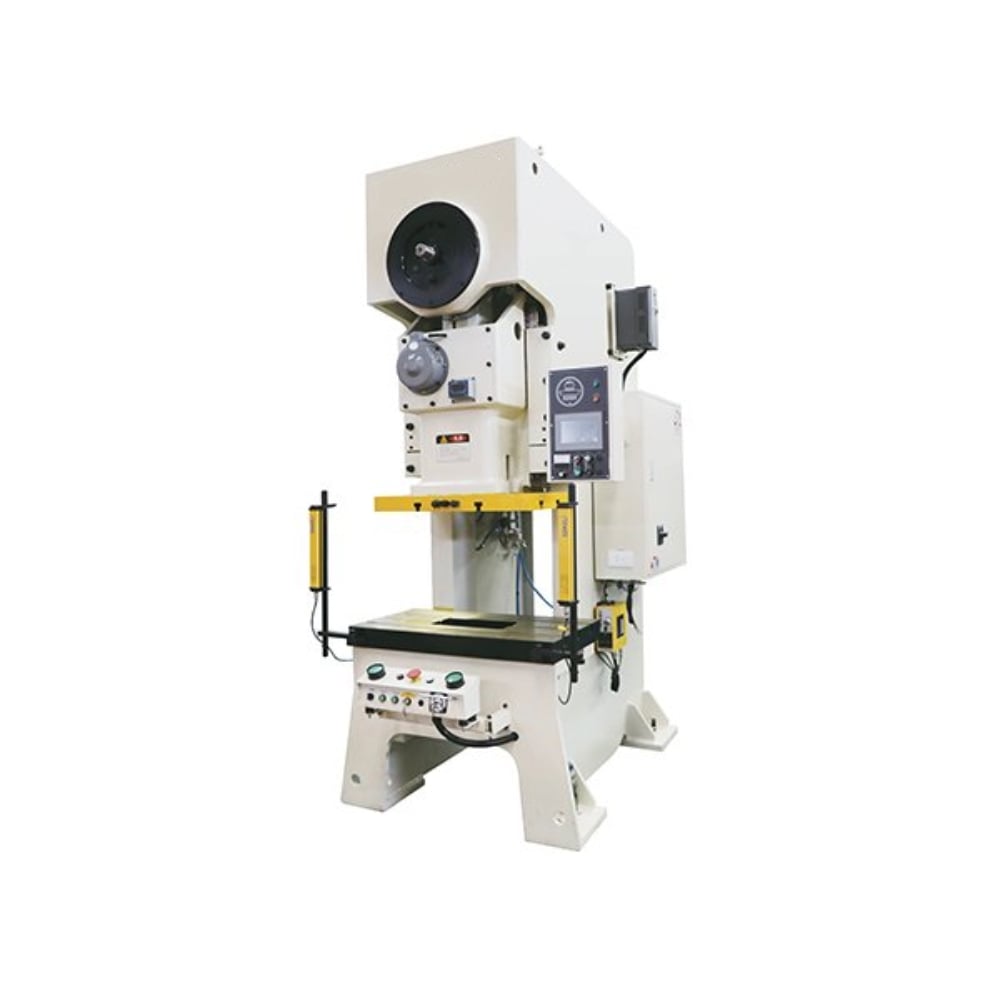
As vehicles evolve toward electric powertrains and lightweight designs, the materials used in production are changing. This shift has expanded the scope of punching machine applications. Manufacturers now require machines capable of handling high-strength steels, aluminum alloys, and even composite materials. This guide explores the technical nuances, selection criteria, and specific applications that define the modern landscape of punching technology in the automotive sector.
Key Considerations for Automotive Punching Processes
When integrating punching machines into an automotive production line, several key factors must be considered to ensure efficiency and safety. The first is material compatibility. Automotive parts are increasingly made from Advanced High-Strength Steel (AHSS) and aluminum. These materials require specific tonnage and punch speeds to prevent cracking or excessive tool wear. A machine that works perfectly for mild steel may struggle with the springback and hardness of modern automotive alloys.
Precision and repeatability are the next major considerations. In automotive assembly, parts must fit together with tolerances often measured in microns. A slight deviation in a hole location or a flange dimension can lead to assembly failures or, worse, structural weaknesses in the vehicle. Therefore, the punching machine must feature robust guiding systems and high-quality die sets that maintain alignment over millions of cycles. This is where HARSLE’s engineering excellence becomes apparent, providing the stability needed for long-term accuracy.
Production volume is another critical factor. Automotive manufacturing typically involves high-volume runs where downtime is incredibly costly. Machines must be designed for continuous operation, featuring advanced cooling systems and automated lubrication. Furthermore, the ability to integrate with automated loading and unloading systems (such as robotic arms) is no longer optional; it is a requirement for modern Tier 1 and Tier 2 suppliers. The throughput of the punching process must match the pace of the rest of the factory to avoid bottlenecks.
Finally, safety and compliance cannot be overlooked. Automotive manufacturing environments are subject to strict safety regulations, such as CE and ISO standards. Punching machines must be equipped with light curtains, emergency stop mechanisms, and interlocking guards to protect operators. Additionally, the noise levels and vibration produced by heavy-duty punching must be managed to ensure a sustainable working environment. Investing in a machine that prioritizes these factors reduces long-term liability and improves worker morale.
Technical Details of Modern Punching Machinery
The technical architecture of a punching machine determines its suitability for specific automotive tasks. Generally, these machines are categorized by their drive mechanism: mechanical, hydraulic, or servo-electric. Mechanical presses are favored for high-speed, high-volume blanking operations due to their rapid stroke cycle. They utilize a flywheel to store energy, which is then released through a crankshaft or eccentric gear to drive the punch. This makes them ideal for producing simple, repetitive parts like washers or small brackets.
Hydraulic punching machines, on the other hand, offer more control over the stroke. The full tonnage of the machine is available at any point in the stroke, allowing for complex forming, deep drawing, and the use of thicker materials. In automotive production, hydraulic punches are often used for larger structural components where the material thickness exceeds the practical limits of mechanical presses. They are also quieter and offer better protection against overloading, as the hydraulic pressure can be precisely regulated.
CNC Turret Punching Technology
CNC (Computer Numerical Control) turret punching machines represent the pinnacle of versatility. These machines feature a rotating turret that holds dozens of different tools, allowing for multiple operations—such as punching, nibbling, embossing, and louvering—to be performed on a single workpiece without manual tool changes. In the automotive sector, CNC punching is invaluable for prototyping and for the production of parts with complex geometries, such as heat shields, dashboard supports, and electronic enclosures.
Tooling and Die Design
The “business end” of the punching machine is the tooling. For automotive applications, tools are often coated with Titanium Nitride (TiN) or similar hard coatings to extend their lifespan when working with abrasive materials. The clearance between the punch and the die is a critical technical parameter; too much clearance leads to excessive burrs, while too little clearance increases tool wear and the risk of “slug pulling.” Modern machines often include sensors to detect slug buildup, preventing damage to the workpiece and the machine itself.
Specific Automotive Applications and Components
The versatility of punching machines allows them to be used across various vehicle subsystems. One of the most common Punching Machine Uses In Automotive Metal Parts Production is the creation of chassis and frame components. These parts require high-tonnage punching to create mounting holes and weight-reduction cutouts in thick-gauge steel. The structural integrity of the vehicle depends on the precision of these punches, as they serve as the attachment points for the suspension and engine mounts.
In the interior of the vehicle, punching machines are used to manufacture seat frames, tracks, and adjustment mechanisms. These parts often involve complex shapes and require high repeatability to ensure smooth operation for the end-user. Additionally, the automotive electrical system relies heavily on punched components. Battery housings for electric vehicles (EVs), busbars, and connector terminals are all produced using high-speed precision punching machines that can handle copper and aluminum with minimal deformation.
- Body-in-White (BIW) Components: Reinforcements, pillars, and roof rails.
- Exhaust Systems: Flanges, hangers, and heat shield mounting points.
- Safety Systems: Airbag housings and seatbelt retractor brackets.
- Exterior Panels: While often stamped, smaller panels and trim pieces frequently undergo secondary punching for fastener holes.
The rise of Electric Vehicles (EVs) has introduced new applications. Battery trays, for instance, require extensive punching for cooling channels and mounting hardware. Because these trays are often made of aluminum to save weight, the punching machine must be calibrated to handle the specific galling characteristics of aluminum, often requiring specialized lubrication systems integrated into the punching cycle.
Selection Advice: Choosing the Right HARSLE Punching Machine
Selecting the right machinery is a strategic decision that impacts your bottom line for years. When evaluating a HARSLE punching machine for automotive parts, start by calculating the required tonnage. This is determined by the material thickness, the shear strength of the material, and the total perimeter of the cut. It is always advisable to choose a machine with a capacity 20-30% higher than your maximum calculated requirement to reduce strain on the frame and drive components.
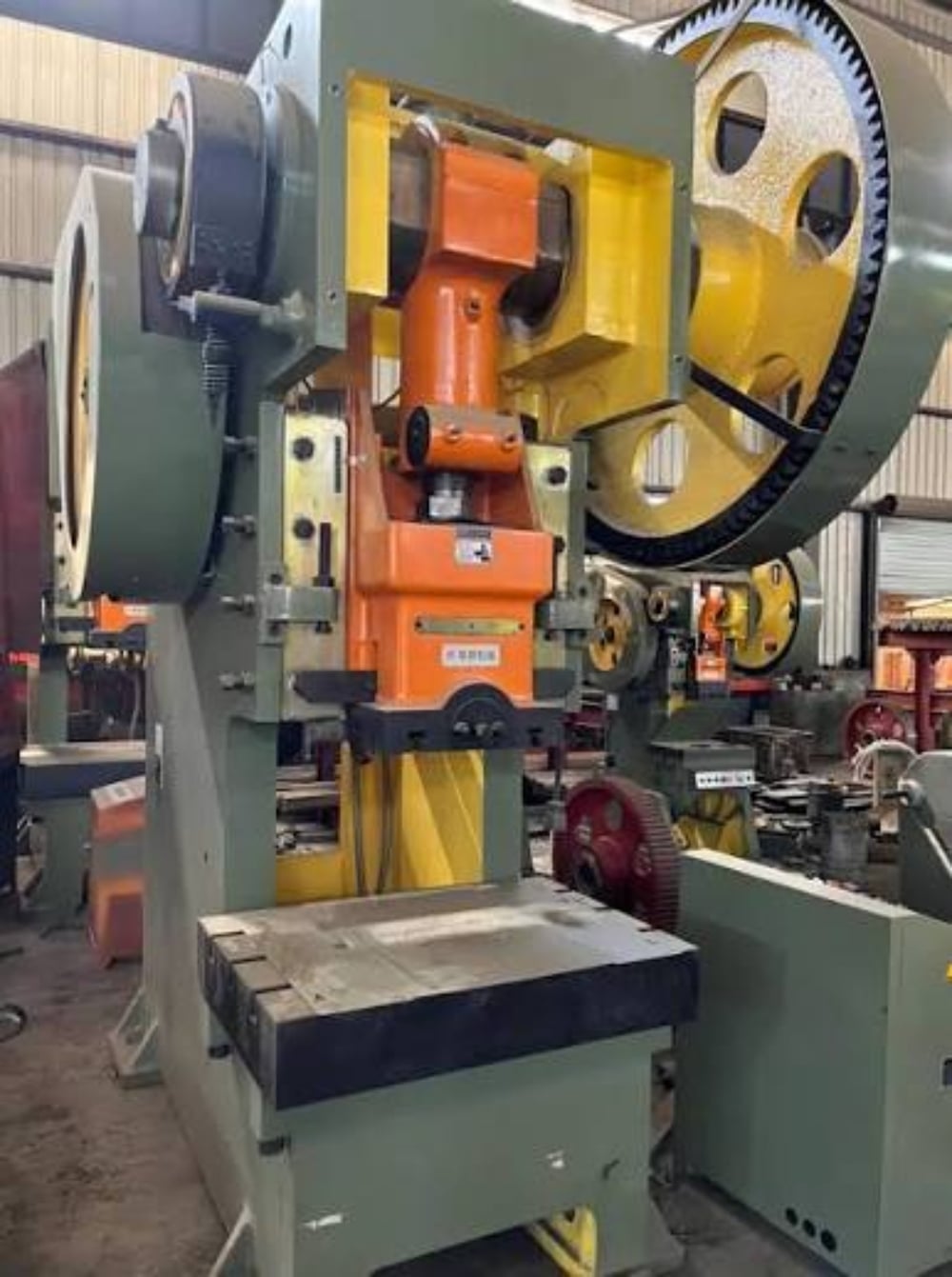
Consider the bed size and stroke length. Automotive parts can range from tiny clips to long structural rails. Ensure the machine’s throat depth and table size can accommodate your largest workpieces. For high-speed production, look at the Strokes Per Minute (SPM) rating. However, remember that high speed is only useful if your material handling system can keep up. A machine with integrated sheet feeders or a coil-fed system is often more productive than a faster machine that relies on manual loading.
Another vital aspect is the control system. A user-friendly CNC interface allows operators to quickly switch between different part programs, reducing setup time. Look for features like automatic tool lubrication, programmable stroke depth, and remote diagnostics. HARSLE machines are known for their intuitive controls, which help reduce the learning curve for new operators and minimize the risk of programming errors that could lead to costly scrap.
Checklist for Buyers:
- Material Specification: Does the machine handle AHSS or Aluminum?
- Automation Compatibility: Can it interface with your existing robots or feeders?
- Tooling Availability: Are standard tools compatible, or are custom dies required?
- Energy Efficiency: Does the machine use servo-drive technology to reduce power consumption?
- After-Sales Support: Does the manufacturer provide local service and spare parts?
Maintenance and Optimization for High-Volume Production
To maximize the ROI of your punching machine, a rigorous maintenance schedule is non-negotiable. In the automotive industry, where machines might run 24/7, wear and tear accumulate quickly. Daily inspections should include checking lubrication levels, inspecting the punch and die for signs of chipping or dullness, and ensuring that all safety guards are functional. Dull tools are a primary cause of poor part quality and increased stress on the machine’s motor and frame.
Optimization also involves monitoring the “slugs” produced during the punching process. Analyzing the slug can tell you a lot about the health of your tooling and the alignment of the machine. If the burnish zone on the slug is uneven, it indicates that the punch is not centered in the die. Correcting these issues early prevents catastrophic tool failure and ensures that every part meets the strict quality standards of the automotive sector.
Furthermore, consider the environmental impact. Modern punching machines are becoming more energy-efficient. Servo-electric presses, for example, only consume significant power during the actual punch stroke, unlike mechanical presses where the flywheel is constantly spinning. Transitioning to more efficient machinery not only reduces operational costs but also helps automotive suppliers meet the increasingly stringent sustainability targets set by major car manufacturers (OEMs).
Frequently Asked Questions (FAQ)
What is the most common material used in automotive punching?
While mild steel was traditionally the standard, modern automotive punching frequently involves High-Strength Low-Alloy (HSLA) steel and various grades of aluminum (such as 5000 and 6000 series). These materials offer a better strength-to-weight ratio, which is crucial for fuel efficiency and EV range.
How does a punching machine differ from a stamping press?
While the terms are sometimes used interchangeably, punching generally refers to creating holes or specific shapes by removing material (slugs), whereas stamping is a broader term that includes forming, drawing, and coining. Punching machines are often more versatile for smaller batches and complex hole patterns, while stamping presses are used for large body panels.
Can HARSLE punching machines be integrated into a fully automated line?
Yes, HARSLE machines are designed with industrial connectivity in mind. They can be equipped with I/O ports and communication protocols to sync with robotic loaders, conveyors, and factory management systems (MES), making them ideal for Industry 4.0 environments.
What is the typical lifespan of a punching die in automotive production?
The lifespan of a die depends on the material being punched and the coating on the tool. Typically, a high-quality tool can perform between 100,000 and 500,000 hits before requiring sharpening. With proper maintenance and regrinding, a single die set can last for millions of cycles.
How do I choose between a mechanical and a hydraulic punching machine?
Choose a mechanical machine if you need high speed for thin materials and simple shapes. Choose a hydraulic machine if you need high tonnage, flexibility in stroke control, or are working with thicker, tougher materials that require a slower, more controlled force.
Conclusion
The various Punching Machine Uses In Automotive Metal Parts Production highlight the indispensable nature of this technology in modern manufacturing. As the automotive world shifts toward more complex designs and diverse materials, the role of high-precision punching only grows in importance. From ensuring the structural integrity of the chassis to the intricate details of the interior, punching machines are the workhorses that make mass production possible.
By choosing high-quality equipment from HARSLE and focusing on technical precision, material compatibility, and proactive maintenance, manufacturers can ensure their production lines remain efficient and profitable. Whether you are a small supplier or a large-scale manufacturer, investing in the right punching technology is a foundational step toward achieving excellence in automotive metal fabrication. As we look to the future, the integration of smarter controls and more efficient drive systems will continue to refine the punching process, driving the automotive industry toward new heights of innovation.