CNC Punching Machine Vs Hydraulic Punching Machine: Technical Differences Explained


Technical Overview: Understanding the Core Mechanics
In the modern metal fabrication landscape, the choice between a CNC (Computer Numerical Control) punching machine and a traditional hydraulic punching machine often dictates the efficiency, precision, and scalability of a production line. While both machines serve the fundamental purpose of creating holes or indentations in sheet metal, their underlying drive systems and operational philosophies differ significantly. A hydraulic punching machine relies on fluid power to generate force, typically controlled via manual levers or foot pedals. In contrast, a CNC punching machine integrates sophisticated software with high-speed mechanical or servo-hydraulic actuators to execute complex patterns with minimal human intervention.
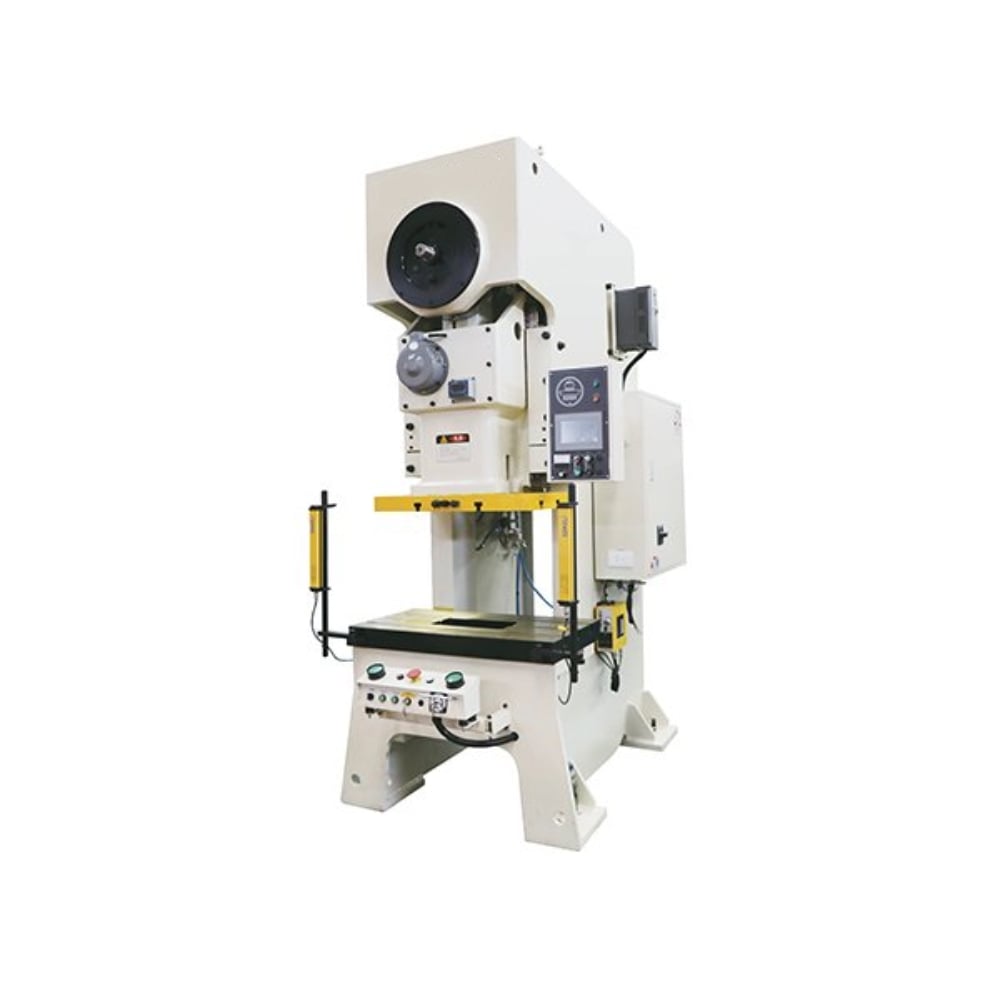
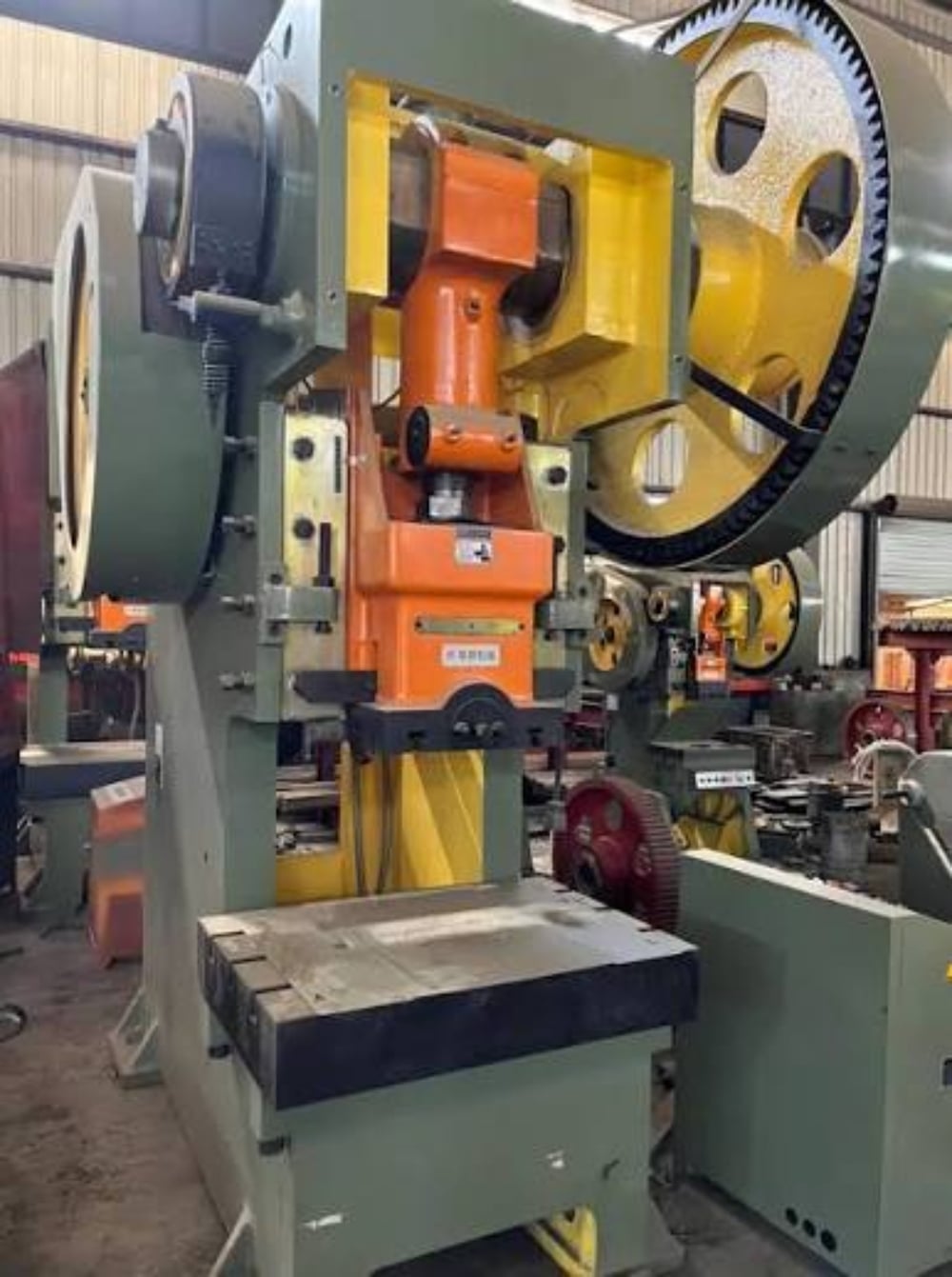
The hydraulic punching machine is the quintessential workhorse for heavy-duty, low-volume tasks. It utilizes a hydraulic pump to move a piston within a cylinder, creating the necessary tonnage to shear through metal. These machines are prized for their simplicity and high force-to-cost ratio. However, they are generally limited to single-station operations, meaning the operator must manually change tools for different hole sizes or shapes. This makes them ideal for structural steel fabrication, where large, thick plates require high-tonnage punching but infrequent tool changes.
On the other hand, the CNC punching machine, often referred to as a CNC Turret Punch Press, represents the pinnacle of automation. It features a rotating turret that holds dozens of different tools simultaneously. The machine’s computer controller moves the metal sheet along the X and Y axes with extreme speed and accuracy, selecting the appropriate tool from the turret for each hit. This allows for the creation of intricate patterns, louvers, and even small forming operations in a single setup. The technical shift here is from “force-centric” operation to “precision-and-speed-centric” operation.
Furthermore, modern CNC machines have evolved to use servo-electric drives. Unlike traditional hydraulic systems that require constant cooling and fluid maintenance, servo-electric CNC punchers use high-torque motors to drive the ram. This provides better control over the stroke profile, allowing for quieter operation and significantly lower energy consumption. Understanding these fundamental mechanical differences is the first step in determining which machine fits a specific industrial application.
Core Parameters: Comparing Performance Metrics
When evaluating these machines, several core parameters define their capabilities. The most critical is Tonnage. Hydraulic machines often excel in high-tonnage applications, frequently reaching 100 to 500 tons for heavy plate work. CNC machines typically operate in the 20 to 50-ton range, which is optimized for high-speed processing of thinner gauge materials (usually up to 6mm). While a CNC machine can be built for higher tonnage, the cost increases exponentially compared to a simple hydraulic press.
Hit Rate (Strokes Per Minute) is where the CNC machine dominates. A standard hydraulic punch might manage 20 to 40 hits per minute depending on the operator’s speed. A high-end CNC punching machine can exceed 1,000 hits per minute during marking operations and 400 to 600 hits per minute during standard punching. This throughput is essential for high-volume manufacturing environments like electronics enclosures or HVAC ductwork.
Positioning Accuracy is another vital metric. Hydraulic machines rely on manual layout or simple backgauges, leading to tolerances often in the range of +/- 0.5mm to 1.0mm. CNC machines utilize precision ball screws and linear guides, achieving positioning accuracies of +/- 0.1mm or better. This level of precision ensures that parts are consistent across large production runs, which is critical for downstream assembly processes like welding or automated bending.
Throat Depth determines the maximum width of the sheet the machine can handle. Hydraulic machines often have smaller throat depths (200mm to 500mm) because they are used for smaller plates or structural beams. CNC machines are designed for full-sized sheets, often featuring throat depths of 1250mm to 1500mm or more, allowing them to process 4×8 or 5×10 foot sheets without repositioning. This capability significantly reduces material handling time and waste.
Calculation Method: Determining Required Punching Force
To select the right machine, engineers must calculate the required punching force (tonnage) for their specific material and hole geometry. The formula for punching force is universal, but how the machine delivers that force differs. The standard formula is:
P = L × t × τ
Where:
– P is the punching force (in Newtons or converted to Tons).
– L is the perimeter of the hole (mm). For a round hole, L = π × d.
– t is the material thickness (mm).
– τ is the shear strength of the material (N/mm²).
For example, if you are punching a 50mm diameter hole in 3mm thick stainless steel (shear strength approx. 500 N/mm²):
L = 3.14 × 50 = 157mm
P = 157 × 3 × 500 = 235,500 Newtons.
To convert to metric tons, divide by 9,806: 235,500 / 9,806 ≈ 24 Tons.
In this scenario, a 30-ton CNC machine would be operating near its limit, whereas a 50-ton hydraulic machine would handle it with ease. It is crucial to include a safety factor (usually 20-30%) to account for tool wear and material variations. If the tool becomes dull, the required force increases significantly, which can stall a machine that is sized too closely to the theoretical requirement. Furthermore, when using multiple tools simultaneously (cluster tools) in a CNC machine, the total perimeter of all holes must be summed to calculate the total tonnage required for that specific hit.
Parameter Table: Side-by-Side Comparison
| Feature | Hydraulic Punching Machine | CNC Punching Machine |
|---|---|---|
| Drive System | Hydraulic Cylinder | Servo-Hydraulic or Servo-Electric |
| Control Type | Manual / Semi-Automatic | Fully Automated CNC |
| Tooling Capacity | Single Station (Manual Change) | Multi-Station Turret (16-50+ tools) |
| Hit Rate (SPM) | Low (20-50) | High (300-1000+) |
| Accuracy | +/- 0.5mm to 1.0mm | +/- 0.05mm to 0.1mm |
| Best For | Heavy plates, simple holes, low volume | Thin sheets, complex patterns, high volume |
| Energy Efficiency | Moderate (Constant pump operation) | High (On-demand power) |
Common Engineering Mistakes in Punching Operations
One of the most frequent mistakes in punching is improper die clearance. Die clearance is the space between the punch and the die. If the clearance is too small, it increases the required tonnage and causes excessive tool wear. If it is too large, it results in large burrs on the workpiece. For hydraulic machines, operators often use a “one size fits all” die, which leads to poor part quality. In CNC operations, where speed is high, incorrect clearance can lead to “slug pulling,” where the waste material sticks to the punch and damages the next part or the tool itself.
Another common error is overestimating the machine’s capacity. Engineers often look at the maximum tonnage rating and assume the machine can punch that amount all day. However, punching at maximum capacity causes thermal expansion in hydraulic fluids and stress on the frame. For CNC machines, constant high-tonnage hits can lead to vibration issues that degrade positioning accuracy over time. It is always better to utilize a machine where the average task requires only 60-70% of its rated capacity.
Neglecting material hardness is a third major pitfall. A machine rated for 20 tons in mild steel will not perform the same in stainless steel or high-strength alloys. Stainless steel work-hardens rapidly; if the punch doesn’t penetrate cleanly in one stroke, the material becomes much harder to shear. This is particularly problematic for hydraulic machines with slower ram speeds, as the dwell time can contribute to heat buildup and material deformation.
Finally, many shops fail to implement proper lubrication. In CNC punching, where the ram moves at incredible speeds, the friction between the punch and the sheet generates significant heat. Without an automated mist lubrication system, tools will lose their temper and dull prematurely. In manual hydraulic punching, operators often skip lubrication entirely for “quick jobs,” leading to galling—where the sheet material actually bonds to the punch surface.
Selection Checklist: Choosing the Right Machine
Choosing between CNC and hydraulic depends on your specific business model. Use the following checklist to guide your decision:
- Production Volume: Is your typical run 10 parts or 1,000 parts? High volume necessitates the automation of CNC.
- Part Complexity: Do your parts have multiple hole sizes, notches, or louvers? If yes, a CNC turret’s ability to switch tools automatically is essential.
- Material Thickness: Are you working with 12mm plate or 1.5mm sheet? Heavy plate usually favors the raw power of a hydraulic machine.
- Floor Space and Infrastructure: CNC machines require more floor space and a stable, clean power supply. Hydraulic machines are often more compact and rugged.
- Operator Skill Level: CNC machines require programmers and skilled technicians. Hydraulic machines can be operated with minimal training, though safety training is paramount.
- Budget vs. ROI: A hydraulic punch has a lower upfront cost but higher labor costs per part. A CNC machine is a significant investment that pays off through reduced labor and higher throughput.
- Future Proofing: Consider if you will need to integrate with CAD/CAM software in the future. CNC machines are ready for Industry 4.0; manual hydraulic machines are not.
FAQ: Frequently Asked Questions
1. Can a CNC punching machine replace a laser cutting machine?
To an extent, yes. For parts with many holes and simple geometric shapes, a CNC punch is actually faster and cheaper than a laser. However, for highly complex organic shapes or very thick materials, a laser is superior. Many modern shops use both or a “punch-laser combo” machine.
2. How often should I sharpen the tools in a CNC turret?
Tool sharpening depends on the material type and thickness. Generally, tools should be inspected every 50,000 to 100,000 hits. Sharpening early and often removes only a few microns of material and extends the total life of the tool significantly compared to waiting until the tool is chipped.
3. Is a hydraulic punching machine safer than a CNC machine?
Both have risks. Hydraulic machines are often more dangerous because the operator’s hands are closer to the point of operation. CNC machines are generally fully enclosed with light curtains and interlocks, making them safer during the actual punching cycle, though they present different risks during setup and maintenance.
4. What is the maintenance difference between the two?
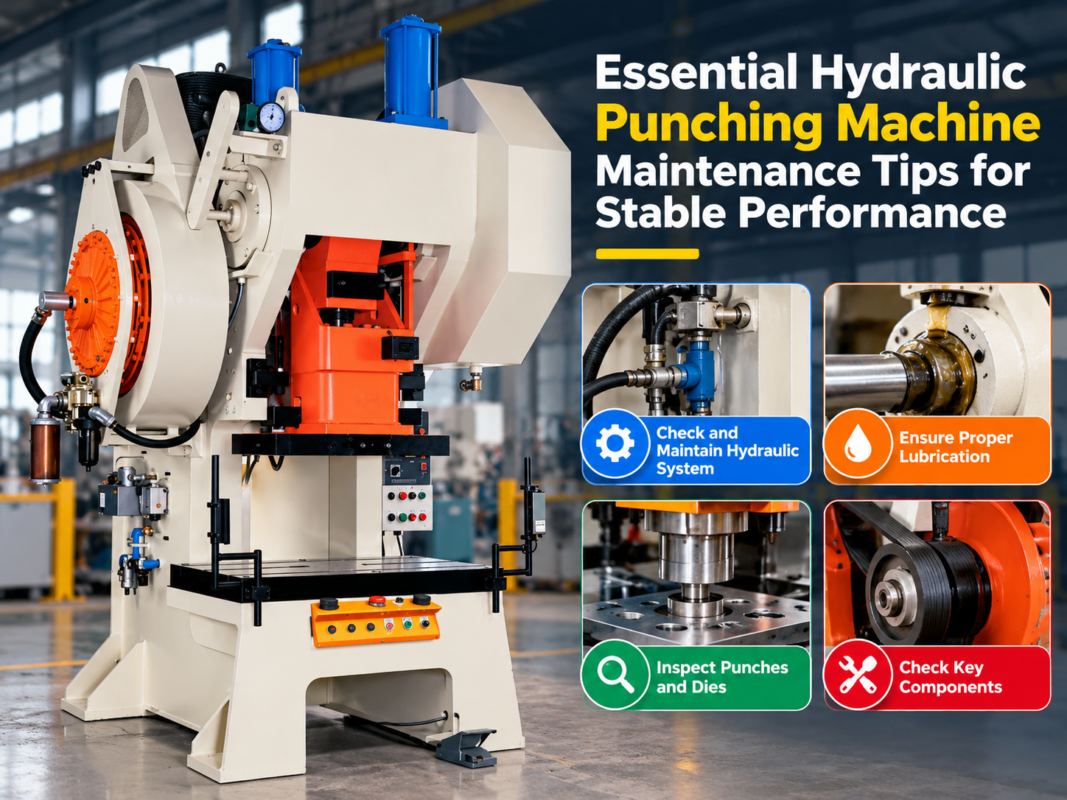
Hydraulic machines require regular oil changes, filter replacements, and seal inspections. CNC machines require those (if they are hydraulic) plus electronic maintenance, calibration of the X/Y axes, and software updates. The maintenance for CNC is more technical but often more predictable due to onboard diagnostics.
5. Can I punch stainless steel on a standard machine?
Yes, but you must ensure the machine has enough tonnage (stainless requires ~50% more force than mild steel) and that your tooling is specifically designed for stainless steel (often with special coatings like TiCN) to prevent galling and premature wear.