How Punching Machines Increase Efficiency in Sheet Metal Manufacturing


Technical Overview of Modern Punching Systems
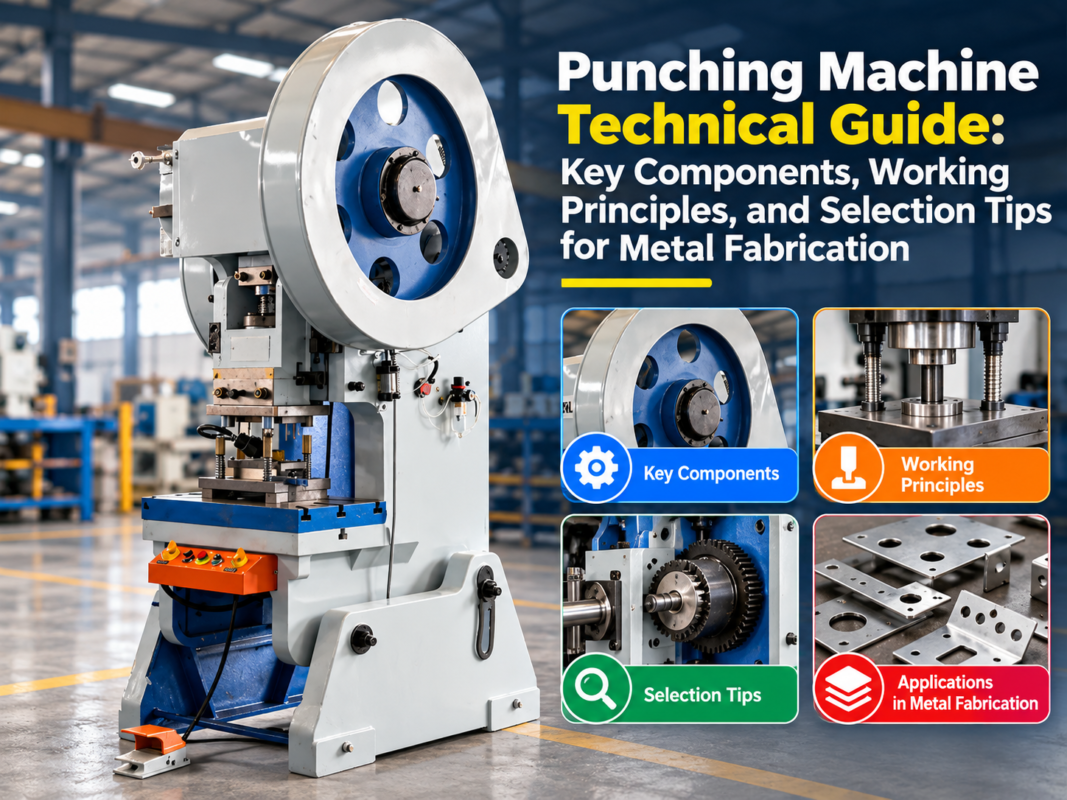
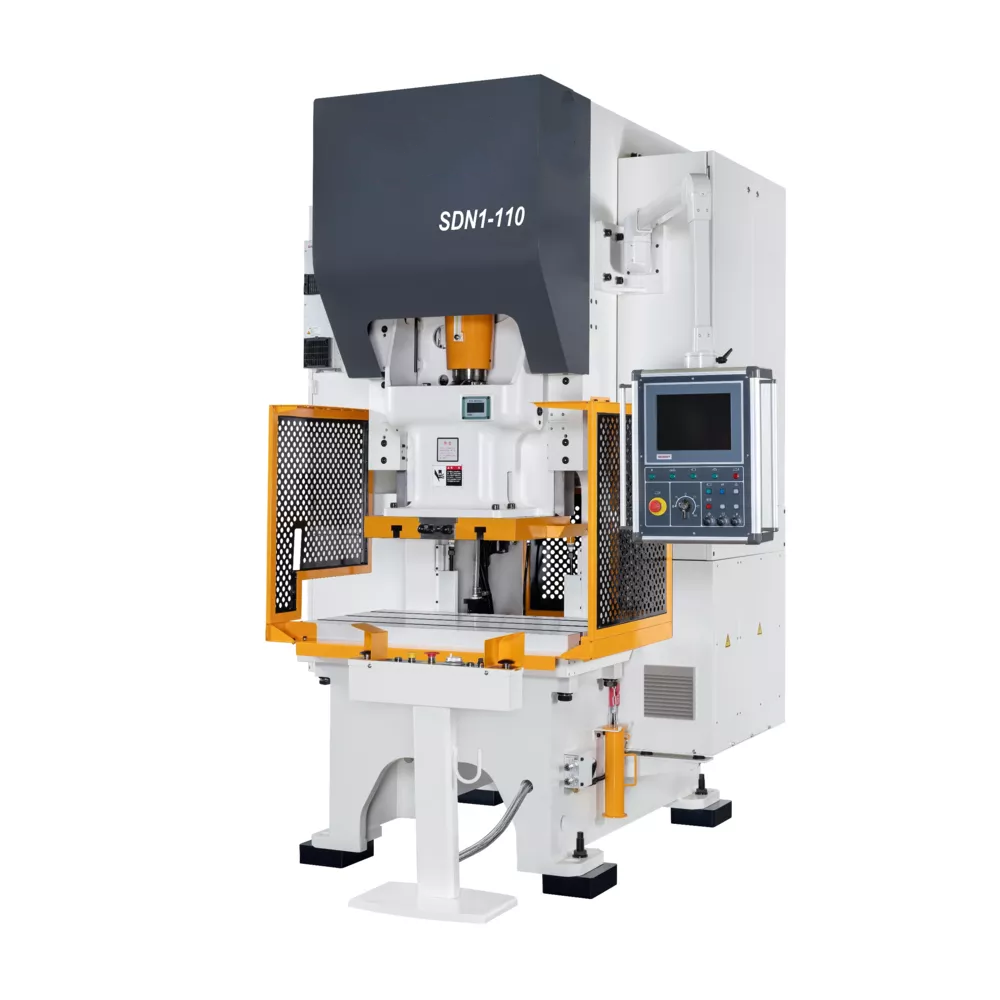
In the competitive landscape of industrial fabrication, understanding how punching machines increase efficiency in sheet metal manufacturing is essential for any facility looking to optimize its output. A punching machine, at its core, is a type of machine press used to cut holes in material. It can be as simple as a manually operated small press or as complex as a multi-station CNC turret punch press. The evolution of these machines from mechanical flywheel-driven units to sophisticated hydraulic and servo-electric systems has revolutionized the speed and precision of metal component production.
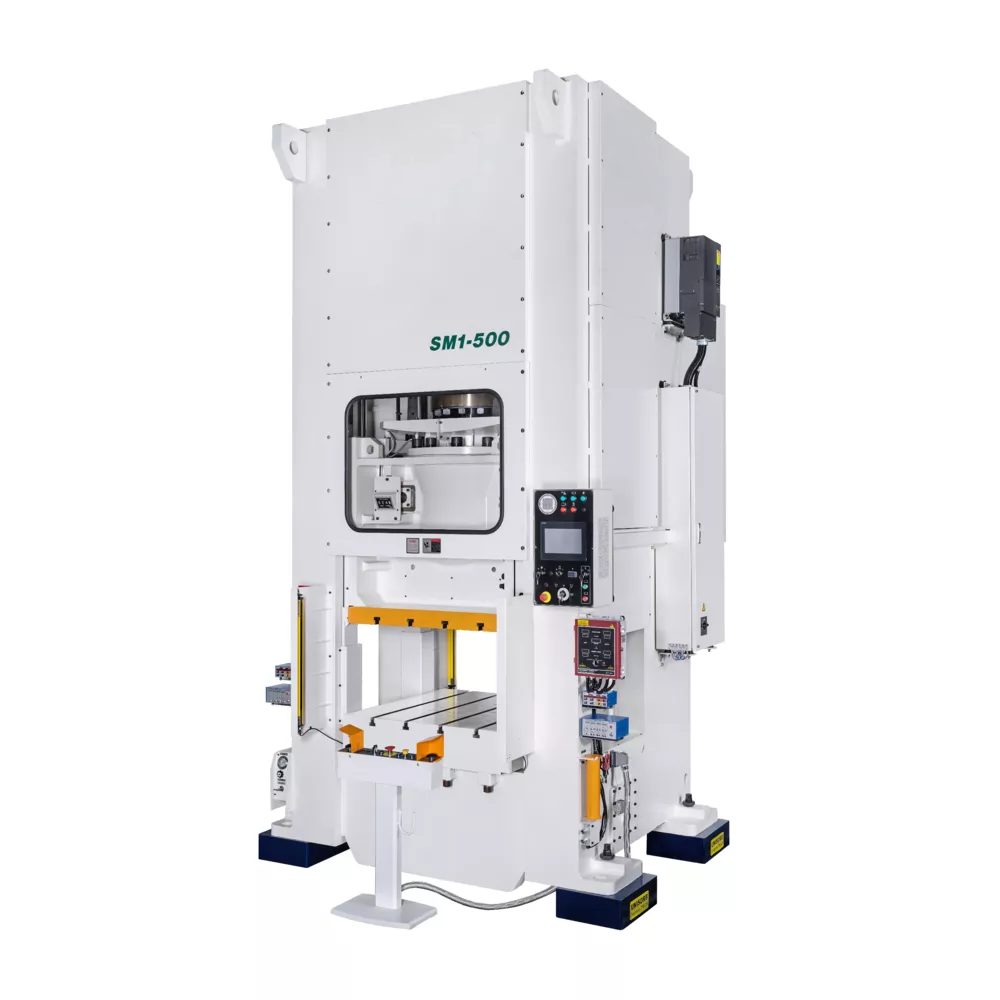
Modern punching machines operate by applying a high-pressure force to a toolset consisting of a punch and a die. When the punch descends into the die, it shears the metal, creating a hole or a specific shape. The efficiency of this process is largely dictated by the drive system. Mechanical presses utilize a flywheel to store energy, providing high-speed operation for repetitive tasks. In contrast, hydraulic punching machines offer more control over the stroke, allowing for varied speeds and the ability to perform forming operations like louvering or embossing. The latest servo-electric models combine the best of both worlds, offering high hit rates with significantly lower energy consumption and noise levels.
The integration of Computer Numerical Control (CNC) is perhaps the most significant factor in how punching machines increase efficiency in sheet metal manufacturing. CNC systems allow for the automated positioning of the sheet metal under the punching head with micron-level accuracy. This eliminates the need for manual marking and positioning, which were historically the most time-consuming parts of the fabrication process. With a CNC turret punch press, multiple tools are housed in a rotating turret, allowing the machine to switch between different hole sizes and shapes in a matter of seconds without operator intervention.
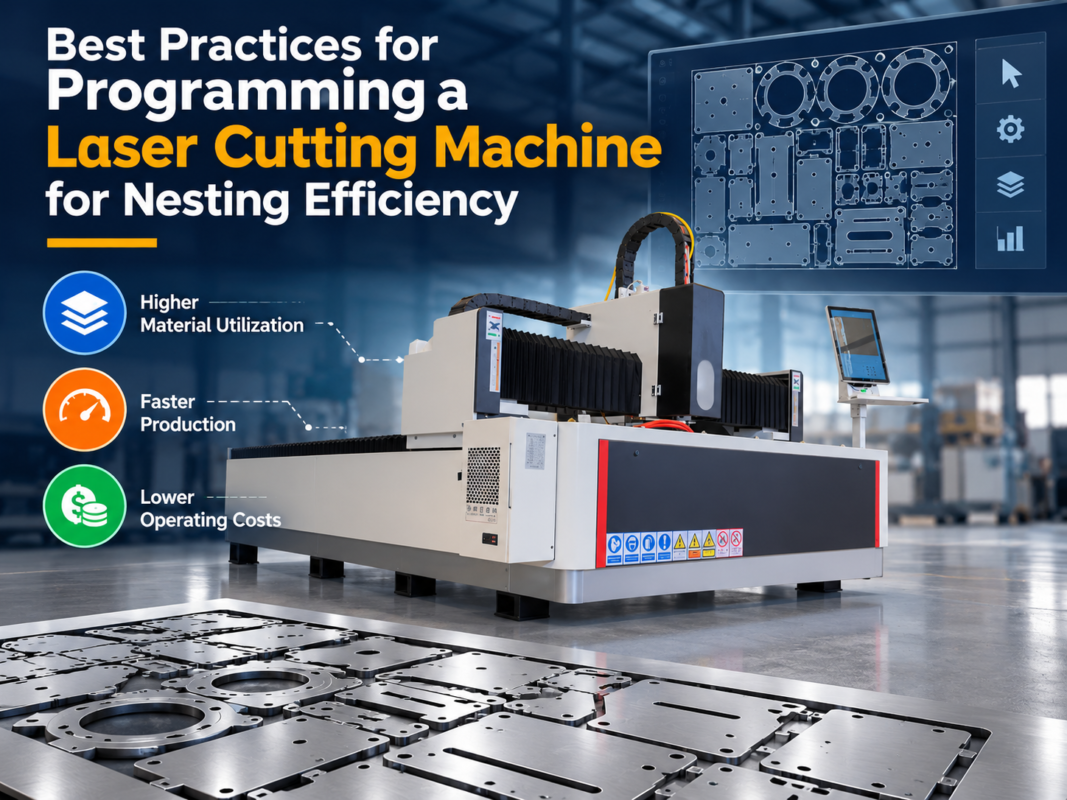
Furthermore, the technical sophistication of modern punching machines extends to their ability to handle complex nesting patterns. Advanced software calculates the most efficient way to arrange parts on a single sheet of metal to minimize waste. This synergy between hardware and software ensures that material utilization is maximized, directly impacting the bottom line of the manufacturing operation. By reducing scrap and increasing the number of parts produced per hour, these machines represent a cornerstone of lean manufacturing in the metal industry.
Core Parameters Defining Punching Performance
To fully grasp how punching machines increase efficiency in sheet metal manufacturing, one must analyze the core parameters that govern their performance. The first and most critical parameter is Tonnage. Tonnage refers to the maximum force the machine can exert. Selecting the correct tonnage is vital; too little force results in incomplete punches or machine stalling, while excessive force can lead to premature tool wear or structural damage to the machine frame. Most industrial applications range from 20 to 50 tons, though heavy-duty machines can exceed 100 tons for thick plate processing.
The second parameter is the Hit Rate, usually measured in Hits Per Minute (HPM). This is a direct indicator of the machine’s productivity. High-speed CNC turret presses can achieve over 1,000 HPM during marking and over 400 HPM during standard punching operations. However, the hit rate is not just about the speed of the ram; it also involves the acceleration and deceleration of the X and Y axes that move the sheet metal. A machine with high axis speed but slow ram speed will be inefficient, just as a fast ram is wasted on a slow-moving table.
Throat Depth is another essential parameter, as it determines the maximum width of the sheet metal that the machine can process. A deeper throat allows for larger sheets to be handled without the need for repositioning, which is a significant time-saver. Common throat depths range from 1,250mm to 1,500mm. When combined with the machine’s travel range, this defines the ‘working area.’ Efficient manufacturing often relies on processing large sheets in a single setup to maintain accuracy across all punched features.
Finally, Turret Capacity and Auto-Index Stations play a massive role in versatility. A turret with 30 or more stations allows a shop to keep a wide variety of tools loaded at all times, reducing setup times between different jobs. Auto-index stations allow the tool to rotate to any angle, enabling the machine to punch complex shapes or nibble contours with a single rectangular tool. This flexibility is a primary reason why punching machines increase efficiency in sheet metal manufacturing compared to traditional single-station presses.
Calculation Method for Punching Force
Calculating the required punching force is a fundamental step in ensuring operational efficiency and machine longevity. If an engineer underestimates the force required, the machine may fail to complete the cycle, leading to downtime. Conversely, overestimating can lead to using a machine that is more expensive to operate than necessary. The standard formula for calculating punching force (P) is based on the perimeter of the cut, the thickness of the material, and its shear strength.
The formula is: P = L × t × τ / 1000
- P: Punching force in kilonewtons (kN) or tons (1 ton ≈ 9.8 kN).
- L: Perimeter of the hole or shape (mm). For a round hole, L = π × d.
- t: Material thickness (mm).
- τ: Shear strength of the material (N/mm²).
For example, if you are punching a 50mm diameter hole in a 3mm thick mild steel sheet with a shear strength of 400 N/mm², the calculation would be: Perimeter (L) = 3.14159 × 50 = 157.08 mm. Force (P) = 157.08 × 3 × 400 = 188,496 N. Converting this to tons: 188,496 / 9800 ≈ 19.23 tons. Therefore, a 20-ton machine would be operating at its limit, and a 30-ton machine would be a safer, more efficient choice for this specific task.
It is also important to consider the ‘stripping force,’ which is the force required to pull the punch back out of the material after the hole is made. This is typically estimated at 10% to 20% of the punching force. If the stripping force is not accounted for, the sheet may lift or deform during the return stroke, causing jams and reducing the overall efficiency of the manufacturing process. Modern CNC machines often have programmable stripping pressures to handle different material types and thicknesses effectively.
Punching Machine Parameter Comparison Table
The following table compares different types of punching machines to illustrate how their specifications impact manufacturing efficiency.
| Machine Type | Drive System | Typical Tonnage | Max Hit Rate (HPM) | Best Use Case | Efficiency Level |
|---|---|---|---|---|---|
| Manual Punch Press | Mechanical/Foot | 5 – 15 Tons | 10 – 30 | Prototyping, Low Volume | Low |
| Hydraulic Single Station | Hydraulic | 20 – 60 Tons | 40 – 80 | Heavy Plate, Simple Shapes | Medium |
| CNC Turret Punch Press | Mechanical/Hydraulic | 20 – 30 Tons | 300 – 600 | High Volume, Complex Parts | High |
| Servo-Electric Turret | Servo Motor | 20 – 30 Tons | 800 – 1200+ | Precision, High Speed, Green Energy | Ultra-High |
| CNC Punch-Laser Combo | Hybrid | 30 Tons | 500+ | Complex Contours + Punching | Maximum Versatility |
Common Engineering Mistakes in Punching Operations
Even with the best equipment, certain engineering mistakes can hinder how punching machines increase efficiency in sheet metal manufacturing. One of the most frequent errors is improper die clearance. Die clearance is the space between the punch and the die. If the clearance is too small, it increases the force required and causes excessive tool wear. If it is too large, it results in large burrs on the bottom of the workpiece. Generally, a clearance of 10% to 15% of the material thickness is recommended for mild steel, but this must be adjusted for stainless steel or aluminum.
Another common mistake is neglecting tool maintenance. A dull punch does not cut; it tears the metal. This results in poor edge quality and requires more force, which stresses the machine’s hydraulic or mechanical components. Implementing a regular sharpening schedule is a simple way to maintain high efficiency. Many modern shops use automated tool grinders that ensure the punch face remains perfectly flat and sharp, extending the life of the tool and ensuring consistent part quality.
Poor nesting and sheet layout also significantly drain efficiency. Engineers sometimes fail to account for the ‘dead zone’ where the machine’s clamps hold the sheet. If parts are designed too close to the clamps, the machine must stop for a repositioning cycle, which adds time to the production run. Furthermore, failing to use ‘common line cutting’ (where one punch stroke creates the edge for two adjacent parts) leads to unnecessary hits and wasted material. Utilizing advanced CAM software can automate these optimizations, ensuring the machine runs at peak performance.
Finally, ignoring the material’s grain direction can lead to structural issues in the finished part, especially if the part requires subsequent bending. Punching across the grain can sometimes lead to cracking during the bend phase. An efficient manufacturing process considers the entire lifecycle of the part, from the first punch to the final assembly, ensuring that each step is optimized for the material’s physical properties.
Selection Checklist for Punching Machines
Choosing the right equipment is the first step in ensuring that punching machines increase efficiency in sheet metal manufacturing for your specific needs. Use this checklist during your procurement process:
- Material Compatibility: Does the machine have the tonnage and frame rigidity to handle your thickest and hardest materials (e.g., stainless steel)?
- Production Volume: For high-volume runs, a servo-electric turret press is ideal. For low-volume, varied work, a single-station hydraulic press might be more cost-effective.
- Turret Configuration: How many stations do you need? Does the machine support auto-index stations for complex geometries?
- Software Integration: Does the machine’s controller easily integrate with your existing CAD/CAM software? Look for features like automatic nesting and remote monitoring.
- Accuracy and Repeatability: Check the positioning accuracy (usually ±0.1mm) and repeatability to ensure parts fit perfectly in assembly.
- Energy Consumption: Consider servo-electric models if energy costs are a concern in your region; they only consume significant power during the actual punch stroke.
- Maintenance and Support: Does the manufacturer (like HARSLE) provide robust after-sales support, spare parts availability, and technician training?
- Floor Space: Ensure the machine’s footprint, including the sheet travel area, fits within your facility’s layout without obstructing workflow.
Frequently Asked Questions
How does a CNC turret punch press differ from a laser cutter?
While both cut sheet metal, a punching machine is significantly faster for repetitive shapes like holes, louvers, and knockouts. It can also perform forming operations (like ribs or countersinks) that a laser cannot. However, a laser is better for highly complex, irregular contours in thicker materials where a specific punch tool might not exist.
What is the typical lifespan of a punching machine?
With proper maintenance, an industrial-grade punching machine from a reputable manufacturer like HARSLE can last 15 to 20 years or more. The mechanical frame is usually very durable; the electronics and hydraulic seals are the components that typically require updates or replacement over time.
Can punching machines handle stainless steel?
Yes, but it requires higher tonnage and specialized tooling. Stainless steel is harder and has a higher shear strength than mild steel, so the machine must be rated accordingly. Additionally, die clearances must be tighter to prevent excessive burring.
How often should punching tools be sharpened?
This depends on the material being punched. For mild steel, tools might need sharpening every 50,000 to 100,000 hits. For stainless steel, this interval may drop to 20,000 hits. Monitoring the edge quality of the punched parts is the best way to determine when sharpening is necessary.
Is it worth upgrading from a mechanical to a servo-electric punch?
If your production volume is high, the answer is almost always yes. Servo-electric machines offer higher speeds, better accuracy, lower maintenance (no hydraulic oil to change), and significantly lower energy bills. The initial investment is higher, but the ROI is achieved quickly through increased efficiency.
What is ‘nibbling’ in punching?
Nibbling is a process where the machine makes a series of overlapping small punches to create a larger or more complex shape. This is a highly efficient way to create large cutouts without needing a custom-sized tool for every unique shape.