Punching Machine Material Guide: Suitable Metals, Thickness Limits, and Processing Factors


Technical Overview of Punching Machine Material Processing
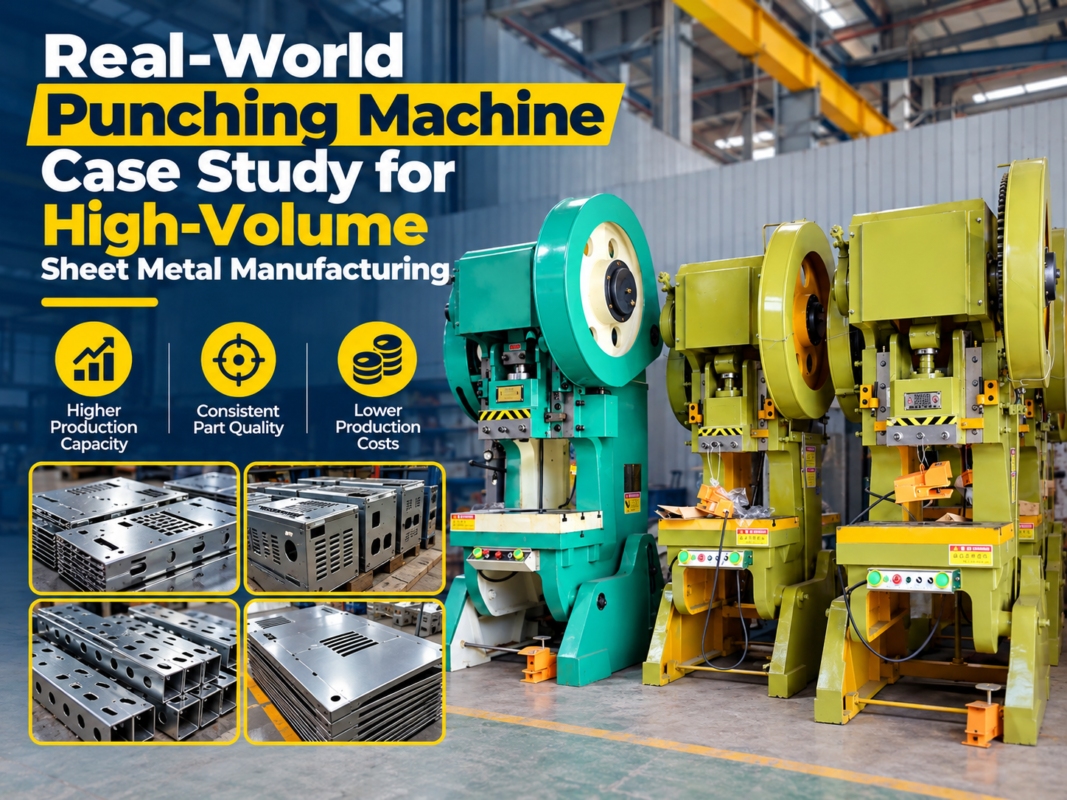
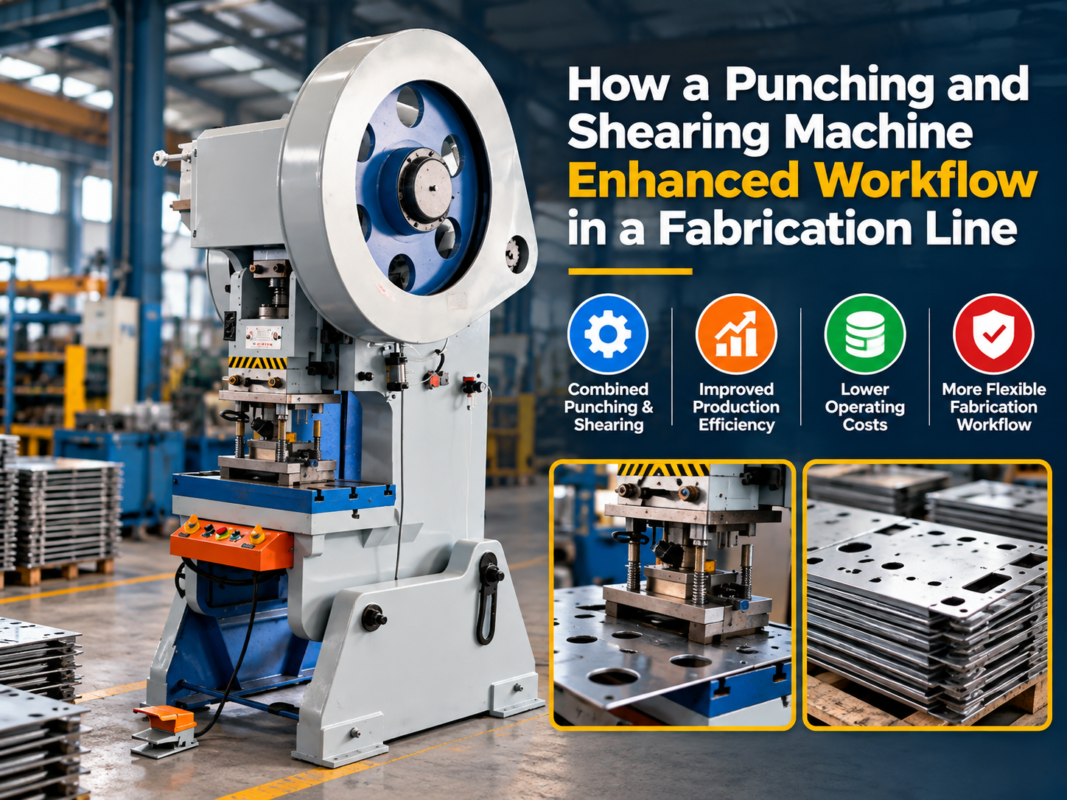
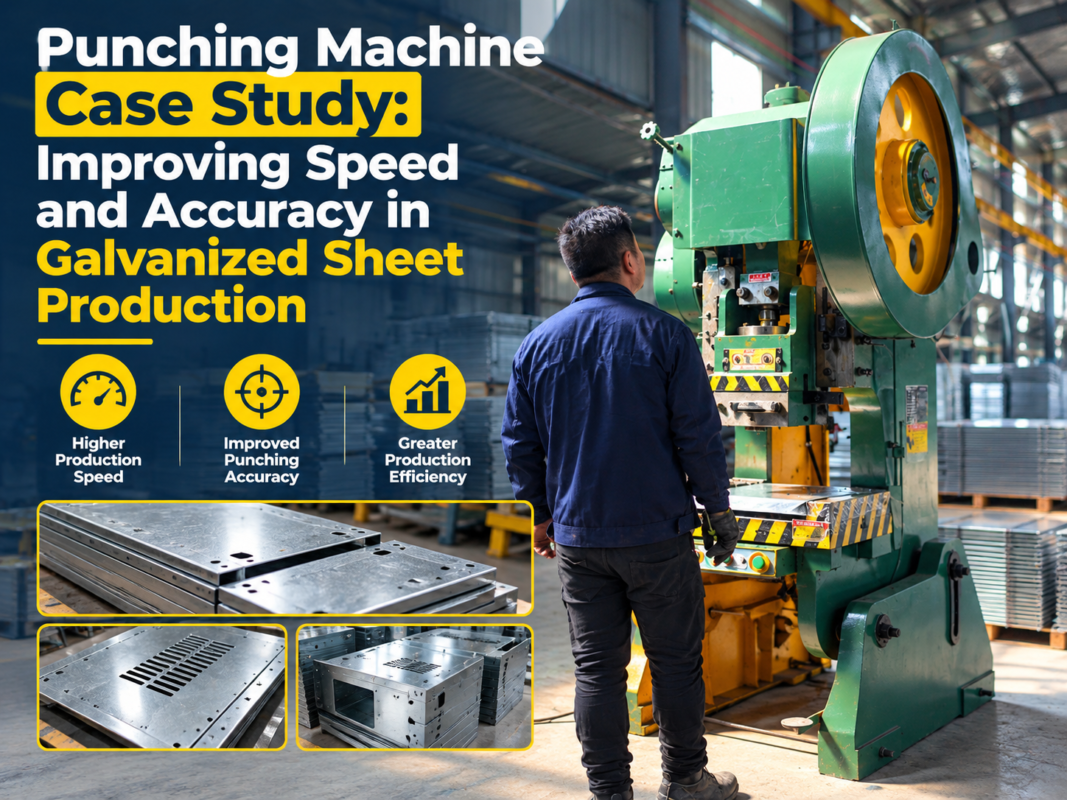
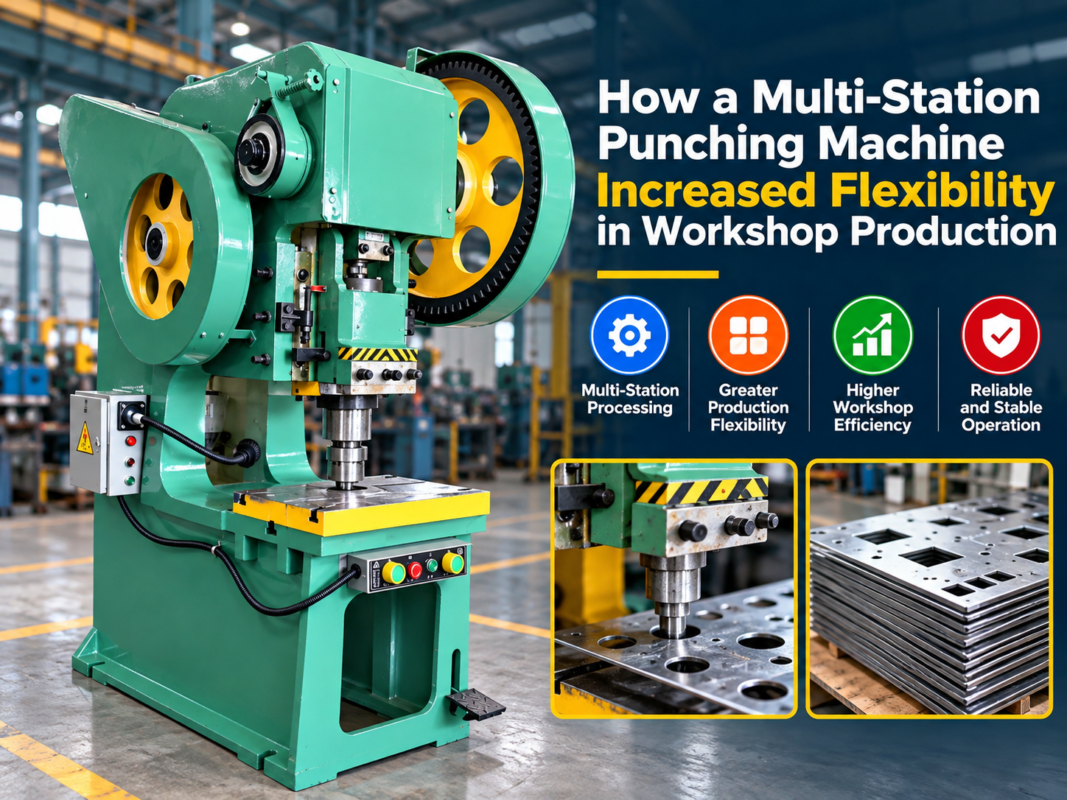
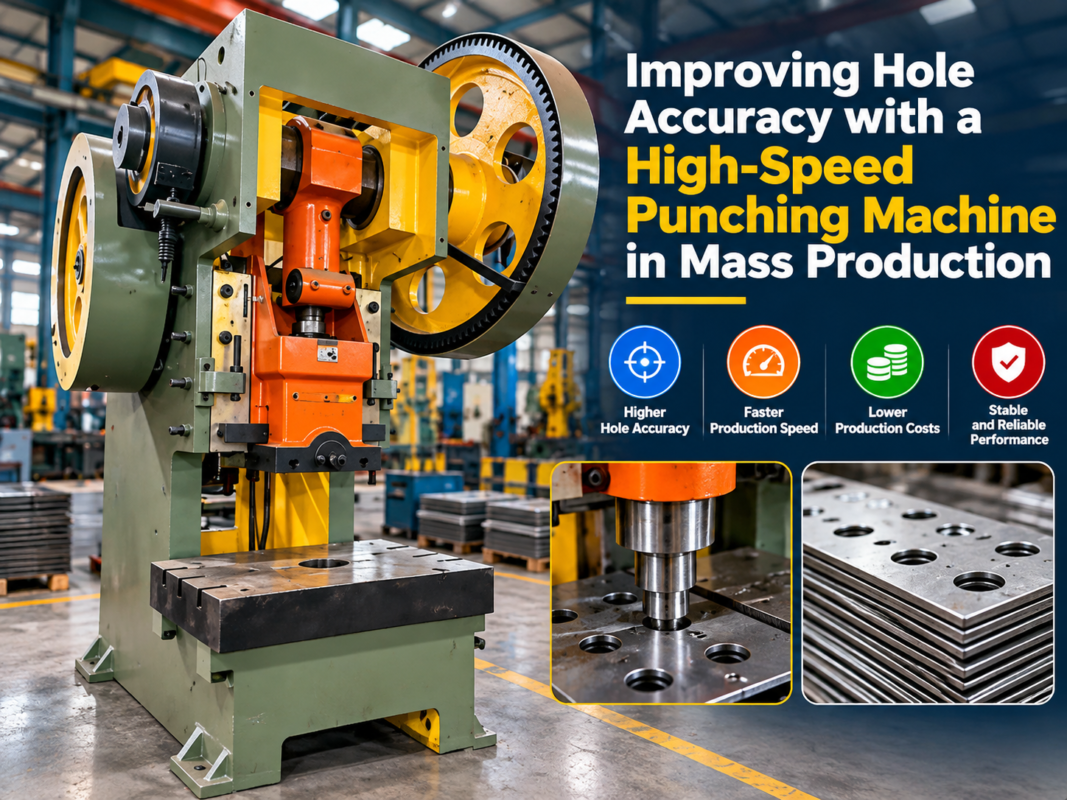
In the realm of modern metal fabrication, the efficiency and precision of a punching machine are inextricably linked to the materials it processes. A punching machine, whether a mechanical turret press or a high-speed CNC hydraulic system, operates on the principle of shearing. When the punch descends into the die, it subjects the workpiece to localized stress that exceeds the material’s ultimate shear strength, resulting in a clean fracture or ‘slug’ removal. Understanding the Punching Machine Material : Suitable Metals, Thickness Limits, Processing Factors is critical for any operator or engineer looking to maximize tool life and part quality.
HARSLE has pioneered advancements in punching technology, ensuring that our machines can handle a diverse array of industrial alloys. However, the physics of punching remains constant: the material’s ductility, hardness, and thickness dictate the required tonnage and the resulting edge quality. A technical overview must acknowledge that punching is not merely ‘making holes’; it is a complex interaction of compressive and tensile forces. As the punch contacts the metal, the material initially undergoes elastic deformation, followed by plastic flow, and finally, a controlled fracture.
The choice of material significantly impacts the ‘shear zone’—the portion of the hole edge that is smooth—and the ‘break zone’—the rougher portion where the metal fractured. For high-precision industries like aerospace or electronics, controlling these zones through proper material selection and machine settings is paramount. Furthermore, the heat generated during high-speed punching can alter the metallurgical properties of certain alloys, making thermal conductivity a secondary but vital processing factor.
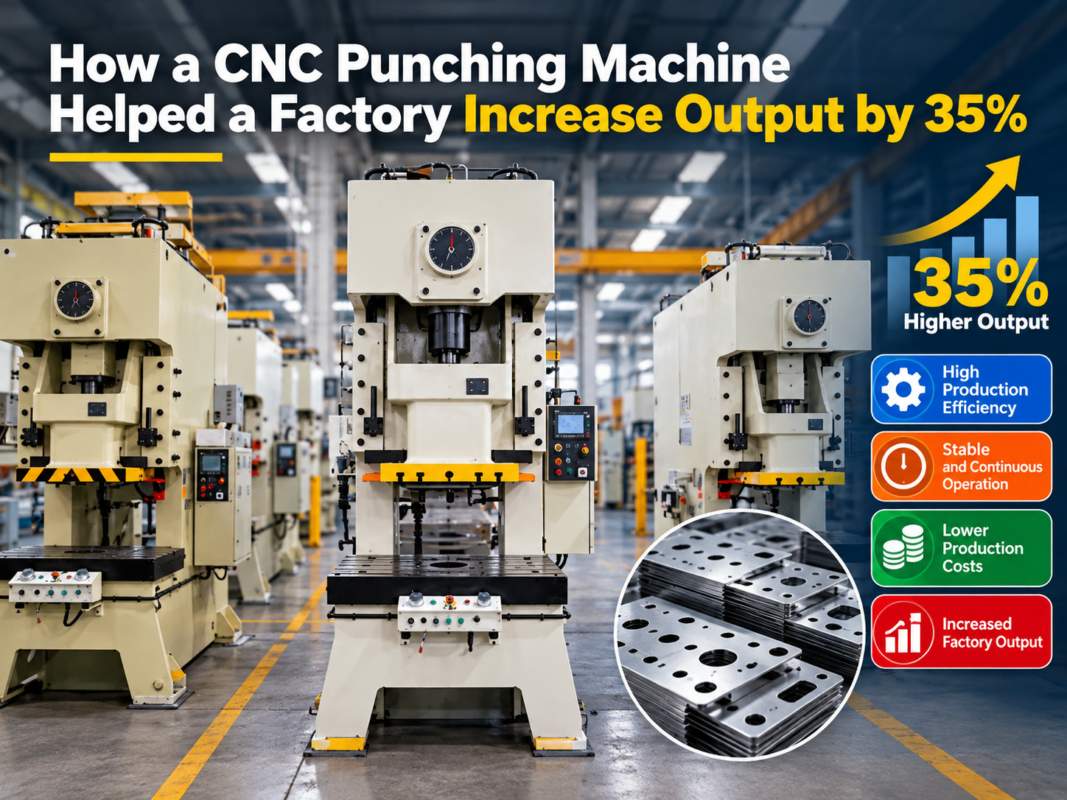
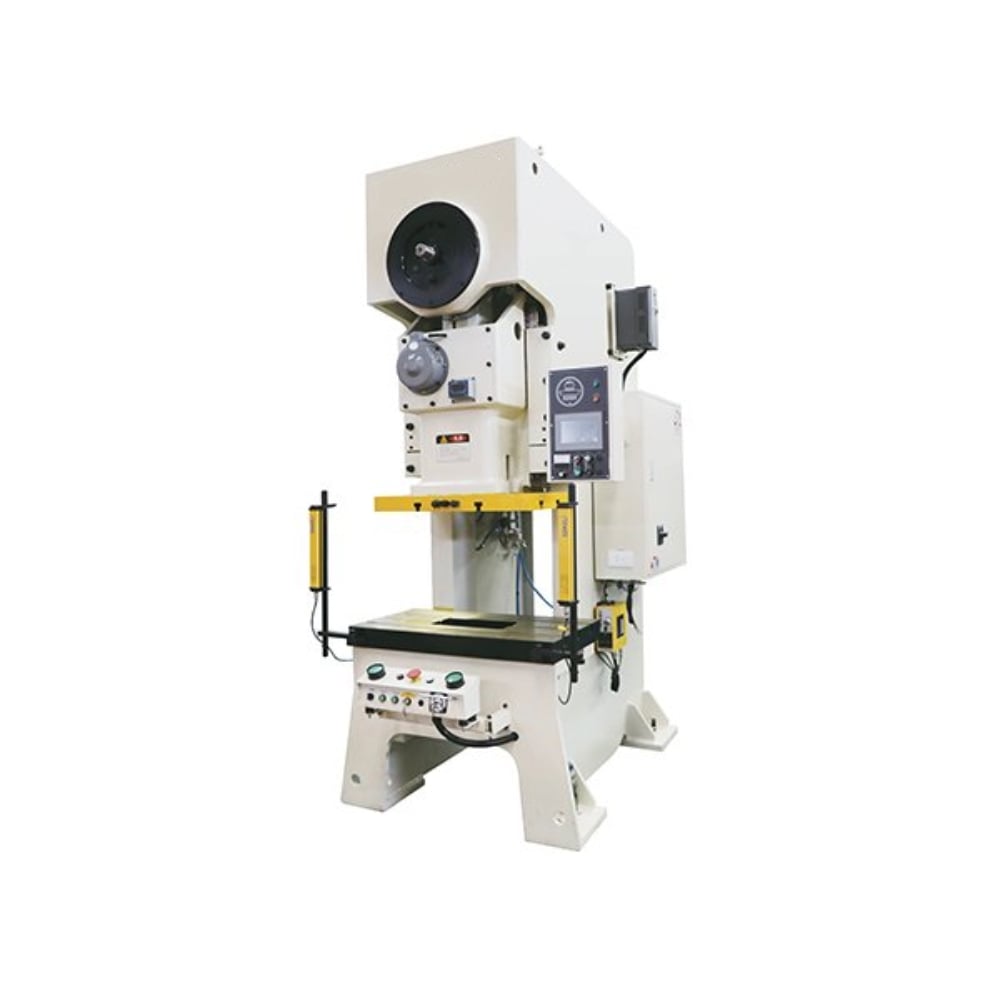
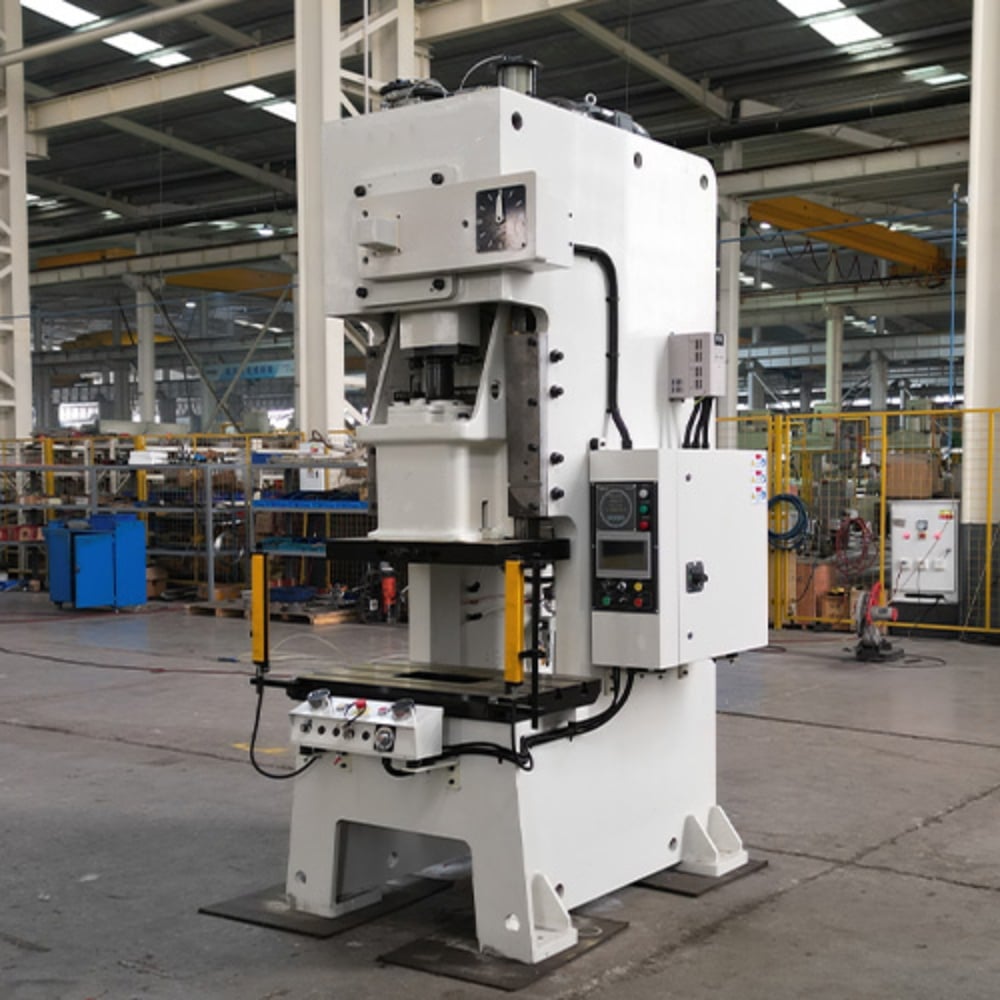
Modern CNC punching machines from HARSLE are designed with robust frames to counteract the ‘snap-through’ shock that occurs when the material finally fractures. This shock is particularly prevalent in high-strength materials like stainless steel. By understanding the mechanical limits of both the machine and the metal, fabricators can avoid catastrophic tool failure and minimize downtime. This guide serves as a comprehensive resource for navigating these technical complexities.
Core Parameters of Punching Materials
When evaluating a material for punching, several core parameters must be analyzed to ensure compatibility with the machine’s specifications. The most significant of these is Shear Strength. Unlike tensile strength, which measures resistance to being pulled apart, shear strength measures the material’s resistance to the sliding of internal planes. For most steels, shear strength is approximately 70% to 80% of the ultimate tensile strength. This value is the primary variable in calculating the required punching force.
Ductility and Elongation are equally important. A highly ductile material, such as certain aluminum alloys or soft copper, will stretch significantly before fracturing. This often results in a larger ‘roll-over’ at the top of the hole and a smaller fracture zone. Conversely, brittle materials may crack or splinter if the die clearance is not perfectly tuned. The elongation percentage provides a roadmap for how the material will behave under the rapid descent of a HARSLE punch.
Hardness, typically measured on the Rockwell or Brinell scales, affects tool wear. Harder materials require punches made from high-grade tool steels (like M2 or D2) and often necessitate specialized coatings like TiN (Titanium Nitride) to prevent galling. If a material is too hard, it can cause the punch tip to chip or ‘mushroom’ over time. On the other hand, very soft materials can lead to ‘slug pulling,’ where the waste piece sticks to the punch and is lifted back out of the die, potentially damaging the next part.
Finally, Surface Condition plays a role in processing. Hot-rolled steel with a heavy scale layer can be abrasive to tooling, while galvanized or pre-painted metals require careful handling to avoid marring the finish. Lubrication becomes a critical parameter here; the use of an evaporative oil or a heavy-duty lubricant can significantly reduce friction and heat, extending the life of the HARSLE punching machine’s internal components and the tools themselves.
Calculation Method for Punching Tonnage
To ensure the safety of the equipment and the operator, calculating the required tonnage is a non-negotiable step in the setup process. The formula for punching force (P) is relatively straightforward but requires accurate input data. The standard formula is:
P = L × t × τ
Where:
– P is the punching force (usually in Kilonewtons or Tons).
– L is the perimeter of the hole (for a round hole, L = π × d).
– t is the material thickness.
– τ is the shear strength of the material.
For example, if you are punching a 50mm diameter hole in a 3mm thick mild steel sheet with a shear strength of 350 MPa, the calculation would be: Perimeter (157.08mm) × Thickness (3mm) × Shear Strength (0.35 kN/mm²) = 164.9 kN. To convert this to metric tons, you divide by 9.81, resulting in approximately 16.8 tons. It is industry best practice to add a 15-20% safety margin to this figure to account for tool dulling and machine fluctuations. HARSLE machines are rated for specific tonnages, and exceeding these can lead to frame deflection or hydraulic seal failure.
Another critical calculation involves Die Clearance. Die clearance is the space between the punch and the die, usually expressed as a percentage of the material thickness per side. For standard mild steel, a clearance of 15% to 20% of the thickness is common. However, for high-strength stainless steel, this might increase to 25%. Incorrect clearance leads to excessive burrs, increased tonnage requirements, and accelerated tool wear. A clearance that is too tight increases the ‘secondary shear,’ which doubles the energy required to complete the punch.
Comprehensive Parameter Table for Common Metals
The following table provides a reference for the processing characteristics of various metals commonly used with HARSLE punching machines. These values are averages and may vary based on specific alloy grades and heat treatments.
| Material Type | Shear Strength (MPa) | Recommended Clearance (%) | Punchability Rating | Max Thickness (Typical) |
|---|---|---|---|---|
| Mild Steel (A36/S235) | 345 – 400 | 15% – 20% | Excellent | 12.0 mm |
| Stainless Steel (304) | 520 – 600 | 20% – 25% | Fair (Work Hardens) | 6.0 mm |
| Aluminum (5052-H32) | 120 – 150 | 10% – 12% | Good (Galling Risk) | 8.0 mm |
| Copper (C110) | 170 – 200 | 8% – 12% | Good | 5.0 mm |
| Brass (Half-Hard) | 220 – 280 | 12% – 15% | Excellent | 4.0 mm |
| Galvanized Steel | 350 – 420 | 15% – 18% | Good | 4.0 mm |
Common Engineering Mistakes in Material Processing
One of the most frequent mistakes in metal punching is ignoring the ‘Hole Diameter to Thickness’ ratio. As a general rule, the diameter of the punch should never be less than the thickness of the material. For example, trying to punch a 3mm hole in 5mm thick stainless steel will almost certainly result in punch breakage. The compressive stress on the punch becomes so high that the tool steel fails before the material shears. While specialized heavy-duty punches can push this ratio slightly, staying within the 1:1 ratio ensures longevity for your HARSLE equipment.
Another common error is improper grain direction alignment. Like wood, rolled metal has a grain direction. Punching long slots or large rectangular openings parallel to the grain can sometimes lead to cracking in less ductile materials. Whenever possible, orienting long cuts perpendicular to the rolling direction can improve the structural integrity of the finished part. This is particularly important in structural components made from high-strength low-alloy (HSLA) steels.
Neglecting tool maintenance is a processing factor that many shops overlook until quality drops. A dull punch doesn’t just produce a larger burr; it significantly increases the required tonnage. As the edge rounds off, the machine must work harder to initiate the fracture. This extra force is converted into heat and vibration, which can damage the turret or the hydraulic valves over time. Regularly scheduled sharpening and inspection of the die for ‘slug scars’ are essential practices.
Finally, inadequate lubrication on non-ferrous metals like aluminum can lead to disastrous results. Aluminum has a tendency to ‘cold weld’ itself to the punch tip. This buildup, known as galling, changes the effective diameter of the punch and leads to poor hole quality and stuck sheets. Using a dedicated misting system or specialized lubricants designed for aluminum can prevent this and ensure the HARSLE punching machine operates at peak efficiency.
Selection Checklist for Punching Machine Materials
Before starting a production run, use this checklist to ensure your material and machine settings are perfectly aligned:
- Material Verification: Have you confirmed the exact grade and hardness of the metal? (e.g., 304 vs 316 stainless).
- Tonnage Check: Is the calculated tonnage within 80% of the machine’s maximum capacity?
- Tooling Compatibility: Are the punch and die made from the correct tool steel for this specific material?
- Clearance Optimization: Is the die clearance set correctly based on the material thickness and shear strength?
- Hole-to-Thickness Ratio: Is the smallest hole diameter at least equal to the material thickness?
- Lubrication Plan: Is the appropriate lubricant being applied to the sheet or the tool?
- Burr Height Requirements: Does the current setup meet the customer’s specifications for maximum allowable burr?
- Slug Management: Are the dies designed to prevent slug pulling (e.g., slug-hugger dies or vacuum systems)?
Frequently Asked Questions (FAQ)
1. Can I punch high-strength materials like Titanium on a standard HARSLE machine?
Yes, but with caveats. Titanium has a high strength-to-weight ratio and can be quite abrasive. You must use high-grade, coated tooling and ensure your tonnage calculations are precise. Titanium also tends to ‘spring back’ more than steel, so you may need to adjust your die clearance slightly tighter to maintain dimensional accuracy.
2. What causes excessive burrs on the bottom of the punched hole?
Excessive burrs are typically caused by one of three things: a dull punch, a dull die, or excessive die clearance. If the clearance is too wide, the material is ‘drawn’ into the die before it shears, resulting in a large, sharp edge. Regular tool sharpening and using the correct clearance for the material thickness will minimize this.
3. How does material thickness affect the punching speed?
Thicker materials require more energy and generate more heat. While HARSLE CNC machines can operate at high hit rates, processing thick plate (e.g., 6mm+) usually requires a slower ram speed to allow the material to fracture cleanly and to reduce the shock load on the machine’s frame. High-speed nibbling is generally reserved for thinner gauges.
4. Is it possible to punch pre-painted or coated metals?
Absolutely. However, you must use ‘non-marring’ tools or urethane strippers to prevent scratching the surface. Additionally, the punching process will leave an exposed, raw metal edge at the site of the hole, which may require post-processing if corrosion resistance is a concern.
5. Why is my punch breaking when processing stainless steel?
Stainless steel work-hardens rapidly. If the machine is not punching through in a single, swift motion, or if the punch is dwelling in the material, the metal becomes significantly harder, increasing the stress on the tool. Ensure you are using sharp tools with a 20-25% clearance and adequate tonnage.
6. What is ‘slug pulling’ and how do I prevent it?
Slug pulling occurs when the waste piece of metal sticks to the face of the punch and is lifted out of the die. This can cause double-hitting, which destroys tooling. It is prevented by using ‘slug-drop’ dies, which have a special geometry to grip the slug, or by using punches with a spring-loaded ejector pin in the center.