Punching Machine Inspection Checklist for Reliable Long-Term Operation: A Comprehensive Guide


Technical Overview of Punching Machine Reliability
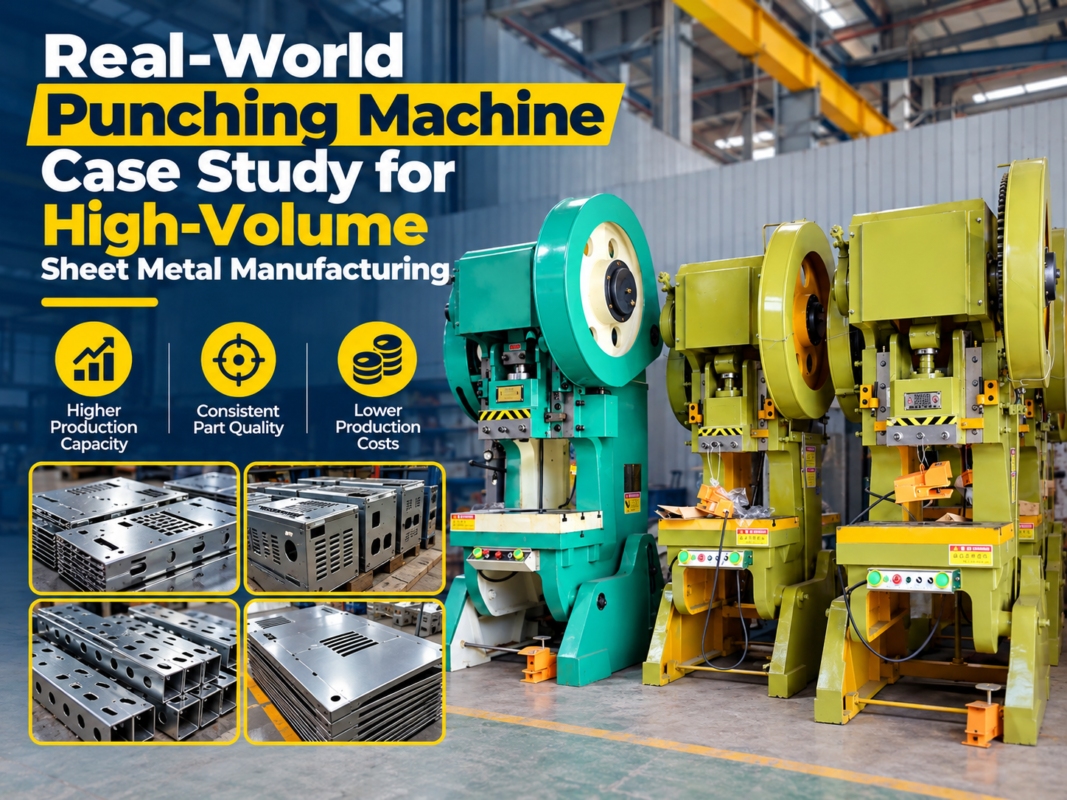
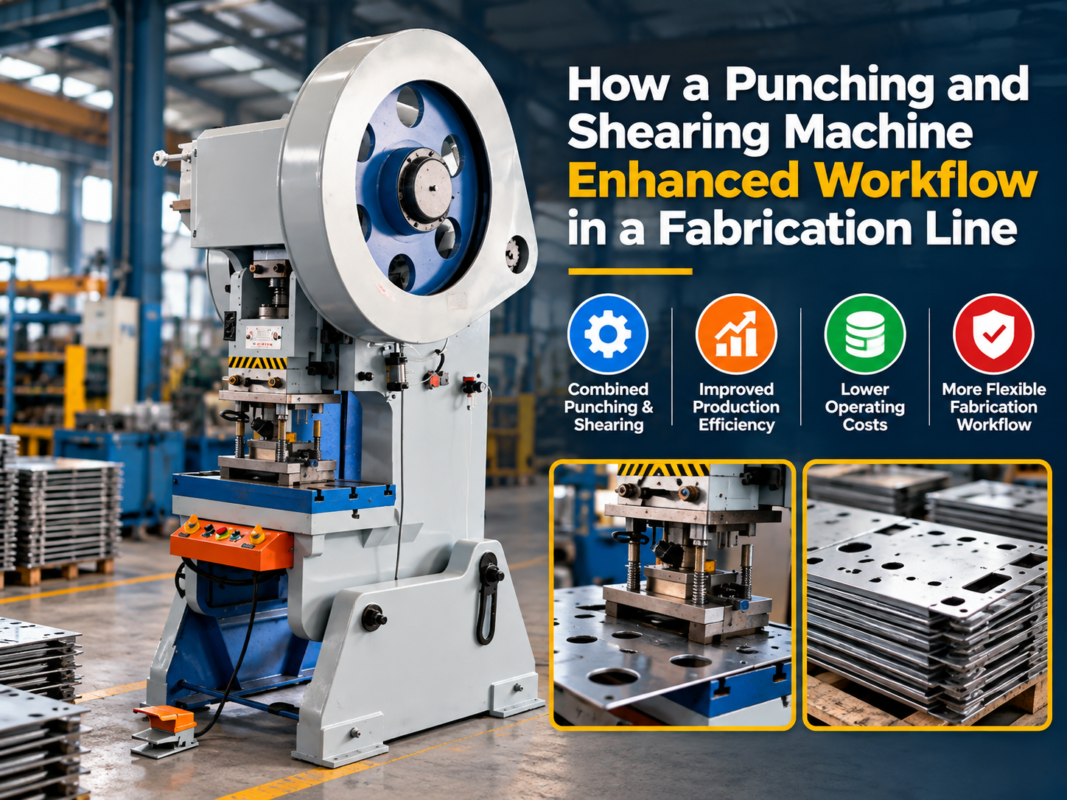
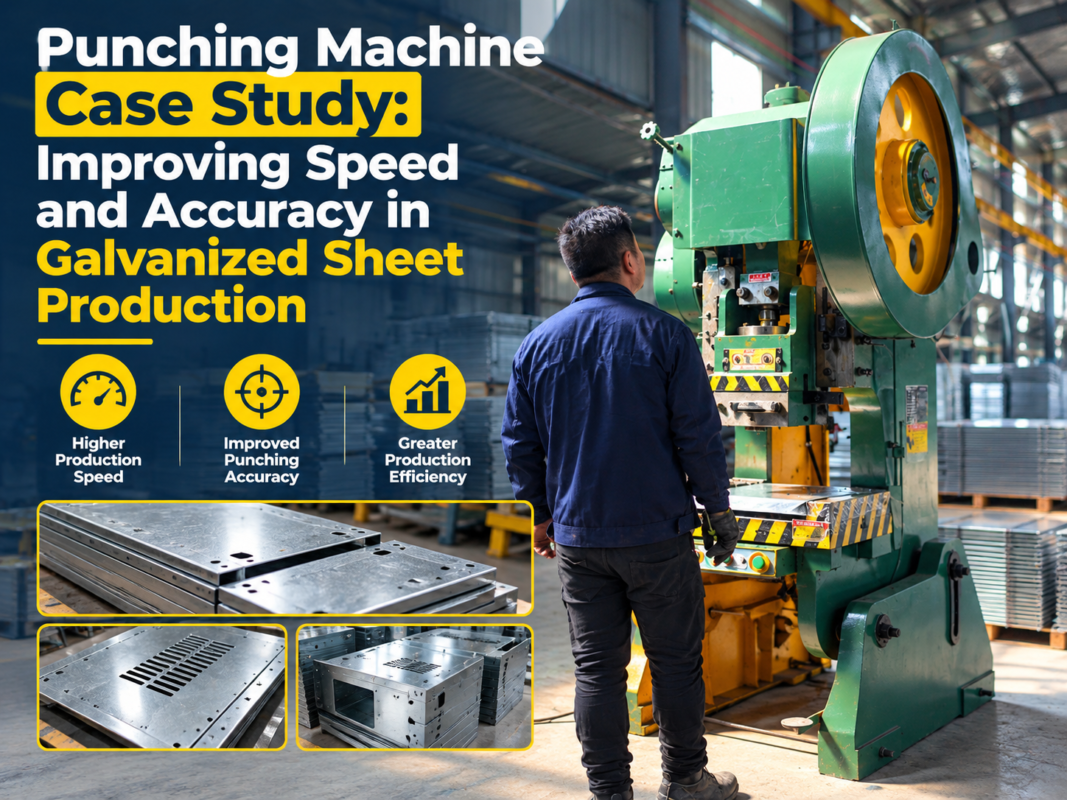
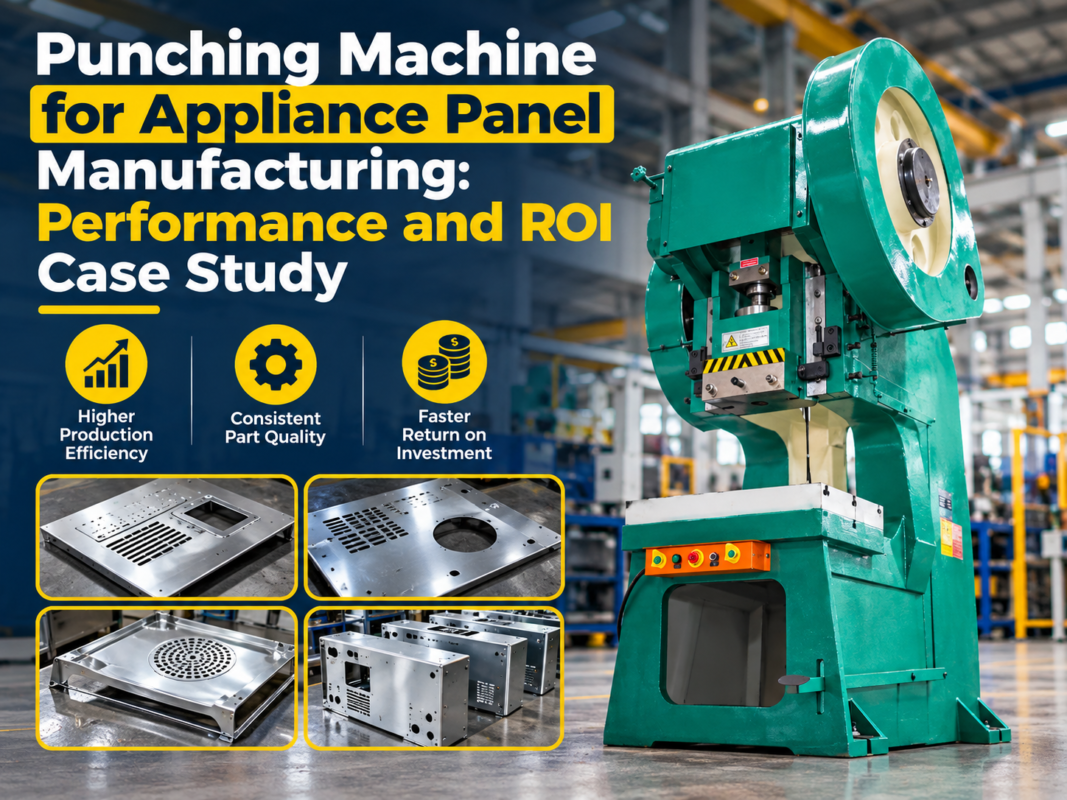
In the high-stakes world of metal fabrication, the punching machine stands as a cornerstone of production efficiency. Whether it is a mechanical power press or a high-speed CNC turret punch, the longevity of these machines is directly proportional to the rigor of their maintenance schedules. Implementing a Punching Machine Inspection Checklist for Reliable Long-Term Operation is not merely a recommendation; it is a necessity for any facility aiming to minimize downtime and maximize Return on Investment (ROI). HARSLE, a leader in metalworking machinery, emphasizes that structural integrity and precision alignment are the two pillars of long-term machine health.
A punching machine operates by applying immense force to a workpiece through a die set. This process involves repetitive high-impact cycles that generate significant vibration, heat, and mechanical stress. Over time, even the most robust machines can suffer from fastener loosening, hydraulic seal degradation, or electrical component fatigue. A systematic inspection approach ensures that minor issues are identified before they escalate into catastrophic failures that could halt production for weeks.
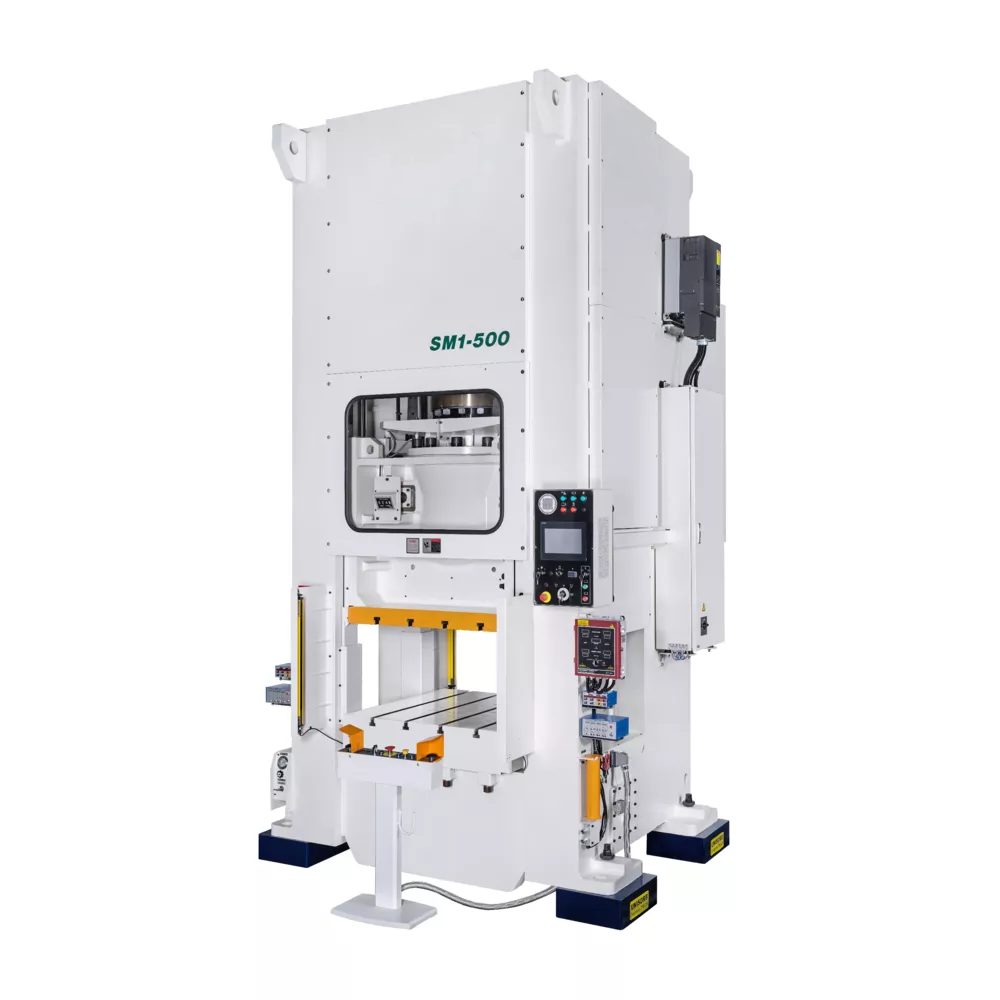
Modern punching machines often integrate sophisticated CNC controls and hydraulic systems. While these features enhance precision, they also introduce more variables into the maintenance equation. A comprehensive checklist must therefore cover mechanical, hydraulic, pneumatic, and electronic subsystems. By adhering to a structured Punching Machine Inspection Checklist for Reliable Long-Term Operation, operators can ensure that the machine maintains its original tolerances, ensuring that every part produced meets strict quality standards.
Reliability in long-term operation also hinges on the environment in which the machine operates. Dust, metal shavings, and temperature fluctuations can all wreak havoc on sensitive components. Therefore, the inspection process should also evaluate the cleanliness of the workspace and the effectiveness of the machine’s internal filtration systems. HARSLE machines are engineered for durability, but consistent oversight remains the best defense against the natural wear and tear of industrial manufacturing.
Core Parameters for Punching Machine Performance
Understanding the core parameters of your equipment is the first step in creating an effective Punching Machine Inspection Checklist for Reliable Long-Term Operation. These parameters define the machine’s capabilities and serve as the baseline for all inspection activities. If a machine begins to deviate from these specifications, it is a clear indicator that maintenance is required.
- Nominal Force (Tonnage): This is the maximum pressure the machine can exert. During inspection, it is vital to check if the hydraulic system or mechanical linkage can still reach and maintain this force without excessive noise or vibration.
- Stroke Length: The distance the ram travels from the top dead center (TDC) to the bottom dead center (BDC). Inconsistent stroke lengths can lead to incomplete punches or damage to the die.
- Strokes Per Minute (SPM): This measures the speed of the machine. A drop in SPM often indicates friction issues in the guideways or a failing motor.
- Throat Depth: The distance from the center of the ram to the back of the machine frame. This determines the maximum size of the sheet metal that can be processed.
- Bolster Size: The dimensions of the table where the lower die is mounted. Inspection should ensure the bolster plate is perfectly level and free of burrs or indentations.
Beyond these physical dimensions, electrical parameters such as voltage stability and current draw are critical. An unexpected spike in current draw during a punch cycle often points toward mechanical resistance, such as lack of lubrication or misaligned gibs. Monitoring these parameters as part of a regular Punching Machine Inspection Checklist for Reliable Long-Term Operation allows for data-driven maintenance decisions.
Calculation Method for Punching Force Requirements
To ensure Reliable Long-Term Operation, it is essential to never exceed the machine’s rated capacity. Calculating the required punching force for a specific job is a fundamental engineering task that prevents overloading. The formula for calculating the punching force (P) is as follows:
P = L × t × τ
Where:
- P: Punching force (in Newtons or Tons).
- L: The perimeter of the hole to be punched (in mm). For a round hole, L = π × d.
- t: The thickness of the material (in mm).
- τ (Tau): The shear strength of the material (in N/mm² or MPa).
For example, if you are punching a 50mm diameter hole in 3mm thick mild steel (with a shear strength of approximately 400 MPa), the calculation would be: P = (3.14159 × 50) × 3 × 400 = 188,495 Newtons. Converting this to metric tons (dividing by 9806), we get approximately 19.2 tons. To ensure Reliable Long-Term Operation, a safety factor of 20-30% should be added, meaning a 25-ton machine would be the minimum requirement for this specific task.
Consistently running a machine at its absolute limit will significantly shorten its lifespan. By using this calculation method, engineers can select the appropriate machine for the job, ensuring that the equipment operates within its “sweet spot” of efficiency and durability. This proactive approach is a key component of any Punching Machine Inspection Checklist for Reliable Long-Term Operation.
Punching Machine Parameter Comparison Table
The following table provides a comparison of typical parameters for various classes of punching machines. This data helps in identifying where your specific machine fits and what the expected performance benchmarks should be during an inspection.
| Machine Type | Tonnage Range | Max Material Thickness | Typical SPM | Primary Application |
|---|---|---|---|---|
| Mechanical Power Press | 15 – 400 Tons | 1mm – 12mm | 40 – 150 | High-volume stamping |
| CNC Turret Punch | 20 – 50 Tons | 0.5mm – 6mm | 300 – 1000 | Complex sheet metal parts |
| Hydraulic Punching Machine | 30 – 1000+ Tons | 3mm – 25mm+ | 10 – 60 | Heavy plate fabrication |
| Pneumatic Punch Press | 1 – 15 Tons | 0.1mm – 2mm | 100 – 200 | Small precision components |
Common Engineering Mistakes in Punching Machine Operation
Even with a Punching Machine Inspection Checklist for Reliable Long-Term Operation, certain operational mistakes can undermine the health of the machine. One of the most common errors is improper die clearance. If the gap between the punch and the die is too small, it increases the force required and causes rapid tool wear. If it is too large, it results in excessive burrs on the workpiece and places uneven stress on the ram. Engineers must ensure that die clearance is calculated based on material type and thickness for every single job.
Another frequent mistake is neglecting the lubrication system. Many operators assume that as long as the oil reservoir is full, the machine is being lubricated. However, blocked lubrication lines are a common occurrence in industrial environments. A machine running with “dry” gibs or bearings will experience rapid thermal expansion, leading to seizing or permanent scoring of precision surfaces. Part of a Reliable Long-Term Operation strategy must include verifying that lubricant is actually reaching the critical friction points.
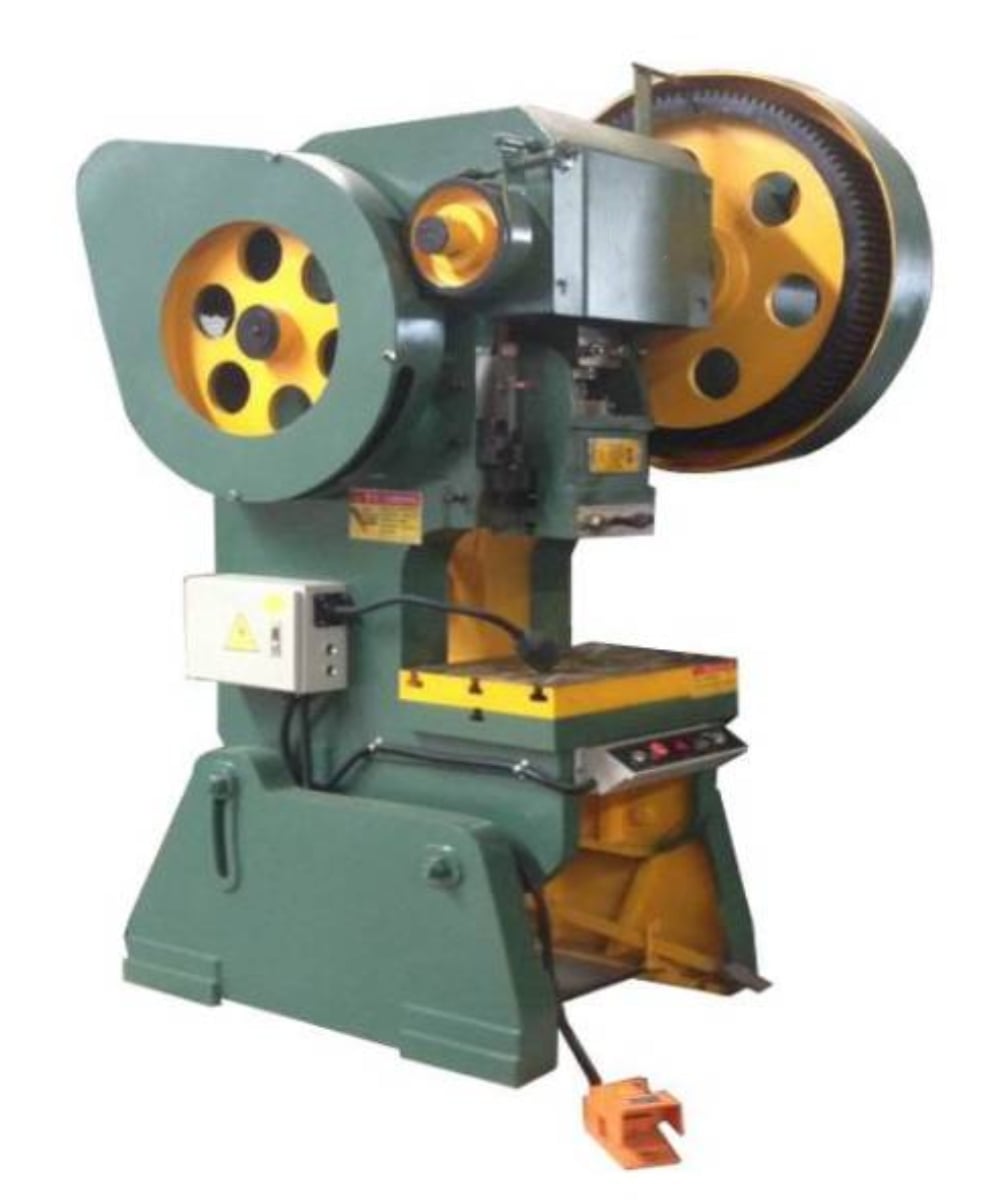
Ignoring unusual sounds or vibrations is a recipe for disaster. In a punching machine, a change in the “thump” of the punch often indicates that the tooling is dull or that the frame is experiencing micro-flexing. Dull tools require significantly more force to penetrate the material, which puts unnecessary strain on the motor and drive train. Regular sharpening of punches and dies is a simple yet effective way to ensure Reliable Long-Term Operation.
Finally, failing to level the machine properly during installation or after relocation can lead to uneven wear. A punching machine that is not perfectly level will distribute the impact force unevenly through its frame. Over years of operation, this can lead to structural cracks or permanent misalignment of the ram. Leveling should be checked annually as part of the Punching Machine Inspection Checklist for Reliable Long-Term Operation.
Comprehensive Selection and Inspection Checklist
To achieve Reliable Long-Term Operation, use the following checklist as a guide for both selecting a new machine and performing routine inspections on existing equipment.
1. Structural and Mechanical Inspection
- Check the machine frame for any visible cracks or signs of stress, especially near the throat area.
- Inspect all mounting bolts and foundation bolts for tightness; use a torque wrench to verify.
- Examine the ram and guideways (gibs) for scoring, debris, or lack of lubrication.
- Verify that the flywheel (in mechanical presses) is balanced and the bearings are running cool.
- Check the clutch and brake system for wear; ensure the stopping distance is within safety specifications.
2. Hydraulic and Pneumatic Systems
- Inspect all hoses for cracks, leaks, or bulging.
- Check hydraulic oil levels and clarity; perform an oil analysis annually to check for metal particles.
- Verify that the heat exchanger or cooling system is functioning to prevent oil thinning.
- Check pneumatic filters and regulators; drain water from air lines daily.
- Ensure that the pressure gauges are calibrated and providing accurate readings.
3. Electrical and Control Systems
- Inspect the control panel for loose wiring or signs of overheating (discolored insulation).
- Test all emergency stop buttons and safety light curtains to ensure immediate machine shutdown.
- Update CNC software to the latest version provided by the manufacturer (e.g., HARSLE).
- Check the cooling fans in the electrical cabinet to prevent PLC or drive failure.
- Verify that the grounding system is intact to prevent electrical noise and safety hazards.
4. Tooling and Alignment
- Inspect punch and die sets for chipping, dullness, or galling.
- Verify the alignment between the upper and lower tool holders using a dial indicator.
- Check the automatic tool changer (if applicable) for smooth operation and proper seating.
- Ensure that the slug removal system is clear to prevent “slug pulling” or die damage.
Frequently Asked Questions (FAQ)
How often should I perform a full inspection?
For Reliable Long-Term Operation, a daily visual check is mandatory. A more thorough weekly inspection should cover lubrication and safety systems. A comprehensive deep-dive inspection, including oil analysis and structural checks, should be performed every six months or every 2,000 hours of operation, whichever comes first.
What is the most common cause of punching machine failure?
Lack of proper lubrication is the leading cause of mechanical failure. Without a consistent film of oil or grease, the high-friction components generate heat that leads to rapid wear and eventual seizure. Following a Punching Machine Inspection Checklist for Reliable Long-Term Operation specifically focused on lubrication can prevent 80% of common mechanical issues.
Can I use the same machine for different materials?
Yes, but you must adjust your parameters. Punching stainless steel requires significantly more force and different die clearances than punching aluminum. Always recalculate your tonnage requirements and check your Punching Machine Inspection Checklist to ensure the machine is configured correctly for the specific material to maintain Reliable Long-Term Operation.
Why is my machine making a loud ‘clunking’ sound?
A loud clunking sound usually indicates a loose component in the drive train, a failing bearing, or excessive clearance in the gibs. It could also mean the punch is hitting the die off-center. Stop the machine immediately and perform a detailed inspection of the ram and drive linkage to prevent further damage.
How does HARSLE support long-term machine reliability?
HARSLE provides robustly engineered machines built with high-quality components from global brands. Additionally, HARSLE offers detailed maintenance manuals, technical support, and readily available spare parts to ensure that your Punching Machine Inspection Checklist for Reliable Long-Term Operation is easy to implement and effective over the decades.