Complete Guide to Punching Machine Applications in HVAC, Enclosures, and Electrical Cabinets


Technical Overview: The Role of Punching Machines in Modern Fabrication
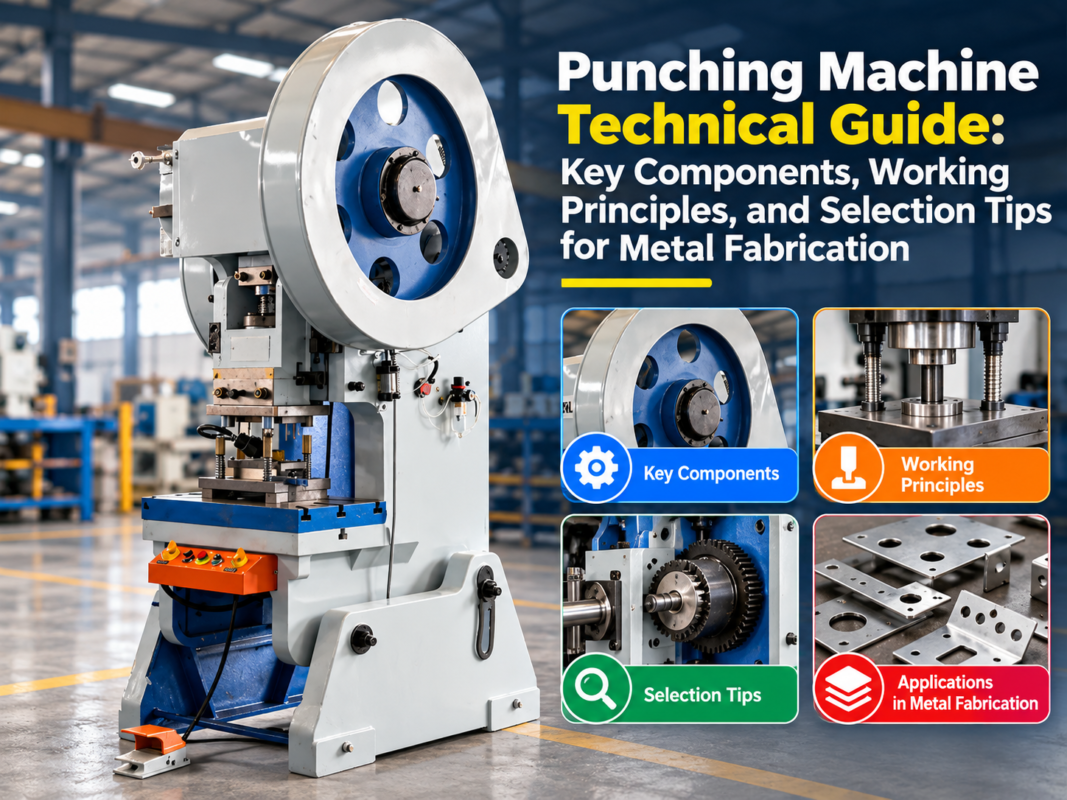
In the realm of industrial metalworking, the punching machine stands as a cornerstone of efficiency, particularly when addressing the complex needs of the HVAC, electrical cabinet, and enclosure industries. These sectors require a unique blend of high-speed production, repeatable accuracy, and the ability to perform diverse operations—ranging from simple hole punching to complex forming tasks like louvering and embossing. A CNC punching machine, such as those engineered by HARSLE, utilizes a turret or a linear tool changer to rapidly select and deploy tools, transforming flat sheet metal into intricate components with minimal human intervention.
The HVAC (Heating, Ventilation, and Air Conditioning) industry relies heavily on punching machines for the production of ductwork, air handling unit panels, and ventilation grilles. These components often feature repetitive patterns of holes or louvers designed for airflow. Traditional methods of drilling or manual punching are far too slow and inconsistent for modern demand. CNC punching allows for the high-speed ‘nibbling’ of large apertures and the precise placement of mounting holes, ensuring that every panel fits perfectly during final assembly. This precision is critical for maintaining the airtight integrity of HVAC systems, which directly impacts energy efficiency.
Electrical cabinets and enclosures represent another high-demand application. These structures must house sensitive electronic components, requiring precise cutouts for switches, displays, cable glands, and cooling fans. Furthermore, the punching machine is often used to create ‘knockouts’—pre-punched areas that can be easily removed by the end-user to route wiring. The ability to maintain tight tolerances is paramount here, as even a millimeter of deviation can prevent a door from sealing correctly or a component from mounting securely. HARSLE’s advanced punching solutions integrate sophisticated software that optimizes tool paths, reducing material waste and cycle times.
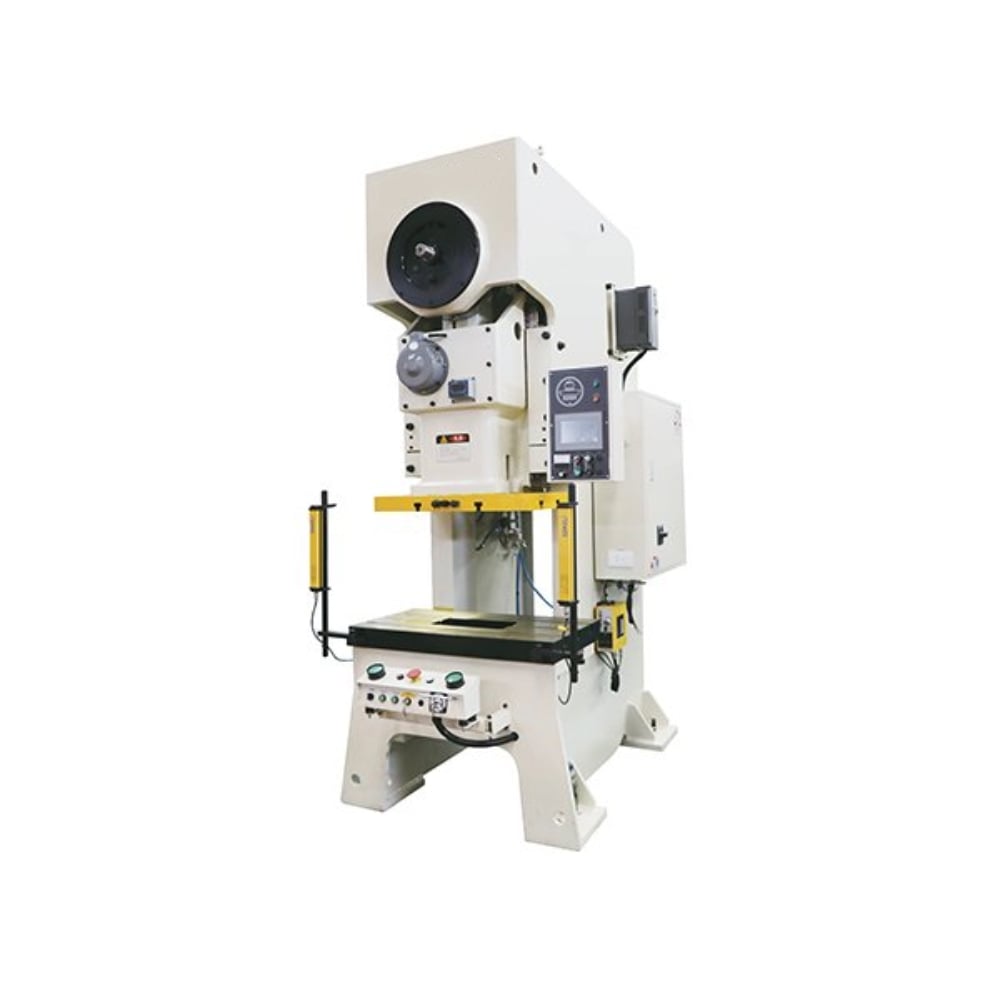
Beyond simple cutting, modern punching machines are capable of ‘forming’ operations. In the enclosure industry, this includes creating countersinks for flush-mounted screws, bridges for wire ties, and extruded holes for self-tapping screws. By performing these operations on a single machine, manufacturers eliminate the need for secondary processes, significantly lowering the cost per part. The integration of servo-hydraulic or full-electric drive systems in modern HARSLE machines further enhances this capability, providing the control necessary for delicate forming tasks while maintaining the raw power needed for thick-gauge punching.
Core Parameters of Punching Machines
Understanding the core parameters of a punching machine is essential for selecting the right equipment for HVAC and electrical cabinet production. The first and most critical parameter is Tonnage. This refers to the maximum force the machine can apply. For most electrical cabinets, which typically use 1.0mm to 2.5mm mild steel or stainless steel, a 30-ton machine is often the industry standard. However, for heavier industrial enclosures or thick HVAC mounting frames, higher tonnage may be required to ensure clean cuts without straining the machine’s frame.
Throat Depth is another vital consideration. This parameter determines the maximum width of the sheet metal that the machine can process. In the HVAC industry, where large panels for air handlers are common, a deep throat (e.g., 1250mm or 1500mm) is necessary to handle wide sheets without the need for manual repositioning. Repositioning can introduce slight inaccuracies, so maximizing throat depth is a key strategy for maintaining high precision in large-scale fabrication.
The Hit Rate and Positioning Speed define the machine’s productivity. Hit rate is measured in hits per minute (HPM) and is usually specified for both 25.4mm centers and nibbling operations. For high-volume enclosure production, a high hit rate (often exceeding 600-1000 HPM in nibbling mode) is essential to keep up with assembly line demands. Positioning speed refers to how fast the X and Y axes move the sheet metal between hits. Faster positioning reduces the non-cutting time, which is often the largest bottleneck in complex punching programs.
Finally, Turret Capacity and Configuration play a major role in versatility. A turret with a high number of stations (e.g., 32 or 38 stations) allows a manufacturer to keep a wide variety of tools—rounds, squares, rectangles, and special forming tools—loaded simultaneously. This reduces setup time between different jobs. The inclusion of ‘Auto-Index’ stations is particularly important for electrical cabinets, as it allows the tool to be rotated to any angle, enabling the creation of angled cutouts or complex shapes with a limited set of standard tools.
Calculation Method: Determining Punching Force and Clearance
To ensure the longevity of both the machine and the tooling, engineers must accurately calculate the required punching force for every job. The standard formula for calculating punching force (P) in kilonewtons (kN) is: P = L × t × τ / 1000. In this formula, ‘L’ represents the perimeter of the hole (in mm), ‘t’ is the thickness of the material (in mm), and ‘τ’ is the shear strength of the material (in N/mm²). For example, punching a 50mm diameter hole in 2mm thick mild steel (shear strength approx. 350 N/mm²) would require: (50 × π) × 2 × 350 / 1000 ≈ 110 kN, or roughly 11 tons.
It is a common engineering rule of thumb to ensure that the required force does not exceed 80% of the machine’s rated capacity. Operating at the limit of the machine’s tonnage can lead to premature wear of the hydraulic seals, frame fatigue, and excessive tool dulling. In the HVAC sector, where galvanized steel is frequently used, the coating can slightly alter the shear characteristics, so a safety margin is always recommended. For stainless steel enclosures, the shear strength is significantly higher (often 500-600 N/mm²), requiring more tonnage for the same hole size compared to mild steel.
Die clearance is the second critical calculation. Clearance is the gap between the punch and the die, and it is usually expressed as a percentage of the material thickness. For standard mild steel, a total clearance of 15% to 20% of the material thickness is typical. If the clearance is too small, it increases the force required and causes rapid tool wear. If it is too large, it results in excessive burrs on the underside of the sheet. In electrical cabinets, where aesthetics and safety (no sharp edges) are paramount, getting the clearance right is essential for a professional finish.
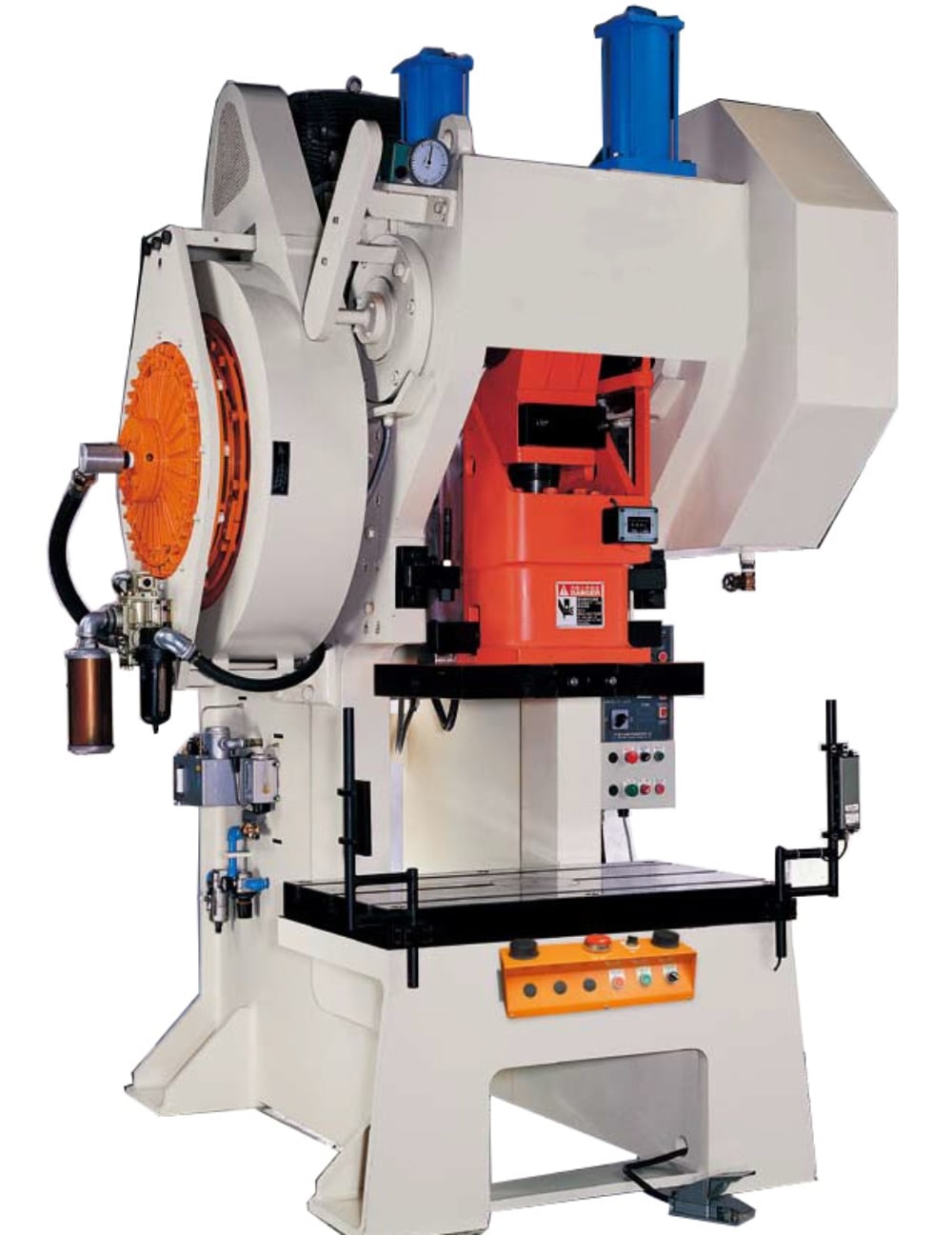
Parameter Table: Typical Specifications for HVAC and Enclosure Fabrication
The following table outlines the typical specifications for punching machines used in these specific industries. These values represent a balance between speed, power, and precision.
| Parameter | HVAC Ducting/Panels | Electrical Cabinets (Standard) | Heavy Industrial Enclosures |
|---|---|---|---|
| Nominal Force (Tonnage) | 20 – 30 Tons | 30 Tons | 30 – 50 Tons |
| Max Material Thickness | 0.5mm – 2.0mm | 1.0mm – 3.0mm | 2.0mm – 6.0mm |
| Throat Depth | 1250mm – 1500mm | 1250mm | 1500mm+ |
| Hit Rate (25.4mm pitch) | 300 – 450 HPM | 250 – 400 HPM | 200 – 350 HPM |
| Positioning Speed (X/Y) | 80 – 100 m/min | 60 – 80 m/min | 50 – 70 m/min |
| Turret Stations | 16 – 24 Stations | 32 – 38 Stations | 32+ Stations (w/ Auto-Index) |
| Accuracy | ± 0.1mm | ± 0.05mm | ± 0.1mm |
Common Engineering Mistakes in Punching Applications
One of the most frequent mistakes in punching machine operation is improper tool maintenance. In high-volume HVAC production, tools can become dull quickly due to the abrasive nature of some coatings. Using dull tools increases the punching force required, creates large burrs, and can even cause the sheet metal to deform or ‘oil-can.’ Regularly scheduled sharpening and the use of high-quality tool lubricants are essential to maintain part quality and machine health.
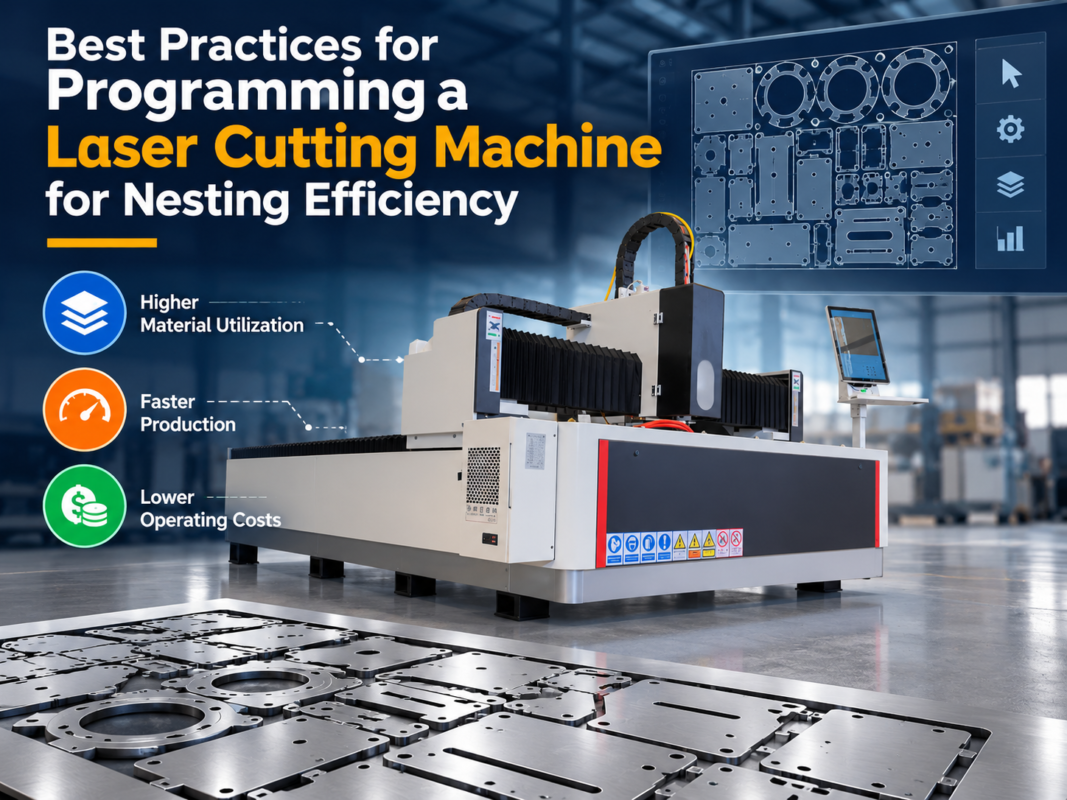
Another common error is incorrect nesting and sheet orientation. In the fabrication of electrical cabinets, engineers often try to cram as many parts as possible onto a single sheet to save material. However, if the parts are nested too closely, the ‘web’ of material left between holes can become too weak, leading to sheet distortion during the punching process. Furthermore, ignoring the grain direction of the metal can lead to cracking during subsequent bending operations in the press brake, especially with stainless steel or aluminum enclosures.
Ignoring the ‘Springback’ in Forming Operations is a technical oversight often seen in louver production for HVAC units. When a punching machine creates a louver, the metal is stretched. Due to the elasticity of the material, it will slightly spring back once the tool is retracted. If the machine’s stroke is not properly calibrated for the specific material type and thickness, the louver opening may be too small, restricting airflow. This requires precise control of the ram’s bottom-dead-center position, a feature where HARSLE’s servo-hydraulic systems excel.
Finally, poor slug management can lead to significant downtime. If the ‘slugs’ (the waste pieces of metal) are not properly cleared from the die, they can ‘slug pull’—sticking to the punch and being pulled back up onto the sheet. This can cause massive damage to the sheet, the tools, and even the turret itself. Using vacuum-assisted slug removal or ‘slug-hugger’ die geometries is a critical engineering choice for high-speed, unattended operation in enclosure manufacturing.
Selection Checklist: Choosing the Right Machine for Your Needs
When investing in a punching machine for HVAC, enclosures, or electrical cabinets, use the following checklist to ensure the equipment meets your long-term production goals:
- Material Compatibility: Does the machine have the tonnage and rigidity to handle the thickest and hardest materials (e.g., stainless steel) in your product line?
- Software Integration: Does the CNC controller support modern CAD/CAM software for easy importing of enclosure designs and automatic nesting?
- Tooling Versatility: Does the turret offer enough stations and auto-index capabilities to minimize setup times for complex cabinet cutouts?
- Forming Capabilities: Can the machine perform high-precision forming tasks like louvers, bridges, and countersinks required for your specific industry?
- Energy Efficiency: Consider servo-electric drives over traditional hydraulic systems if energy costs and environmental impact are high priorities.
- Support and Maintenance: Does the manufacturer (like HARSLE) provide robust technical support, readily available spare parts, and comprehensive training?
- Automation Options: For high-volume HVAC production, can the machine be upgraded with automatic loading and unloading systems in the future?
Frequently Asked Questions (FAQ)
1. What is the difference between a mechanical and a hydraulic punching machine?
Mechanical punching machines use a flywheel and a clutch system to deliver a fixed stroke. They are generally very fast but offer less control over the ram position. Hydraulic (and especially servo-hydraulic) machines allow for variable stroke lengths and speeds, which is essential for forming operations like louvers and embossing commonly found in HVAC and electrical cabinets.
2. How often should I sharpen my punching tools?
Tool life depends on the material being punched. For mild steel, tools typically need sharpening after 50,000 to 100,000 hits. For stainless steel, this interval may drop to 20,000 hits. Regular inspection is key; if you see a burr height exceeding 10% of the material thickness, it is time to sharpen the tools.
3. Can a punching machine replace a laser cutting machine for enclosures?
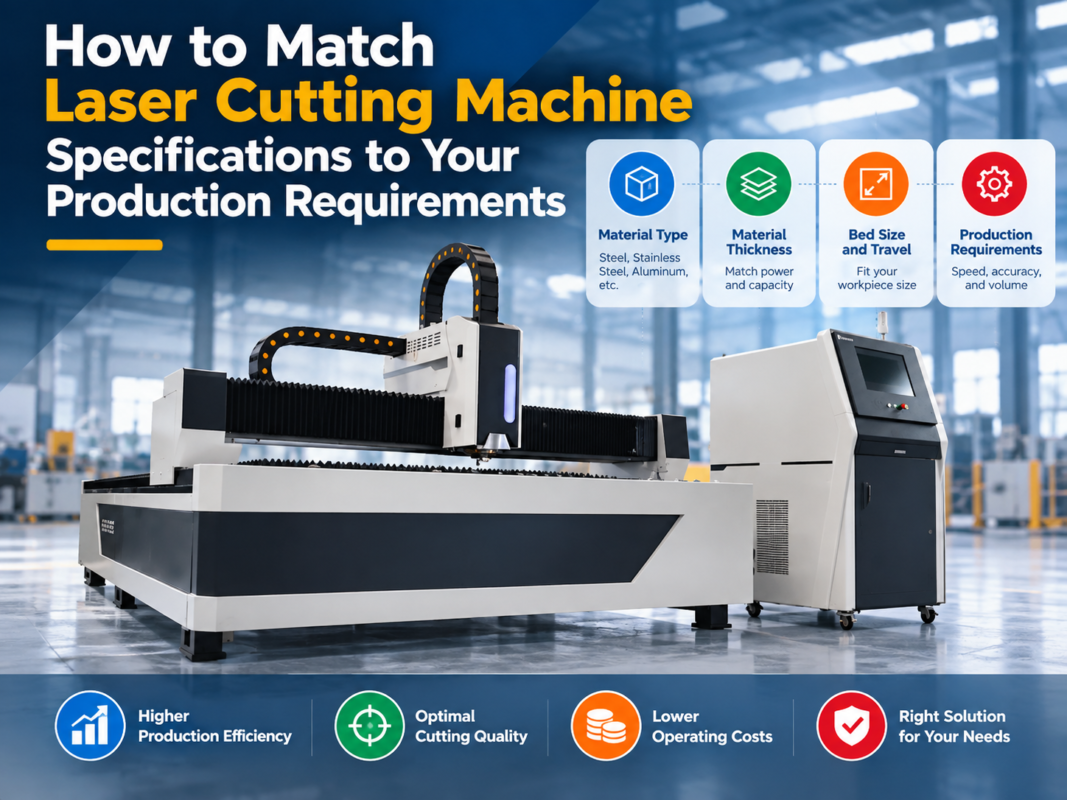
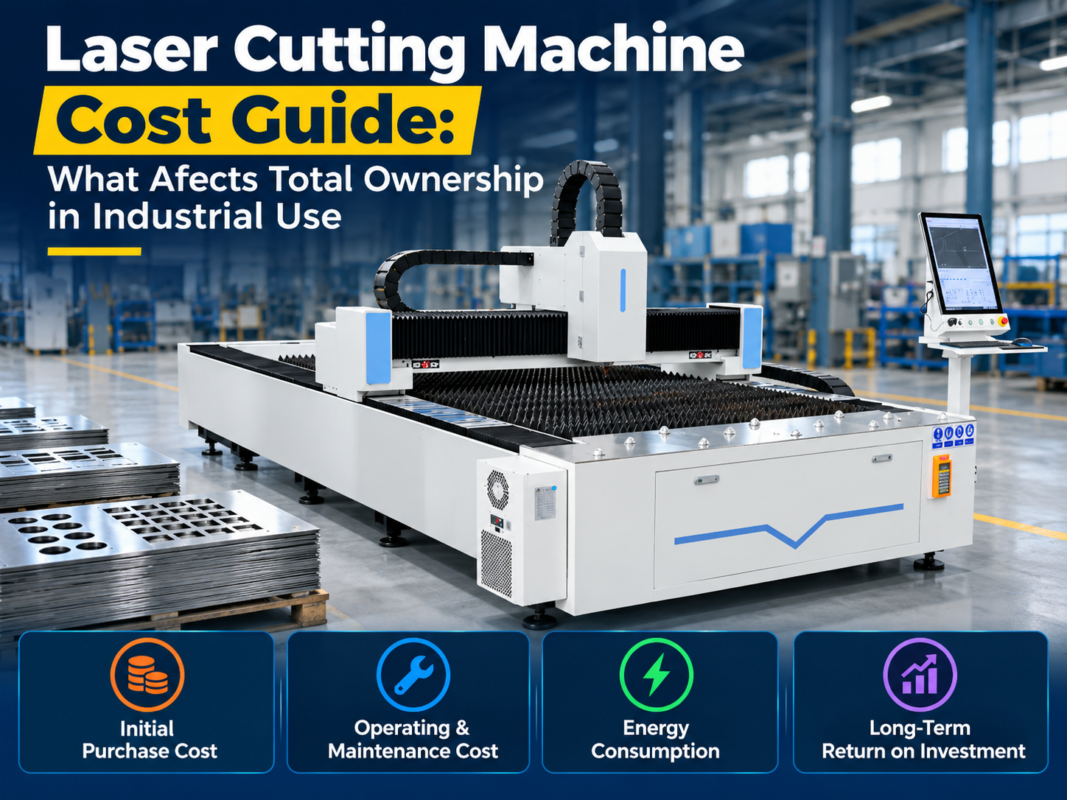
While laser machines are better for highly irregular shapes and very thick materials, punching machines are significantly faster for repetitive holes, knockouts, and forming operations. In many electrical cabinet shops, both machines are used in tandem: the punch for internal features and forming, and the laser for the outer perimeter and complex contours.
4. What is ‘Nibbling’ and why is it used in HVAC?
Nibbling is a process where a small punch makes a series of overlapping hits to create a larger opening or a contoured edge. In HVAC, it is used to create large circular or rectangular holes for duct connections when a dedicated large-diameter tool is not available in the turret.
5. How does material thickness affect the choice of a punching machine?
Thickness dictates the required tonnage. If you primarily work with 1.0mm ducting, a 20-ton machine is sufficient. However, if you manufacture heavy-duty industrial electrical cabinets using 3.0mm steel, a 30-ton or 50-ton machine is necessary to ensure clean cuts and machine longevity.
6. Why are ‘Auto-Index’ stations important for electrical cabinets?
Auto-index stations allow the tool to rotate 360 degrees. This is vital for electrical cabinets because it allows a single rectangular tool to punch holes at any angle, or a single ‘D’ shaped tool to create various orientations of knockouts, greatly increasing the machine’s flexibility without adding more tools.