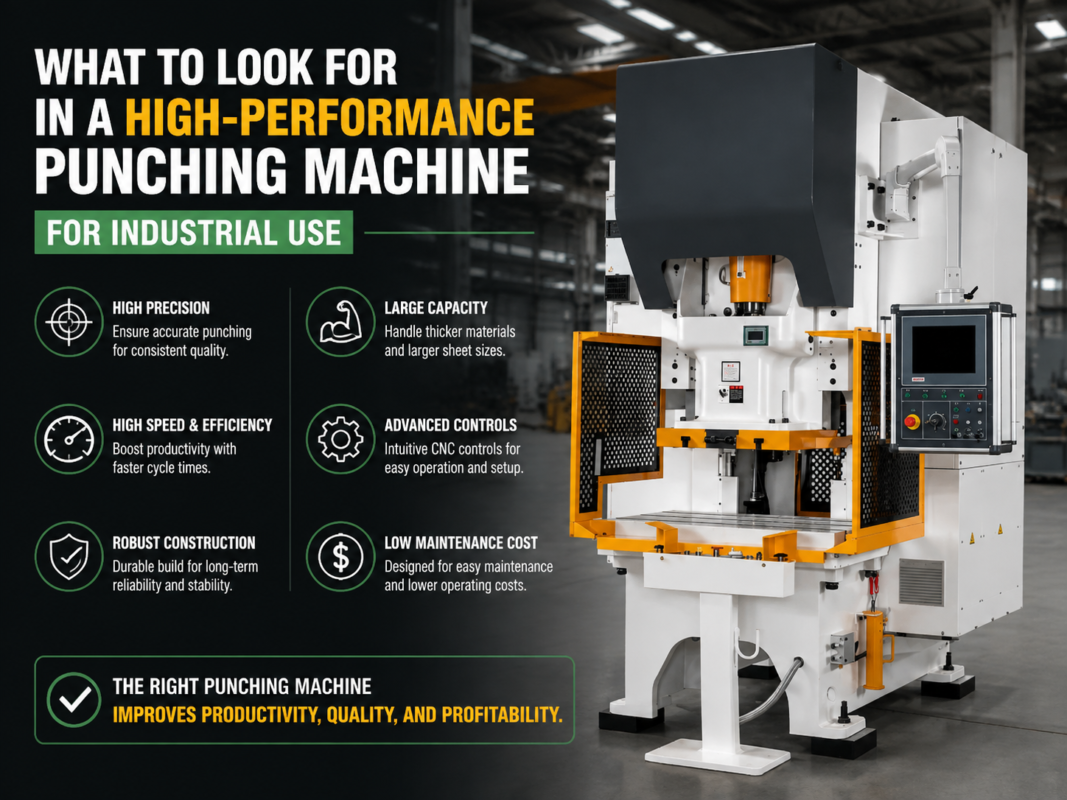
How Punching Machines Improve Production Efficiency In Metal Workshops


Introduction to Modern Metal Punching
In the competitive landscape of modern manufacturing, the ability to produce high-quality components at rapid speeds is the cornerstone of success. For metal fabrication facilities, the integration of advanced machinery is no longer a luxury but a necessity. Among these critical tools, the punching machine stands out as a primary driver of throughput. Understanding how punching machines improve production efficiency in metal workshops is essential for any business owner looking to scale operations, reduce lead times, and maintain a competitive edge in the global market.
Historically, metal punching was a labor-intensive process involving manual presses and significant physical effort. However, the advent of Computer Numerical Control (CNC) and hydraulic innovations has transformed the punch press into a high-speed, multi-functional powerhouse. Today, HARSLE and other leading manufacturers provide equipment that can perform complex tasks—ranging from simple hole punching to intricate forming, louvering, and even tapping—all within a single setup. This versatility is the first step in understanding the efficiency gains possible in a modern workshop environment.
Efficiency in a metal workshop is measured by more than just the speed of a single stroke. It encompasses material utilization, energy consumption, labor costs, and the reduction of secondary processes. When we discuss how punching machines improve production efficiency in metal workshops, we are looking at a holistic improvement of the entire manufacturing workflow. By automating repetitive tasks and ensuring micron-level precision, these machines allow workshops to handle larger volumes of work with fewer errors and less waste.
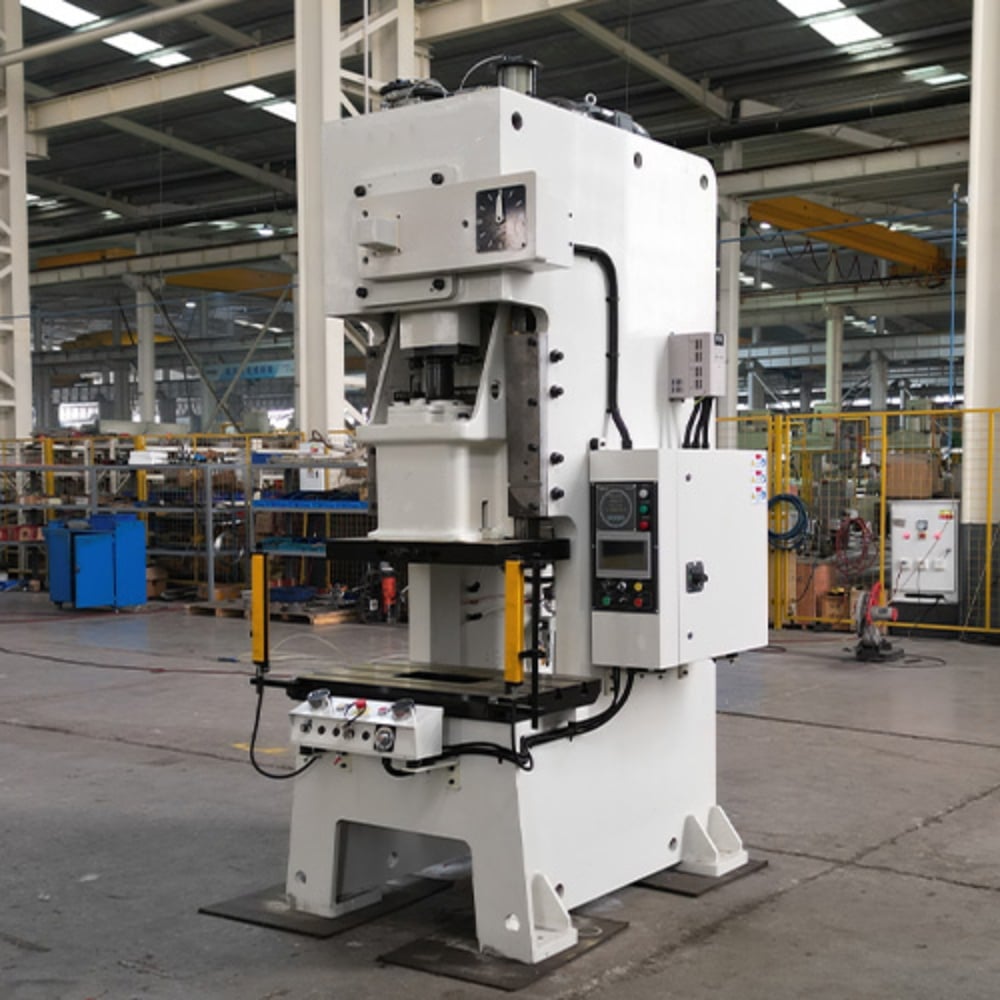
Key Considerations: How Punching Machines Improve Production Efficiency In Metal Workshops
The primary way punching machines improve production efficiency in metal workshops is through the drastic reduction of cycle times. Modern CNC turret punch presses are capable of hundreds of hits per minute. This high-speed operation allows for the rapid creation of complex hole patterns and shapes that would take significantly longer using laser cutting or manual drilling methods. For high-volume production runs, the sheer speed of a mechanical or servo-electric punch press is virtually unmatched.
Another critical factor is the integration of multi-tool turret systems. A turret punch press can hold dozens of different tools simultaneously, allowing the machine to switch between different shapes and sizes of punches in a matter of seconds. This eliminates the need for manual tool changes during a job, which is a major bottleneck in traditional fabrication. By keeping the machine running continuously, workshops can maximize their “green light time”—the actual time the machine is productive—thereby increasing overall equipment effectiveness (OEE).
Material utilization is also a significant area where efficiency is gained. Advanced nesting software, which works in tandem with CNC punching machines, calculates the most efficient way to layout parts on a sheet of metal. By minimizing the gaps between parts and utilizing the edges of the sheet effectively, these machines significantly reduce scrap metal waste. In an era where raw material costs are volatile, the ability to get more parts out of every sheet directly translates to higher profitability and a more sustainable production model.
Furthermore, modern punching machines reduce the need for secondary operations. Many HARSLE punching machines are equipped with forming capabilities, allowing them to create ribs, louvers, countersinks, and even threads (tapping) during the punching cycle. When a part comes off the punch press, it is often ready for the next stage of assembly or finishing, bypassing the need for separate stations for deburring or manual forming. This streamlined flow reduces the movement of parts across the shop floor, which is one of the “seven wastes” of lean manufacturing.
Labor efficiency is perhaps the most visible improvement. A single operator can often manage multiple CNC machines, or in fully automated setups, the machines can run “lights-out” during night shifts. By reducing the physical demand on workers and minimizing the risk of human error, punching machines improve production efficiency in metal workshops by ensuring that the output is consistent, high-quality, and predictable. This allows management to plan production schedules with much greater accuracy.
Technical Details: The Mechanics of High-Speed Punching
To truly appreciate how punching machines improve production efficiency in metal workshops, one must look at the technical innovations under the hood. The drive system is the heart of the machine. Traditional hydraulic systems have been refined to provide immense force with high reliability, while newer servo-electric drives offer even greater precision and energy efficiency. Servo-electric punch presses only consume significant power during the actual punch stroke, leading to energy savings of up to 50% compared to older hydraulic models.
The CNC controller serves as the brain of the operation. Modern controllers feature user-friendly interfaces, 3D simulations, and real-time monitoring. These systems can process complex G-code instructions rapidly, ensuring that the movement of the X and Y axes is perfectly synchronized with the ram stroke. This synchronization is what allows for “nibbling”—a process where a series of small overlapping holes are punched to create a large or irregular shape—at incredible speeds without compromising the structural integrity of the sheet.
| Feature | Impact on Efficiency | Technical Advantage |
|---|---|---|
| Auto-Index Stations | Reduces tool count and setup time | Allows tools to rotate 360 degrees for any angle punch |
| High-Speed Hydraulics | Increases hits per minute (HPM) | Rapid ram cycle with minimal dwell time |
| Nesting Software | Maximizes material yield | Algorithmic optimization of part placement |
| Brush Tables | Protects material surface | Reduces secondary polishing and finishing needs |
| Automatic Tool Lubrication | Extends tool life | Reduces friction and heat during high-speed cycles |
Tooling technology has also seen massive leaps forward. Long-life coatings, such as Titanium Nitride (TiN), allow tools to last through hundreds of thousands of hits before requiring sharpening. Quick-change tool holders and modular tooling systems mean that even when a tool change is necessary, it can be performed in under a minute. In a high-mix, low-volume production environment, this flexibility is vital for maintaining efficiency.
The frame design of the machine also plays a role. O-frame (or closed-frame) designs provide superior rigidity compared to older C-frame models. This rigidity minimizes “deflection”—the slight bending of the frame under high pressure. By keeping the punch and die in perfect alignment, the machine ensures cleaner cuts and less wear on the tooling, which in turn reduces downtime for maintenance and tool replacement. This structural integrity is a key reason why punching machines improve production efficiency in metal workshops over long-term operation.
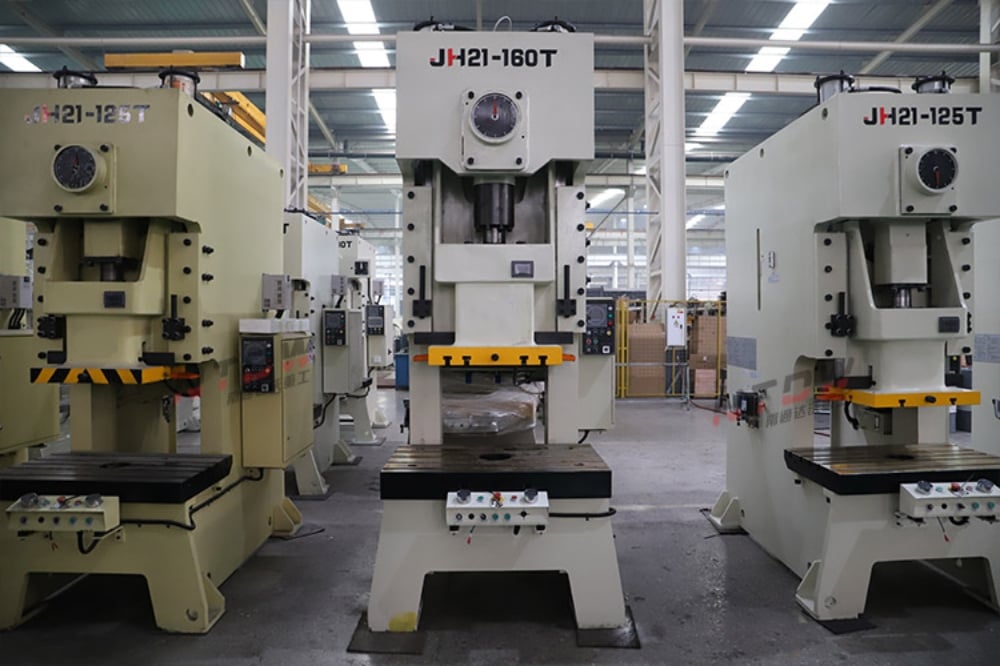
Selection Advice: Choosing the Right Punching Machine for Your Workshop
Selecting the right equipment is the first step in ensuring that punching machines improve production efficiency in metal workshops. The first consideration should be the tonnage. Tonnage refers to the amount of force the machine can apply. If you primarily work with thin aluminum or light-gauge steel, a 20-ton machine might suffice. However, for thicker stainless steel or heavy-duty industrial components, a 30-ton or 50-ton press is necessary. Overloading a machine leads to premature wear, while underutilizing a high-tonnage machine is an inefficient use of capital.
Next, evaluate the turret capacity and configuration. For workshops that produce a wide variety of parts, a larger turret with more stations (e.g., 32 or 58 stations) is preferable. Look for machines that offer multiple “Auto-Index” stations. These stations allow the tool to rotate to any angle, which can replace several fixed-angle tools, effectively increasing the versatility of your turret without adding more physical stations.
Consider the level of automation required. If your workshop handles high-volume, repetitive tasks, investing in a machine with automatic loading and unloading systems can provide a massive boost to efficiency. These systems handle the heavy lifting of large metal sheets, reducing operator fatigue and the risk of workplace injuries. For smaller shops, a stand-alone CNC punch press with a high-speed controller might be the more cost-effective way to improve efficiency.
Software compatibility is another crucial factor. Ensure that the machine’s controller and nesting software can easily integrate with your existing CAD/CAM systems. The ability to seamlessly transfer designs from the engineering office to the shop floor reduces the chance of data entry errors and speeds up the transition from design to finished product. HARSLE machines are designed with open architecture in mind, making them compatible with industry-standard software solutions.
Finally, do not overlook the importance of after-sales support and maintenance. A machine is only efficient when it is running. Choosing a manufacturer like HARSLE ensures access to spare parts, technical expertise, and regular maintenance schedules. A well-maintained machine will continue to improve production efficiency in metal workshops for decades, whereas a neglected one will become a liability due to frequent breakdowns and poor accuracy.
Frequently Asked Questions (FAQ)
How does a punching machine compare to a laser cutting machine in terms of efficiency?
While laser cutting is excellent for very complex shapes and thick materials, punching machines are generally much faster for repetitive patterns, holes, and forming operations. Punching is also more cost-effective for high-volume runs of standard shapes because the cost per hit is significantly lower than the cost per inch of laser cutting. Additionally, punching machines can perform forming tasks like louvering which lasers cannot do.
Can punching machines handle different types of metals?
Yes, modern punching machines are highly versatile. They can process carbon steel, stainless steel, aluminum, copper, and brass. The key is to use the correct tooling and adjust the machine settings (such as clearance between the punch and die) to suit the specific material’s thickness and hardness.
What is the typical lifespan of a CNC punching machine?
With proper maintenance, a high-quality CNC punching machine from a reputable manufacturer like HARSLE can last 15 to 20 years or more. Regular lubrication, tool sharpening, and software updates are essential to maintaining peak efficiency throughout the machine’s life.
Is it difficult to train operators for CNC punching machines?
Modern CNC interfaces are designed to be intuitive. While there is a learning curve for programming and setup, most operators with a basic understanding of metalworking can become proficient within a few weeks. Many machines also feature graphical simulations that help operators catch errors before the punching begins.
How does nesting software improve efficiency?
Nesting software automatically arranges the parts to be cut on a sheet of metal to minimize waste. By reducing the amount of scrap, you save money on raw materials. It also optimizes the path the machine takes to punch the parts, which reduces the total cycle time for each sheet.
Conclusion
In conclusion, the evidence is clear: punching machines improve production efficiency in metal workshops through a combination of speed, versatility, and precision. By integrating CNC technology, multi-tool turrets, and advanced software, these machines transform the fabrication process from a series of disconnected tasks into a streamlined, high-output operation. Whether it is through reducing material waste, eliminating secondary forming processes, or enabling automated production, the impact of a high-quality punch press on a workshop’s bottom line is profound.
For workshops looking to modernize, the transition to advanced punching technology is a strategic investment. As we have explored, the technical details—from servo-electric drives to auto-index stations—all serve the singular goal of maximizing productivity. By carefully selecting a machine that matches your specific production needs and maintaining it through professional support, you ensure that your facility remains competitive in an increasingly demanding industry. HARSLE remains dedicated to providing the tools and technology necessary for workshops to reach their full potential, proving time and again that the right machinery is the key to industrial excellence.