Top Punching Machine Applications for HVAC Duct Manufacturing: A Comprehensive Guide


Introduction to Punching Machines in the HVAC Industry
The Heating, Ventilation, and Air Conditioning (HVAC) industry is one of the most demanding sectors in modern construction and infrastructure development. At the heart of this industry lies the manufacturing of ductwork—the complex network of pipes and channels that distribute air throughout residential, commercial, and industrial buildings. To achieve the precision, speed, and structural integrity required for these systems, manufacturers rely heavily on advanced metal fabrication equipment. Among these, the punching machine stands out as a cornerstone technology.
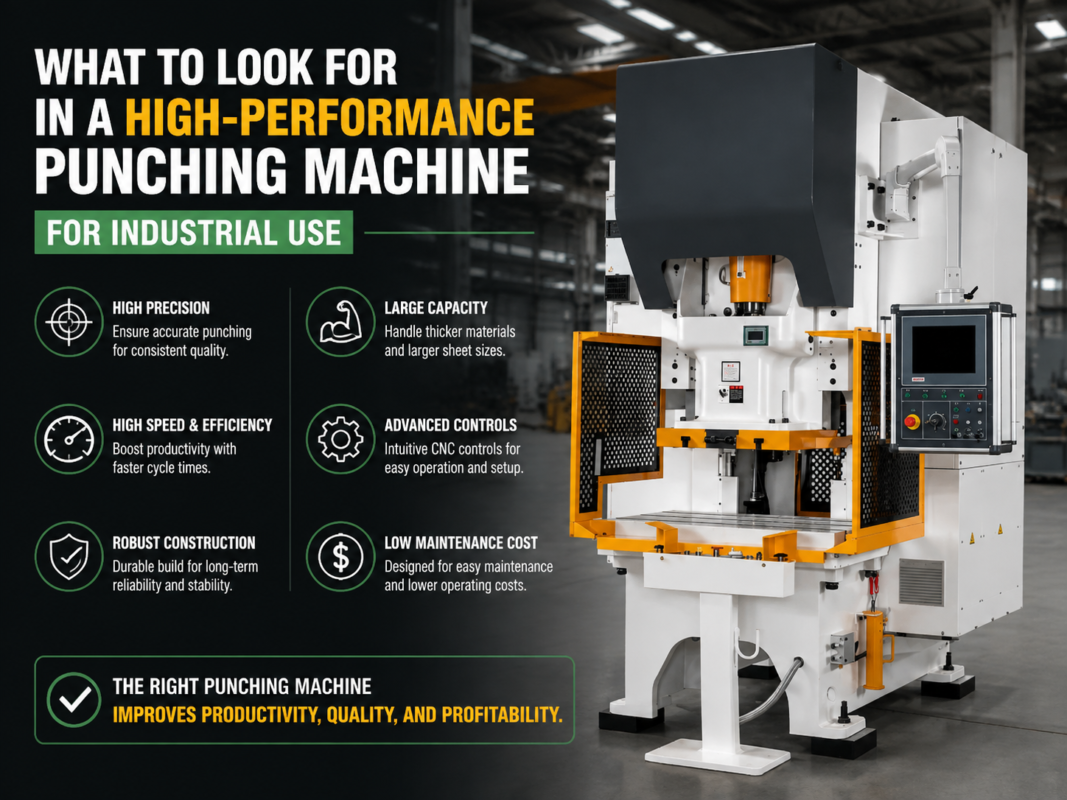
Top punching machine applications for HVAC duct manufacturing have evolved significantly over the last decade. Transitioning from manual, labor-intensive processes to high-speed CNC (Computer Numerical Control) operations, these machines allow for the rapid creation of holes, notches, and specialized shapes in sheet metal. HARSLE, a leader in industrial machinery, provides cutting-edge solutions that cater specifically to these needs, ensuring that ductwork is not only functional but also meets stringent energy efficiency and airtightness standards.
In this comprehensive guide, we will explore the various ways punching machines are utilized in the HVAC sector, the technical nuances that define their performance, and how to select the right equipment for your production line. Whether you are producing rectangular ducts, spiral pipes, or specialized fittings, understanding the role of the punching machine is essential for staying competitive in today’s market.
Key Considerations for HVAC Duct Punching
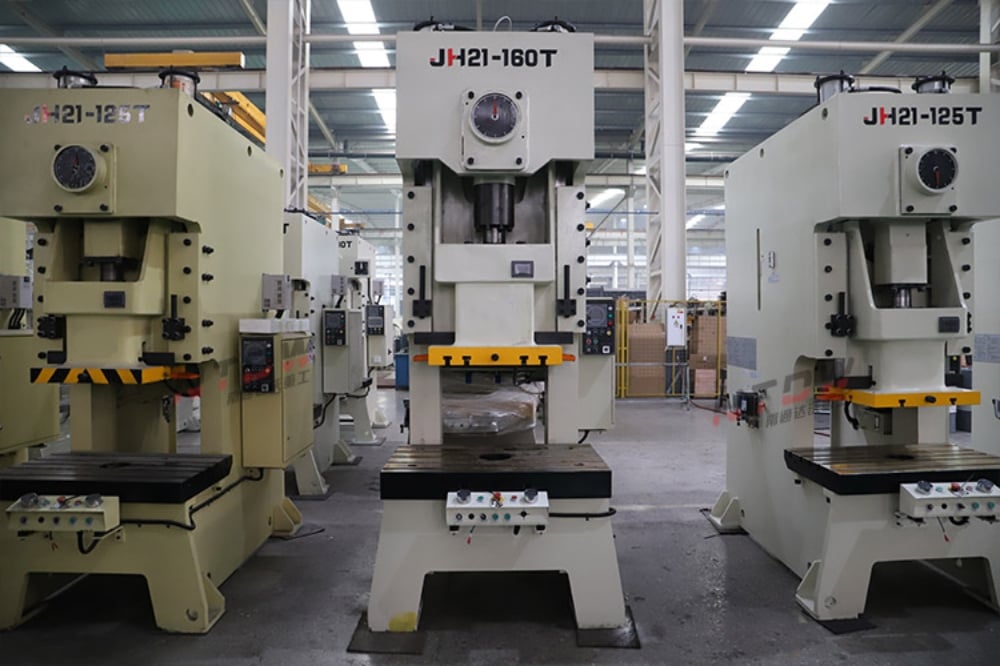
When integrating a punching machine into an HVAC production line, several critical factors must be considered to ensure optimal output. The first is material compatibility. HVAC ducts are primarily constructed from galvanized steel, stainless steel, or aluminum. Each material reacts differently to the punching process. Galvanized steel, for instance, requires clean cuts to prevent the zinc coating from flaking, which could lead to corrosion over time. A high-quality punching machine ensures that the edges are crisp and the protective coating remains intact around the hole perimeter.
Precision and repeatability are equally vital. In HVAC systems, ducts must fit together perfectly to prevent air leakage. Even a minor misalignment in a flange hole or a locking notch can result in significant energy loss and increased operational costs for the end-user. Modern CNC punching machines utilize advanced software to ensure that every punch is executed with sub-millimeter accuracy, regardless of whether it is the first or the thousandth piece in a production run.
Speed and throughput are the lifeblood of large-scale manufacturing. The HVAC industry often operates on tight construction schedules, requiring thousands of feet of ductwork to be produced in short timeframes. Top punching machine applications for HVAC duct manufacturing focus on minimizing cycle times through rapid turret rotation and high-speed sheet positioning. By reducing the time spent on each part, manufacturers can increase their overall capacity without compromising on quality.
Finally, the versatility of tooling cannot be overlooked. HVAC components come in various shapes and sizes, requiring a range of punch geometries. From simple round holes for fasteners to complex notches for TDF (Transverse Duct Flange) corners, the ability to quickly switch between tools or utilize a multi-tool turret is a significant advantage. This flexibility allows manufacturers to handle diverse project requirements on a single machine, reducing the need for multiple specialized units.
Technical Details of Modern Punching Systems
Understanding the technical specifications of a punching machine is crucial for technical buyers and engineers. The primary distinction in modern machinery is the drive system: hydraulic versus servo-electric. Hydraulic punching machines are known for their immense power and reliability, making them suitable for thicker materials used in heavy-duty industrial ventilation. On the other hand, servo-electric systems offer superior energy efficiency and faster stroke rates, which are ideal for the thinner gauges typically found in residential and commercial ductwork.
The CNC controller is the brain of the machine. In HVAC applications, the controller must be compatible with industry-standard CAD/CAM software. This allows designers to export duct layouts directly to the machine, eliminating manual programming errors. Features like automatic sheet repositioning and nesting optimization are also essential. Nesting ensures that the maximum number of parts is punched from a single sheet of metal, significantly reducing material waste—a key factor in maintaining profitability.
| Feature | Hydraulic Punching | Servo-Electric Punching |
|---|---|---|
| Power Source | Hydraulic Fluid/Pump | Electric Servo Motor |
| Energy Efficiency | Moderate | High |
| Stroke Speed | Standard | Very High |
| Maintenance | Regular Fluid Changes | Lower Maintenance |
| Best For | Heavy Gauge/Industrial | High-Speed/Precision |
Tooling geometry also plays a technical role. For HVAC ducts, “nibbling” is a common technique where a series of small, overlapping punches are used to create large or irregular cutouts. This requires a machine with high hit rates and a robust frame to withstand the vibration. Additionally, specialized forming tools can be used within the punching machine to create louvers for ventilation or ribs for structural reinforcement, effectively combining two manufacturing steps into one.
Specific Applications in HVAC Duct Manufacturing
1. Flange Hole Punching
One of the most common applications is the punching of holes in duct flanges. Whether using TDC, TDF, or slip-on flanges, these holes are necessary for bolting duct sections together. The punching machine must ensure that these holes are perfectly spaced and aligned across different sections to facilitate easy assembly on the job site. Automated punching eliminates the variance associated with manual drilling, leading to tighter seals and faster installation.
2. Corner Notching for Duct Folding
Before a flat sheet of metal can be folded into a rectangular duct, the corners must be notched. These notches allow the metal to bend without overlapping or crimping at the seams. CNC punching machines can execute complex notch patterns that include relief holes, which prevent the metal from tearing at the stress points of the bend. This is critical for maintaining the structural integrity of high-pressure duct systems.
3. Louver and Vent Creation
Ventilation panels often require louvers to allow air passage while preventing the entry of debris or water. Instead of using a separate press, a CNC punching machine equipped with louvering tools can form these features directly into the sheet metal. This application is widely used in the production of external air intake hoods and equipment housing for HVAC units.
4. Access Panel and Damper Components
HVAC systems require frequent maintenance, necessitating access panels at various points in the ductwork. Punching machines are used to create the openings for these panels, as well as the mounting holes for hinges and latches. Furthermore, internal components like damper blades and linkages are often produced using punching machines due to the high precision required for moving parts within the airflow.
5. Hanger and Support Holes
Large duct runs require robust hanging systems to secure them to the building structure. Punching machines are used to create uniform holes in the duct walls or specialized support brackets. By automating this process, manufacturers ensure that every support point is positioned according to the engineering specifications, enhancing the safety and longevity of the installation.
Selection Advice: Choosing the Right Machine for Your Shop
Selecting the right punching machine for HVAC duct manufacturing requires a balance between current needs and future growth. The first step is to evaluate your typical material thickness. If your shop primarily handles light-gauge residential ductwork, a high-speed servo-electric machine with a 20-30 ton capacity may be sufficient. However, for industrial projects involving thick stainless steel, a 50-ton hydraulic machine might be necessary.
Consider the throat depth and sheet size capacity. HVAC ducts can be large, and the ability to process full-sized sheets (e.g., 4×8 or 5×10 feet) without manual repositioning will significantly boost efficiency. Look for machines that offer “auto-index” stations in the turret. These stations allow the tool to rotate to any angle, reducing the number of tools needed and allowing for more complex geometries in a single setup.
Software integration is another vital factor. Ensure the machine’s controller is user-friendly and supports the importing of DXF or DWG files. HARSLE machines often come equipped with intuitive interfaces that allow operators to make quick adjustments on the fly, reducing downtime between different jobs. Additionally, consider the availability of local technical support and spare parts, as any machine downtime can halt your entire production line.
Buyer’s Checklist for HVAC Punching Machines:
- Tonnage: Does it meet your thickest material requirement?
- Turret Capacity: How many tool stations are available?
- Accuracy: What is the positioning and repeatability tolerance?
- Software: Is it compatible with your current HVAC design software?
- Energy Consumption: Will a servo-electric model save you money in the long run?
- Footprint: Does the machine fit within your shop layout while allowing for material handling?
Maintenance and Longevity of Punching Equipment
To maximize the return on investment for a punching machine, a rigorous maintenance schedule is essential. The most critical aspect is tool maintenance. Dull punches and dies increase the force required to shear the metal, leading to excessive wear on the machine’s drive system and poor edge quality on the ducts. Regularly sharpening tools and checking for alignment issues will extend the life of both the tooling and the machine.
Lubrication is another key factor. CNC punching machines have many moving parts, including ball screws, linear guides, and the turret mechanism itself. Using the manufacturer-recommended lubricants and ensuring that automated lubrication systems are functioning correctly will prevent premature component failure. For hydraulic machines, regular oil and filter changes are necessary to prevent contamination from damaging sensitive valves and pumps.
Finally, keep the machine environment clean. The punching process generates small metal chips and dust. If allowed to accumulate, these particles can interfere with sensors or get trapped in moving parts. Implementing a daily cleaning routine and using vacuum systems to collect scrap will ensure the machine operates smoothly for years to come. HARSLE provides detailed maintenance guides with every machine to help operators keep their equipment in peak condition.
Frequently Asked Questions (FAQ)
What is the best material for HVAC ducts when using a punching machine?
Galvanized steel is the most common material due to its balance of cost, strength, and corrosion resistance. However, for cleanroom or high-moisture environments, stainless steel or aluminum may be used. Modern punching machines can handle all these materials, provided the correct tooling and clearance are used.
Can a punching machine replace a laser cutter in HVAC manufacturing?
While laser cutters offer more flexibility for complex shapes, punching machines are generally faster and more cost-effective for standard HVAC tasks like hole punching, notching, and forming (louvers). Many high-volume shops use both, or a combination punch-laser machine, to get the best of both worlds.
How does CNC punching improve energy efficiency in HVAC systems?
By providing high-precision cuts and notches, CNC punching ensures that duct components fit together with minimal gaps. This allows for tighter seals, reducing air leakage and ensuring that the HVAC system operates at its designed efficiency, ultimately saving energy for the building owner.
Is it difficult to train operators for CNC punching machines?
Modern CNC interfaces are designed to be intuitive. Operators with basic computer skills can often learn the fundamentals of machine operation within a few days. However, mastering tool selection and nesting optimization may take longer. HARSLE offers training and support to help new users get up to speed quickly.
Conclusion: The Future of HVAC Fabrication
The role of punching machines in HVAC duct manufacturing cannot be overstated. As the industry moves toward more complex, energy-efficient designs and faster construction cycles, the need for precision and automation will only grow. Top punching machine applications for HVAC duct manufacturing—from flange holes to intricate louvers—demonstrate the versatility and necessity of this technology in the modern workshop.
By investing in high-quality equipment from trusted manufacturers like HARSLE, duct manufacturers can ensure they are equipped to meet the challenges of tomorrow. Whether you are looking to upgrade an existing line or build a new facility from the ground up, focusing on the technical capabilities, application flexibility, and maintenance requirements of your punching machine will pave the way for long-term success. The integration of smart CNC technology and robust mechanical design continues to drive the HVAC industry forward, making air distribution safer, more efficient, and more reliable than ever before.