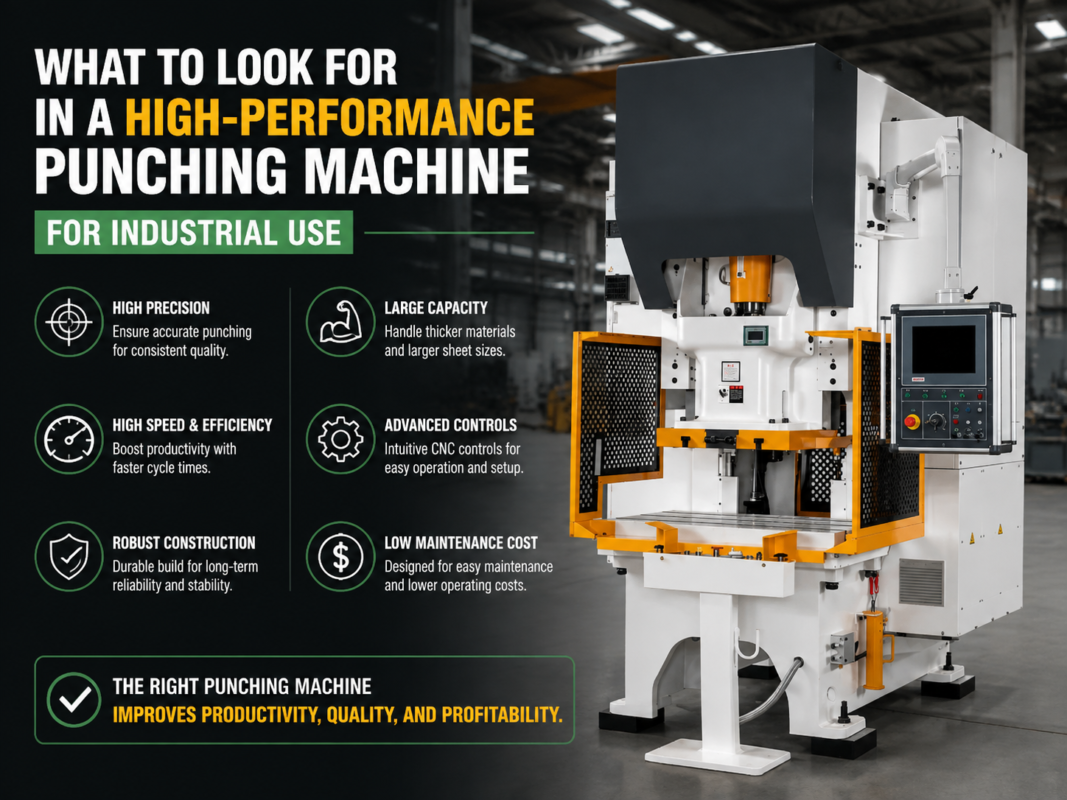
Comprehensive Guide to Punching Machine Applications for Stainless Steel and Aluminum Components


Introduction to Modern Punching Technology in Metal Fabrication
In the rapidly evolving landscape of industrial manufacturing, the demand for precision, speed, and versatility has never been higher. Among the various technologies available, the punching machine remains a cornerstone of sheet metal fabrication. When we discuss Punching Machine Applications Stainless Steel Aluminum Components, we are looking at a specialized intersection of mechanical force and material science. HARSLE has been at the forefront of providing high-performance machinery that caters to these specific needs, ensuring that manufacturers can produce complex parts with minimal waste and maximum efficiency.
Punching machines, particularly CNC (Computer Numerical Control) variants, have transitioned from simple hole-making tools to sophisticated systems capable of forming, louvering, and even tapping. The ability to process both stainless steel and aluminum—two materials with vastly different physical properties—requires a machine that offers both brute strength and delicate control. Stainless steel is prized for its corrosion resistance and strength, while aluminum is favored for its lightweight nature and thermal conductivity. Mastering the application of punching machines for these materials is essential for industries ranging from aerospace to food processing.
This guide aims to provide an in-depth look at how modern punching machines handle these materials, the technical nuances involved in the process, and how to select the right equipment for your specific production goals. By understanding the synergy between the machine and the material, fabricators can unlock new levels of productivity and part quality.
Key Considerations for Punching Stainless Steel and Aluminum
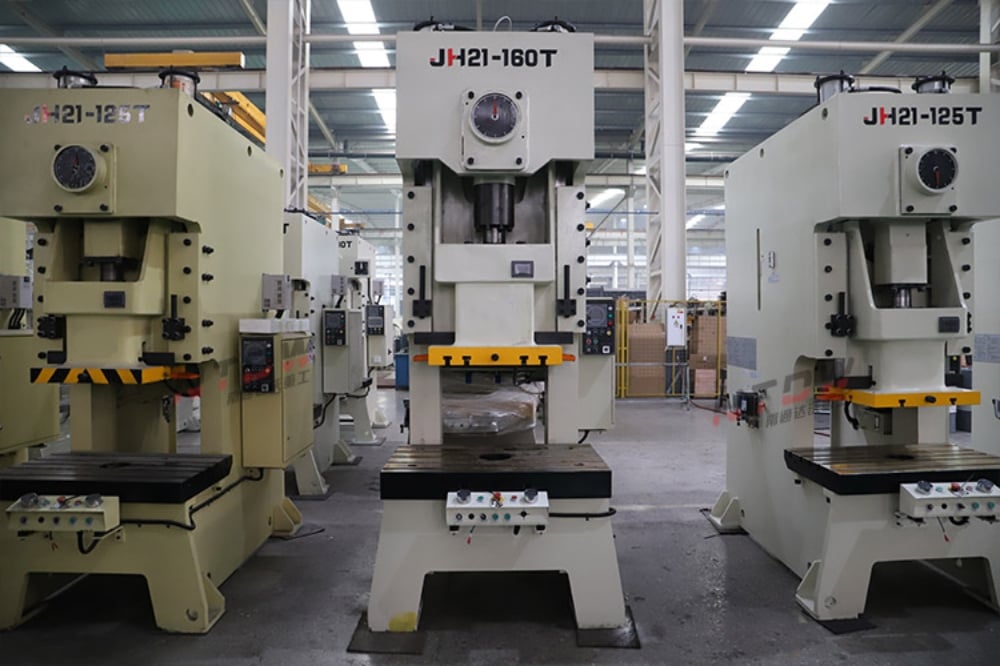
When executing Punching Machine Applications Stainless Steel Aluminum Components, one must first address the inherent differences in material behavior. Stainless steel, especially the 300 and 400 series, is known for its high tensile strength and work-hardening characteristics. This means that as the punch enters the material, the area surrounding the hole becomes harder, requiring more force for subsequent operations and increasing tool wear. To mitigate this, punching machines used for stainless steel must have high tonnage capacity and rigid frames to prevent deflection.
Aluminum, on the other hand, presents a different set of challenges. It is much softer and more ductile than stainless steel, which can lead to “galling” or material pickup on the punch tip. This occurs when small particles of aluminum weld themselves to the tool due to the heat and pressure of the punching cycle. If not managed, galling leads to poor hole quality and eventual tool failure. Furthermore, aluminum surfaces are often sensitive to scratching, necessitating the use of brush tables or specialized ball transfers on the punching machine to protect the material’s finish.
Tooling clearance is another critical factor. For stainless steel, a tighter clearance (typically 15-20% of material thickness) is often required to ensure a clean shear and minimize the rollover zone. For aluminum, a slightly larger clearance might be used to prevent the material from sticking to the punch. Lubrication also plays a pivotal role; while stainless steel requires heavy-duty oils to reduce friction and heat, aluminum often benefits from specialized evaporative lubricants that prevent galling without leaving a residue that interferes with subsequent welding or painting processes.
Finally, the thickness of the material dictates the machine’s duty cycle. Punching thick stainless steel plates requires a machine with a robust hydraulic or servo-electric drive system that can maintain consistent pressure throughout the stroke. Conversely, thin aluminum sheets require high-speed hit rates and precise stroke control to prevent deformation. Understanding these material-specific requirements is the first step in optimizing any punching operation.
Technical Details of High-Performance Punching Machines
Modern punching machines, such as those engineered by HARSLE, incorporate several technical features designed to enhance the processing of stainless steel and aluminum. One of the most significant advancements is the transition from purely mechanical flywheels to servo-hydraulic and full servo-electric drive systems. These systems allow for “programmable ram speeds,” meaning the punch can approach the material quickly, slow down during the actual shear to reduce noise and vibration, and then retract at high speed. This level of control is vital for maintaining the integrity of sensitive aluminum components.
The turret configuration is another technical marvel. A high-capacity turret allows for a wide variety of tools to be housed simultaneously, reducing setup times. For Punching Machine Applications Stainless Steel Aluminum Components, multi-tools are frequently used. These allow a single station in the turret to hold multiple smaller punches, which is ideal for intricate patterns or perforated sheets. Additionally, auto-index stations enable the tool to rotate 360 degrees, allowing for complex geometries and nesting patterns that significantly improve material utilization.
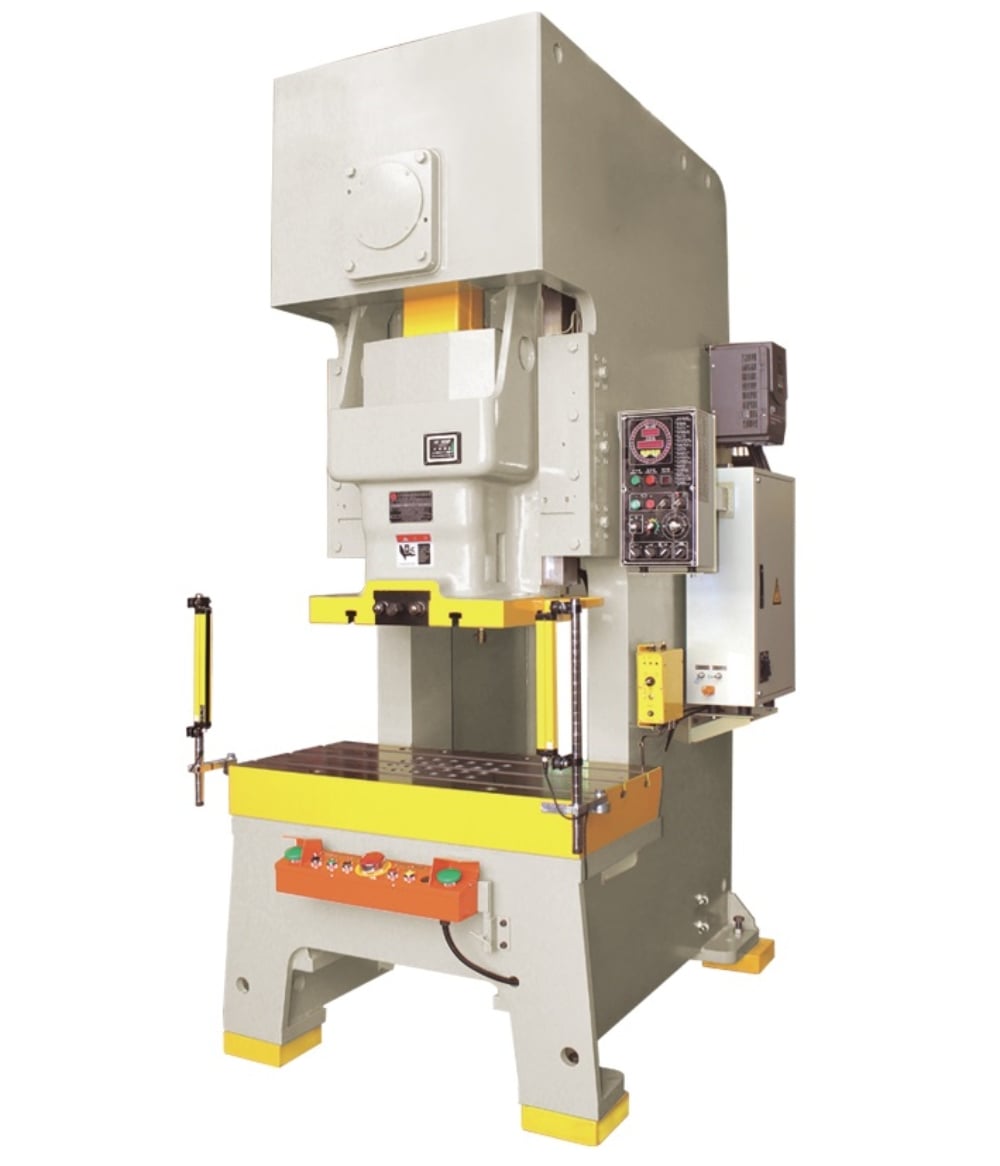
Tooling technology has also kept pace with machine advancements. For stainless steel applications, punches are often coated with Titanium Carbonitride (TiCN) or similar hard coatings to extend tool life against the abrasive nature of the metal. For aluminum, polished punch tips and specialized “slug hugger” dies are used to prevent slugs from pulling back up into the machine, a common issue that can cause significant damage to both the part and the tooling. The integration of vacuum slug removal systems further ensures a clean working environment.
Software integration is the final piece of the technical puzzle. Modern CNC punching machines are paired with advanced CAD/CAM software that optimizes the punching sequence. This software can automatically calculate the best nesting for aluminum sheets to minimize scrap and can suggest the optimal hit rate for stainless steel to prevent overheating. The ability to simulate the punching process before a single hit is made reduces errors and ensures that the final components meet the strict tolerances required in industrial applications.
Diverse Punching Machine Applications for Stainless Steel and Aluminum Components
The versatility of punching machines allows them to serve a vast array of industries. In the realm of Punching Machine Applications Stainless Steel Aluminum Components, the following sectors highlight the machine’s capabilities:
- Aerospace and Aviation: Aluminum is the primary material here due to its weight-to-strength ratio. Punching machines are used to create airframe components, internal brackets, and instrument panels. The precision required is immense, as even a minor burr can lead to structural fatigue over time.
- Food and Medical Equipment: Stainless steel is the gold standard for these industries because of its hygiene properties. Punching machines produce industrial kitchen surfaces, medical trays, and sterilization containers. The ability to create smooth, easy-to-clean holes and forms is paramount.
- Automotive Industry: Both materials are used extensively. Aluminum is used for heat shields and structural reinforcements, while stainless steel is common in exhaust systems and decorative trim. Punching machines allow for the high-volume production of these parts with consistent quality.
- Electronics and Enclosures: Aluminum chassis and stainless steel server racks are common products. Punching machines handle the complex cutouts for connectors, cooling vents (louvers), and mounting points with ease.
- Architectural and Construction: Perforated aluminum panels for building facades and stainless steel handrail components are often produced on large-format punching machines. These applications often require the machine to handle large sheets with high speed and repetitive accuracy.
Beyond simple holes, punching machines are used for “forming” operations. This includes creating offsets, countersinks, and extruded holes for tapping. In aluminum components, these formed features can often replace the need for additional hardware, reducing the overall weight and cost of the assembly. In stainless steel, forming requires precise control of the ram depth to ensure the material does not crack or deform excessively. The ability to perform these operations in a single setup on a punching machine is a significant competitive advantage for fabricators.
Another growing application is the use of punching machines in the renewable energy sector. Aluminum frames for solar panels and stainless steel enclosures for wind turbine controllers are in high demand. These components must withstand harsh environmental conditions, and the clean edges produced by high-quality punching machines help maintain the protective coatings applied to these metals, preventing premature corrosion.
Selection Advice for Industrial Punching Equipment
Choosing the right machine for Punching Machine Applications Stainless Steel Aluminum Components requires a strategic approach. The first factor to consider is the maximum material thickness and type you intend to process. If your primary focus is heavy-gauge stainless steel, you will need a machine with a high tonnage rating (typically 30 tons or more) and a robust frame. If you are primarily working with thin aluminum, speed and surface protection features (like brush tables) should be your priority.
Consider the following checklist when evaluating a punching machine:
- Drive System: Servo-electric drives offer the best energy efficiency and stroke control, which is ideal for delicate aluminum work. Hydraulic systems are often preferred for heavy-duty stainless steel punching due to their consistent force delivery.
- Turret Capacity and Configuration: Ensure the turret has enough stations for your most common tools to minimize changeover time. Look for machines that offer auto-index stations for maximum flexibility.
- Table Type: For aluminum and polished stainless steel, a brush table is essential to prevent scratching. For heavier plates, a ball transfer table may be necessary for ease of movement.
- Software Compatibility: The machine’s controller should be compatible with industry-standard CAD/CAM software. Features like remote diagnostics and automated nesting can significantly improve ROI.
- After-Sales Support: Industrial machinery is a long-term investment. Choose a manufacturer like HARSLE that provides comprehensive training, readily available spare parts, and expert technical support.
Furthermore, evaluate the machine’s footprint and how it fits into your existing workflow. Automation options, such as automatic sheet loaders and unloaders, can be added to many modern punching machines. For high-volume production of aluminum components, these automation features can allow for “lights-out” manufacturing, drastically reducing labor costs and increasing throughput. For stainless steel, where tool maintenance is more frequent, look for machines with easy-access turrets and quick-change tooling systems.
Maintenance and Tooling Longevity
To maintain peak performance in Punching Machine Applications Stainless Steel Aluminum Components, a rigorous maintenance schedule is required. For the machine itself, regular lubrication of the ram, turret, and X/Y axes is critical. Hydraulic systems require periodic oil changes and filter replacements to prevent contamination that can lead to valve failure. Servo systems, while requiring less mechanical maintenance, should have their electrical connections and cooling fans checked regularly.
Tooling maintenance is perhaps even more important when working with stainless steel and aluminum. For stainless steel, tools should be sharpened frequently. A dull punch increases the required force and generates more heat, which accelerates tool wear and degrades the part quality. Using a specialized tool grinder ensures that the punch face remains flat and the edges sharp. For aluminum, the focus is on cleanliness. Tools should be inspected for galling and cleaned using appropriate solvents or fine abrasives to remove any adhered aluminum particles.
Implementing a tool management system can help track the number of hits each tool has performed. This allows for “predictive maintenance,” where tools are sharpened or replaced before they fail or cause part defects. Additionally, using high-quality lubricants specifically formulated for the material being punched will significantly extend tool life and improve the surface finish of the components.
Frequently Asked Questions (FAQ)
1. Can I use the same tools for both stainless steel and aluminum?
While the physical tool might fit the machine, the geometry and clearance requirements differ. Stainless steel typically requires a tighter clearance and harder coatings, while aluminum may require larger clearances and polished surfaces to prevent galling. It is best practice to have dedicated tool sets or at least change the dies to match the material thickness and type.
2. What is the maximum thickness of stainless steel a punching machine can handle?
This depends on the machine’s tonnage. A standard 30-ton CNC turret punch can typically handle up to 6mm (0.25″) thick stainless steel, though this may vary based on the hole diameter. Always consult the machine’s tonnage chart to avoid overloading the frame or damaging the tooling.
3. How do I prevent scratching on aluminum sheets during punching?
The best way to prevent scratching is to use a machine equipped with a brush table rather than a steel ball table. Additionally, ensuring that the sheet is clean and using tools with “urethane strippers” can help protect the material surface during the punching cycle.
4. Why are my punches wearing out so fast when working with stainless steel?
Stainless steel’s work-hardening property is the likely culprit. Ensure you are using high-quality, coated tooling (like TiCN), maintaining proper lubrication, and sharpening the tools regularly. Also, check that your clearance is not too tight, which can cause excessive friction and heat.
5. Is CNC punching better than laser cutting for these materials?
It depends on the application. CNC punching is generally faster and more cost-effective for parts with many holes, forms (like louvers), or repetitive patterns. Laser cutting is better for highly complex exterior contours or very thick materials where punching force is insufficient. Many shops use both technologies to complement each other.
Conclusion
Mastering Punching Machine Applications Stainless Steel Aluminum Components is a vital skill for any modern fabrication shop. By understanding the unique characteristics of these materials—the strength and work-hardening of stainless steel versus the lightness and ductility of aluminum—manufacturers can tailor their processes for maximum efficiency. HARSLE continues to innovate in this space, providing the robust hardware and intelligent software necessary to tackle the most demanding projects.
Whether you are producing intricate aerospace parts from aluminum or durable food-grade equipment from stainless steel, the right punching machine is an invaluable asset. By focusing on proper machine selection, technical precision, and diligent maintenance, you can ensure that your production line remains competitive, productive, and capable of delivering high-quality components to your customers. As technology continues to advance, the role of the punching machine will only grow, offering even more possibilities for innovation in metal fabrication.