What to Look for in a High-Performance Punching Machine for Industrial Use


Introduction to High-Performance Industrial Punching
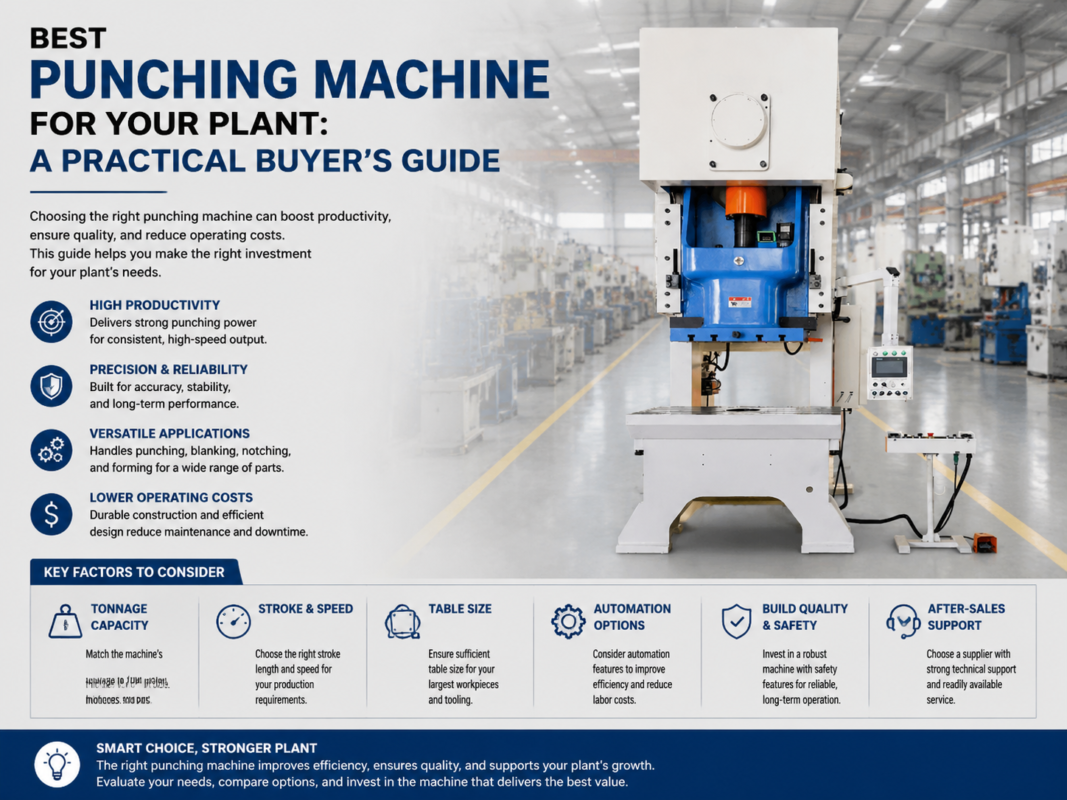
In the competitive landscape of modern metal fabrication, the ability to produce high-quality components with speed and precision is the hallmark of a successful operation. For industrial manufacturers, the punching machine remains a cornerstone of the shop floor. However, as technology evolves, the criteria for what constitutes a “high-performance” machine have shifted. It is no longer just about the ability to poke holes in metal; it is about integration, energy efficiency, stroke control, and multi-tool versatility. When you begin to look in a high-performance punching machine industrial use, you are essentially looking for a partner that will define your production capacity for the next decade.
HARSLE understands that the transition from manual or entry-level equipment to high-performance CNC systems is a significant investment. This guide is designed to navigate the complexities of the market, helping procurement managers and shop owners identify the features that drive real-world value. Whether you are processing thin aluminum for electronics enclosures or heavy steel plates for structural components, the nuances of machine configuration can make or break your profit margins. We will explore the technical specifications, the economic drivers, and the long-term considerations necessary for an informed purchase.
Price Range Overview: Navigating the Investment
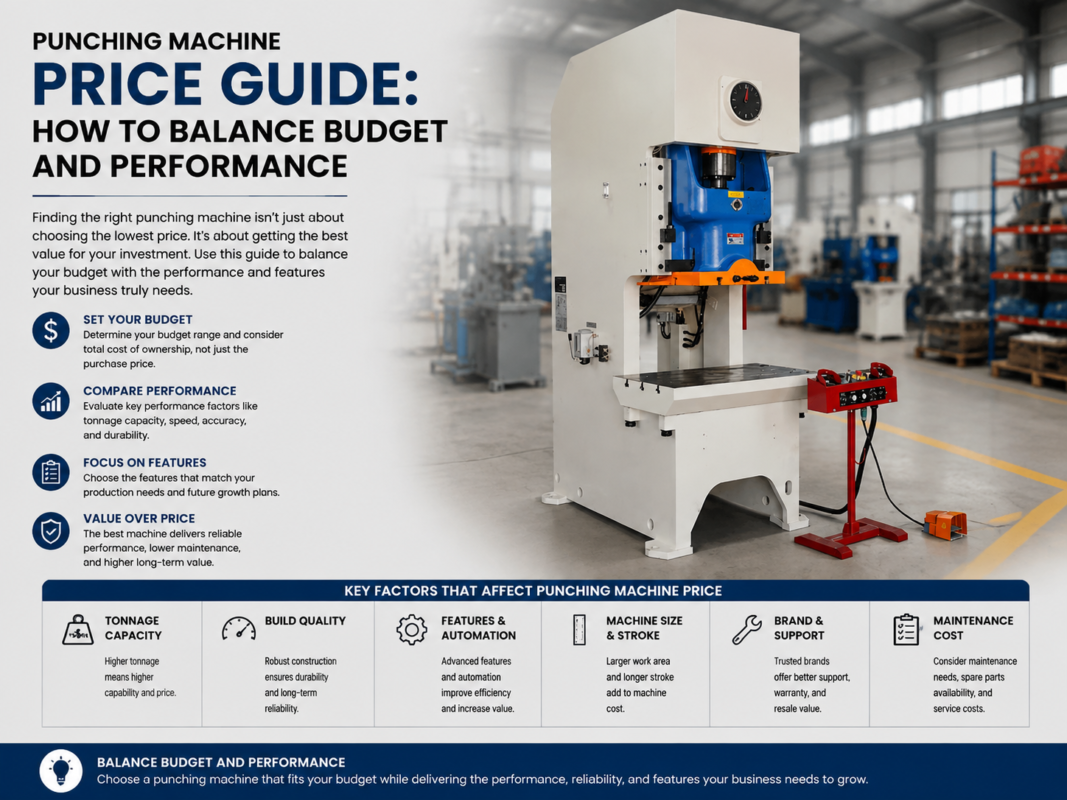
The price of industrial punching machines varies wildly based on technology, capacity, and brand reputation. At the entry-level, you might find basic mechanical power presses or small-scale CNC punchers ranging from $15,000 to $40,000. These machines are suitable for low-volume work or simple geometries, but they often lack the speed and automated features required for high-performance industrial environments. They serve as excellent starting points for small shops but may become bottlenecks as production demands scale.
Mid-range machines, which typically cost between $50,000 and $120,000, represent the sweet spot for many growing fabrication businesses. In this bracket, you start to see robust CNC turret designs, hydraulic ram systems with better stroke control, and larger bed sizes. These machines are capable of handling a wider variety of materials and thicknesses, offering a significant jump in hits-per-minute (HPM) and positioning accuracy. HARSLE’s mid-range offerings focus on balancing these performance metrics with user-friendly interfaces to ensure a quick learning curve for operators.
High-end, high-performance punching machines can exceed $200,000 and often reach into the $500,000 range when fully automated. These systems are characterized by servo-electric drive technology, massive turret capacities (often with 30 to 50 stations), and integrated loading/unloading robotics. When you look in a high-performance punching machine industrial use at this level, you are paying for maximum uptime, minimal manual intervention, and the highest possible precision. These machines are designed for 24/7 operation and are often integrated into larger Flexible Manufacturing Systems (FMS).
Main Cost Drivers in Industrial Punching Machines
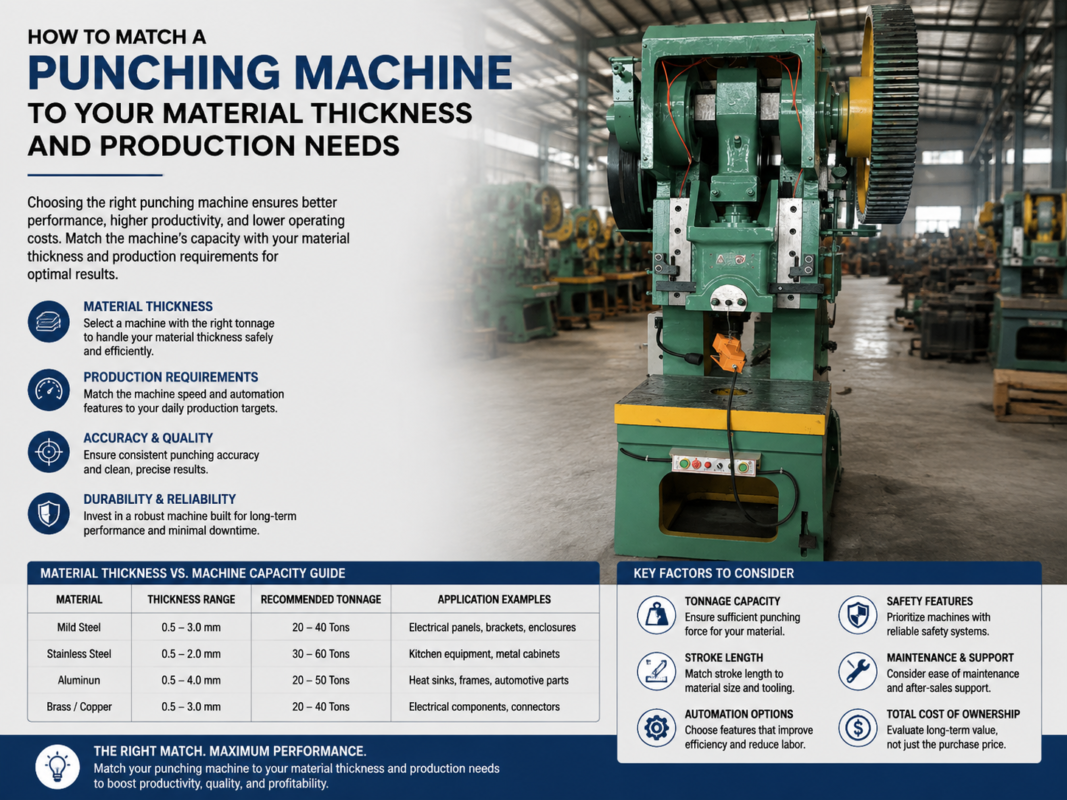
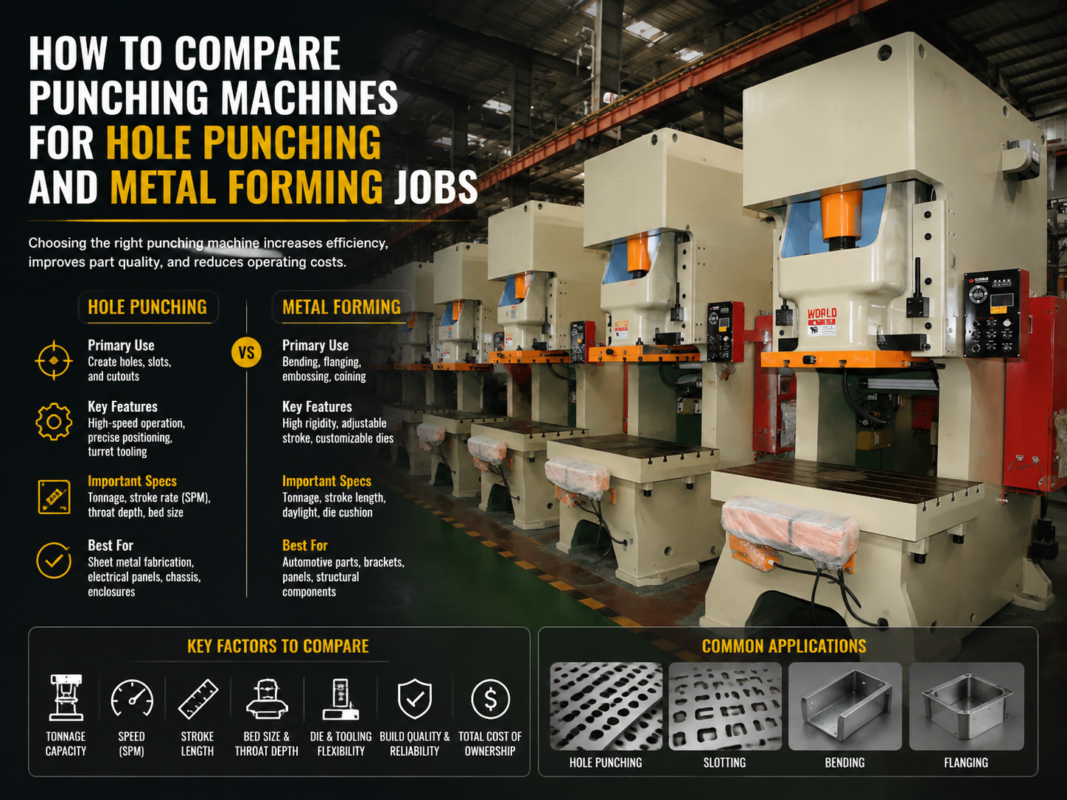
Understanding what drives the cost of a punching machine is essential for budgeting. The primary driver is the Tonnage. A 30-ton machine is standard for most sheet metal work, but if your application requires punching thicker materials or larger diameters in a single hit, you may need 50 tons or more. The frame construction—whether it is a traditional C-frame or a more rigid O-frame (bridge frame)—also impacts cost. O-frames are generally more expensive because they offer superior rigidity, which reduces tool wear and improves accuracy over long production runs.
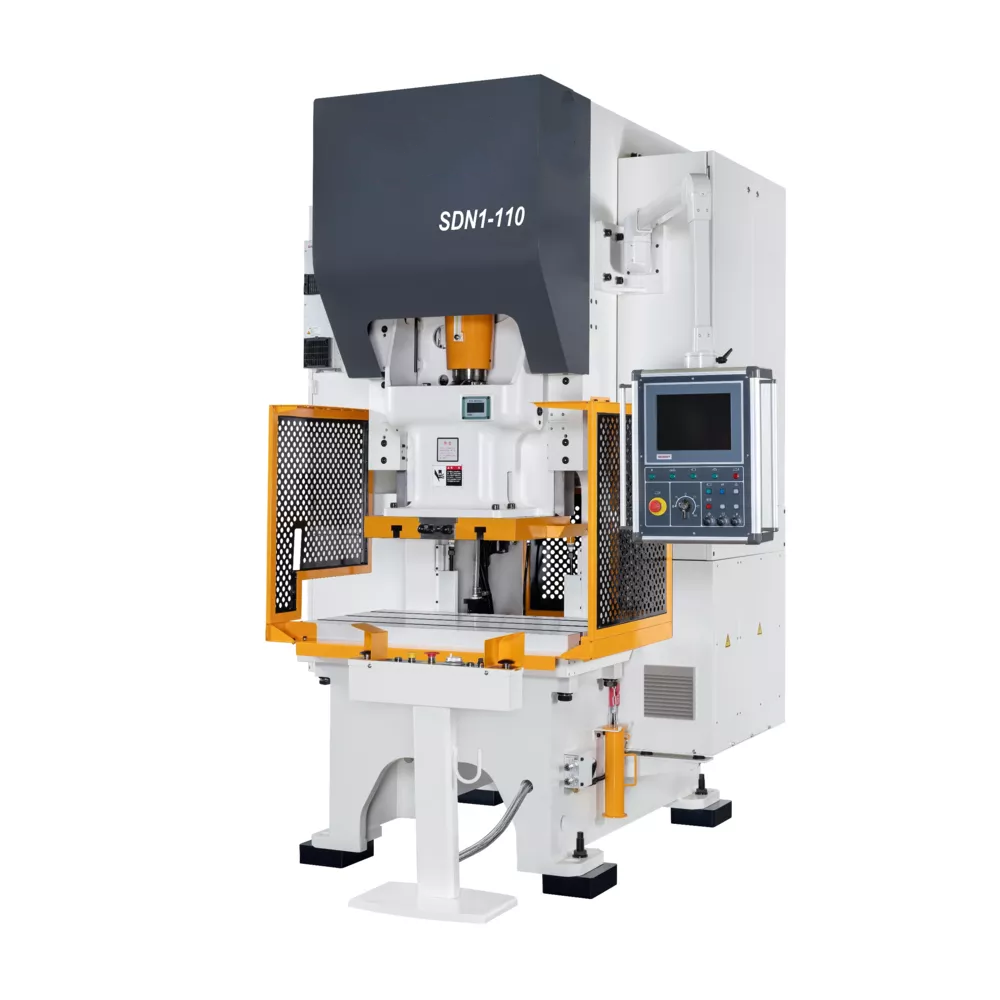
Another significant cost driver is the Hit Rate and Positioning Speed. High-performance machines are rated by how many holes they can punch per minute on 1-inch centers and their nibbling speed. A machine capable of 1,000 HPM requires sophisticated cooling systems, high-speed servo motors, and advanced CNC controllers, all of which add to the initial purchase price. Furthermore, the complexity of the turret—specifically the number of auto-index stations—plays a role. Auto-index stations allow the tool to rotate to any angle, reducing the number of tools needed and decreasing setup times, but the mechanical complexity involved increases the machine’s price.
Finally, the Control System itself is a major component of the cost. High-end machines utilize controllers from industry leaders like Fanuc or Siemens, which offer better processing power, 3D simulation capabilities, and easier integration with CAD/CAM software. These controllers ensure that the machine can handle complex nesting patterns and intricate geometries without lagging. While a cheaper, proprietary controller might save money upfront, it can lead to difficulties in sourcing spare parts or finding technicians capable of servicing the unit in the future.
Configuration Impact: Mechanical vs. Hydraulic vs. Servo-Electric
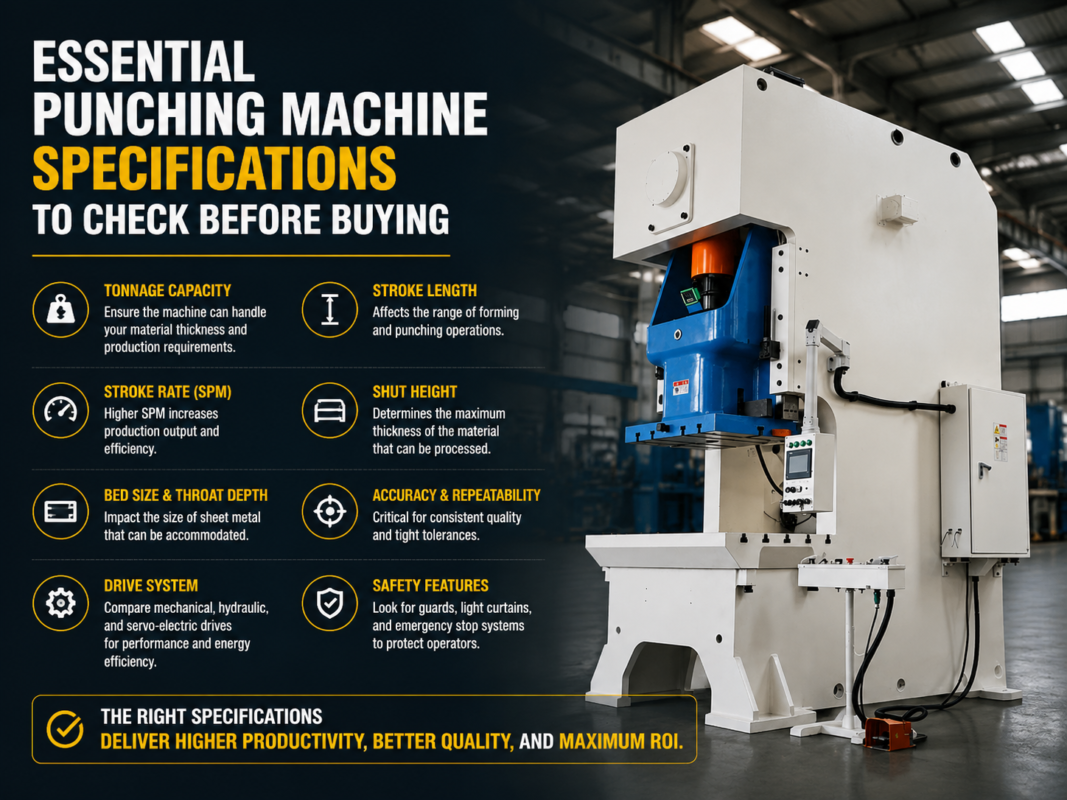
The drive system is perhaps the most critical configuration choice when you look in a high-performance punching machine industrial use. Traditional Mechanical Presses use a flywheel and clutch system. They are fast and relatively inexpensive but lack flexibility in stroke control. You cannot easily adjust the depth of the punch, which limits their use for forming operations like louvers or countersinks. For high-performance industrial use, mechanical systems are increasingly being replaced by more versatile technologies.
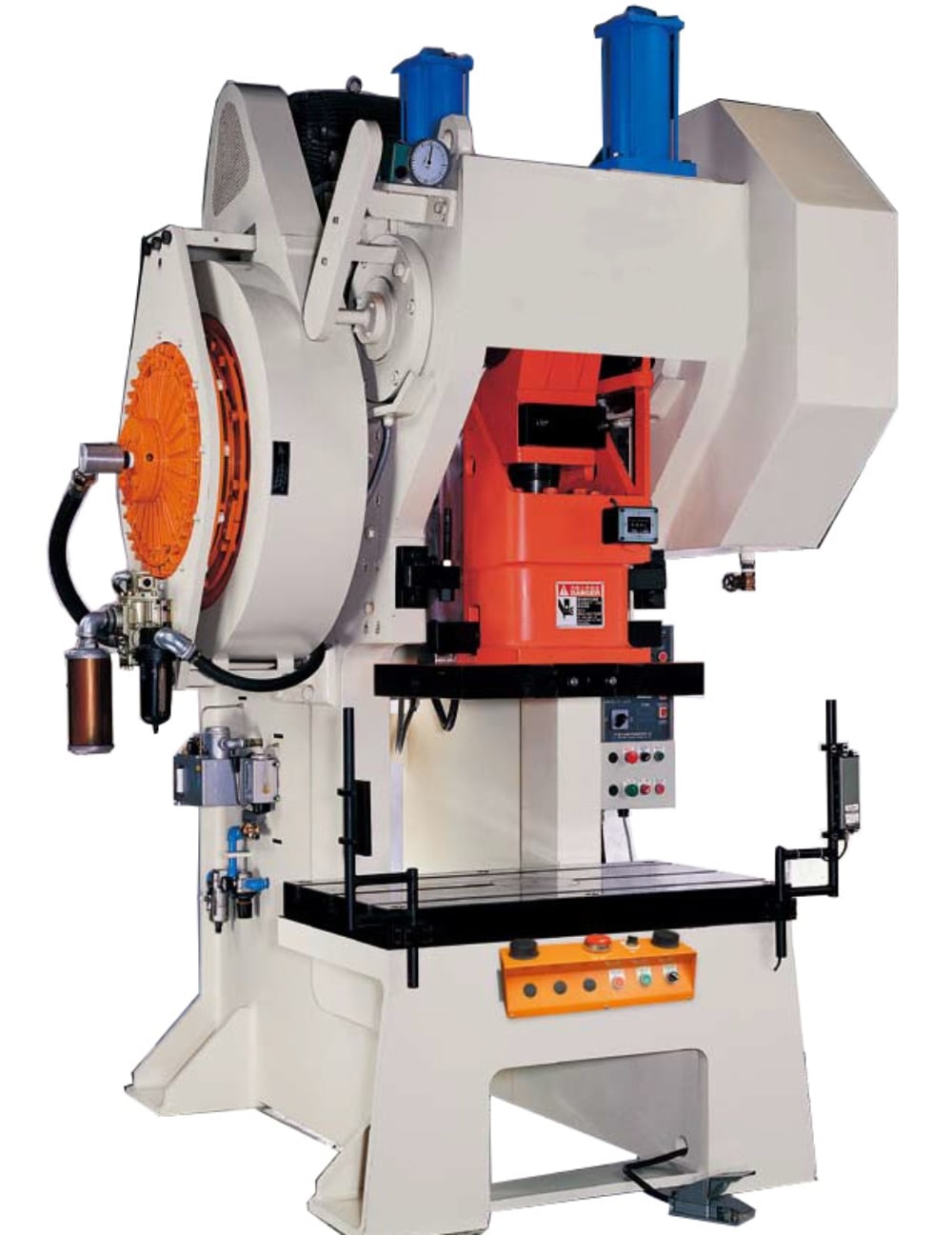
Hydraulic Punching Machines offer excellent control over the ram’s position and pressure. This allows for complex forming, quiet operation, and the ability to deliver full tonnage at any point in the stroke. However, hydraulic systems require more maintenance (oil changes, seal replacements) and can be less energy-efficient than newer alternatives. They are often favored for heavy-duty applications where raw power and stroke flexibility are paramount. HARSLE provides advanced hydraulic systems that minimize heat generation, addressing one of the traditional downsides of this technology.
Servo-Electric Drive Systems represent the pinnacle of modern punching technology. These machines use a high-torque servo motor to drive the ram directly or through a toggle mechanism. The result is incredible precision, the highest hit rates, and significantly lower energy consumption—often 50-70% less than hydraulic systems. Because there is no oil to heat up, the machine’s performance remains consistent from the first hit of the morning to the last hit of the shift. While the initial investment is higher, the reduction in electricity costs and maintenance makes them the preferred choice for high-performance industrial environments.
Beyond the drive system, the Turret Configuration is vital. You must choose between “Thick Turret” and “Thin Turret” (or Trumpf-style) tooling. Thick turret tooling is the most common in North America and Asia, offering better tool support and longer tool life. The number of stations in the turret determines how many different shapes you can punch without a manual tool change. A high-performance machine should feature a mix of small, medium, and large stations, along with several auto-index stations to maximize versatility and minimize downtime.
Hidden Costs of Ownership
When budgeting for a punching machine, the sticker price is only the beginning. One of the most significant hidden costs is Tooling. A high-performance turret might have 30 stations, and filling those stations with high-quality punches and dies can cost thousands of dollars. Furthermore, tools are consumables; they require regular sharpening and eventual replacement. Investing in a tool grinder and high-quality tool steel can mitigate these costs over time, but they must be factored into the initial operational budget.
Software and Integration is another area where costs can creep up. To truly leverage a high-performance machine, you need advanced CAD/CAM software that can optimize nesting to reduce material waste and automatically generate tool paths. Many manufacturers charge annual licensing fees for this software. Additionally, training your staff to use both the machine and the software is a hidden but necessary expense. A machine is only as productive as the person operating it, and skimping on training can lead to costly errors or underutilization of the machine’s features.
Finally, consider Infrastructure and Maintenance. High-performance machines often require specific foundation work to handle the vibrations and weight. They also need a clean, stable power supply and, in the case of pneumatic components, high-quality compressed air. Routine maintenance—lubrication, filter changes, and sensor calibrations—is essential to prevent unplanned downtime. Neglecting these tasks can lead to catastrophic failures that far exceed the cost of a preventative maintenance contract. When you look in a high-performance punching machine industrial use, always ask about the availability and cost of spare parts in your region.
ROI Calculation: Is the Upgrade Worth It?
Calculating the Return on Investment (ROI) for a high-performance punching machine involves more than just comparing the speed of the new machine to the old one. You must look at the Total Cycle Time. This includes setup time, material loading, punching time, and unloading. A high-performance machine with an auto-index turret and a sophisticated controller can reduce setup times by 50% or more. If your shop does many short runs, this reduction in setup time is often more valuable than the raw hits-per-minute speed.
Material Utilization is another key factor. Advanced nesting software, paired with the precision of a high-performance CNC, allows you to place parts closer together, significantly reducing scrap. In industries where material costs are high (such as stainless steel or specialized alloys), a 5-10% improvement in material yield can save tens of thousands of dollars annually. Furthermore, the ability to perform secondary operations like tapping, forming, and deburring directly on the punching machine eliminates the need for separate workstations and additional labor, further boosting the ROI.
To calculate a basic ROI, estimate the annual labor savings, material savings, and the value of the increased capacity. For example, if a new machine allows you to produce 30% more parts with the same labor force and reduces scrap by 5%, you can calculate the dollar value of that increased output. Subtract the annual cost of financing, maintenance, and tooling. In many industrial settings, a well-chosen high-performance punching machine can pay for itself in 18 to 36 months, depending on the shift structure and workload volume.
Buying Advice: A Checklist for Industrial Users
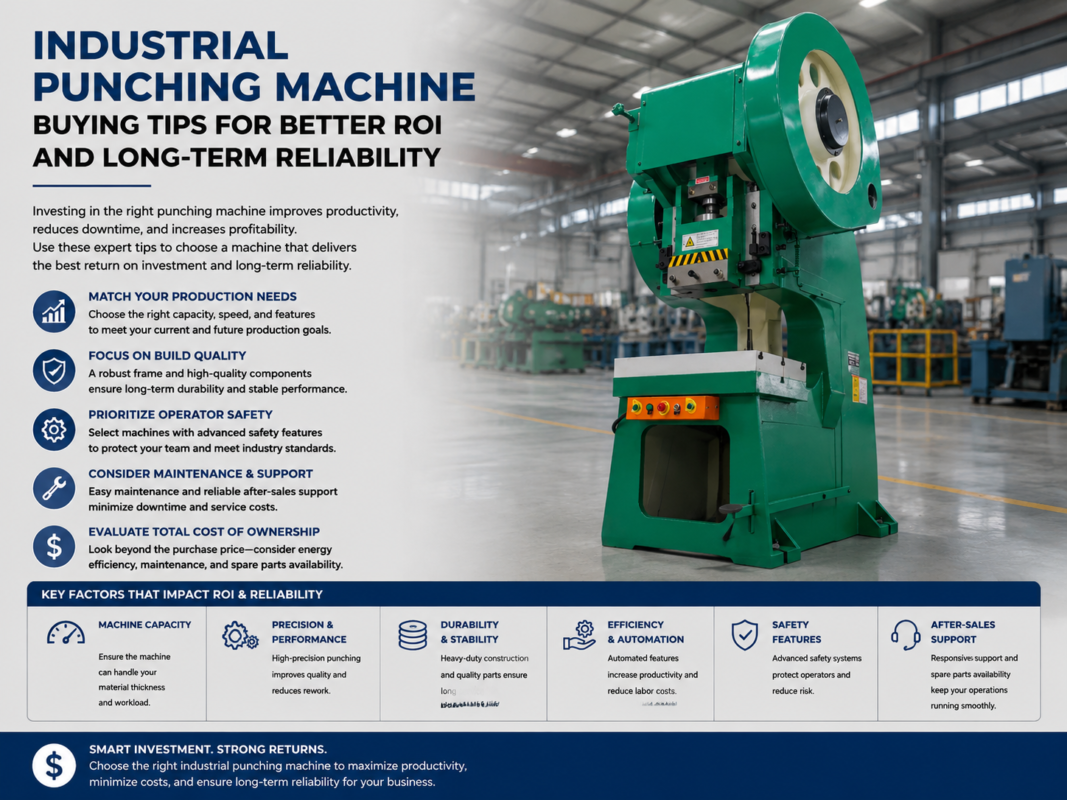
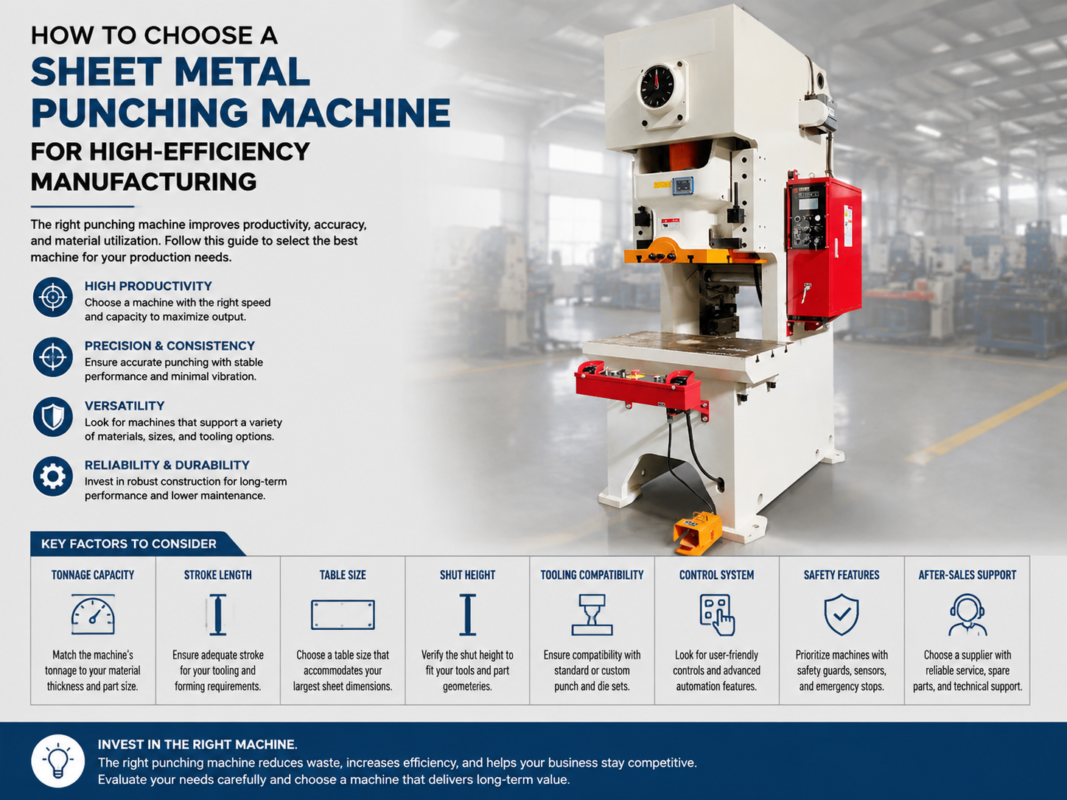
Before making a final decision, it is crucial to perform a thorough needs assessment. Start by analyzing your current and future part geometries. Do you need to punch large holes in thick plate, or are you doing intricate work in thin sheet? This will dictate your tonnage and turret requirements. If you anticipate growth, it is always better to buy a machine with slightly more capacity than you currently need. Retrofitting a machine for more tonnage or a larger bed size is usually impossible.
Next, evaluate the Manufacturer’s Support Network. A high-performance machine is a complex piece of equipment. When it goes down, you need to know that a technician can be on-site quickly and that parts are stocked locally. Ask for references from other industrial users in your area. HARSLE prides itself on providing comprehensive after-sales support, recognizing that our success is tied to our customers’ uptime. Don’t be swayed solely by the lowest price; a cheaper machine from a company with no local support can become a very expensive liability.
Finally, request a Live Demonstration or a Time Study. Provide the manufacturer with your most complex part drawings and ask them to simulate the production time. This will give you a realistic expectation of the machine’s performance in your specific application. Pay attention to the ease of use of the control interface and the speed of tool changes. If possible, visit the factory or a showroom to see the build quality firsthand. Look for heavy castings, high-quality linear guides, and neat electrical cabinets—these are the hallmarks of a machine built for the rigors of industrial use.
Frequently Asked Questions (FAQ)
What is the difference between a CNC turret punch press and a laser cutting machine?
While both machines cut sheet metal, a punching machine is significantly faster for repetitive patterns and can perform forming operations like louvers, ribs, and taps. Laser machines are better for highly complex, irregular shapes and thicker materials where a punch might struggle. Many high-performance shops use both to maximize their capabilities.
How often should I sharpen my punching tools?
Tool sharpening frequency depends on the material being punched and the tool coating. As a general rule, tools should be sharpened when you notice a slight burr on the edge of the punched hole or an increase in the noise level during punching. Regular, light sharpening is much better for tool life than waiting for the tool to become completely dull.
Can a punching machine handle stainless steel?
Yes, but it requires higher tonnage and specialized tooling. Stainless steel work-hardens quickly, so the machine must have enough power to shear through the material cleanly. It is also recommended to use tools with specific coatings (like TiCN) to prevent galling and extend tool life when processing stainless steel.
Is servo-electric really better than hydraulic?
For most high-performance industrial applications, yes. Servo-electric machines are faster, more accurate, and much more energy-efficient. However, hydraulic machines still have a place in very high-tonnage applications or in environments where the initial cost is the primary constraint and energy costs are low.
What safety features should I look for?
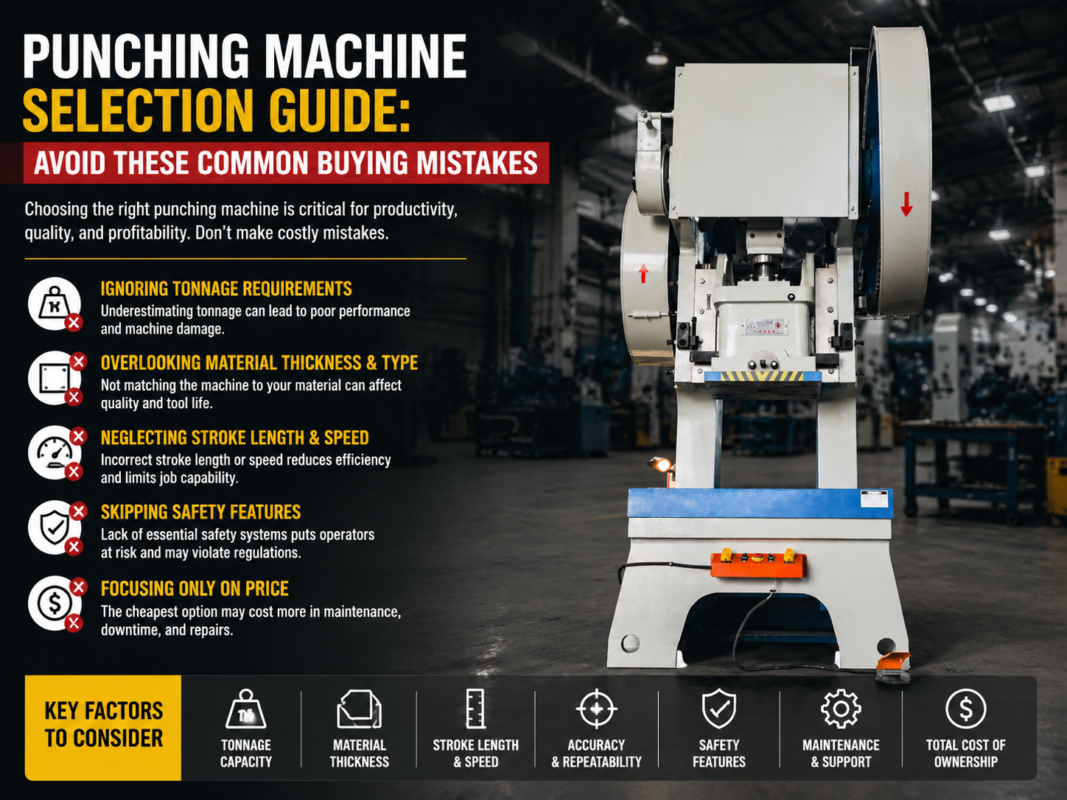
Safety is paramount in industrial environments. Look for machines with light curtains, emergency stop buttons at multiple locations, interlocked safety gates, and sensors that detect if a tool is not properly seated in the turret. Modern CNCs also include software-based safety zones to prevent the ram from hitting the work clamps.