Punching Machine Price Guide: How to Balance Budget and Performance


Introduction to Punching Machine Investment
In the competitive landscape of metal fabrication, selecting the right equipment is a pivotal decision that impacts long-term profitability. The Punching Machine Price : Balance Budget Performance equation is one that every shop manager and business owner must solve. Whether you are a small workshop looking for your first mechanical press or a large-scale industrial facility upgrading to a high-speed CNC turret punching machine, understanding the nuances of pricing is essential. A punching machine is not just a purchase; it is a strategic investment in your production capacity, accuracy, and versatility.
The market for punching machines is vast, ranging from simple manual units to highly sophisticated automated systems. This diversity means that prices can vary from a few thousand dollars to several hundred thousand. Navigating this price spectrum requires a deep understanding of what drives costs and how those costs translate into performance on the shop floor. In this comprehensive guide, we will break down the financial and technical aspects of purchasing a punching machine, helping you find the ‘sweet spot’ where your budget meets your production requirements.
Price Range Overview: Categorizing the Market
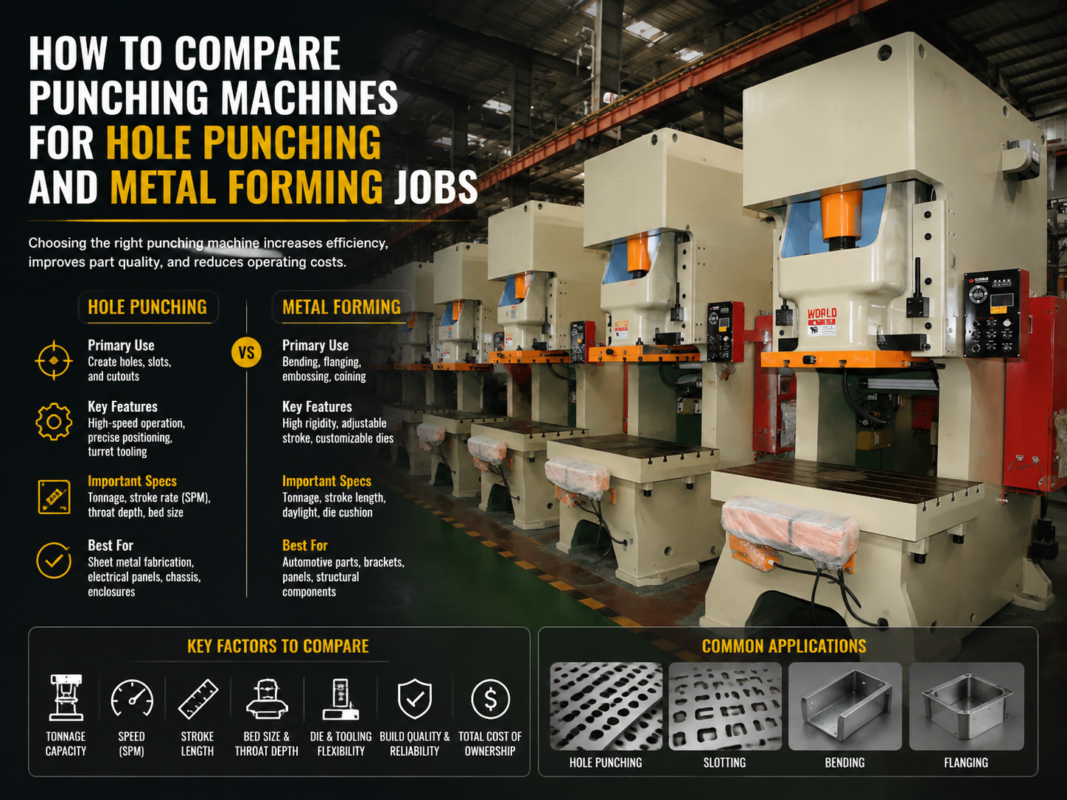
To begin balancing your budget, you must first understand the general price brackets associated with different types of punching machines. The technology used to drive the punch—be it mechanical, hydraulic, or servo-electric—is the primary determinant of the initial price tag.
Entry-Level Mechanical and Manual Punching Machines
For small-scale operations or specialized tasks, manual and mechanical punching machines offer a cost-effective entry point. These machines typically range from $2,000 to $15,000. Manual machines are limited by operator strength and speed, while mechanical fly-wheel presses offer higher force but less control over the stroke. While the upfront cost is low, these machines often require more manual labor and have higher safety risks if not properly guarded, which can impact the long-term cost of operation.
Mid-Range Hydraulic Punching Machines
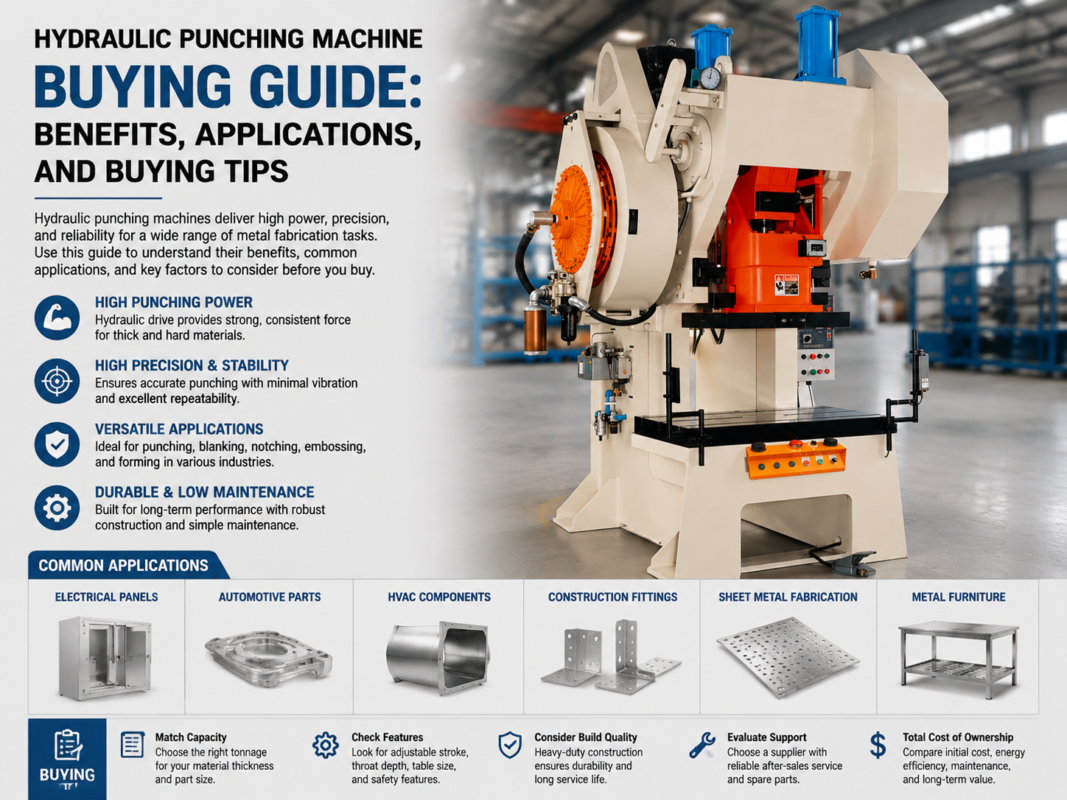
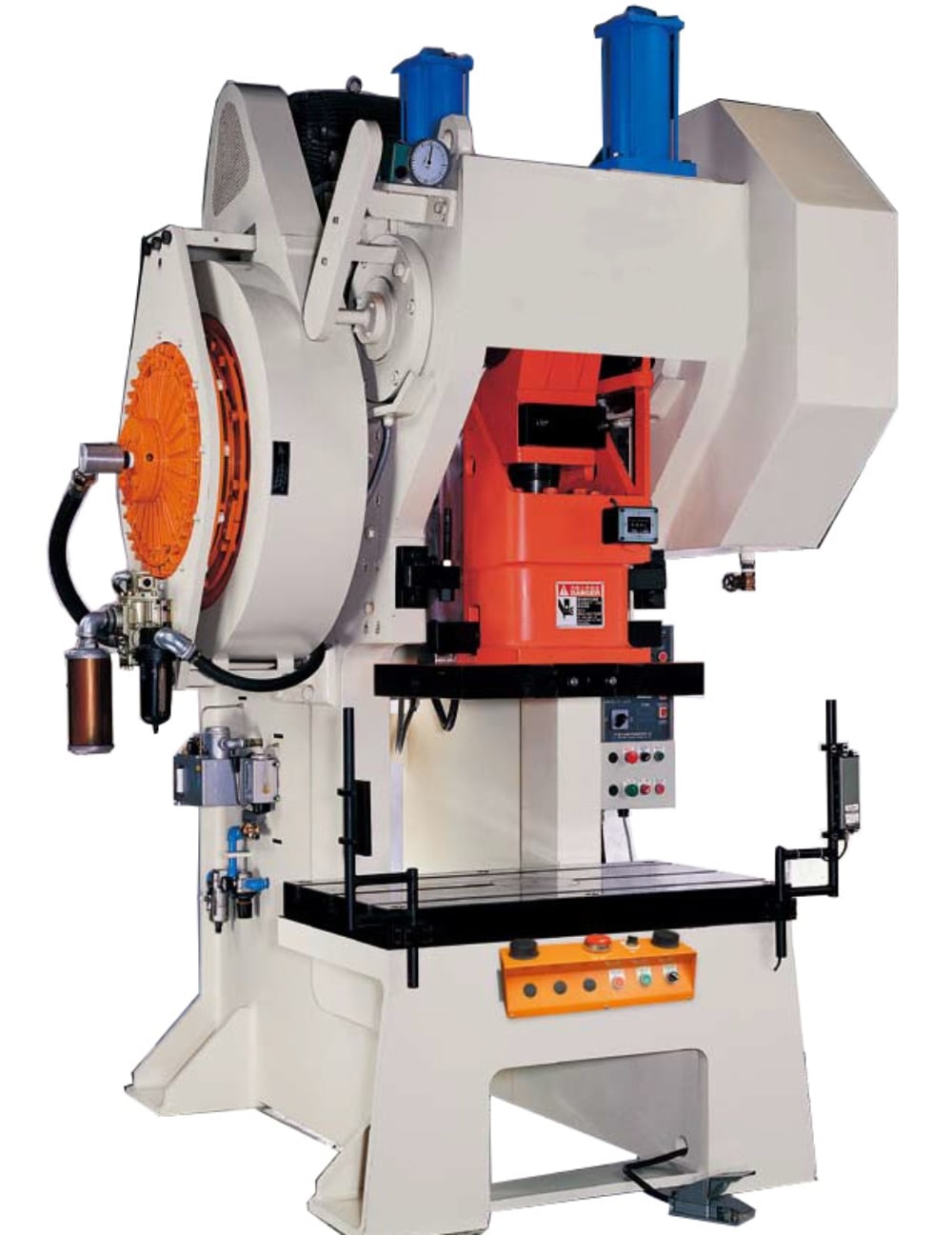
Hydraulic punching machines represent the workhorse of many fabrication shops. With prices ranging from $10,000 to $45,000, these machines offer significantly more power and control than mechanical alternatives. The hydraulic system allows for full tonnage throughout the entire stroke, making them ideal for thicker materials and complex hole patterns. At this price point, you begin to see features like digital readouts and improved safety interlocks, providing a solid balance between affordability and industrial-grade performance.
High-End CNC Turret Punching Machines
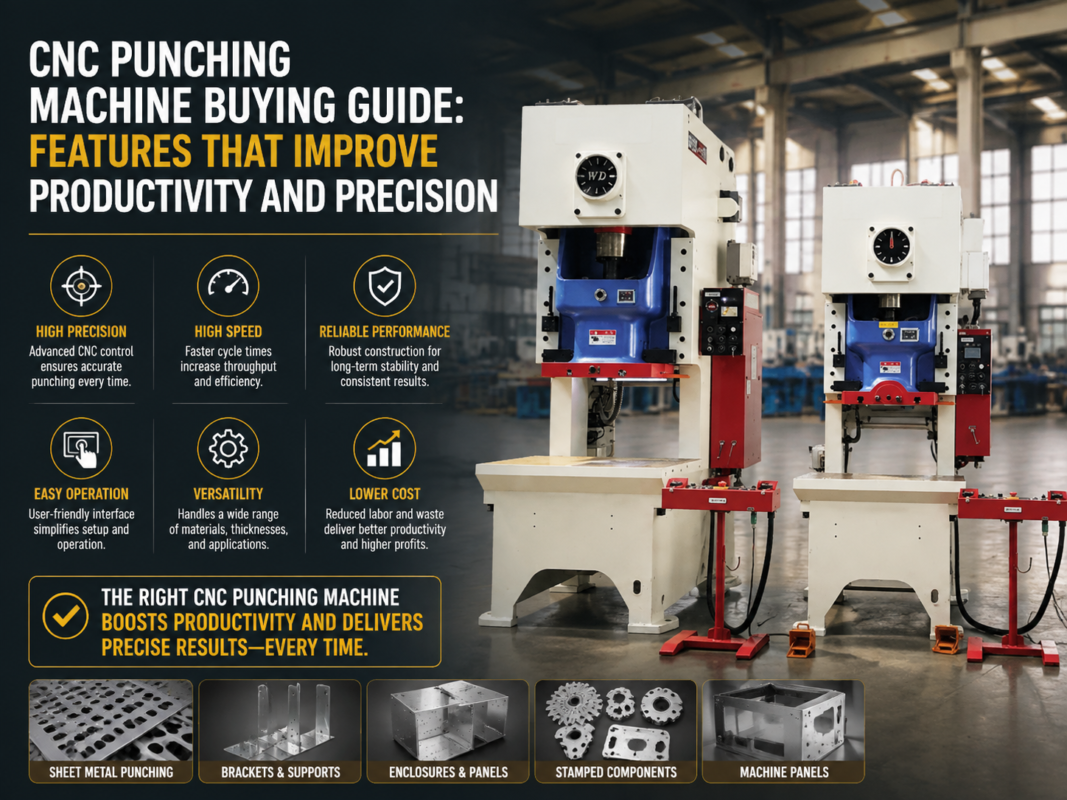
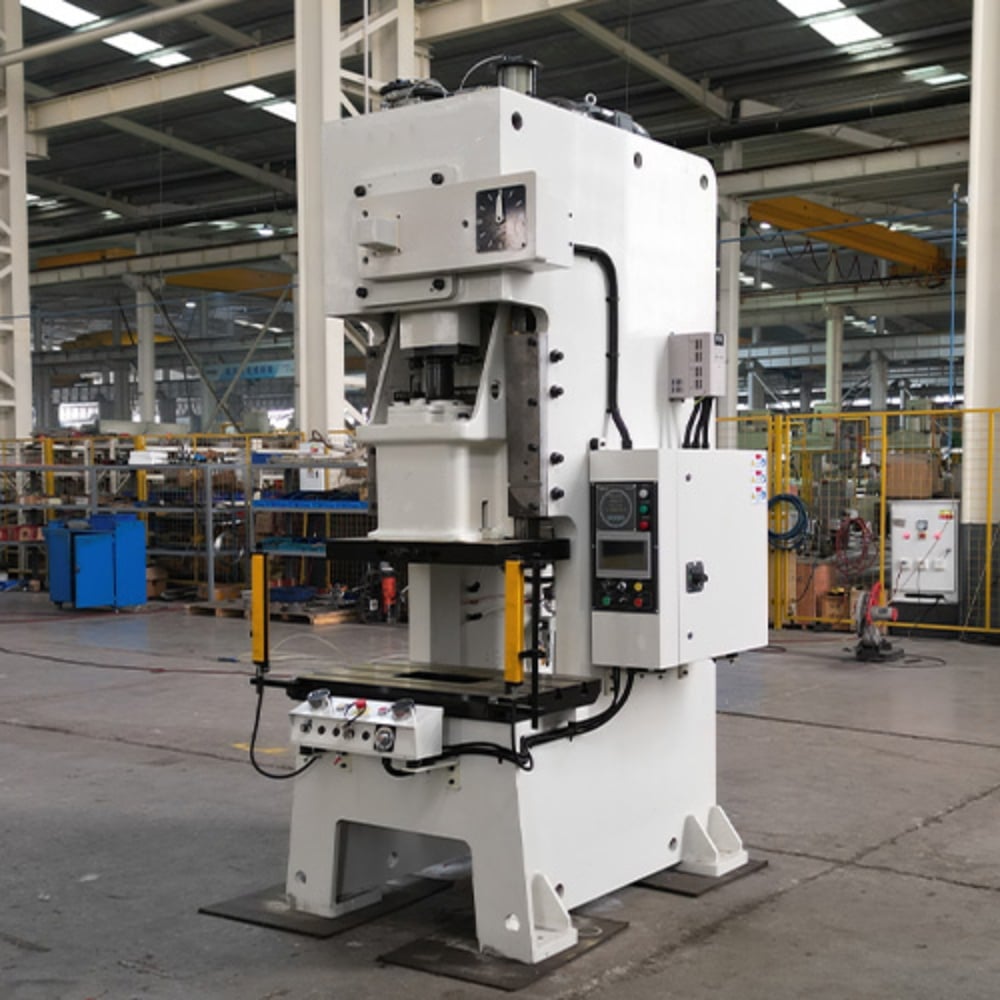
At the top of the spectrum are CNC (Computer Numerical Control) turret punching machines. These are high-speed, high-precision systems capable of processing large sheets of metal with minimal human intervention. Prices for these machines generally start at $50,000 and can exceed $300,000 for fully automated cells. The high price reflects the integration of sophisticated software, multi-tool turrets, and high-speed servo drives. For businesses with high-volume production needs, the efficiency of a CNC turret punch often justifies the significant capital expenditure.
Main Cost Drivers: What Are You Paying For?
When evaluating a Punching Machine Price : Balance Budget Performance, it is crucial to identify the specific technical features that drive the cost upward. Understanding these drivers allows you to decide which features are essential for your specific applications and which ones you can compromise on to save money.
Tonnage and Pressing Force
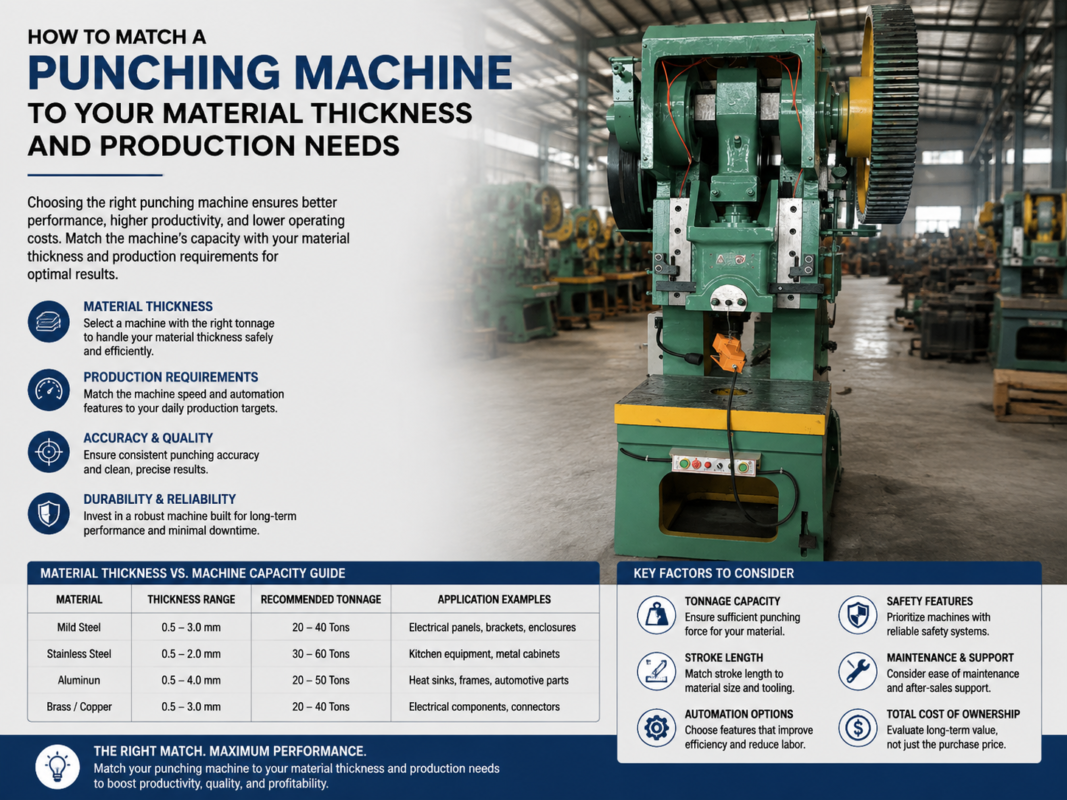
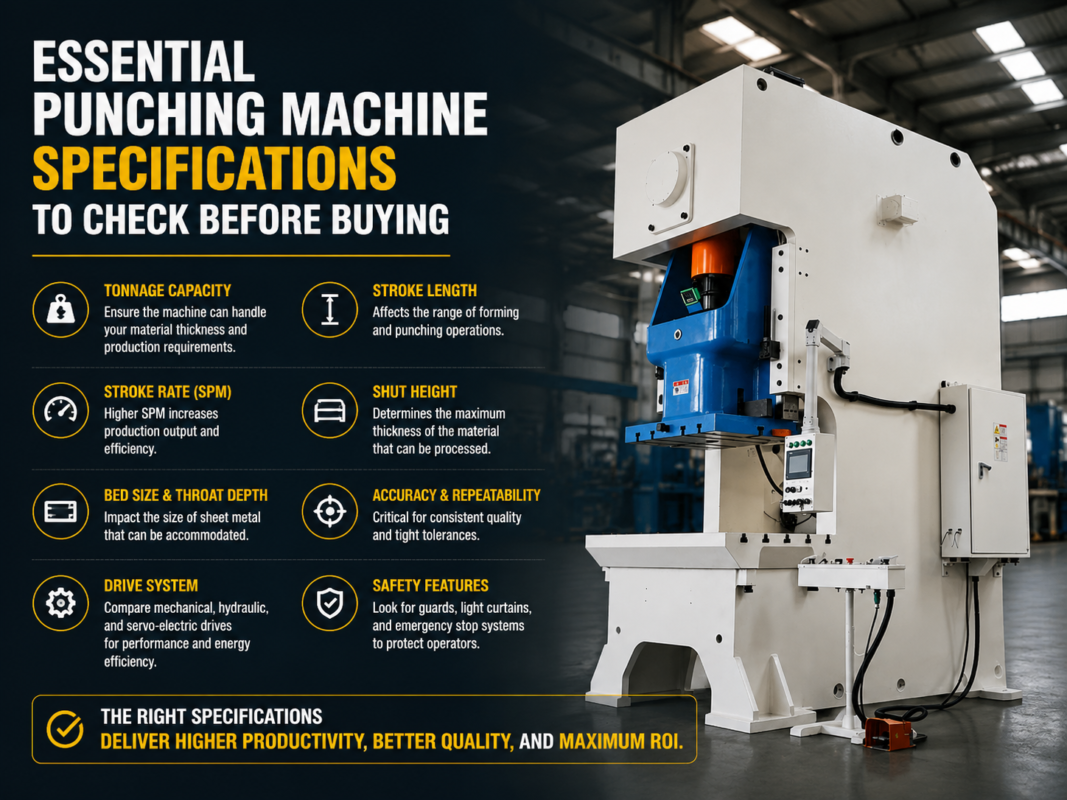
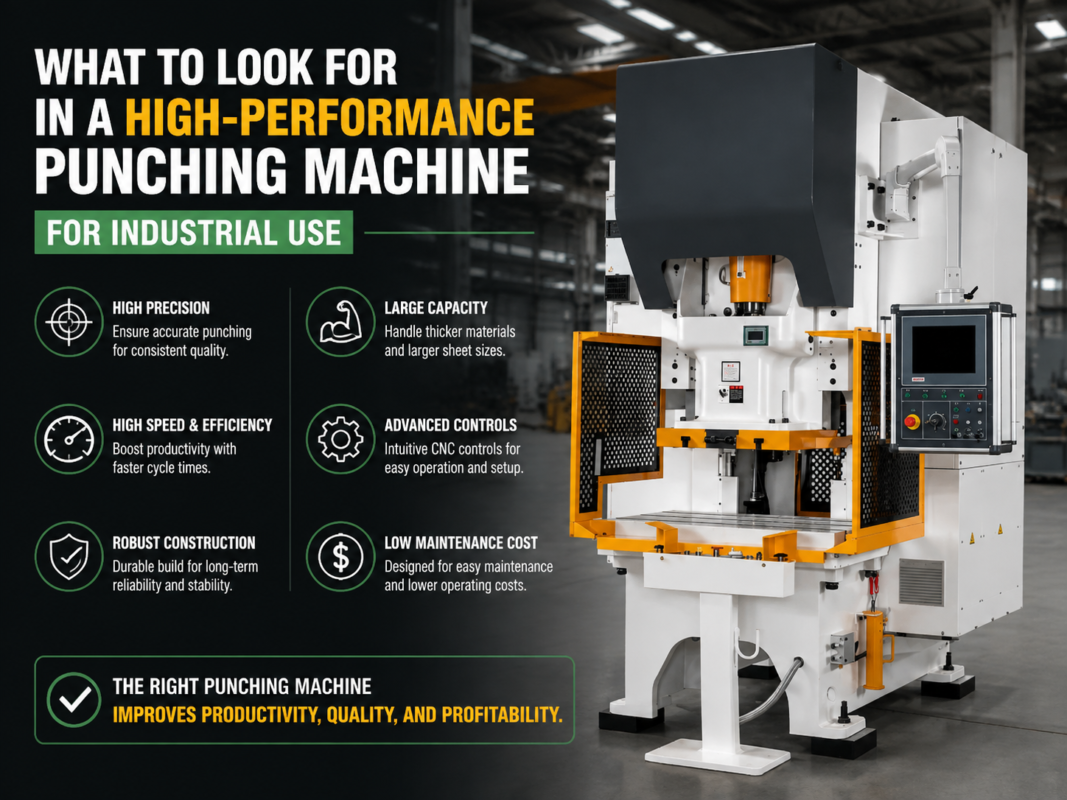
The tonnage of a machine—the amount of force it can exert—is a primary cost driver. A 16-ton machine will be significantly cheaper than a 100-ton machine. Higher tonnage allows you to punch larger holes in thicker materials. If your shop primarily works with thin-gauge aluminum, paying for a 50-ton machine is an unnecessary expense. Conversely, under-buying on tonnage will lead to premature machine wear and the inability to fulfill certain contracts. Most standard sheet metal work falls in the 20 to 30-ton range, which offers a versatile balance for most fabricators.
Throat Depth and Sheet Capacity
Throat depth determines the maximum width of the sheet the machine can handle without flipping the material. A deeper throat requires a more robust and rigid frame to prevent deflection during the punching process. This extra steel and engineering add to the price. If you frequently work with 4×8 foot or 5×10 foot sheets, a machine with a larger throat depth or a sophisticated repositioning system is necessary, though it will increase the initial investment.
Stroke Speed and Hits Per Minute (HPM)
In the world of CNC punching, speed is money. The number of hits per minute (HPM) the machine can achieve directly impacts your throughput. High-speed machines utilize advanced servo-hydraulic or full-servo drives to move the ram quickly and precisely. A machine capable of 600 HPM will cost substantially more than one limited to 200 HPM. When balancing your budget, consider your typical batch sizes; high HPM is critical for mass production but less vital for prototyping or short-run jobs.
Configuration Impact: Customizing for Performance
The configuration of the machine—specifically the turret and tooling system—plays a massive role in both the price and the operational efficiency. A well-configured machine reduces setup times, which is often where the most significant hidden costs in fabrication lie.
Turret Station Count
CNC turret punching machines come with various station counts, typically ranging from 12 to 58 stations. More stations mean you can keep more tools loaded in the machine simultaneously, reducing the need for manual tool changes between jobs. However, each additional station adds to the complexity and cost of the turret assembly. For many shops, a 24 or 32-station turret provides an excellent balance, offering enough variety for complex parts without the extreme cost of a high-capacity turret.
Auto-Index Stations
Auto-index stations allow the tool to rotate to any angle commanded by the CNC program. This is incredibly useful for nesting parts at different angles to save material and for creating complex shapes with standard tools. While auto-index stations are more expensive than fixed stations due to the additional gearing and motors required, they significantly increase the machine’s versatility. Including at least two auto-index stations is generally recommended for modern fabrication needs.
Control Systems and Software
The “brain” of the machine—the CNC controller—varies in price based on its capabilities and brand reputation. Systems like Fanuc or Siemens are industry standards known for reliability and ease of finding trained operators, but they come at a premium. Additionally, the CAD/CAM software used to program the machine is a critical component. Some manufacturers bundle software with the machine, while others require a separate purchase. High-end software that offers advanced nesting algorithms can save thousands in material costs, helping to offset a higher machine price.
Hidden Costs: Beyond the Sticker Price
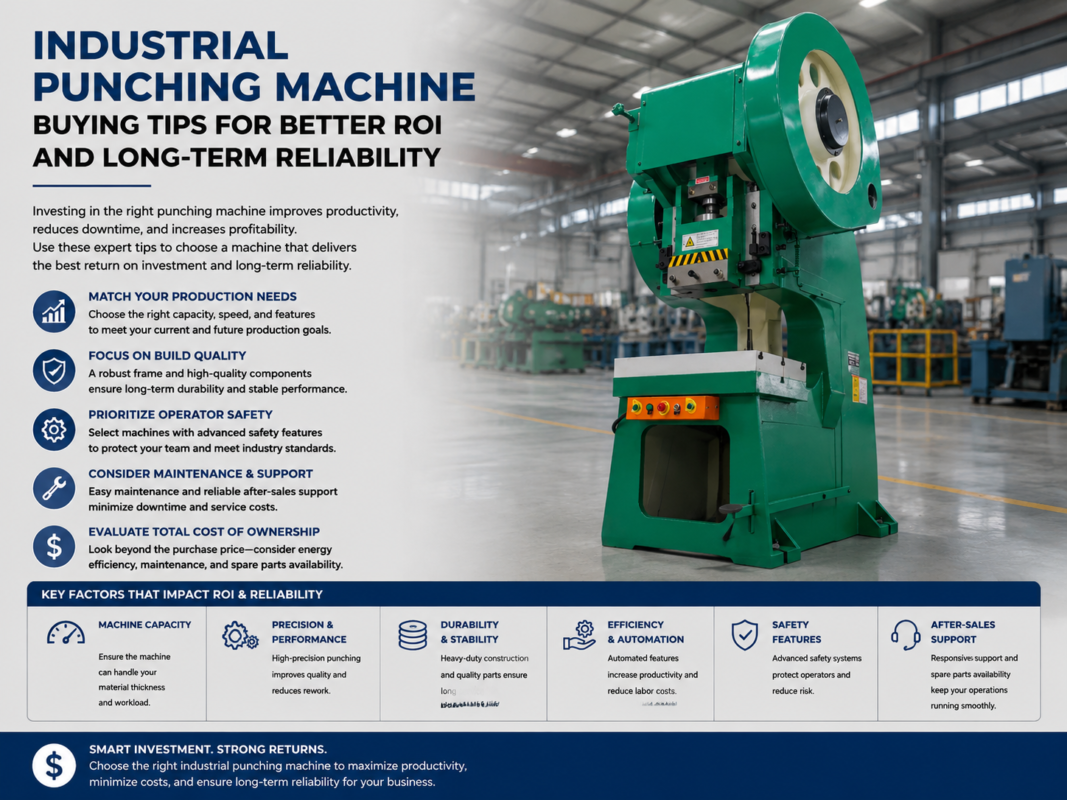
One of the biggest mistakes buyers make is focusing solely on the purchase price. To truly balance your budget, you must account for the total cost of ownership (TCO). These hidden costs can quickly add up and impact your cash flow if not planned for in advance.
- Tooling Sets: A punching machine is useless without high-quality tooling. A full set of thick turret or thin turret tools can cost anywhere from $5,000 to $20,000 depending on the variety and quality.
- Installation and Commissioning: Shipping a multi-ton machine and having a factory-trained technician install and level it is a significant expense. You may also need to pour a reinforced concrete pad to handle the machine’s vibration.
- Training: Your operators need to know how to use the CNC interface and perform routine maintenance. Budgeting for professional training ensures you get the most out of your machine from day one.
- Power Consumption: High-tonnage hydraulic machines can be energy-intensive. Modern servo-electric machines are more energy-efficient but have a higher upfront cost. Calculate your expected utility bills as part of your long-term budget.
- Maintenance and Spare Parts: Like any industrial equipment, punching machines require regular oil changes, filter replacements, and occasional repairs. Inquire about the cost and availability of spare parts before committing to a brand.
ROI Calculation: Justifying the Investment
To determine if a Punching Machine Price : Balance Budget Performance ratio is favorable, you must calculate the Return on Investment (ROI). A more expensive machine that produces parts three times faster than a cheaper model will often pay for itself much sooner.
Consider the following formula for a basic ROI assessment: (Annual Savings – Annual Operating Costs) / Total Investment Cost. Annual savings come from reduced labor hours, lower scrap rates due to higher precision, and the ability to bring previously outsourced work in-house. For example, if a $100,000 CNC turret punch saves you $40,000 a year in labor and outsourcing costs, the machine pays for itself in just 2.5 years. Beyond that point, the machine contributes directly to your profit margins. When presenting a budget to stakeholders, focusing on the payback period rather than the initial price is the most effective way to justify a high-performance machine.
Buying Advice: How to Choose the Right Machine
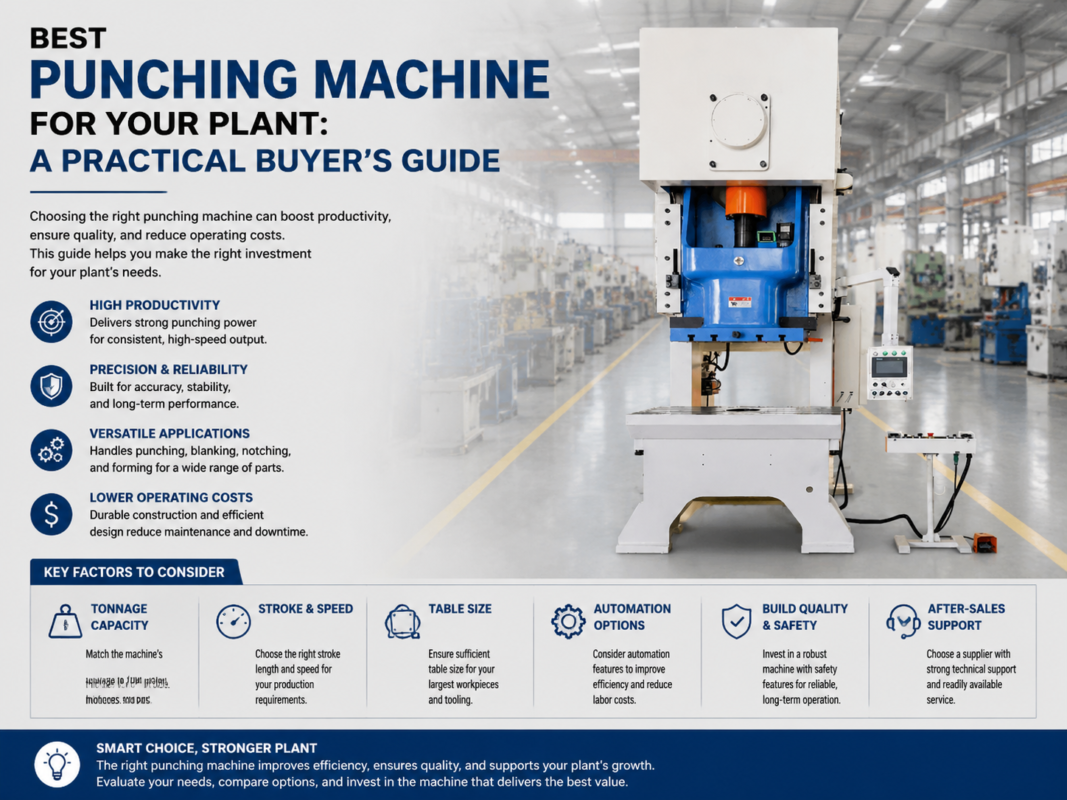
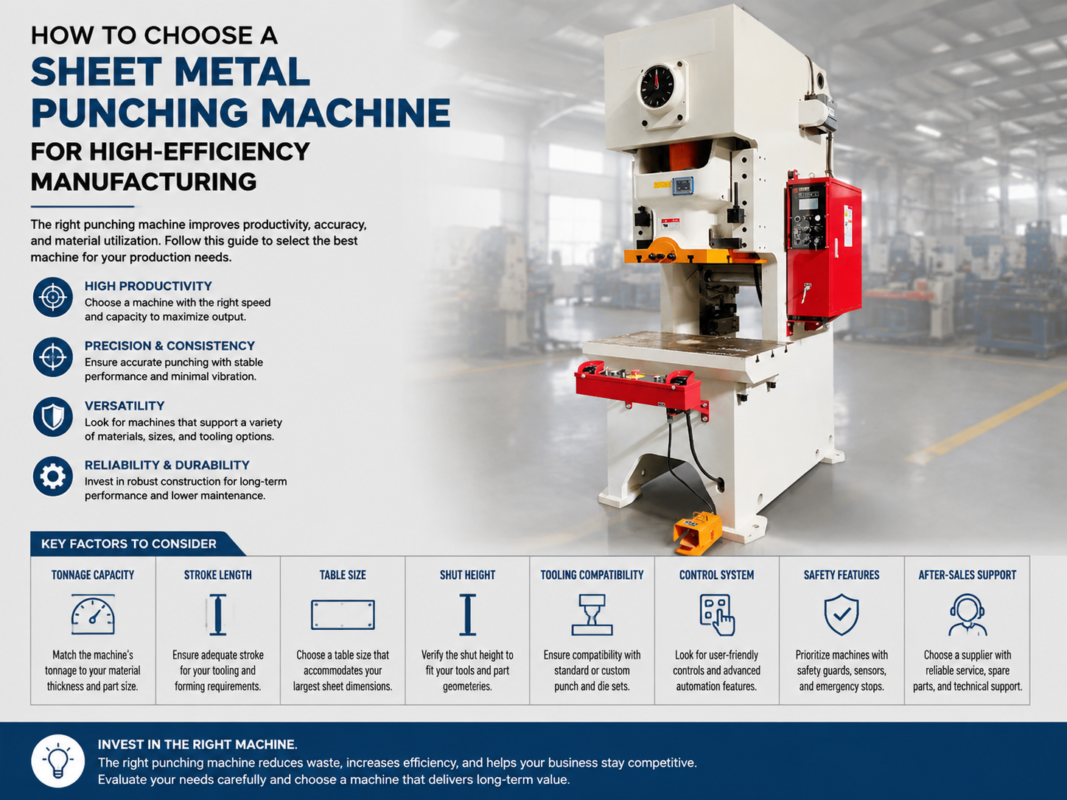
When you are ready to make a purchase, follow these steps to ensure you get the best value for your money. Balancing budget and performance is about making informed trade-offs based on your specific business goals.
1. Define Your Primary Material and Thickness
Don’t buy a machine for the 5% of jobs that involve 1/2-inch plate if 95% of your work is 16-gauge sheet. It is often more cost-effective to outsource the heavy-duty work and buy a machine optimized for your high-volume tasks. This allows you to spend your budget on speed and precision where it matters most.
2. Evaluate the Manufacturer’s Reputation
Brands like HARSLE have built a reputation for providing industrial-grade machinery that balances advanced features with competitive pricing. Researching reviews, asking for customer references, and checking the availability of local support are crucial steps. A cheap machine from an unknown manufacturer can become a liability if you cannot get parts or service when it breaks down.
3. Consider Used vs. New
A well-maintained used CNC turret punch can offer excellent performance at a fraction of the cost of a new one. However, be wary of older control systems that may be difficult to repair or incompatible with modern software. If you choose new, you benefit from the latest safety features, energy efficiency, and a full factory warranty, which provides peace of mind for your investment.
4. Test the Software
Before buying, ask for a demonstration of the programming software. If the software is clunky or difficult to learn, it will slow down your production regardless of how fast the machine is. The integration between the office (CAD) and the shop floor (CNC) should be as seamless as possible.
Frequently Asked Questions (FAQ)
What is the average lifespan of a CNC punching machine?
With proper maintenance, a high-quality CNC punching machine can last 15 to 20 years or more. The mechanical components are often very durable; however, the electronic control systems may need upgrading or replacement after 10-12 years to stay compatible with modern software and networks.
Is a servo-electric drive worth the extra cost over a hydraulic drive?
Servo-electric drives are generally more expensive upfront but offer higher energy efficiency, lower noise levels, and greater precision in ram control. They also eliminate the need for hydraulic oil changes and cooling systems. For high-precision and high-volume shops, the long-term savings in energy and maintenance often justify the higher initial price.
How much should I budget for annual maintenance?
A good rule of thumb is to budget 2% to 5% of the machine’s purchase price for annual maintenance, including tooling replacement, lubricants, and occasional service calls. Regular preventive maintenance is the best way to avoid costly emergency repairs and downtime.
Can a punching machine replace a laser cutter?
While there is overlap, they are different tools. A punching machine is much faster for creating repetitive holes, louvers, and forms (like ribs or countersinks) that a laser cannot do. However, a laser is better for complex, organic shapes and very thick materials. Many modern shops use both to maximize their capabilities.
Does HARSLE offer financing for punching machines?
Many industrial machinery providers, including HARSLE distributors, offer various financing or leasing options. This can help businesses manage cash flow by spreading the cost of the machine over several years, allowing the machine to “pay for itself” through the revenue it generates.
Conclusion
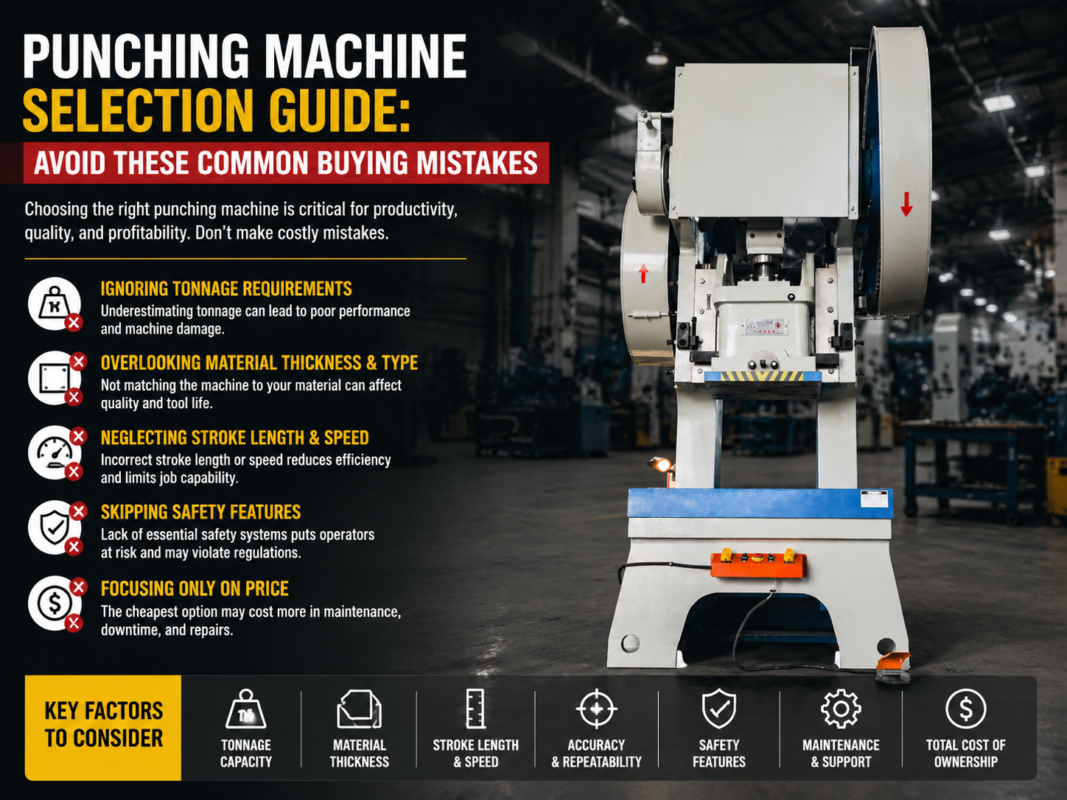
Balancing budget and performance when purchasing a punching machine requires a holistic view of your production needs and financial goals. By understanding the primary cost drivers—tonnage, speed, and configuration—and accounting for hidden costs like tooling and maintenance, you can make a decision that strengthens your business. Remember that the cheapest machine is rarely the best value, and the most expensive machine may offer features you don’t need. Focus on the ROI, choose a reputable manufacturer like HARSLE, and invest in a machine that will grow with your business for years to come.