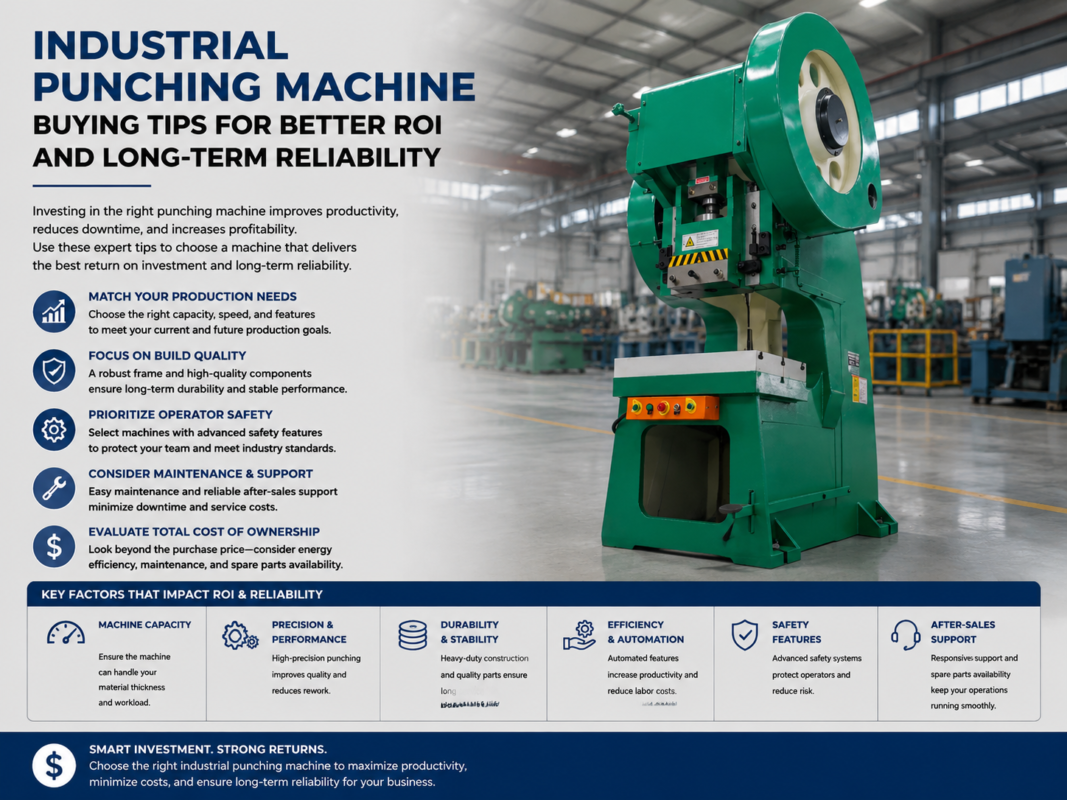
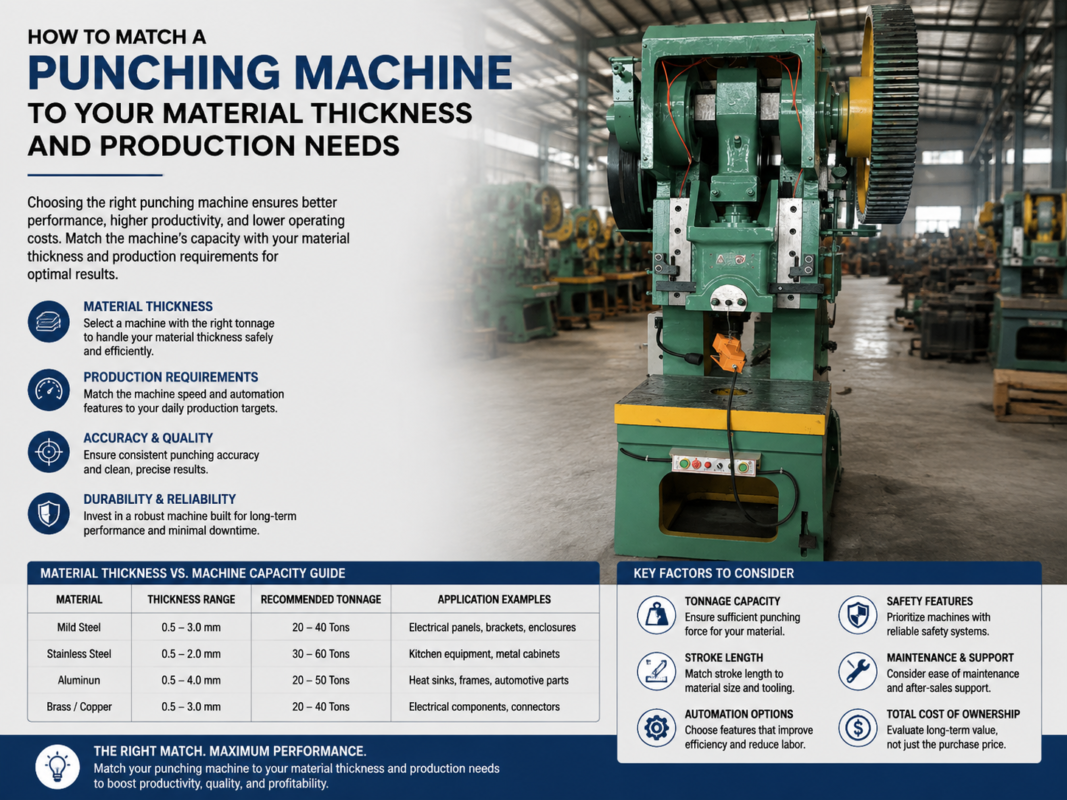
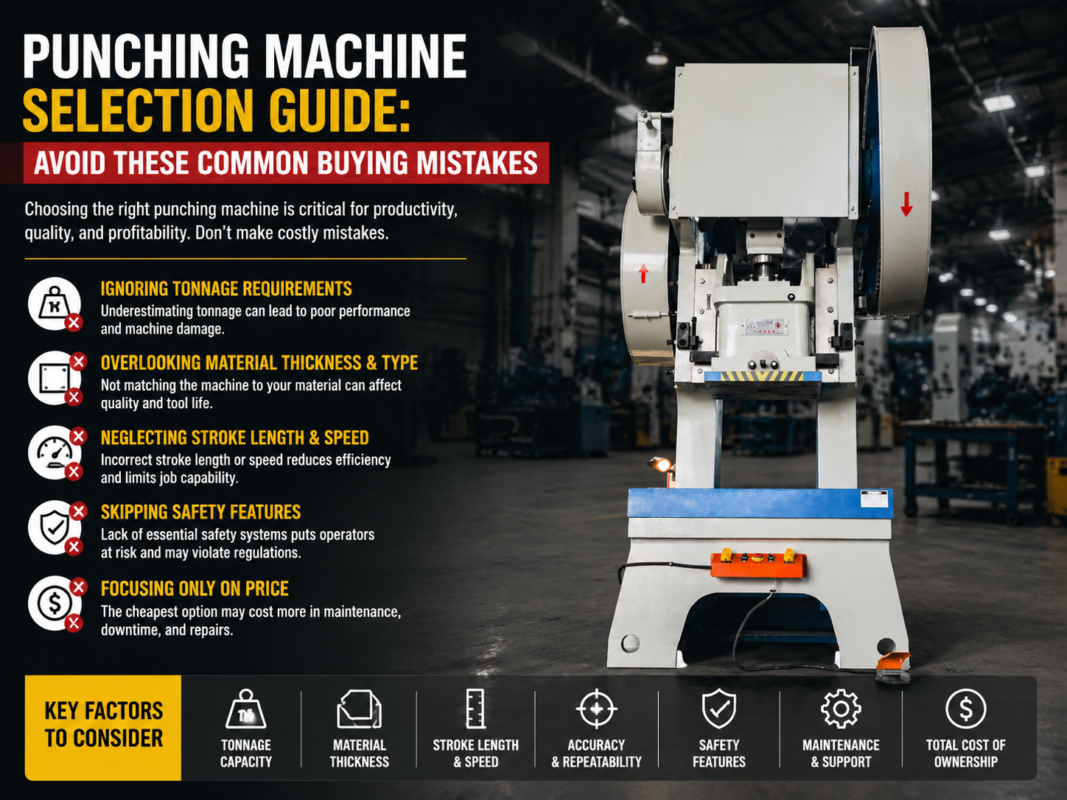
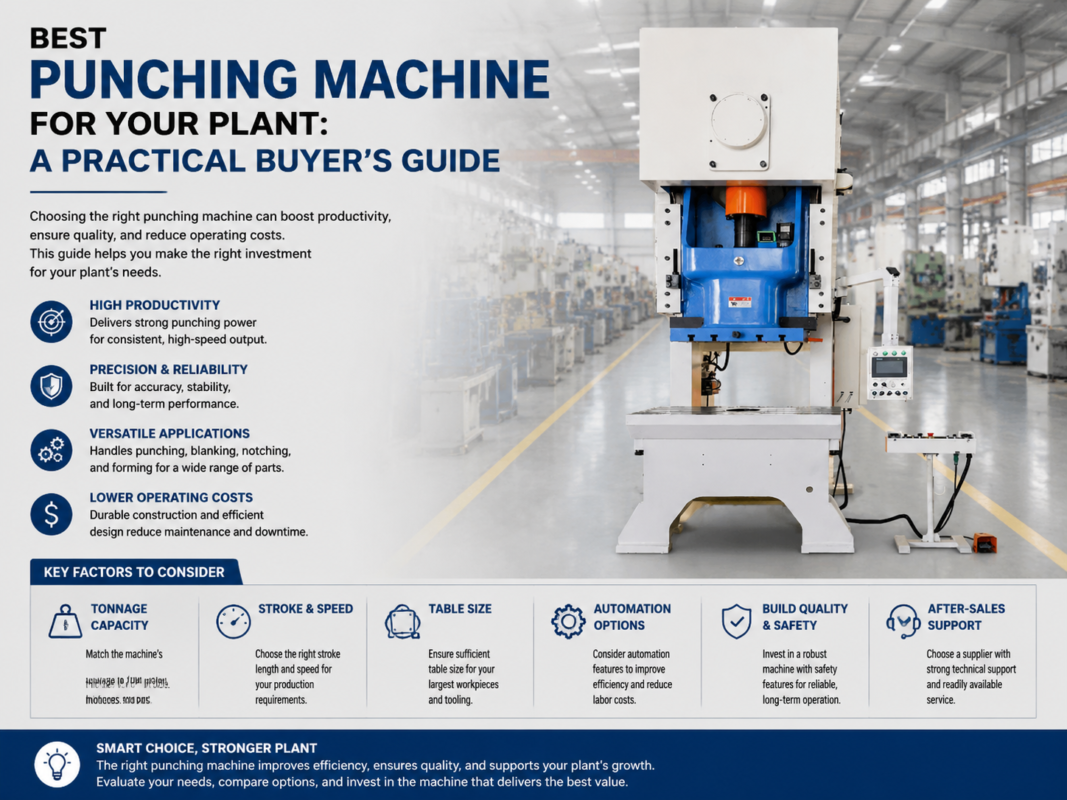
How to Compare Punching Machines for Hole Punching and Metal Forming Jobs


Introduction to Punching Machine Comparison
In the competitive landscape of metal fabrication, selecting the right equipment is the difference between a profitable workshop and one plagued by bottlenecks. When you look to compare punching machines for hole punching and metal forming jobs, you aren’t just looking at a piece of hardware; you are evaluating the future throughput of your production line. Punching machines have evolved from simple manual levers to high-speed CNC turret systems capable of complex forming, nibbling, and multi-tool operations.
The process of comparing these machines requires a deep dive into technical specifications, frame rigidity, and control sophistication. Whether you are a small job shop or a large-scale industrial manufacturer, the criteria for selection remain consistent: accuracy, speed, versatility, and cost-effectiveness. This guide provides a comprehensive framework to help you navigate the complexities of the market, ensuring that your investment in a HARSLE punching machine or any industrial press yields the highest possible return.
Price Range Overview: Understanding the Market Tiers
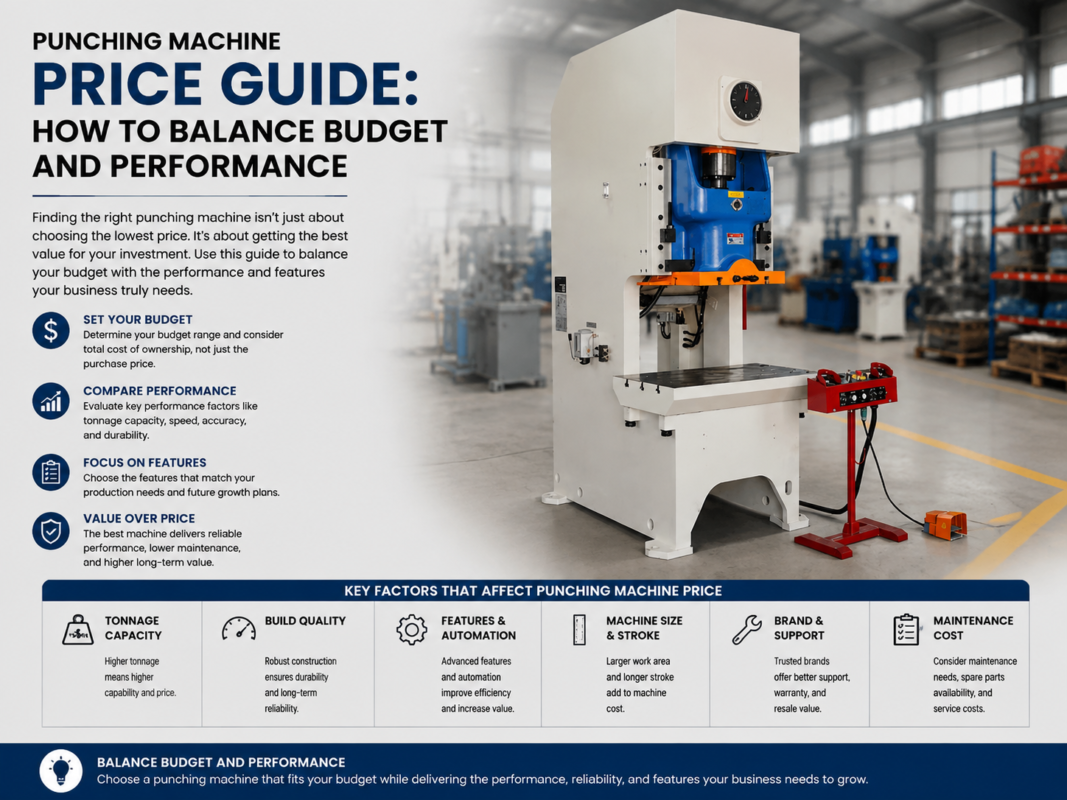
The price of a punching machine is primarily dictated by its automation level, tonnage, and technology. To effectively compare punching machines for hole punching and metal forming jobs, one must first categorize them into distinct price brackets. At the entry level, you will find manual and simple mechanical power presses. These machines typically range from $2,000 to $12,000. They are ideal for basic hole punching in thinner gauges where high precision and high-speed repetition are not the primary concerns.
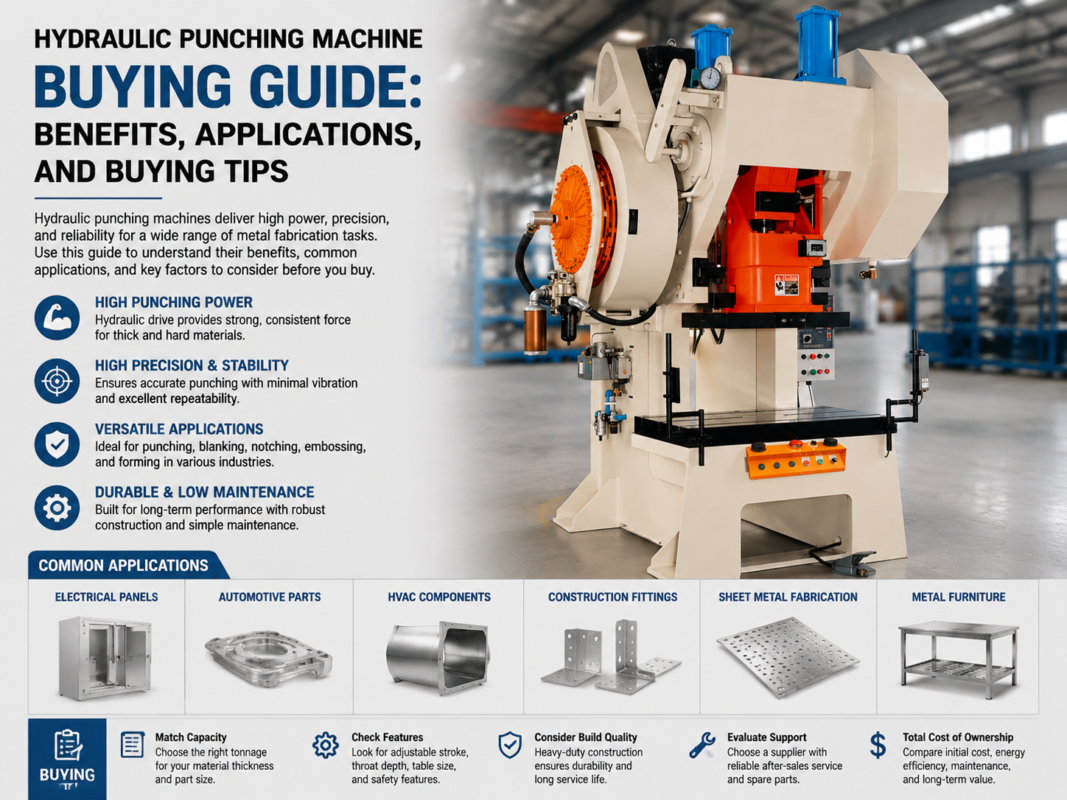
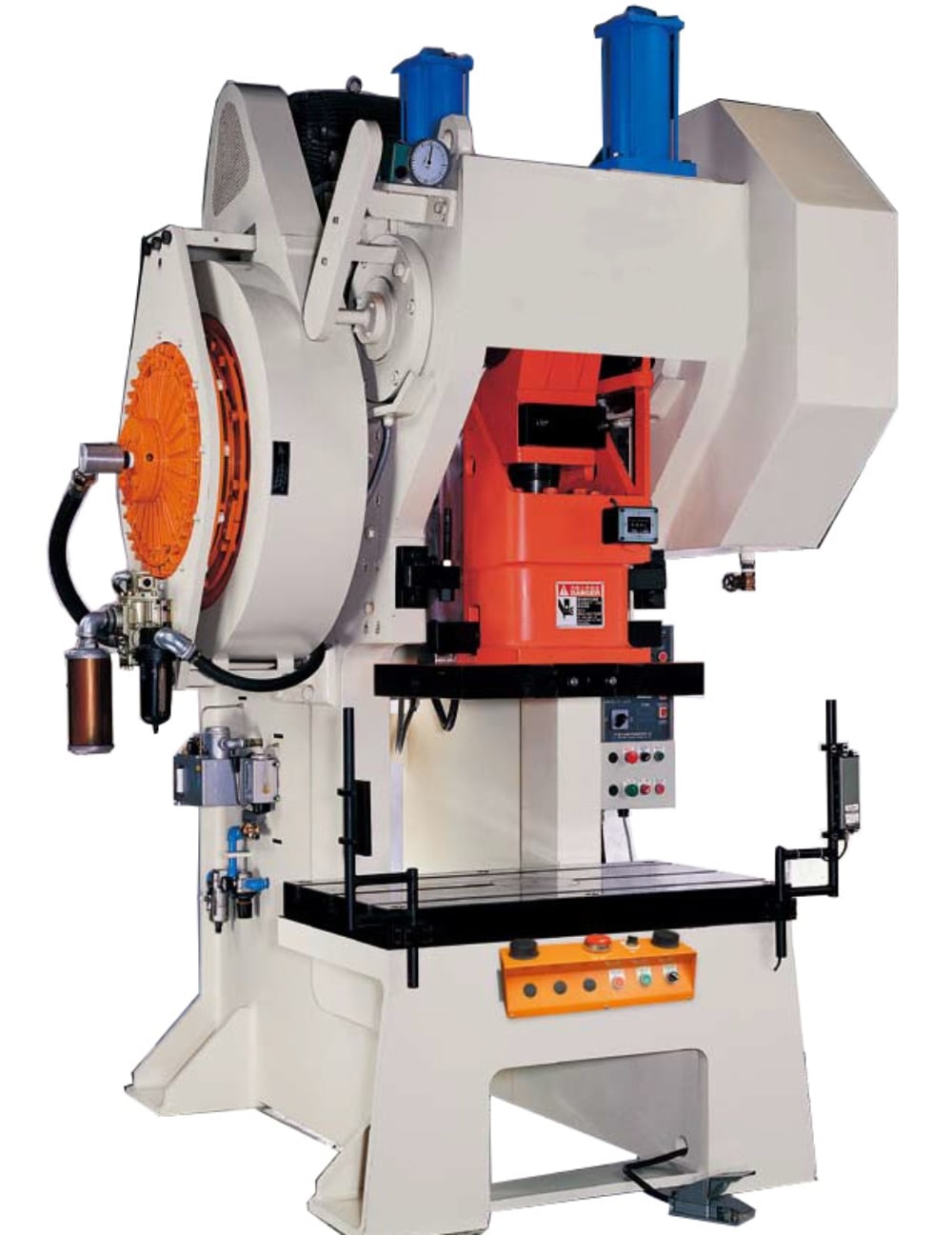
Moving into the mid-range, we encounter hydraulic punching machines and NC (Numerical Control) single-station presses. These units generally fall between $15,000 and $45,000. They offer significantly more power (tonnage) and better safety features than basic mechanical presses. They are the workhorses of many structural steel shops, used for punching thick plates, angles, and channels where the flexibility of a turret is not required but the force of hydraulic pressure is essential.
The high-end tier consists of CNC Turret Punch Presses (CTPP). These machines are the pinnacle of punching technology, with prices ranging from $60,000 to over $300,000 for fully automated cells. These machines feature a rotating turret that holds dozens of tools, allowing for complex nesting, forming operations like louvers or ribs, and high-speed nibbling. When comparing machines in this bracket, the focus shifts from raw tonnage to hits-per-minute (HPM), tool change speed, and software integration.
Main Cost Drivers in Punching Machinery
When you compare punching machines for hole punching and metal forming jobs, several key factors drive the final invoice price. The most significant is the drive system. Mechanical flywheels are cost-effective but offer less control over the stroke. Hydraulic systems provide full tonnage at any point in the stroke, which is vital for forming jobs. The most expensive and modern option is the servo-electric drive, which offers unparalleled precision, energy efficiency, and programmable stroke profiles, though at a higher initial capital expenditure.
Tonnage is the next major driver. A 16-ton machine is significantly cheaper than a 100-ton or 200-ton machine. You must calculate your maximum required force based on material thickness, hole diameter, and shear strength. Buying a machine with too little tonnage leads to premature wear and tool breakage, while over-speccing results in unnecessary costs. Most general-purpose sheet metal shops find the 30-ton to 50-ton range to be the ‘sweet spot’ for versatility.
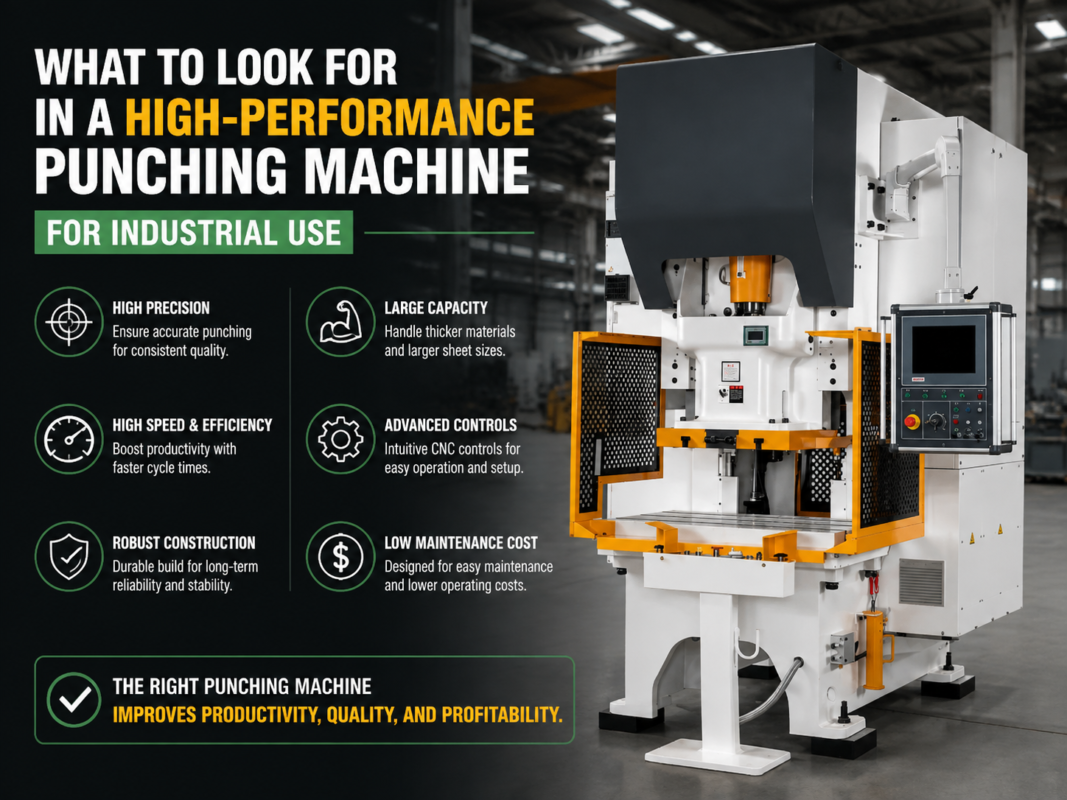
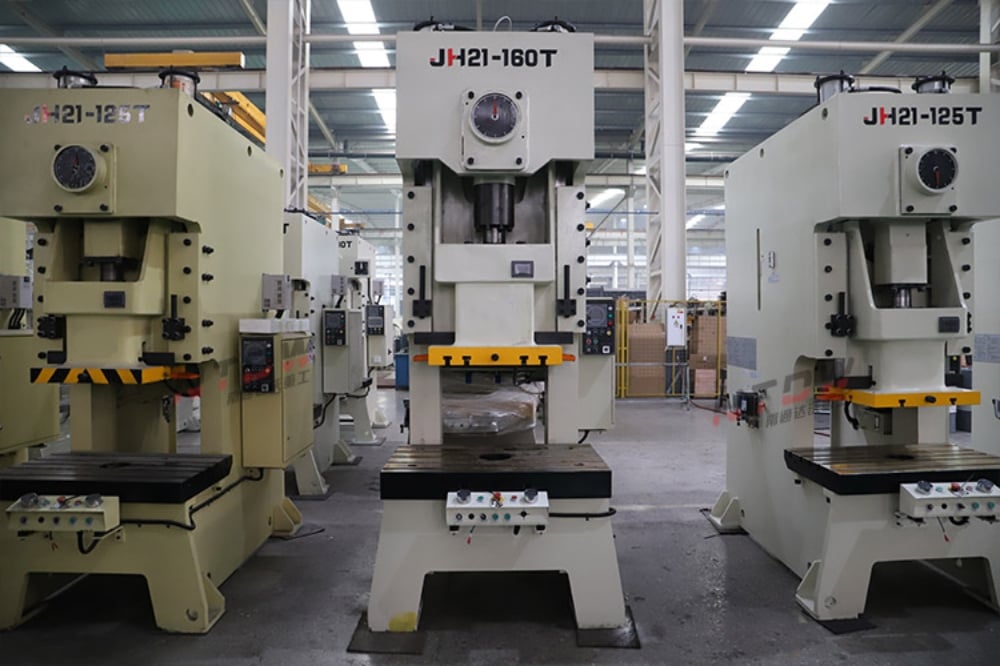
Frame construction also plays a role. C-frame (gap frame) machines offer excellent accessibility for large sheets but are prone to ‘yaw’ or deflection under high loads. H-frame (or O-frame) machines are more expensive because they enclose the workspace in a rigid box, virtually eliminating deflection. This rigidity is crucial for maintaining tool alignment, which directly impacts the lifespan of your expensive punches and dies.
Configuration Impact: Tailoring the Machine to the Job
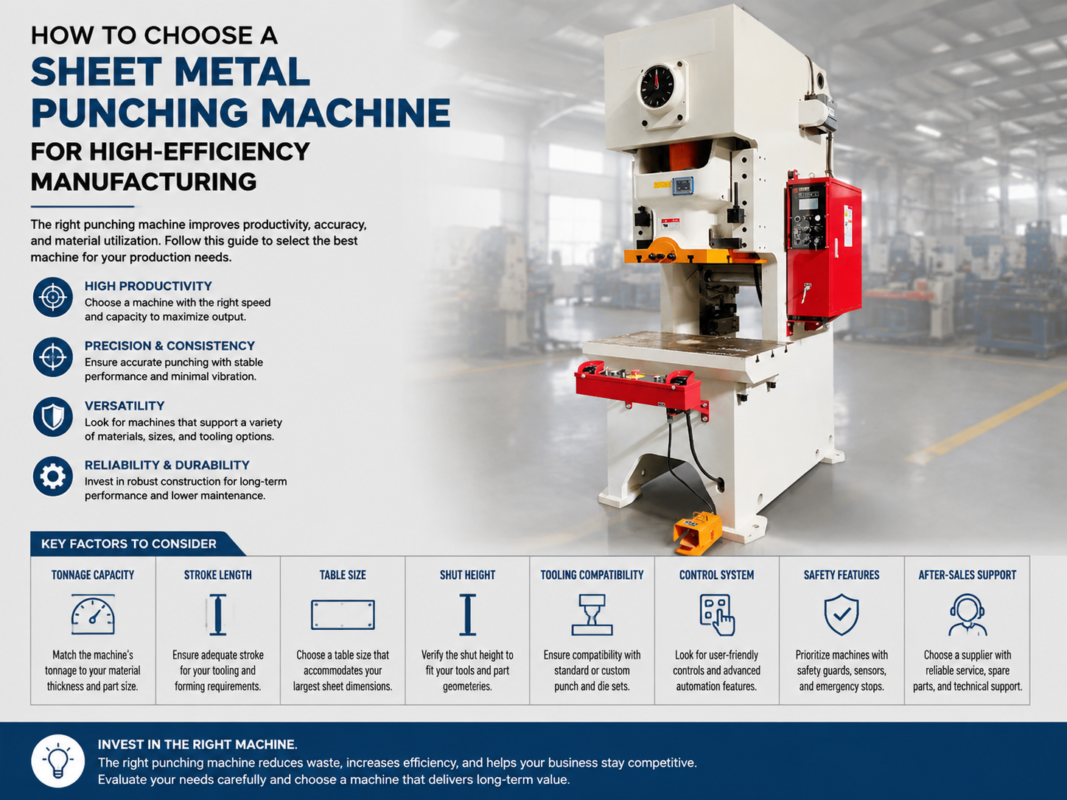
The configuration of a punching machine determines its versatility in hole punching and metal forming jobs. For turret machines, the number of stations is a critical metric. A 12-station turret might suffice for simple brackets, but a 32 or 58-station turret allows you to keep a full library of tools loaded, reducing setup times between different jobs. Furthermore, the inclusion of ‘Auto-Index’ stations—where the tool can rotate 360 degrees—is essential for nesting parts at various angles to maximize material utilization.
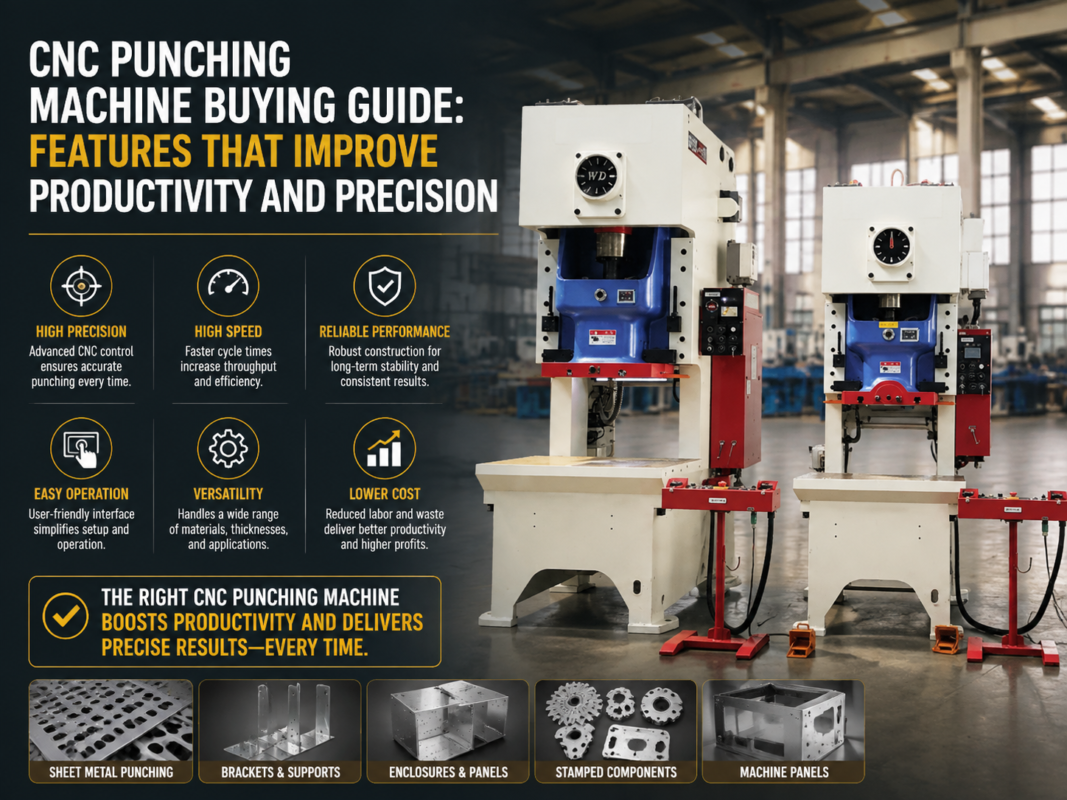
Control systems are the brain of the machine. Comparing a basic NC controller to a high-end CNC system like Fanuc or Siemens reveals a massive gap in capability. Modern CNCs support complex nesting software, remote diagnostics, and 3D simulation of the punching process. This prevents collisions and optimizes the path of the sheet metal, which is vital for high-speed operations. If your work involves complex forming like countersinking, lancing, or extruding, a high-end controller is non-negotiable.
Worktable design is another configuration detail often overlooked. For heavy plates, a ball-transfer table allows for easier movement of the material. For sensitive materials like polished stainless steel or aluminum, a brush table is preferred to prevent scratching. Additionally, the ‘throat depth’ determines the maximum width of the sheet the machine can handle without repositioning. A deeper throat increases the machine’s footprint and cost but allows for larger, single-piece fabrications.
Hidden Costs of Ownership
The purchase price is only the beginning. To truly compare punching machines for hole punching and metal forming jobs, you must account for the hidden costs. Tooling is the most prominent. A high-quality set of punches and dies for a turret press can cost thousands of dollars. Furthermore, specialized forming tools (for louvers, bridges, or thread loops) are significantly more expensive than standard round or square punches. You must factor in the ongoing cost of sharpening and replacing these consumables.
Installation and site preparation are also significant. Heavy-duty punching machines generate immense vibrations. You may need to pour a reinforced concrete foundation to prevent the machine from drifting or damaging the shop floor. Electrical requirements are another factor; high-tonnage hydraulic pumps and servo motors require substantial amperage, which might necessitate an upgrade to your facility’s electrical panel.
Software and training represent the ‘soft’ hidden costs. To get the most out of a CNC punching machine, you need CAD/CAM nesting software. These licenses often come with annual maintenance fees. Additionally, your operators will need specialized training to handle CNC programming, tool maintenance, and safety protocols. Ignoring these costs can lead to a machine that sits idle because no one knows how to program it efficiently or because the tooling budget has run dry.
ROI Calculation: When Does the Investment Pay Off?
Calculating the Return on Investment (ROI) is the final step in the comparison process. To do this, you must estimate the ‘cost per hit’ or ‘cost per part.’ A CNC turret press might have a high monthly lease payment, but if it replaces three manual machines and reduces labor costs by 60%, the ROI is clear. Furthermore, the accuracy of a CNC machine reduces scrap rates. In high-value materials like stainless steel or copper, a 5% reduction in scrap can save thousands of dollars annually.
Consider the ‘Secondary Operations’ factor. A modern punching machine can perform forming, ribbing, and even tapping. If you can move a part from the punching machine directly to the bending station without needing a separate deburring or drilling step, you have significantly increased your profit margin. When you compare punching machines for hole punching and metal forming jobs, look for features that eliminate these secondary steps.
Finally, consider the resale value. Well-known brands like HARSLE maintain their value better than generic, unbranded machinery. A machine that retains 50% of its value after five years is a much better investment than one that is worth scrap value due to a lack of spare parts or technical support. ROI isn’t just about how much money the machine makes today, but how much it is worth to your business over its entire lifecycle.
Buying Advice: A Checklist for Success
Before making a final decision, use the following checklist to ensure you have compared all relevant factors:
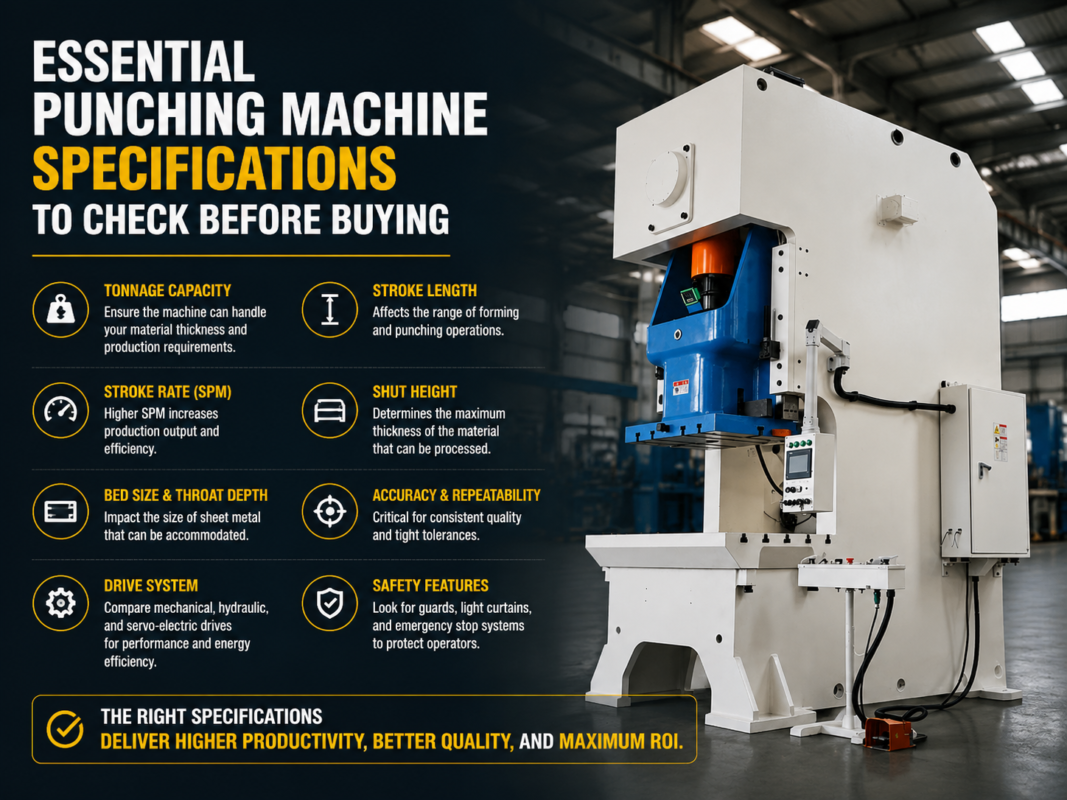
- Material Compatibility: Does the machine’s tonnage and stroke length match your thickest and hardest materials?
- Accuracy Requirements: Do you need +/- 0.1mm precision for aerospace parts, or is +/- 0.5mm sufficient for construction brackets?
- Production Volume: Is this for prototyping (single station) or mass production (high-speed turret)?
- Tooling Compatibility: Does the machine use standard ‘thick turret’ or ‘thin turret’ tooling that is easily sourced?
- Support and Service: Does the manufacturer have a local service technician or a robust remote support system?
- Safety Compliance: Does the machine meet CE or OSHA standards with light curtains and emergency stops?
We recommend visiting a showroom or requesting a live video demonstration of the machine running a part similar to your own. Seeing the machine handle actual metal forming jobs provides insights into its noise levels, vibration, and ease of programming that a spec sheet simply cannot convey.
Frequently Asked Questions (FAQ)
1. What is the difference between a mechanical and a hydraulic punching machine?
Mechanical machines use a flywheel to store energy, providing a fast, fixed-stroke punch. They are great for high-speed simple holes. Hydraulic machines use fluid pressure, allowing for variable stroke speeds and full power at any point, which is essential for complex metal forming jobs like louvers or deep drawing.
2. Can a punching machine replace a laser cutter?
In many cases, yes. While lasers are better for complex, organic shapes, punching machines are significantly faster for repetitive holes and are the only machines that can perform forming operations like countersinking or ribbing in a single process. For many shops, a punching machine is more cost-effective for 80% of their sheet metal work.
3. How often should I sharpen my punching tools?
This depends on the material. Punching stainless steel will dull tools much faster than aluminum. As a rule of thumb, tools should be inspected every 10,000 to 50,000 hits. Using a dull tool increases the load on the machine and results in poor edge quality (burrs) on the finished part.
4. What is ‘Nesting’ in CNC punching?
Nesting is the process of using software to arrange parts on a sheet of metal to minimize waste. Advanced nesting software can also determine the most efficient path for the turret to take, reducing the time spent moving the sheet and changing tools, which increases overall productivity.
5. Is a servo-electric punch press worth the extra cost?
If you operate in a region with high electricity costs or require extreme precision and quiet operation, yes. Servo-electric machines use significantly less power because they only consume energy during the actual punch, whereas hydraulic systems must keep a pump running constantly. They also offer the most control for delicate forming jobs.