Best Punching Machine for Your Plant: A Practical Buyer’s Guide


Introduction to Modern Punching Solutions
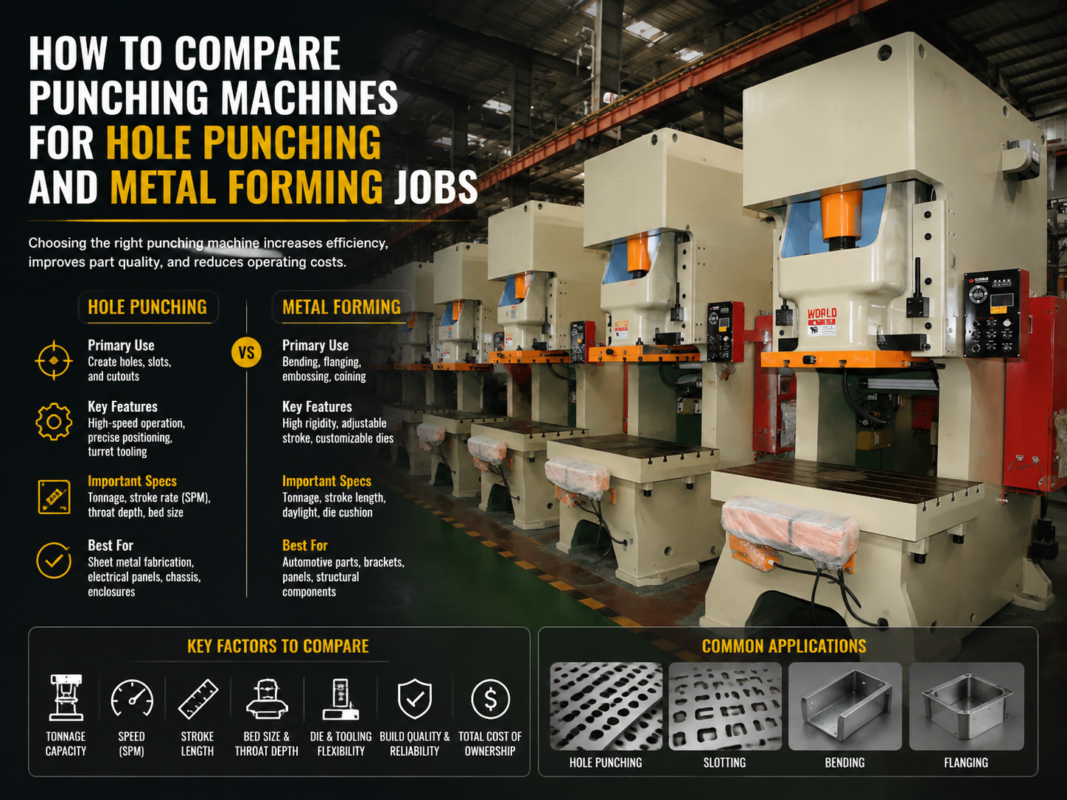
In the competitive landscape of metal fabrication, selecting the Best Punching Machine Plant: A Practical Buyer’s guide is essential for maintaining a high-efficiency production line. Punching machines have evolved from simple manual presses to highly sophisticated CNC turret systems capable of complex geometries, forming, and high-speed processing. For a plant manager or business owner, the decision to invest in a new punching machine involves balancing initial capital expenditure against long-term operational efficiency and versatility.
HARSLE has been at the forefront of providing industrial-grade solutions that cater to diverse manufacturing needs. Whether you are a small job shop or a large-scale industrial facility, understanding the nuances of punching technology is the first step toward optimizing your workflow. This guide aims to provide a deep dive into the financial and technical aspects of acquiring a punching machine, ensuring that your investment yields the highest possible return.
Price Range Overview: What to Expect
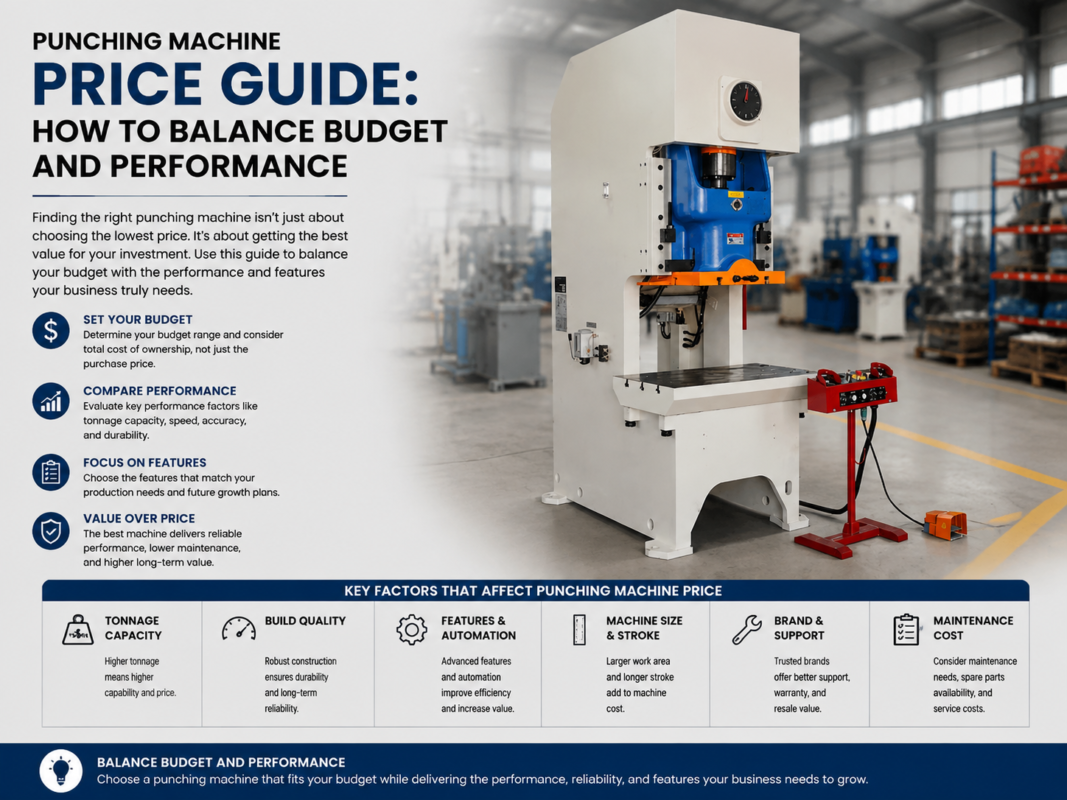
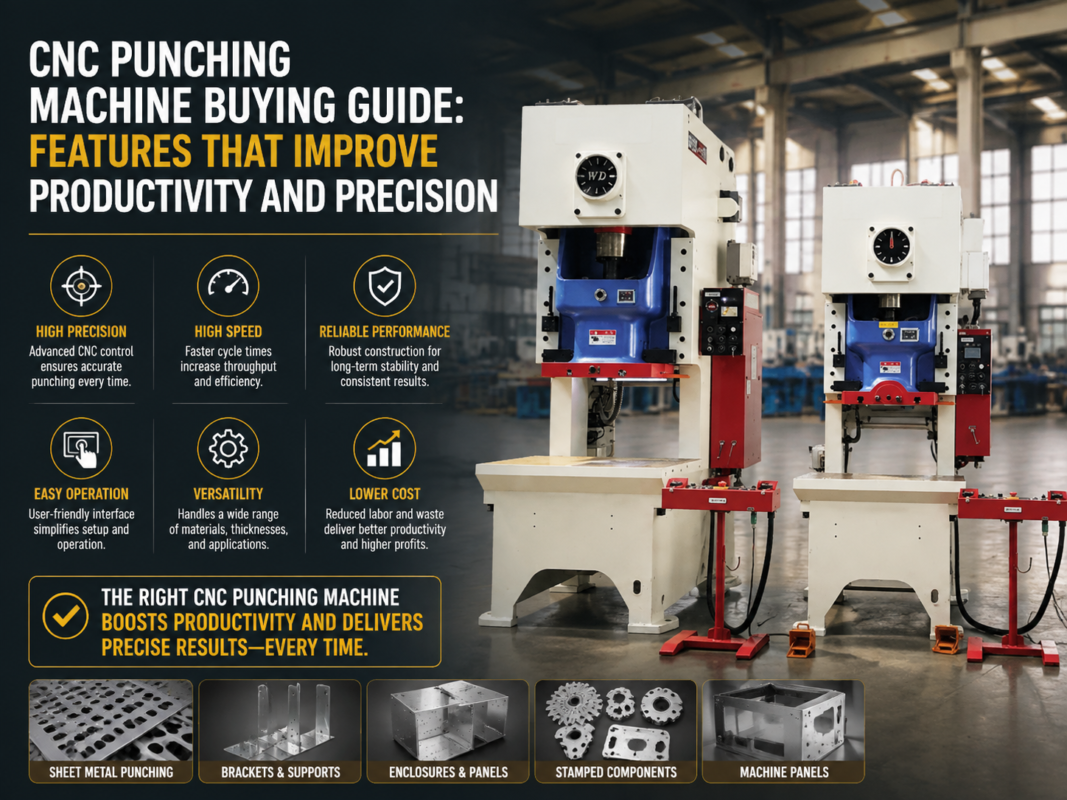
The market for punching machines is vast, with prices ranging from a few thousand dollars to several hundred thousand. Understanding where a machine fits within this spectrum is crucial for budgeting. Generally, punching machines can be categorized into three main price brackets based on their technology and capacity.
Entry-Level Manual and Mechanical Presses
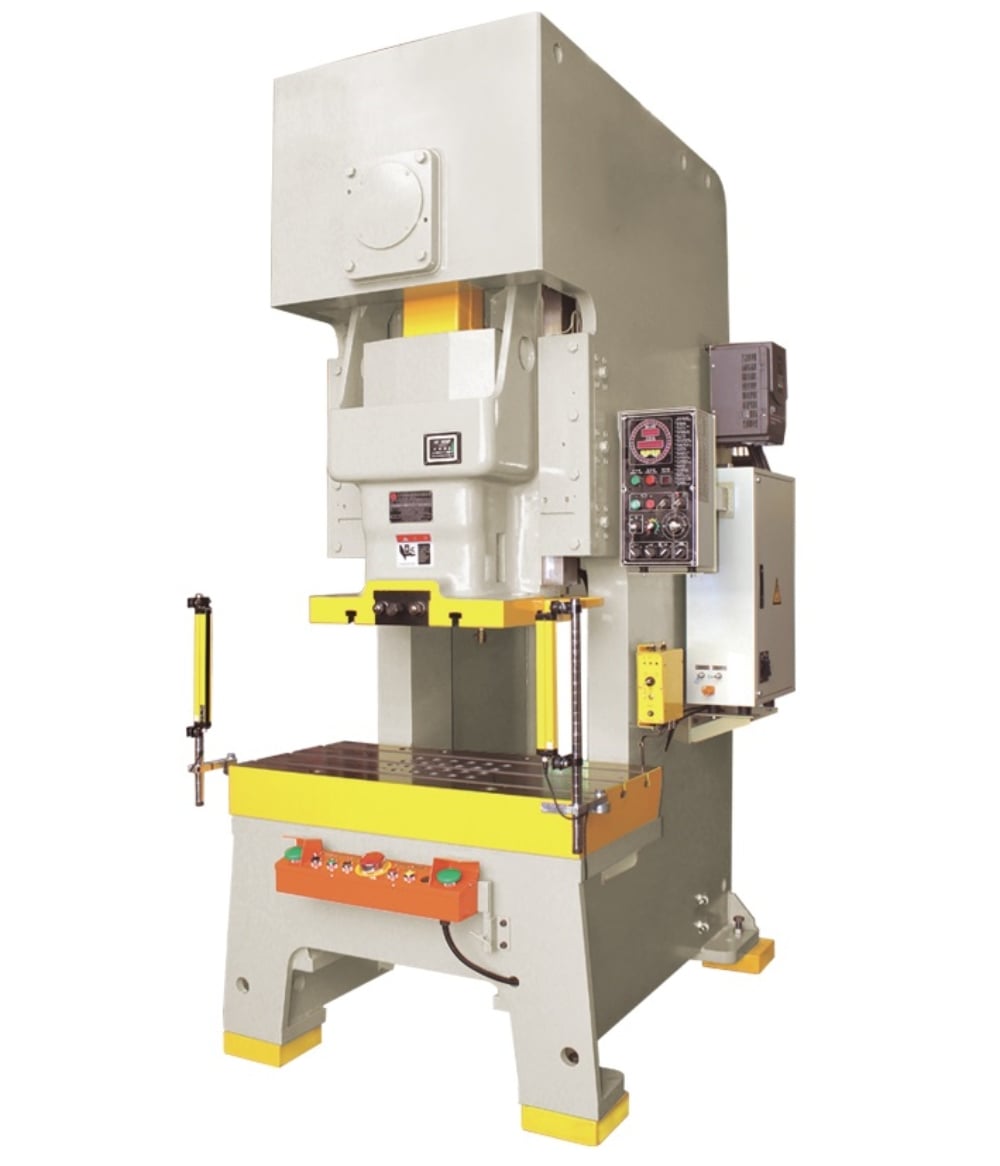
For small-scale operations or plants that require simple hole punching without complex patterns, manual or mechanical eccentric presses are the most affordable option. These machines typically range from $3,000 to $15,000. While they lack the automation of CNC systems, they are robust, easy to maintain, and ideal for dedicated tasks where high-speed repositioning is not required.
Mid-Range Hydraulic and Basic CNC Machines
Mid-range machines often include single-station hydraulic punch presses or entry-level CNC turret punch presses. These units typically cost between $20,000 and $60,000. They offer a significant step up in precision and repeatability. A basic CNC system allows for automated sheet positioning, which reduces labor costs and minimizes human error, making them a popular choice for growing fabrication shops.
High-End CNC Turret Punching Systems
At the top of the spectrum are high-speed, multi-tool CNC turret punch presses. These machines are designed for high-volume production and complex part geometries. Prices for these systems usually start at $80,000 and can exceed $250,000 depending on the level of automation, such as automatic loading and unloading systems. These machines are the backbone of modern industrial plants, offering unparalleled throughput and versatility.
Main Cost Drivers in Punching Machinery
When evaluating the Best Punching Machine Plant: A Practical Buyer’s options, it is important to understand what actually drives the price. It isn’t just the size of the machine; several technical factors contribute to the final quote.
Tonnage and Pressing Force
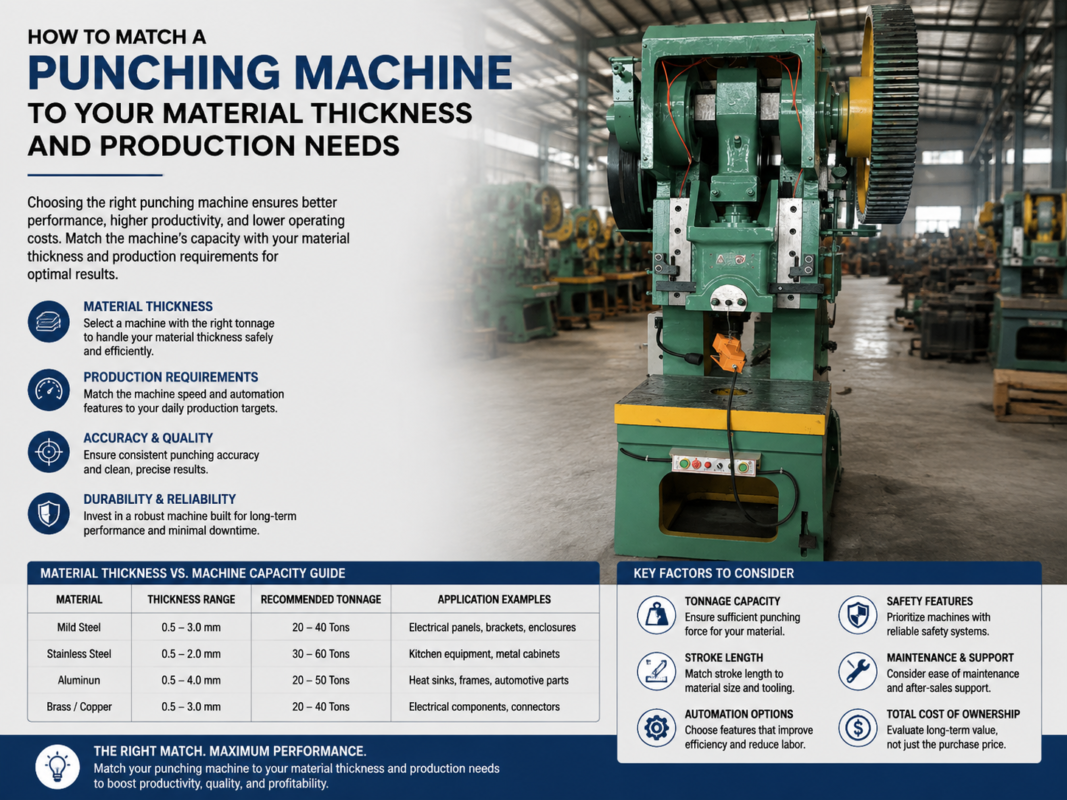
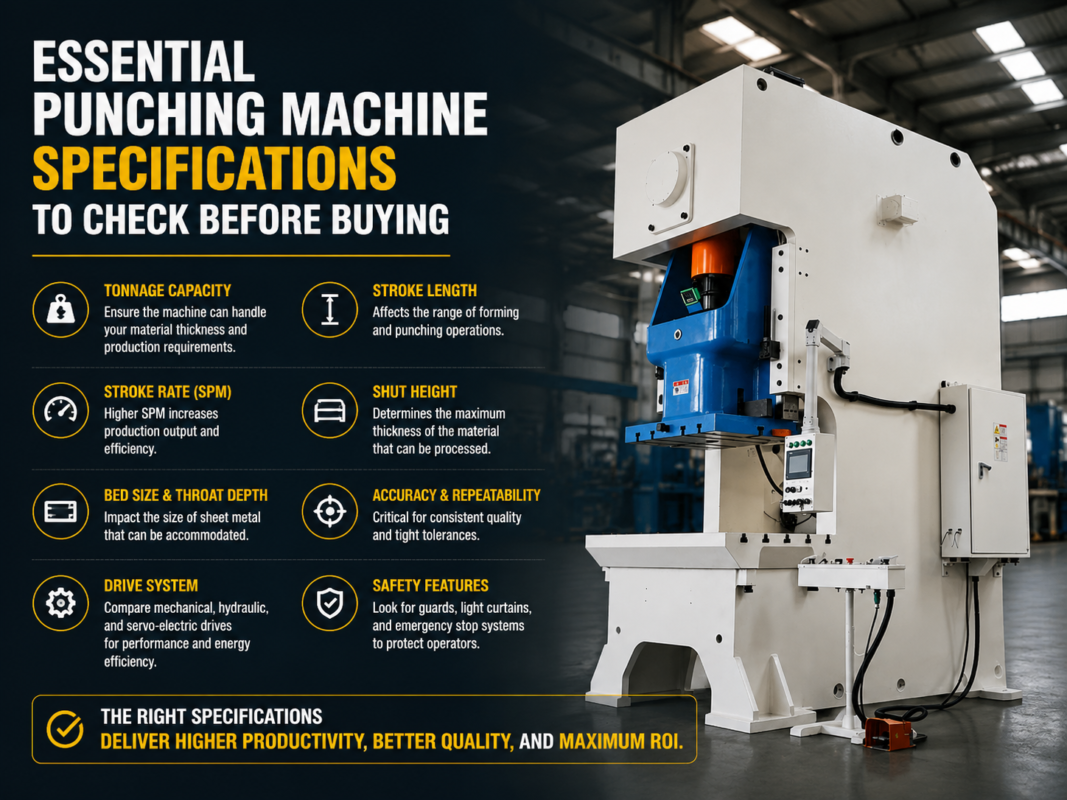
The tonnage of a machine determines the thickness and type of material it can process. A 30-ton machine is standard for most sheet metal applications, but if your plant processes thicker plates or high-strength alloys, you may need a 50-ton or even an 80-ton press. Higher tonnage requires more robust frames and more powerful hydraulic or servo systems, which directly increases the cost.
Throat Depth and Sheet Size Capacity
The throat depth determines the maximum width of the sheet that can be processed without flipping. A larger throat depth (e.g., 1250mm or 1500mm) allows for larger workpieces, reducing the need for manual intervention. However, larger frames require more material and precision engineering to prevent deflection under load, adding to the machine’s price tag.
Tooling Capacity and Turret Configuration
The number of stations in a turret significantly impacts productivity. A machine with 12 stations will require more frequent tool changes than one with 32 or 50 stations. Furthermore, the inclusion of “Auto-Index” stations—which allow tools to rotate to any angle—adds significant cost but provides immense flexibility for complex designs, reducing the total number of tools required.
Configuration Impact on Performance
The configuration of a punching machine dictates its speed, energy efficiency, and the quality of the finished parts. Choosing the right drive system is perhaps the most critical technical decision a buyer will make.
Hydraulic vs. Servo-Electric Drive Systems
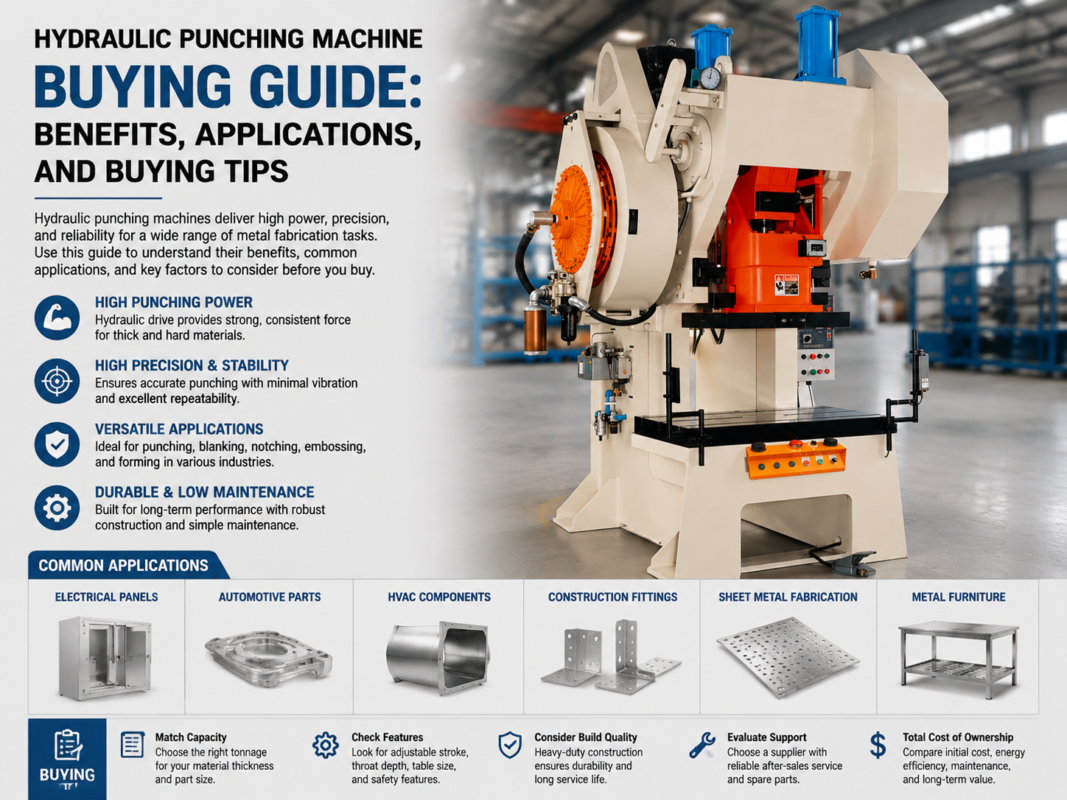
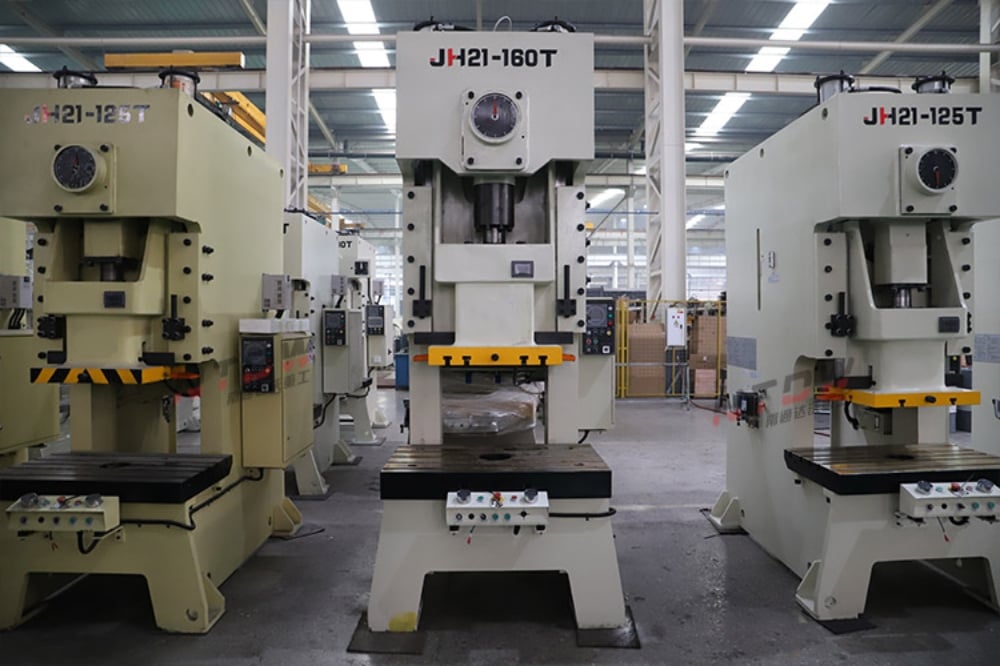
Traditional hydraulic systems are known for their power and reliability. They are generally less expensive upfront. However, servo-electric drive systems have gained massive popularity due to their energy efficiency and precision. Servo systems only consume power during the actual punch stroke, whereas hydraulic systems require the pump to run constantly. Additionally, servo drives allow for better control over the punch stroke, enabling quieter operation and specialized forming operations like louvering or embossing.
Frame Construction: C-Frame vs. O-Frame
The frame design affects the machine’s long-term accuracy. C-frame (Gap frame) machines offer excellent accessibility for loading large sheets but are more prone to “yawing” or deflection under high pressure. O-frame (Bridge frame) designs enclose the punching area, providing superior rigidity and minimizing vibration. For high-precision work, the O-frame is generally preferred, though it may come at a higher price point.
Control Systems and Software Integration
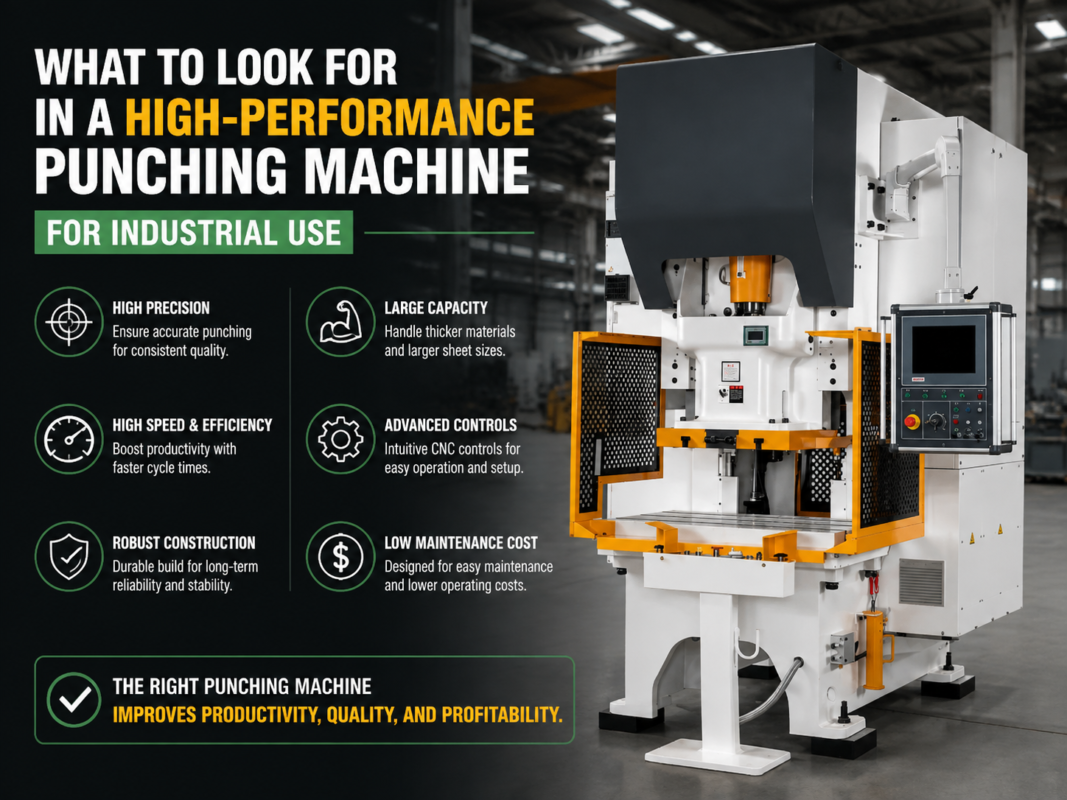
The “brain” of the machine—the CNC controller—is another major configuration factor. High-end controllers from brands like Fanuc or Siemens offer advanced features like 3D simulation, remote diagnostics, and seamless integration with CAD/CAM software. Efficient nesting software is also vital; it minimizes material waste, which can save a plant thousands of dollars in raw material costs over the machine’s lifespan.
Hidden Costs of Ownership
The purchase price is only the beginning. To find the Best Punching Machine Plant: A Practical Buyer’s solution, you must account for the total cost of ownership (TCO).
- Installation and Foundation: Large CNC machines require a stable, reinforced concrete foundation to ensure accuracy. This can involve significant construction costs before the machine even arrives.
- Tooling Sets: A turret punch press is useless without high-quality tooling. A full set of punches and dies for various shapes and sizes can cost between $5,000 and $20,000.
- Training and Labor: Operating a complex CNC system requires skilled labor. Budgeting for initial and ongoing operator training is essential to maximize the machine’s potential.
- Maintenance and Spare Parts: Regular maintenance of hydraulic seals, filters, and mechanical components is necessary. Using OEM parts from HARSLE ensures longevity but should be factored into the annual budget.
- Software Licenses: CAD/CAM software often requires annual subscription fees or paid updates to stay compatible with modern design files.
ROI Calculation: When Will the Machine Pay for Itself?
Calculating the Return on Investment (ROI) is the most effective way to justify the purchase of a punching machine. The primary drivers of ROI are labor savings, increased throughput, and material efficiency.
Consider a scenario where a plant moves from manual punching to a CNC turret press. If the CNC machine can produce parts four times faster than the manual process, the labor cost per part drops by 75%. Furthermore, if the CNC’s nesting software reduces scrap by 10%, the material savings alone could cover the monthly financing payment for the machine.
To calculate the payback period, use the following formula: (Total Investment Cost) / (Monthly Net Savings + Monthly Increased Profit) = Months to Payback. Most industrial plants aim for a payback period of 18 to 36 months. High-efficiency machines from HARSLE often meet these targets by minimizing downtime and maximizing output per hour.
Buying Advice: Selecting the Right Machine
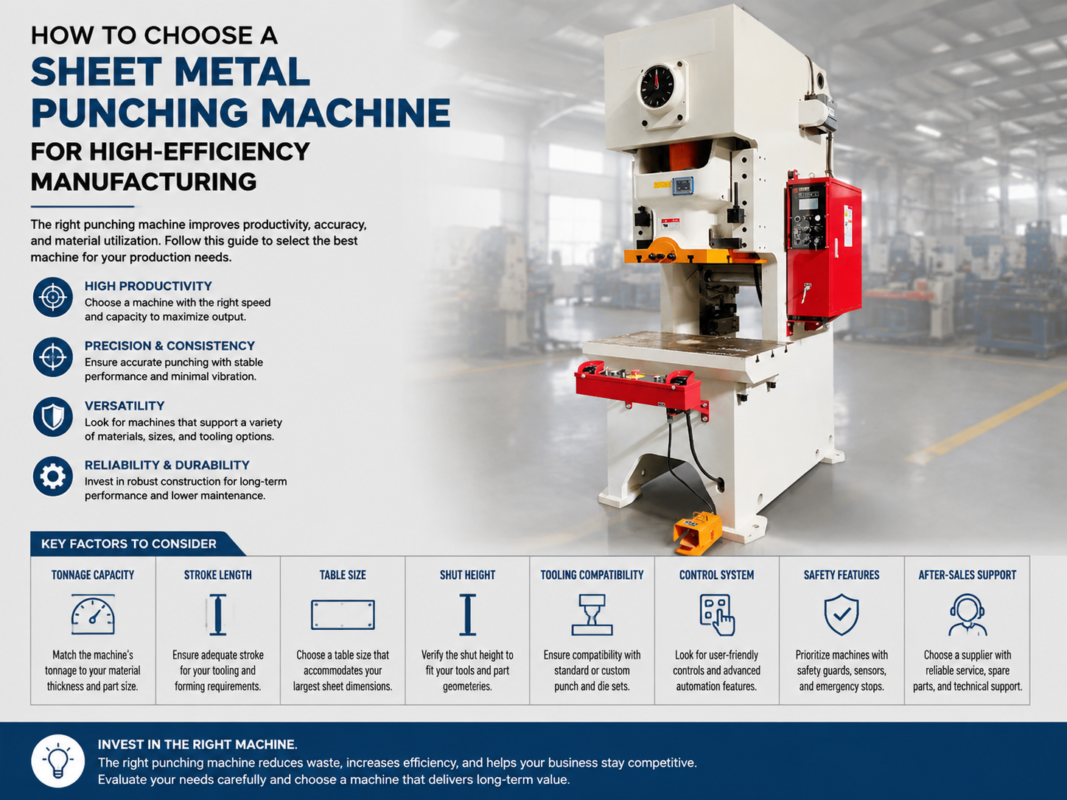
Choosing the Best Punching Machine Plant: A Practical Buyer’s choice requires a systematic approach. Don’t just buy the most expensive machine; buy the one that fits your specific production profile.
Assess Your Material Requirements
Analyze the materials you process most frequently. If you primarily work with 1-3mm stainless steel, a high-speed 30-ton servo-electric machine is ideal. If you frequently punch 6mm carbon steel, you will need the raw power of a hydraulic system with higher tonnage. Always choose a machine with a capacity slightly higher than your current maximum requirement to allow for future growth.
Evaluate Production Volume
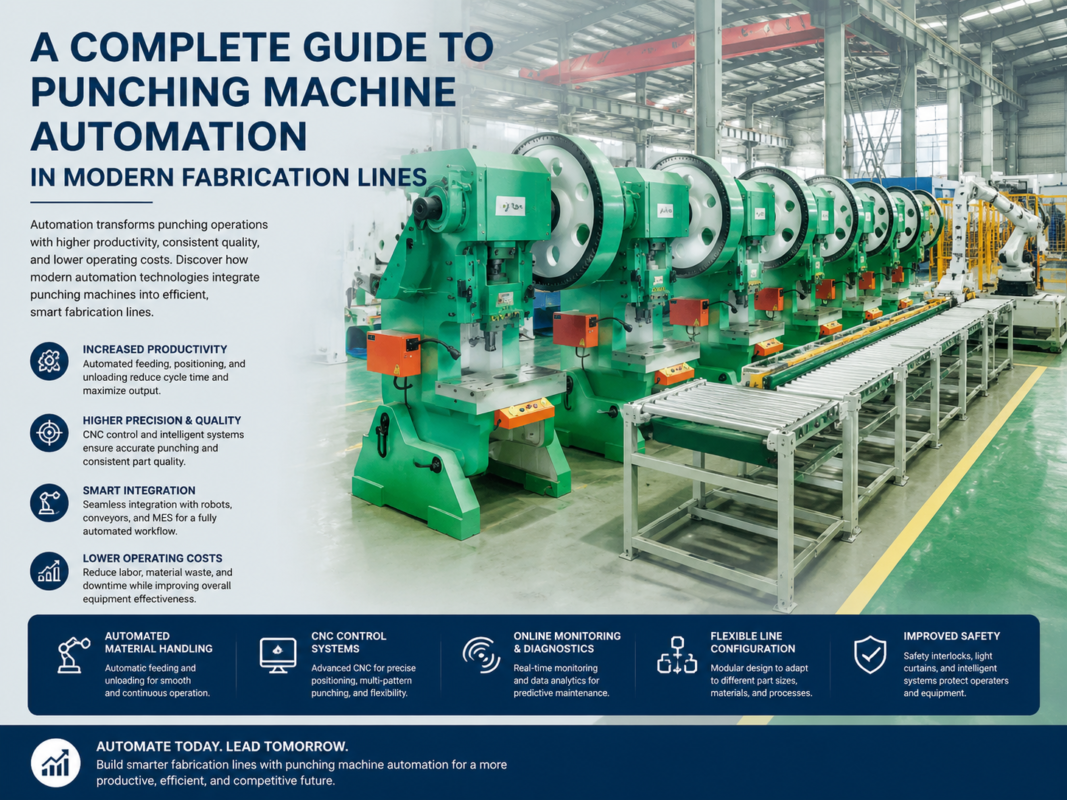
For low-volume, high-variety work, look for machines with quick-change tooling systems and easy-to-use software. For high-volume production, prioritize hit rates (strokes per minute) and consider adding automated loading/unloading tables to allow for “lights-out” manufacturing.
Check After-Sales Support
A machine is only as good as the support behind it. Ensure that the manufacturer or distributor offers robust technical support, readily available spare parts, and on-site service. HARSLE prides itself on providing comprehensive after-sales service to ensure that our customers’ plants keep running without interruption.
The Importance of a Test Cut
Before finalizing any purchase, request a test cut using your specific material and part designs. This allows you to verify the edge quality, dimensional accuracy, and cycle time. A reputable supplier will always be willing to demonstrate the machine’s capabilities on your actual workpieces.
Frequently Asked Questions (FAQ)
What is the average lifespan of a CNC punching machine?
With proper maintenance, a high-quality CNC punching machine can last 15 to 20 years. Key components like the CNC controller may need upgrading after 10 years to maintain compatibility with modern software, but the mechanical structure is built for long-term industrial use.
Can a punching machine replace a laser cutting machine?
While they overlap, they serve different purposes. Punching machines are much faster for repetitive holes, forming (like louvers), and tapping. Laser machines are better for complex, irregular contours and thicker materials. Many modern plants use both to maximize flexibility.
How often should I sharpen the punching tools?
Tooling should be sharpened as soon as you notice a decrease in edge quality or an increase in punching noise. Typically, this is after every 50,000 to 100,000 hits, depending on the material hardness. Regular sharpening extends the life of both the tools and the machine’s drive system.
Is servo-electric really better than hydraulic?
Servo-electric is superior in terms of energy efficiency, precision, and maintenance (no oil leaks). However, hydraulic machines are often more cost-effective for very high-tonnage applications. For most standard sheet metal work, servo-electric is the modern industry standard.
What software do I need for a CNC turret punch?
You will need CAD software (like AutoCAD or SolidWorks) to design parts and CAM software (like MetaCAM or Lantek) to convert those designs into G-code and optimize tool paths and nesting. Many HARSLE machines come bundled with compatible software solutions.
Conclusion
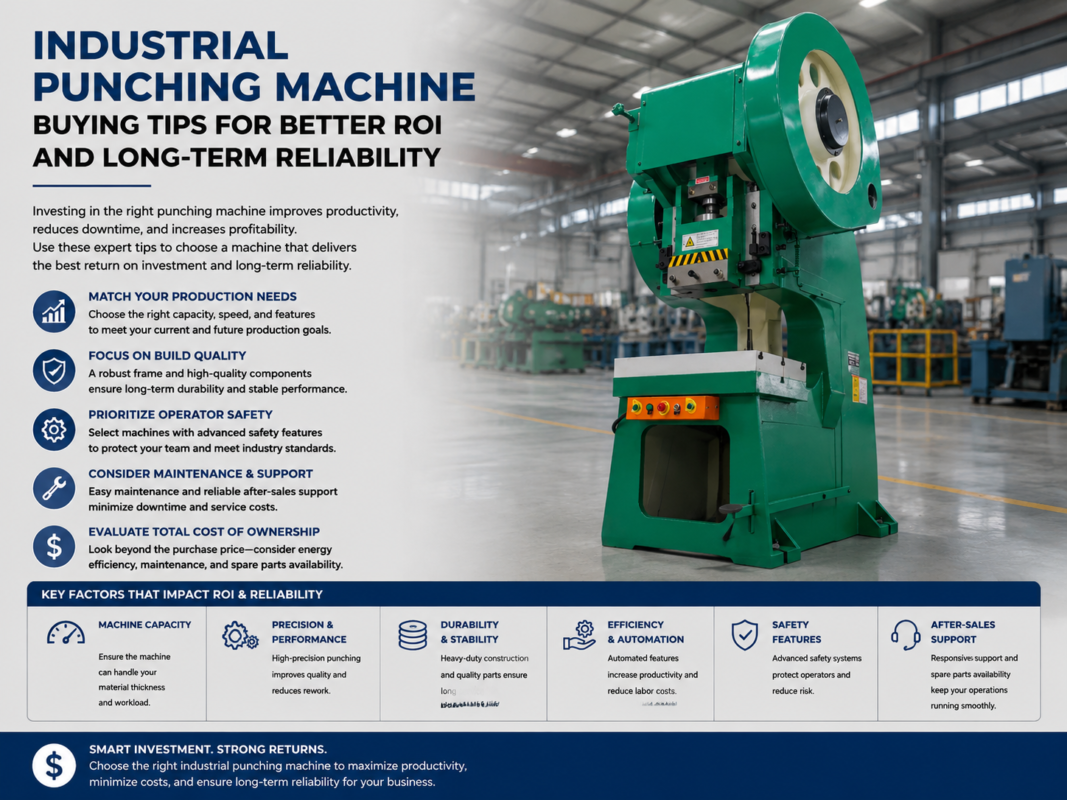
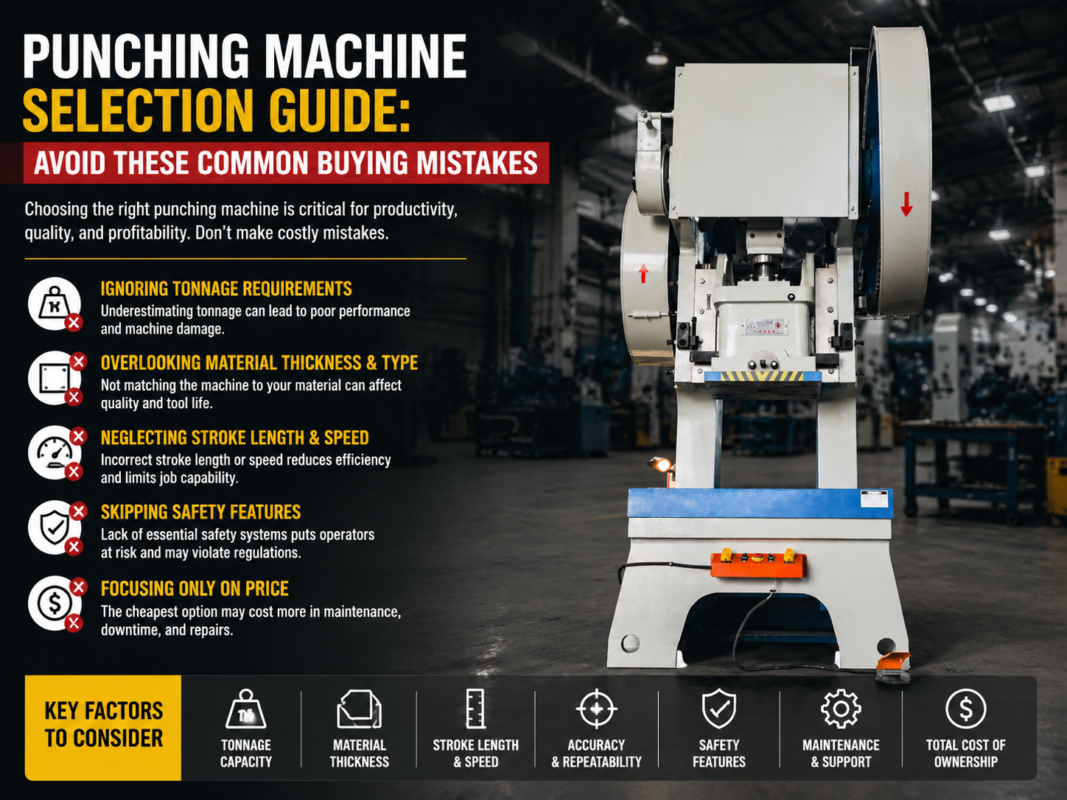
Investing in the Best Punching Machine Plant: A Practical Buyer’s guide is a strategic move that can transform your manufacturing capabilities. By carefully considering price ranges, cost drivers, and configuration options, you can select a machine that not only meets your current needs but also scales with your business. Remember that the cheapest option is rarely the most cost-effective in the long run. Focus on reliability, efficiency, and the total cost of ownership to ensure your plant remains competitive in the ever-evolving world of metal fabrication.