Best Value Press Brake Price Guide: How to Choose the Right Machine


Introduction to Press Brake Investment
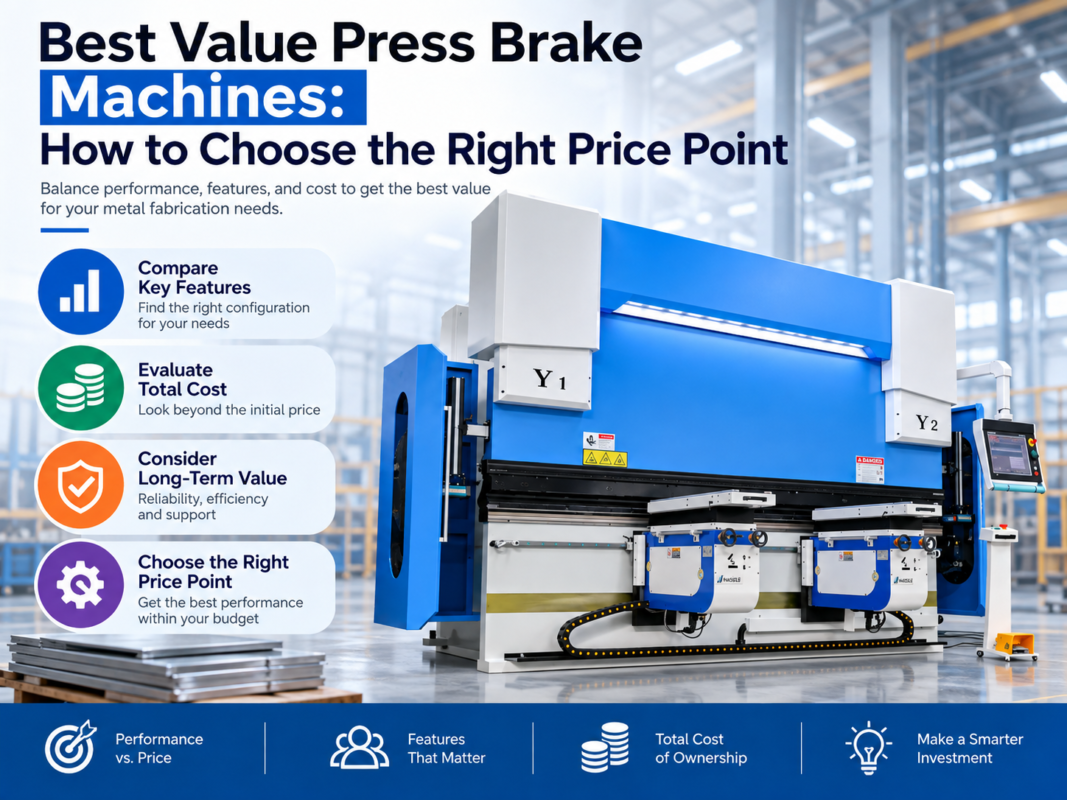
Investing in a press brake is one of the most significant capital expenditures a metal fabrication shop will undertake. Whether you are a small job shop looking for your first machine or a large-scale industrial facility upgrading your production line, understanding the Best Value Press Brake Price : Choose Machine dynamics is essential. The market is flooded with options ranging from basic manual machines to highly sophisticated, multi-axis CNC robotic cells. Finding the ‘best value’ does not necessarily mean finding the lowest price; rather, it means finding the machine that offers the highest return on investment (ROI) relative to its cost and performance capabilities.
HARSLE has established itself as a leader in providing high-quality metal fabrication machinery that balances advanced technology with affordability. In this comprehensive guide, we will break down the complexities of press brake pricing, explore the factors that drive costs, and provide a roadmap for selecting the right machine for your specific needs. By the end of this article, you will have a clear understanding of how to navigate the pricing landscape and make an informed decision that benefits your bottom line for years to come.
Price Range Overview: What to Expect
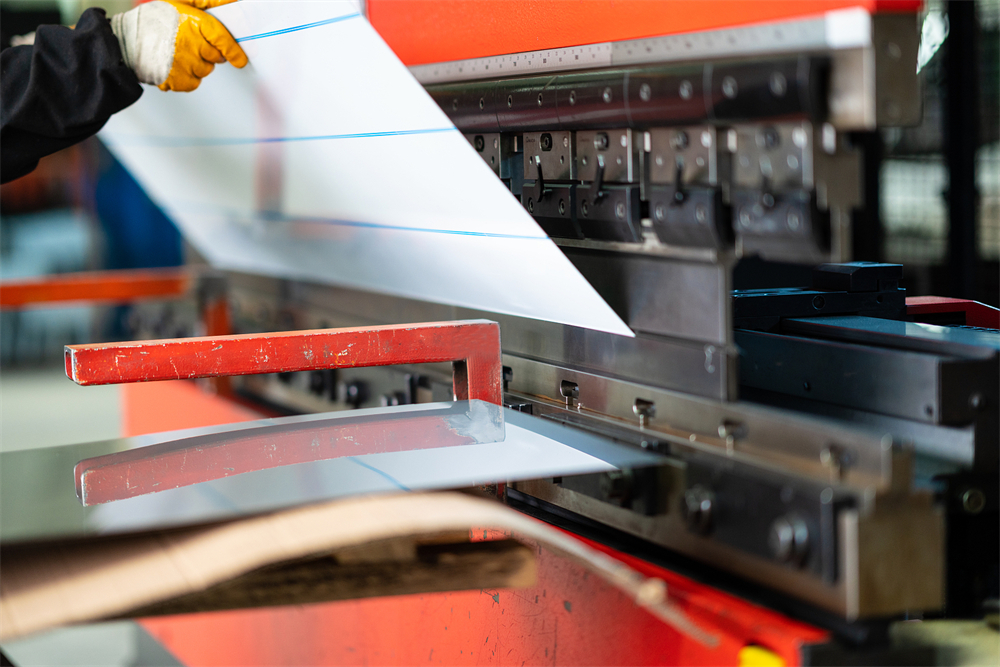
The price of a press brake can vary wildly based on its specifications. To understand the Best Value Press Brake Price : Choose Machine, we must first categorize machines into general price brackets. Entry-level NC (Numerical Control) press brakes typically start in the $15,000 to $25,000 range. These machines are ideal for simple, repetitive bends where high-speed precision and complex geometry are not the primary concerns. They often feature basic torsion bar synchronization and simple 2-axis controllers like the E21.
Mid-range CNC press brakes, which are the most popular choice for modern fabrication shops, generally fall between $35,000 and $85,000. These machines offer electro-hydraulic synchronization, multi-axis backgauges (3 to 6 axes), and sophisticated controllers like the Delem DA-53T or DA-58T. They provide the versatility needed to handle a wide variety of materials and complex bending sequences with high repeatability. At this level, the value is found in the reduction of setup time and the elimination of scrap parts.
High-end and specialized machines, including large-tonnage models (over 400 tons) or high-speed electric press brakes, can exceed $150,000. These machines are designed for heavy-duty industrial applications or high-precision electronics manufacturing. While the initial investment is high, the value lies in their extreme accuracy, energy efficiency, and ability to handle materials that standard machines cannot. Understanding where your production needs fit within these brackets is the first step in choosing the right machine.
Main Cost Drivers in Press Brake Pricing
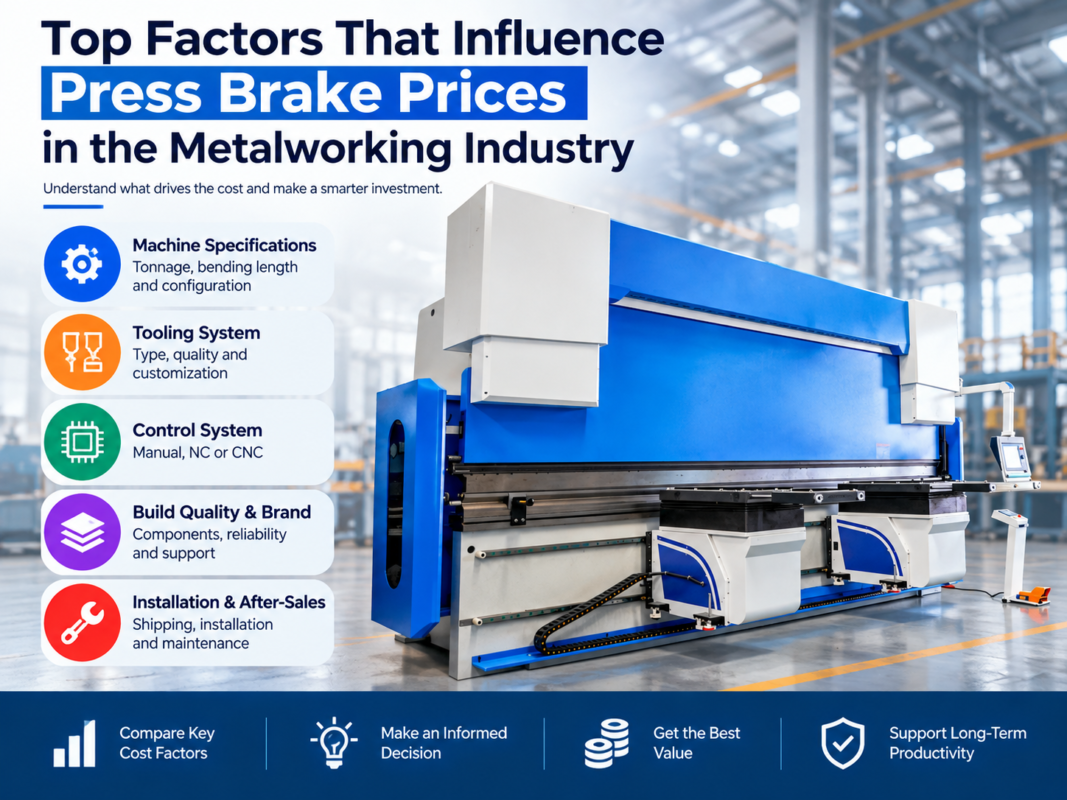
Several technical factors contribute to the final price tag of a press brake. The most obvious is Tonnage and Bending Length. A 100-ton machine with a 3200mm bed is a standard industry workhorse, but as you increase the tonnage to 300 or 500 tons to handle thicker plates, the frame must be significantly reinforced, and the hydraulic systems must be more robust, leading to a linear increase in price. The physical size of the machine also impacts shipping and installation costs.
The Control System is another major cost driver. A basic NC controller is inexpensive but requires manual calculations and physical adjustments by the operator. In contrast, a high-end CNC controller with 3D visualization and offline programming capabilities can add $10,000 to $20,000 to the machine’s price. However, for shops dealing with complex parts, the time saved in programming and the reduction in human error often make the more expensive controller the ‘best value’ choice.
The Backgauge System complexity also plays a role. A simple X-axis (depth) backgauge is standard. Adding R-axis (height), Z1/Z2 (lateral movement), and X-prime axes allows for the bending of asymmetrical parts and complex shapes without manual repositioning. Each additional axis requires high-precision servo motors, ball screws, and linear guides, which increases the manufacturing cost but significantly boosts the machine’s versatility and speed.
Configuration Impact: Hydraulic vs. Electric and Crowning
When evaluating the Best Value Press Brake Price : Choose Machine, you must decide between traditional hydraulic systems and newer electric or hybrid technologies. Hydraulic press brakes are the industry standard due to their high power-to-cost ratio and reliability. However, they require oil changes and can be noisier. Electric press brakes offer superior speed, accuracy, and energy savings (up to 50% less power consumption), but they come with a higher upfront price. For high-volume, thin-gauge work, the electric model often provides better long-term value.
Another critical configuration choice is the Crowning System. As a press brake applies pressure, the bed and ram naturally deflect, which can cause the angle of the bend to vary across the length of the workpiece. A crowning system compensates for this deflection. Manual crowning is cheaper but requires the operator to adjust it based on experience. Motorized CNC crowning, which is controlled by the machine’s computer, automatically adjusts for every bend. While motorized crowning adds to the initial cost, it is essential for achieving consistent quality in long parts, making it a high-value feature for professional shops.
Hidden Costs: Beyond the Sticker Price
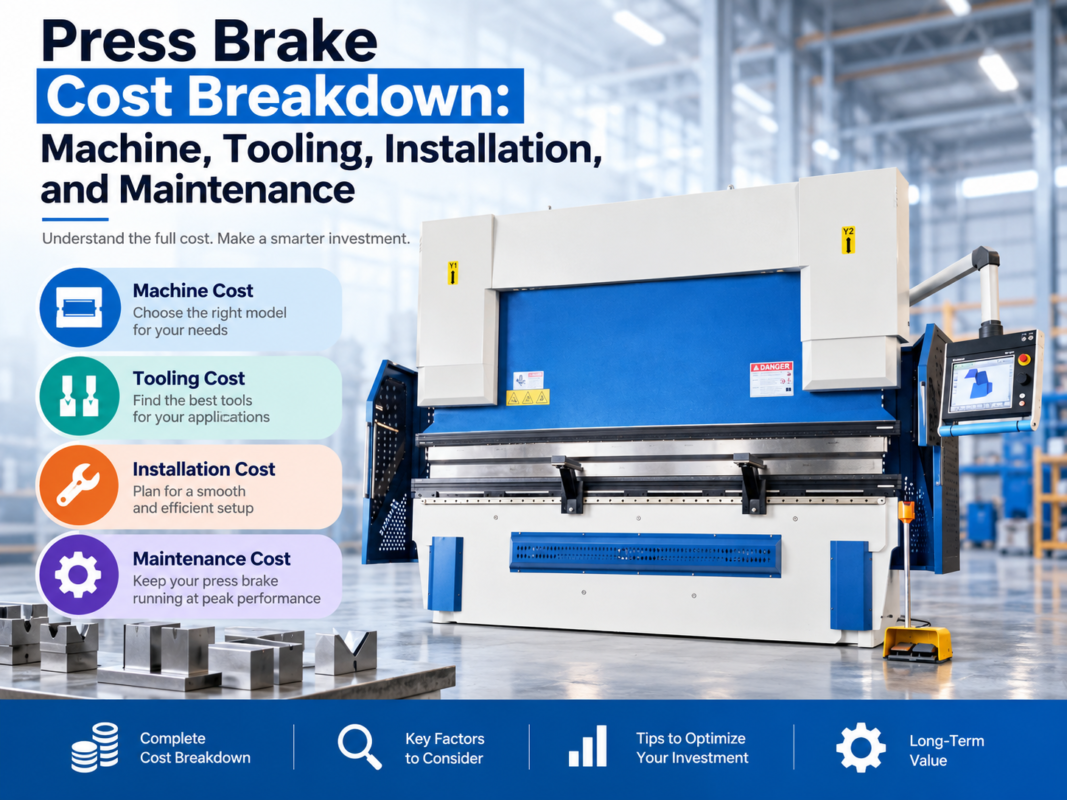
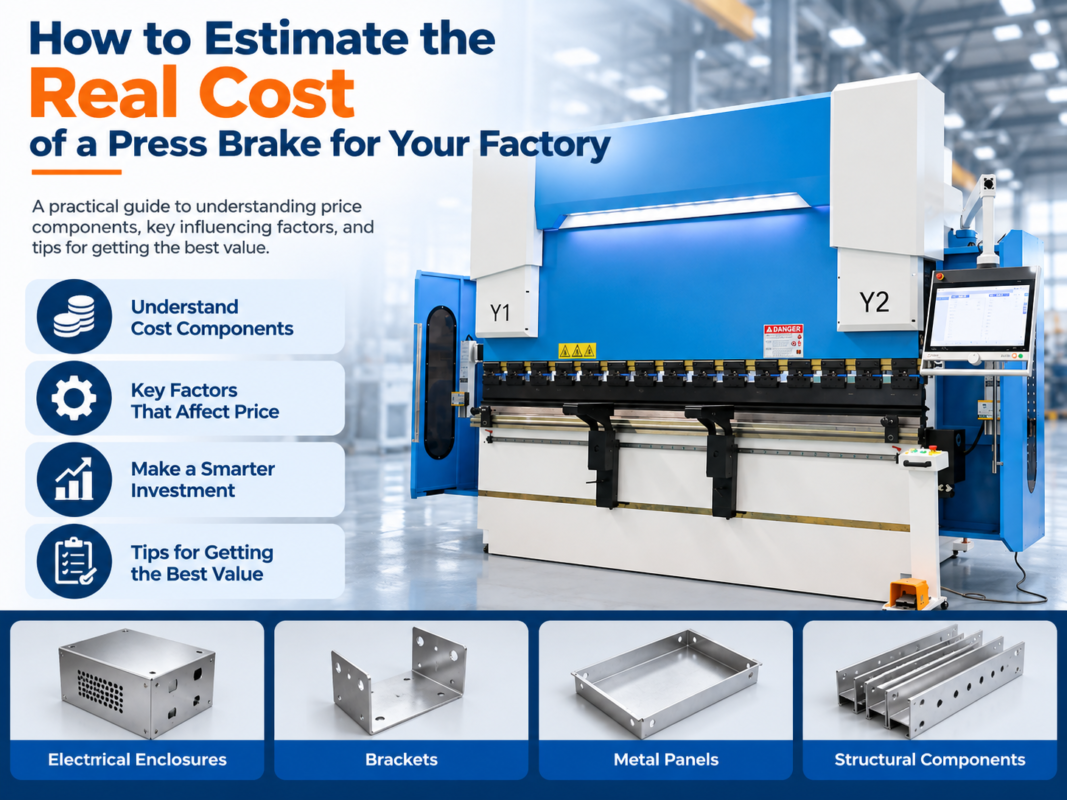
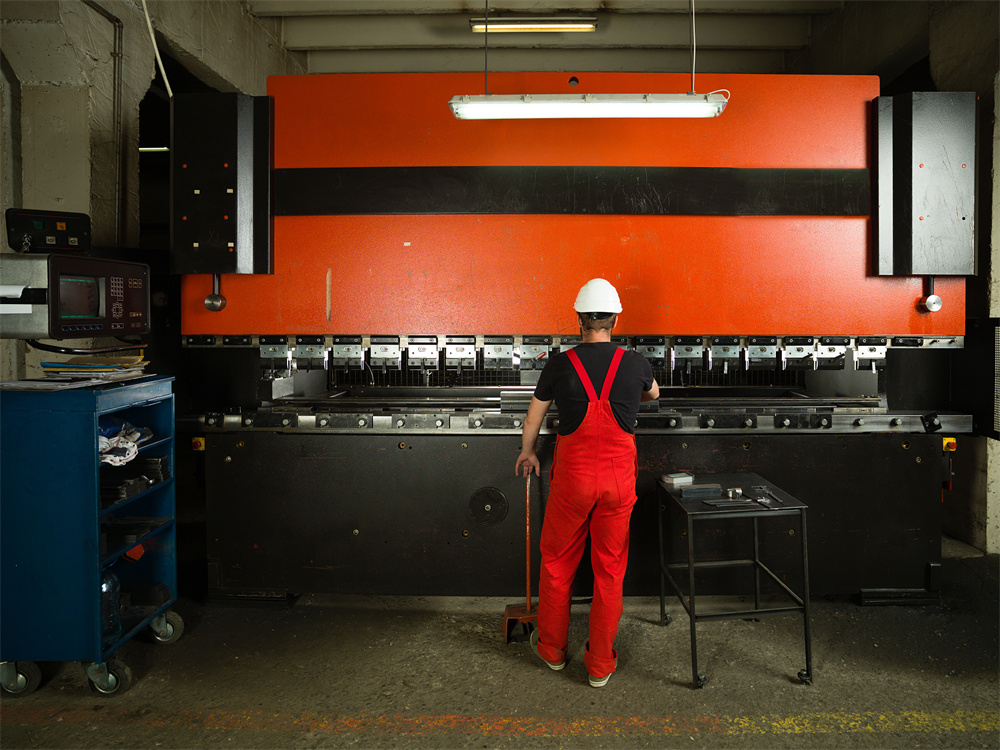
The purchase price is only one part of the total cost of ownership. To truly find the Best Value Press Brake Price : Choose Machine, you must account for hidden expenses. Shipping and Logistics can be substantial, especially for heavy machinery coming from overseas. You must also consider the cost of a proper foundation; large machines require reinforced concrete floors to maintain accuracy and prevent frame warping over time.
Tooling is another significant ongoing expense. A press brake is only as good as its punches and dies. High-quality, hardened, and precision-ground tooling can cost several thousand dollars. If you are switching from an old machine to a new one with a different clamping system (e.g., moving from American to European style), you may need to replace your entire tool library. Additionally, don’t forget the cost of Installation and Training. A machine that sits idle because the staff doesn’t know how to use the new CNC interface is a liability, not an asset.
ROI Calculation: Making the Business Case
To determine the best value, you must calculate the Return on Investment. Consider a scenario where Machine A costs $40,000 and Machine B (with more features) costs $60,000. If Machine B reduces setup time by 20 minutes per job and you run 5 jobs a day, you save 100 minutes daily. Over a year (250 workdays), that is over 400 hours of saved labor. At a shop rate of $75/hour, Machine B saves you $30,000 in the first year alone, paying for its higher price tag in less than nine months.
Furthermore, consider Scrap Reduction. A high-precision CNC machine with automatic crowning and angle sensors ensures the first part is a good part. In contrast, a cheaper machine might require two or three test bends to dial in the angle. If you are working with expensive materials like stainless steel or aluminum, the cost of scrap can quickly exceed the price difference between a budget machine and a high-value professional machine. The ‘best value’ is the machine that minimizes waste and maximizes uptime.
Buying Advice: How to Choose the Right Machine
When you are ready to buy, follow these steps to ensure you get the Best Value Press Brake Price : Choose Machine. First, define your maximum material thickness and length. Always buy a machine with about 20% more capacity than your current maximum needs to allow for future growth. Second, evaluate your operators’ skill levels. If you have highly skilled veterans, a simpler machine might suffice. If you are struggling to find skilled labor, invest in a high-end CNC controller that simplifies the bending process.
Third, research the manufacturer’s reputation for support. HARSLE, for example, provides extensive documentation, video tutorials, and remote technical support, which are invaluable for maintaining productivity. Check the components used in the machine; look for reputable brands like Rexroth for hydraulics, Siemens for motors, and Schneider for electronics. Using standardized, high-quality components ensures that replacement parts will be available for years to come, protecting your investment from obsolescence.
Checklist for Buyers:
- Tonnage Requirement: Calculate based on your thickest material and shortest die opening.
- Bending Length: Ensure the distance between housings accommodates your widest parts.
- Controller Type: Choose between 2D and 3D based on part complexity.
- Safety Features: Ensure the machine has laser guards (like DSP or Fiessler) to protect operators.
- Tooling Compatibility: Check if the machine uses standard European or specialized clamping.
- Warranty and Service: Confirm the length of the warranty and the availability of local or remote support.
Frequently Asked Questions (FAQ)
1. What is the average lifespan of a HARSLE press brake?
With proper maintenance, a high-quality hydraulic press brake from HARSLE can last 15 to 20 years or more. The mechanical frame is built to withstand decades of stress, while the hydraulic and electronic components may require updates or replacements every 10 years to keep up with technological advancements.
2. Is a CNC press brake worth the extra cost over an NC model?
For most modern shops, yes. A CNC press brake automates the positioning of the backgauge and the ram depth, which significantly reduces setup time and increases accuracy. If you perform more than three different setups per day, the CNC machine will usually pay for itself through increased productivity within the first year.
3. How do I calculate the tonnage I need?
Tonnage depends on the material type, thickness, and the V-opening of the die. A general rule for mild steel is: Tonnage = (65 x Thickness² x Length) / V-opening. However, it is always best to consult a tonnage chart provided by the manufacturer or use a built-in calculator on a CNC controller.
4. Can I bend stainless steel on a standard press brake?
Yes, but stainless steel requires about 50% more tonnage than mild steel of the same thickness due to its higher tensile strength. You must also use hardened tooling to prevent premature wear and ensure the machine’s crowning system is adjusted correctly to handle the increased springback of stainless steel.
5. What maintenance is required for a hydraulic press brake?
Regular maintenance includes checking oil levels, changing the hydraulic oil and filters annually, lubricating the backgauge and linear guides weekly, and inspecting the electrical connections. Keeping the machine clean and free of metal dust is also crucial for the longevity of the electronic components and sensors.
6. Does HARSLE offer training for new operators?
Yes, HARSLE provides comprehensive operation manuals, video guides, and can arrange for on-site or remote training sessions. Modern CNC controllers are designed with user-friendly interfaces to help new operators become productive as quickly as possible.
Conclusion
Finding the Best Value Press Brake Price : Choose Machine is a balancing act between your current budget and your future production goals. By focusing on the total cost of ownership—including setup time, scrap rates, and maintenance—rather than just the initial purchase price, you can select a machine that truly enhances your shop’s capabilities. HARSLE remains committed to providing fabricators with the tools they need to succeed, offering a range of press brakes that deliver precision, reliability, and exceptional value. Whether you are bending simple brackets or complex architectural panels, the right press brake is an investment in the future of your business.