Press Brake Import Price Guide: Shipping, Duties, and Total Landed Cost


Introduction to Press Brake Import Economics
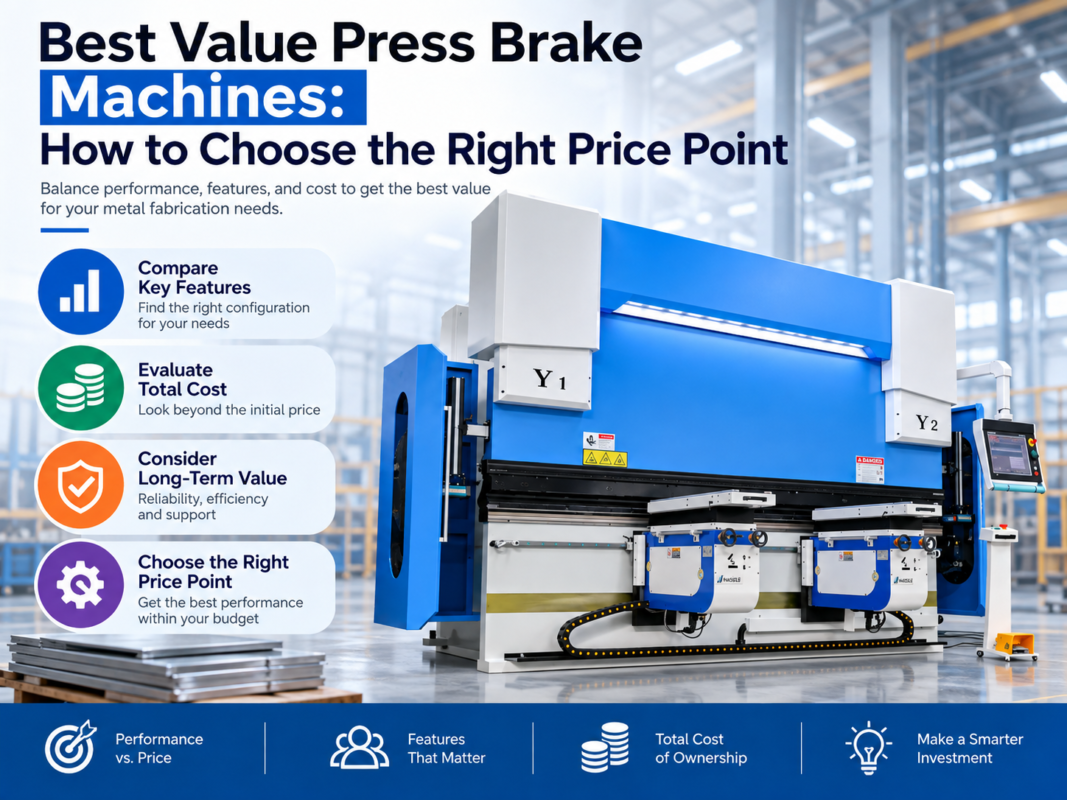
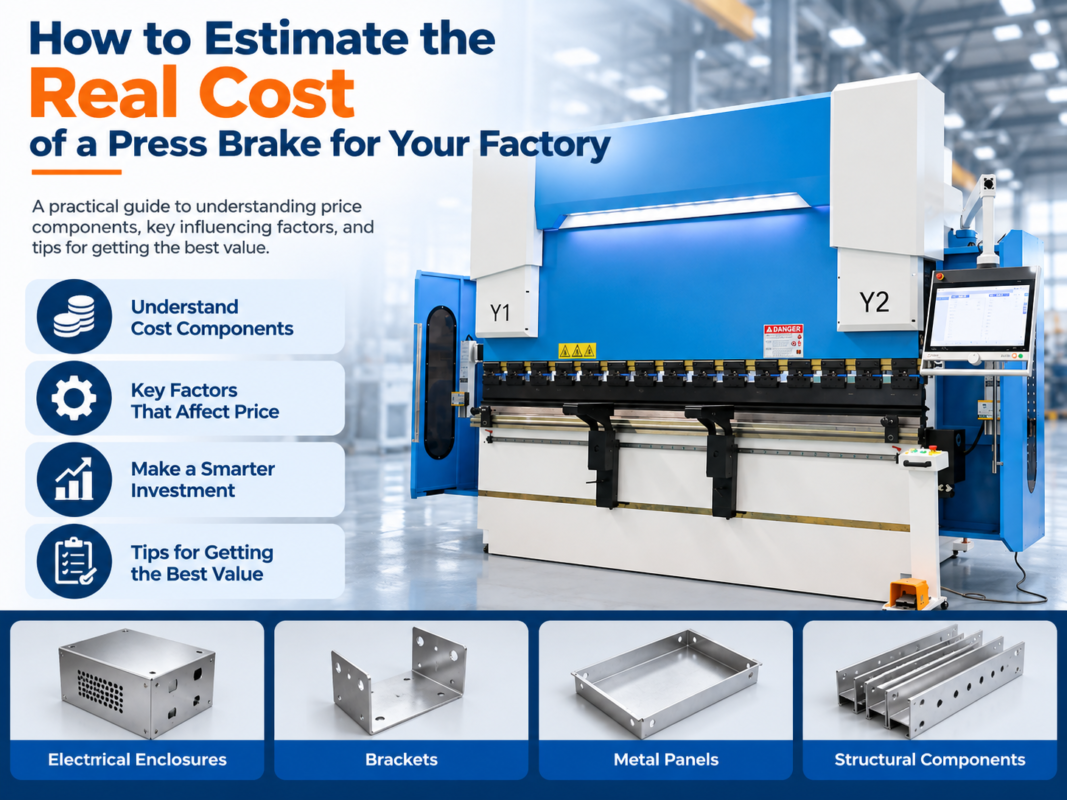
For metal fabrication businesses looking to expand their production capacity, purchasing a press brake is a significant capital investment. However, the sticker price provided by a manufacturer is only one piece of the financial puzzle. When sourcing high-quality machinery from global leaders like HARSLE, understanding the Press Brake Import Price : Shipping, Duties, Total Landed Cost is essential for accurate budgeting and ROI forecasting. The ‘Total Landed Cost’ represents the sum of all expenses incurred to get the machine from the factory floor to your facility’s production line.
Importing industrial machinery involves navigating complex international trade regulations, logistics networks, and tax structures. For many buyers, especially those new to international procurement, the secondary costs—such as ocean freight, import tariffs, and local rigging—can sometimes account for 20% to 40% of the total investment. This guide aims to demystify these costs, providing a transparent breakdown of what to expect when importing a press brake in today’s market.
By analyzing the variables that influence the final price, from the technical configuration of the machine to the fluctuating rates of global shipping, fabricators can make informed decisions. Whether you are looking for a basic NC hydraulic press brake or a high-end multi-axis CNC system, this comprehensive guide will help you calculate every penny involved in the process.
Press Brake Price Range Overview
The market for press brakes is diverse, catering to everything from small prototype shops to massive industrial manufacturing plants. Consequently, the price range is broad. At the entry level, simple NC (Numerical Control) hydraulic press brakes are designed for straightforward bending tasks. These machines typically feature a torsion bar design to maintain parallelism and are valued for their durability and ease of maintenance. Prices for these entry-level models generally start between $8,000 and $15,000, depending on the tonnage and length.
Moving into the mid-range, we find synchronized CNC press brakes. These machines utilize electro-hydraulic proportional valves and linear encoders to ensure high precision and repeatability. A standard 100-ton, 3200mm CNC press brake with a 4+1 axis configuration (Y1, Y2, X, R, and Crowning) usually falls within the $25,000 to $45,000 range. These are the workhorses of the modern fabrication industry, offering a balance between cost and advanced technological features.
At the high end of the spectrum are specialized machines, such as high-tonnage tandem press brakes, servo-electric models, or machines equipped with 6-axis to 8-axis backgauges and robotic integration. These systems can exceed $100,000. The following table provides a general estimate of factory prices (FOB) for various HARSLE press brake categories:
| Machine Type | Typical Tonnage/Length | Estimated FOB Price (USD) | Target Application |
|---|---|---|---|
| NC Hydraulic (Torsion Bar) | 40T – 125T / 2000mm – 3200mm | $7,500 – $18,000 | Simple bending, low precision |
| Basic CNC (4+1 Axis) | 63T – 160T / 2500mm – 3200mm | $22,000 – $38,000 | General fabrication, high accuracy |
| Advanced CNC (6+1 Axis+) | 100T – 300T / 3200mm – 4000mm | $40,000 – $75,000 | Complex parts, high productivity |
| Servo-Electric Press Brake | 30T – 100T / 1200mm – 2500mm | $35,000 – $60,000 | High speed, energy efficient |
| Large/Tandem Systems | 400T – 1000T+ / 4000mm+ | $80,000 – $250,000+ | Heavy industry, infrastructure |
Main Cost Drivers in Press Brake Manufacturing
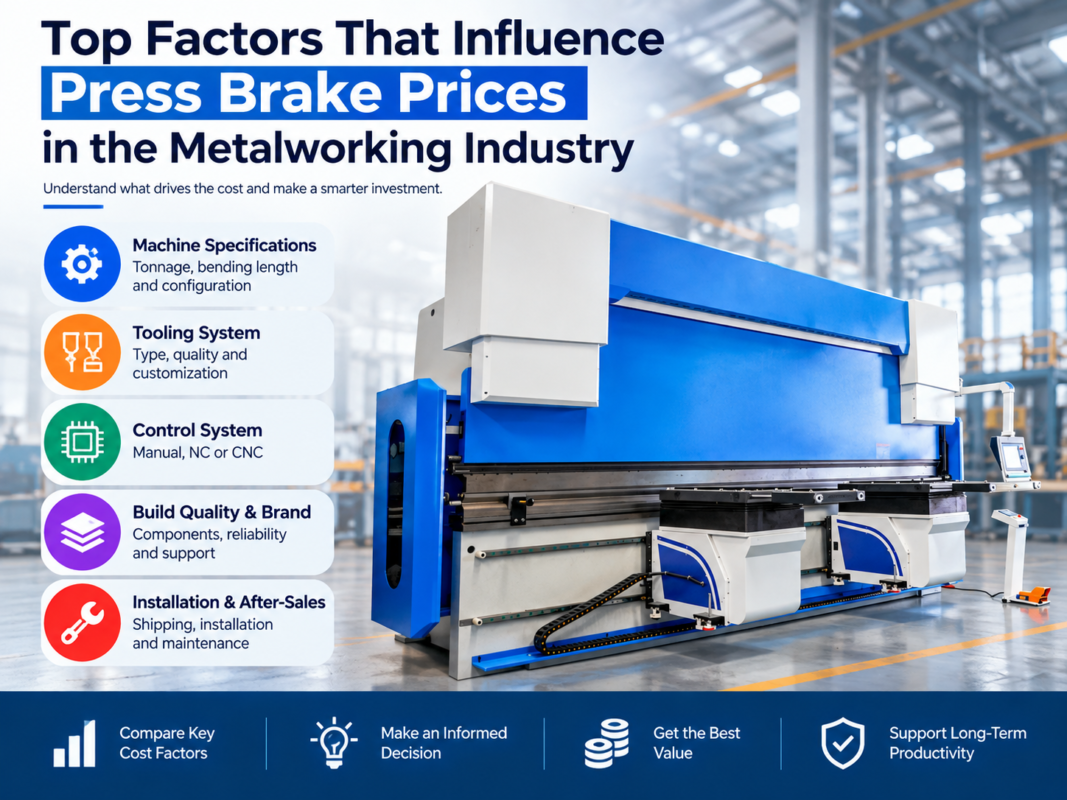
The price of a press brake is primarily driven by the quality of its components and the complexity of its engineering. One of the most significant cost drivers is the frame construction. High-quality machines like those from HARSLE use heavy-duty, Q235B or higher-grade steel plates that are welded and then stress-relieved through vibration or heat treatment. This process ensures the frame remains stable over decades of use, but it adds to the material and labor costs.
The hydraulic system is another critical factor. Premium machines utilize components from world-renowned brands such as Rexroth (Germany) or Hoerbiger (Austria). These valves and pumps offer superior reliability and faster cycle times compared to generic alternatives. While they increase the initial purchase price, they significantly reduce long-term maintenance costs and downtime, which is a vital consideration for the total landed cost analysis.
The control system, or the “brain” of the machine, also dictates the price. Controllers from Delem (Netherlands), Cybelec (Switzerland), or ESA (Italy) are industry standards. A high-end Delem DA-66T or DA-69T touch-screen controller with 3D visualization capabilities costs significantly more than a basic DA-53T or an NC controller like the E21. The choice of controller affects not only the machine’s price but also the skill level required for operators and the speed of part programming.
Finally, the backgauge system and motorization contribute to the cost. High-speed backgauges with AC servo motors and precision ball screws allow for rapid positioning and high accuracy. As you add more axes (R, Z1, Z2, X-prime), the mechanical complexity and the number of servo drives increase, driving up the price. Buyers must weigh the need for these features against their specific production requirements.
Configuration Impact on Final Pricing
When requesting a quote for a press brake, the configuration options selected can cause the price to fluctuate by thousands of dollars. One of the most impactful options is the crowning system. In long machines (over 2500mm), the bed and ram naturally deflect under pressure. A mechanical or hydraulic crowning system compensates for this deflection to ensure a consistent bend angle across the entire length of the workpiece. While a manual crowning system is cheaper, a CNC-controlled motorized crowning system is essential for high-precision work and adds to the cost.
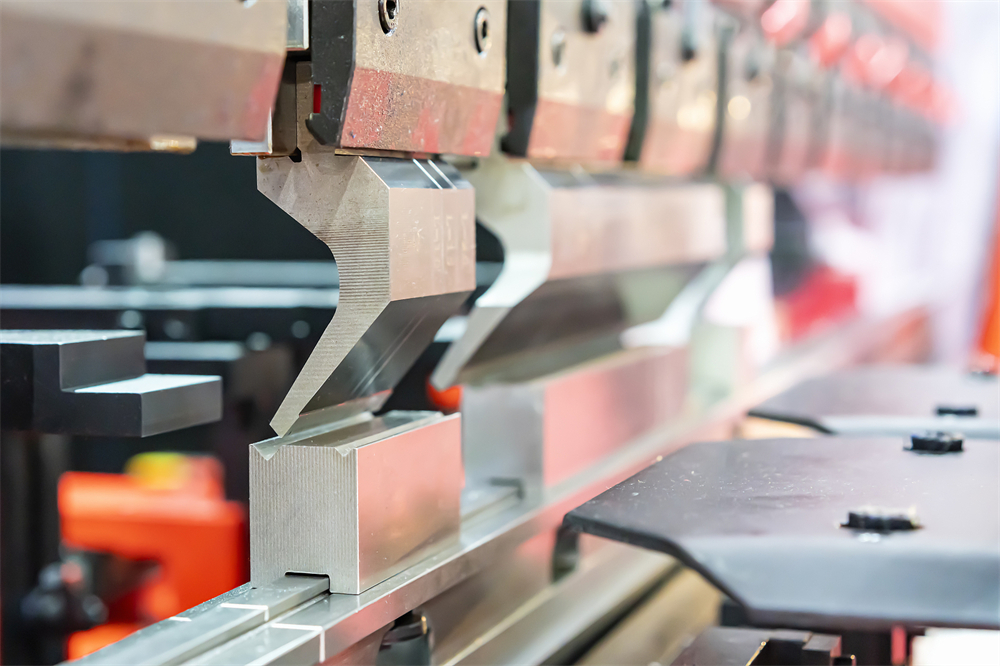
Tooling is another area where costs can vary. Most press brakes come with a standard set of multi-V dies and a top punch. However, if your application requires specialized offset tools, gooseneck punches, or large-radius dies, these must be factored into the initial purchase. High-quality, hardened, and ground tooling is an investment in the machine’s versatility and the quality of the finished product.
Safety features also play a role in pricing, particularly for imports into regions with strict safety standards like the European Union (CE) or North America (OSHA/ANSI). Laser safety guards, such as the DSP or FIESSLER systems, protect the operator’s hands by stopping the ram if an obstruction is detected. These systems are often optional but highly recommended, adding roughly $2,000 to $5,000 to the machine’s price depending on the complexity of the integration.
Lastly, consider the electrical components. For international buyers, ensuring the machine is built with components compatible with local voltages (e.g., 208V, 230V, 460V, or 575V at 60Hz for North America) is crucial. Using high-quality electrical brands like Schneider or Siemens ensures that replacement parts are easily sourced locally, even if it adds a small premium to the initial manufacturing cost.
Shipping and Logistics: From Factory to Port
Shipping a heavy industrial machine like a press brake requires specialized logistics. The first step is determining the Incoterms (International Commercial Terms) of the sale. Most HARSLE transactions are handled via FOB (Free On Board), where the manufacturer covers the cost of getting the machine to the Chinese port, or CIF (Cost, Insurance, and Freight), where the manufacturer also covers the ocean freight and insurance to your local port.
The physical dimensions and weight of the press brake dictate the shipping method. Smaller machines can often fit into a standard 20GP (General Purpose) or 40HQ (High Cube) container. However, larger press brakes may exceed the width or height of a standard container, requiring a “Flat Rack” container or “Open Top” container. Flat racks are significantly more expensive than standard containers because they occupy more space on the vessel and require special handling.
Ocean freight rates are notoriously volatile, influenced by fuel prices, seasonal demand, and global geopolitical events. It is not uncommon for freight costs to range from $2,000 to $10,000 depending on the destination and the type of container required. Additionally, buyers must account for port charges at the destination, which include terminal handling fees, documentation fees, and security charges. These can easily add another $500 to $1,500 to the total landed cost.
Insurance is a non-negotiable expense when shipping high-value machinery. Marine cargo insurance typically costs about 0.1% to 0.3% of the CIF value. While this is a relatively small amount, it provides essential protection against damage during transit, which can occur due to rough seas, improper lashing, or accidents during loading and unloading. Always ensure that the insurance policy covers “All Risks” from the factory door to your facility.
Customs Duties and Import Taxes
Once the press brake arrives at your country’s port, it must clear customs. This is where the Press Brake Import Price : Shipping, Duties, Total Landed Cost can see a significant jump. The primary factor here is the Harmonized System (HS) code. Most press brakes fall under HS Code 8462.21 (for CNC models) or 8462.29 (for non-CNC models). The duty rate applied to these codes varies by country.
In the United States, for example, standard import duties on Chinese-made machinery have been subject to Section 301 tariffs, which can add an additional 25% on top of the base duty rate (which is often 0% to 4.4%). However, these rates are subject to change based on trade policy. In the European Union, import duties are generally lower, but buyers must pay Value Added Tax (VAT), which can range from 17% to 25% depending on the country. While VAT is often recoverable for registered businesses, it still represents a significant upfront cash flow requirement.
Working with a professional customs broker is highly recommended. A broker will ensure that the machine is classified correctly, all paperwork (Bill of Lading, Commercial Invoice, Packing List, Certificate of Origin) is in order, and that you take advantage of any applicable trade agreements or duty drawbacks. Incorrect classification can lead to heavy fines or delays at the port, which incur daily storage fees (demurrage).
Beyond duties, some countries may impose anti-dumping duties on specific types of machinery from certain origins. It is vital to research these potential costs before finalizing a purchase. Your manufacturer or a local trade consultant can provide guidance on the current regulatory environment for your specific region.
Hidden Costs: The “Last Mile” and Installation
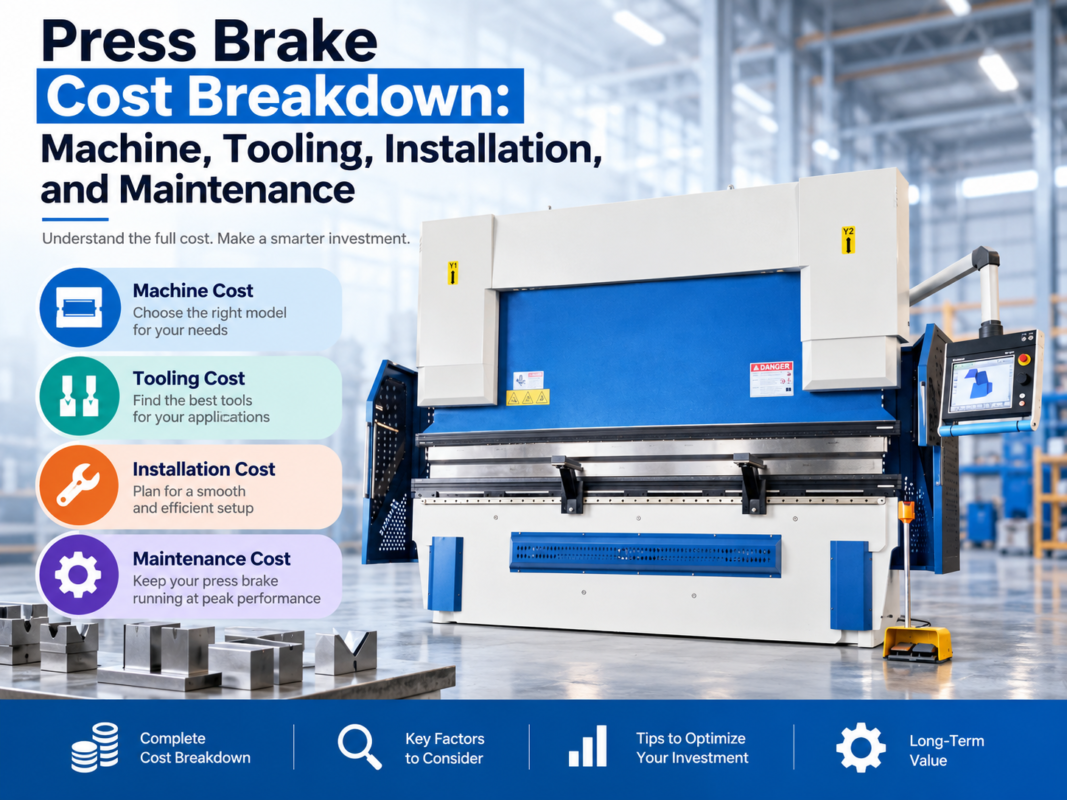
The journey doesn’t end at the port. The “last mile” of delivery involves transporting the machine from the port to your facility. Because press brakes are heavy and oversized, this requires a specialized trucking company with a flatbed or low-boy trailer. Depending on the distance from the port and the weight of the machine, inland trucking can cost anywhere from $500 to $5,000.
Once the machine arrives at your shop, you need a way to get it off the truck and into position. Standard forklifts are usually insufficient for a 10-ton or 20-ton press brake. You will likely need to hire a professional rigging company. Riggers use heavy-duty cranes, specialized jacks, and skates to safely move the machine. Rigging costs are often overlooked but can range from $1,500 to $5,000 depending on the complexity of the move and the accessibility of your shop floor.
Installation and commissioning are the final steps. While HARSLE provides detailed manuals and video support, many buyers prefer to have a technician on-site to level the machine, fill the hydraulic oil (which is usually not included in the shipping for safety reasons), and perform the initial calibration. You should also budget for the hydraulic oil itself—large machines can require hundreds of liters of high-grade anti-wear hydraulic fluid, costing several hundred dollars.
Finally, consider training and spare parts. Investing in a few days of professional training for your operators can significantly improve productivity and prevent accidental damage to the machine. Additionally, purchasing a “start-up kit” of spare parts (seals, filters, fuses, and common tools) ensures that you won’t be sidelined by a minor issue during your first few months of operation. These miscellaneous costs should be factored into your total landed cost calculation to avoid surprises.
Calculating ROI on Your Press Brake Investment
With the total landed cost calculated, the next step is determining the Return on Investment (ROI). A press brake is not just an expense; it is a revenue-generating asset. To calculate ROI, compare the total landed cost against the projected increase in production capacity, the reduction in outsourced bending costs, and the improvement in part quality (which reduces scrap and rework).
For example, if a CNC press brake costs $45,000 landed and it allows you to bring $5,000 worth of monthly bending work in-house while reducing labor time by 30%, the machine could pay for itself in less than a year. Furthermore, the precision of a modern CNC system allows for more complex part designs, potentially opening up new markets and higher-margin contracts for your business.
Maintenance and energy efficiency also play a role in the long-term ROI. Modern hydraulic systems and servo-electric drives consume significantly less power than older models. When calculating the 5-year or 10-year cost of ownership, these energy savings, combined with the high resale value of reputable brands like HARSLE, make the initial import price much more attractive.
Buying Advice for International Press Brake Buyers
When importing a press brake, the most important piece of advice is to choose a reputable manufacturer with a proven track record of international exports. HARSLE has built a global reputation by providing high-quality machinery backed by robust technical support. Before buying, ask for references in your country, request detailed videos of the machine under power, and verify the brands of the critical components (PLC, hydraulics, motors).
Always get a detailed, written quote that specifies exactly what is included. Does the price include tooling? What is the warranty period, and how is it serviced? For international buyers, a warranty that includes the shipment of replacement parts via express courier is essential. You should also clarify who is responsible for the cost of the technician if on-site service is required.
Finally, don’t rush the process. Give yourself ample time for shipping and customs clearance. Plan your shop layout in advance, ensuring you have the necessary power supply and a reinforced concrete floor capable of supporting the machine’s weight. By doing your homework and calculating the Press Brake Import Price : Shipping, Duties, Total Landed Cost accurately, you can turn the challenge of importing into a competitive advantage for your fabrication business.
Frequently Asked Questions (FAQ)
1. How long does it typically take to import a press brake from China?
The total lead time usually ranges from 8 to 14 weeks. This includes 4-6 weeks for manufacturing and 4-8 weeks for ocean freight and customs clearance, depending on your location.
2. Can I install the press brake myself?
While it is possible for experienced maintenance teams to install a press brake using the provided manuals, we highly recommend hiring professional riggers for the physical move and considering a technician for the final calibration and training to ensure the warranty remains valid and the machine performs optimally.
3. What is the most common HS code for a press brake?
The most common HS code for CNC press brakes is 8462.21. For manual or NC hydraulic press brakes, it is 8462.29. Always verify with your customs broker as codes can be updated.
4. Are there any specific electrical requirements I should be aware of?
Yes, you must specify your local voltage and frequency (e.g., 480V, 3-phase, 60Hz) at the time of order. HARSLE will customize the electrical system and motors to match your facility’s requirements.
5. What happens if the machine is damaged during shipping?
If you have purchased Marine Cargo Insurance (which is standard in CIF terms), you can file a claim for the repairs or replacement. It is crucial to inspect the machine thoroughly upon arrival and note any visible damage on the Bill of Lading before signing for the delivery.