Electric Press Brake Price Guide: Are Servo Models Worth the Price?


Introduction to Electric Press Brake Pricing
In the rapidly evolving landscape of metal fabrication, the debate between traditional hydraulic systems and modern electric alternatives has reached a fever pitch. As shop owners and production managers look to optimize their workflows, the question of the Electric Press Brake Price : Are Servo Models Worth Price? becomes central to their capital expenditure strategy. While the initial sticker price of an electric press brake is often higher than its hydraulic counterpart, the long-term economic implications involve much more than just the purchase price. This guide aims to dissect the costs, benefits, and technical nuances of electric servo press brakes to help you determine if they are the right fit for your facility.
HARSLE has been at the forefront of this technological shift, providing high-precision machinery that balances performance with cost-effectiveness. Understanding the price structure of these machines requires a deep dive into the components that drive their accuracy and speed. Unlike hydraulic machines that rely on fluid dynamics and valves, electric press brakes utilize high-torque servo motors and precision ball screws or belt systems. This fundamental difference in engineering is the primary driver of both the initial cost and the subsequent operational savings.
Price Range Overview: What to Expect
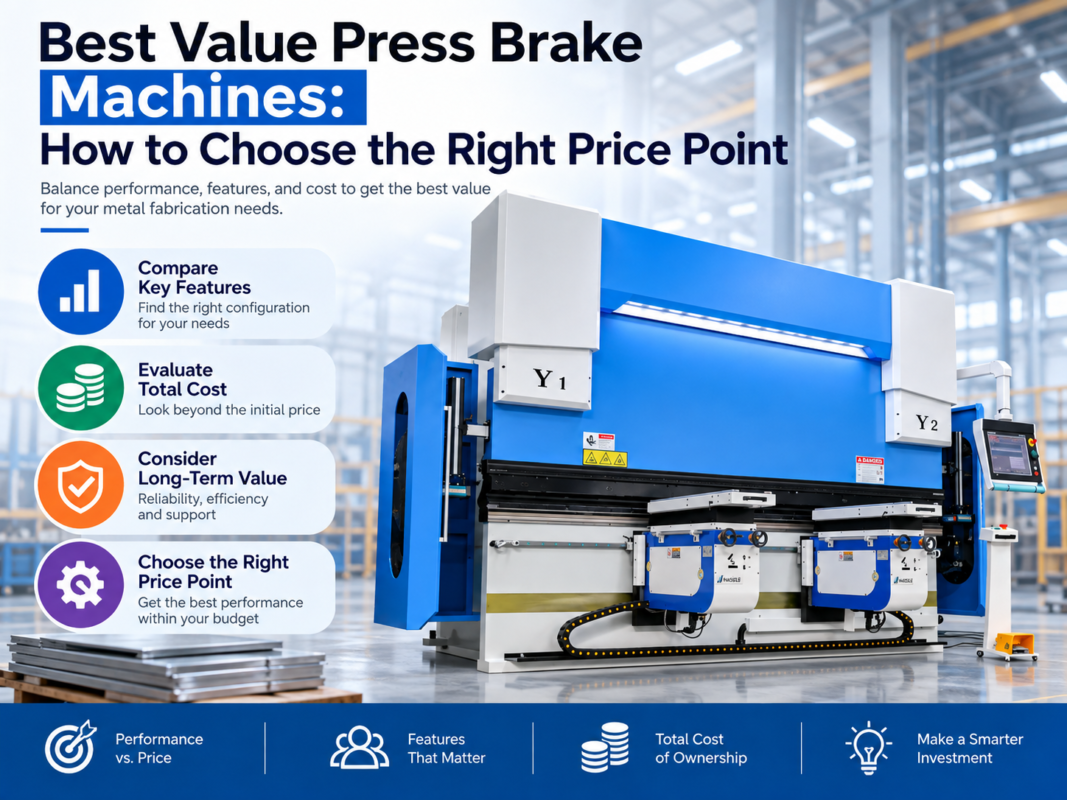
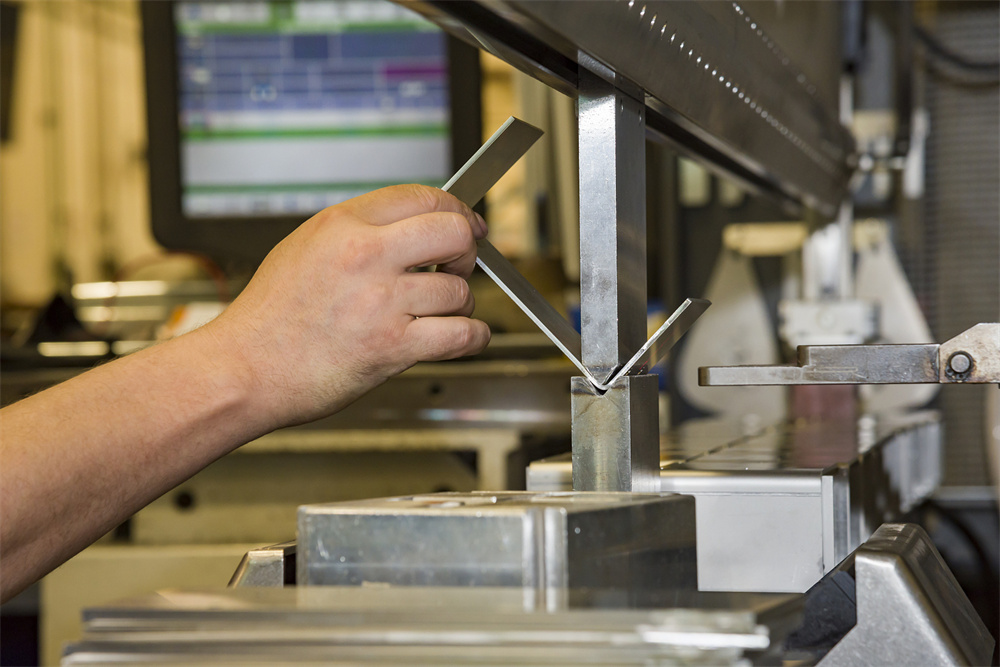
When evaluating the Electric Press Brake Price : Are Servo Models Worth Price?, it is essential to categorize the machines by their capacity and technological sophistication. Generally, electric press brakes are categorized into small-tonnage (20-60 tons), mid-range (60-150 tons), and specialized high-tonnage units. Because the cost of high-torque servo motors scales significantly with power requirements, the price gap between electric and hydraulic models is most pronounced in the higher tonnage ranges.
For a standard 40-ton to 100-ton electric press brake, prices typically range from $45,000 to over $120,000, depending on the brand and configuration. In contrast, a similar hydraulic machine might cost between $30,000 and $70,000. This 30% to 50% premium for electric technology is the “entry fee” for a machine that offers superior speed and precision. However, as we will explore in the ROI section, this upfront cost is often recouped through lower energy bills and higher throughput.
It is also important to note that the market for electric press brakes is divided between “pure electric” and “servo-hydraulic hybrid” models. Pure electric models, which use 100% servo-driven mechanisms, are usually at the top of the price bracket. Hybrid models offer a middle ground, using servo motors to drive hydraulic pumps, providing some of the energy efficiency of electric models at a slightly lower price point than pure electric systems. HARSLE offers a range of these configurations to suit different budget constraints and production needs.
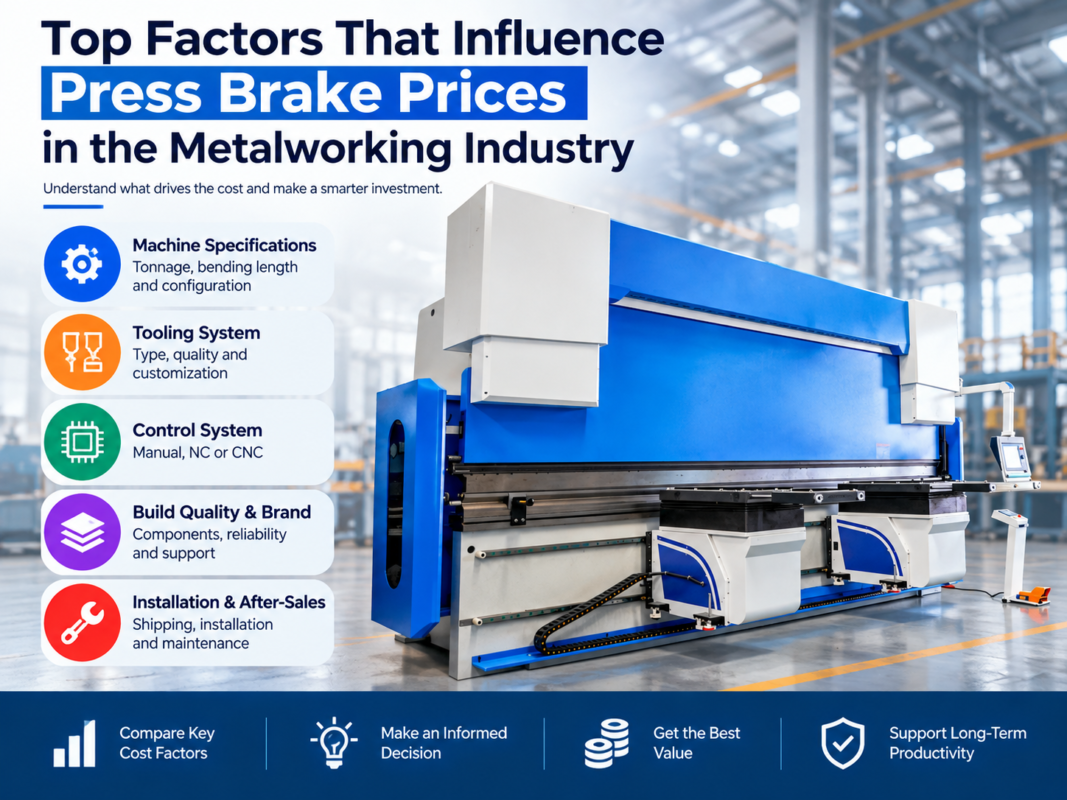
Main Cost Drivers in Electric Press Brakes
The internal components of an electric press brake are significantly more expensive than the pumps and cylinders found in hydraulic machines. The primary cost driver is the Servo Motor System. These are not standard industrial motors; they are high-precision, high-torque units capable of micro-adjustments. A single high-end servo motor can cost several thousand dollars, and a high-tonnage machine may require multiple motors synchronized perfectly to ensure a level ram.
Another major cost factor is the Transmission Mechanism. Electric press brakes typically use heavy-duty ball screws or planetary roller screws to convert the rotational motion of the servo motor into the linear force required for bending. These components must be manufactured to incredibly tight tolerances to ensure the machine maintains its accuracy over millions of cycles. The cost of these precision mechanical parts is a significant portion of the overall machine price.
The CNC Controller also plays a vital role in the pricing. Electric machines require sophisticated software to manage the rapid acceleration and deceleration of the servo motors. Controllers from industry leaders like Delem, Cybelec, or ESA add several thousand dollars to the price but are essential for unlocking the full potential of the hardware. These controllers offer 3D visualization, automatic bend sequencing, and remote diagnostics, which are critical for modern smart factories.
Configuration Impact on Final Pricing
Beyond the base machine, the configuration you choose will heavily influence the final quote. The Backgauge System is one of the most variable costs. A basic 2-axis backgauge (X, R) is standard, but many shops opt for 4-axis (X, R, Z1, Z2) or even 6-axis systems to handle complex, asymmetrical parts. Each additional axis requires its own servo motor and drive, adding between $3,000 and $8,000 to the total cost.
Tooling Clamping Systems are another consideration. Manual clamping is the most affordable option, but hydraulic or pneumatic quick-change systems significantly reduce setup times. For high-mix, low-volume production, the investment in a high-end clamping system like Wila or New Standard can be worth the extra $5,000 to $15,000 because it maximizes the machine’s uptime.
Safety systems are non-negotiable but come at different price points. Basic light curtains are standard, but advanced laser-based guarding systems (like DSP or LazerSafe) allow the machine to operate at higher speeds while maintaining safety. These systems can add $4,000 to $10,000 to the price. When asking Electric Press Brake Price : Are Servo Models Worth Price?, you must consider that these safety systems allow the electric machine to utilize its superior speed safely, which is a key part of its value proposition.
Hidden Costs and Long-Term Savings
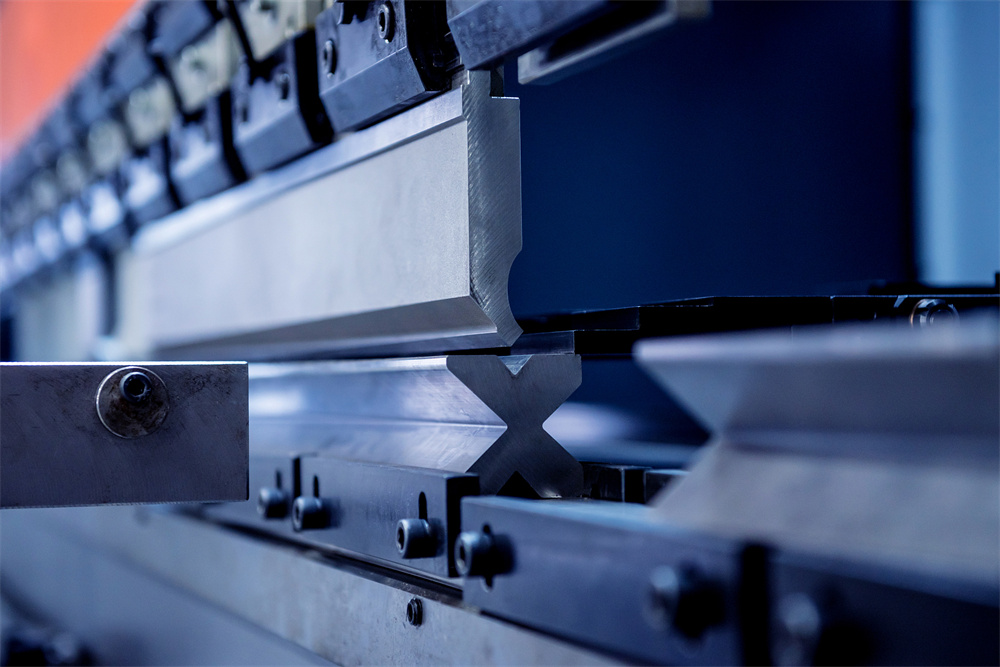
When comparing prices, many buyers overlook the “hidden” costs of ownership. Hydraulic press brakes require regular oil changes, filter replacements, and seal repairs. A typical hydraulic machine might require 100-200 liters of specialized hydraulic oil, which must be disposed of and replaced every few years. Electric press brakes eliminate these costs entirely. There are no leaks, no filters to change, and no environmental disposal fees for used oil.
Energy Consumption is perhaps the most significant long-term saving. A hydraulic press brake’s motor often runs continuously to maintain pressure, even when the machine is idling. In contrast, an electric press brake only consumes significant power during the actual bending stroke. Studies have shown that electric models can reduce energy consumption by up to 60% or 70% compared to traditional hydraulic systems. Over a 10-year lifespan, these savings can amount to tens of thousands of dollars, effectively bridging the initial price gap.
Furthermore, electric machines generate significantly less heat. In a climate-controlled shop, a hydraulic machine acts as a large heater, forcing the HVAC system to work harder. The absence of a large hydraulic reservoir in electric models means a cooler, quieter working environment. This leads to better operator comfort and potentially lower facility cooling costs, which are often omitted from the initial Electric Press Brake Price : Are Servo Models Worth Price? calculation.
ROI Calculation: Is the Investment Justified?
To determine if the investment is worth it, we must look at the Return on Investment (ROI). The ROI of an electric press brake is driven by three main factors: Cycle Time, Accuracy, and Maintenance. Electric servo motors can move the ram and backgauge much faster than hydraulic systems. In high-volume production, a 20% reduction in cycle time can lead to thousands of additional parts produced per month.
Accuracy is another critical factor. Electric press brakes offer repeatability in the range of +/- 0.001mm. This precision reduces scrap rates significantly. If your shop works with expensive materials like stainless steel or aerospace-grade aluminum, reducing scrap by even 2% can save thousands of dollars annually. When you factor in the lack of “warm-up” time (hydraulic oil needs to reach a certain temperature to be consistent), the electric machine provides productive hours from the moment it is turned on.
| Feature | Hydraulic Press Brake | Electric Servo Press Brake |
|---|---|---|
| Initial Cost | Lower ($30k – $70k) | Higher ($50k – $130k) |
| Energy Usage | High (Continuous) | Low (On-demand) |
| Maintenance | Oil, Filters, Seals | Minimal (Greasing) |
| Precision | +/- 0.01mm | +/- 0.001mm |
| Noise Level | 75-85 dB | 60-70 dB |
For a shop running two shifts, the payback period for the price premium of an electric press brake is often between 18 and 36 months. After that period, the machine continues to generate higher margins than a hydraulic model due to its lower operating costs. This is why, for many modern fabricators, the answer to Electric Press Brake Price : Are Servo Models Worth Price? is a resounding yes.
Buying Advice: Choosing the Right Model for Your Shop
Before committing to a purchase, it is vital to assess your specific production needs. If your shop primarily bends thick plate (over 12mm) in low volumes, the high-tonnage requirements might make a pure electric machine prohibitively expensive. In these cases, a high-quality hydraulic or hybrid machine from HARSLE might offer the best balance of power and price. Electric models excel in the 0.5mm to 6mm thickness range where speed and precision are paramount.
Consider the following checklist when evaluating your options:
- Material Type: Are you working with sensitive materials that require high precision to avoid marking?
- Production Volume: Will the machine be running 8+ hours a day? (Higher volume favors electric).
- Part Complexity: Do your parts require frequent backgauge movements?
- Local Energy Costs: Is electricity expensive in your region?
- Operator Skill: Do you need advanced CNC features to compensate for a lack of experienced operators?
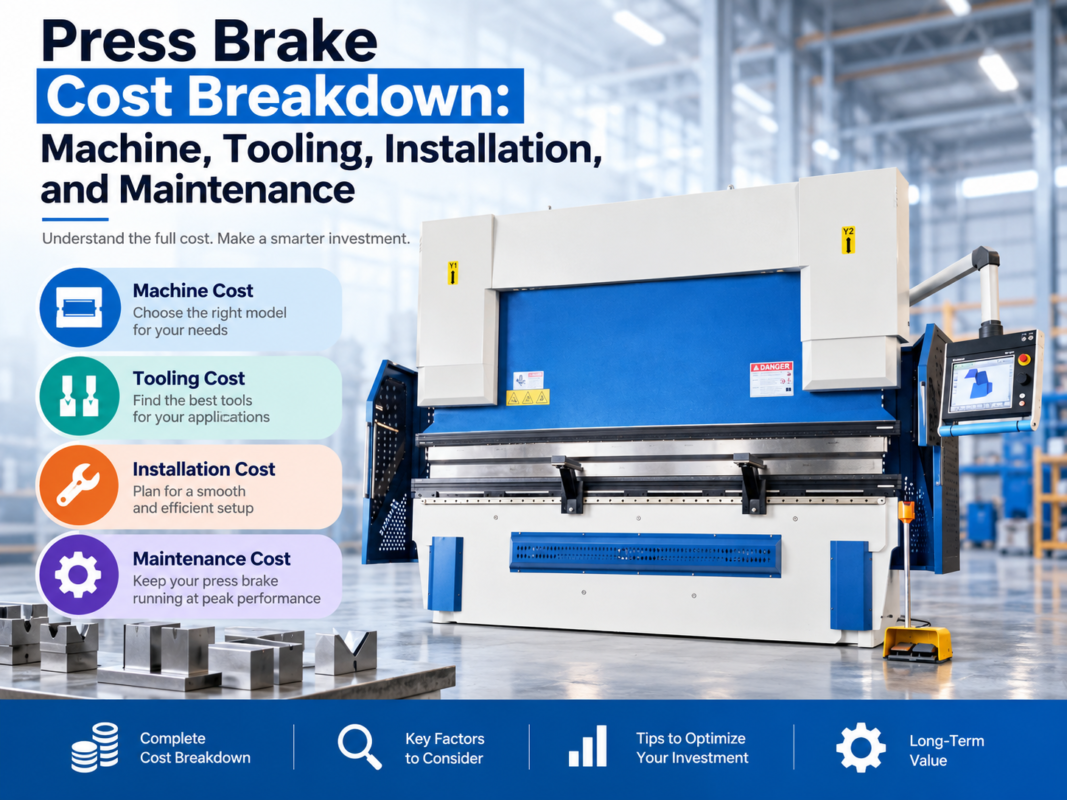
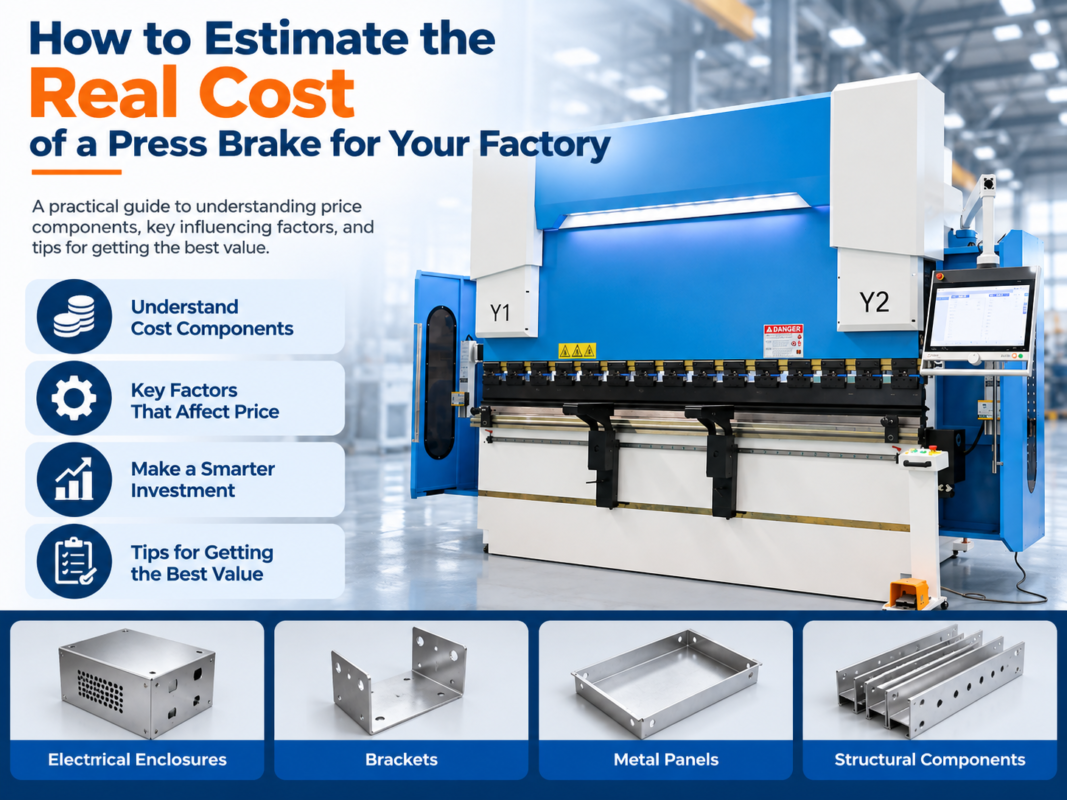
HARSLE recommends requesting a total cost of ownership (TCO) analysis from your machinery provider. This analysis should include projected energy savings, maintenance costs, and productivity gains based on your specific part geometries. By looking at the 5-year or 10-year cost rather than just the purchase price, the value of servo models becomes much clearer.
Frequently Asked Questions
1. What is the maximum thickness an electric press brake can bend?
While electric press brakes are most common in the 20-150 ton range (suitable for up to 6mm or 8mm mild steel over a standard length), technology is advancing. Some manufacturers now offer electric models up to 250 tons or more. However, for very thick plates (20mm+), hydraulic systems remain the industry standard due to the massive force required and the cost of the servo motors needed to generate that force.
2. How long do the ball screws last in an electric press brake?
High-quality ball screws, like those used in HARSLE machines, are designed for a long service life. With proper lubrication and maintenance, they can last 10-15 years or more in a high-production environment. Unlike hydraulic cylinders that can develop leaks, ball screws tend to maintain their precision until they reach the end of their mechanical life, at which point they can be replaced.
3. Is it harder to find technicians for electric press brakes?
Actually, many modern technicians prefer electric machines because they are cleaner and the diagnostics are often more straightforward through the CNC controller. Since there are no complex hydraulic circuits or valves to troubleshoot, mechanical and electronic issues are usually easier to isolate. HARSLE provides comprehensive training and support to ensure your team can maintain the equipment effectively.
4. Can I retrofit my old hydraulic press brake to be electric?
While some hybrid retrofits exist, converting a standard hydraulic machine to a pure electric servo-drive system is usually not cost-effective. The frame of an electric press brake is specifically designed to handle the different stress distributions of a screw or belt drive. It is almost always better to invest in a purpose-built electric machine to ensure safety and accuracy.
5. Does the electric press brake require a special power supply?
Most industrial electric press brakes run on standard three-phase power. However, because they use high-performance servo drives, it is important to have a stable power supply with proper grounding. Some shops may require a power stabilizer if their local grid experiences frequent voltage fluctuations, as sensitive electronics are more susceptible to power quality issues than simple hydraulic motors.
Conclusion
In conclusion, while the Electric Press Brake Price : Are Servo Models Worth Price? question starts with a higher number on a quote, the reality of modern manufacturing favors the electric transition. For shops focused on precision, speed, and sustainability, the servo-driven electric press brake is not just a luxury—it is a competitive necessity. By reducing energy consumption, eliminating hydraulic maintenance, and providing unmatched repeatability, these machines offer a compelling ROI that justifies their initial investment. As you plan your next equipment purchase, consider the long-term vision for your shop and how HARSLE’s electric solutions can help you achieve higher productivity and profitability.