Punching Machine Maintenance Checklist to Prevent Common Failures: The Ultimate Industrial Guide


Introduction to Punching Machine Maintenance
In the high-stakes world of metal fabrication, the reliability of your equipment is the backbone of your production capacity. A punching machine, whether it is a mechanical power press or a high-speed CNC turret punch, is a significant investment that requires meticulous care. Implementing a robust Punching Machine Maintenance Checklist Prevent Common Failures is not merely a suggestion; it is a critical operational strategy. Without a structured maintenance plan, even the most advanced HARSLE machines can succumb to the rigors of heavy industrial use, leading to unplanned downtime, expensive repairs, and compromised safety.
The primary goal of a maintenance checklist is to transition from reactive maintenance—fixing things when they break—to proactive or preventative maintenance. By identifying minor wear and tear before it escalates into a catastrophic failure, manufacturers can ensure consistent part quality and extend the lifespan of their machinery. This guide provides an exhaustive look at the technical requirements, scheduling, and best practices for maintaining punching machines in a modern industrial environment.
Modern punching machines are complex systems integrating mechanical, hydraulic, pneumatic, and electronic components. Each of these systems has specific failure modes that can be mitigated through regular inspection. For instance, a simple hydraulic leak, if left unchecked, can lead to pressure loss, overheating, and eventually the failure of the entire pump system. Similarly, neglected lubrication in mechanical linkages can cause friction-induced heat, leading to the seizing of critical bearings. This article will break down these complexities into actionable steps.
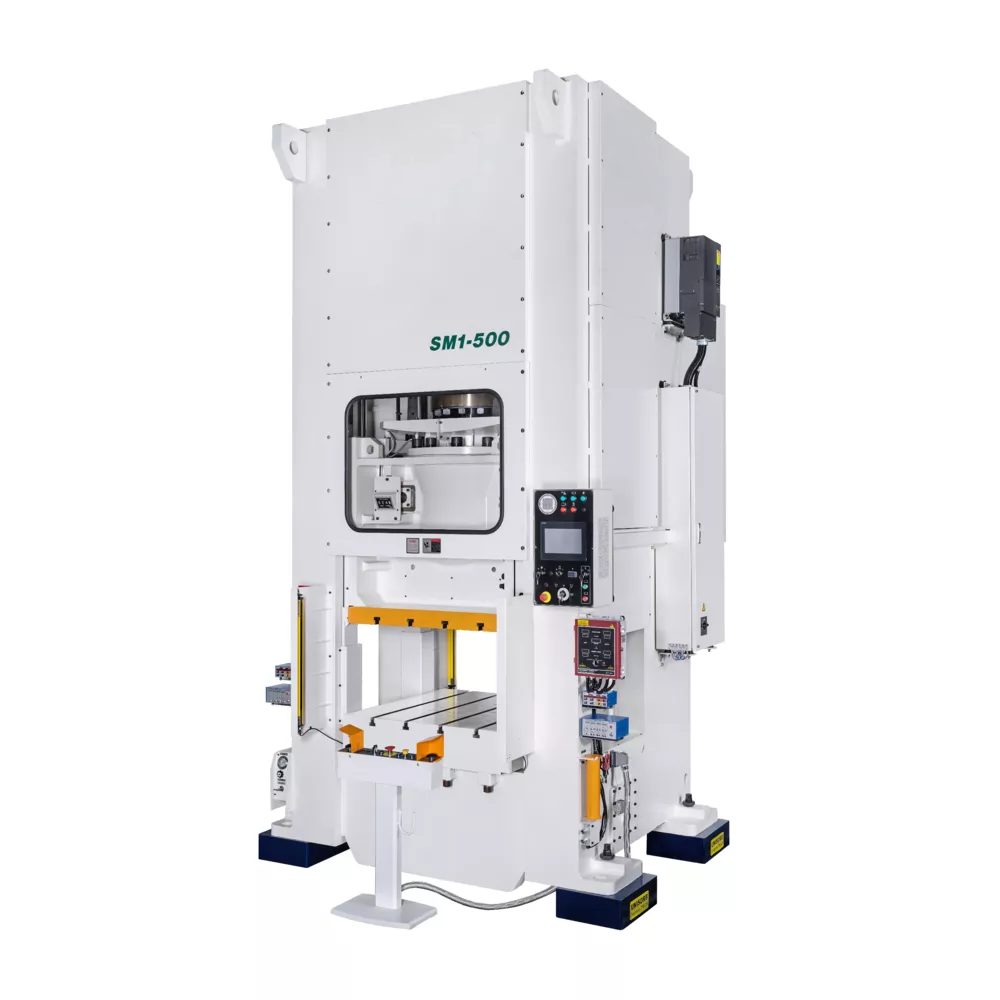
Key Considerations for Effective Maintenance
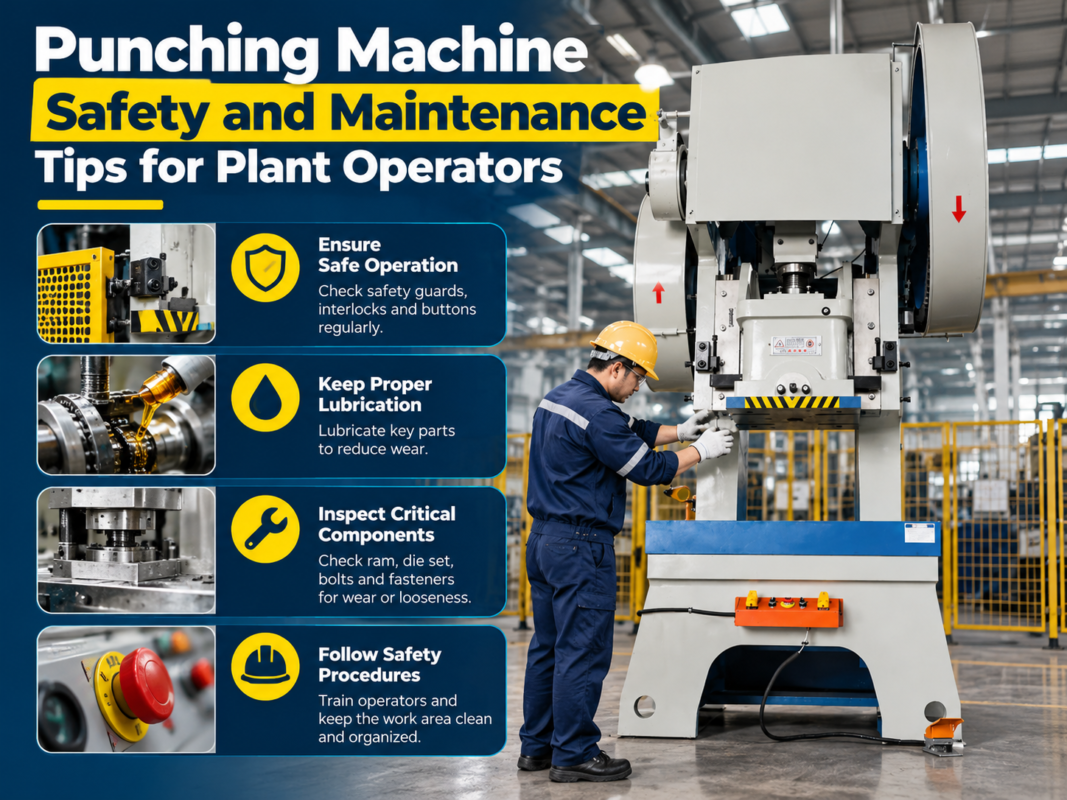
Before diving into the technical specifics, it is essential to understand the foundational principles of a Punching Machine Maintenance Checklist Prevent Common Failures. The first consideration is safety. No maintenance task should ever be performed without strictly adhering to Lockout/Tagout (LOTO) procedures. Ensuring that the machine is completely de-energized and that any stored energy (such as hydraulic pressure or flywheel momentum) is safely dissipated is the most critical step in any maintenance routine.
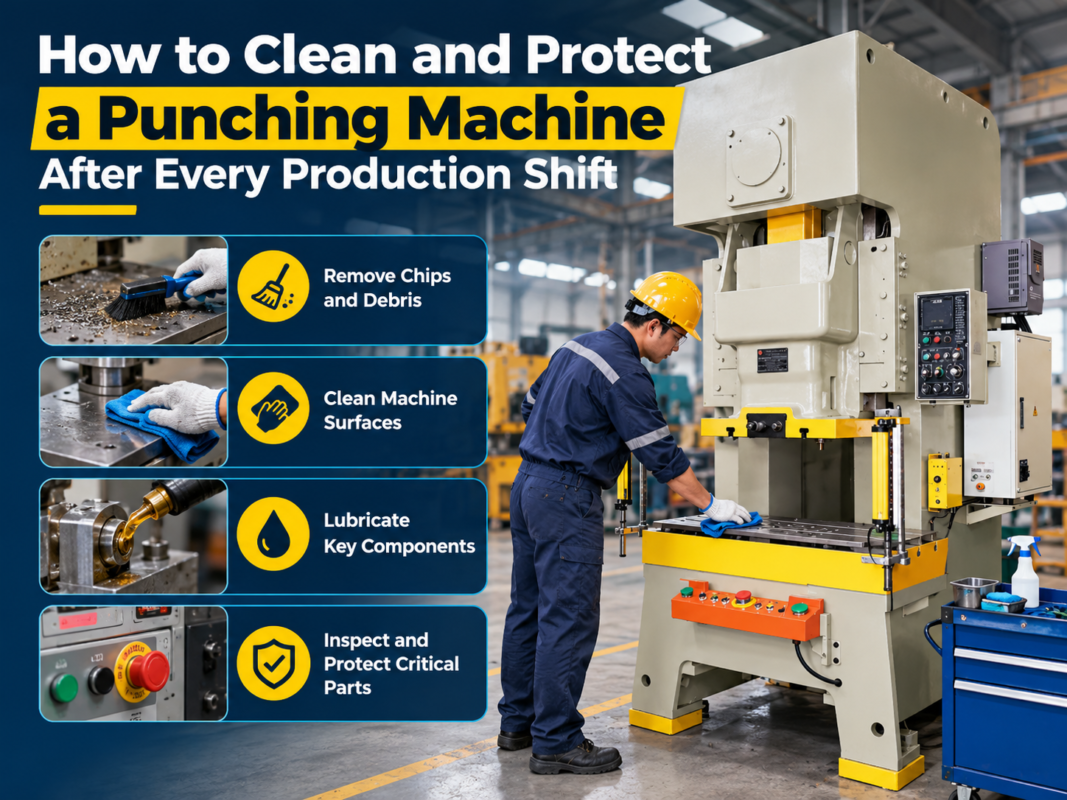
Another key consideration is the environment in which the machine operates. Dust, metal shavings, and ambient temperature play a significant role in machine degradation. In a busy fabrication shop, fine metal dust can infiltrate electrical cabinets and settle on lubricated surfaces, acting as an abrasive. Therefore, cleanliness is the first line of defense in any maintenance strategy. A clean machine is not just about aesthetics; it allows operators to spot leaks, cracks, or loose bolts that would otherwise be hidden under layers of grime.
Documentation is equally vital. A maintenance checklist is only effective if the results are recorded and analyzed over time. By keeping a detailed log of every inspection, fluid change, and part replacement, maintenance managers can identify patterns. For example, if a specific seal fails every six months, it may indicate an underlying alignment issue or the use of an incompatible hydraulic fluid. This data-driven approach allows for the optimization of the maintenance schedule itself.
Finally, operator training cannot be overlooked. The person operating the machine is the first person to notice unusual sounds, vibrations, or changes in performance. Empowering operators to perform basic daily checks and encouraging them to report anomalies immediately is a cornerstone of preventing common failures. A culture of care within the workshop significantly reduces the likelihood of catastrophic equipment breakdown.
Technical Details: The Core Systems of a Punching Machine
Mechanical Drive and Flywheel Systems
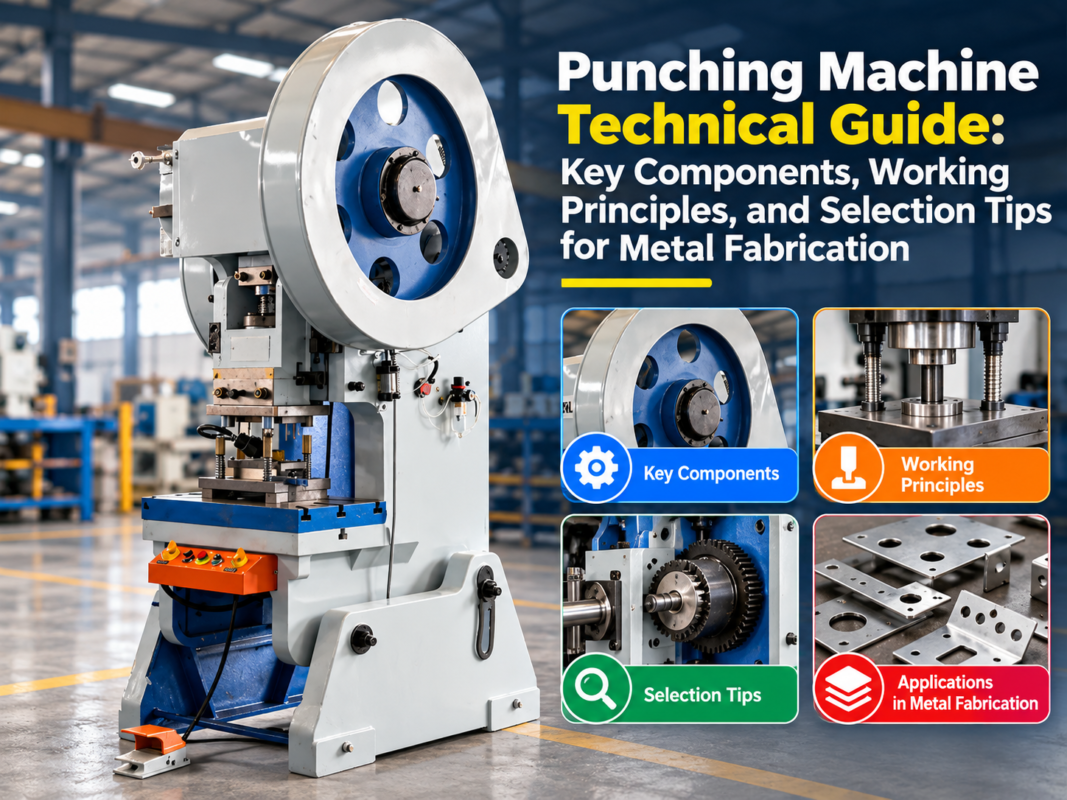
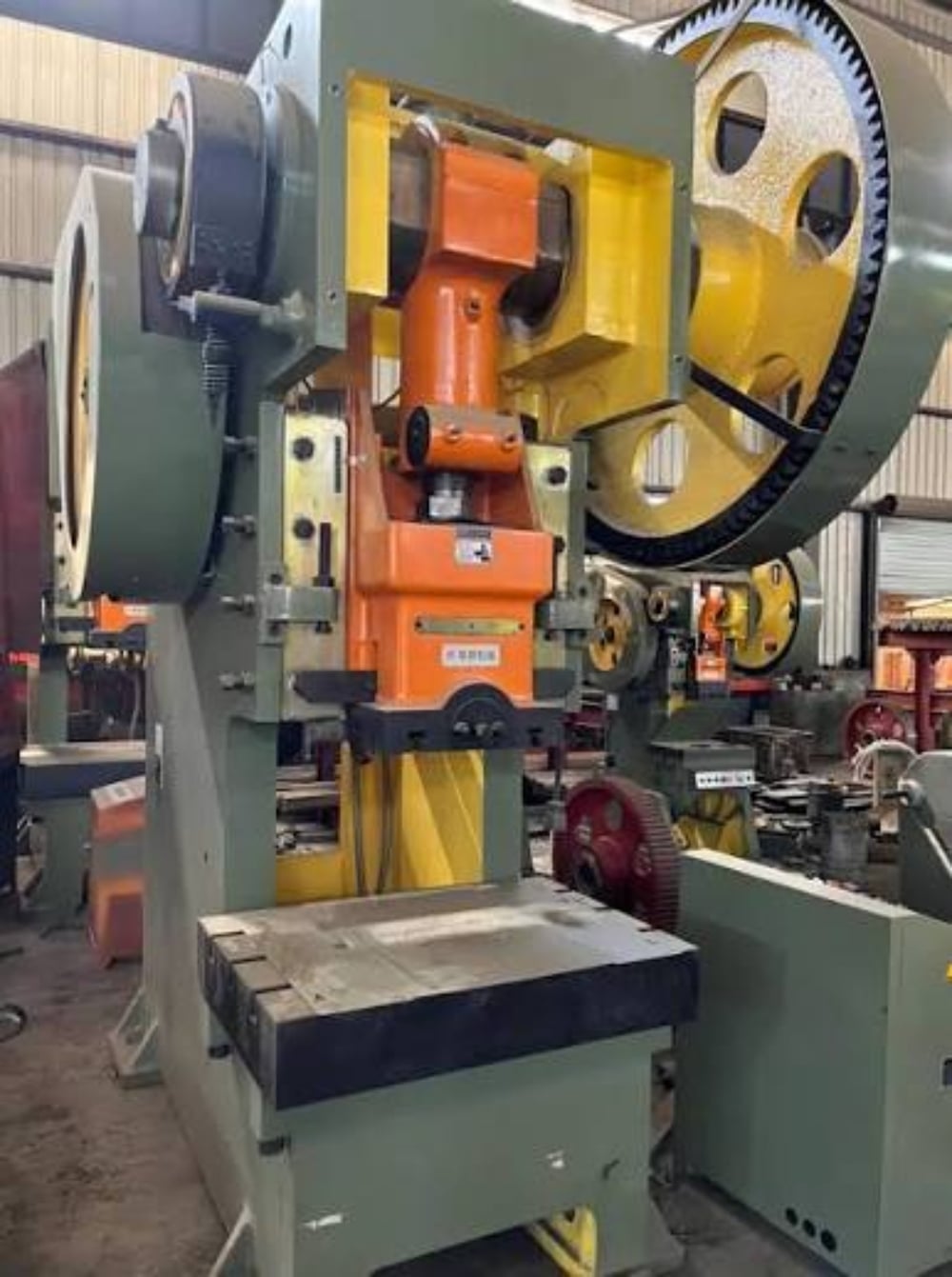
In mechanical punching machines, the flywheel and clutch-brake assembly are the heart of the operation. The flywheel stores kinetic energy, which is then engaged by the clutch to drive the ram. Maintenance here focuses on the clutch-brake gap. If the gap is too wide, the engagement becomes sluggish; if it is too tight, it can cause excessive heat and wear. Regular measurement of this gap and inspection of the friction plates are essential technical tasks.
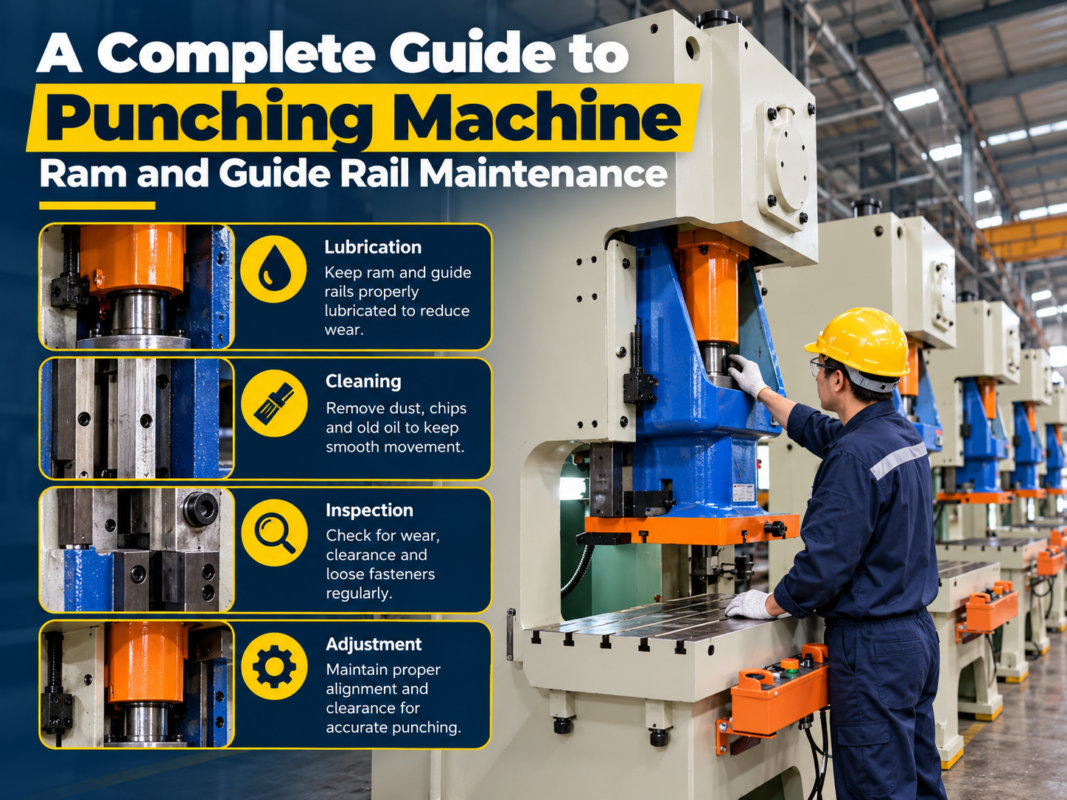
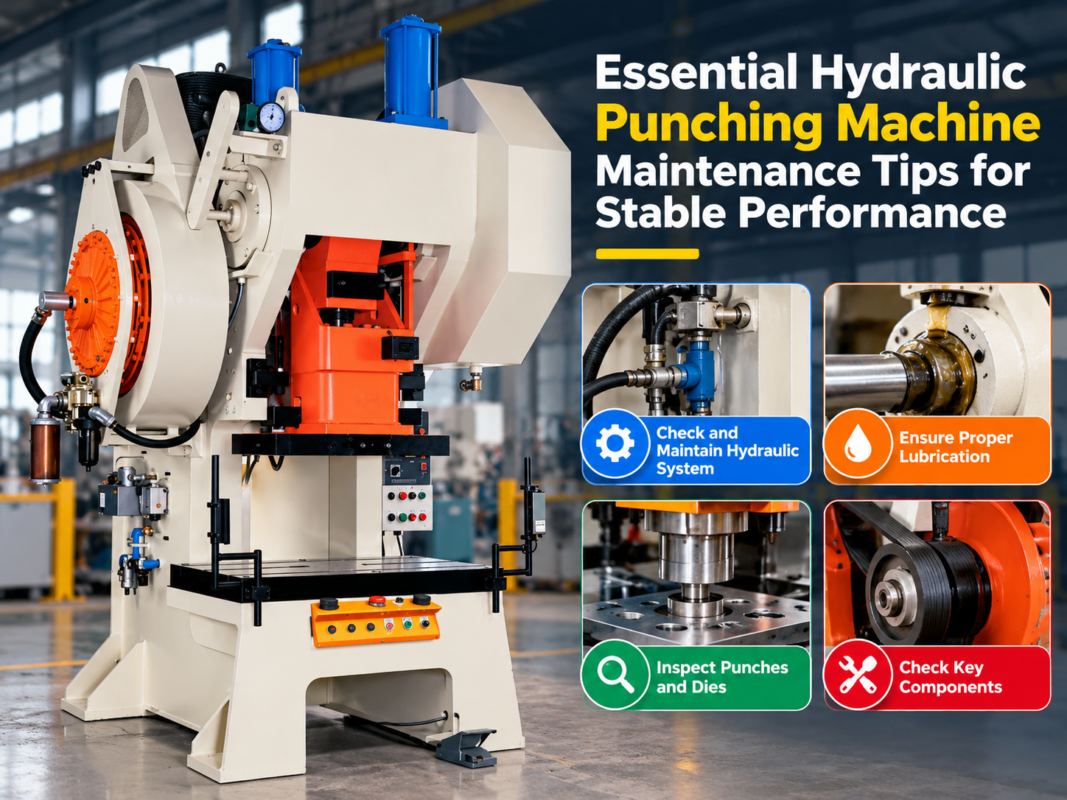
The crankshaft and connecting rods also require attention. These components are subject to immense cyclic loading. Lubrication is paramount here; most modern HARSLE machines utilize an automatic lubrication system that delivers precise amounts of oil or grease to these high-pressure points. Technicians must verify that all lubrication lines are clear and that the pump is functioning at the correct pressure. A blocked line to a main bearing can lead to a total machine seizure within hours of operation.
Hydraulic and Pneumatic Systems
For hydraulic punching machines, the focus shifts to fluid integrity and pressure regulation. Hydraulic oil serves two purposes: transmitting power and lubricating internal pump components. Over time, hydraulic oil can oxidize or become contaminated with water and particulates. A technical maintenance routine must include regular oil analysis to check for viscosity changes and contaminant levels. Replacing filters according to the manufacturer’s micron rating is non-negotiable.
Pneumatic systems, often used for clutch engagement or sheet positioning clamps, are sensitive to moisture. Compressed air naturally contains water vapor, which can cause internal corrosion in valves and cylinders. The maintenance checklist must include draining the water traps and ensuring that the air lubricators (if equipped) are filled with the correct grade of pneumatic oil. Leaks in the pneumatic system not only waste energy but can also cause inconsistent clamping force, leading to inaccurate punches.
Tooling and Alignment
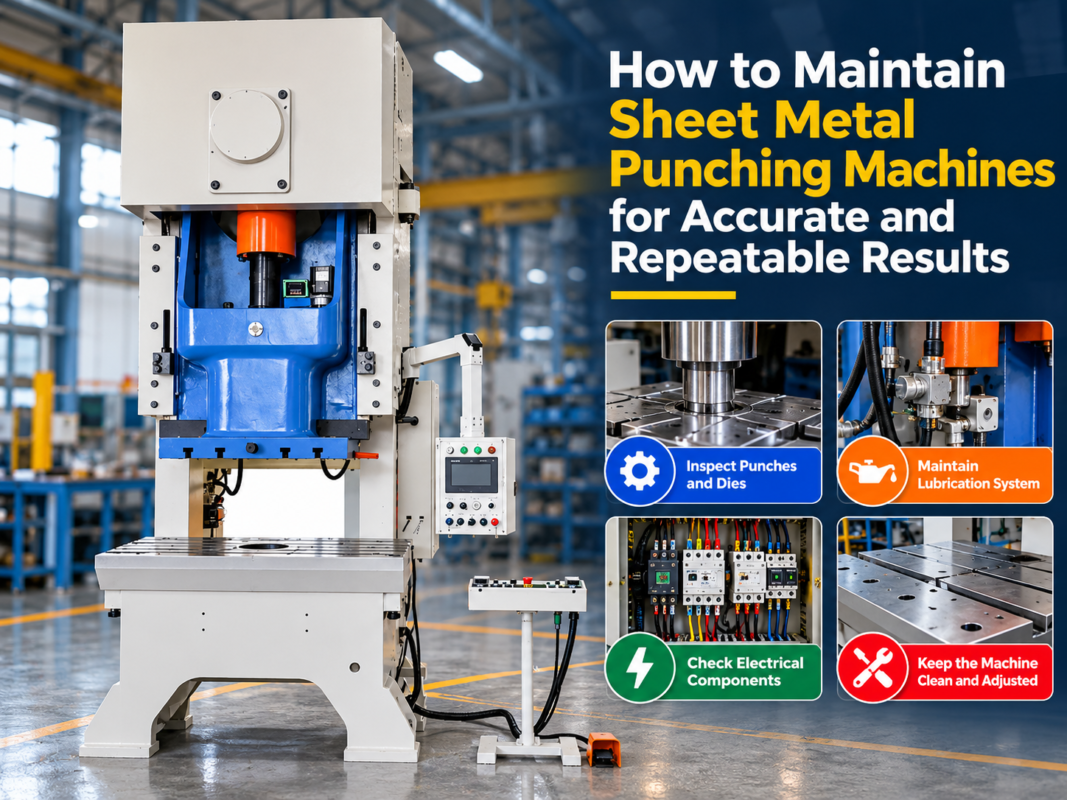
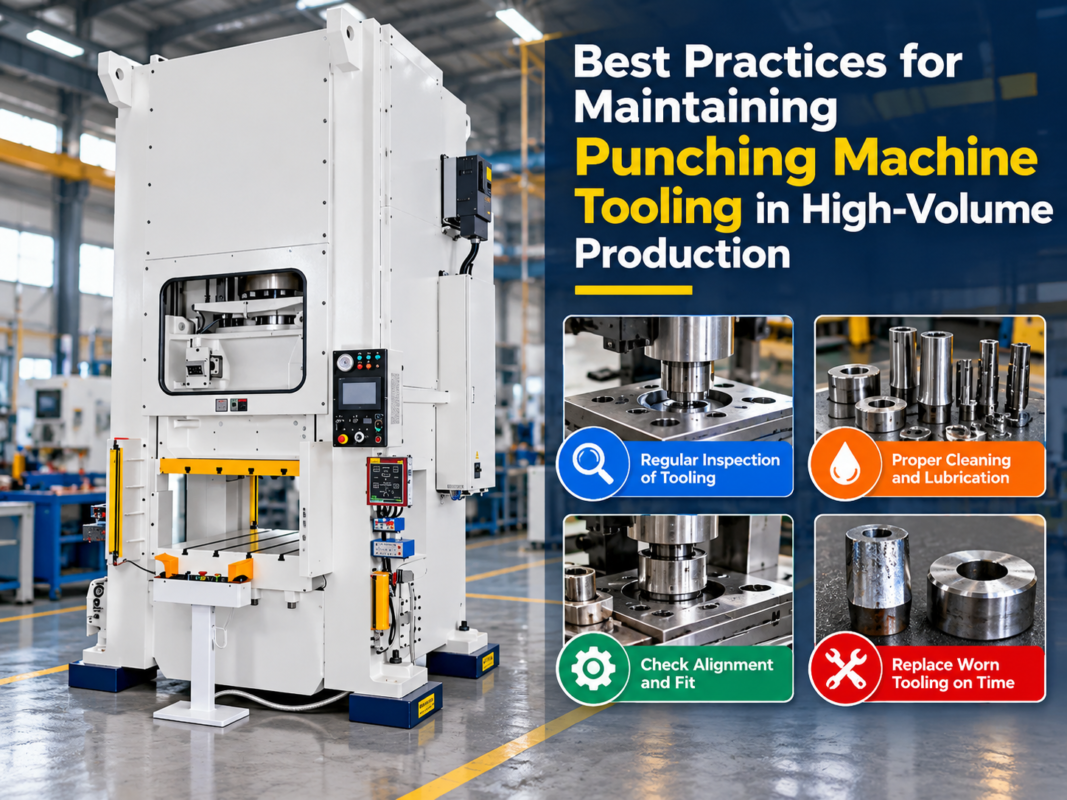
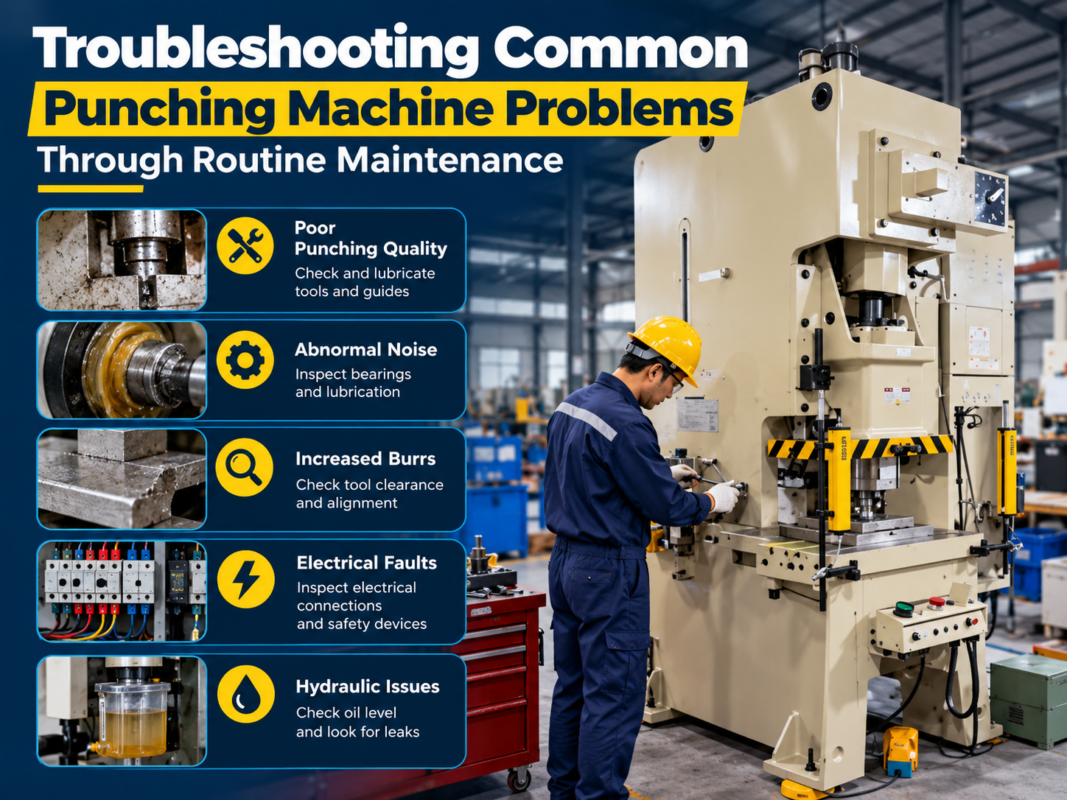
The interaction between the punch and the die is where the work happens. Tooling maintenance is a specialized subset of the Punching Machine Maintenance Checklist Prevent Common Failures. Dull tools increase the tonnage required to shear the metal, which puts unnecessary stress on the machine frame and drive system. Furthermore, improper clearance between the punch and die can cause “slug pulling” or excessive burrs on the workpiece.
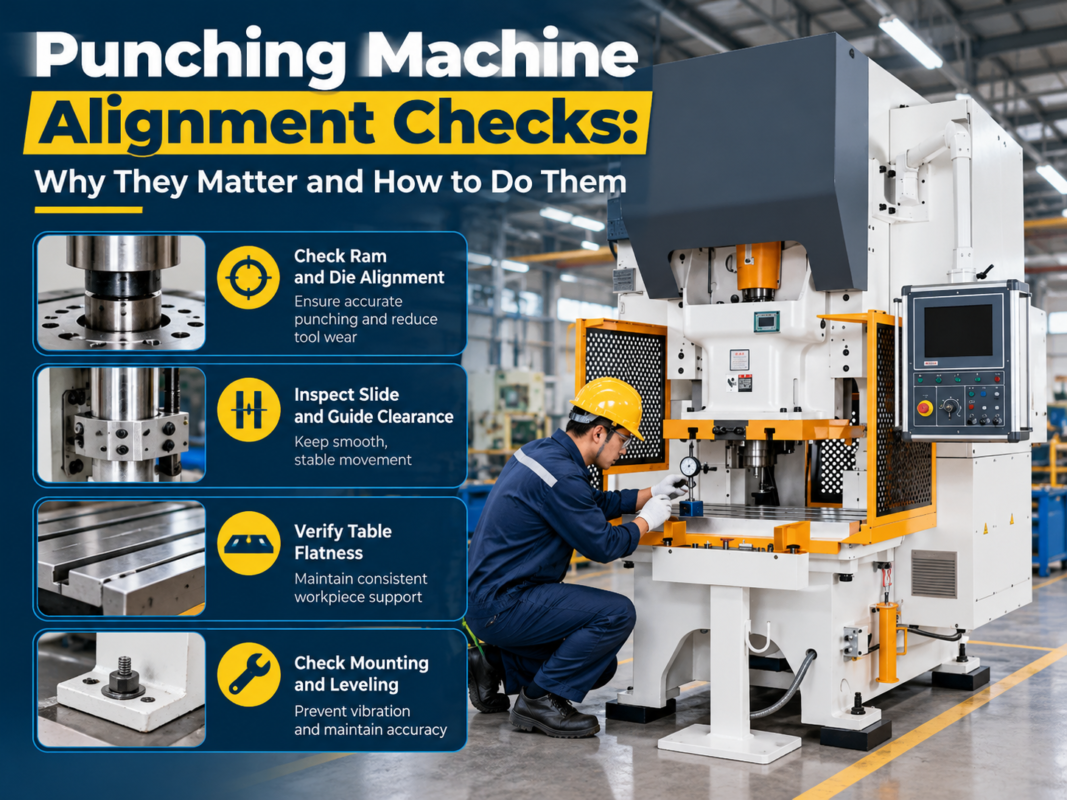
Alignment of the ram and the bolster plate is a high-level technical check. Over years of service, or after a significant overload event, the parallelism of these surfaces can shift. Using precision dial indicators to check for ram drift and bolster flatness ensures that the force is applied perpendicularly. Misalignment is a leading cause of premature tool wear and can even lead to cracked machine frames in extreme cases.
Comprehensive Maintenance Checklist
To effectively implement a Punching Machine Maintenance Checklist Prevent Common Failures, tasks should be categorized by frequency. Below is a detailed breakdown of the necessary steps to maintain peak performance.
Daily Maintenance Tasks
- Visual Inspection: Check for any visible oil leaks around hydraulic hoses, cylinders, and lubrication points.
- Lubrication Levels: Verify that the central lubrication reservoir is full and that the pump is cycling correctly.
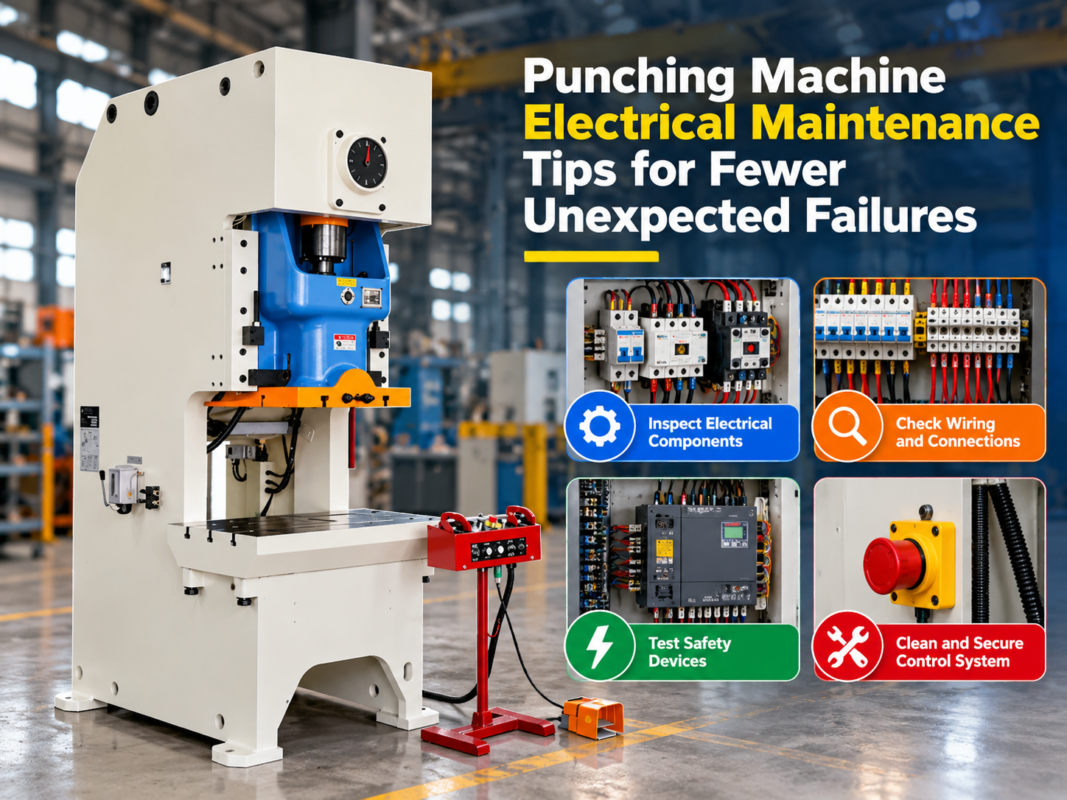
- Safety Systems: Test the emergency stop buttons and light curtains to ensure they immediately halt machine motion.
- Scrap Removal: Clear out the slug bin and ensure the area under the die is free of debris to prevent jamming.
- Air Pressure: Check the primary air regulator to ensure it meets the machine’s required PSI/Bar rating.
Weekly Maintenance Tasks
- Filter Inspection: Clean or replace air intake filters for the electrical cabinet to prevent overheating of sensitive CNC components.
- Tightness Check: Inspect and tighten bolts on the die holders, clamps, and external guards that may have loosened due to vibration.
- Tooling Sharpening: Inspect the cutting edges of frequently used punches and dies; sharpen if any rounding is visible.
- Clutch/Brake Timing: Observe the stopping position of the ram to ensure the brake is engaging precisely at Top Dead Center (TDC).
Monthly and Quarterly Tasks
| Component | Action Required | Frequency |
|---|---|---|
| Hydraulic Oil | Check for discoloration or foam; perform particle count analysis. | Monthly |
| Electrical Connections | Inspect for frayed wires or loose terminals in the main control box. | Quarterly |
| Drive Belts | Check tension and look for signs of cracking or glazing. | Monthly |
| Leveling Mounts | Verify the machine is still level using a precision spirit level. | Quarterly |
| Cooling Fans | Ensure all motor and cabinet fans are spinning freely and are dust-free. | Monthly |
Selection Advice: Choosing a Machine with Maintenance in Mind
When purchasing new metal fabrication equipment, maintenance should be a primary factor in the decision-making process. A machine that is difficult to service will inevitably be neglected. When evaluating HARSLE punching machines or other industrial brands, look for features that simplify the Punching Machine Maintenance Checklist Prevent Common Failures. For example, machines with centralized lubrication systems significantly reduce the manual labor required and ensure that no grease point is missed.
Accessibility is another crucial factor. Can the hydraulic filters be changed without dismantling half the machine? Are the electrical components labeled clearly and housed in a well-ventilated cabinet? High-quality manufacturers design their machines with the technician in mind, providing easy access panels and modular components that can be swapped out quickly to minimize downtime. Furthermore, consider the availability of spare parts. A machine is only as good as the support network behind it; ensure that wear items like seals, switches, and specialized bolts are readily available from the manufacturer.
The control system also plays a role in maintenance. Modern CNC punching machines often feature diagnostic software that can alert the operator to low oil levels, filter clogs, or motor overloads before they cause a failure. Choosing a machine with an intuitive interface that provides clear error codes can save hours of troubleshooting. When selecting a machine, ask for the maintenance manual upfront to gauge the complexity of the required tasks and ensure your team has the skills to perform them.
Frequently Asked Questions (FAQ)
How often should I sharpen my punching tools?
The frequency of sharpening depends on the material being punched (e.g., stainless steel wears tools faster than aluminum) and the thickness of the sheet. A general rule of thumb is to sharpen the tool when the edge radius reaches 0.010 inches or when you notice a significant increase in burr height. Regular, light sharpening is much better for tool life than waiting for the tool to become completely dull.
What type of hydraulic oil is best for my punching machine?
You should always follow the manufacturer’s specification found in the manual. Most industrial punching machines use an ISO VG 32 or ISO VG 46 anti-wear hydraulic oil. Using the wrong viscosity can lead to sluggish performance in cold weather or inadequate lubrication when the machine is hot.
Why is my punching machine making a loud banging noise?
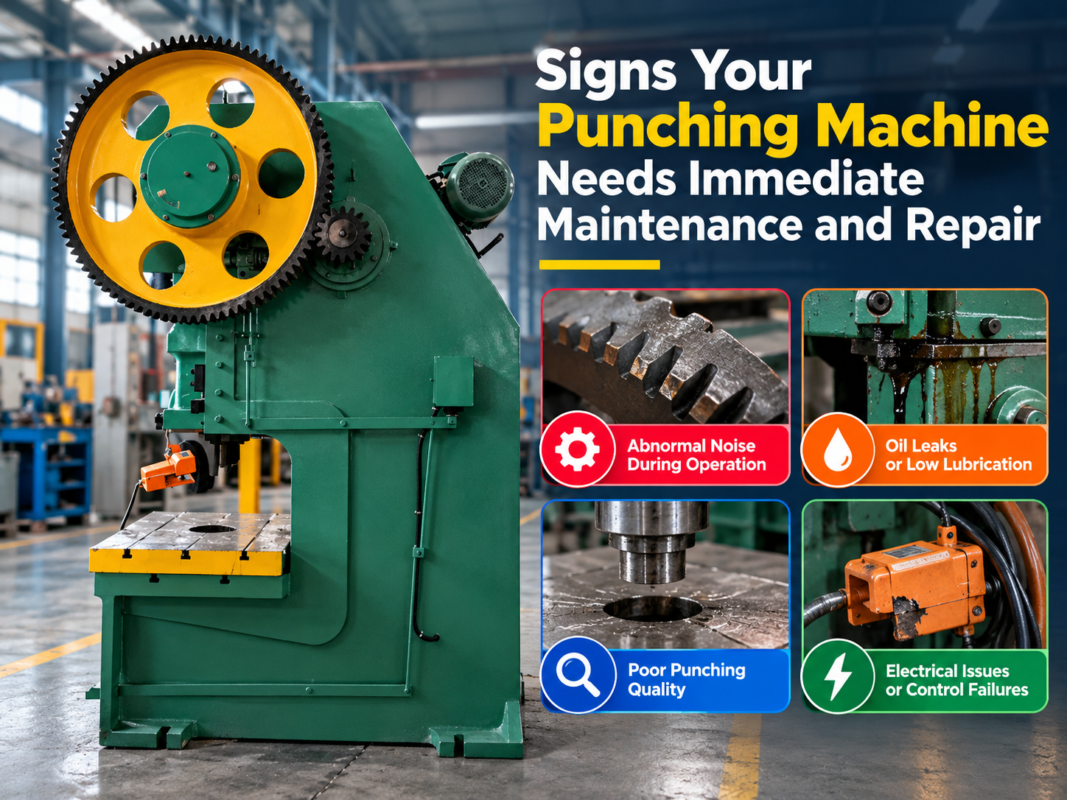
While punching is naturally noisy, a sudden change in sound can indicate several issues. It could be a sign of excessive clearance between the punch and die, loose mounting bolts, or a failing bearing in the flywheel. If the noise is accompanied by vibration, stop the machine immediately and perform a full inspection of the drive train.
Can I perform maintenance myself, or do I need a professional?
Daily and weekly tasks like lubrication, cleaning, and visual inspections should be performed by trained in-house operators. However, complex tasks such as hydraulic pump rebuilds, electrical troubleshooting, or structural alignments are best left to factory-trained technicians to ensure the machine remains within its original design specifications.
What are the signs of a failing clutch-brake system?
Common signs include the ram “drifting” past Top Dead Center after a stroke, inconsistent cycle times, or a burning smell coming from the flywheel area. If you notice the machine takes longer to stop than usual, the brake linings may be worn or the air pressure to the clutch may be insufficient.
Conclusion: The Value of a Consistent Maintenance Strategy
Implementing a Punching Machine Maintenance Checklist Prevent Common Failures is the single most effective way to protect your investment and ensure the long-term success of your metal fabrication business. By breaking down maintenance into manageable daily, weekly, and monthly tasks, you create a system where machine health is prioritized alongside production targets. This proactive approach not only prevents the high costs associated with emergency repairs but also ensures a safer working environment for your employees.
Remember that a punching machine is a precision instrument. Even the smallest deviation in alignment or a minor contamination in the hydraulic fluid can have a ripple effect, leading to poor product quality and increased wear on the machine. By following the technical guidelines and selection advice provided in this guide, you can maximize the uptime of your HARSLE equipment and maintain a competitive edge in the industry. Consistency is the key; a well-maintained machine will provide decades of reliable service, while a neglected one will become a liability. Start your maintenance journey today by formalizing your checklist and empowering your team to take ownership of the equipment they operate.