How Punching Machines Support High-Volume Sheet Metal Stamping


Introduction to High-Volume Stamping and Punching Technology
In the modern manufacturing landscape, the demand for precision-engineered metal components has never been higher. From the intricate brackets used in consumer electronics to the heavy-duty structural panels found in the automotive industry, the ability to produce thousands—or even millions—of identical parts with absolute consistency is a cornerstone of industrial success. This is where the synergy between punching machines and high-volume sheet metal stamping becomes critical. Punching machines support high-volume sheet metal stamping by providing the speed, force, and repetitive accuracy required to transform raw metal coils or sheets into finished products at an industrial scale.
High-volume stamping typically refers to production runs where the quantity of parts justifies the investment in specialized tooling and high-speed machinery. Unlike low-volume prototype work, where flexibility is the primary concern, high-volume production prioritizes cycle time, material efficiency, and tool longevity. Modern punching machines, particularly those manufactured by industry leaders like HARSLE, are designed to meet these rigorous demands through advanced mechanical engineering and sophisticated CNC (Computer Numerical Control) integration.
The evolution of the punching machine has seen a transition from simple manual presses to high-speed pneumatic and hydraulic systems capable of hundreds of strokes per minute. These machines do more than just create holes; they perform complex forming, lancing, and embossing operations within a single setup. By understanding how punching machines support high-volume sheet metal stamping, manufacturers can optimize their production lines, reduce waste, and maintain a competitive edge in a global market that demands both quality and quantity.
As we delve deeper into this guide, we will explore the technical nuances that allow these machines to operate continuously under high stress. We will examine the role of automation, the importance of rigid frame construction, and the selection criteria that procurement managers must consider when investing in new equipment. Whether you are a seasoned plant manager or an engineer looking to upgrade your facility, understanding the mechanics of high-volume stamping is essential for long-term operational efficiency.
Key Considerations for High-Volume Punching Operations
When transitioning to high-volume production, the primary challenge is maintaining stability over long durations. Punching machines support high-volume sheet metal stamping by addressing several key operational factors. The first is thermal stability. During continuous operation, the friction generated by the rapid movement of the ram and the interaction between the punch and the die creates significant heat. High-quality punching machines incorporate advanced cooling and lubrication systems to ensure that thermal expansion does not compromise the tight tolerances required for precision parts.
Another critical consideration is material handling. In a high-volume environment, the machine is only as fast as its feeding system. Automated decoilers, straighteners, and NC (Numerical Control) feeders are often integrated with the punching machine to ensure a constant supply of material. This synchronization minimizes downtime and allows the machine to run at its maximum rated strokes per minute (SPM). Without efficient material handling, even the fastest punching machine becomes a bottleneck in the production process.
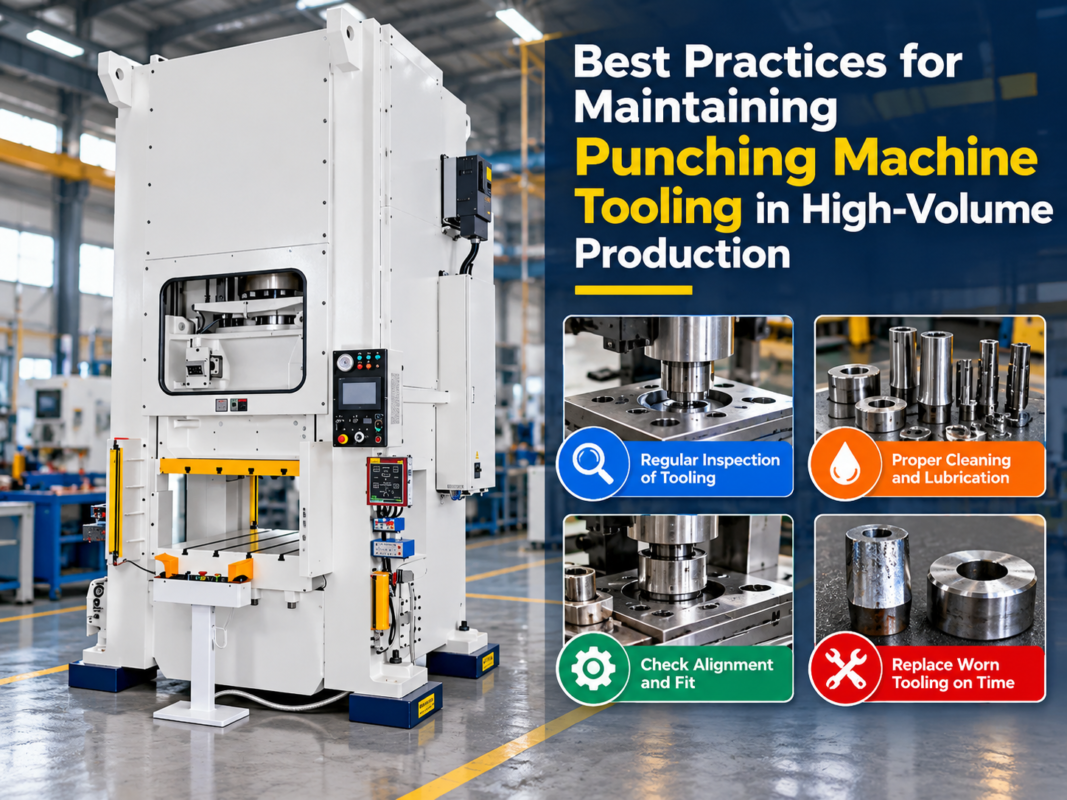
Tooling durability is also a major factor. In high-volume stamping, tools may perform tens of thousands of hits per shift. Punching machines designed for this level of output often feature specialized tool holders and turret configurations that allow for rapid tool changes and minimize wear. The use of carbide-tipped tools or specialized coatings can further extend tool life, but the machine itself must provide a rigid, vibration-dampened platform to prevent premature tool failure caused by misalignment or excessive deflection.
Finally, energy efficiency has become a top priority for modern factories. High-volume stamping consumes a significant amount of electricity. Modern punching machines utilize variable frequency drives (VFDs) and energy-recovery systems to reduce power consumption during the non-working portion of the stroke. By optimizing the energy delivery to the ram, manufacturers can significantly lower their operational costs over the lifespan of the machine, making high-volume runs more economically viable.
Technical Details of Modern Punching Machines
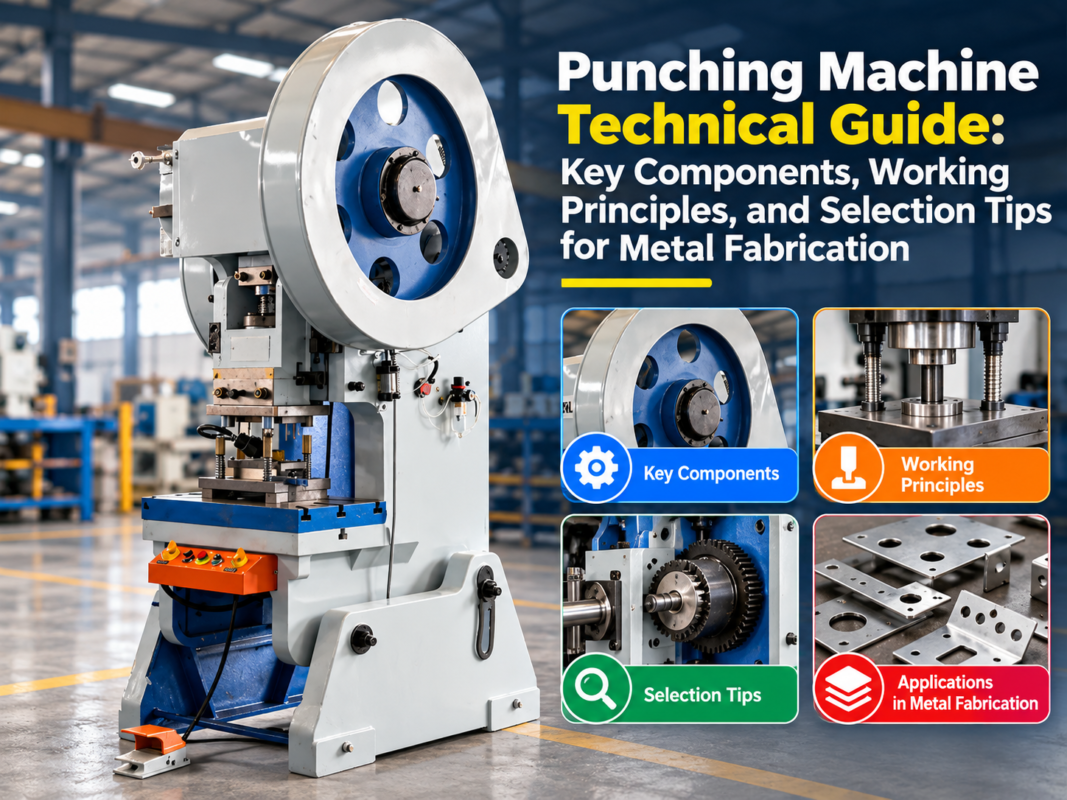
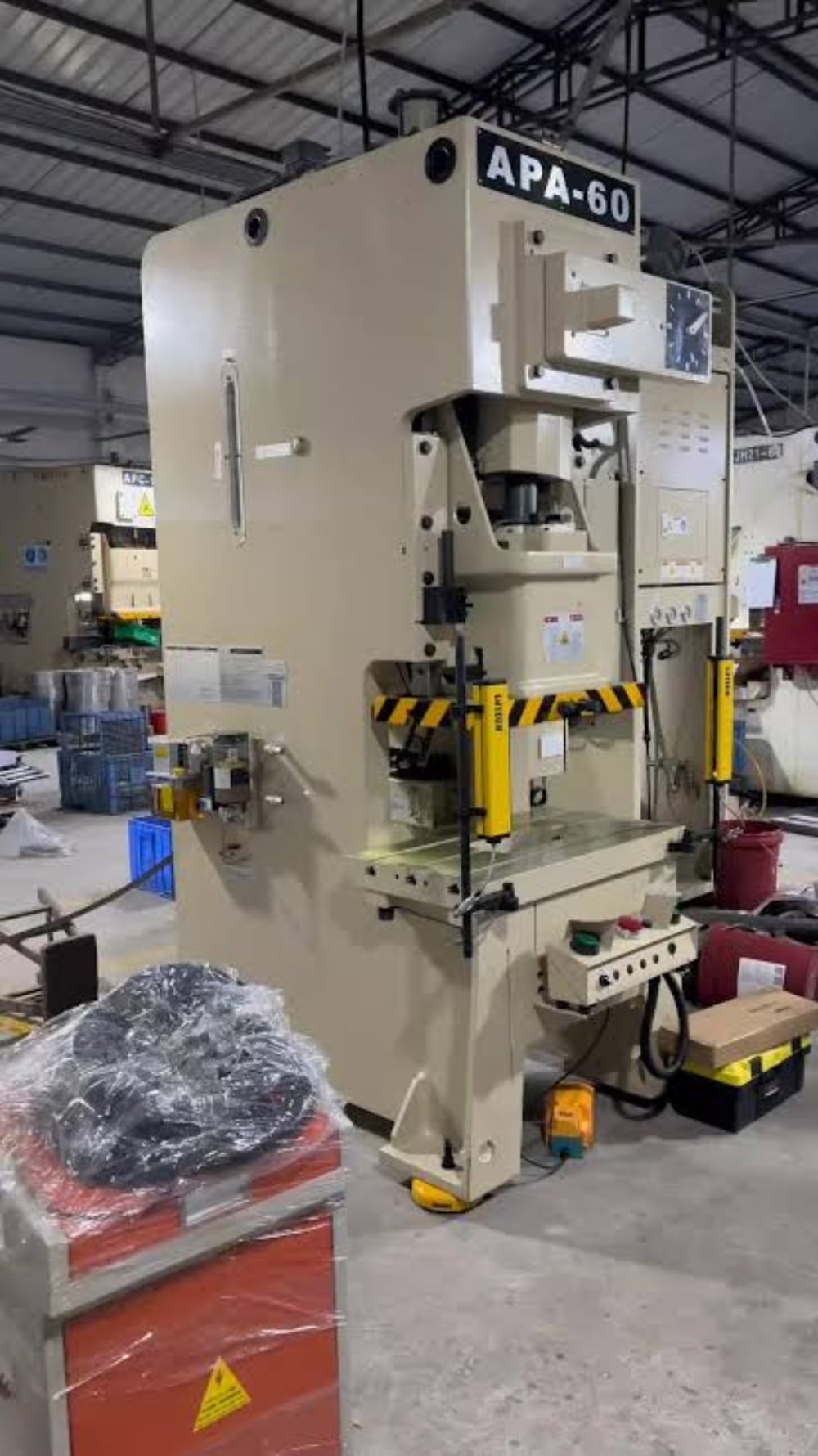
The technical architecture of a punching machine determines its suitability for high-volume tasks. Most high-volume operations utilize either mechanical power presses or high-speed CNC turret punch presses. Mechanical presses, often driven by a flywheel and a crankshaft, are prized for their ability to deliver massive force at the bottom of the stroke, which is ideal for heavy-duty stamping and blanking. These machines often feature a pneumatic clutch-brake unit that allows for precise control over the start and stop cycles, essential for safety and synchronization with automated feeders.
CNC turret punch presses, on the other hand, offer unparalleled versatility. They feature a rotating turret that holds dozens of different tools, allowing the machine to perform multiple operations—such as punching, forming, and tapping—without manual intervention. For high-volume sheet metal stamping, CNC machines use sophisticated nesting software to maximize material utilization, ensuring that as many parts as possible are cut from a single sheet. This reduces scrap and directly impacts the bottom line.
| Feature | Mechanical Punching Machine | CNC Turret Punch Press |
|---|---|---|
| Primary Drive | Flywheel / Crankshaft | Servo-Hydraulic or Electric Servo |
| Stroke Speed | High (Fixed or Variable) | Very High (Dynamic Control) |
| Tooling Capacity | Single or Progressive Die | Multi-tool Turret (24-50+ stations) |
| Best Use Case | Simple, high-speed blanking | Complex parts with multiple features |
| Setup Time | Longer (Die set installation) | Short (Software-driven) |
The frame construction is another vital technical aspect. High-volume machines typically use a “C-frame” or an “H-frame” (also known as a bridge frame). While C-frames offer better access to the work area, H-frames provide superior rigidity and resistance to deflection. In high-volume stamping, where the machine is subjected to repetitive high-tonnage loads, an H-frame design is often preferred to maintain precise alignment between the punch and die, thereby extending tool life and ensuring part consistency.
Advanced sensors and monitoring systems are now standard in high-volume punching machines. These include tonnage monitors that detect if the force required for a hit exceeds or falls below expected levels, which can indicate a broken tool or a double-fed sheet. Additionally, vibration sensors can predict bearing failures before they lead to catastrophic machine breakdown. This shift toward “smart” machinery allows for predictive maintenance, which is essential for facilities running 24/7 production cycles.
Selection Advice for Industrial Buyers
Choosing the right punching machine for high-volume sheet metal stamping requires a deep analysis of your specific production needs. The first step is to determine the required tonnage. This is calculated based on the material type, thickness, and the total perimeter of the cut. For high-volume runs, it is advisable to select a machine with a capacity 20-30% higher than your maximum requirement. This “headroom” reduces the stress on the machine frame and drive components, leading to a longer service life and fewer maintenance issues.
Next, consider the Stroke Per Minute (SPM) rating. In high-volume environments, every fraction of a second counts. However, a high SPM is only useful if the material feeding system can keep up. Buyers should look for integrated solutions where the punching machine and the feeder communicate via a single control system. This ensures that the material is perfectly positioned before the ram descends, preventing mis-hits and expensive tool damage.
The complexity of the parts also dictates the machine type. If you are producing a single type of bracket in the millions, a mechanical press with a progressive die is likely the most cost-effective solution. Progressive dies perform a series of operations at different stations within the same tool as the material moves through the press. If your high-volume needs involve a variety of parts with different hole patterns and forms, a CNC turret punch press offers the flexibility to switch between jobs with minimal downtime.
Finally, evaluate the manufacturer’s support and the availability of spare parts. High-volume production cannot afford long periods of downtime. Choosing a reputable brand like HARSLE ensures that you have access to technical expertise, comprehensive manuals, and a reliable supply chain for wear parts like seals, clutches, and electronic components. A lower initial purchase price can quickly be offset by the cost of lost production if the machine is difficult to service or if parts are hard to find.
Maintenance Strategies for Continuous Operation
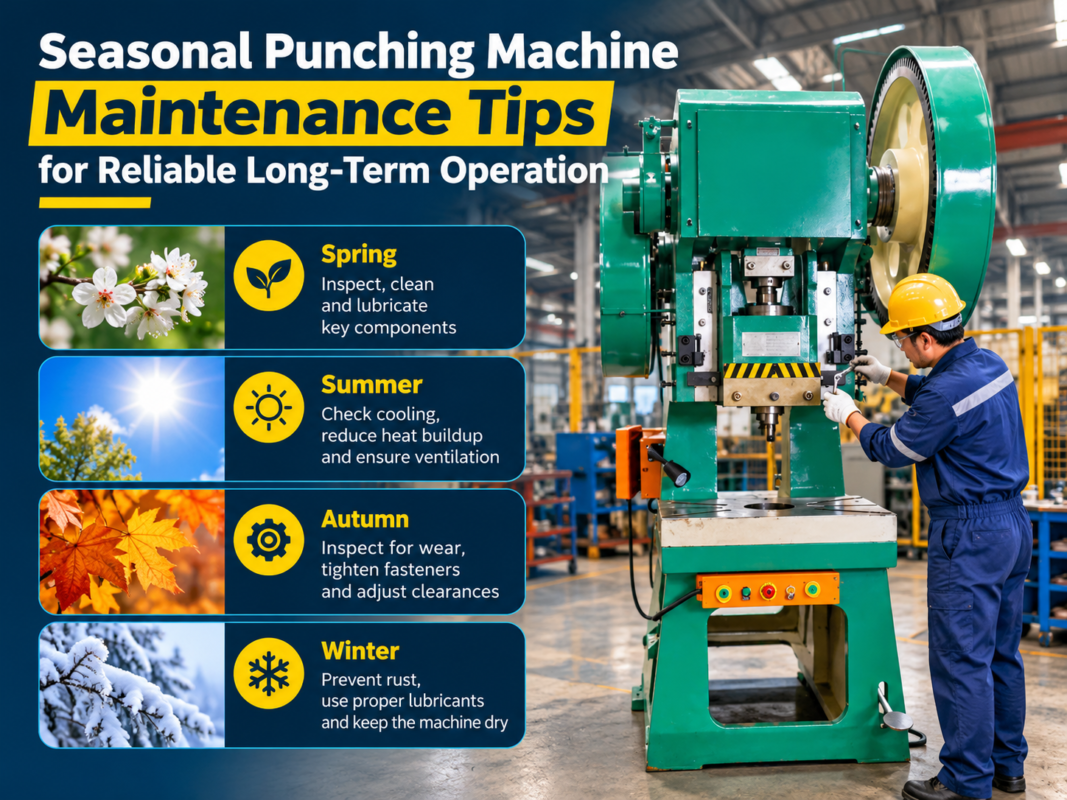
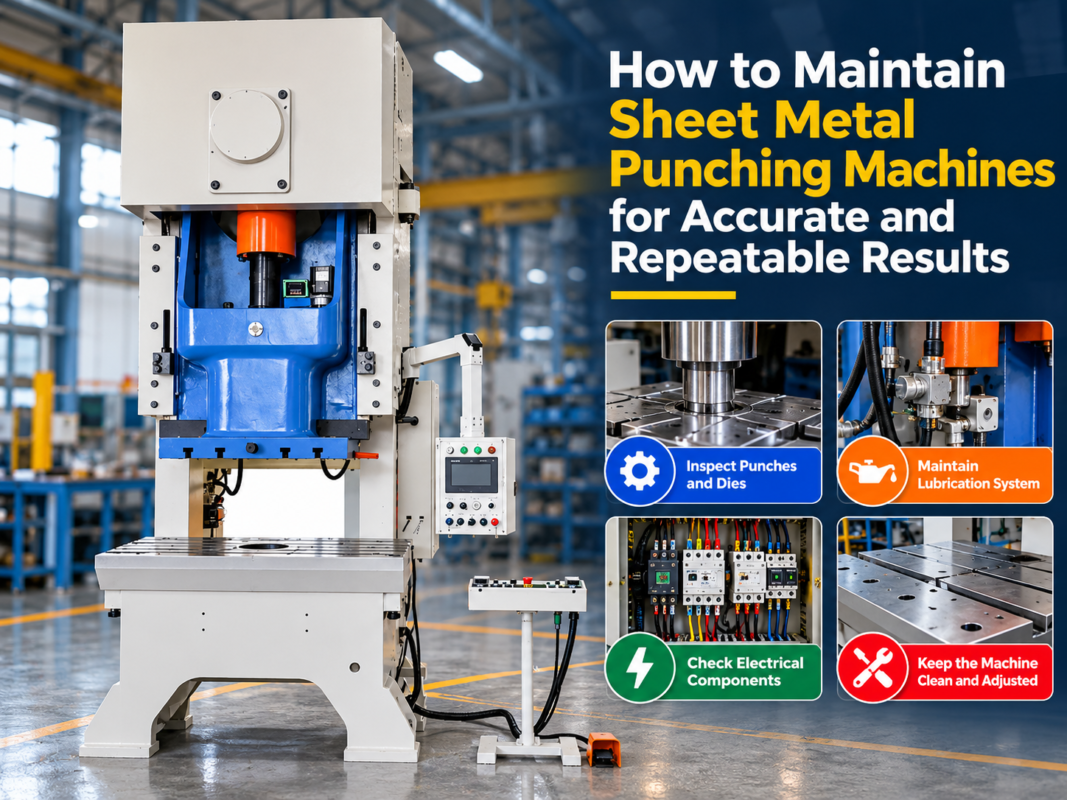
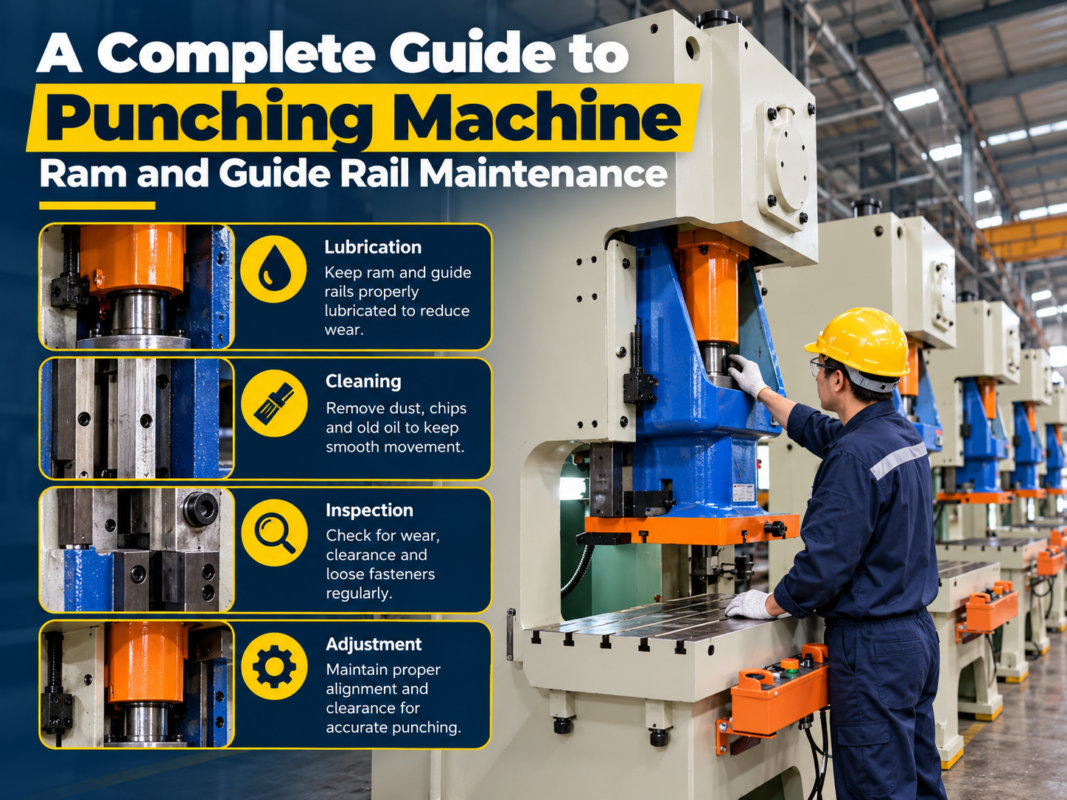
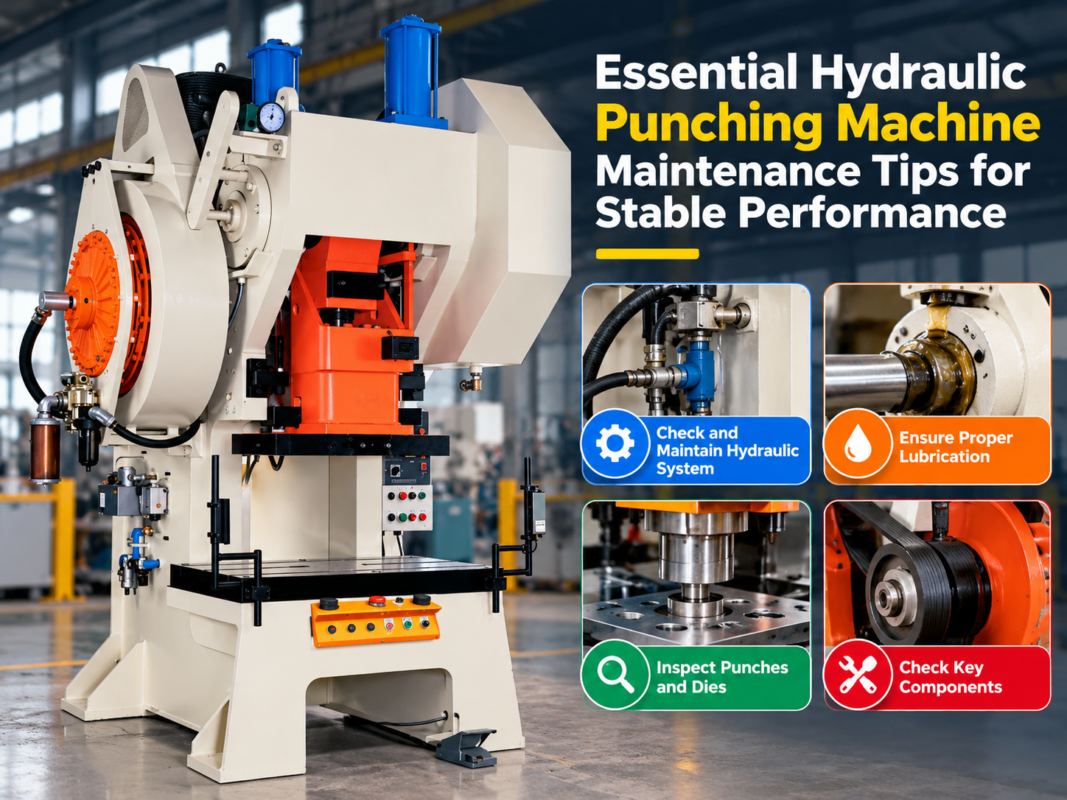
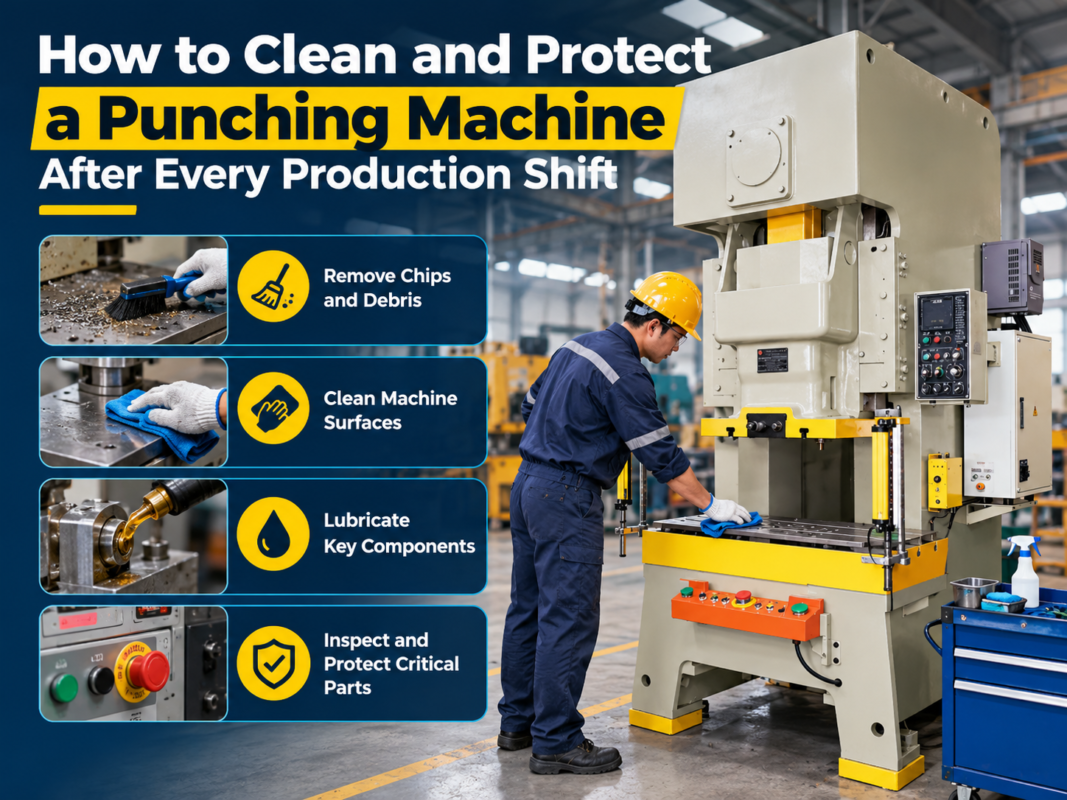
To ensure that punching machines support high-volume sheet metal stamping effectively, a rigorous maintenance schedule is non-negotiable. The most basic yet critical task is lubrication. High-speed machines rely on a constant film of oil or grease to protect moving parts from wear. Automated lubrication systems should be checked daily to ensure they are functioning correctly and that reservoirs are full. Using the manufacturer-recommended lubricant is essential, as the wrong viscosity can lead to overheating or inadequate protection.
Tooling maintenance is equally important. In high-volume stamping, punches and dies will eventually dull. Using dull tools increases the tonnage required for each hit, which puts unnecessary strain on the machine and results in poor part quality (such as excessive burrs). Implementing a tool-sharpening schedule based on hit counts can prevent these issues. Many modern CNC machines track hit counts automatically, alerting operators when it is time to inspect or sharpen specific tools.
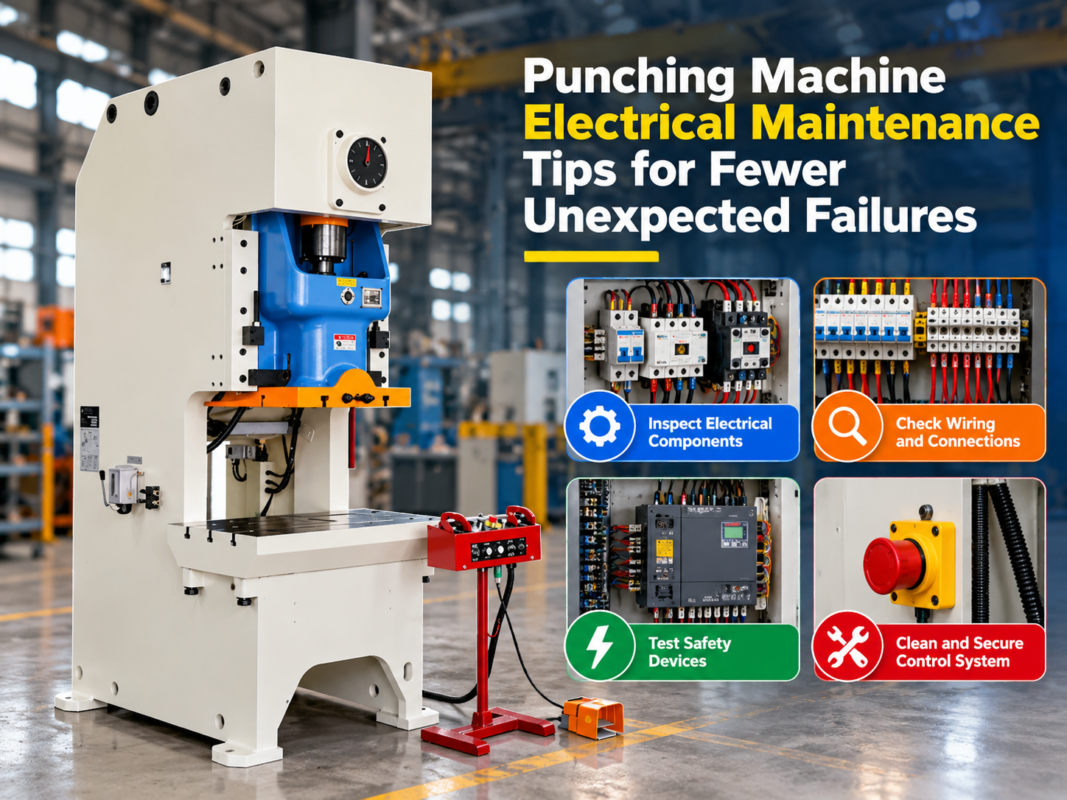
Electrical and pneumatic systems also require regular attention. Air leaks in pneumatic clutch systems can lead to sluggish response times or failure to stop the ram, posing a significant safety risk. Similarly, electrical connections can loosen over time due to the constant vibration of the machine. Periodic thermal imaging of electrical cabinets can identify overheating components before they fail, allowing for planned repairs during scheduled downtime rather than emergency stops during a production run.
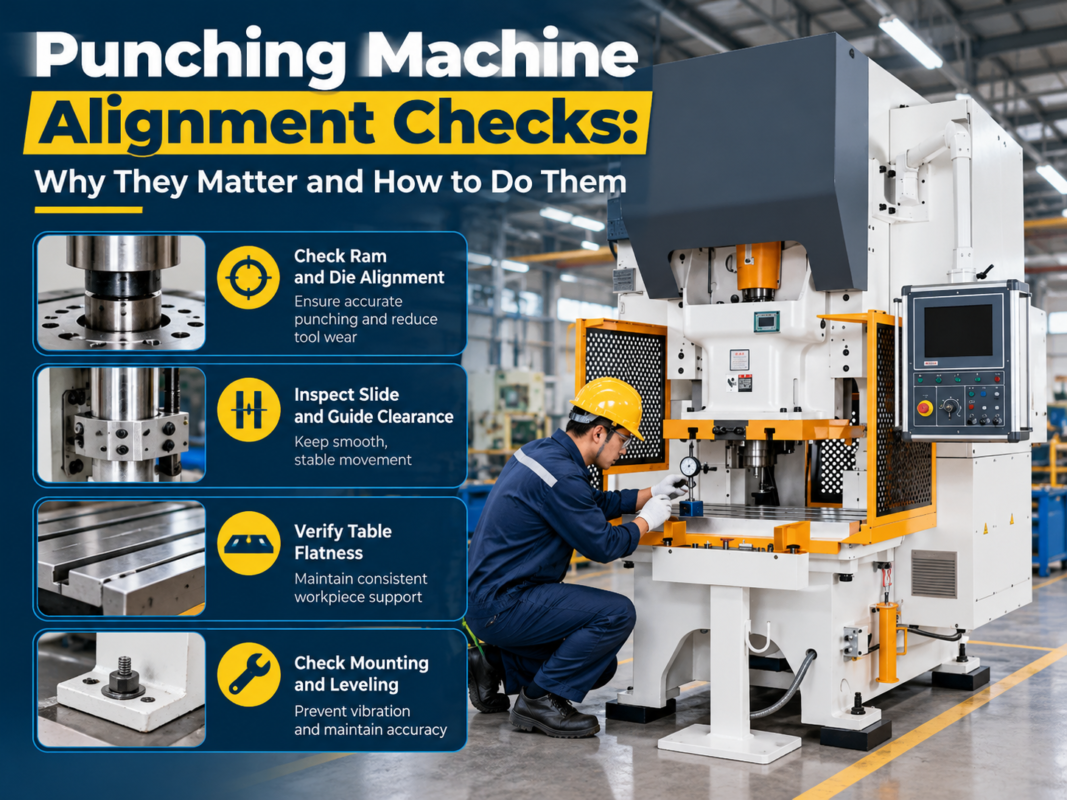
Lastly, the machine’s level and alignment should be checked annually. Over time, the vibrations from high-volume stamping can cause the machine to shift slightly on its foundation. Even a minor misalignment can lead to uneven wear on the ram guides and the tooling. By keeping the machine perfectly level and aligned, you ensure that the force is distributed evenly, preserving the structural integrity of the press and the precision of the finished parts.
Frequently Asked Questions (FAQ)
1. What is the difference between a punching machine and a stamping press?
While the terms are often used interchangeably, a punching machine typically refers to a machine that uses a specific tool to create holes or shapes in a sheet, often via a CNC turret. A stamping press is a broader term that includes machines using large dies to form, blank, or draw metal into complex shapes. For high-volume work, both are used depending on part complexity.
2. How do I calculate the tonnage needed for my high-volume project?
Tonnage is calculated using the formula: Tonnage = (Perimeter of Cut x Material Thickness x Shear Strength) / 2000 (for US tons). It is crucial to use the maximum shear strength of the material to ensure the machine can handle the load without straining.
3. Can CNC punching machines handle high-volume production as well as mechanical presses?
Yes, modern CNC punching machines are incredibly fast and are often used for high-volume production of complex parts. However, for very high volumes of simple parts, a mechanical press with a progressive die is usually faster and more cost-effective per part.
4. What role does nesting software play in high-volume stamping?
Nesting software optimizes the layout of parts on a sheet of metal to minimize scrap. In high-volume production, even a 5% improvement in material utilization can result in thousands of dollars in savings over the course of a year.
5. How often should I sharpen my punching tools?
This depends on the material being punched and the tool coating. Generally, tools should be inspected every 50,000 to 100,000 hits. Sharpening them early and often is better than waiting for the part quality to degrade, as it removes less material from the tool each time.
Conclusion: The Future of High-Volume Punching
In conclusion, punching machines support high-volume sheet metal stamping by combining raw power with sophisticated control and automation. As the manufacturing industry moves toward Industry 4.0, we can expect to see even greater integration of data analytics and IoT (Internet of Things) in punching operations. Real-time monitoring of machine health, automated tool management, and AI-driven nesting will further enhance the efficiency and reliability of high-volume production lines.
For manufacturers, the key to success lies in selecting the right equipment and maintaining it with discipline. A high-quality punching machine is a significant investment, but when utilized correctly in a high-volume environment, it becomes a powerful engine for growth and profitability. By focusing on technical specifications, automation, and proactive maintenance, businesses can ensure that their stamping operations remain competitive in an ever-evolving global market. HARSLE remains committed to providing the technology and support necessary for manufacturers to achieve these goals, pushing the boundaries of what is possible in metal fabrication.